Symptom index
Find a plant by how you feel
Type a symptom — cough, sleep, skin — or tap a chip. Matching plates, teas, and remedies rise to the top. This is a folk index, not a diagnosis.
93 plates for indigestion
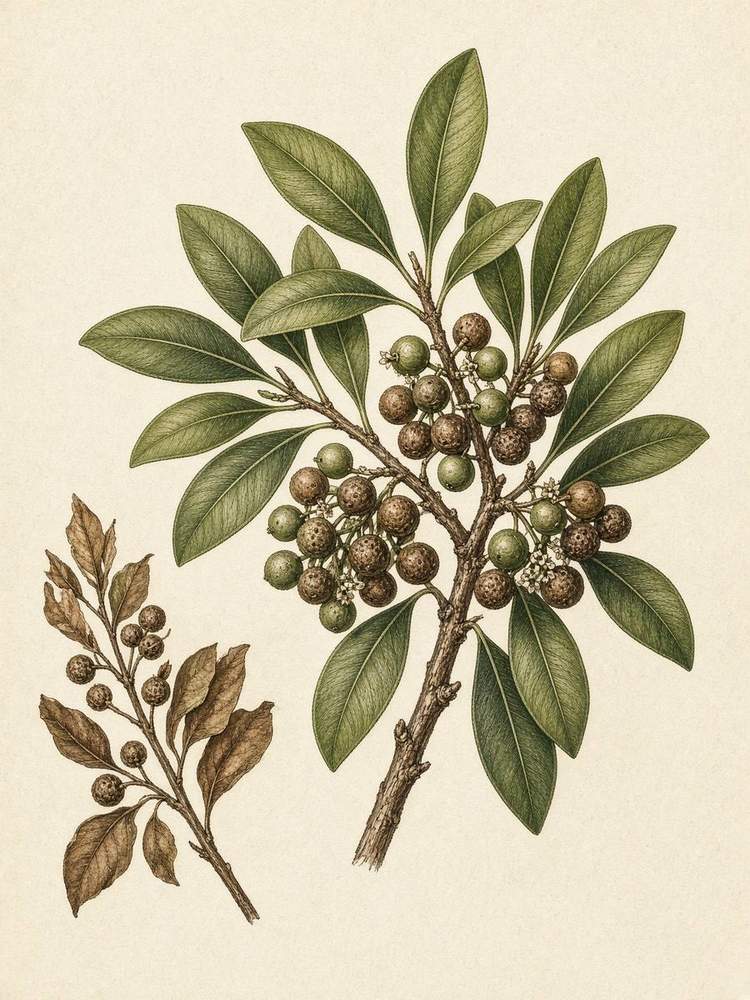
Allspice
Pimenta dioica
A Jamaican myrtle berry that tastes of clove, cinnamon, and nutmeg at once — the stew spice of the Caribbean and of winter baking.
indigestion
1/1LegalGentle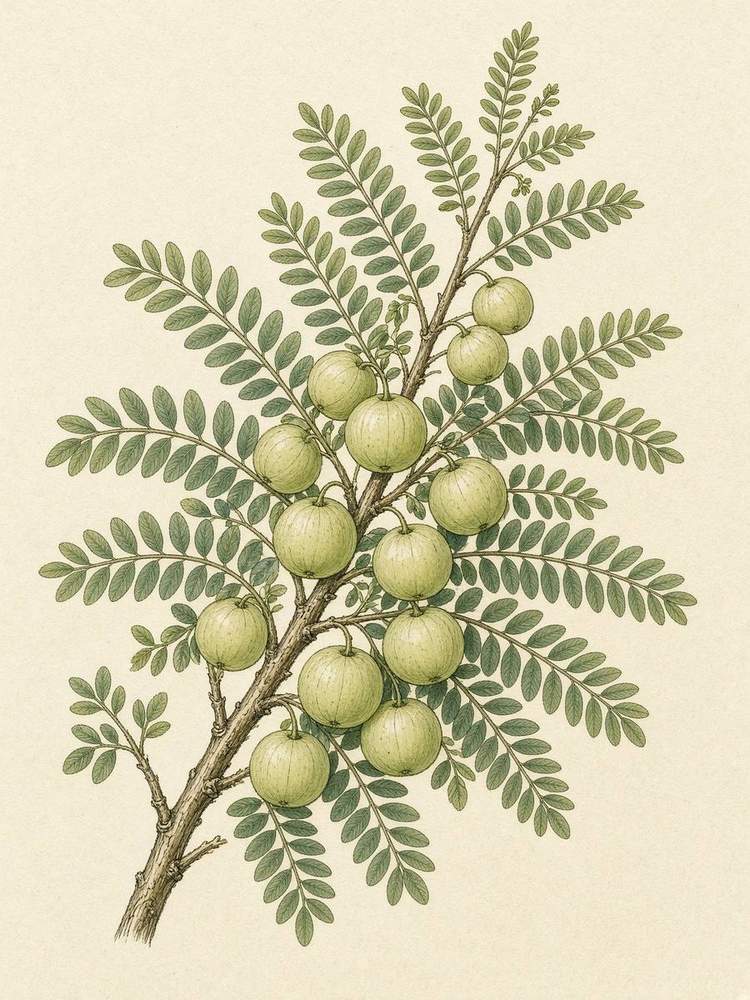
Amla
Phyllanthus emblica
Indian gooseberry — a sour, tannic fruit that Ayurveda treats as a rasayana, and that kitchens pickle in sugar and spice.
indigestion
1/1LegalGentle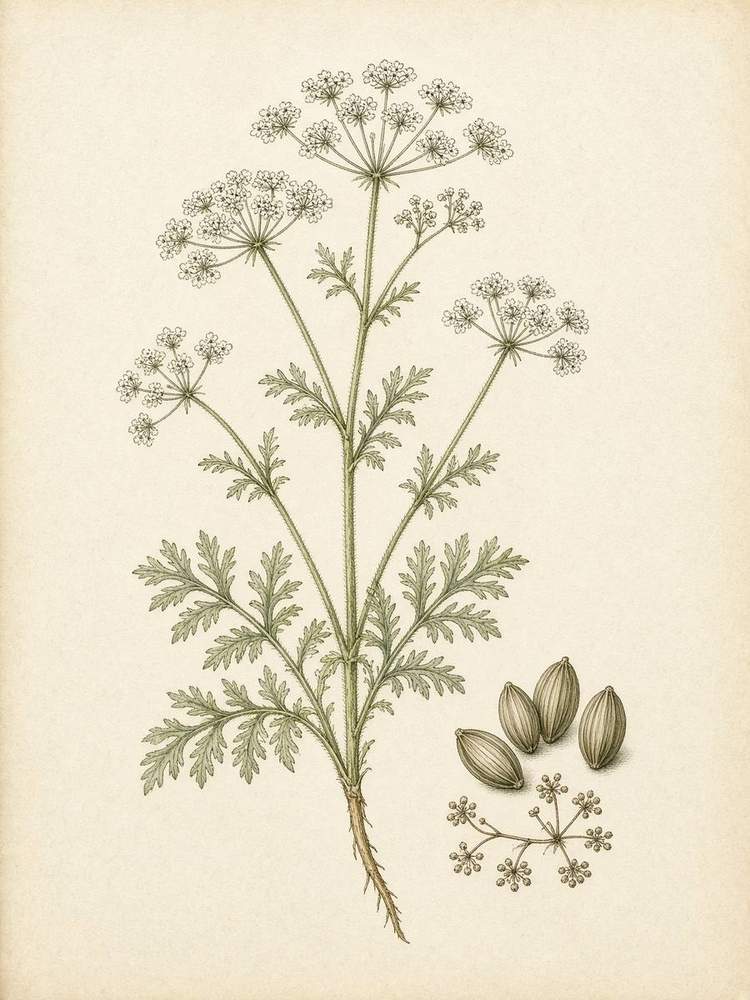
Anise
Pimpinella anisum
The licorice seed of Mediterranean baking — a carminative kitchen spice, not the toxic Japanese lookalike of star anise.
indigestion
1/1LegalGentle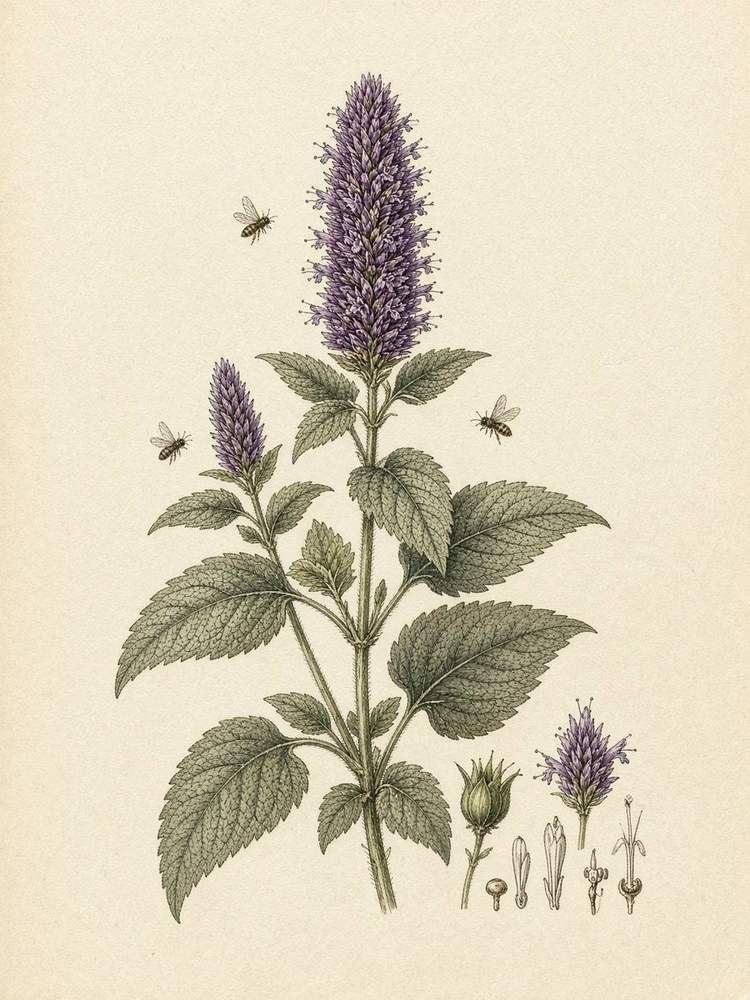
Anise hyssop
Agastache foeniculum
A prairie mint that smells of licorice and basil — a bee spike, a tea, and a name that lies in two directions.
indigestion
1/1LegalGentle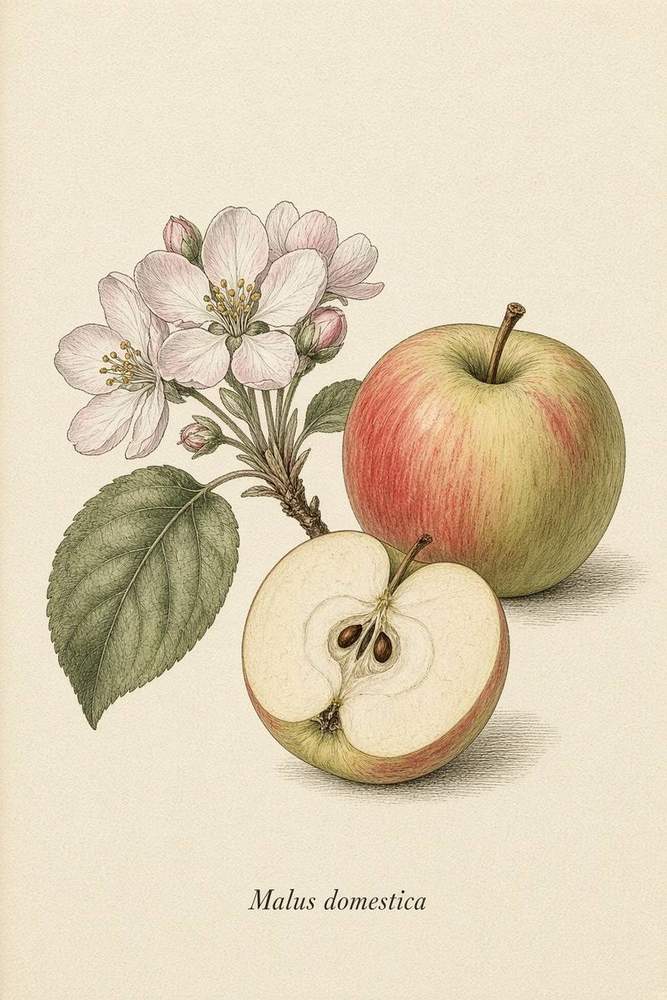
Apple
Malus domestica
The temperate orchard fruit — cider, pie, a pocket, and a folklore about doctors that is older than the clinic.
indigestion
1/1LegalGentle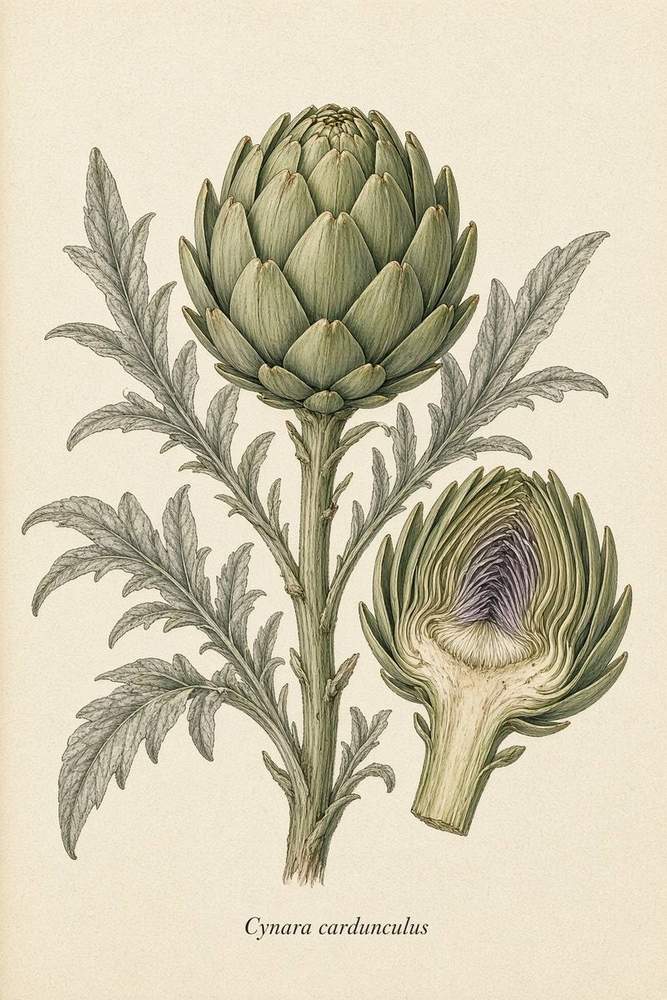
Artichoke
Cynara cardunculus var. scolymus
A giant thistle grown for the flower bud — you eat the bract bases and the heart, and throw away the choke.
indigestion
1/1LegalGentle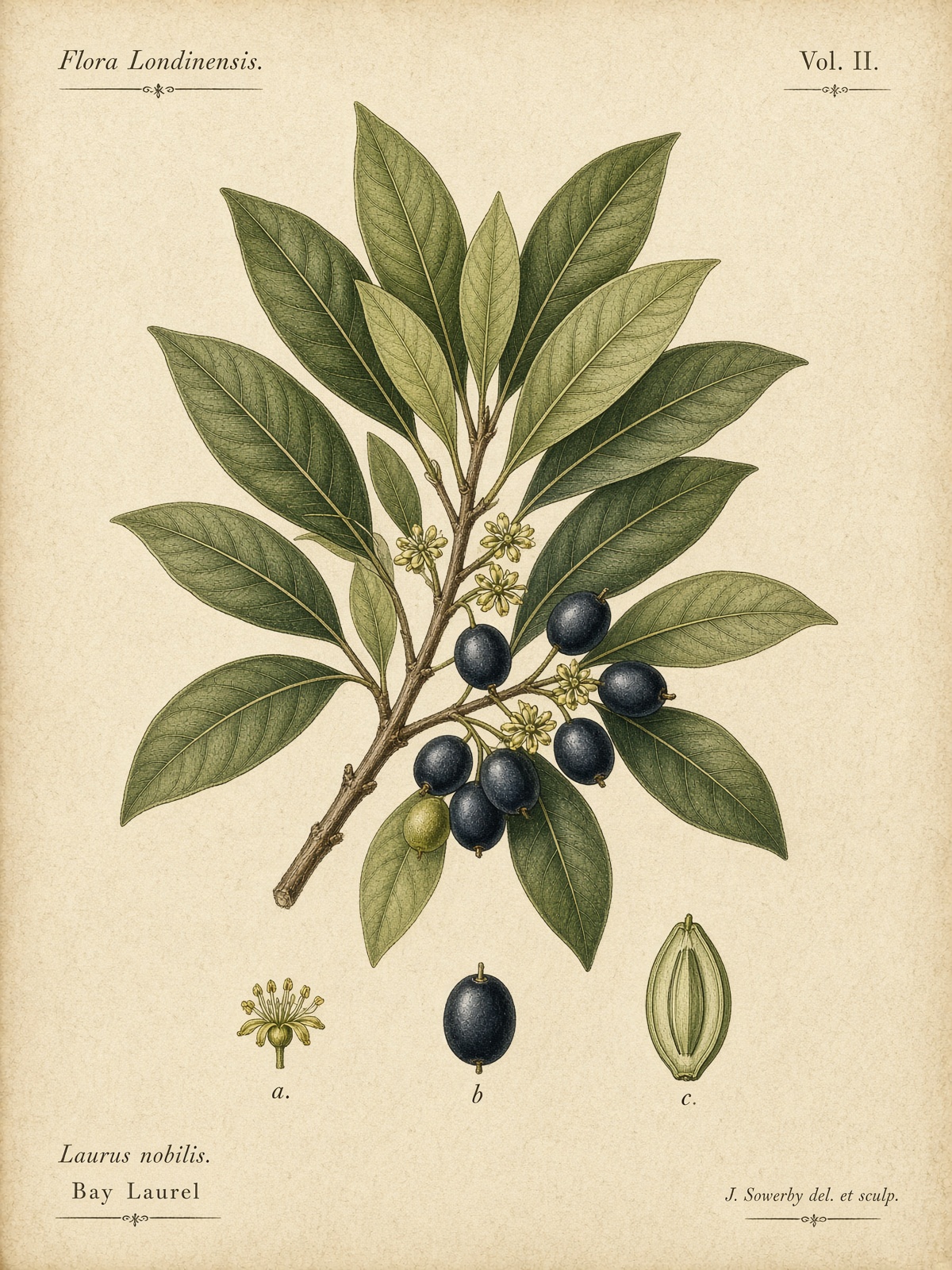
Bay laurel
Laurus nobilis
The soup leaf of the Mediterranean — a pot shrub whose dried blade flavors broth and beans.
indigestion
1/1LegalGentle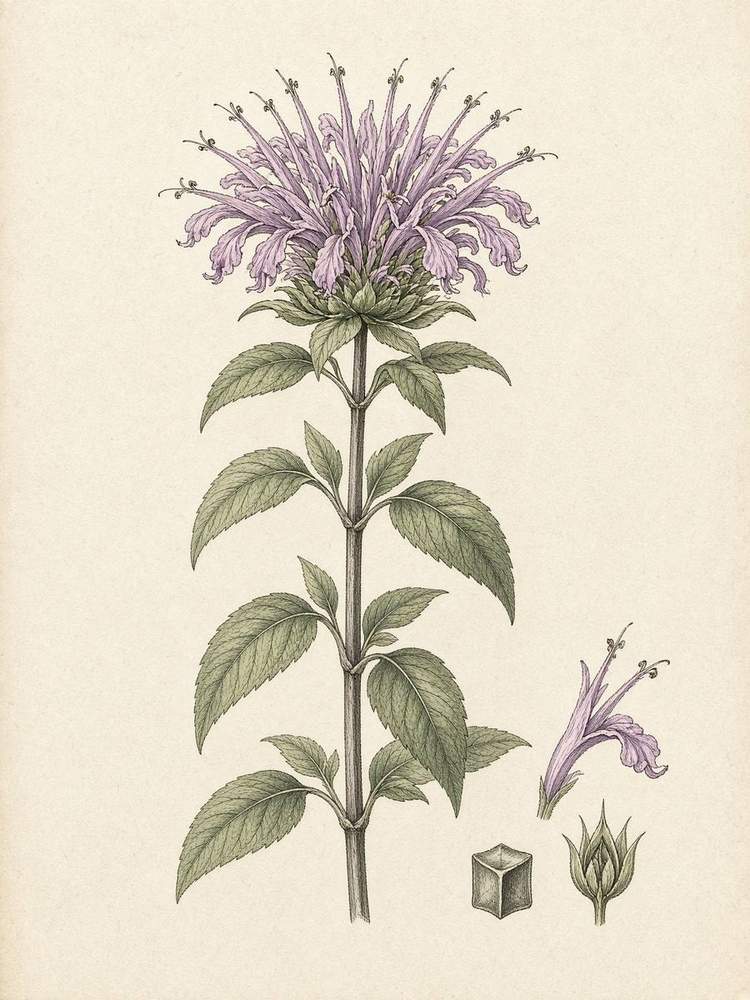
Bee balm
Monarda fistulosa
Wild bergamot — a ragged native mint whose leaf is an Earl Grey rumor and a traditional cold tea of the Northeast.
indigestion
1/1LegalGentle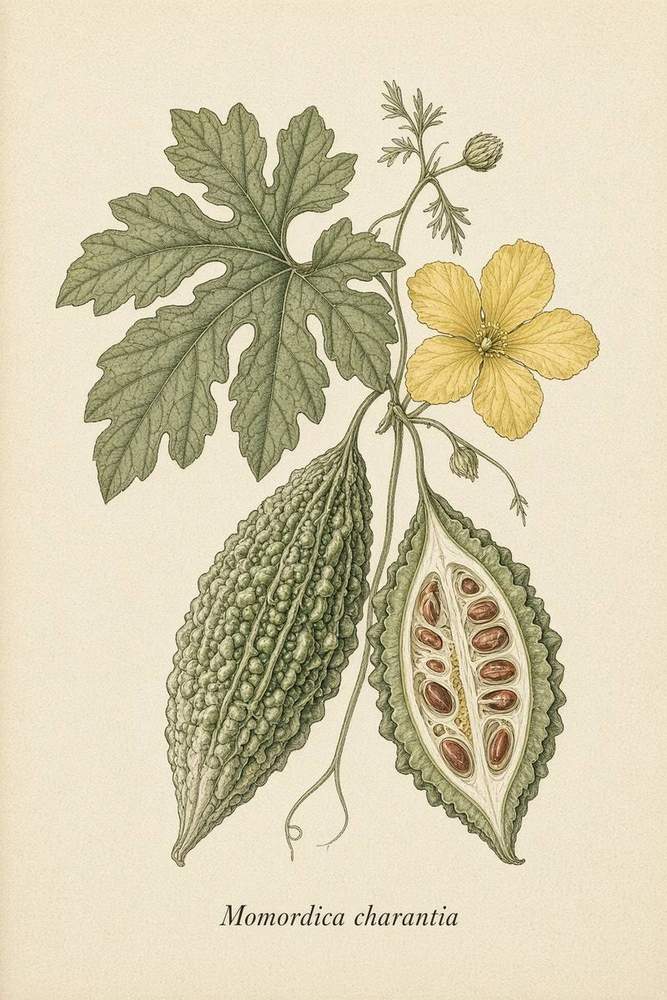
Bitter melon
Momordica charantia
A warty tropical cucurbit that tastes like a dare — a cooked vegetable with a blood-sugar folklore that is not a prescription.
indigestion
1/1LegalCaution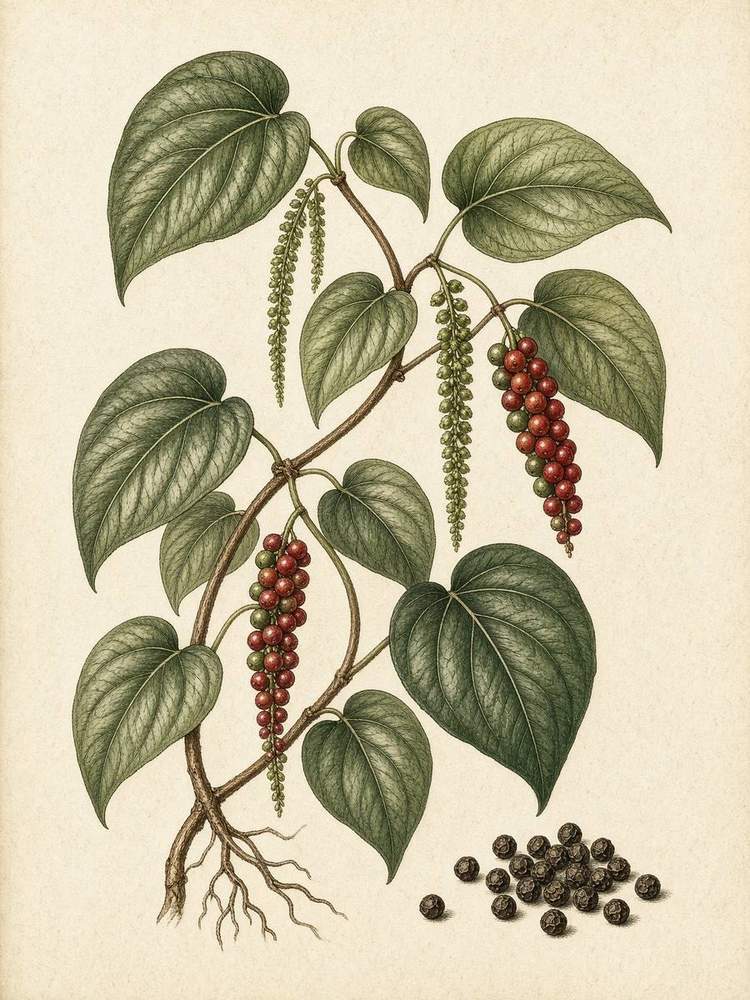
Black pepper
Piper nigrum
The berry that made the spice routes — a tropical vine whose dried fruit is still the world’s default heat.
indigestion
1/1LegalGentle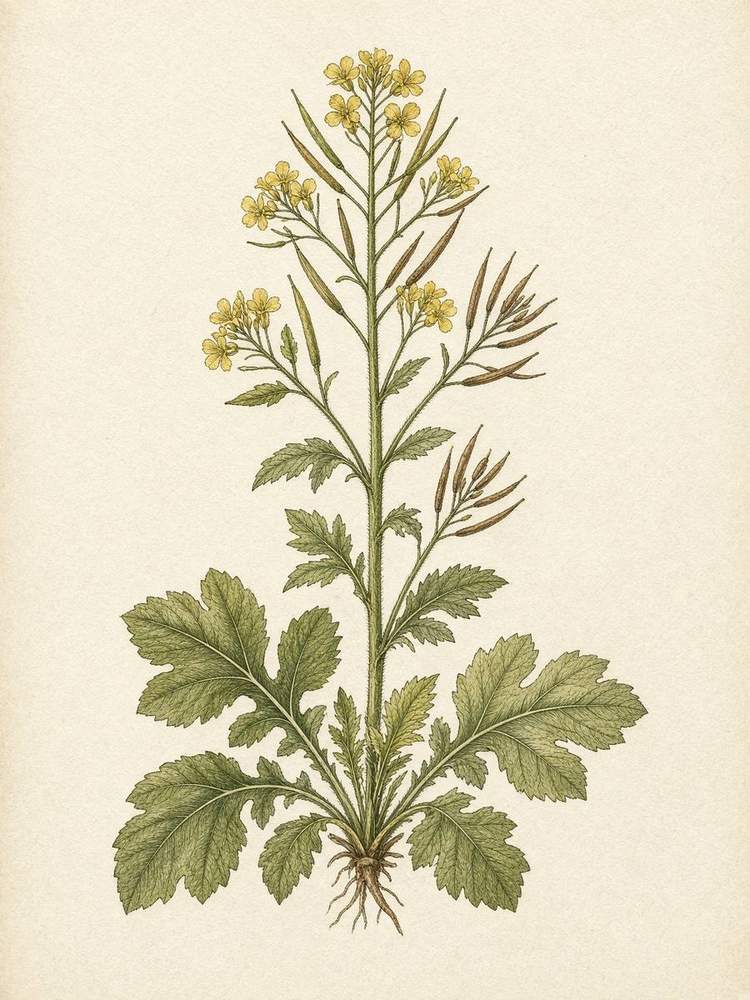
Brown mustard
Brassica juncea
The yellow flower that became a jar — a pungent seed, a bitter green, and a traditional chest-plaster plant.
indigestion
1/1LegalGentle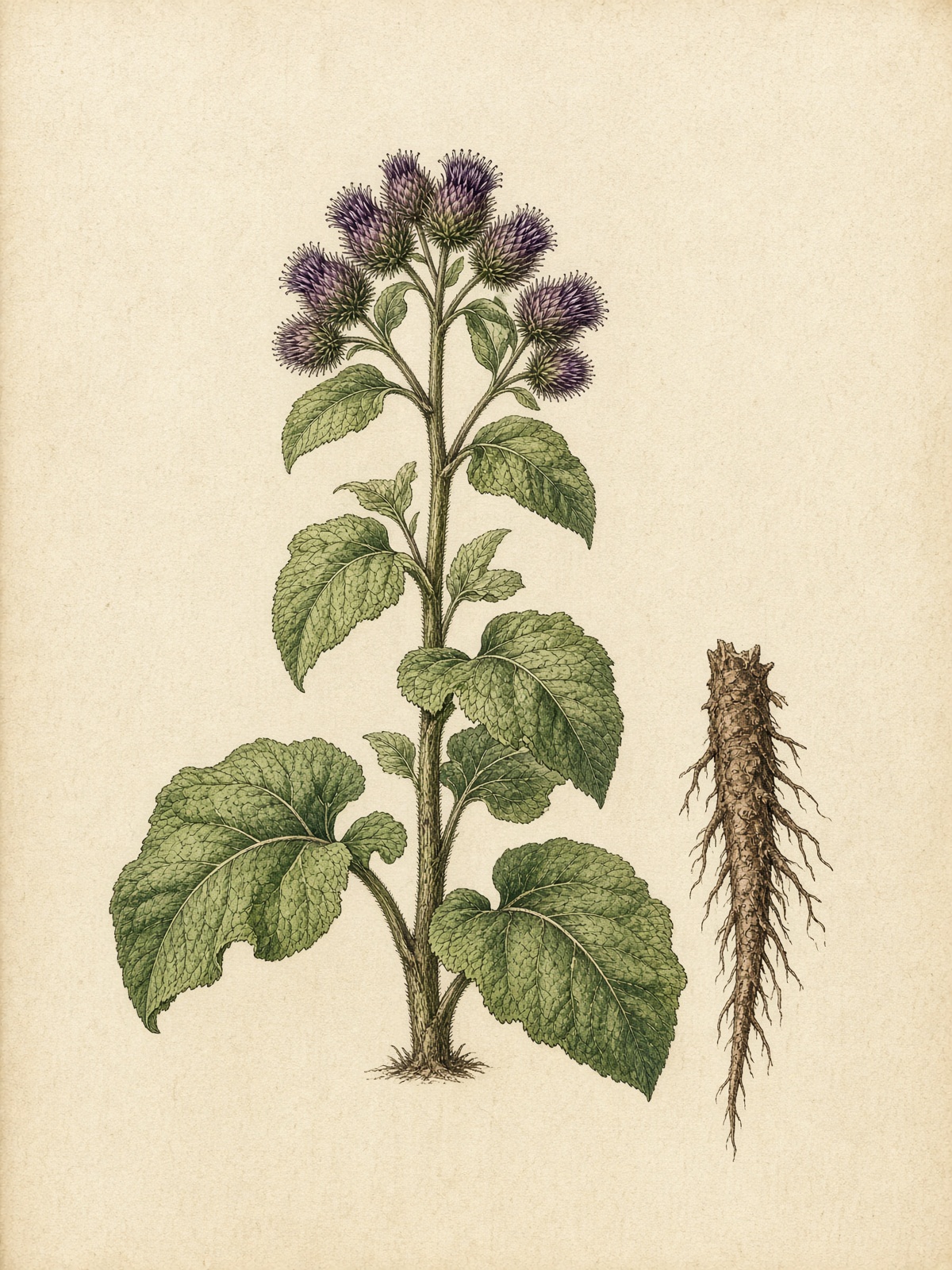
Burdock
Arctium lappa
The burr that invented Velcro — a deep bitter root for skin and sluggish digestion.
indigestion
1/1LegalGentle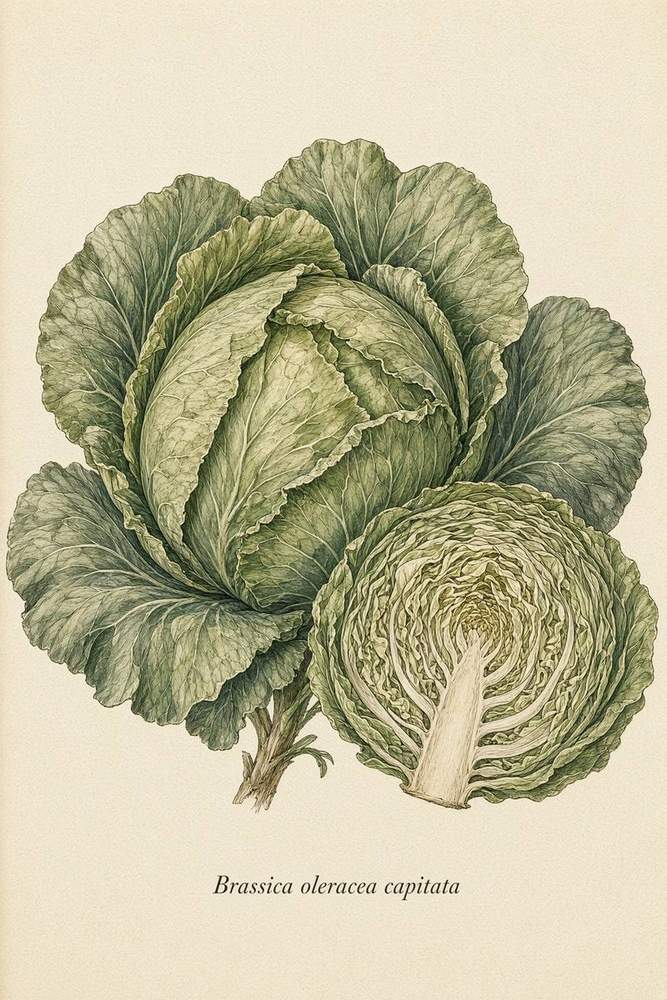
Cabbage
Brassica oleracea var. capitata
The headed brassica of winter tables — a fermented folklore as much as a boiled one.
indigestion
1/1LegalGentle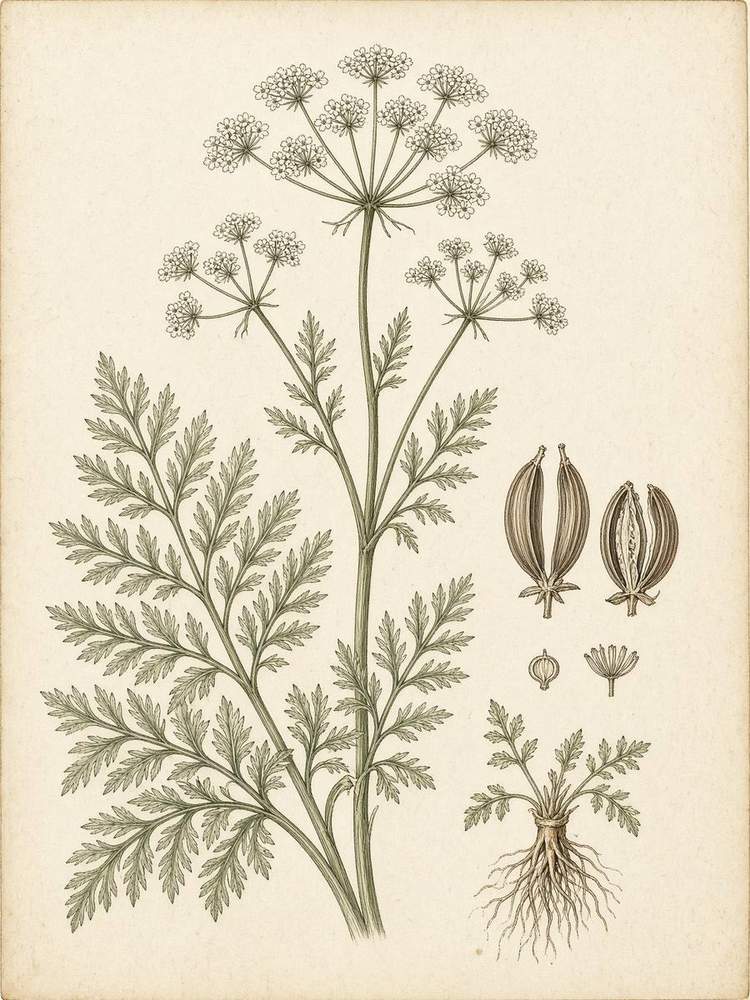
Caraway
Carum carvi
The rye-bread seed — a biennial umbel whose crescent spice is the carminative of Central Europe.
indigestion
1/1LegalGentle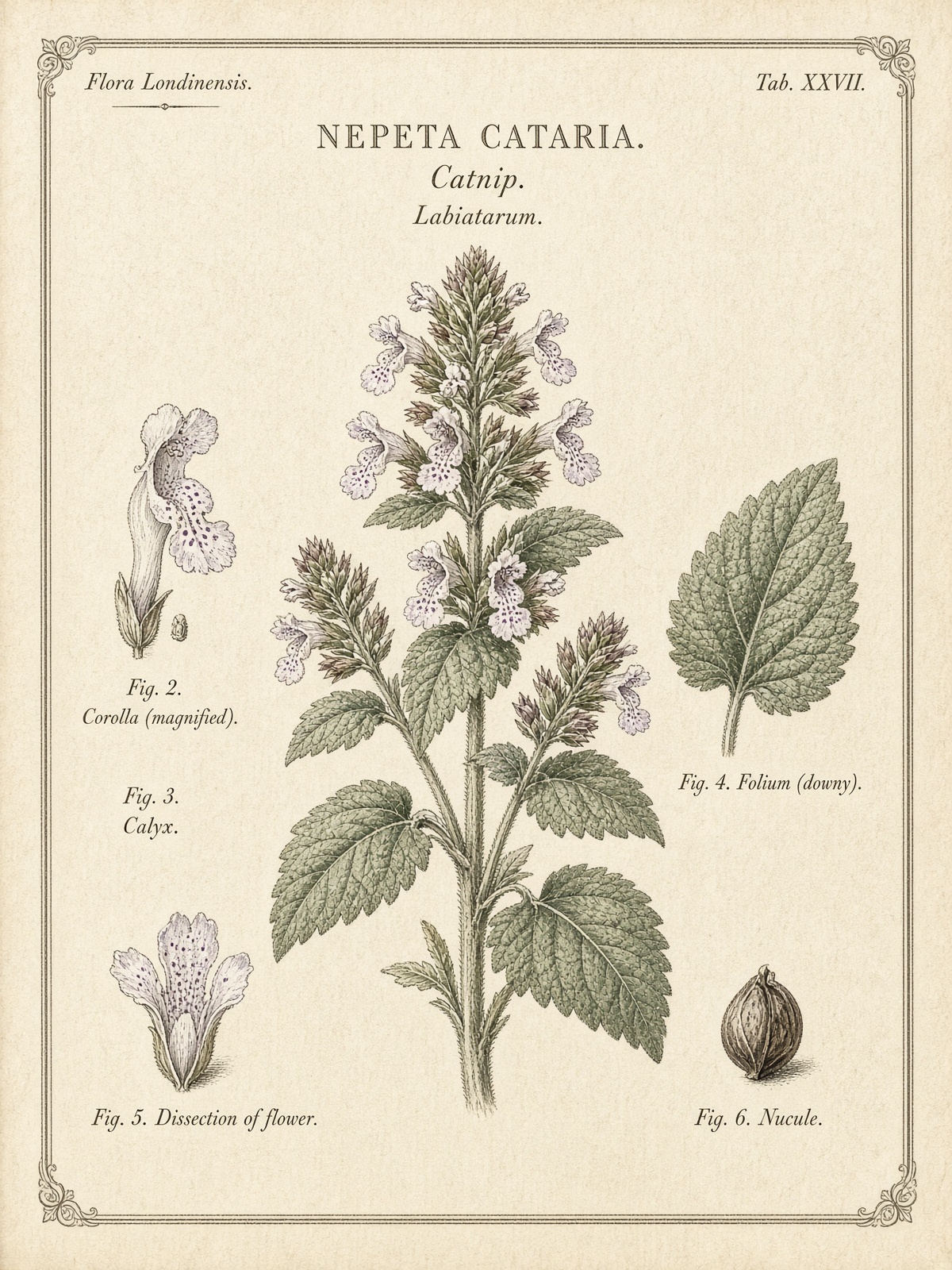
Catnip
Nepeta cataria
A grey mint that sends cats sideways and, as a mild tea, settles people the other direction.
indigestion
1/1LegalGentle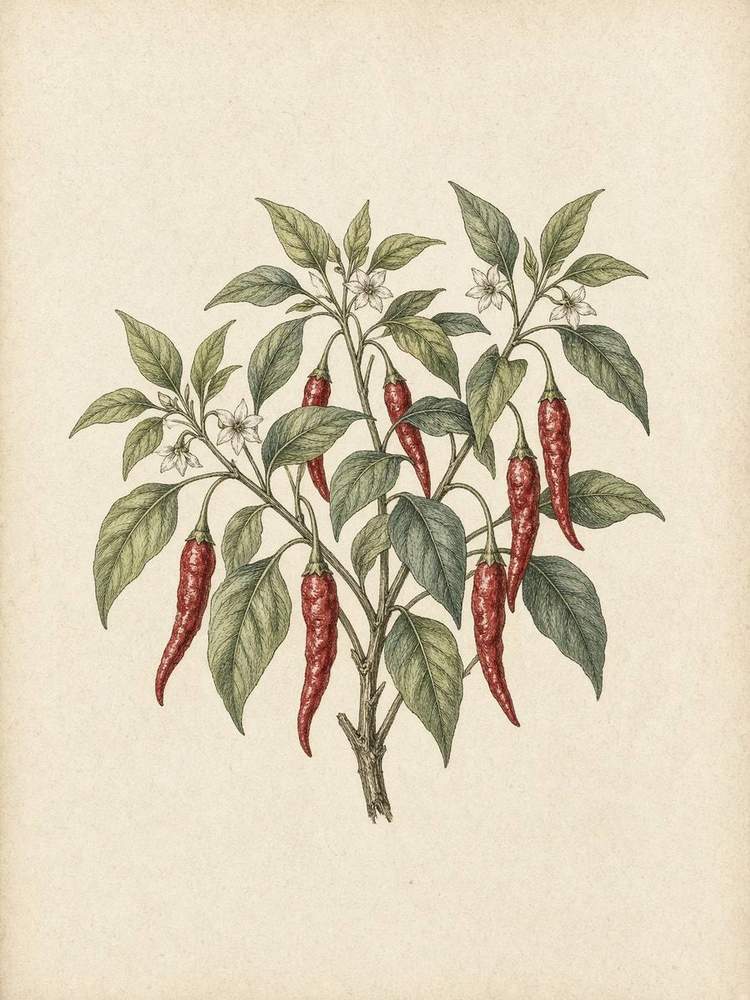
Cayenne
Capsicum annuum
The slender red chili that taught Europe heat — a kitchen spice and a traditional circulation pungent.
indigestion
1/1LegalGentle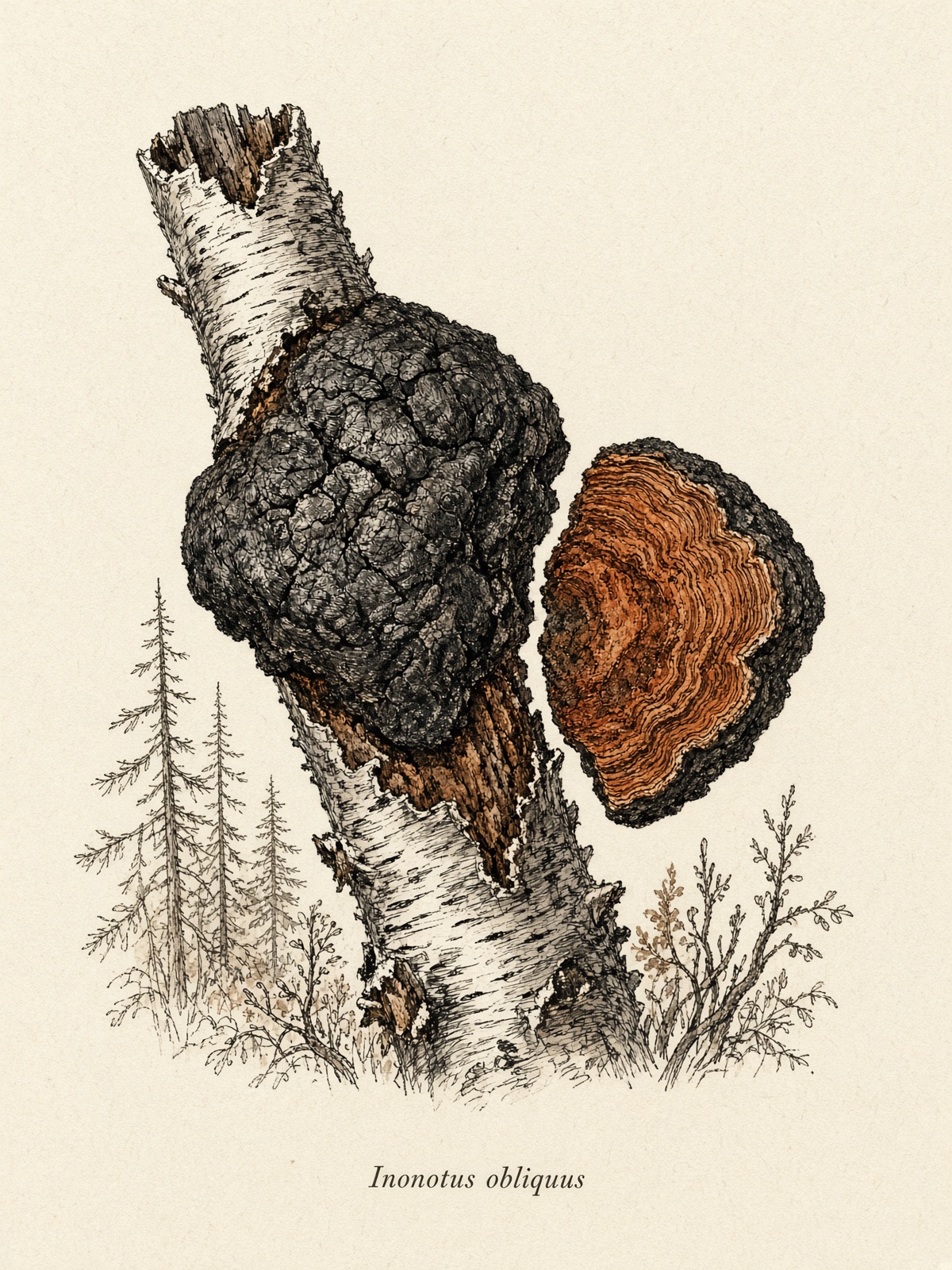
Chaga
Inonotus obliquus
A charcoal-like birch canker simmered as a deep, vanilla-earth tonic — harvest with restraint.
indigestion
1/1LegalCaution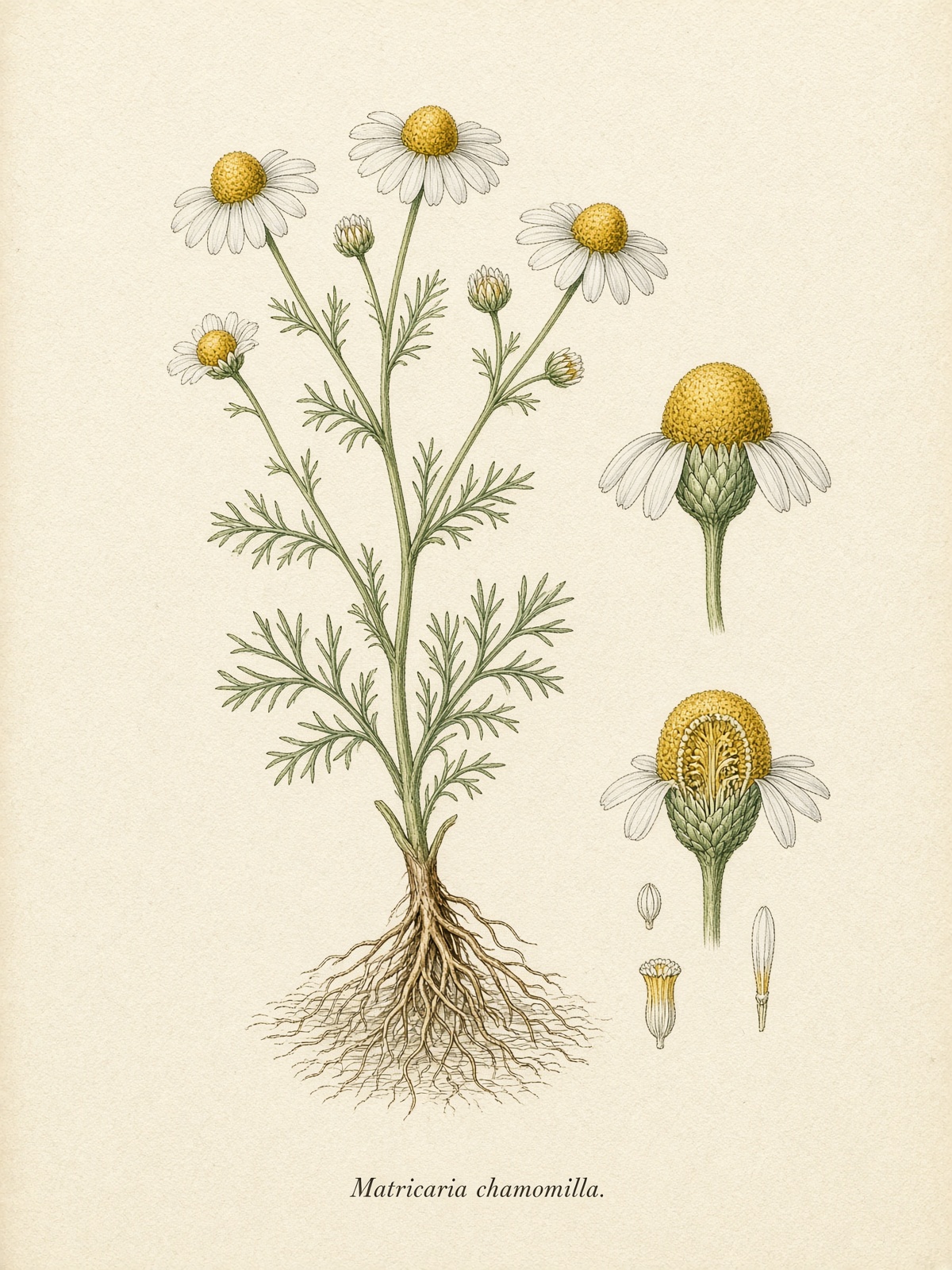
Chamomile
Matricaria chamomilla
A small daisy used for centuries as an evening tea for restlessness and mild digestive cramp.
indigestion
1/1LegalGentle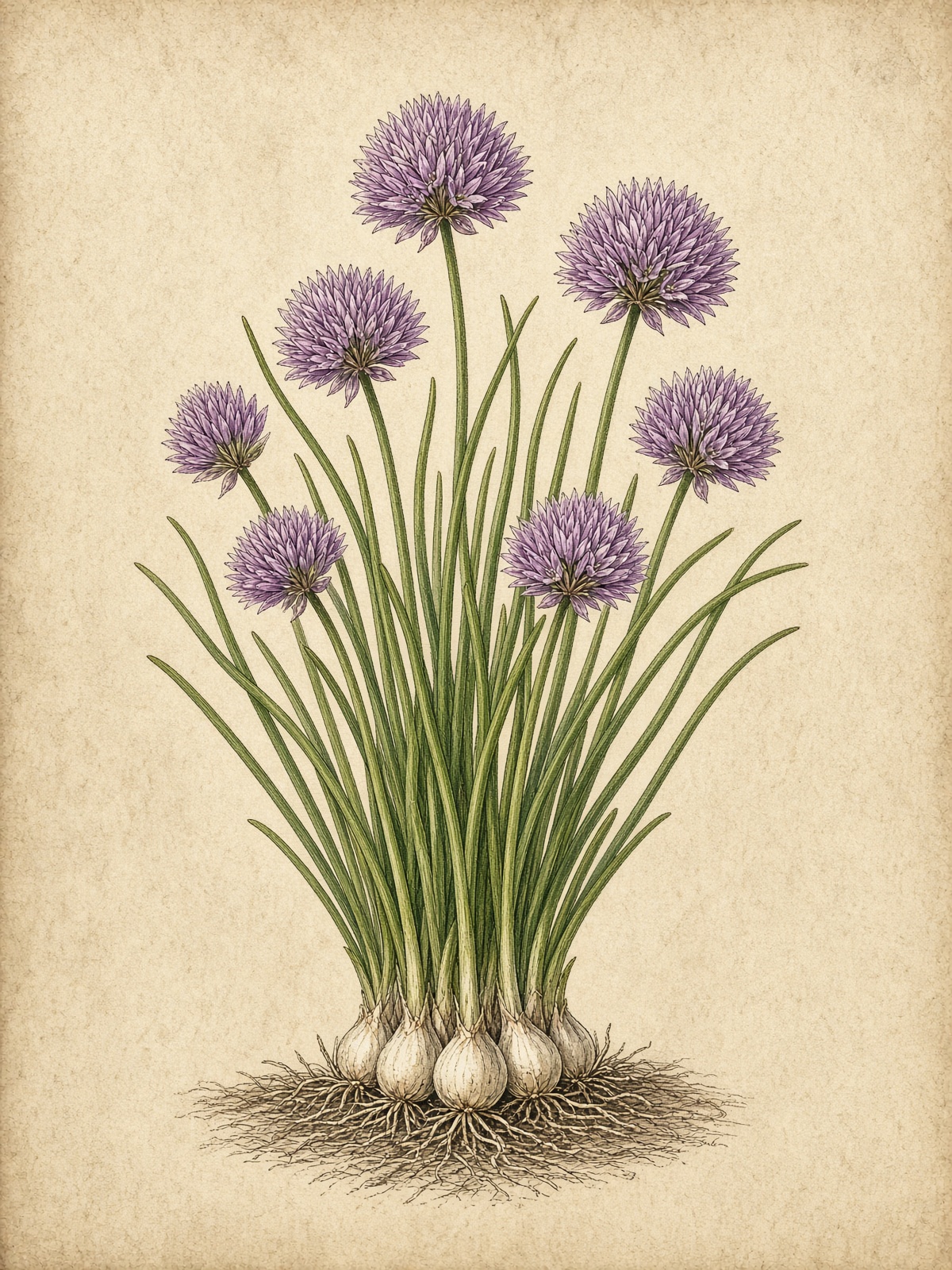
Chives
Allium schoenoprasum
The mildest kitchen onion — a perennial snip for eggs, and a gentler cousin of garlic’s folklore.
indigestion
1/1LegalGentle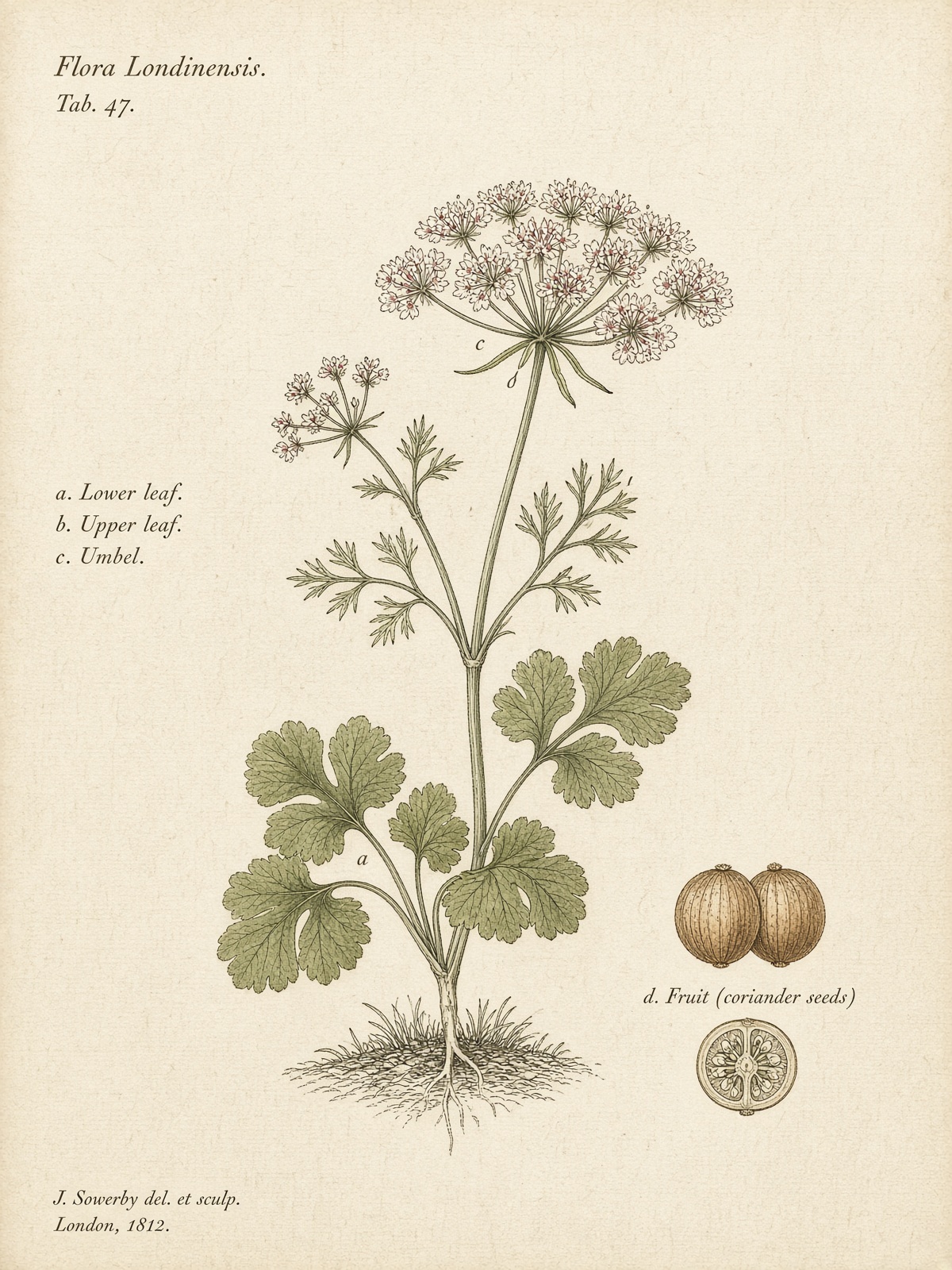
Cilantro
Coriandrum sativum
The herb people argue about — leaf for salsa, seed for digestion. A two-crop kitchen annual.
indigestion
1/1LegalGentle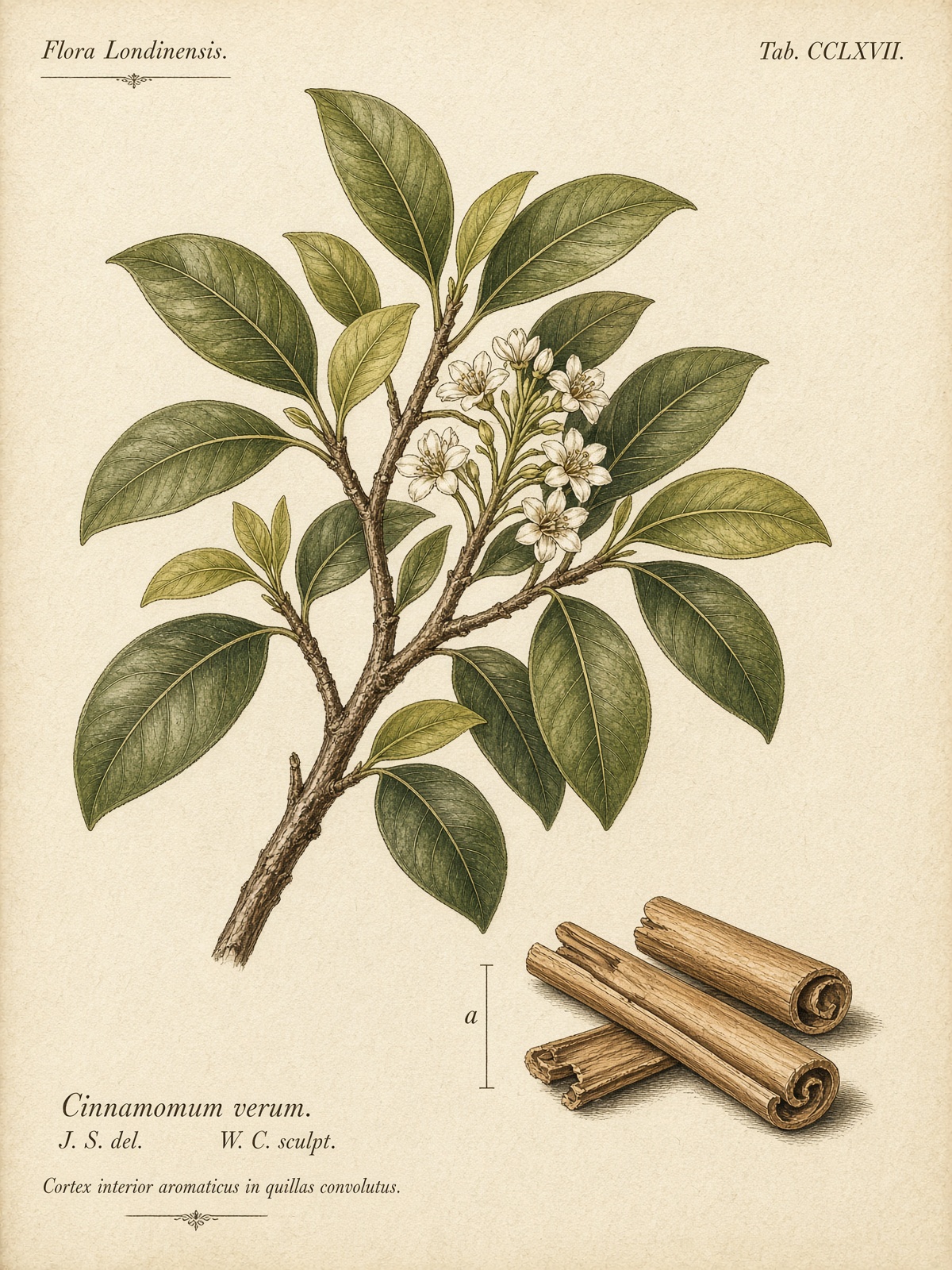
Cinnamon
Cinnamomum verum
The inner bark that built a trade — blood-sugar folklore, a kitchen spice, and a tropical tree.
indigestion
1/1LegalCaution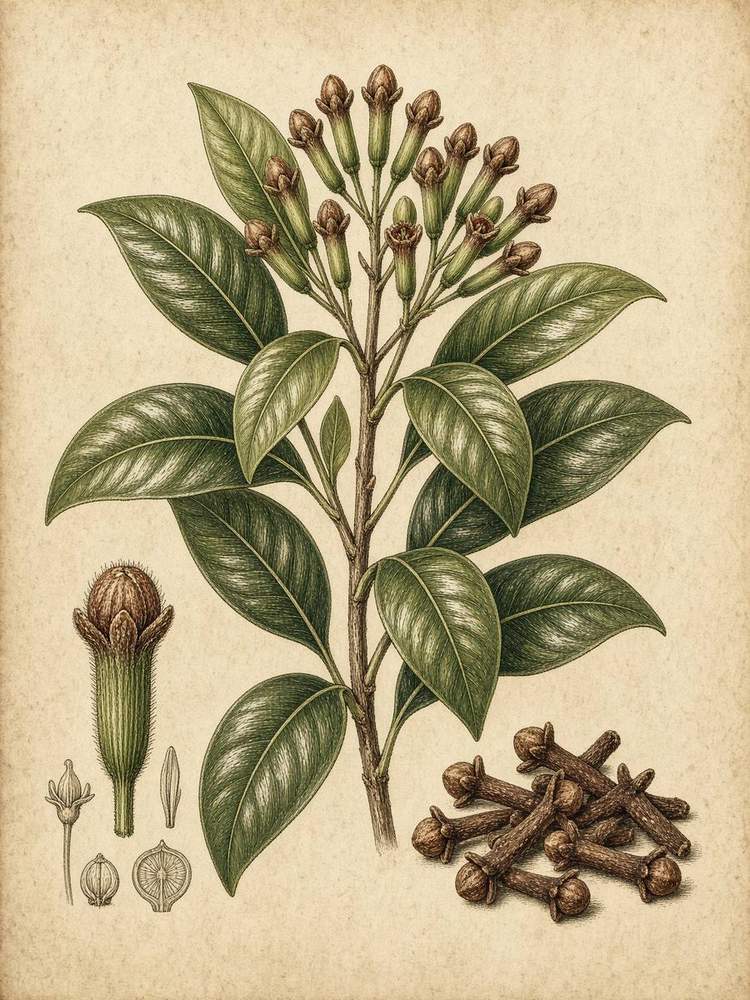
Clove
Syzygium aromaticum
The nail-shaped flower bud that built a monopoly — a kitchen spice and a traditional toothache clove.
indigestion
1/1LegalGentle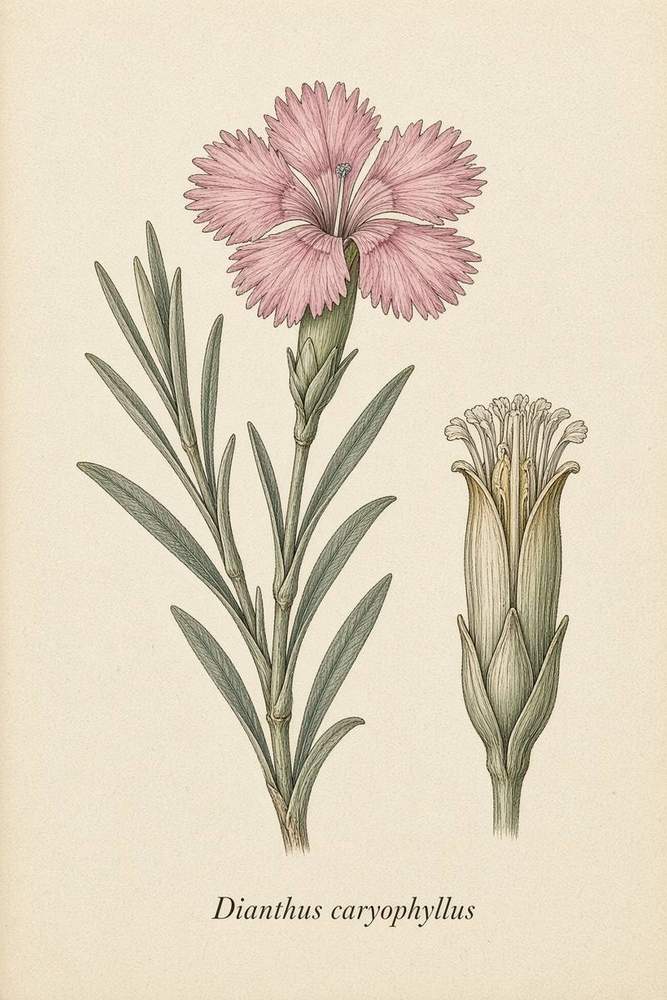
Clove pink
Dianthus caryophyllus
The clove-scented pink of old knot gardens — petals for syrup and vinegar, a grey-green edge that likes it lean.
indigestion
1/1LegalGentle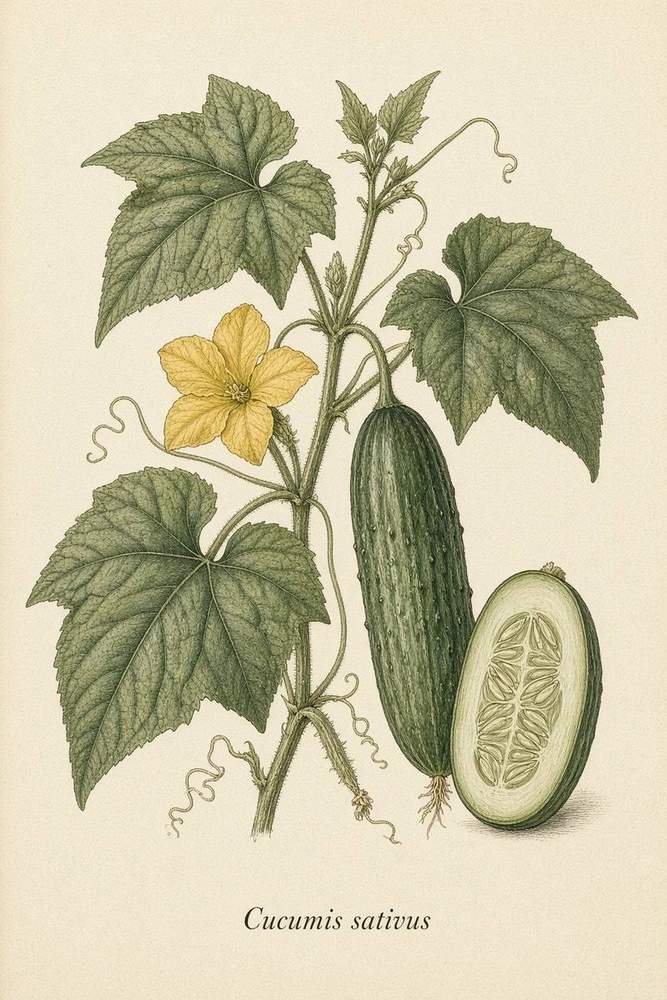
Cucumber
Cucumis sativus
A cooling kitchen fruit of the vine — eaten unripe, pickled, or sliced, and a folklore sedative that is mostly water.
indigestion
1/1LegalGentle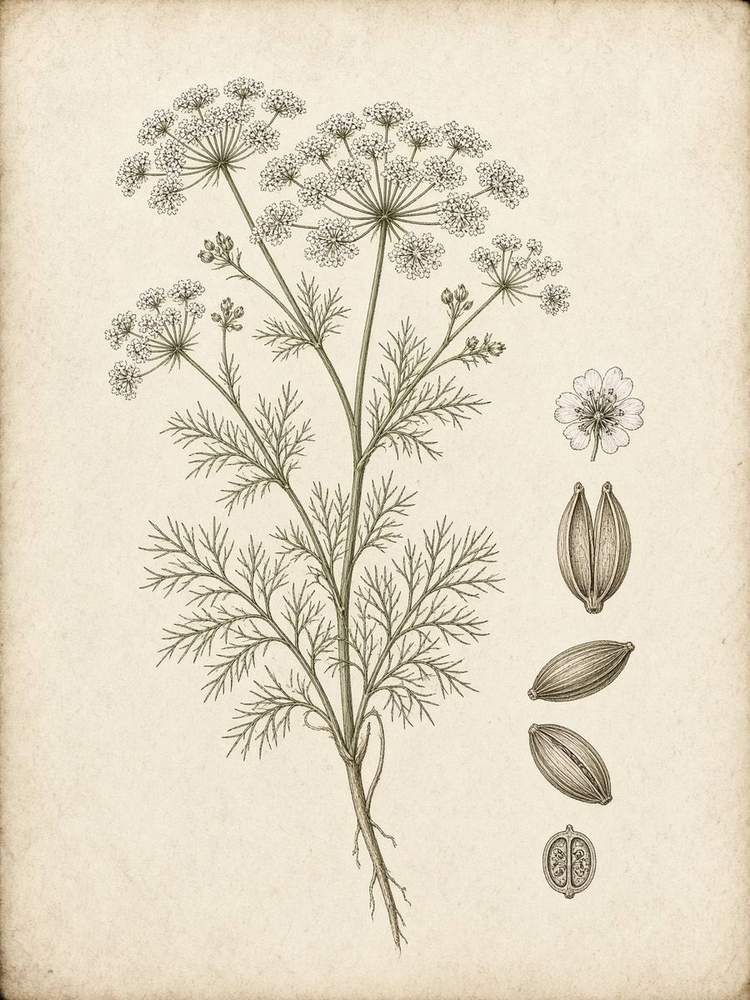
Cumin
Cuminum cyminum
The warm, earthy seed of every chili and curry — a carminative kitchen spice with a long gut record.
indigestion
1/1LegalGentle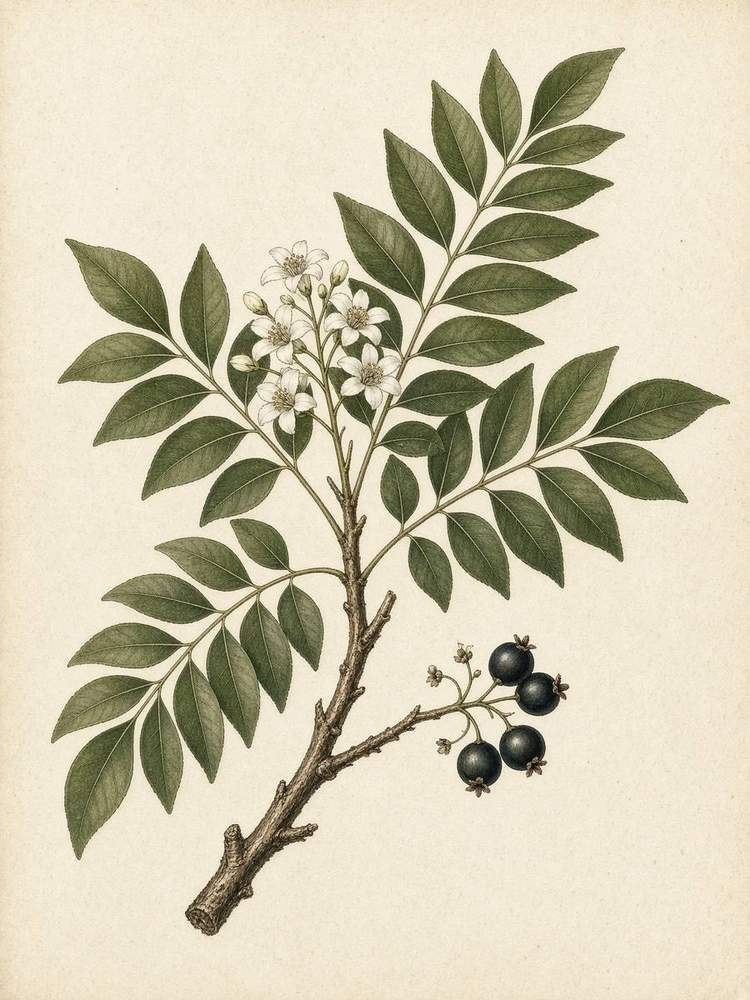
Curry leaf
Murraya koenigii
The leaf that makes a South Indian tadka smell like itself — a citrus-family tree, not a jar of powder.
indigestion
1/1LegalGentle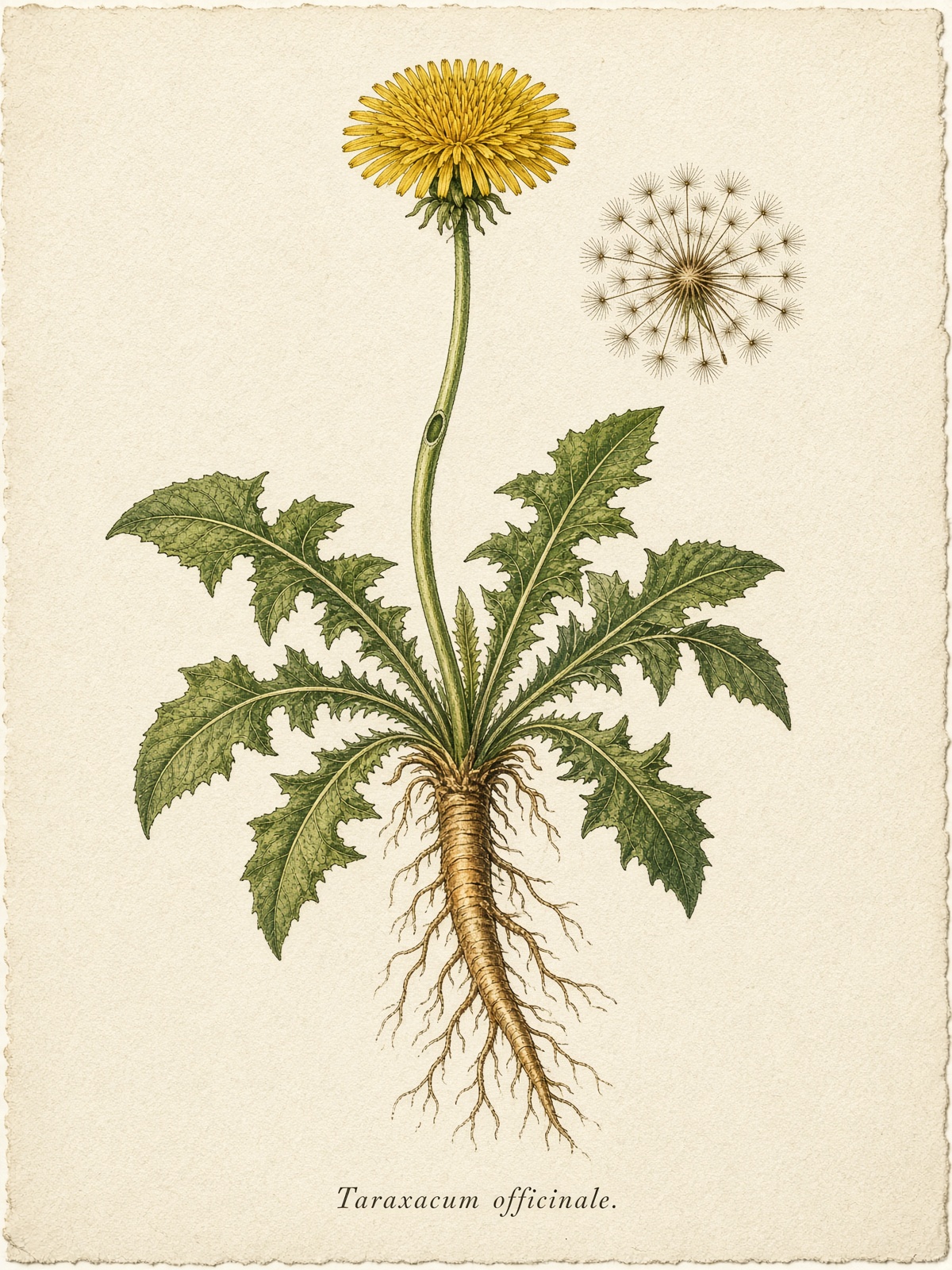
Dandelion
Taraxacum officinale
The lawn's bitter physician — leaf as a potassium-rich diuretic, root as a liver bitter.
indigestion
1/1LegalGentle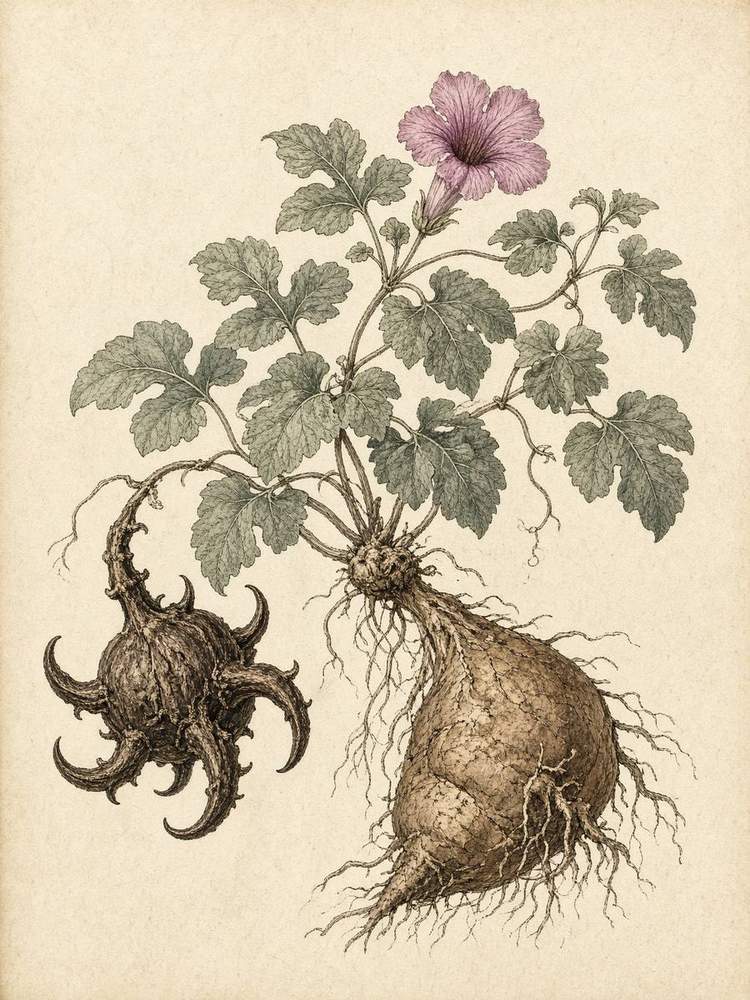
Devil’s claw
Harpagophytum procumbens
A Kalahari trailer whose hooked fruit named it, and whose tuber is a bitter joint folklore — buy farmed, do not strip the desert.
indigestion
1/1LegalCaution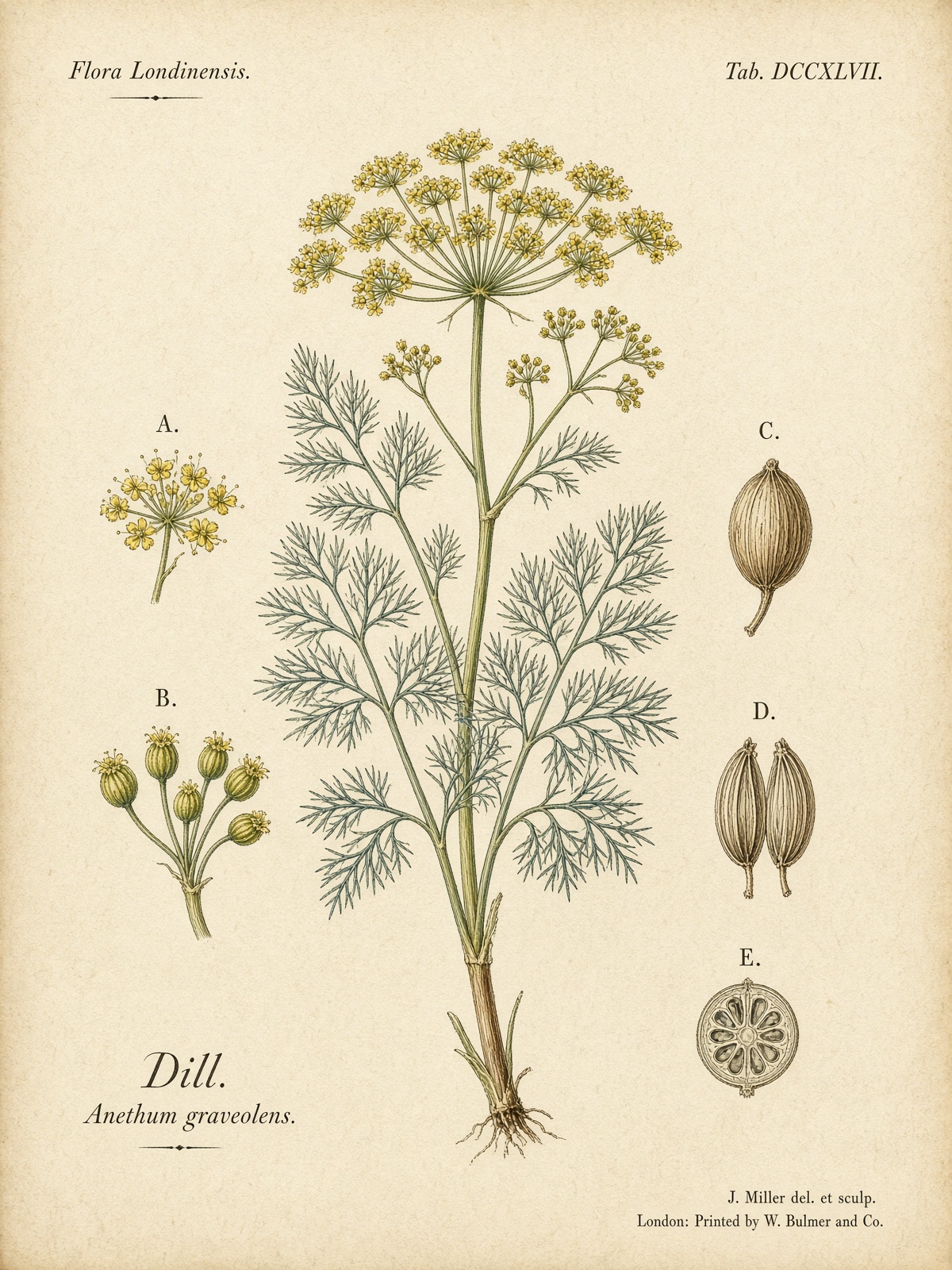
Dill
Anethum graveolens
Feathery kitchen green and a caraway-cousin seed — the pickle herb, also an after-dinner chew.
indigestion
1/1LegalGentle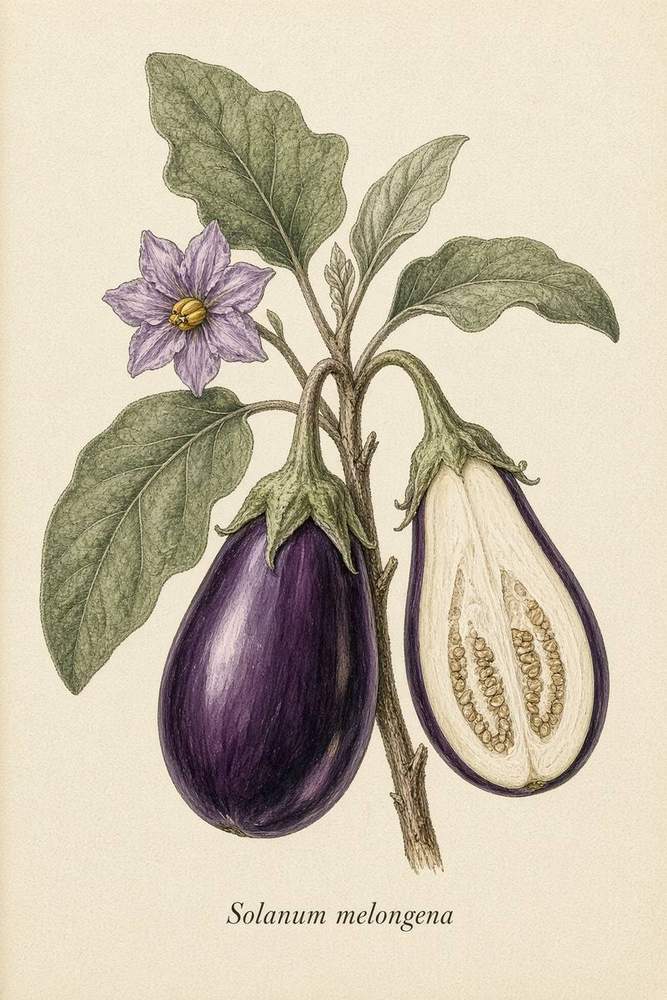
Eggplant
Solanum melongena
The glossy nightshade fruit of Asian and Mediterranean kitchens — bitter if underripe, silk if cooked with oil.
indigestion
1/1LegalGentle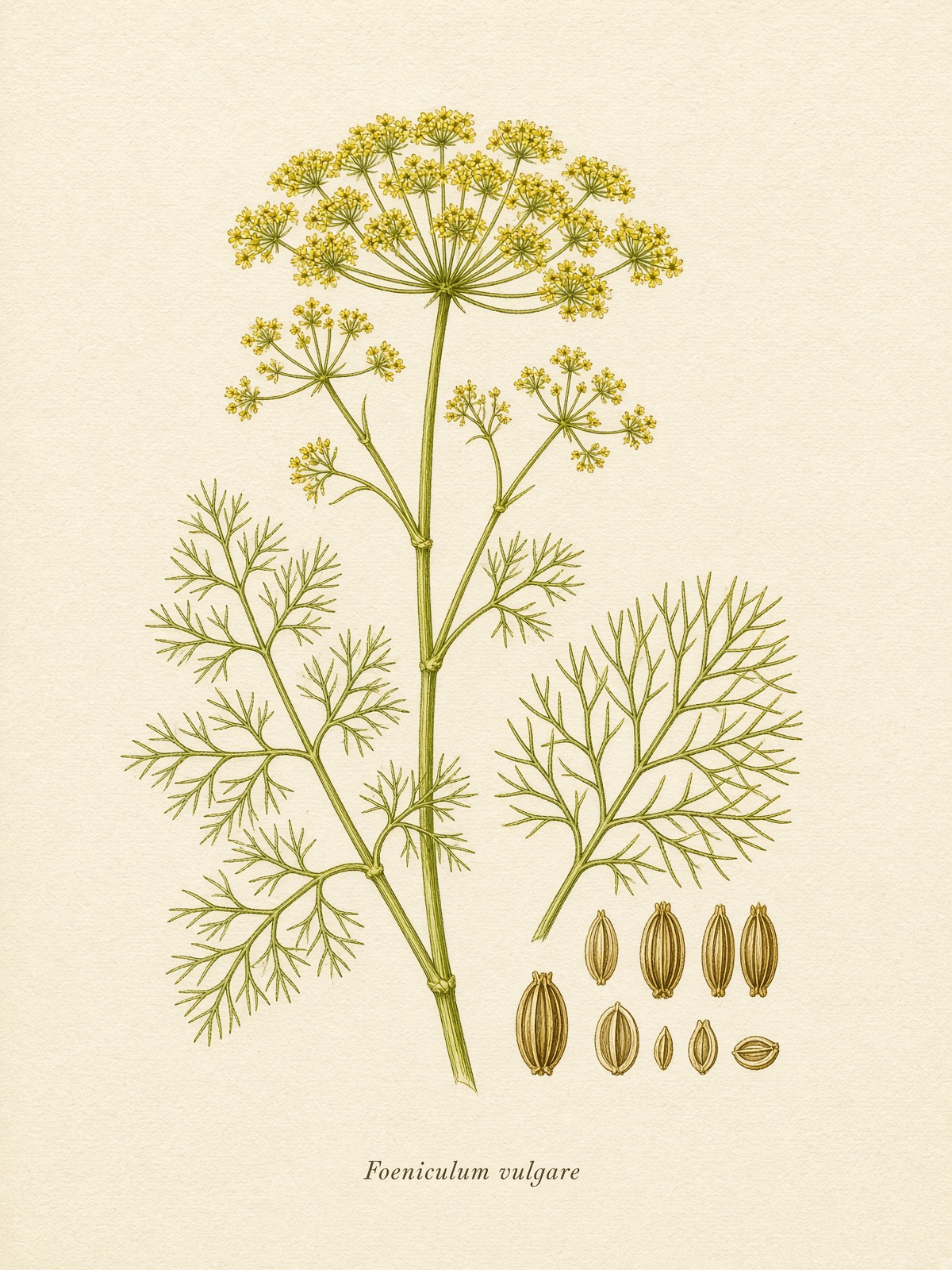
Fennel
Foeniculum vulgare
Anise-sweet seed for gas, colic folklore, and after-dinner breath.
indigestion
1/1LegalGentle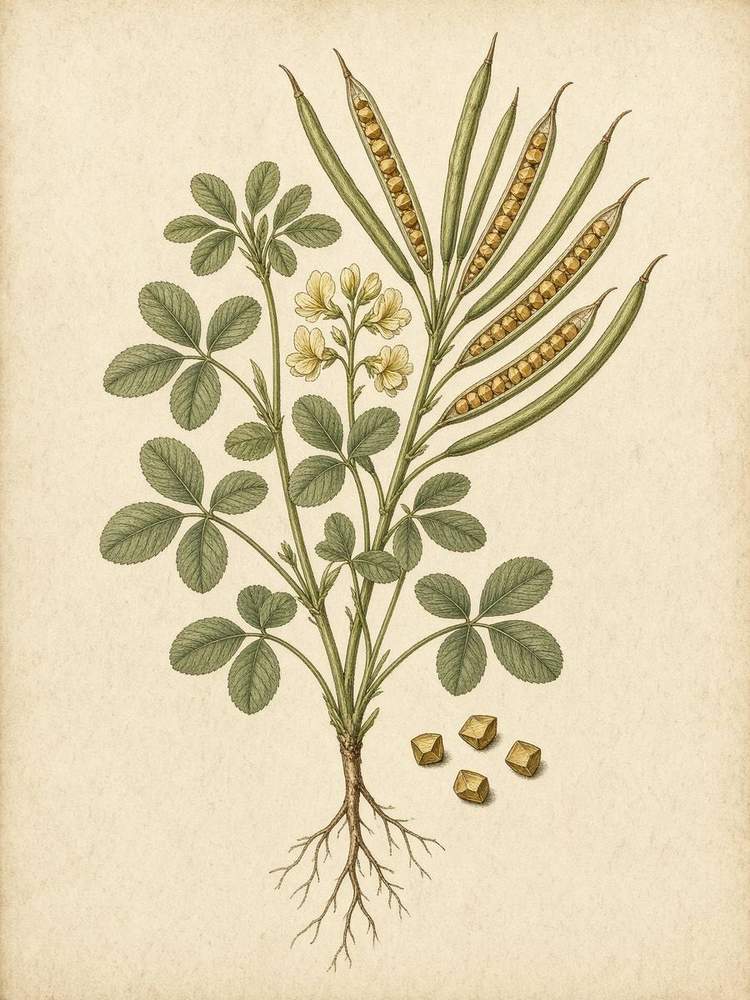
Fenugreek
Trigonella foenum-graecum
Maple-scented methi — a curry seed, a sprout, and a traditional milk-and-glucose folklore.
indigestion
1/1LegalGentle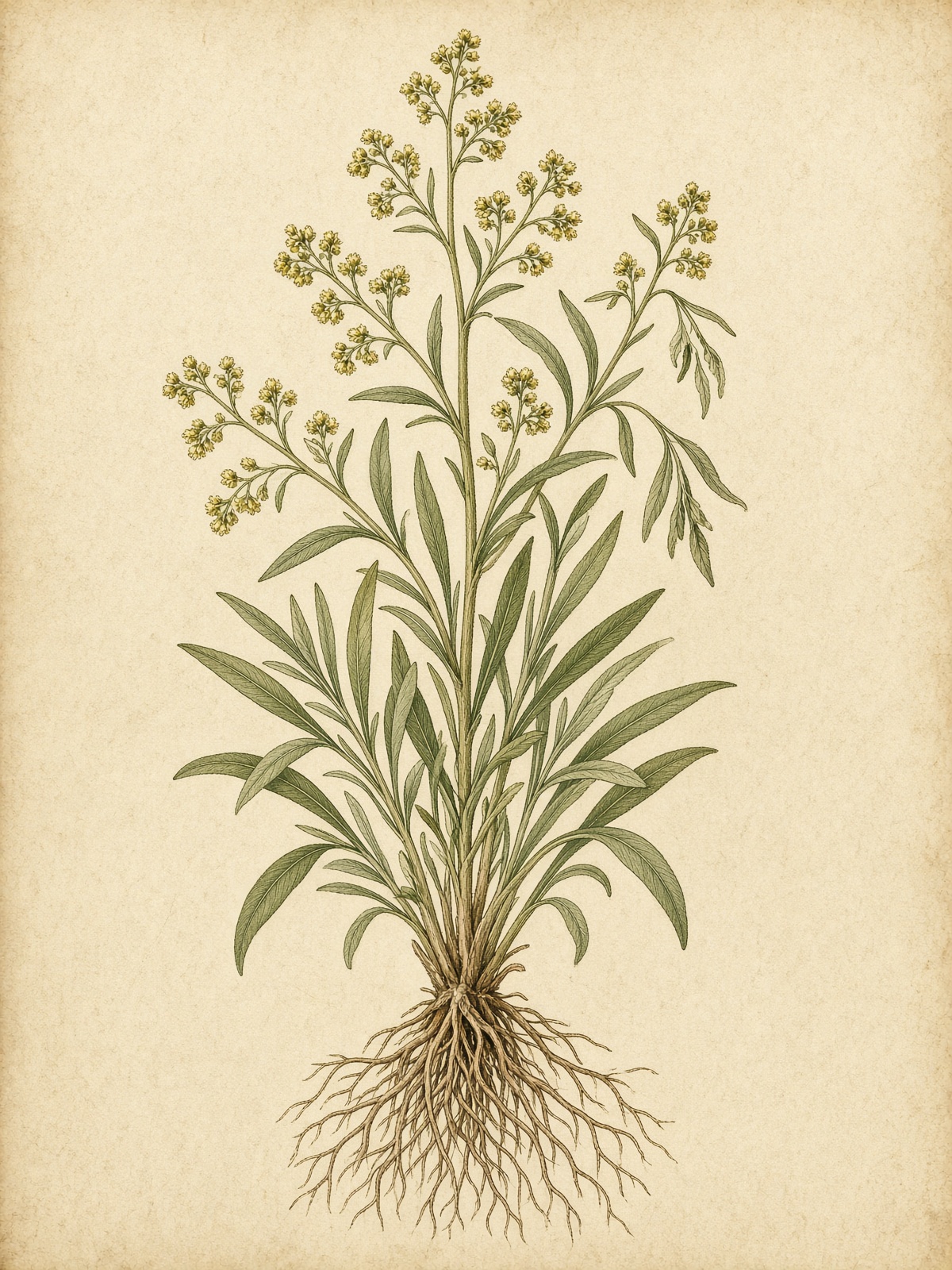
French tarragon
Artemisia dracunculus var. sativa
Anise-leaf of French kitchens — a sterile clone you buy as a plant, then tarragon-vinegar the rest of your life.
indigestion
1/1LegalGentle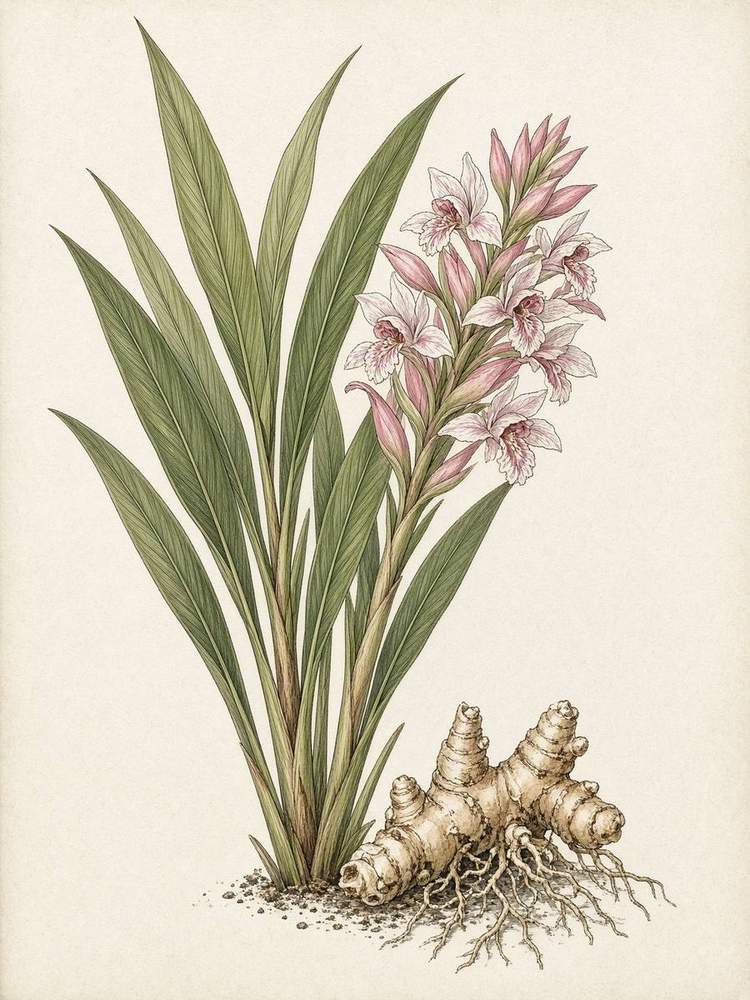
Galangal
Alpinia galanga
Ginger’s sharper Thai cousin — pine, camphor, and pepper in a rhizome that tom kha cannot do without.
indigestion
1/1LegalGentle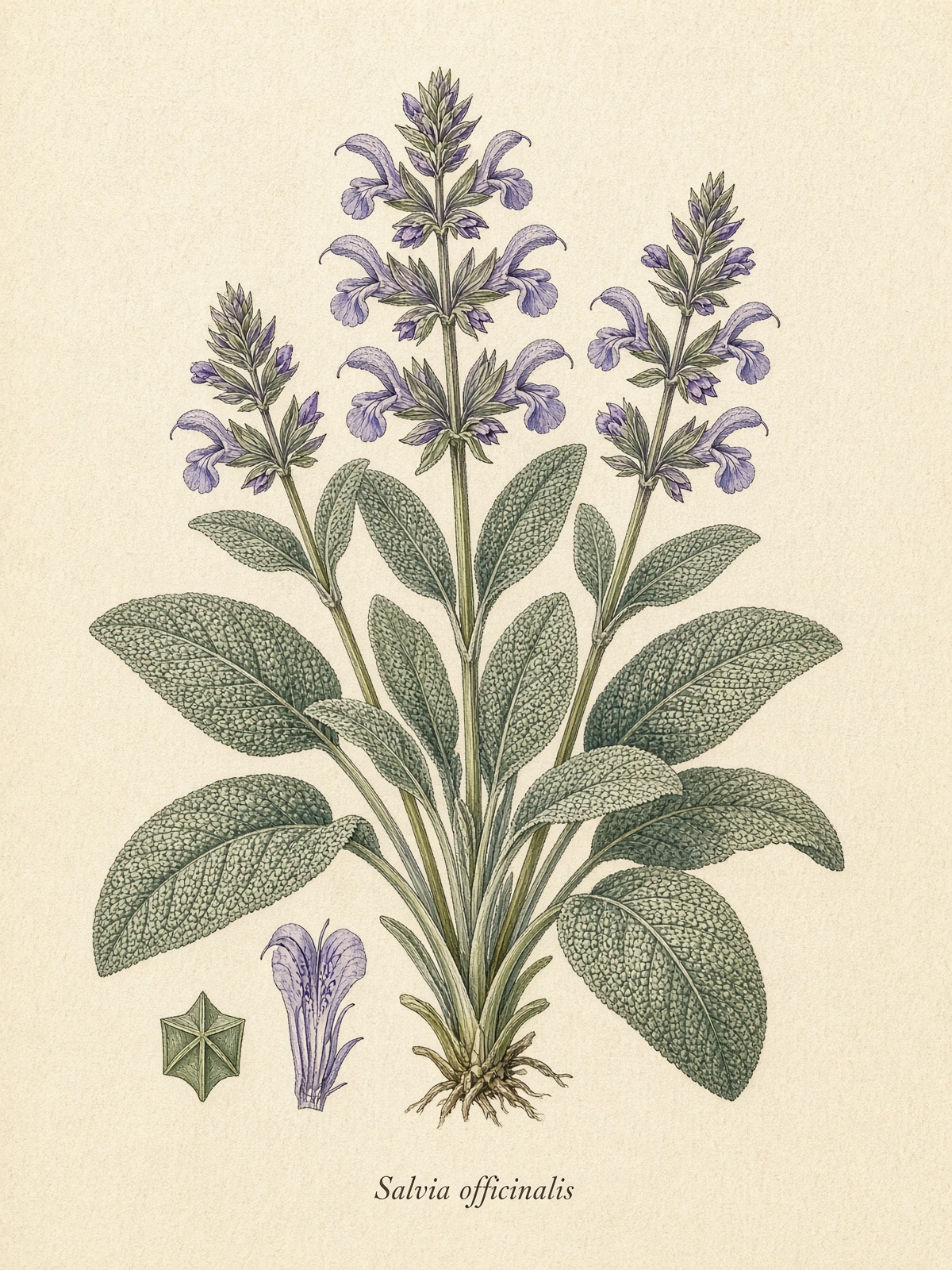
Garden sage
Salvia officinalis
The grey kitchen sage — a drying, aromatic leaf for sore throats and rich food.
indigestion
1/1LegalGentle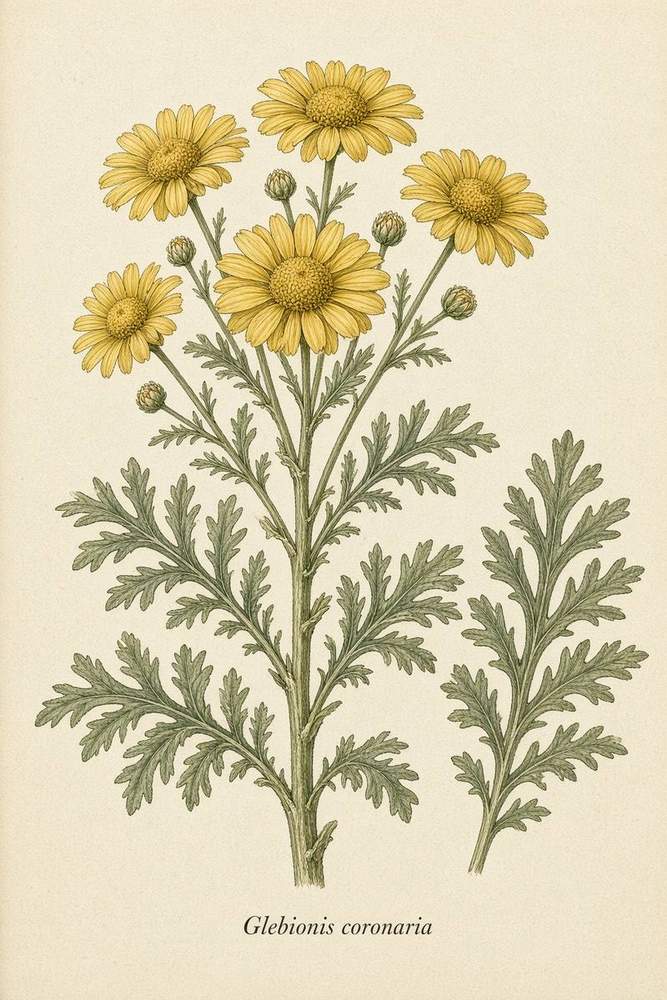
Garland chrysanthemum
Glebionis coronaria
The edible chrysanthemum of East Asian pots — leaf first, yellow daisy second, a cool-season green that is not a florist mum.
indigestion
1/1LegalGentle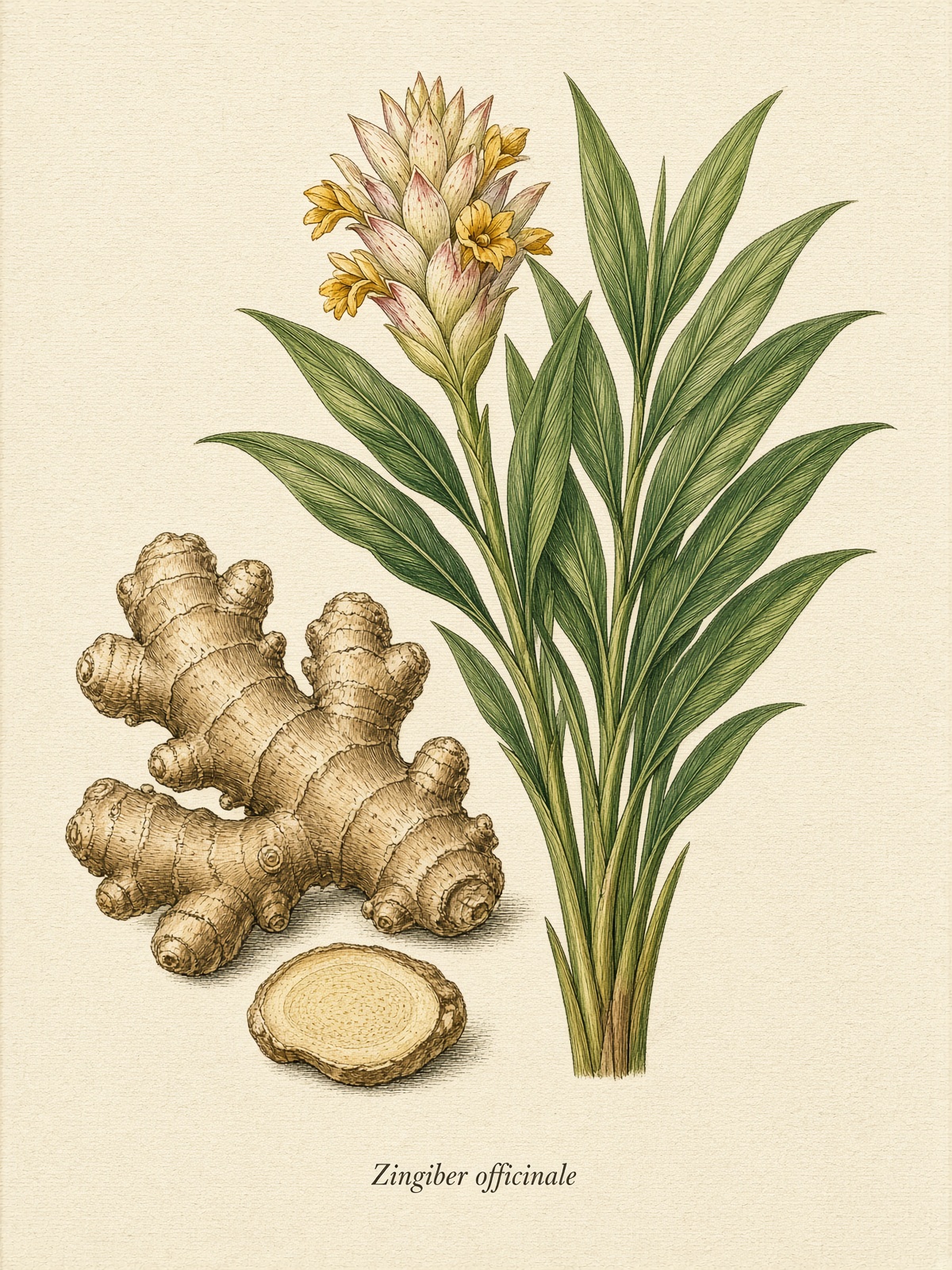
Ginger
Zingiber officinale
A tropical rhizome for queasy stomachs, cold hands, and dull inflammatory ache.
indigestion
1/1LegalGentle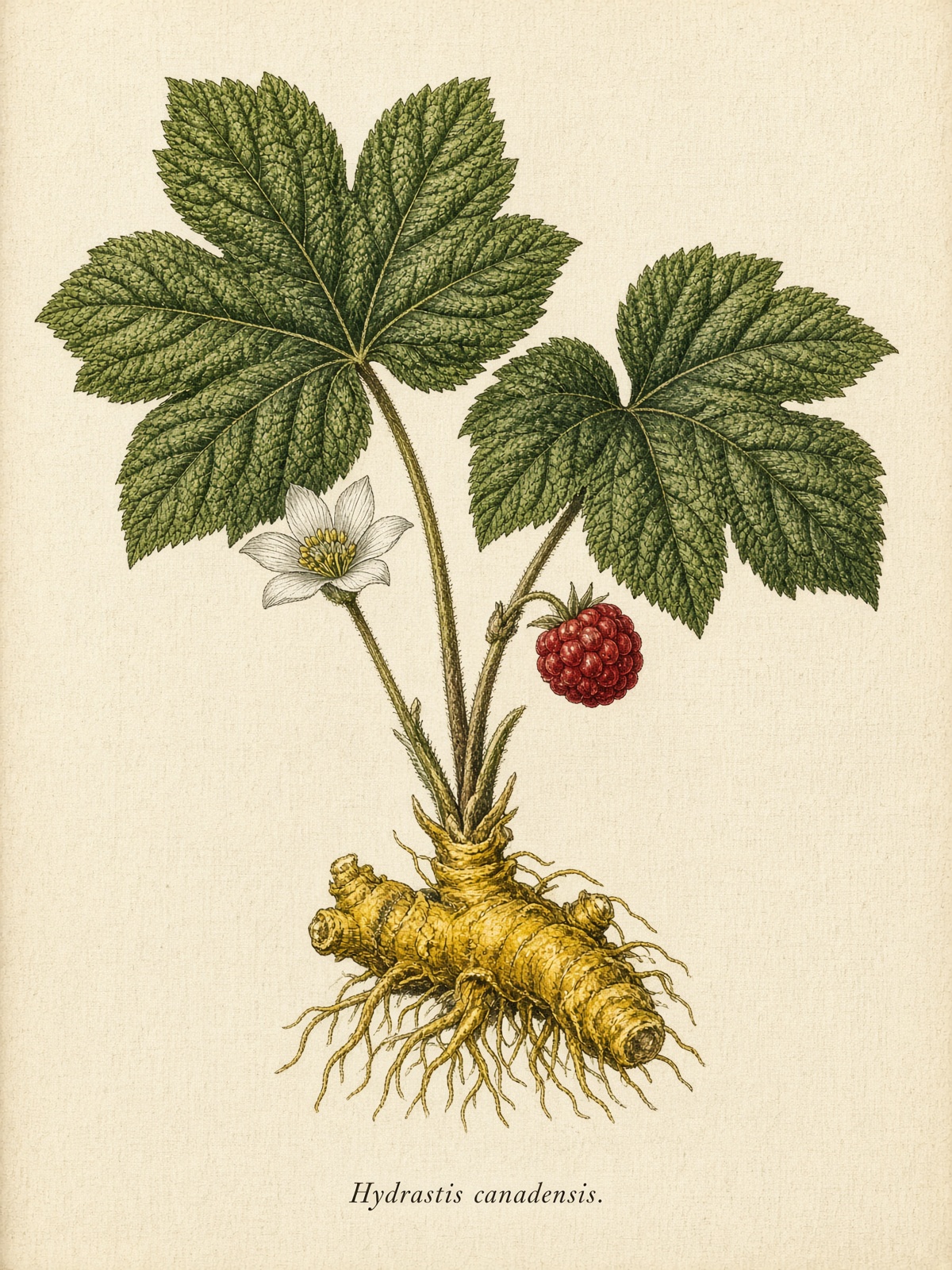
Goldenseal
Hydrastis canadensis
A threatened woodland root, bitter and berberine-yellow — not an everyday immune tonic.
indigestion
1/1RegulatedCaution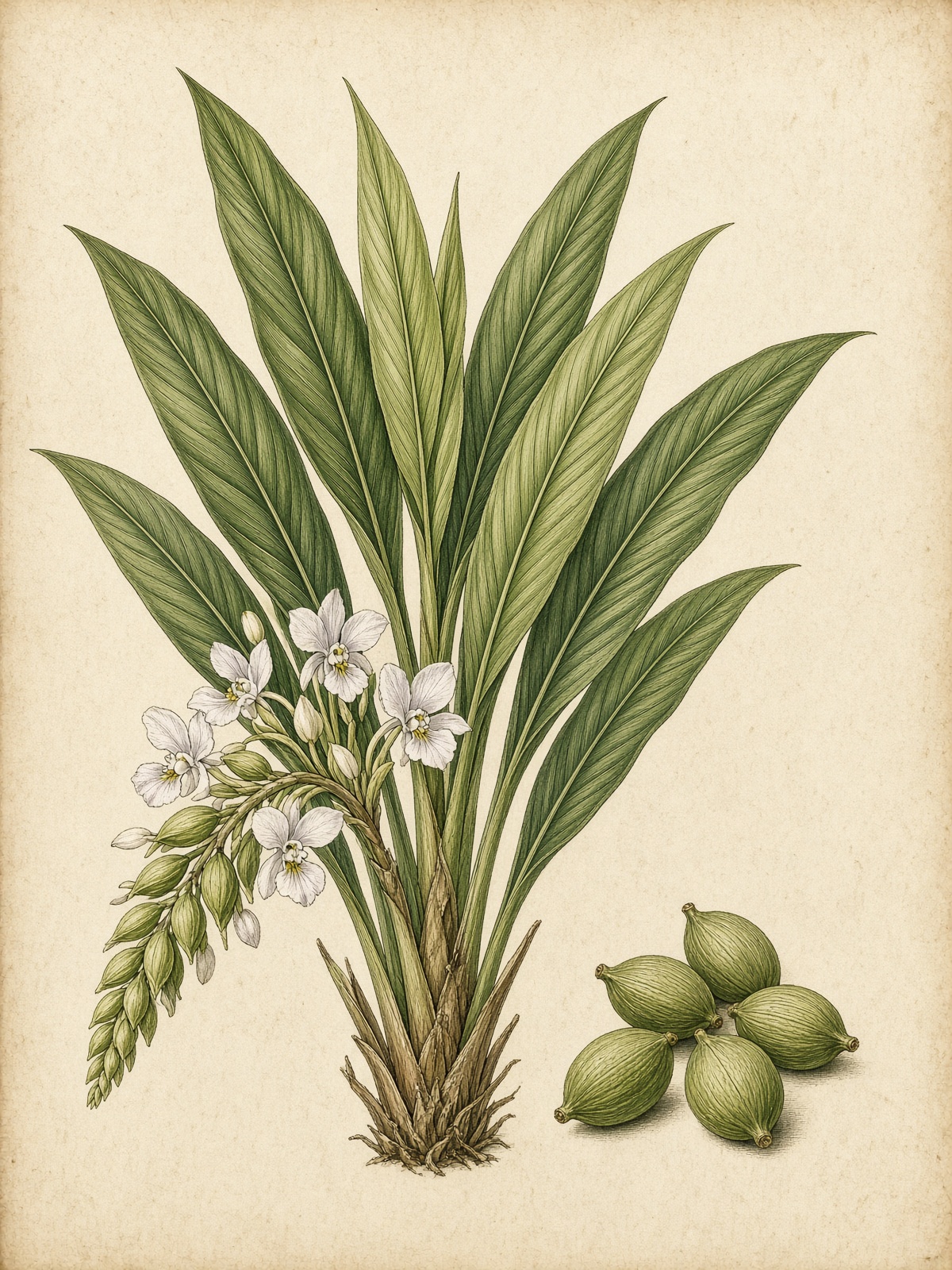
Green cardamom
Elettaria cardamomum
The queen of spices — a tropical ginger whose green pods scent chai, coffee, and after-meal folklore.
indigestion
1/1LegalGentle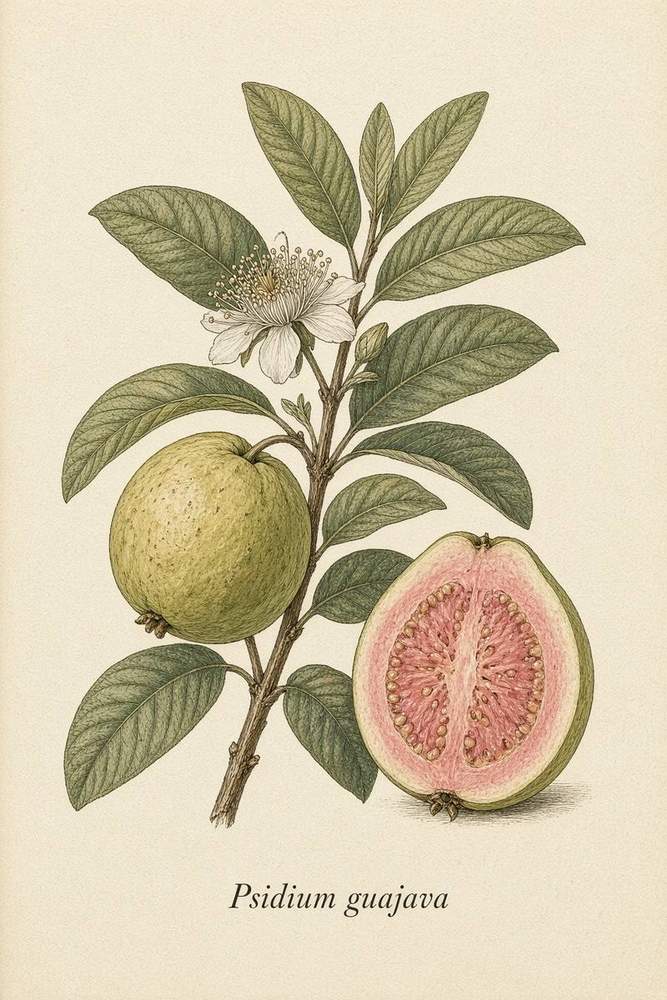
Guava
Psidium guajava
A tropical myrtle fruit that smells like someone opened a perfume in a fruit stand — pink or white flesh, seedy, and a jelly classic.
indigestion
1/1LegalGentle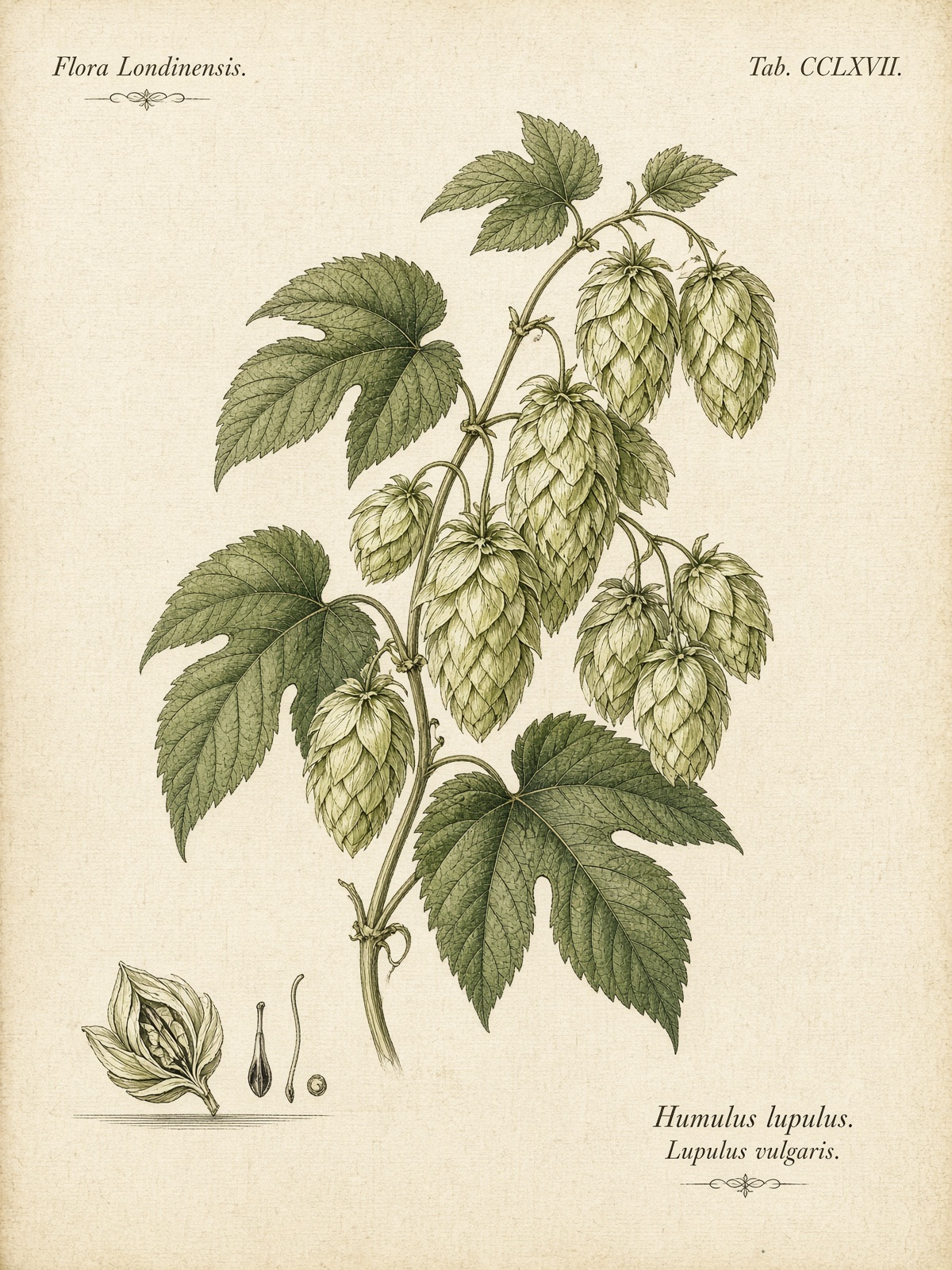
Hops
Humulus lupulus
The beer flower — a bitter, estrogenic sedative that also climbs the shed.
indigestion
1/1LegalGentle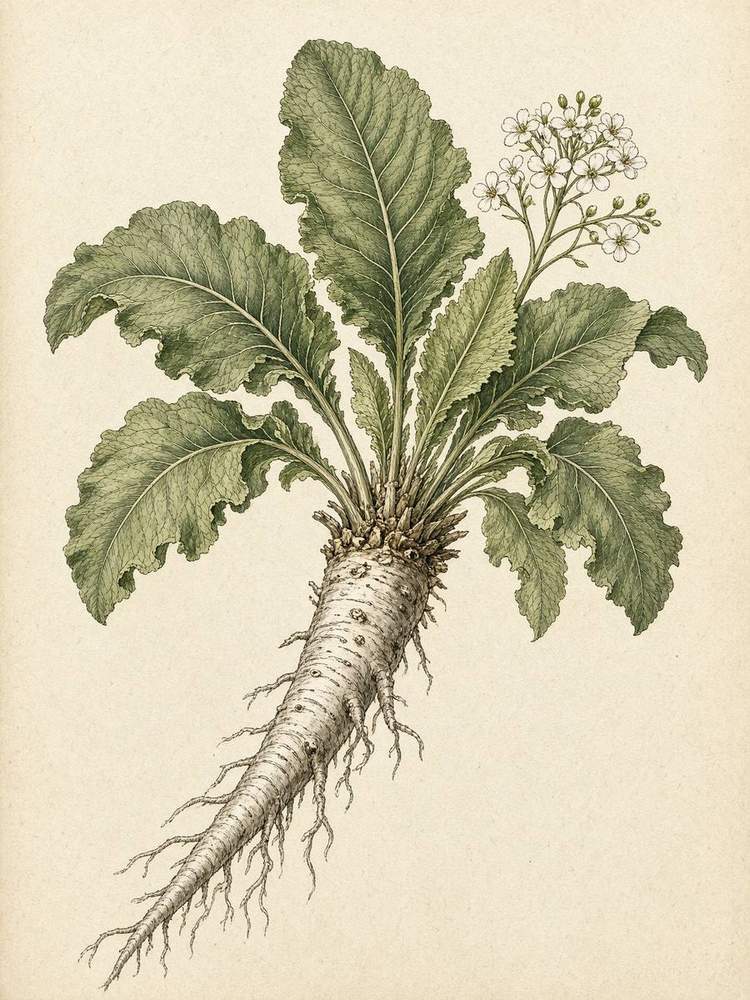
Horseradish
Armoracia rusticana
The sinus-clearing white root of spring — a prepared-sauce plant with a traditional wet-cough folklore.
indigestion
1/1LegalGentle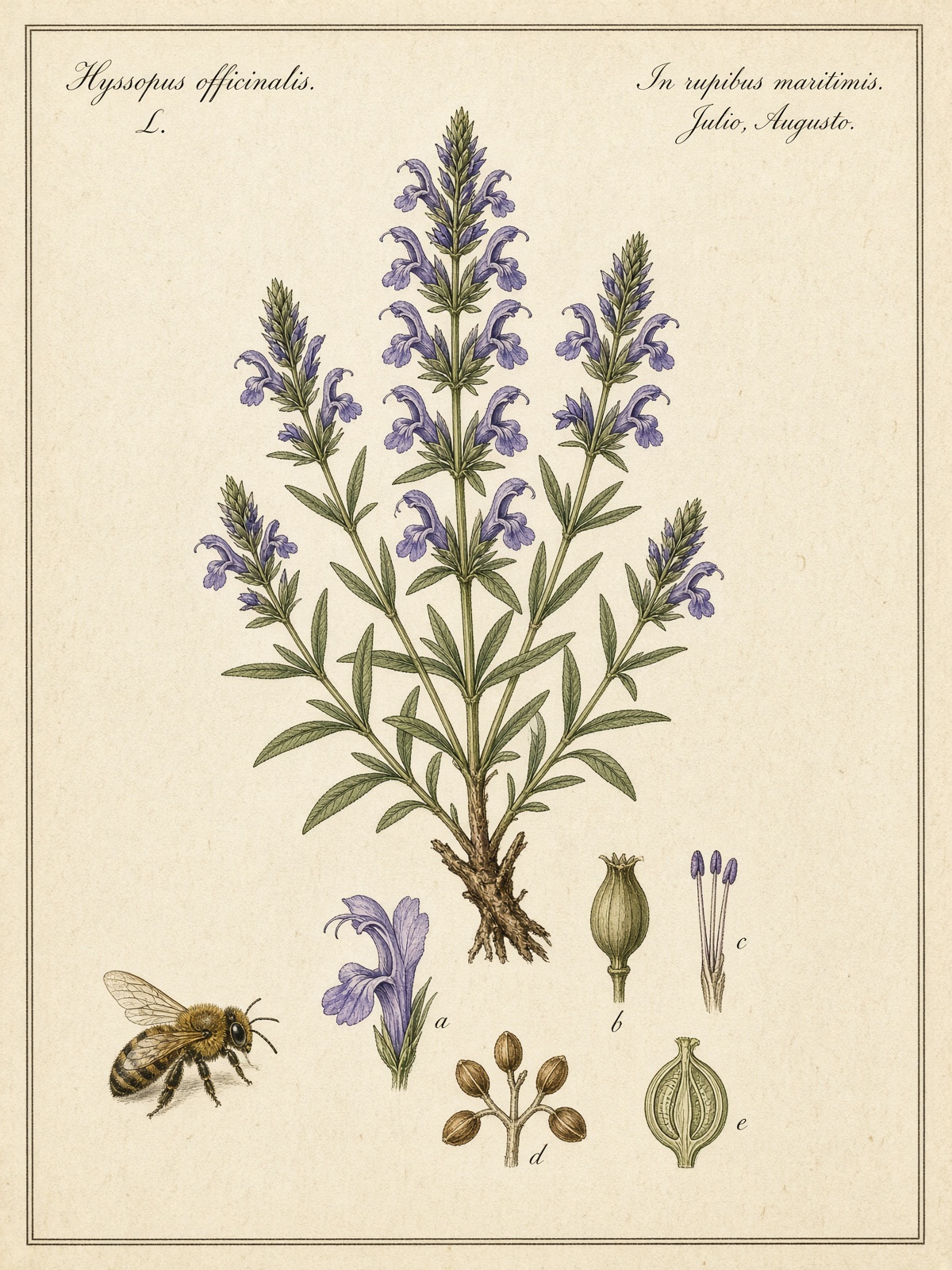
Hyssop
Hyssopus officinalis
A blue-spike Mediterranean bitter for the chest — a bee plant with a camphor edge.
indigestion
1/1LegalGentle
Juniper
Juniperus communis
The blue berry that makes gin smell like a northern wood — a roasting spice with a kidney caveat in quantity.
indigestion
1/1LegalCaution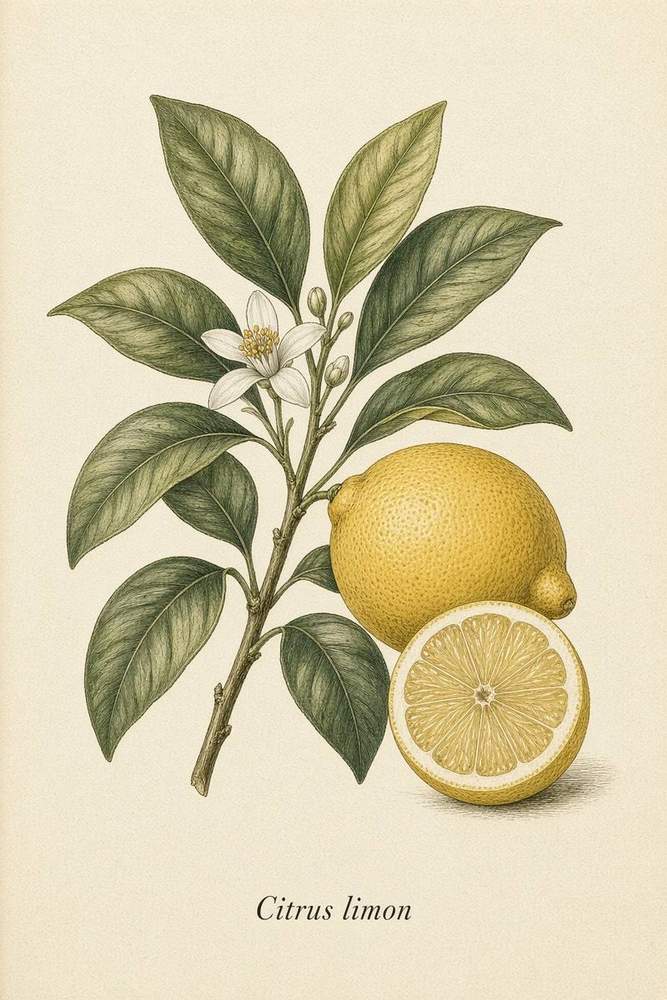
Lemon
Citrus limon
The acid citrus of the pantry — a squeeze, a preserved rind, a folklore cold cup that is mostly vitamin C and hot water.
indigestion
1/1LegalGentle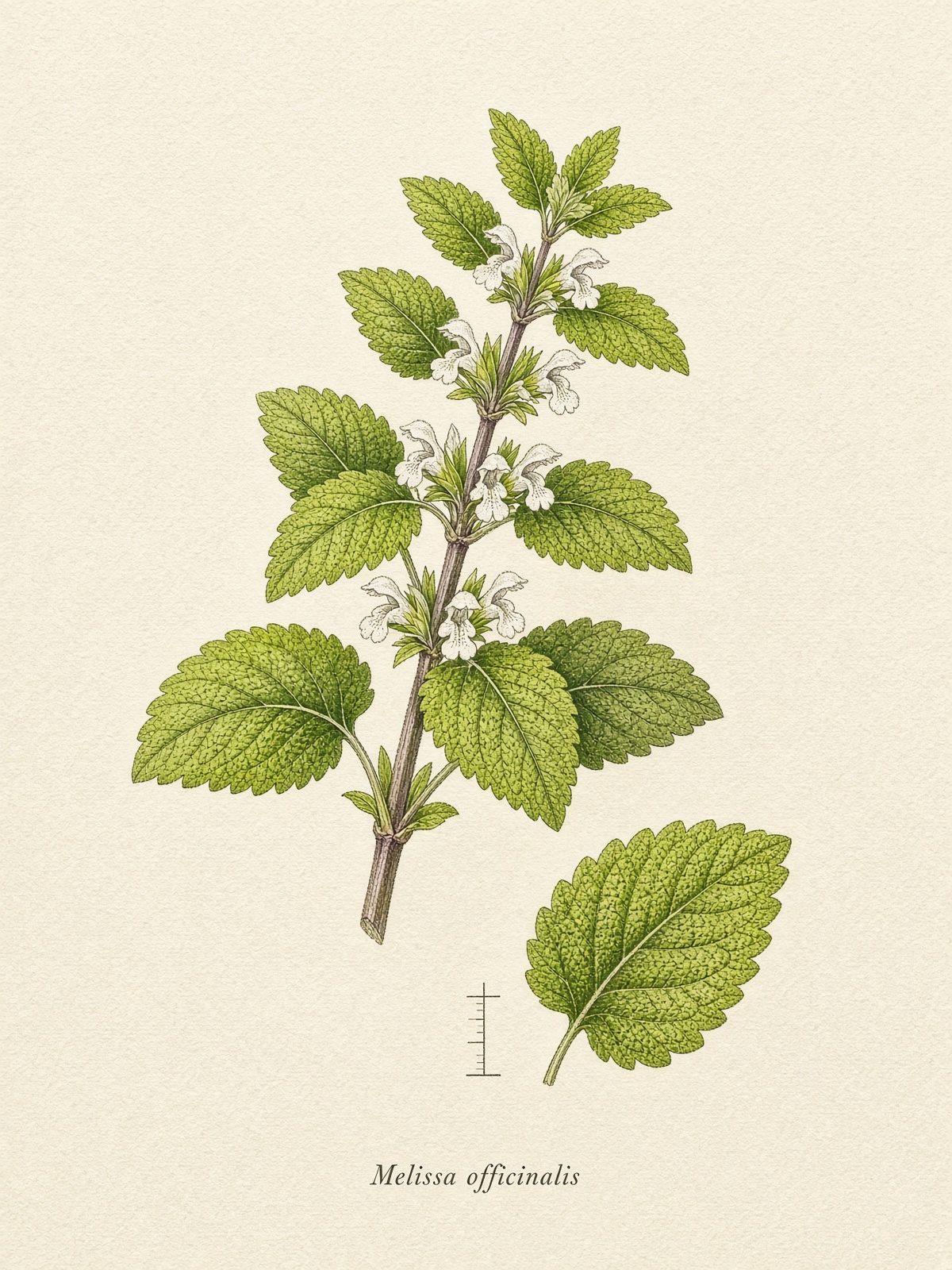
Lemon balm
Melissa officinalis
Lemon-scented mint for fretful moods, a racing mind, and cold-sore lips.
indigestion
1/1LegalGentle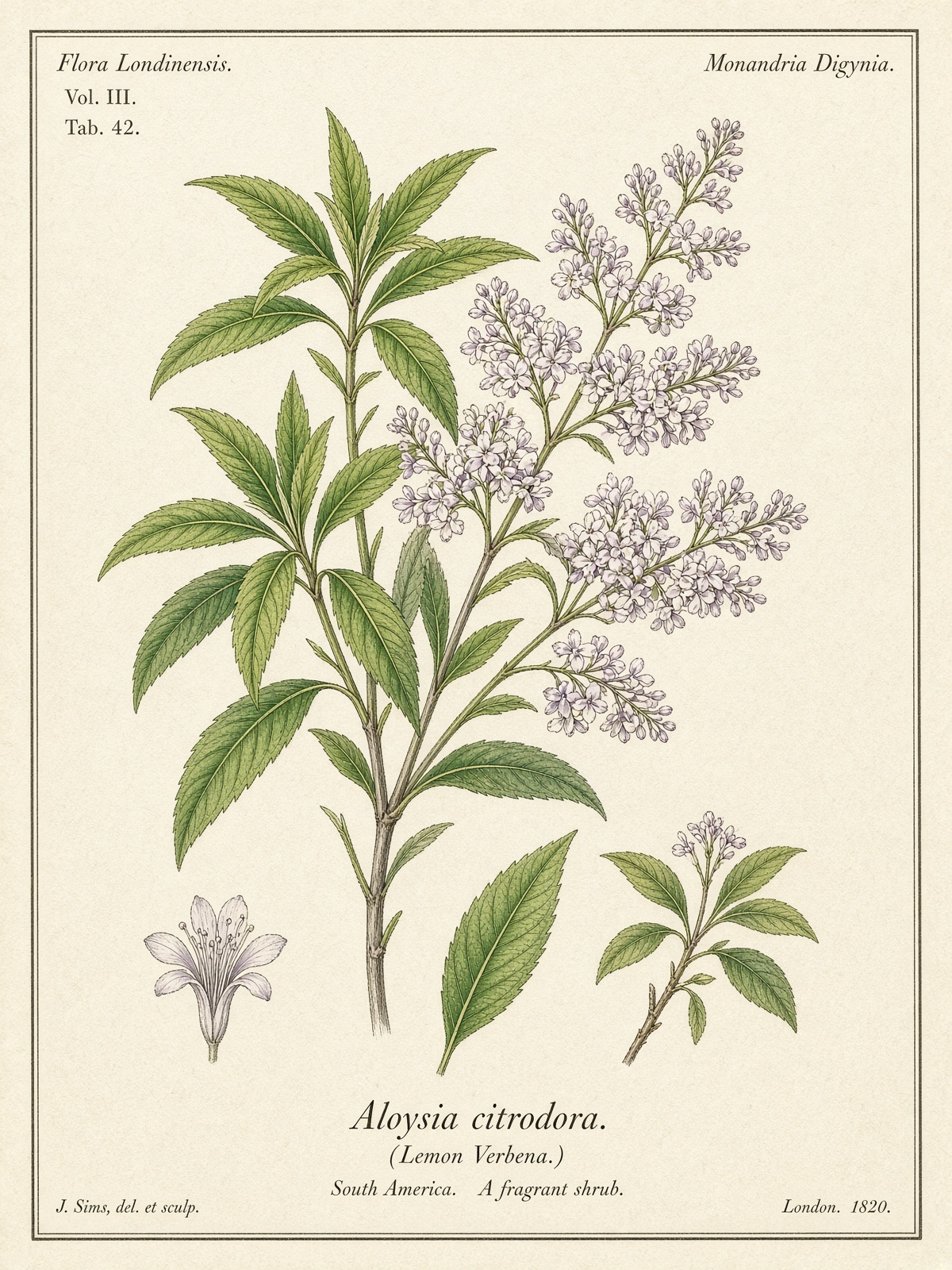
Lemon verbena
Aloysia citrodora
An Andean shrub that smells more of lemon than lemon does — a digestive and evening leaf.
indigestion
1/1LegalGentle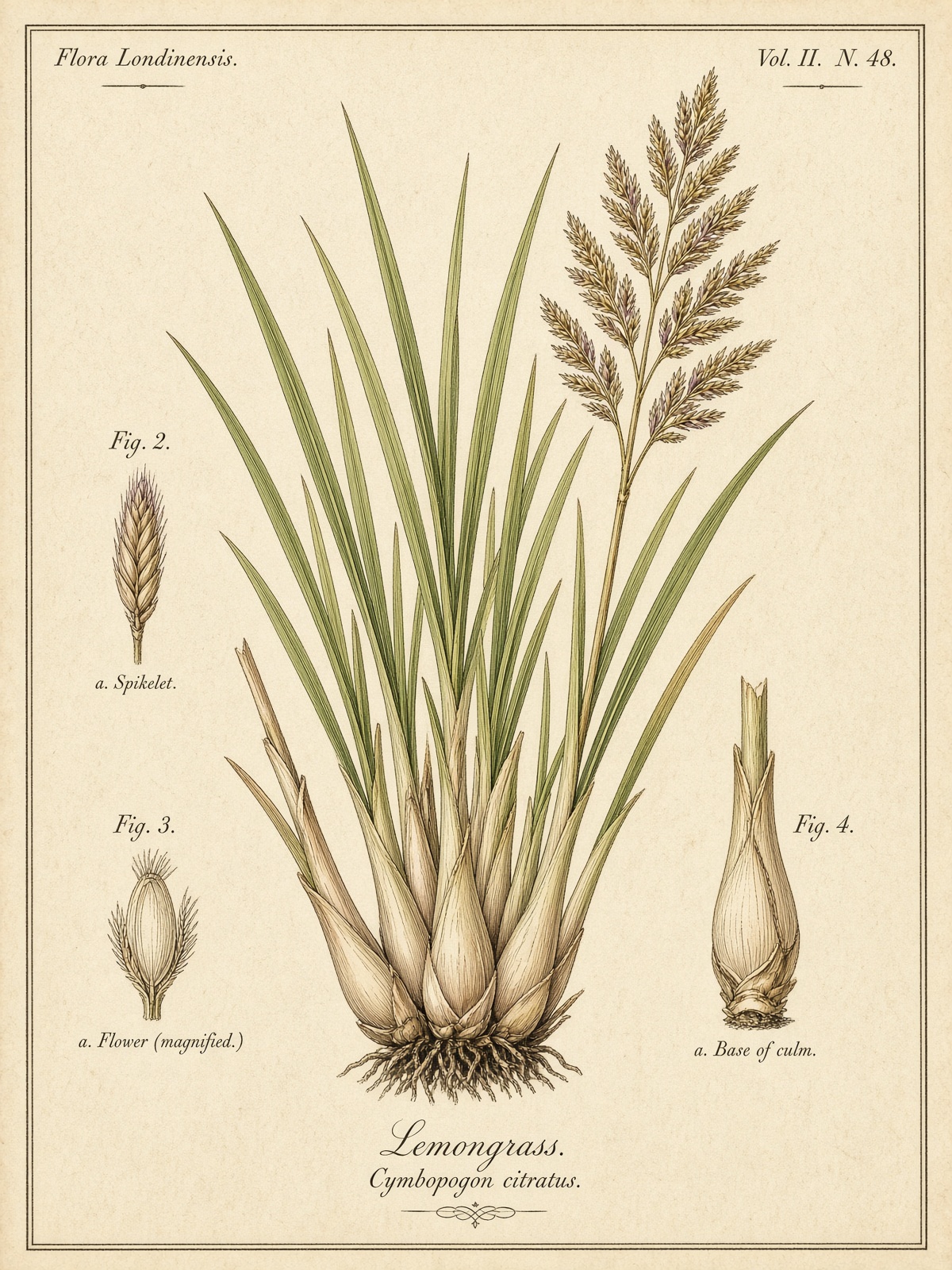
Lemongrass
Cymbopogon citratus
A tropical clump that puts lemon in soup — fever-and-digestion folklore with a wok pedigree.
indigestion
1/1LegalGentle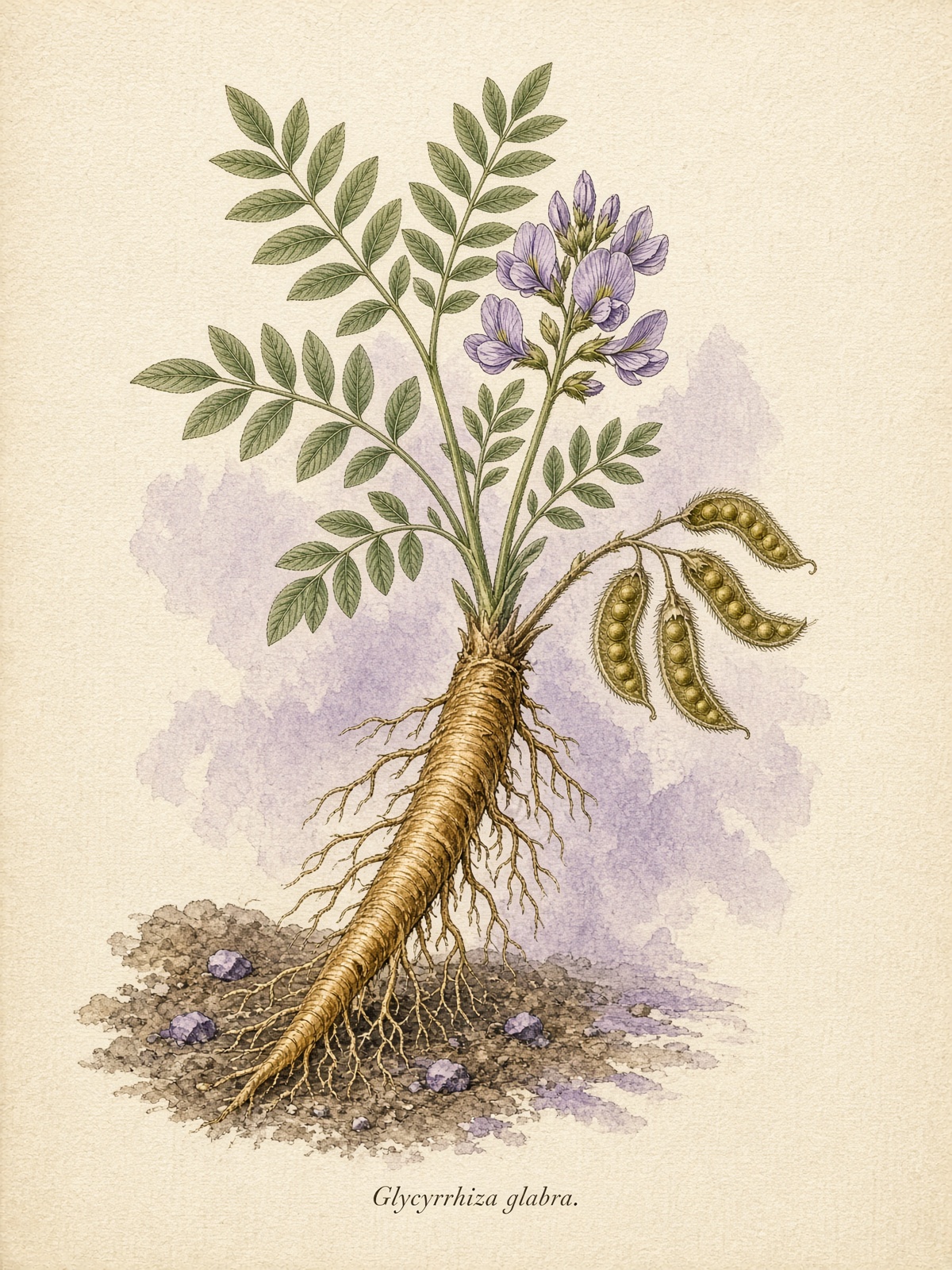
Licorice
Glycyrrhiza glabra
Sweet root that soothes mucosa and supports adrenals — and can raise blood pressure if overused.
indigestion
1/1LegalCaution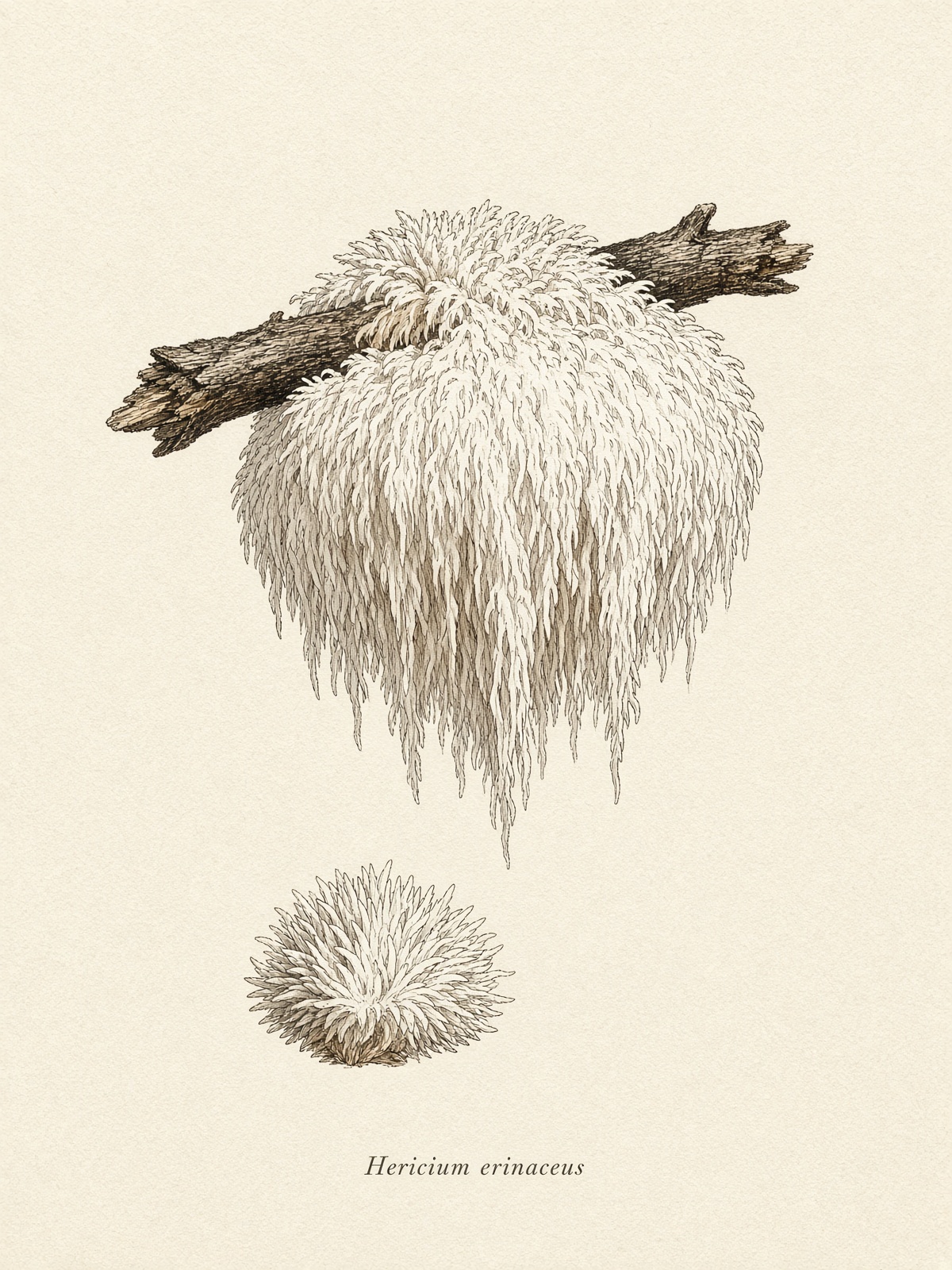
Lion's mane
Hericium erinaceus
The pom-pom fungus eaten as crab-like food and taken for focus and nerve support.
indigestion
1/1LegalGentle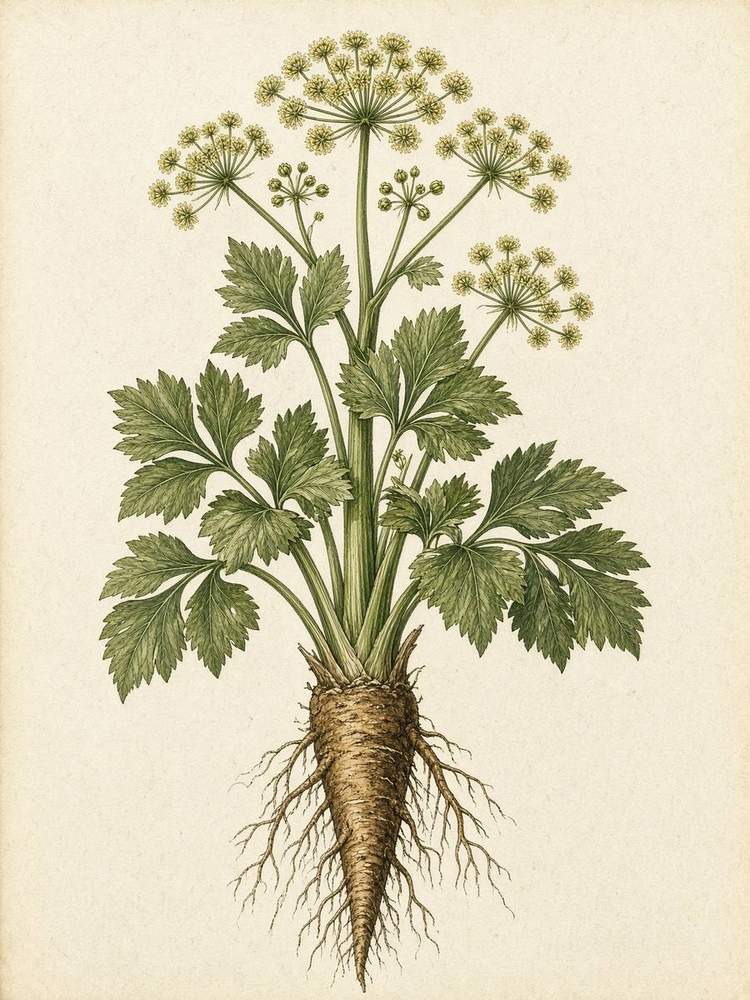
Lovage
Levisticum officinale
A perennial celery that forgot to be polite — Maggi-herb of European yards, a stock leaf with a long digestive record.
indigestion
1/1LegalGentle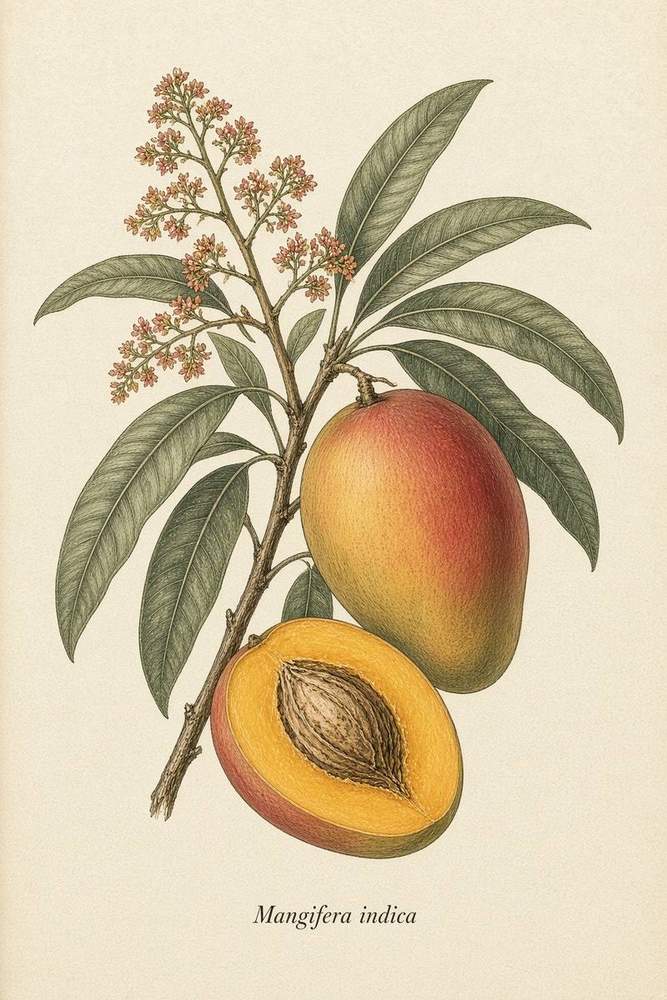
Mango
Mangifera indica
The stone fruit of South Asia — a ripe cheek of orange flesh, and a cashew-family sap that some skins refuse.
indigestion
1/1LegalGentle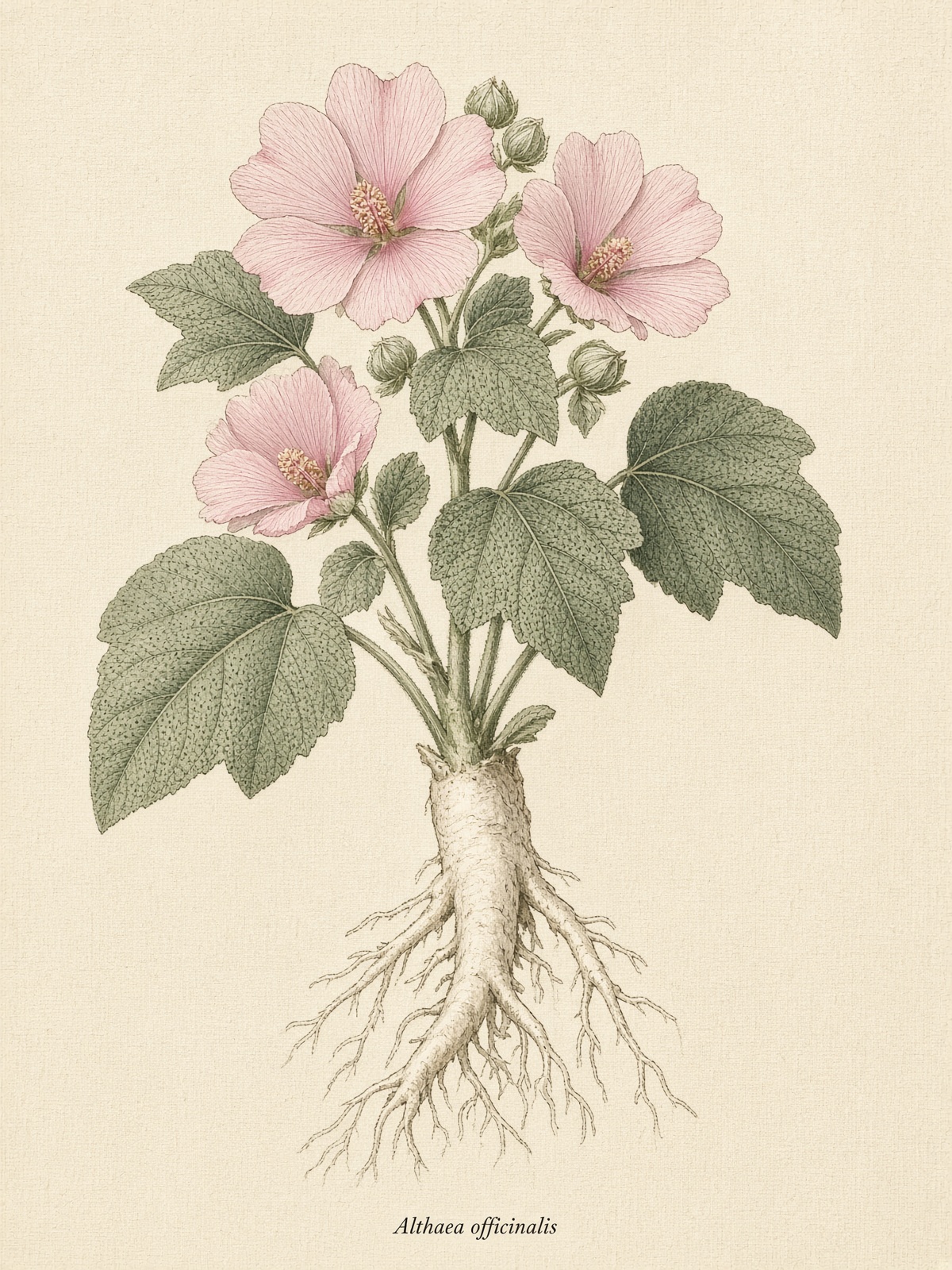
Marshmallow
Althaea officinalis
A velvety marsh mallow whose root and leaf soothe raw mucosa.
indigestion
1/1LegalGentle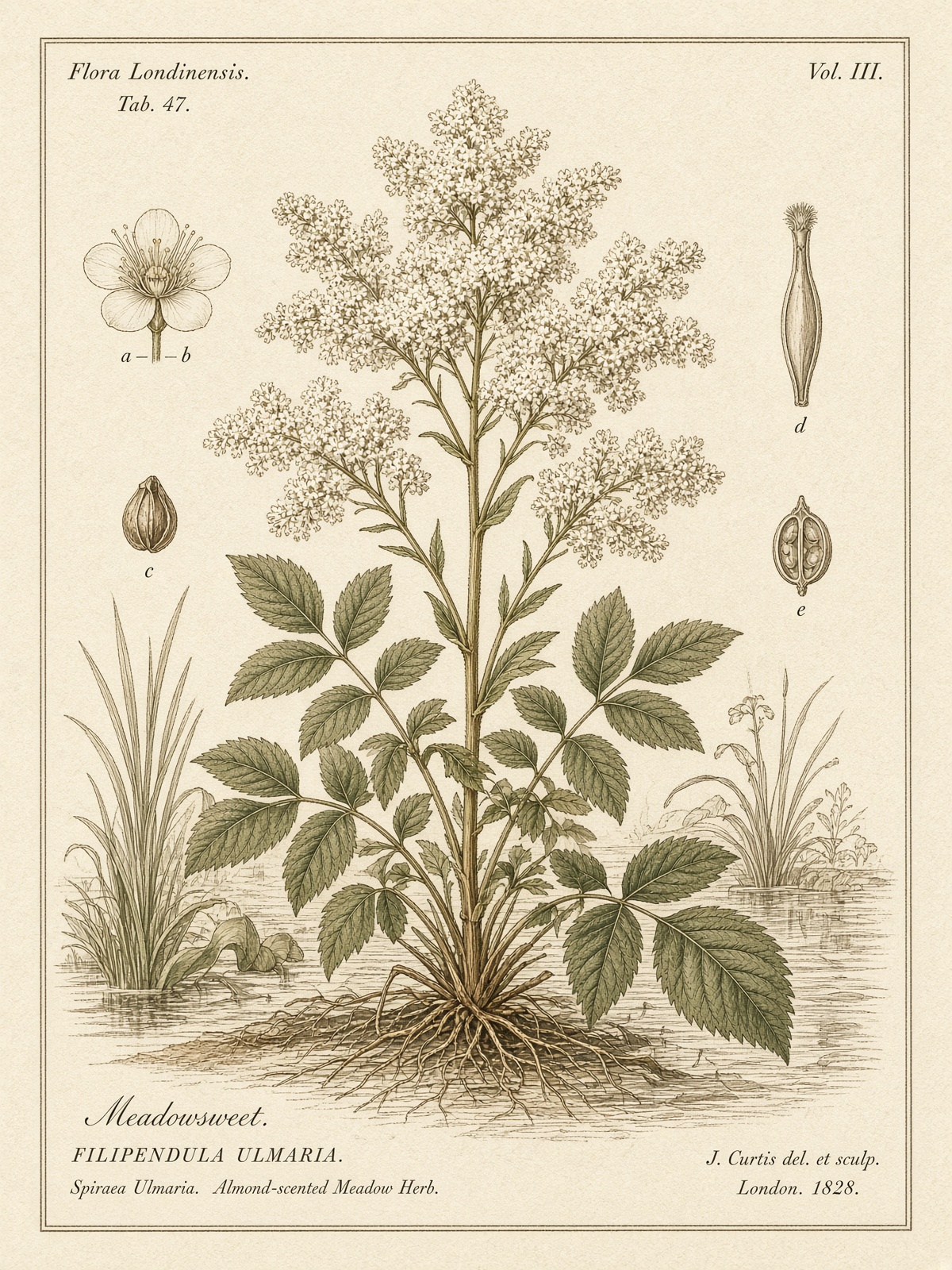
Meadowsweet
Filipendula ulmaria
Creamy meadow plumes that smell of almond and aspirin — a stomach-kinder willow analog.
indigestion
1/1LegalCaution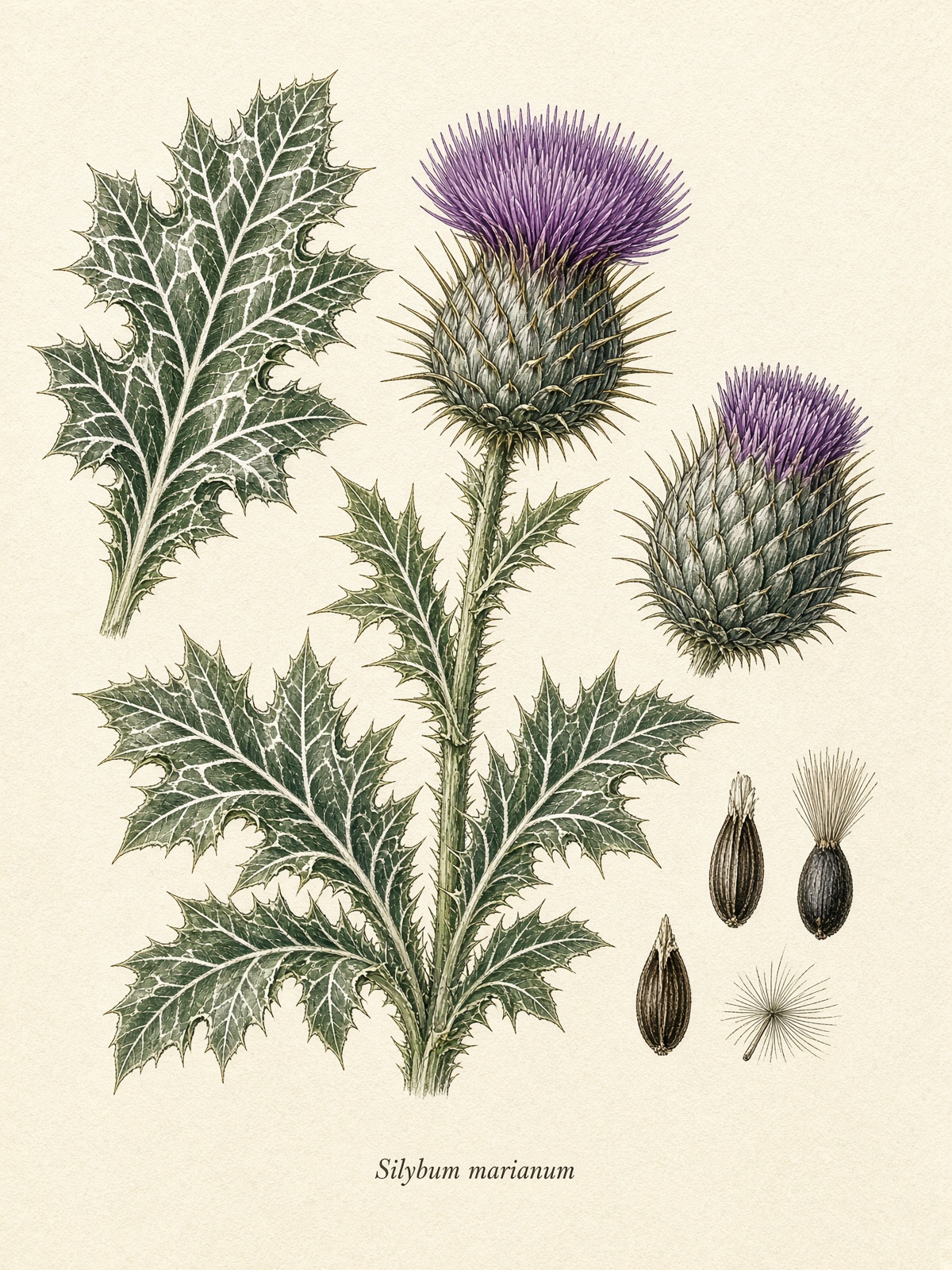
Milk thistle
Silybum marianum
Spiny purple thistle whose seeds are the classic liver trophorestorative.
indigestion
1/1LegalGentle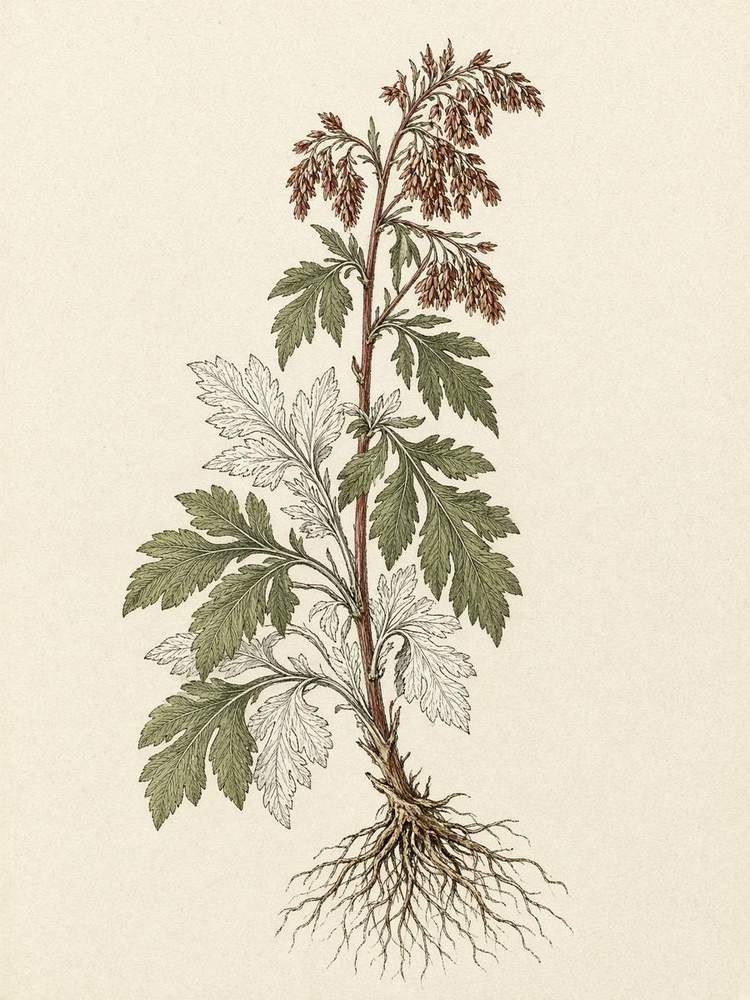
Mugwort
Artemisia vulgaris
The roadside Artemisia of dream pillows and roast goose — a bitter with a long folklore and a thujone limit.
indigestion
1/1LegalCaution
Nasturtium
Tropaeolum majus
Peppery lily-pad leaves and a spurred flower — a salad plant whose pickled seeds stand in for capers.
indigestion
1/1LegalGentle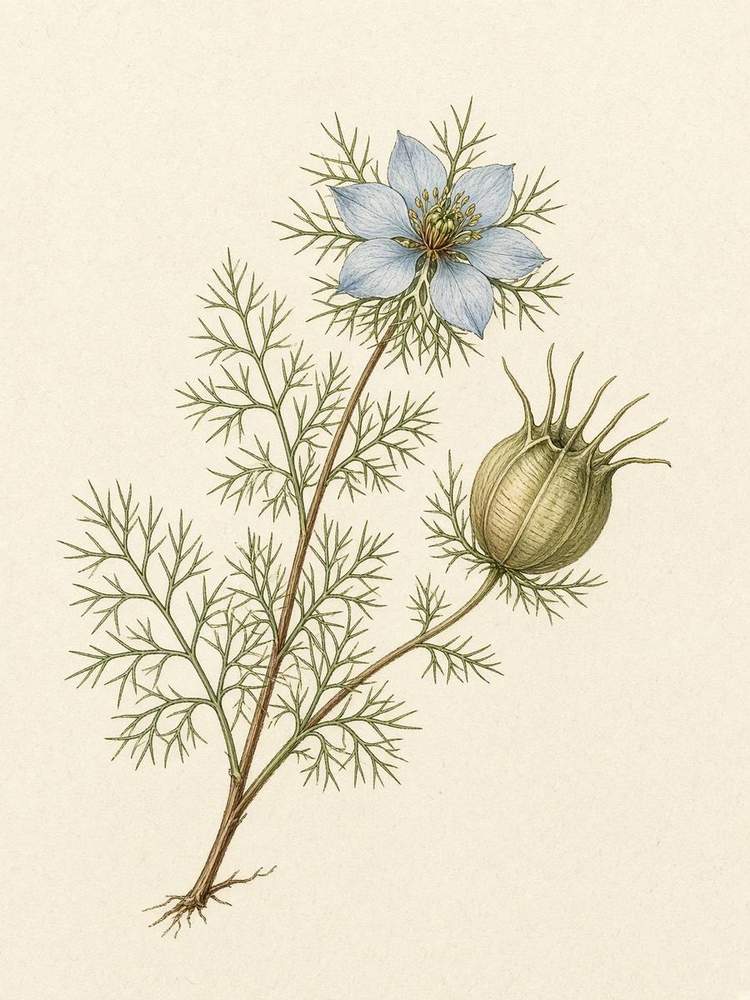
Nigella
Nigella sativa
Kalonji — the small black seed on naan, a peppery-oregano spice with a long West Asian kitchen record.
indigestion
1/1LegalGentle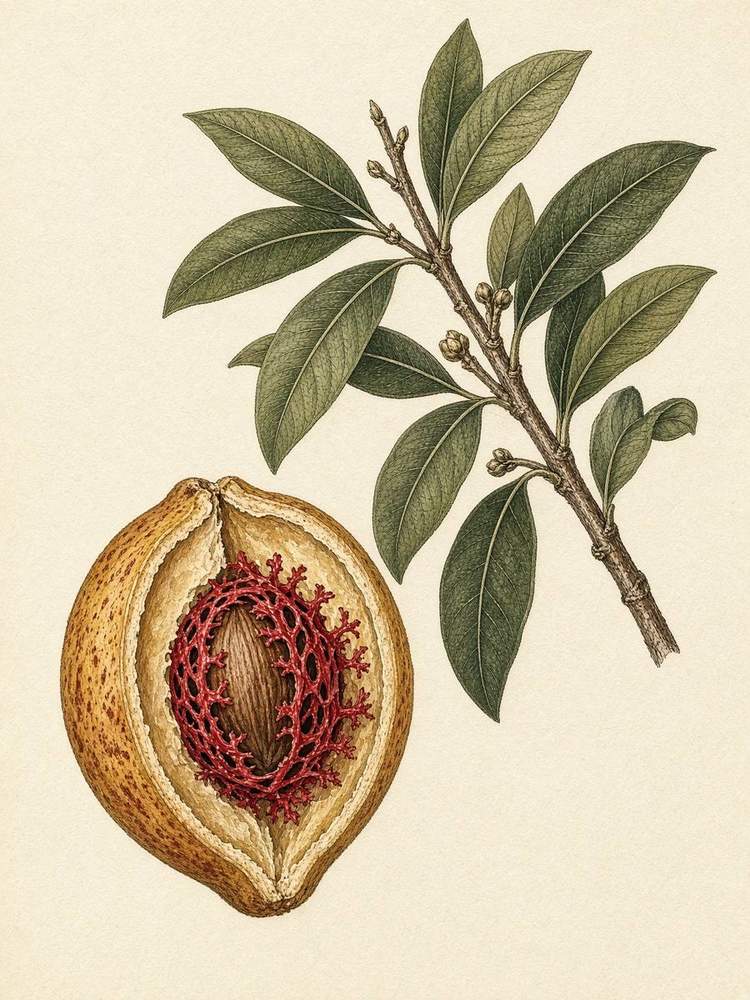
Nutmeg
Myristica fragrans
One fruit, two spices — the brown seed and the lacy red mace — a kitchen warm with a hard stop at the teaspoon.
indigestion
1/1LegalCaution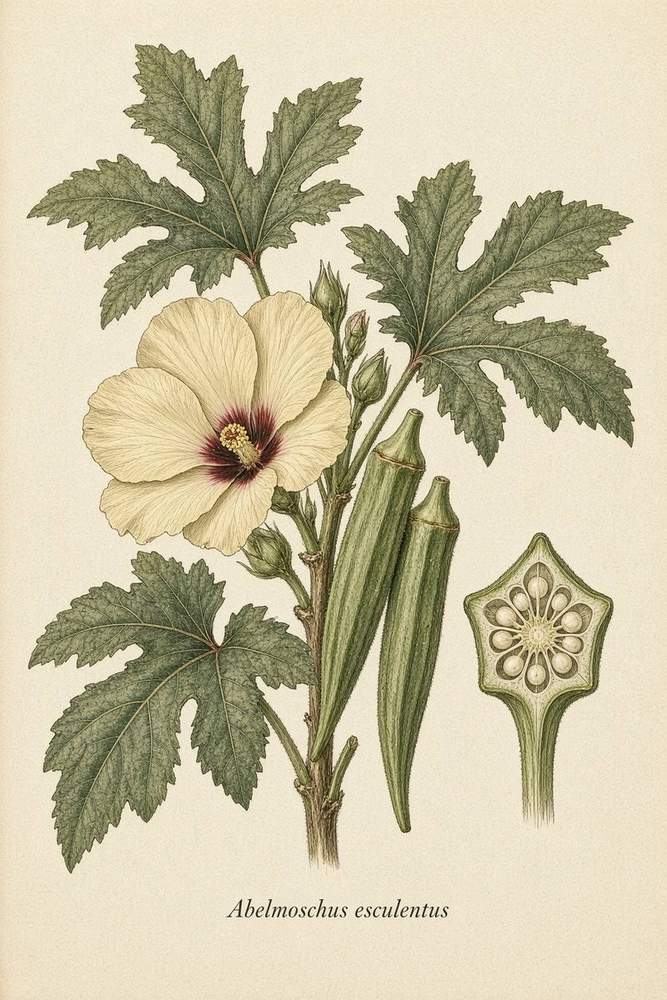
Okra
Abelmoschus esculentus
A West African mallow whose young pods silk a stew — the Southern pot crop that hates the cold.
indigestion
1/1LegalGentle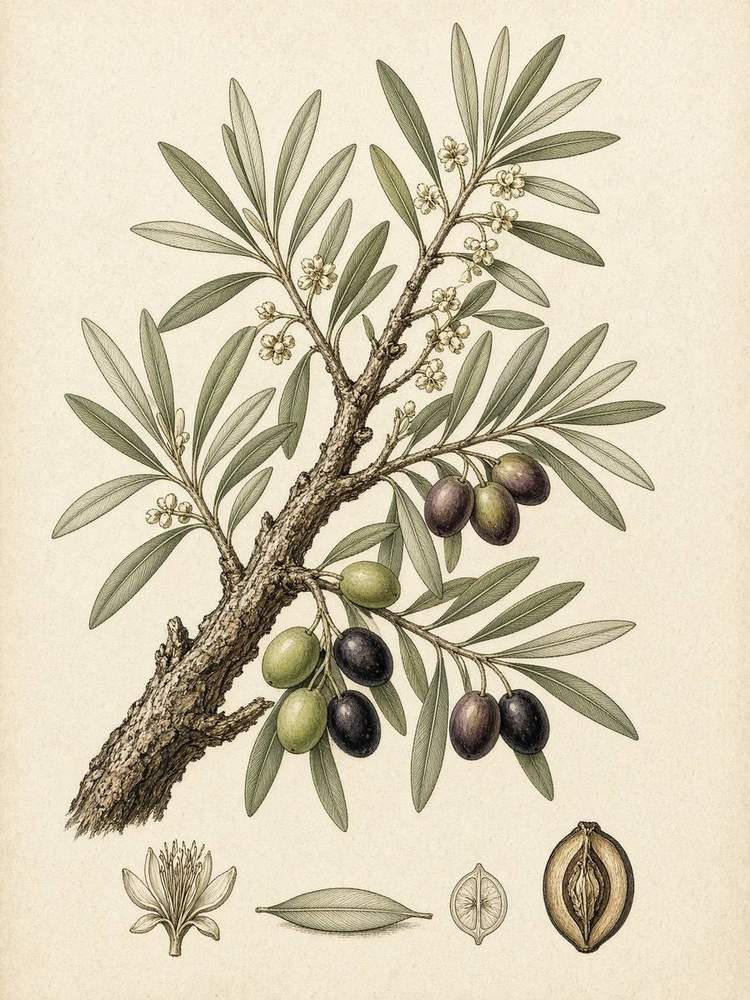
Olive
Olea europaea
The silver tree of the Mediterranean — oil, fruit, and a bitter leaf with a long heart-folklore.
indigestion
1/1LegalGentle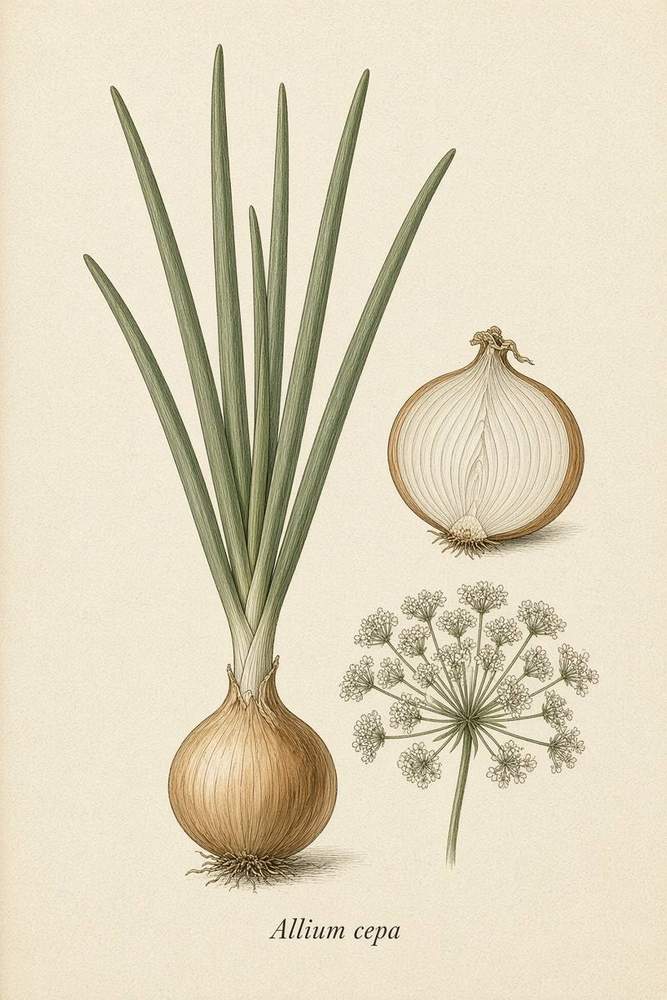
Onion
Allium cepa
The bulb that starts the pan — a kitchen allium with a long folk record as food, not as a syrup protocol.
indigestion
1/1LegalGentle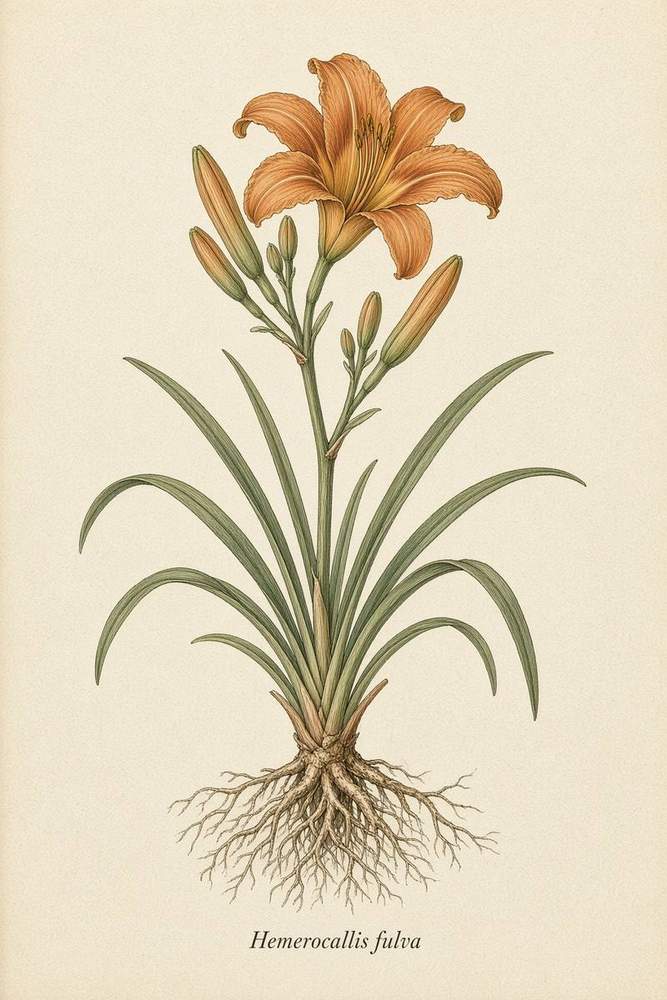
Orange daylily
Hemerocallis fulva
The ditch lily whose buds go in a wok — edible Hemerocallis, never a true lily, never a cat’s flower water.
indigestion
1/1LegalCaution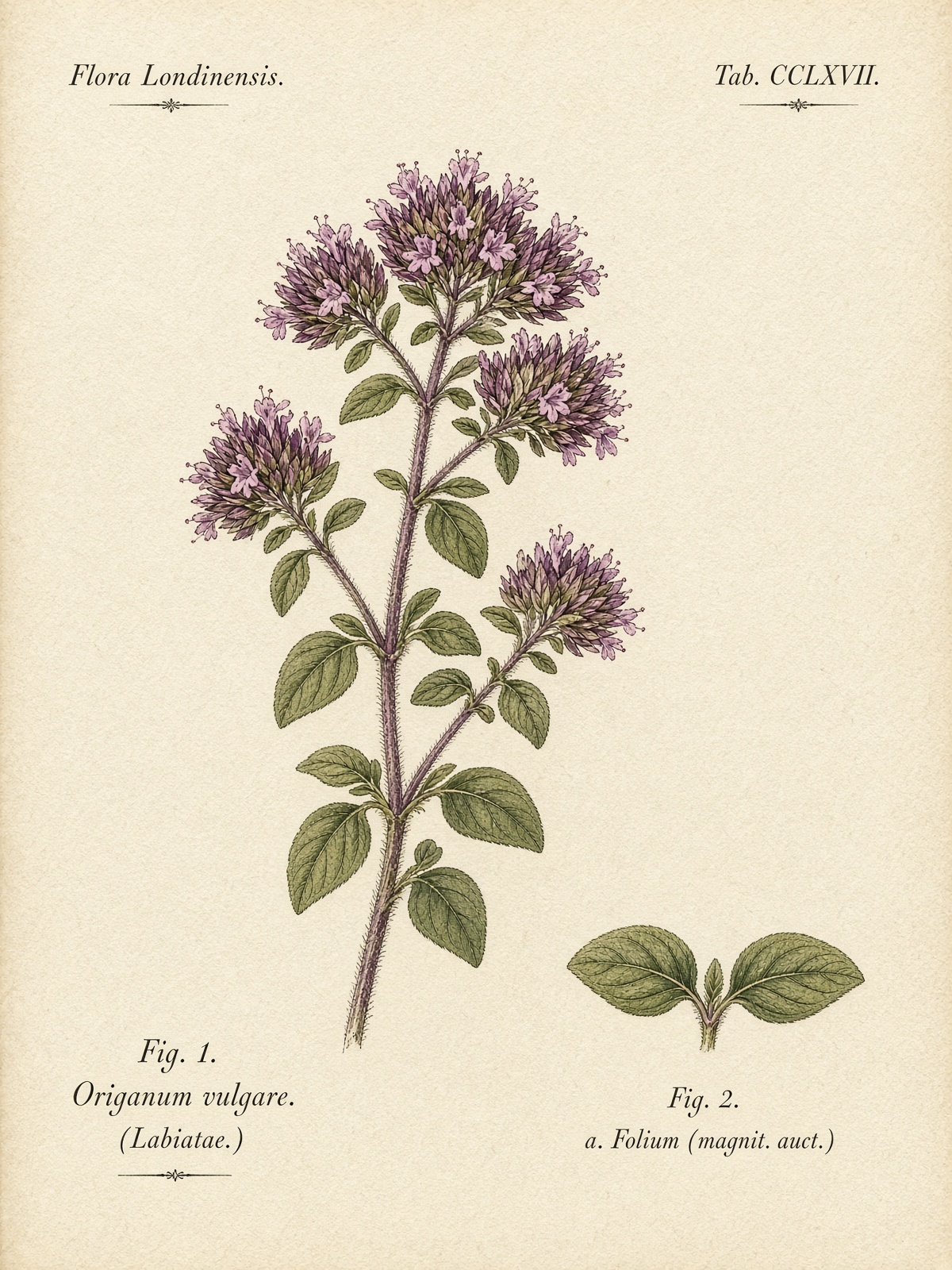
Oregano
Origanum vulgare
A hot Mediterranean mint — pizza leaf, and a traditional winter antimicrobial tea.
indigestion
1/1LegalGentle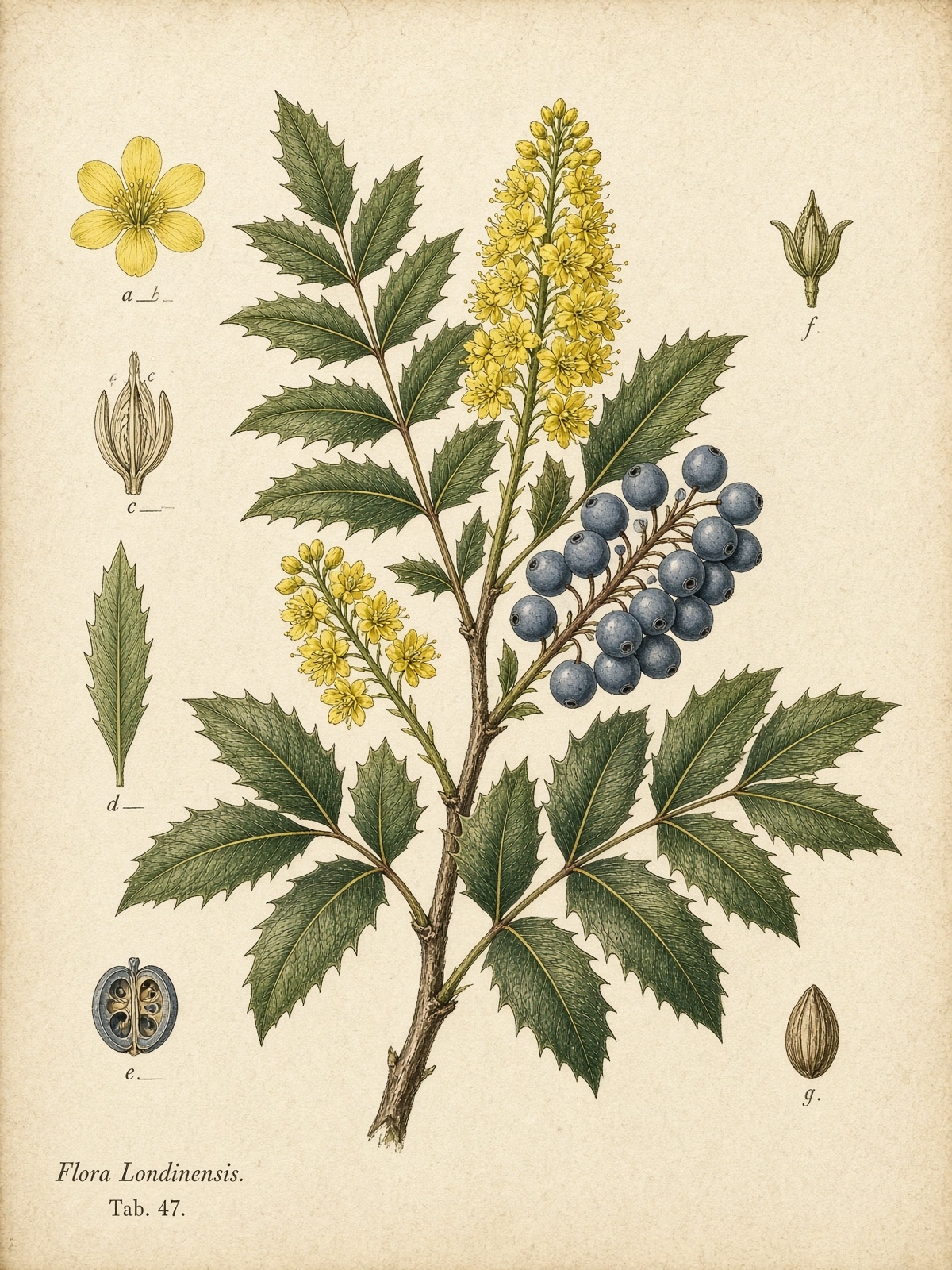
Oregon grape
Mahonia aquifolium
A holly-leaved west-coast shrub whose yellow root is a bitter berberine cousin of goldenseal.
indigestion
1/1LegalCaution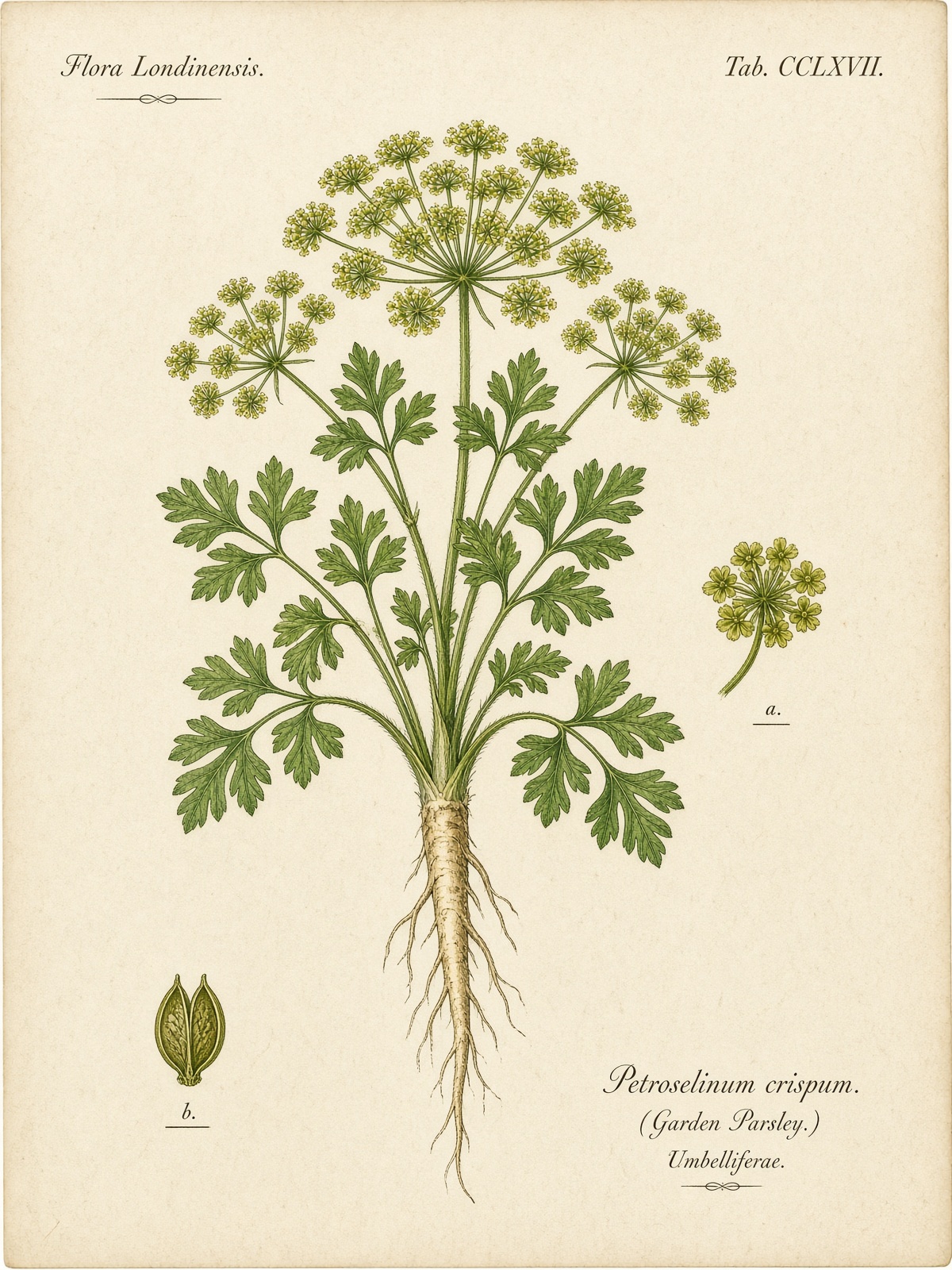
Parsley
Petroselinum crispum
The garnish that is actually a mineral-green — a kitchen herb with a traditional kidney-and-breath record.
indigestion
1/1LegalGentle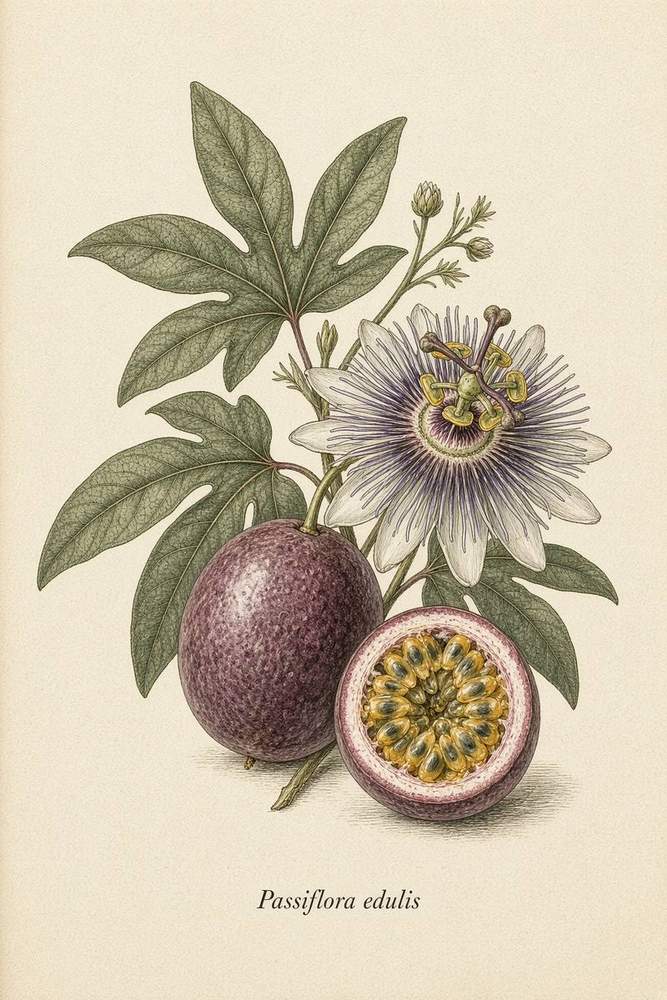
Passion fruit
Passiflora edulis
A wrinkled purple shell full of seedy pulp — perfume in a spoon, and a different species from the maypop leaf tea.
indigestion
1/1LegalGentle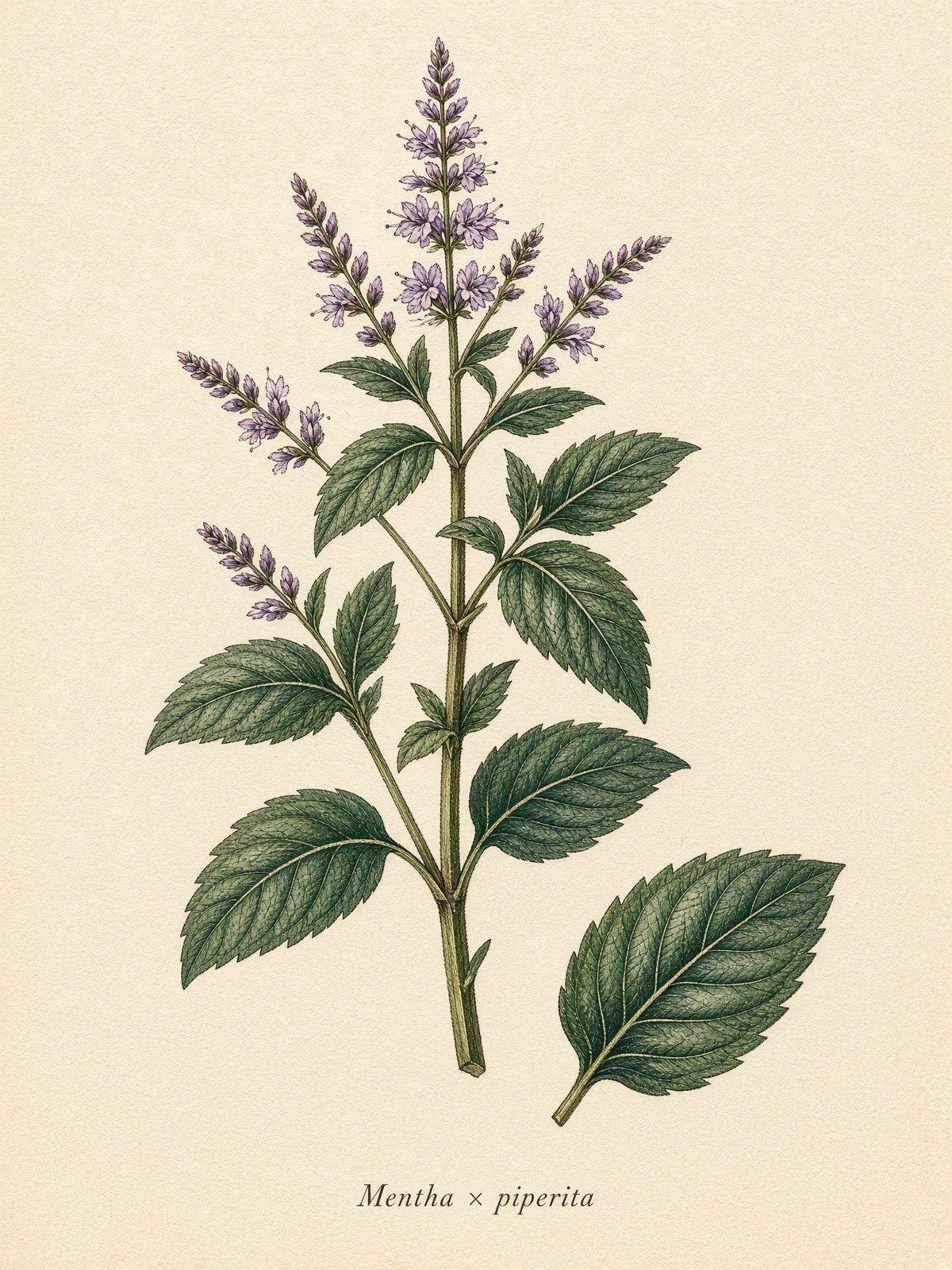
Peppermint
Mentha × piperita
A hybrid mint whose menthol cools the gut and opens the sinuses — classic after-dinner leaf.
indigestion
1/1LegalGentle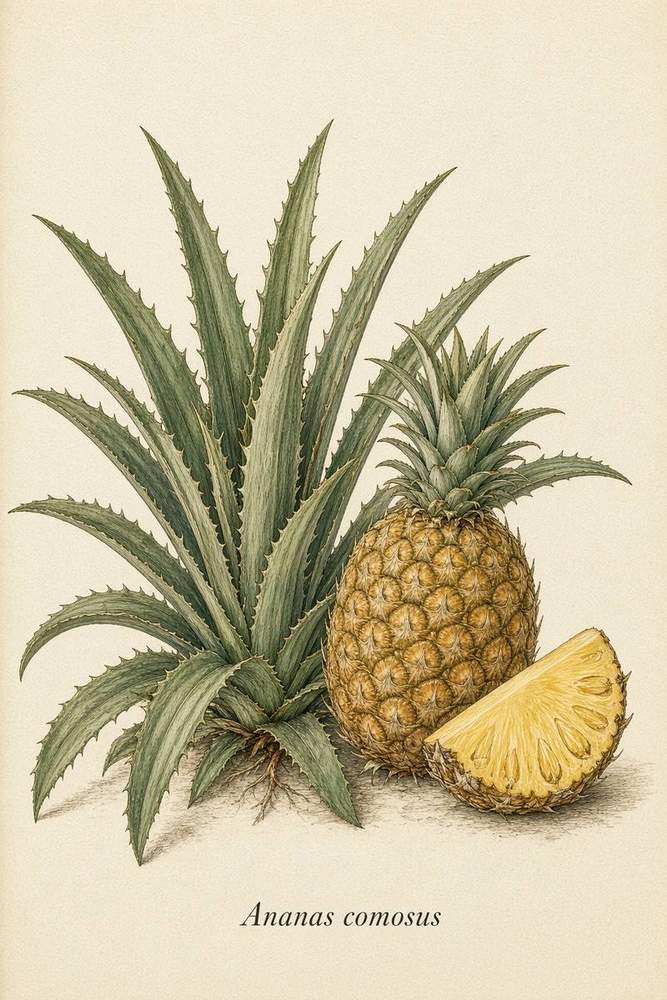
Pineapple
Ananas comosus
A South American bromeliad that wears a crown — a ripe yellow flesh, and a core that is fiber, not a cleanse.
indigestion
1/1LegalGentle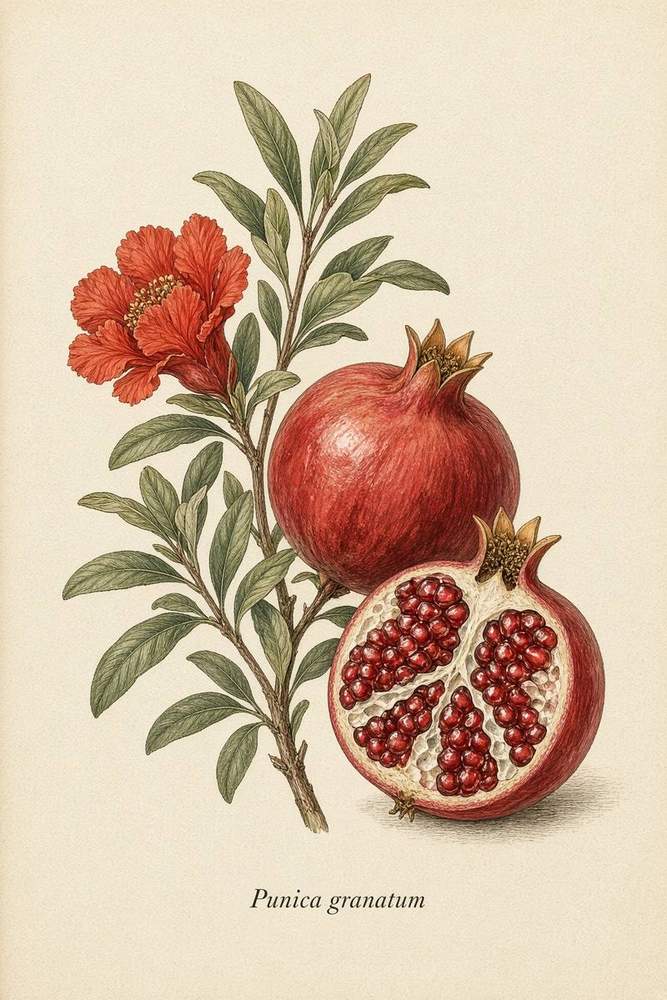
Pomegranate
Punica granatum
A leathery fruit of the dry Mediterranean, packed with arils — juice and seed, not a rind tea.
indigestion
1/1LegalGentle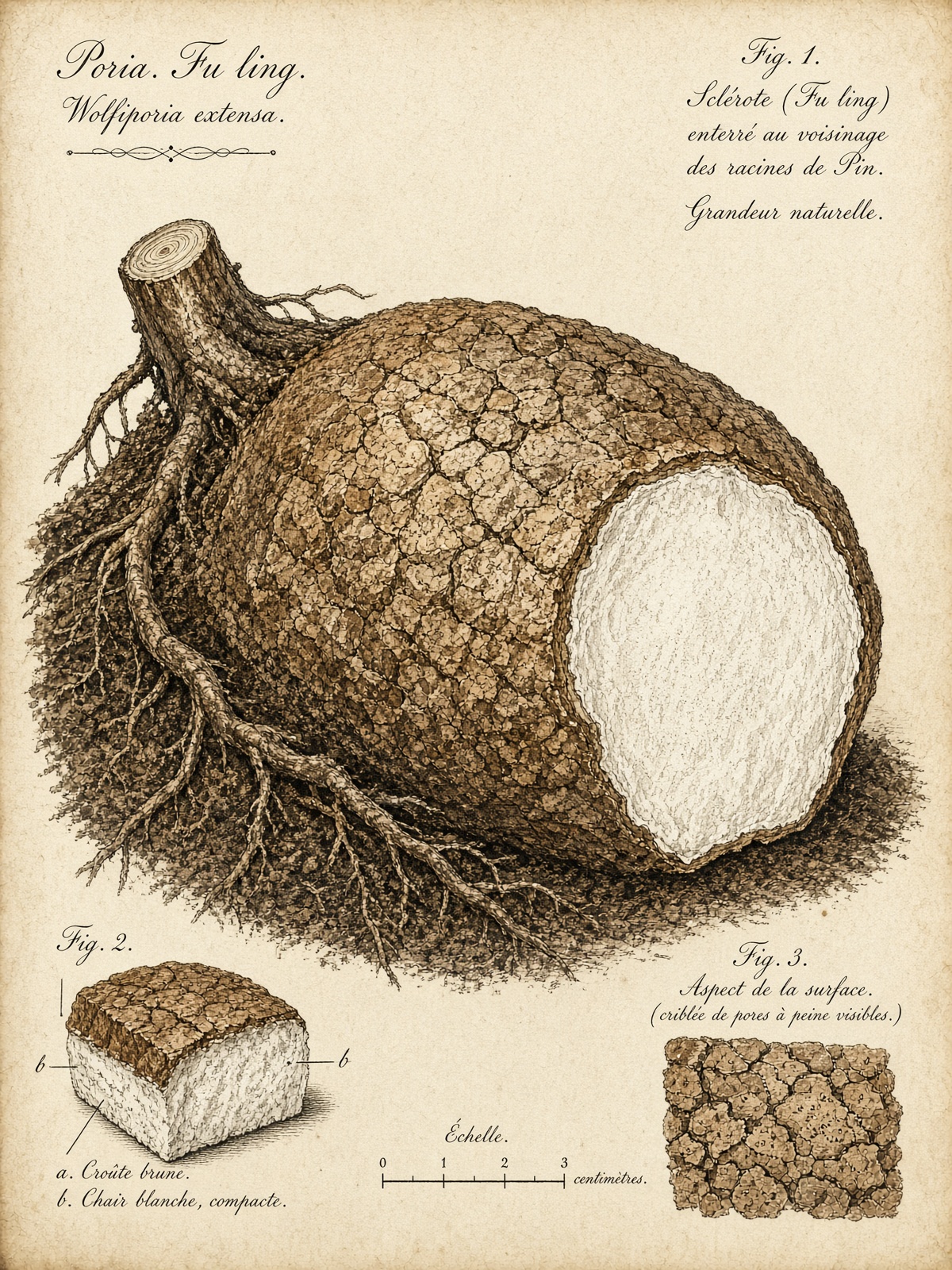
Poria
Wolfiporia extensa
A buried pine fungus used in Chinese soups for dampness, gut, and calm — a sclerotium, not a mushroom cap.
indigestion
1/1LegalGentle
Purslane
Portulaca oleracea
The lemony succulent in the cracks of the driveway — a salad weed richer in omega-3 than most garden greens.
indigestion
1/1LegalGentle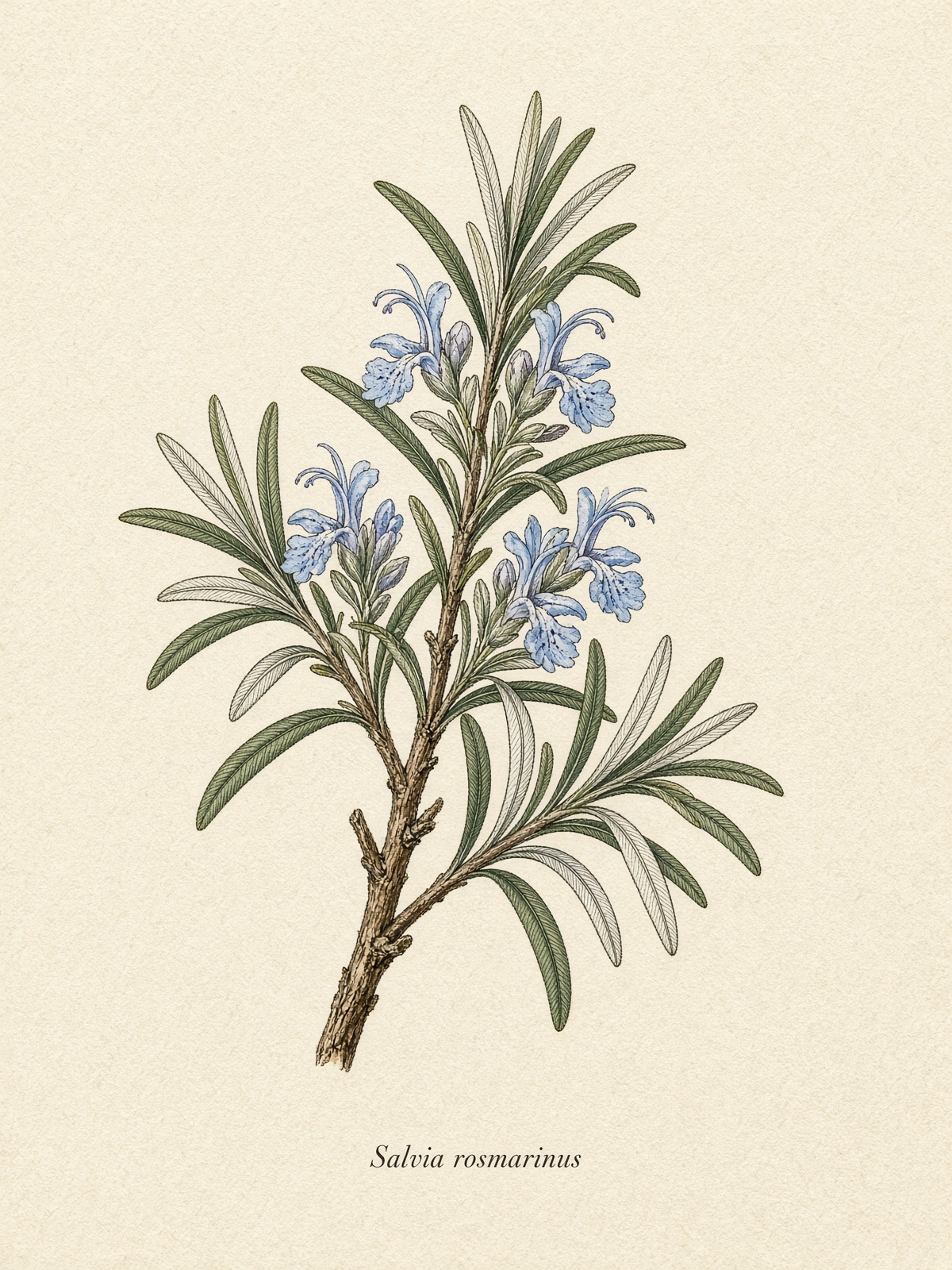
Rosemary
Salvia rosmarinus
A resinous Mediterranean shrub for memory, circulation, and roast potatoes.
indigestion
1/1LegalGentle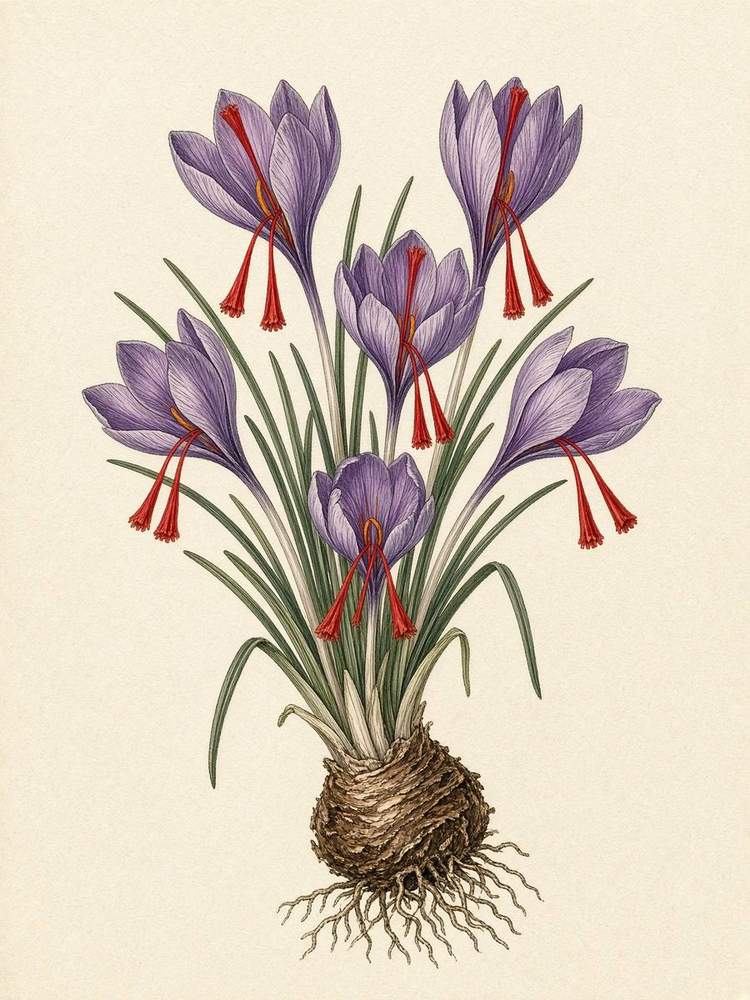
Saffron
Crocus sativus
Three red threads from a sterile autumn crocus — the dearest spice on earth, and a traditional mood-and-digestion pinch.
indigestion
1/1LegalCaution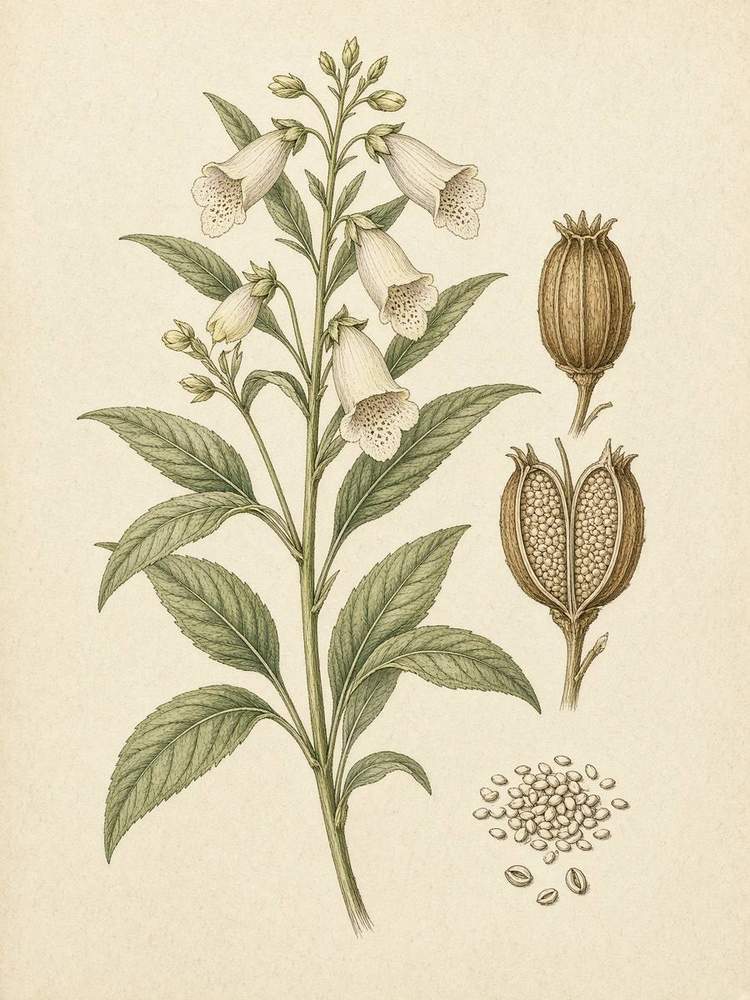
Sesame
Sesamum indicum
The seed that opens — a hot-season crop whose paste is tahini and whose oil is the quiet fat of a dozen kitchens.
indigestion
1/1LegalGentle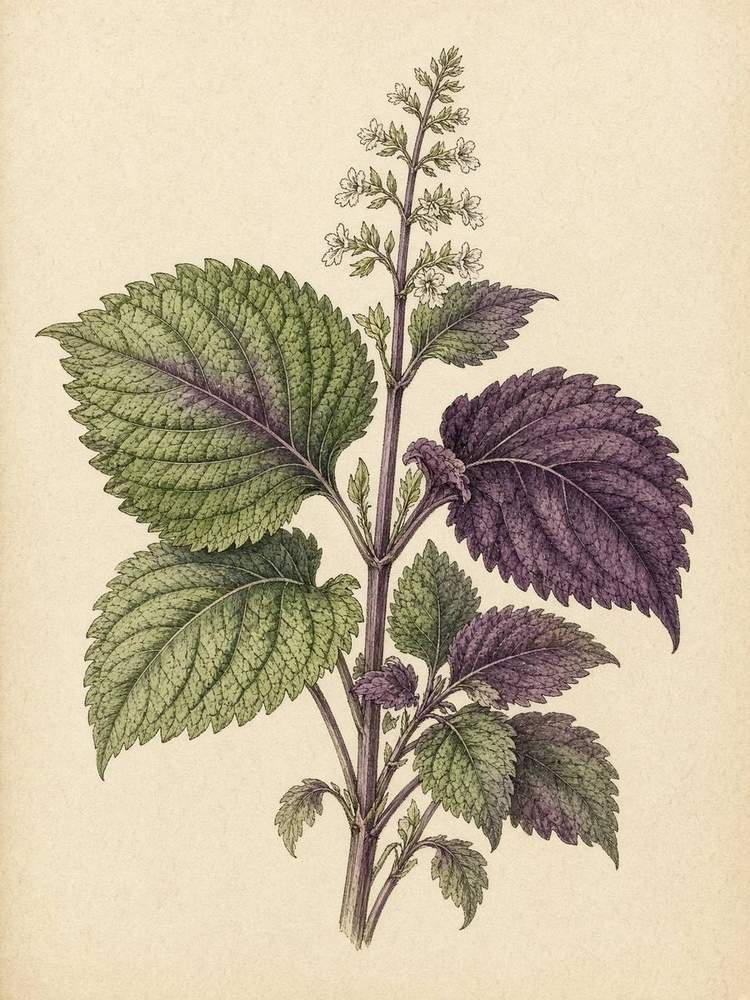
Shiso
Perilla frutescens
The ruffled mint of Japanese and Korean kitchens — cumin-basil-citrus in a leaf that pickles plums and wraps rice.
indigestion
1/1LegalGentle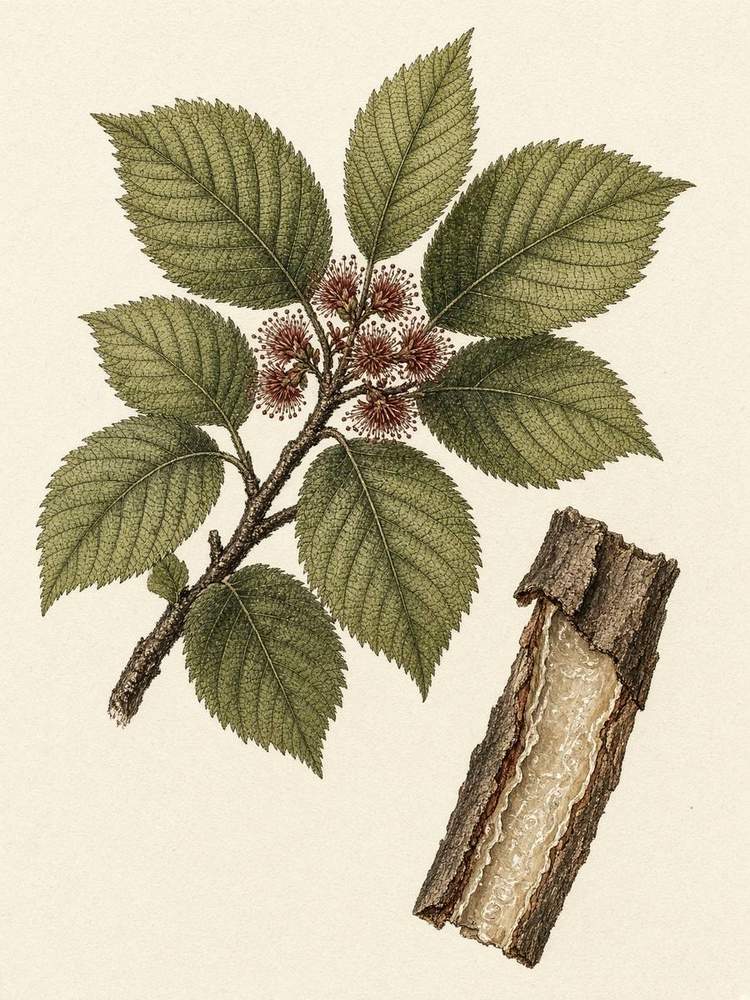
Slippery elm
Ulmus rubra
The mucilaginous inner bark of an American elm — a slippery tea for a raw throat and a raw gut.
indigestion
1/1LegalGentle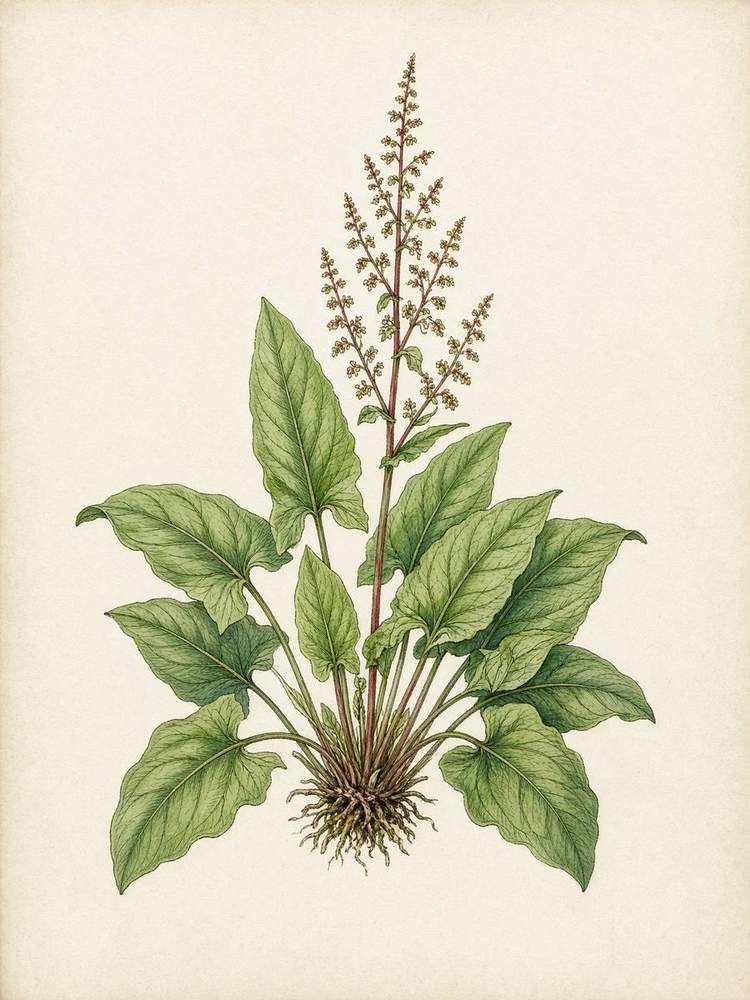
Sorrel
Rumex acetosa
The lemon of the temperate garden — arrow leaves that sharpen soup and fish, with a French pedigree.
indigestion
1/1LegalGentle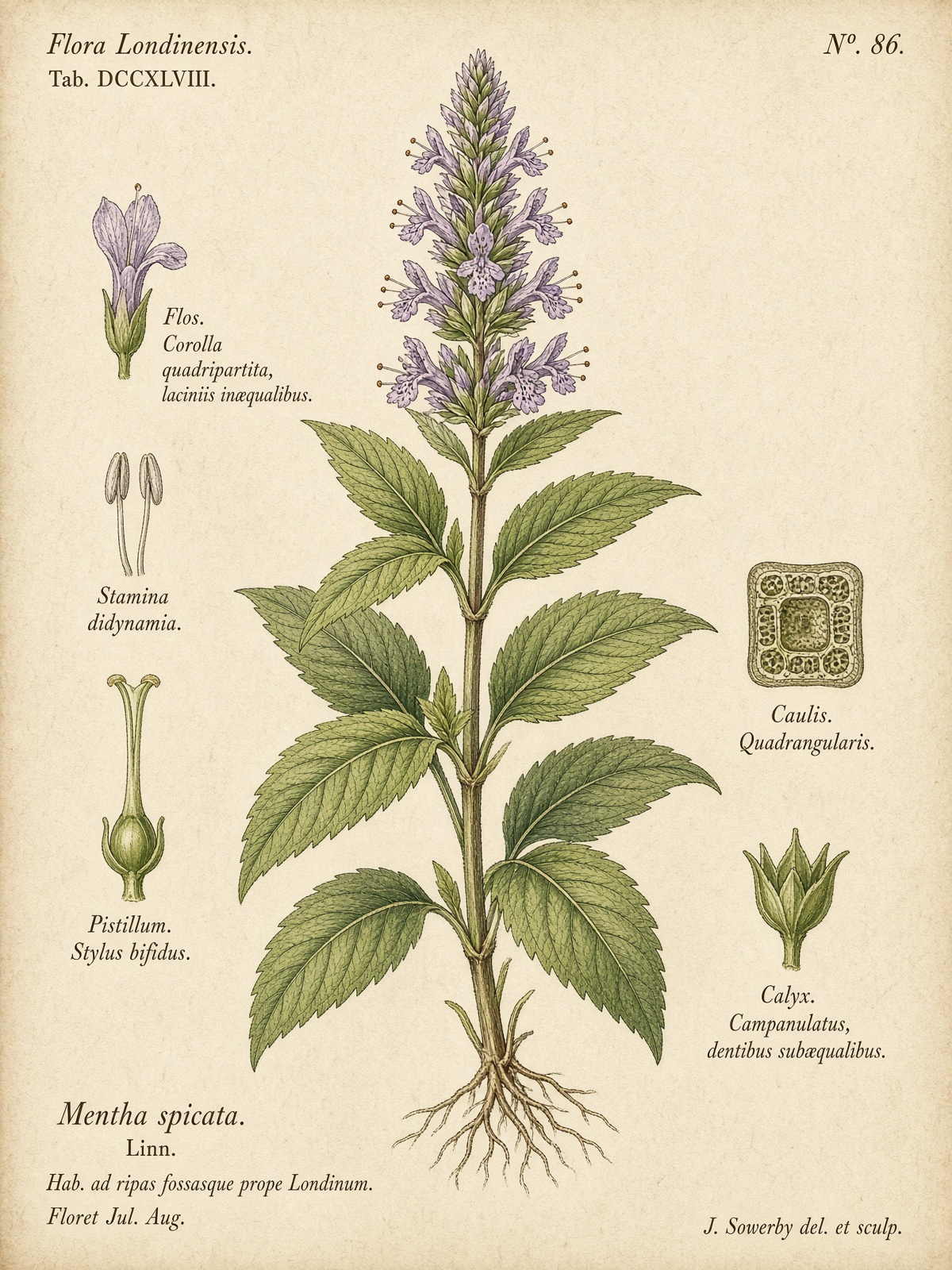
Spearmint
Mentha spicata
The sweeter garden mint — less menthol fire, more green candy. A children’s and after-dinner leaf.
indigestion
1/1LegalGentle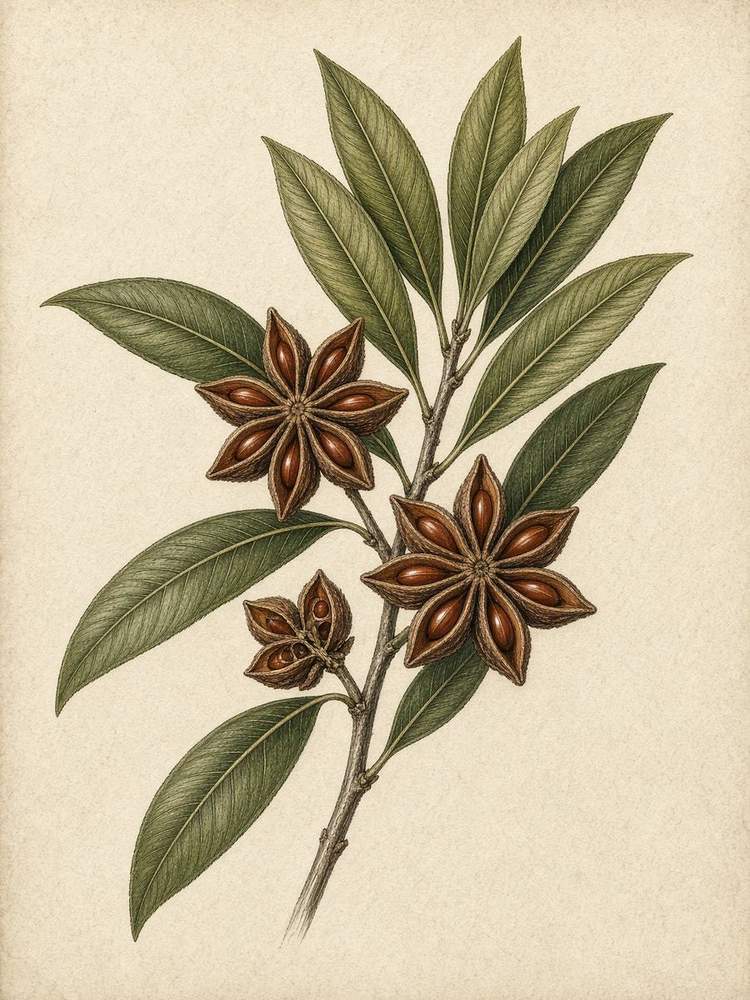
Star anise
Illicium verum
The eight-pointed spice of pho and five-spice — a licorice star with a lookalike that does not belong in a pot.
indigestion
1/1LegalCaution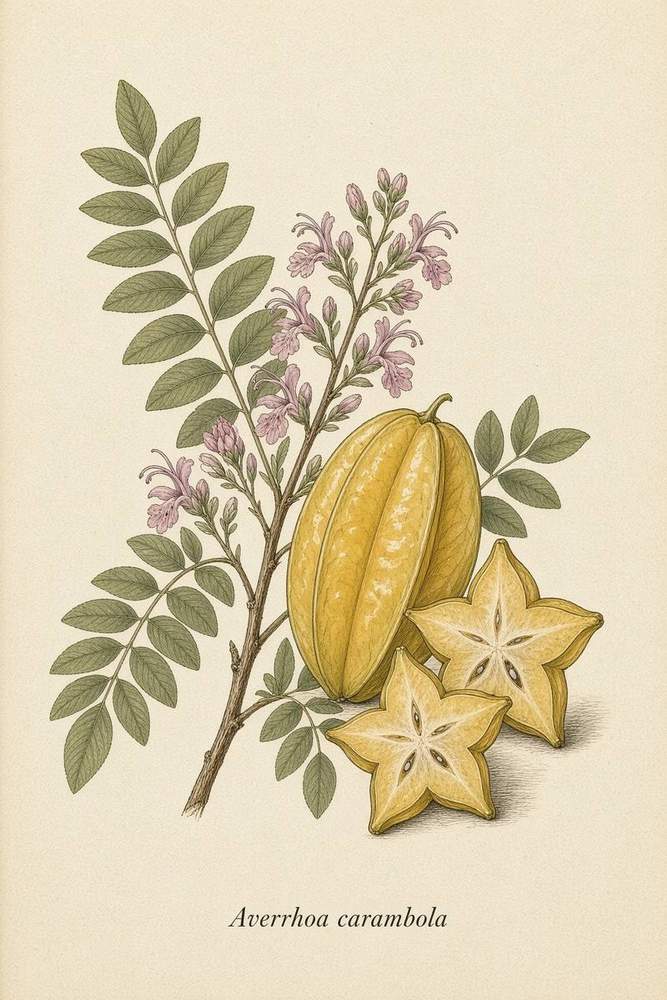
Starfruit
Averrhoa carambola
A five-pointed oxalis fruit — pretty in a salad, and a documented problem if the kidneys are already in trouble.
indigestion
1/1LegalCaution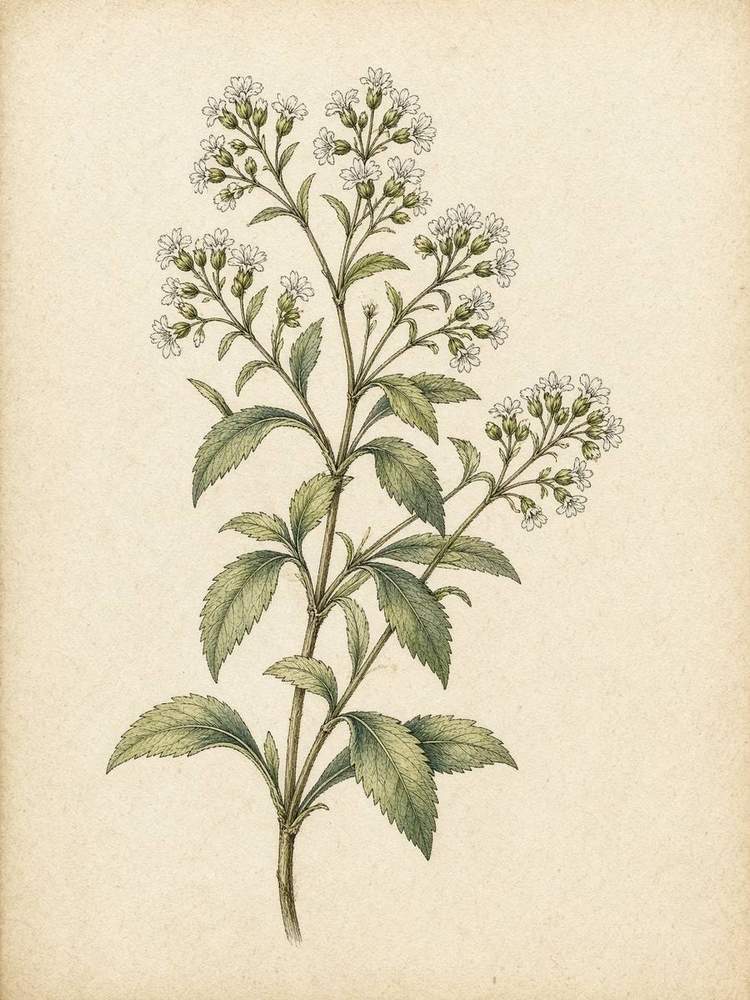
Stevia
Stevia rebaudiana
The Paraguayan sweet herb — a few leaves that sugar a pot without sugar, and a bitter green aftertaste if you overdo it.
indigestion
1/1LegalGentle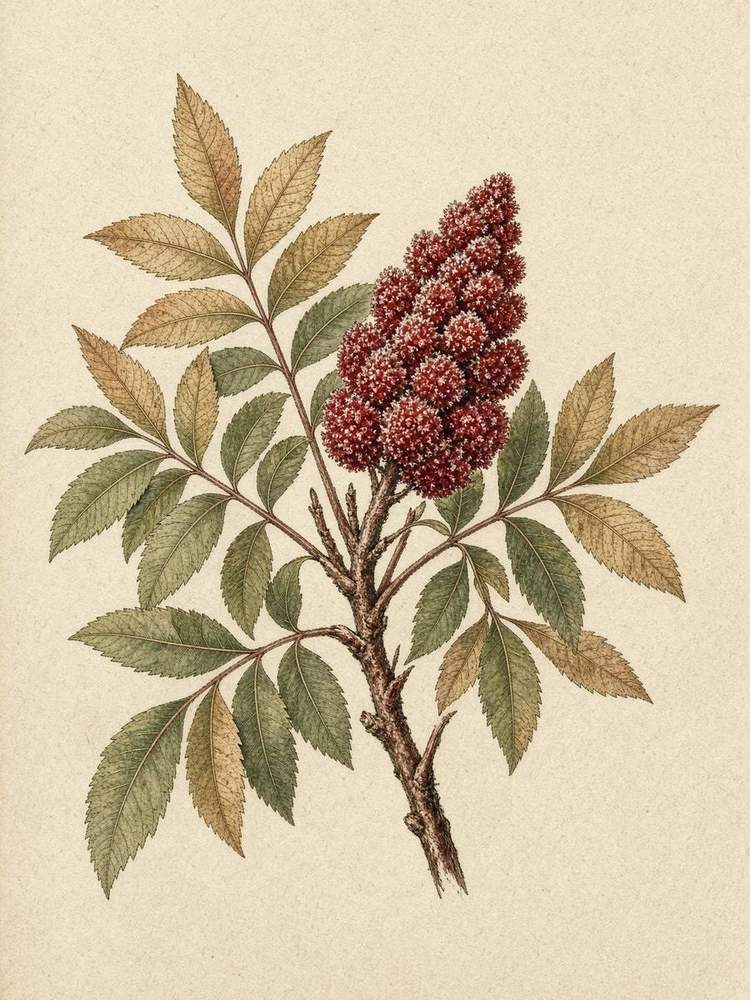
Sumac
Rhus coriaria
The sour red dust of za’atar — a Mediterranean berry-spice, not the white-berried swamp plant that raises blisters.
indigestion
1/1LegalGentle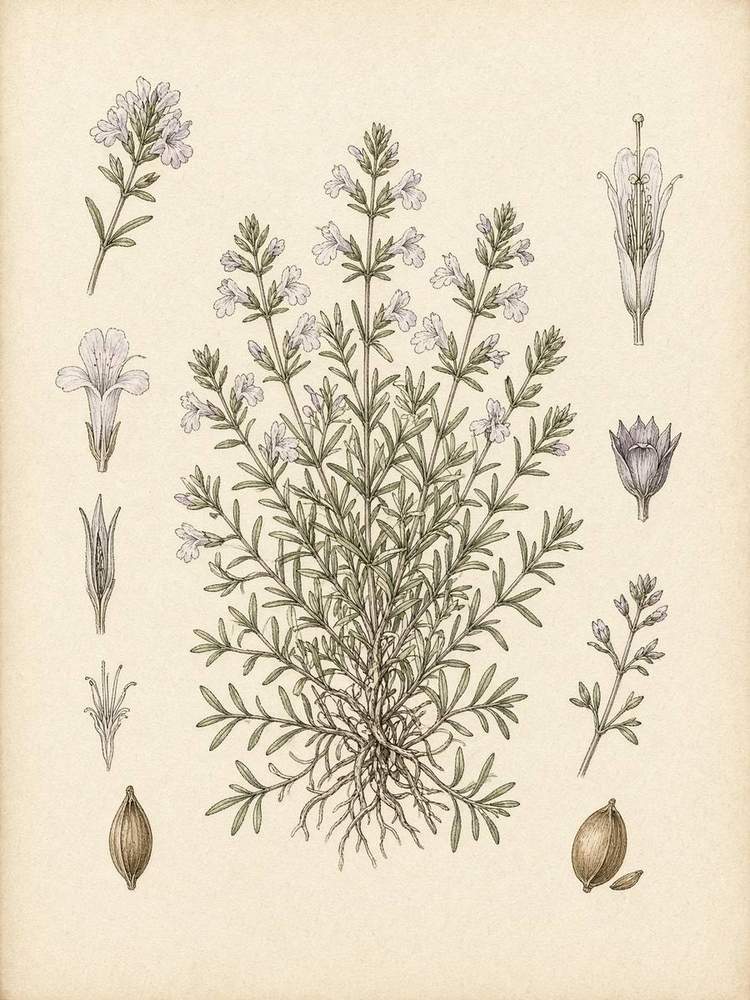
Summer savory
Satureja hortensis
The bean herb — a peppery summer mint that German and Balkan kitchens still put in the pot with pulses.
indigestion
1/1LegalGentle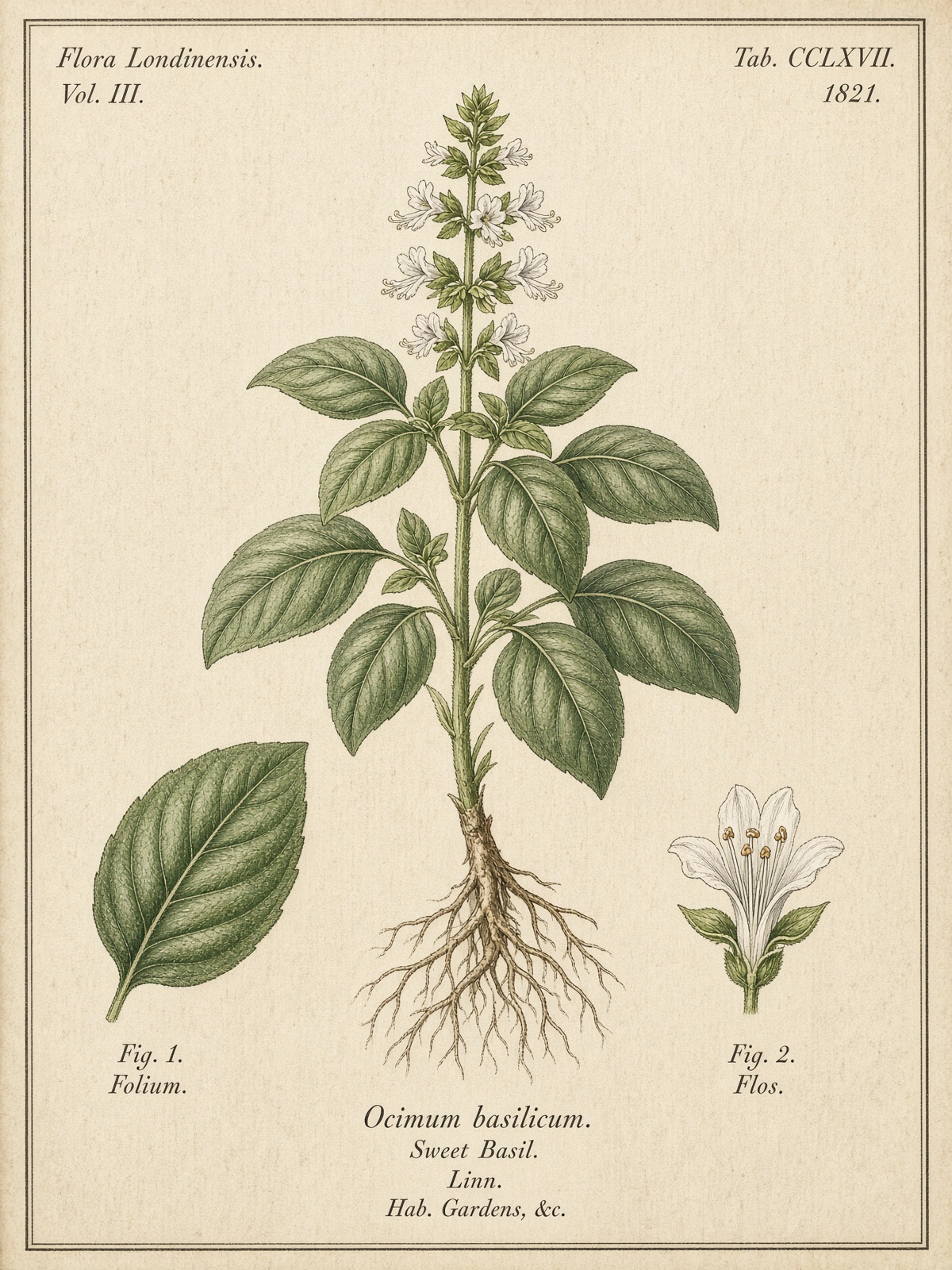
Sweet basil
Ocimum basilicum
The pesto leaf — a cooling kitchen mint for digestion and summer nerves.
indigestion
1/1LegalGentle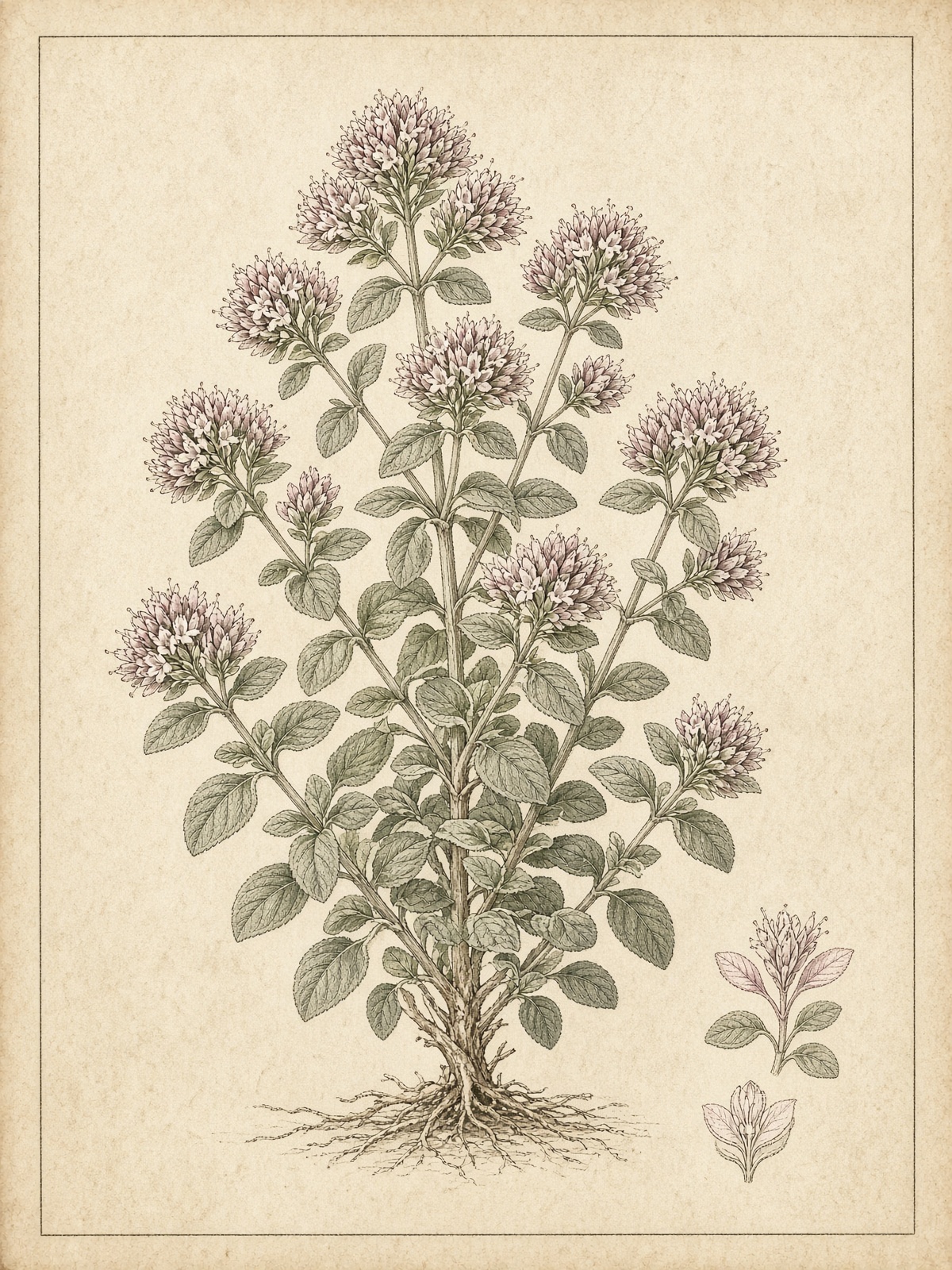
Sweet marjoram
Origanum majorana
Oregano’s sweeter kitchen cousin — a tender Mediterranean mint for digestion and a quiet evening cup.
indigestion
1/1LegalGentle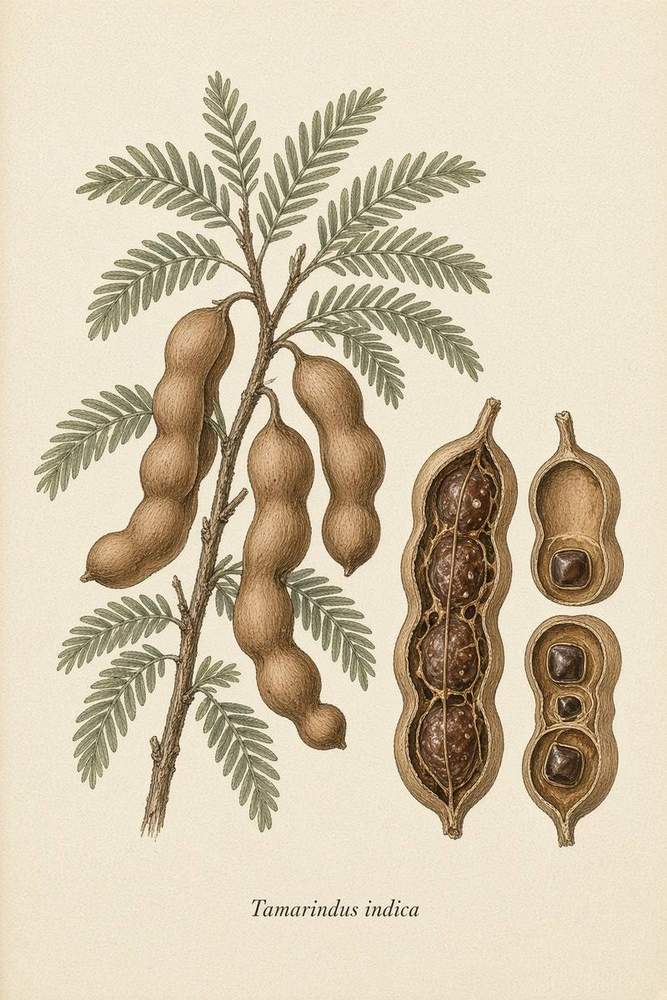
Tamarind
Tamarindus indica
A brittle brown pod of sour-sweet pulp — the acid in a chutney, a agua fresca, and a pad thai, from a tree that looks like a mimosa.
indigestion
1/1LegalGentle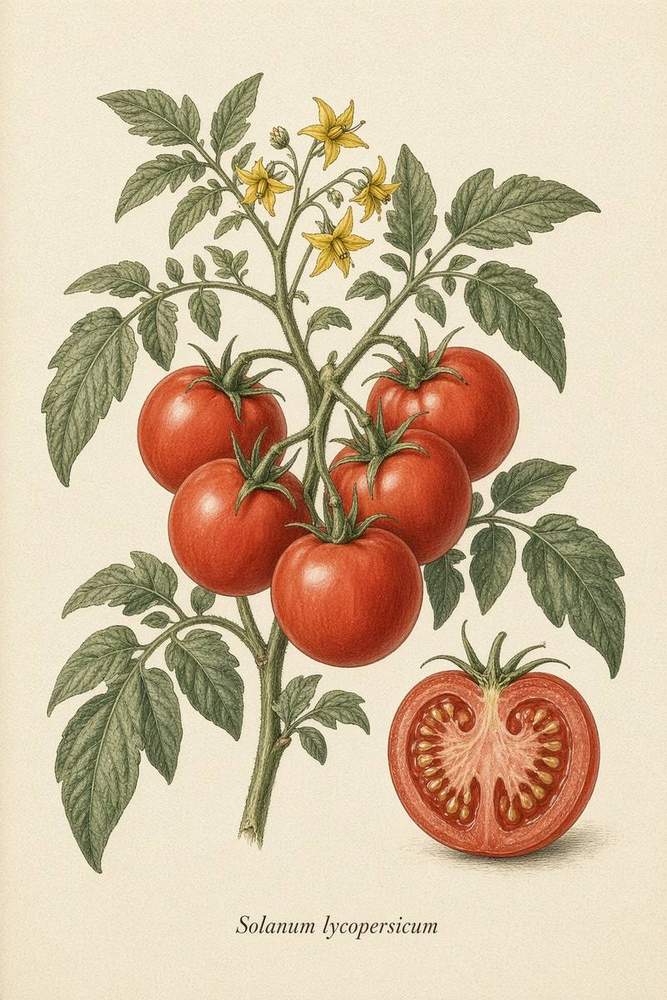
Tomato
Solanum lycopersicum
The kitchen-garden berry we treat as a vegetable — acid, sweet, and the color of a summer table.
indigestion
1/1LegalGentle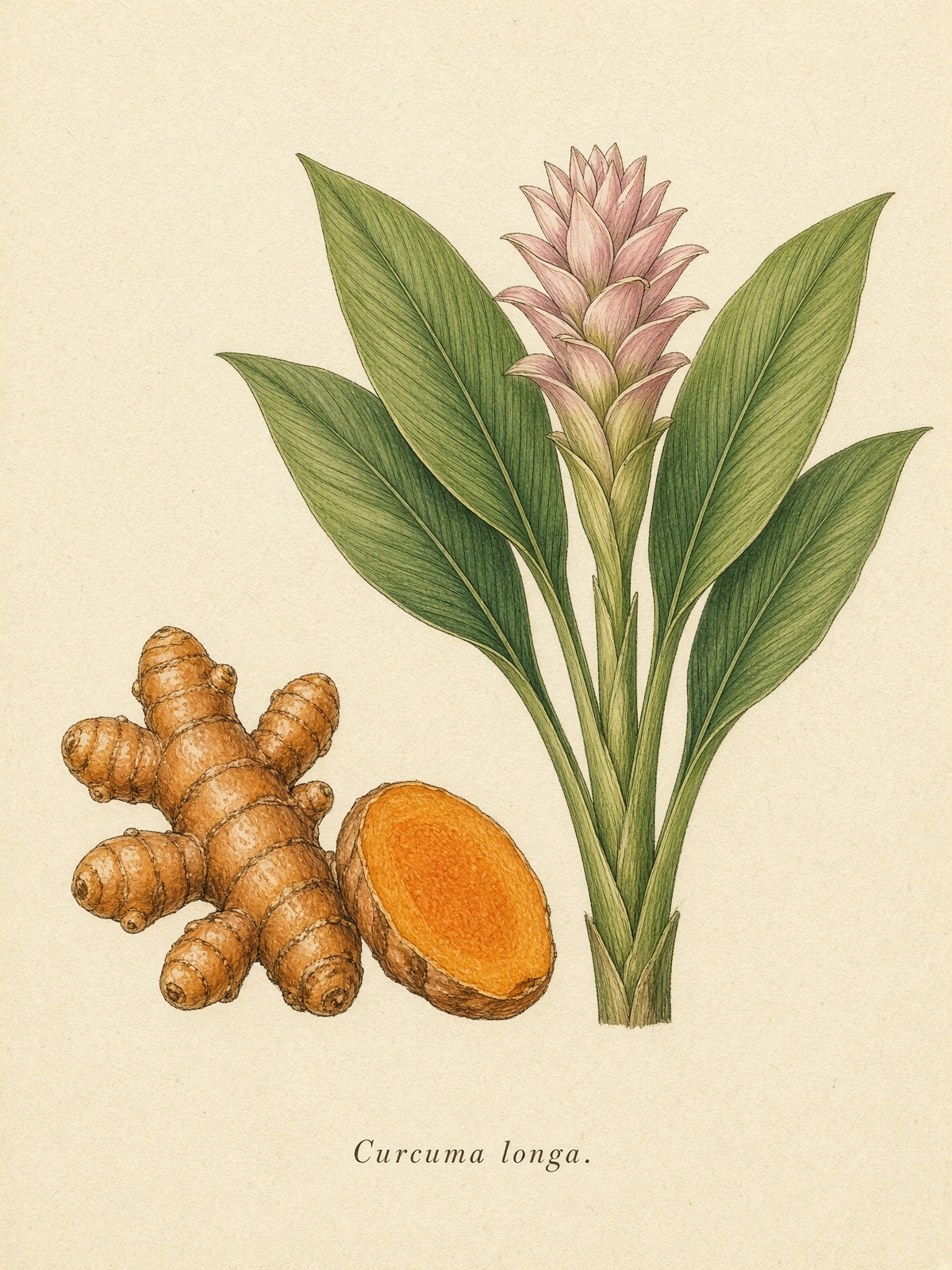
Turmeric
Curcuma longa
Golden rhizome of South Asian cooking, taken for stiff joints and low-grade inflammation.
indigestion
1/1LegalGentle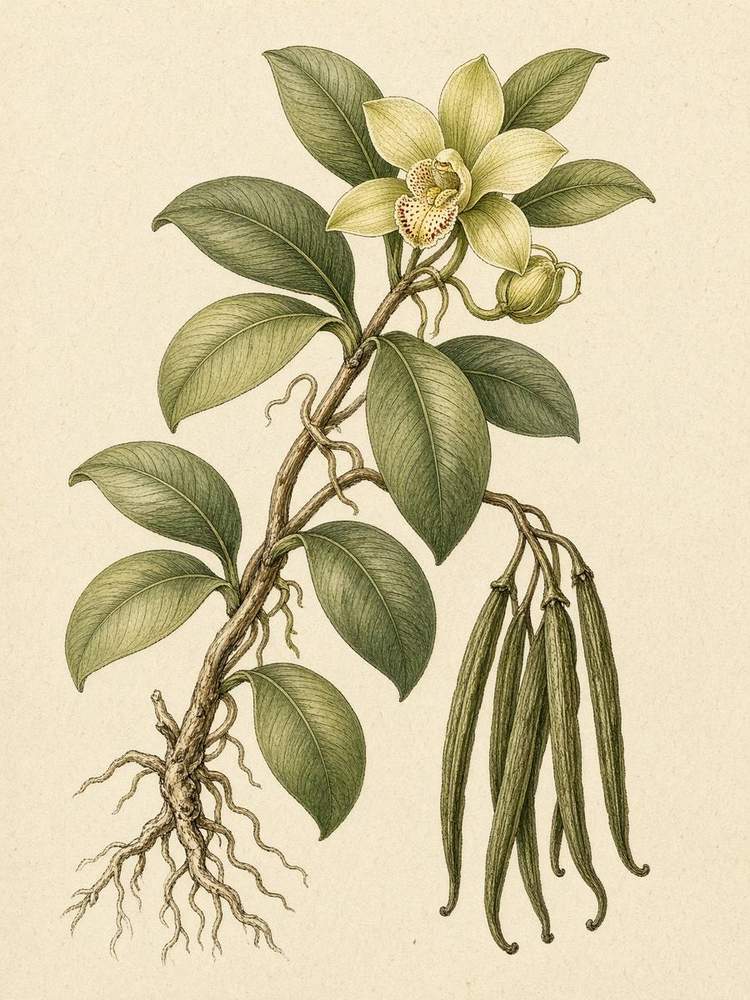
Vanilla
Vanilla planifolia
A climbing orchid whose green bean is cured into the world’s dessert spice.
indigestion
1/1LegalGentle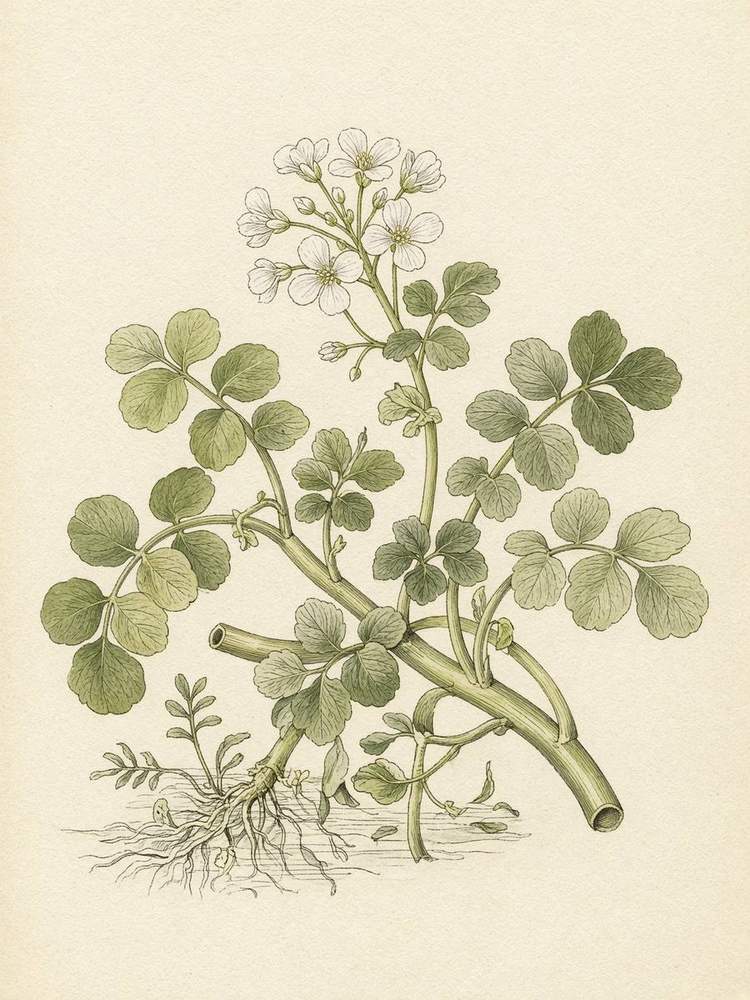
Watercress
Nasturtium officinale
The peppery brook green — a mustard that lives in clean moving water, and a Victorian breakfast plate.
indigestion
1/1LegalGentle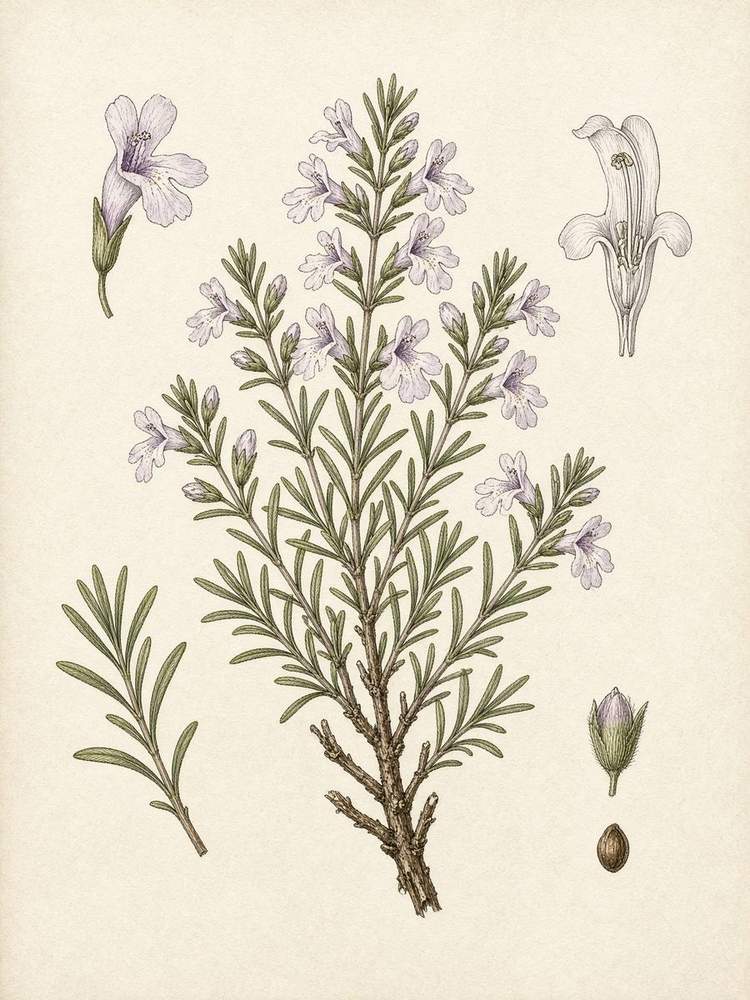
Winter savory
Satureja montana
The tougher bean herb — a shrubby perennial savory that winters over and still belongs in the pot with pulses.
indigestion
1/1LegalGentle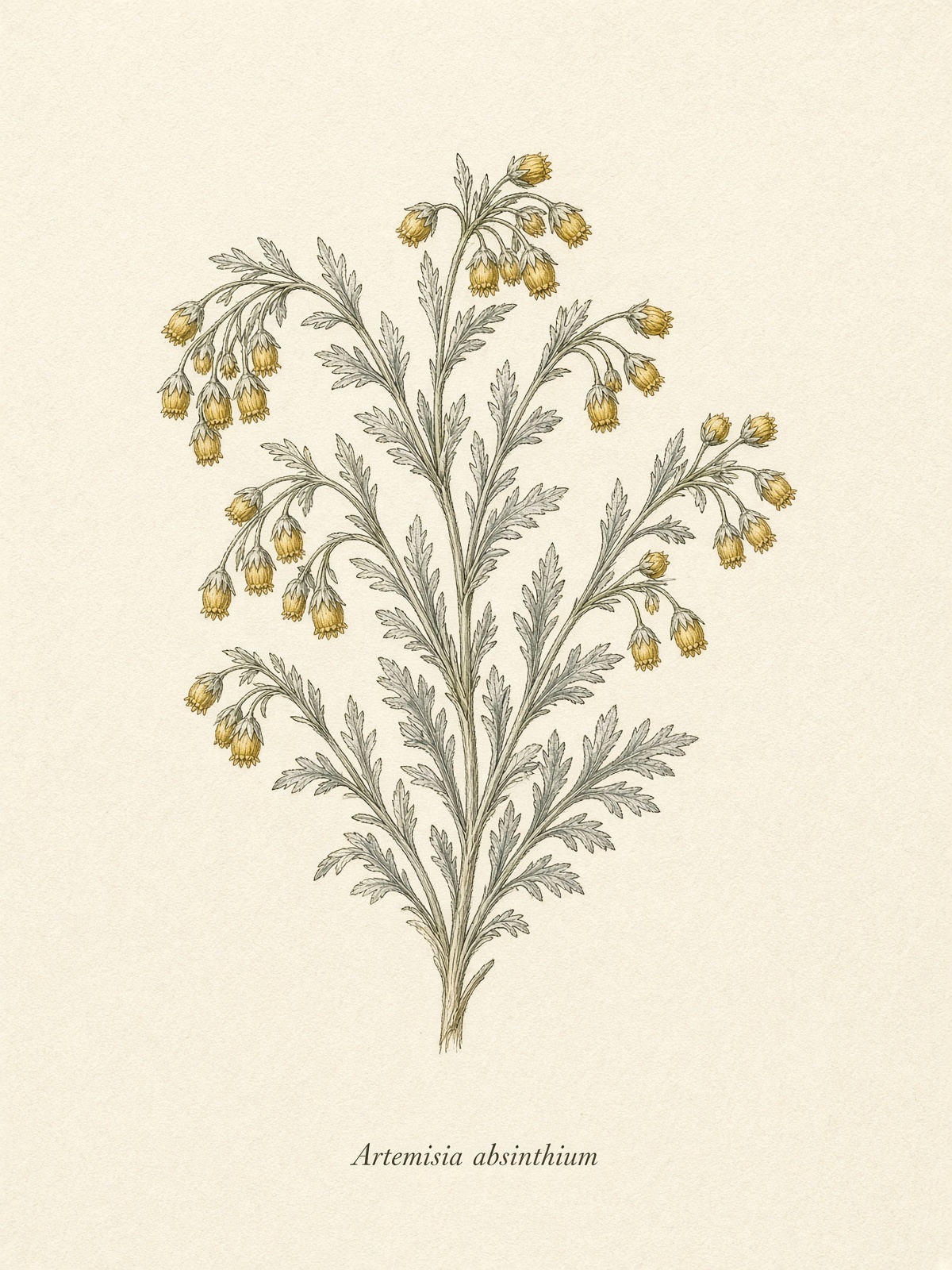
Wormwood
Artemisia absinthium
The bitter of absinthe — a powerful digestive bitter whose essential oil is a neurotoxin in excess.
indigestion
1/1RegulatedToxic
Teas for the same symptoms
Medicinal teas
After-dinner mint
Settle a heavy meal — gas, quease, the too-full feeling.
indigestion
Bay after-beans
The soup leaf, drunk as a short cup after a heavy, bean-y plate.
indigestion
Calendula petal cup
A golden, slightly peppery flower tea for a scratchy throat or a dull, irritated gut.
indigestion
Cardamom after-chai
A short, camphor-lemon spice cup after coffee or a sweet — digestion, not a latte recipe.
indigestion
Evening chamomile cup
A gentle close to the day when the mind will not sit down.
indigestion
Fennel after-meal
Sweet seed tea for bloating and cramp after a heavy plate.
indigestion
Ginger-lemongrass kettle
Warm a chilled, queasy, or first-scratch-cold body.
indigestion
Golden kitchen cup
Food-level turmeric and ginger in milk or oat milk — an anti-inflammatory habit, not an NSAID.
indigestion
Marjoram night
A sweeter oregano cousin for a tense, over-full evening — quieter than hops.
indigestion
Marshmallow cold cup
A slippery, almost flavorless coat for a raw throat or irritated gut — mucilage, not spice.
indigestion
Mugwort after-roast
A short bitter after fat meat — digestion folklore, not a dream protocol and not a daily pot.
indigestion
Parsley green cup
A mineral, slightly peppery pot after a salty meal — food-like, not a kidney cleanse.
indigestion
Saffron evening pinch
A golden, hay-honey cup when the mood is thin — a kitchen pinch, not a clinic dose.
indigestion
Slippery elm gruel
Coat a raw throat or an irritated gut — bland, slippery, a recovery food more than a flavor.
indigestion
Sweet basil after-supper
A clove-green cup after a tomato-heavy plate — cooling, not a sleep drug.
indigestion
Household protocols
Natural remedies
After-dinner settle
Carminative cup for a heavy meal — gas, quease, cramp.
Dose: Adult: one 8 oz cup after the meal. Seed teas: ½ tsp crushed seed. Ginger: 6–8 thin slices in 12 oz, sipped. Not three kinds at once.
Safety: GERD (peppermint especially) · Hiatal hernia if mint worsens the burn
Ginger for quease
Warm a chilled, carsick, or first-morning queasy body — food-level ginger, not a candied binge.
Dose: Adult: 2–3 g fresh rhizome (a thumb of coins) per cup, up to 2 cups in a queasy day. Candied: one or two small cubes, not the bag.
Safety: Gallstones in medicinal amounts · Late pregnancy without advice at extract dose
Milk-thistle and dandelion bitter
A short bitter course after a heavy season — not a hangover cheat code.
Dose: Adult: 1 tsp (about 3–5 g) ground milk-thistle seed daily with food. Dandelion root: 1 tsp dried decoction, once before a meal. Two to four weeks, then stop.
Safety: Bile-duct obstruction · Jaundice — that is a work-up
Savory in the bean pot
The bean herb — peppery summer or winter savory in the pot with pulses, which is the oldest carminative that still tastes like supper.
Dose: Adult: 1 sprig fresh or ½ tsp dried savory per pot of beans. Seed: ½ tsp crushed. Food first.
Safety: Mint-family allergy
Slippery elm or marshmallow coat
Bland mucilage for a raw throat or an irritated gut — a recovery food more than a flavor.
Dose: Adult: 1 tsp elm powder or 1 tbsp chopped marshmallow root per 8 oz, 1–3 times a day, short course. Never swallow dry powder.
Safety: Wild-stripped elm bark · Swallowing dry powder by the spoon