Symptom index
Find a plant by how you feel
Type a symptom — cough, sleep, skin — or tap a chip. Matching plates, teas, and remedies rise to the top. This is a folk index, not a diagnosis.
78 plates for fatigue
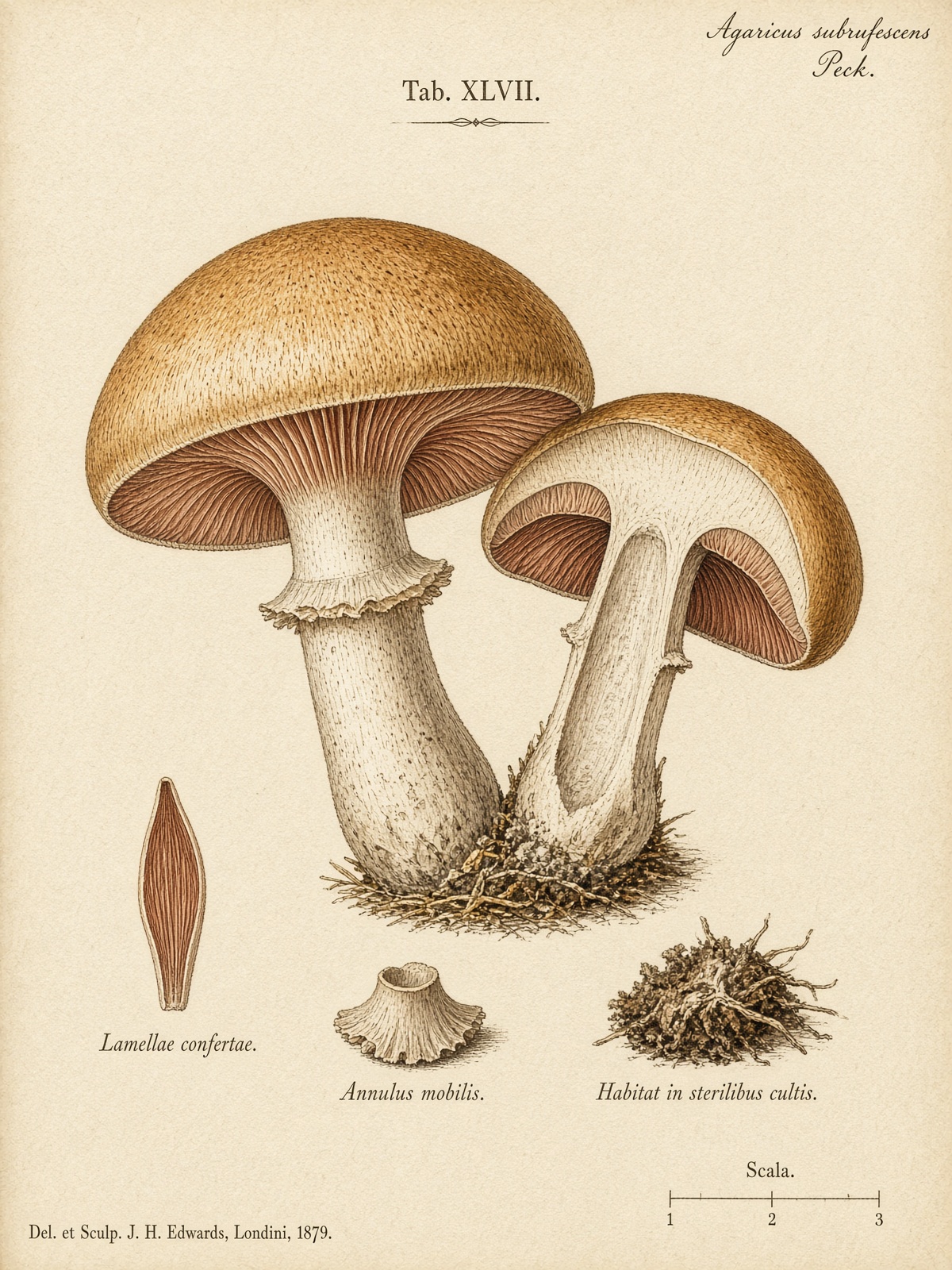
Almond mushroom
Agaricus subrufescens
A Brazilian button mushroom that smells of almond — food first, immune-glucan folklore second.
fatigue
1/1LegalGentle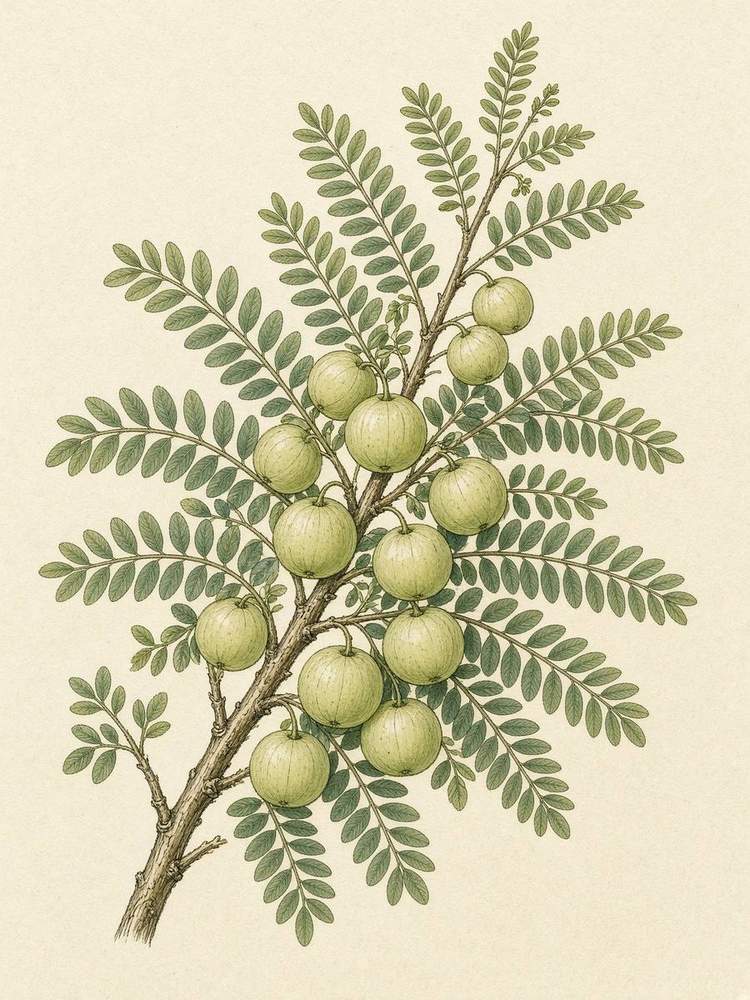
Amla
Phyllanthus emblica
Indian gooseberry — a sour, tannic fruit that Ayurveda treats as a rasayana, and that kitchens pickle in sugar and spice.
fatigue
1/1LegalGentle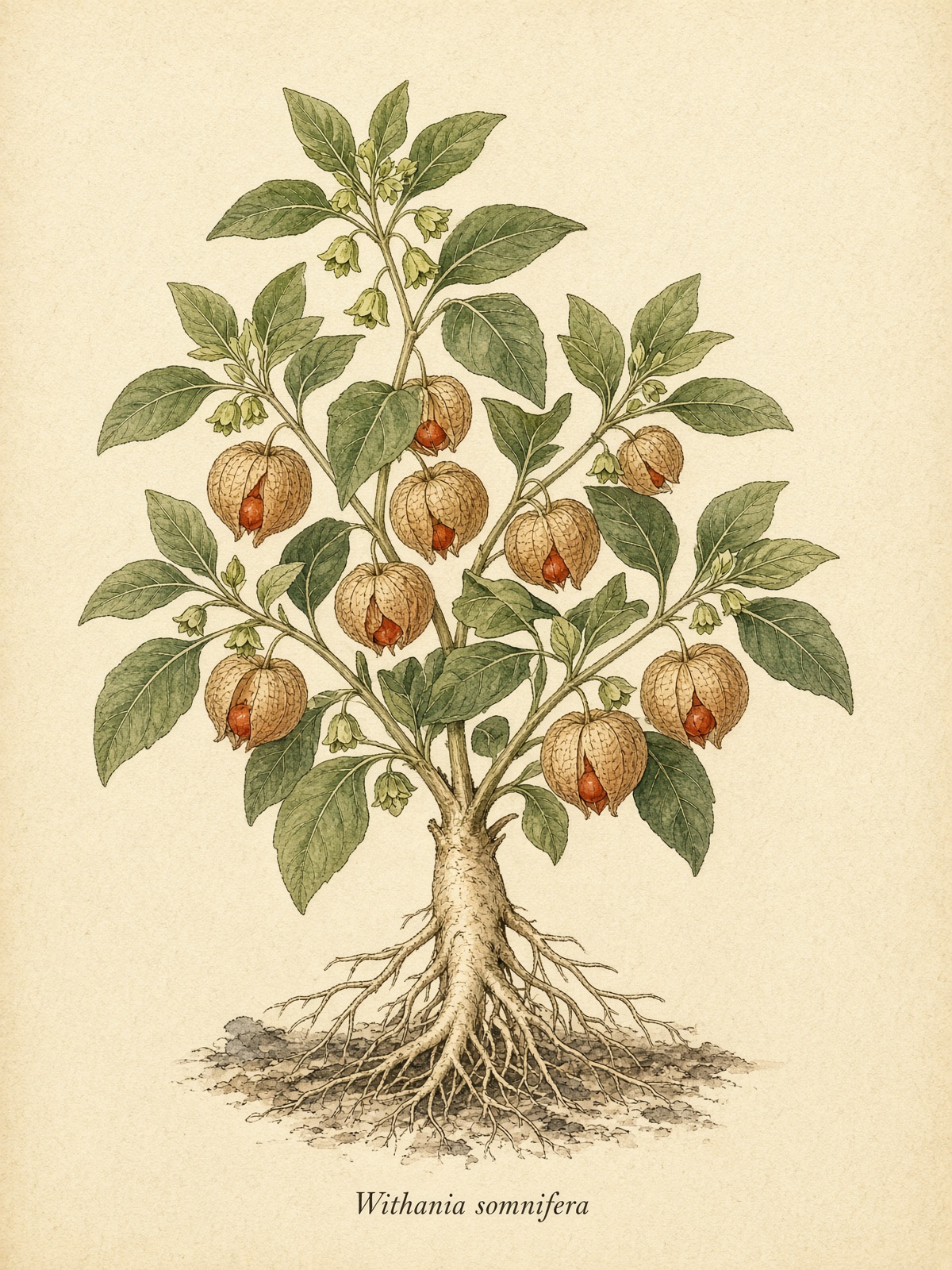
Ashwagandha
Withania somnifera
Winter cherry root — an adaptogen for wired-and-tired nights, not a stimulant.
fatigue
1/1LegalCaution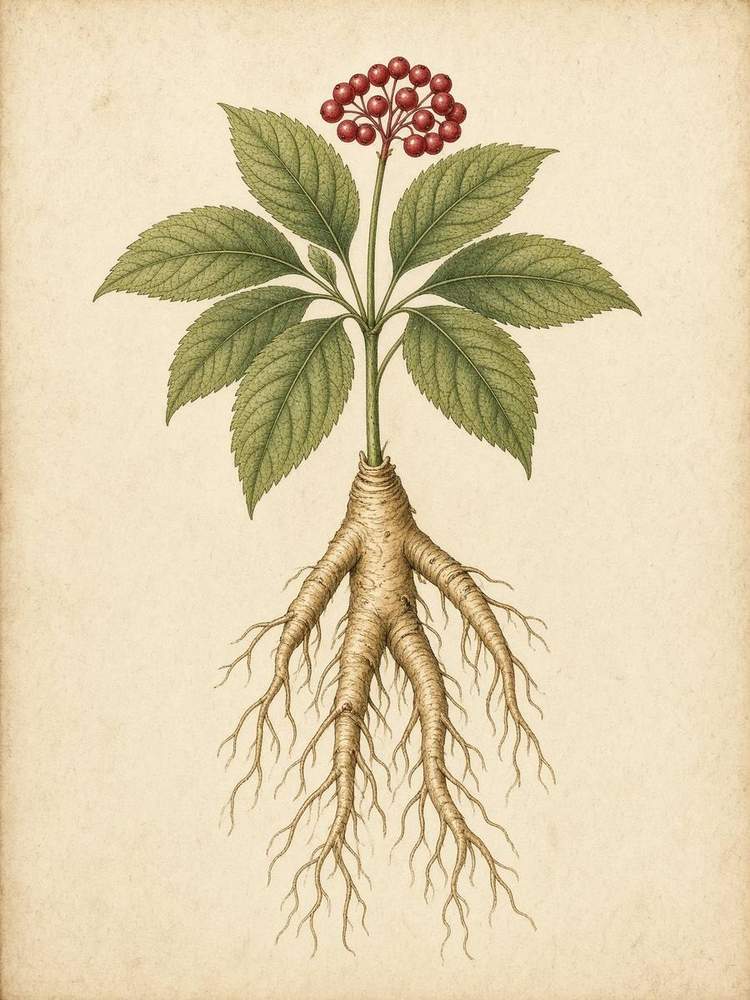
Asian ginseng
Panax ginseng
The man-shaped root of East Asian tonic medicine — stamina folklore in a slow, expensive crop.
fatigue
1/1LegalCaution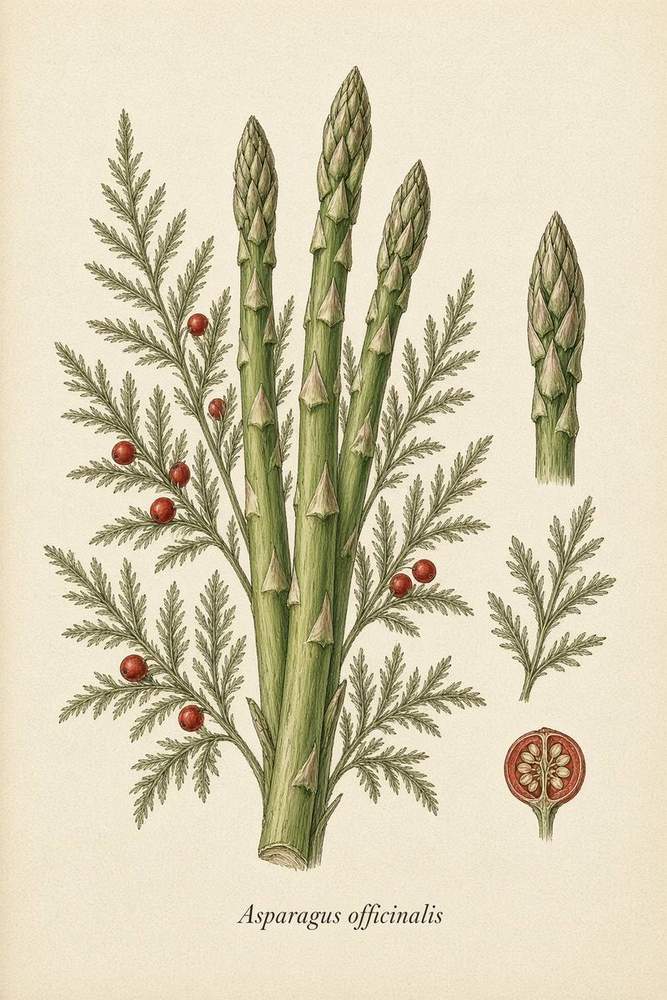
Asparagus
Asparagus officinalis
A patient perennial — you wait two years, then eat the spears for a month each spring for twenty more.
fatigue
1/1LegalGentle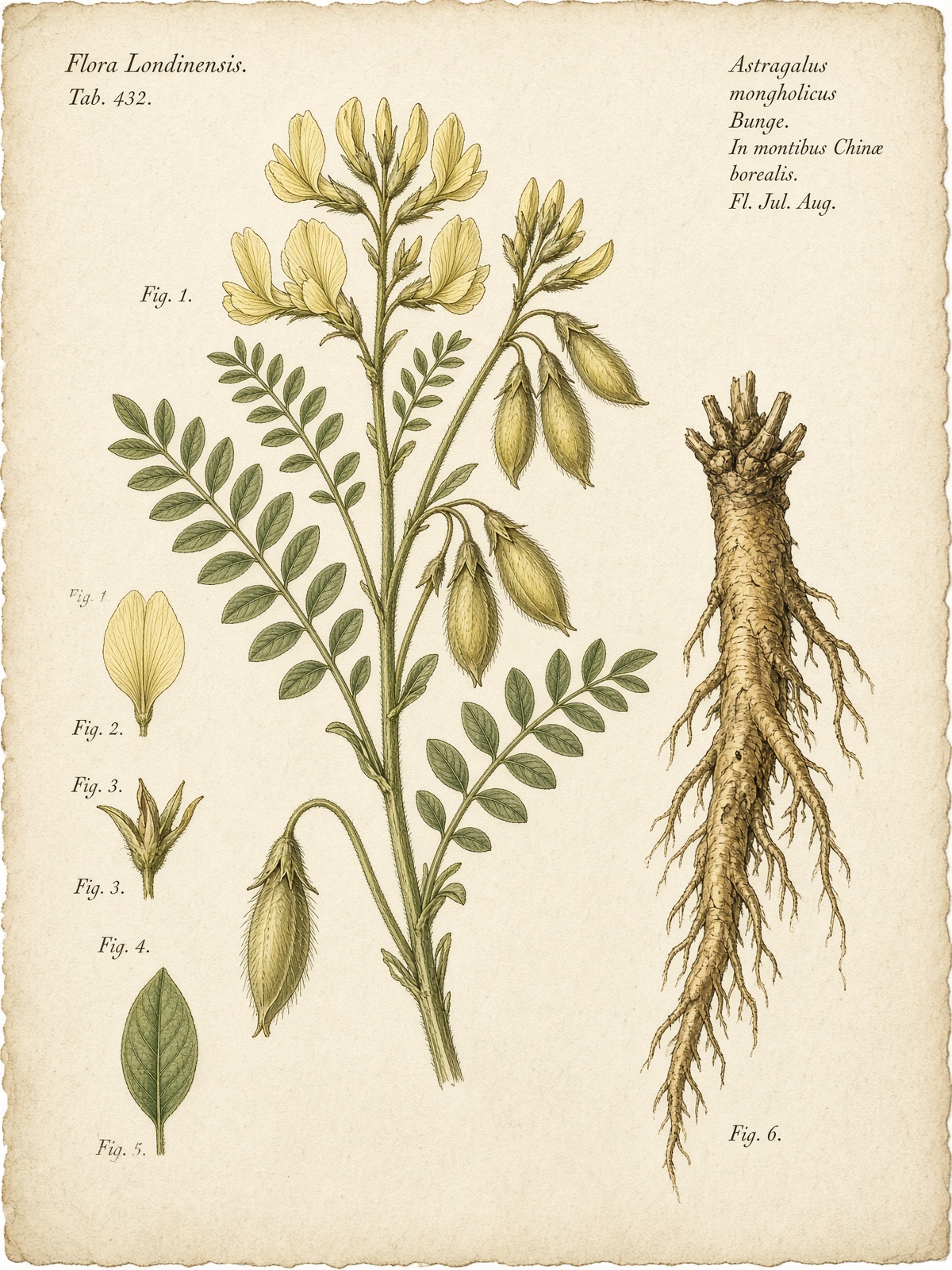
Astragalus
Astragalus mongholicus
A northern Chinese milkvetch root simmered for months of recovery — not an acute cold rescue.
fatigue
1/1LegalCaution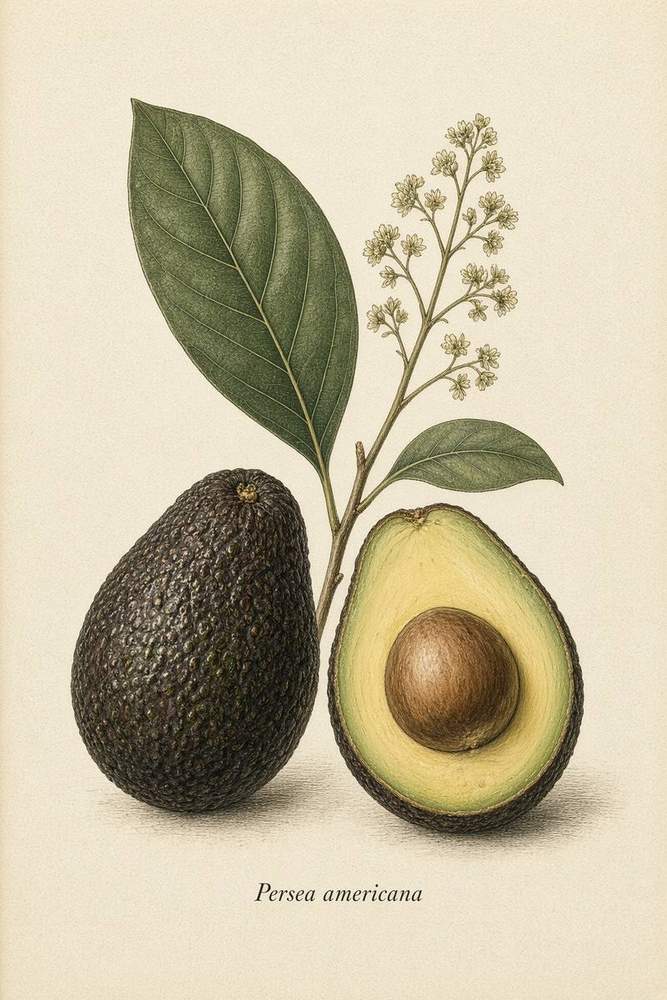
Avocado
Persea americana
A Mesoamerican berry with a giant seed — fat as food, not a toast personality, and not a pit tea.
fatigue
1/1LegalGentle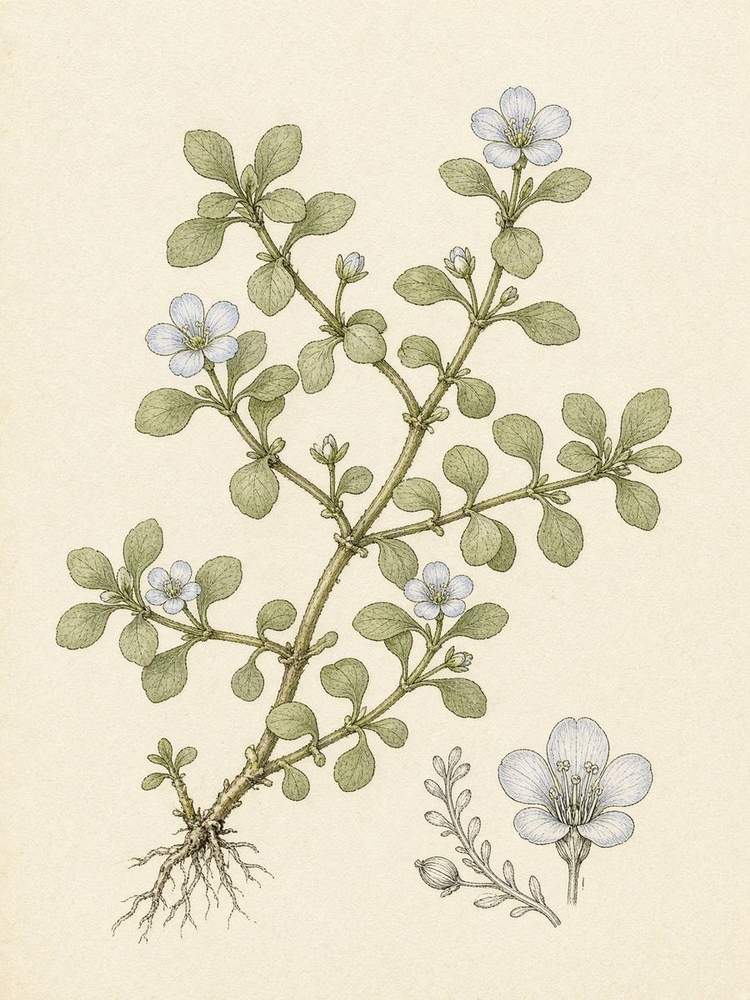
Bacopa
Bacopa monnieri
A pond-edge succulent of Ayurvedic memory folklore — a small white flower, a bitter leaf, a slow herb.
fatigue
1/1LegalGentle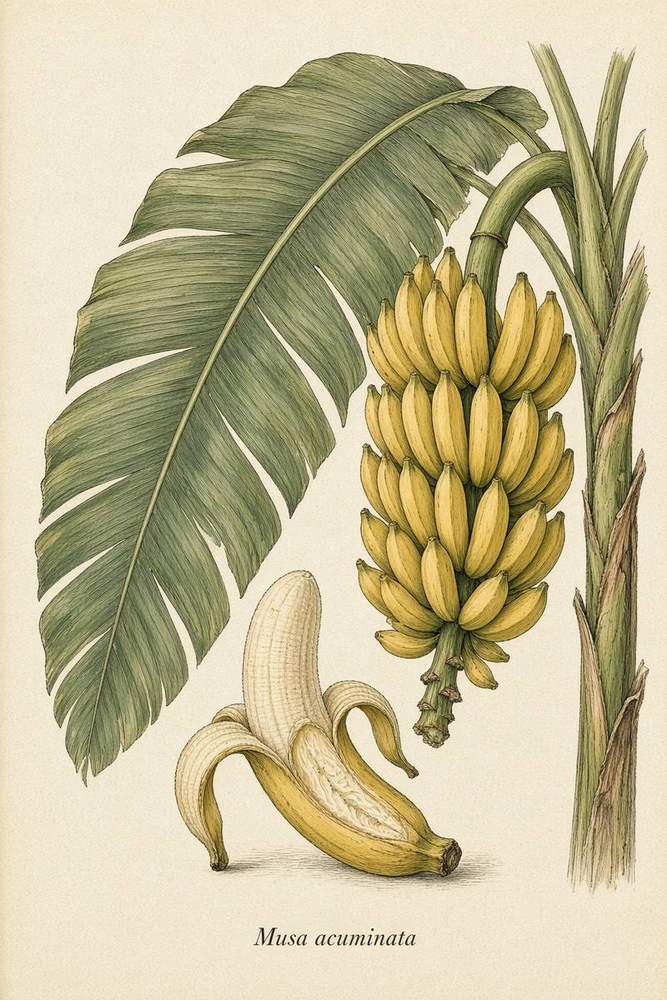
Banana
Musa acuminata
The tropical berry we treat as a fruit — a seedless clone that travels green and ripens in the bowl.
fatigue
1/1LegalGentle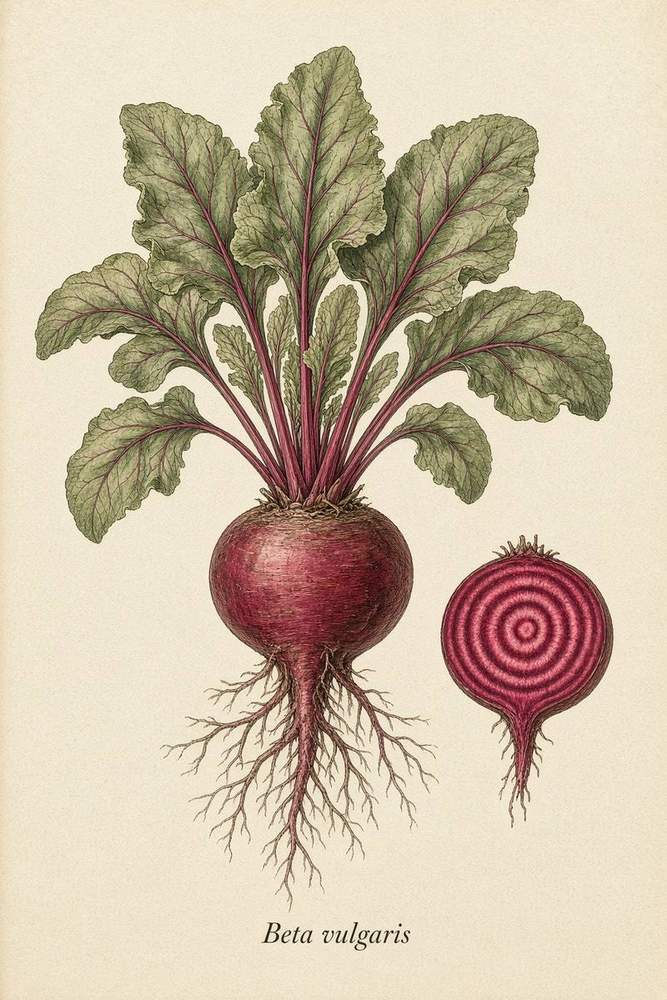
Beet
Beta vulgaris
A magenta kitchen root that stains the board — leaf and globe both food, with a folklore as a blood builder that is mostly the color talking.
fatigue
1/1LegalGentle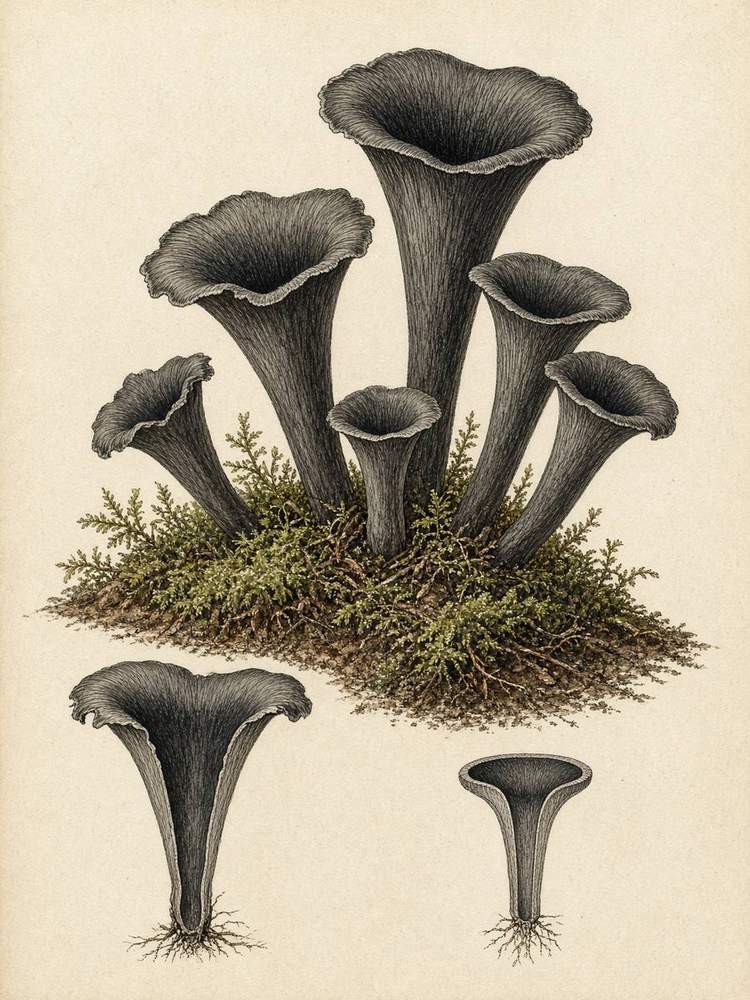
Black trumpet
Craterellus cornucopioides
The horn of plenty — a hollow gray-black chanterelle relative that smells of truffle and hides in the leaf litter on purpose.
fatigue
1/1LegalCaution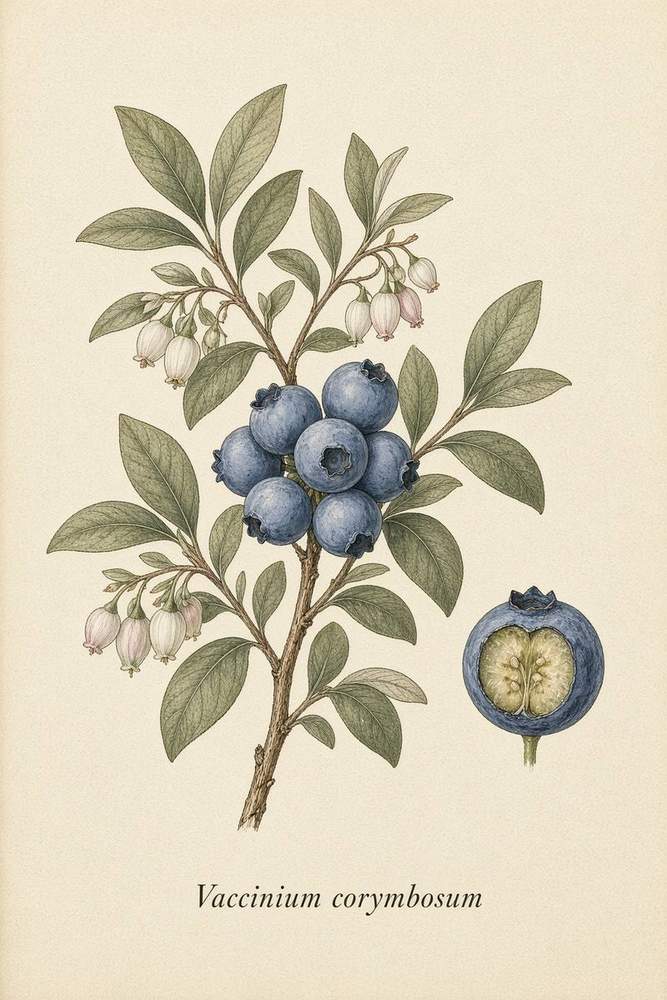
Blueberry
Vaccinium corymbosum
An eastern acid-soil berry with a bloom on the skin — a pie fruit that will not grow in lime.
fatigue
1/1LegalGentle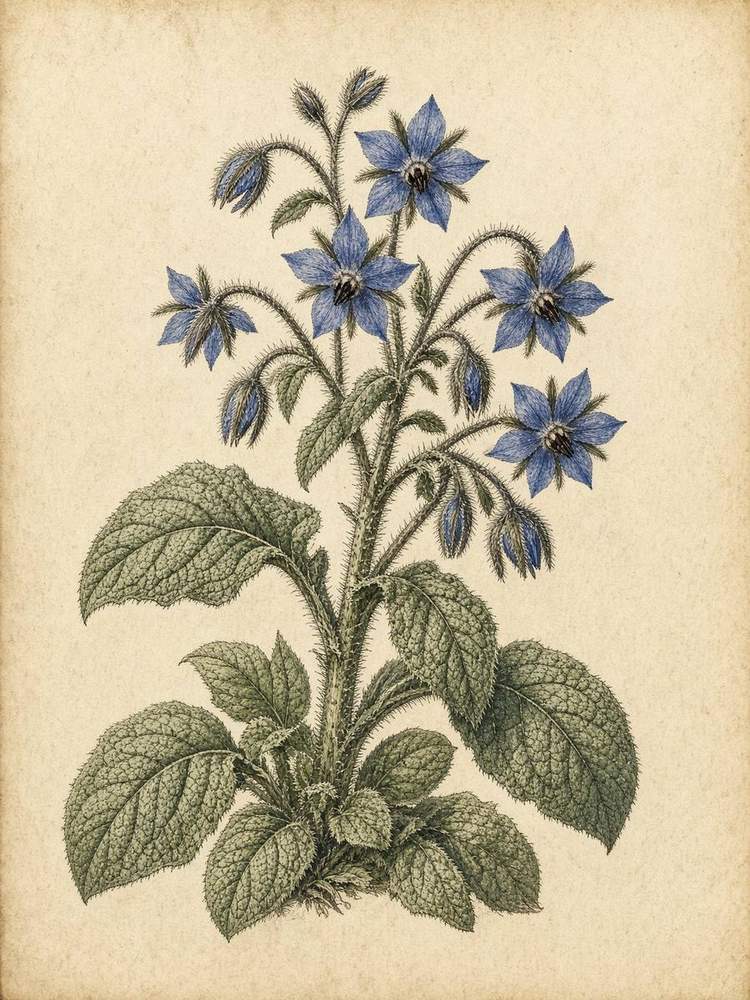
Borage
Borago officinalis
Cucumber-leaf and a blue star flower — a kitchen curiosity with a liver caveat if you make a habit of it.
fatigue
1/1LegalCaution
Button mushroom
Agaricus bisporus
The same fungus three times — button, cremini, portobello — a kitchen mushroom you can grow on a block.
fatigue
1/1LegalGentle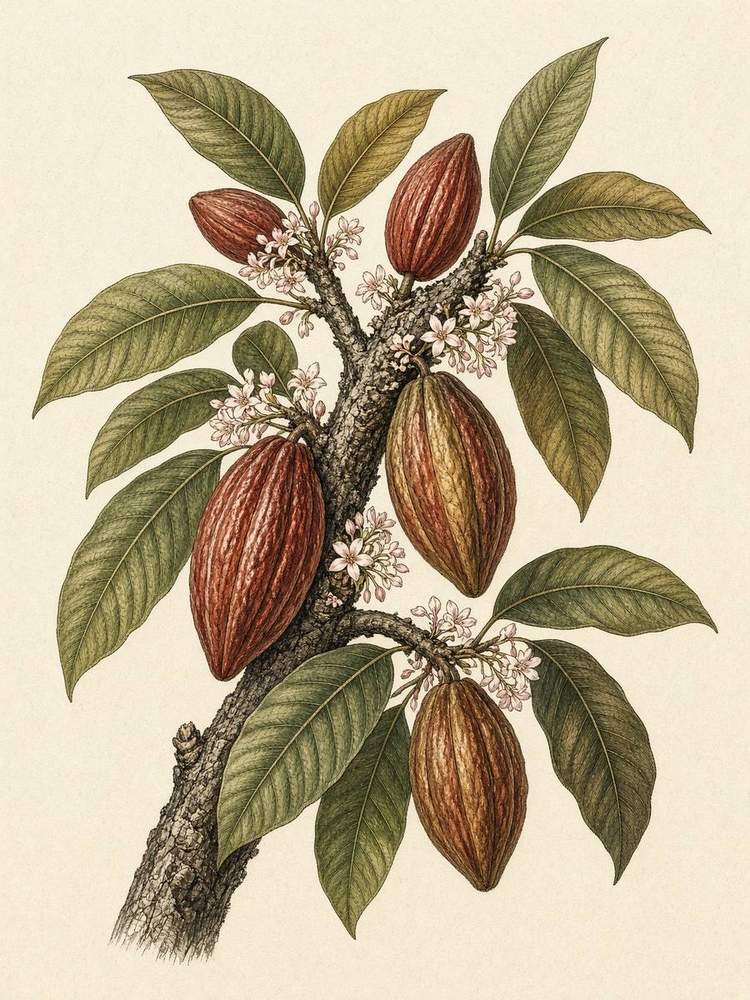
Cacao
Theobroma cacao
Food of the gods — a cauliflorous rainforest tree whose seed became chocolate, and a traditional bitter tonic before it became dessert.
fatigue
1/1LegalGentle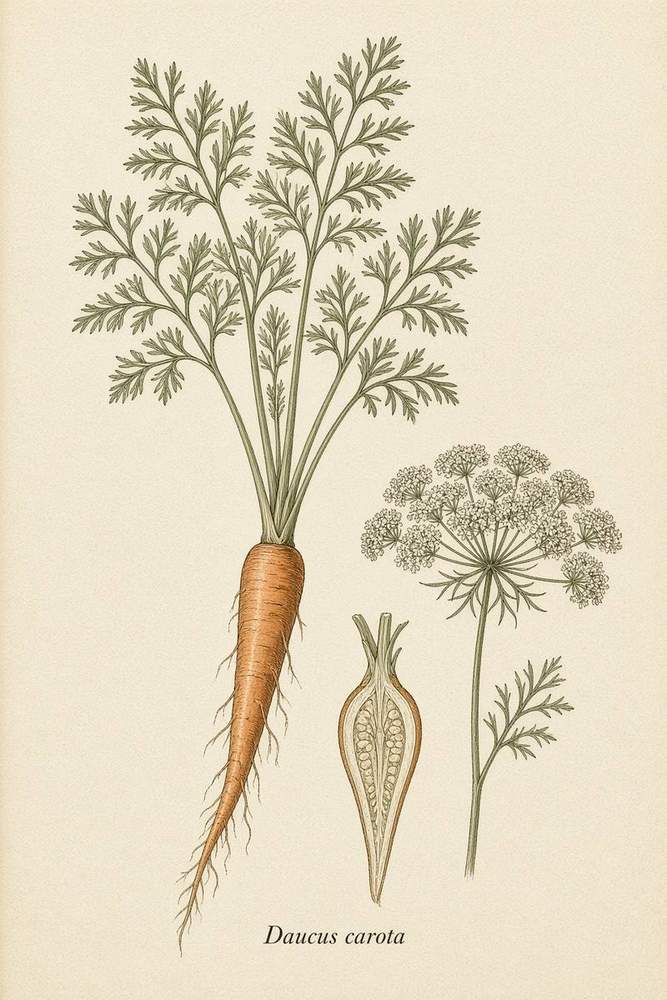
Carrot
Daucus carota subsp. sativus
The orange kitchen root — a biennial you pull in year one, with a folklore about eyesight that outran the soup.
fatigue
1/1LegalGentle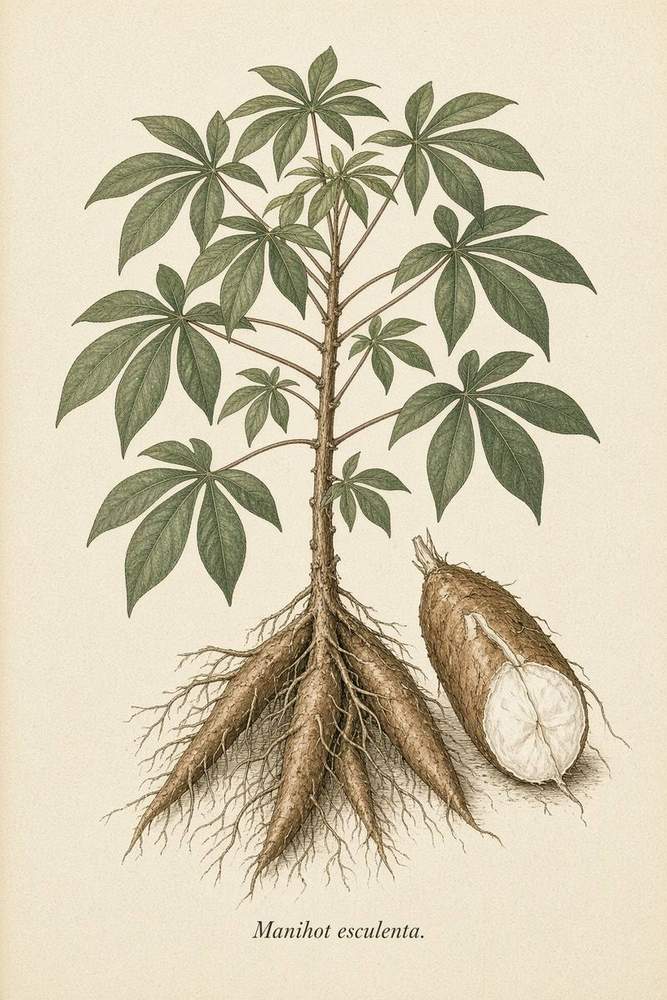
Cassava
Manihot esculenta
Yuca — a tropical spurge whose root feeds hundreds of millions once it is peeled and cooked, and a poison if you treat it like an apple.
fatigue
1/1LegalCaution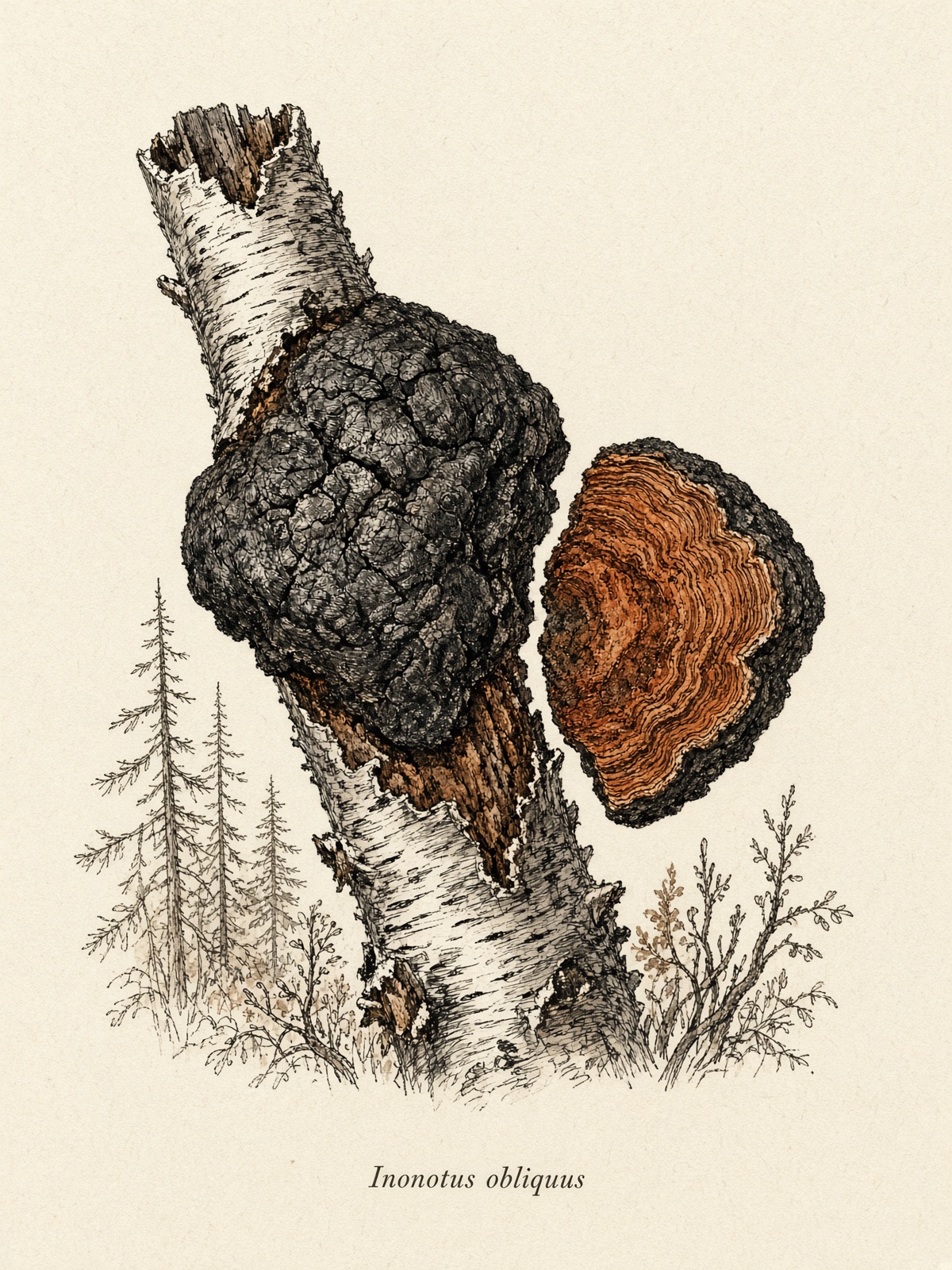
Chaga
Inonotus obliquus
A charcoal-like birch canker simmered as a deep, vanilla-earth tonic — harvest with restraint.
fatigue
1/1LegalCaution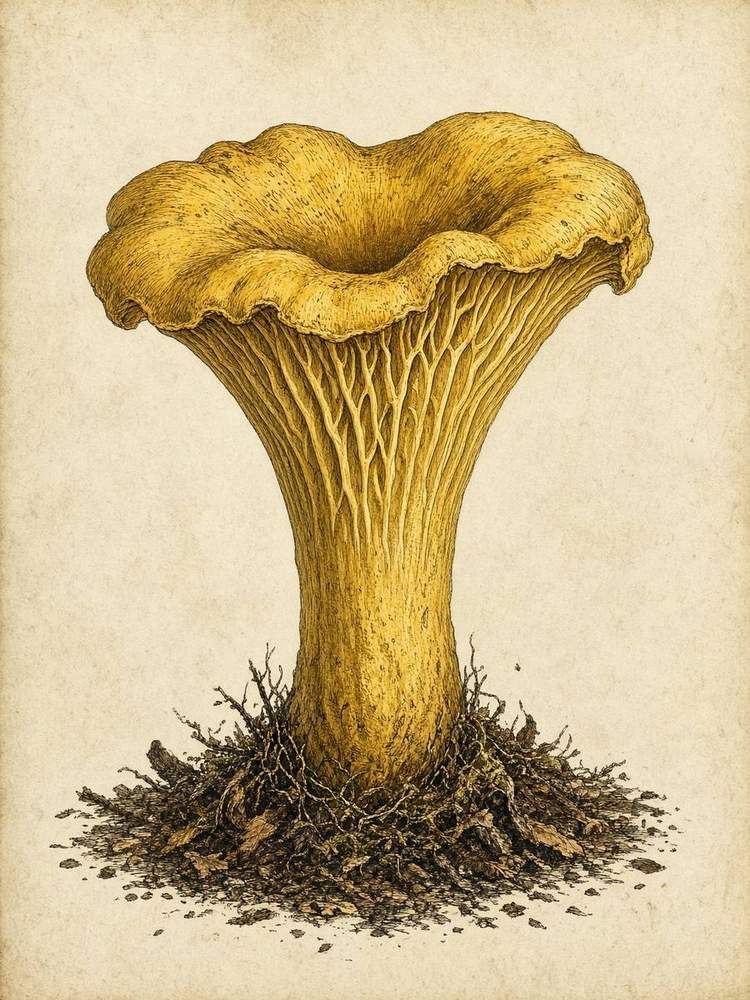
Chanterelle
Cantharellus cibarius
The golden forest vase — a prized edible whose blunt false gills separate it from lookalikes that cramp.
fatigue
1/1LegalCaution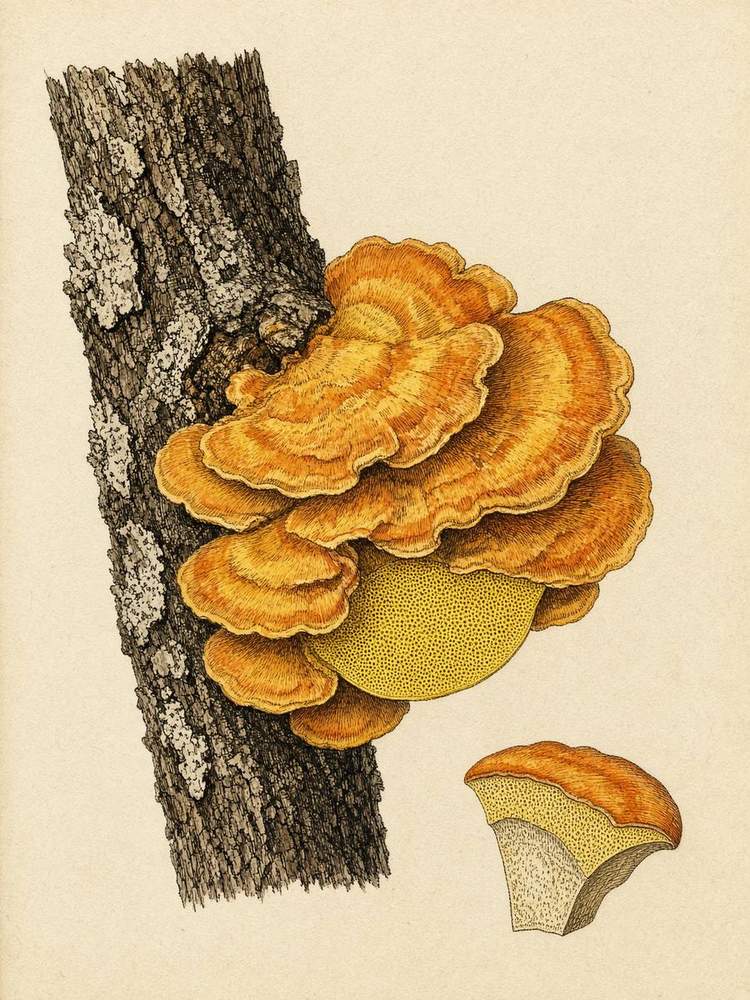
Chicken of the woods
Laetiporus sulphureus
The sulfur shelf — a bright orange bracket that fries like chicken when young, and cramps when old, on the wrong tree, or in the wrong belly.
fatigue
1/1LegalCaution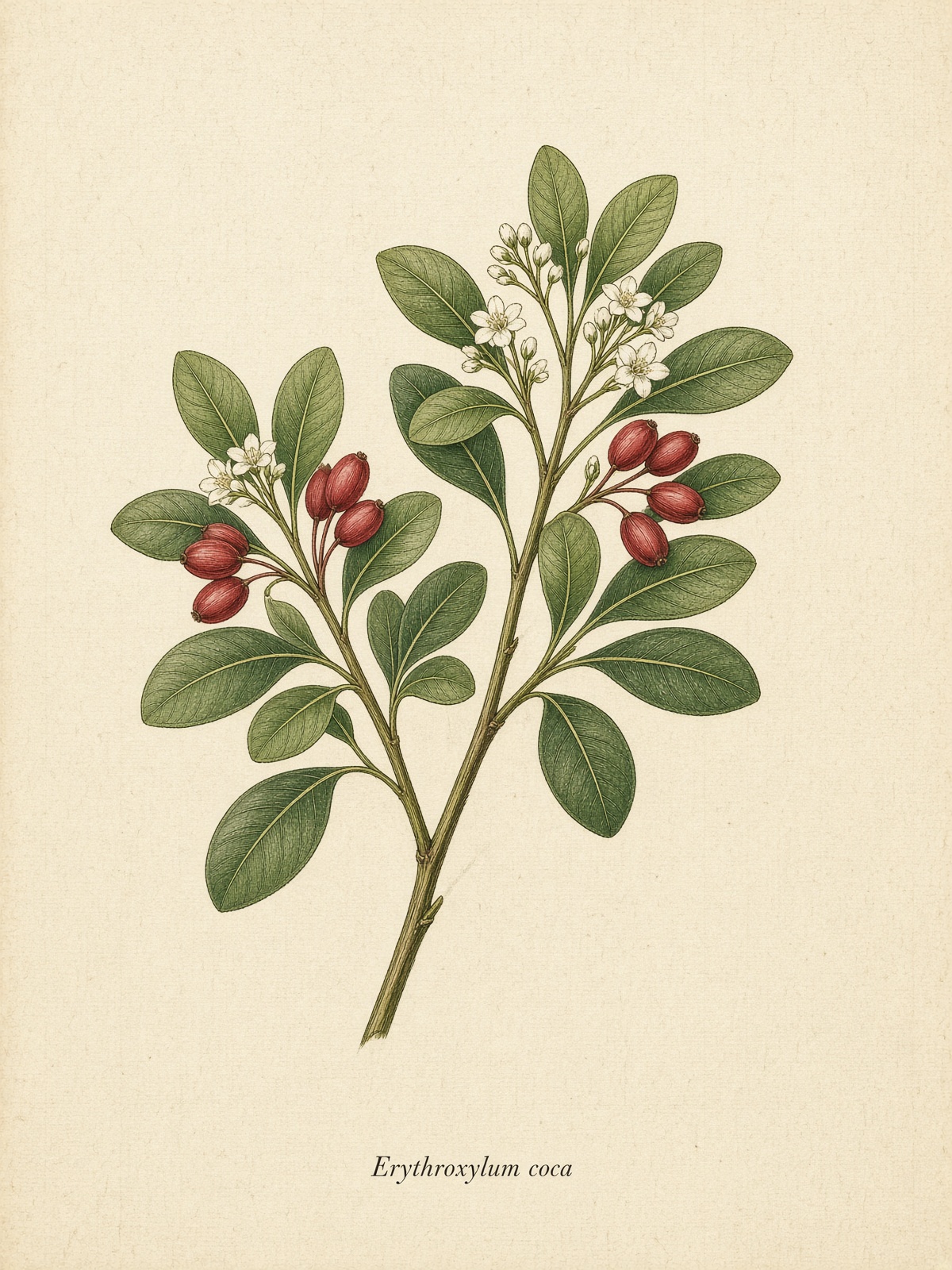
Coca
Erythroxylum coca
An Andean shrub whose leaf is a traditional altitude chew — and the agricultural source of cocaine.
fatigue
1/1RestrictedCaution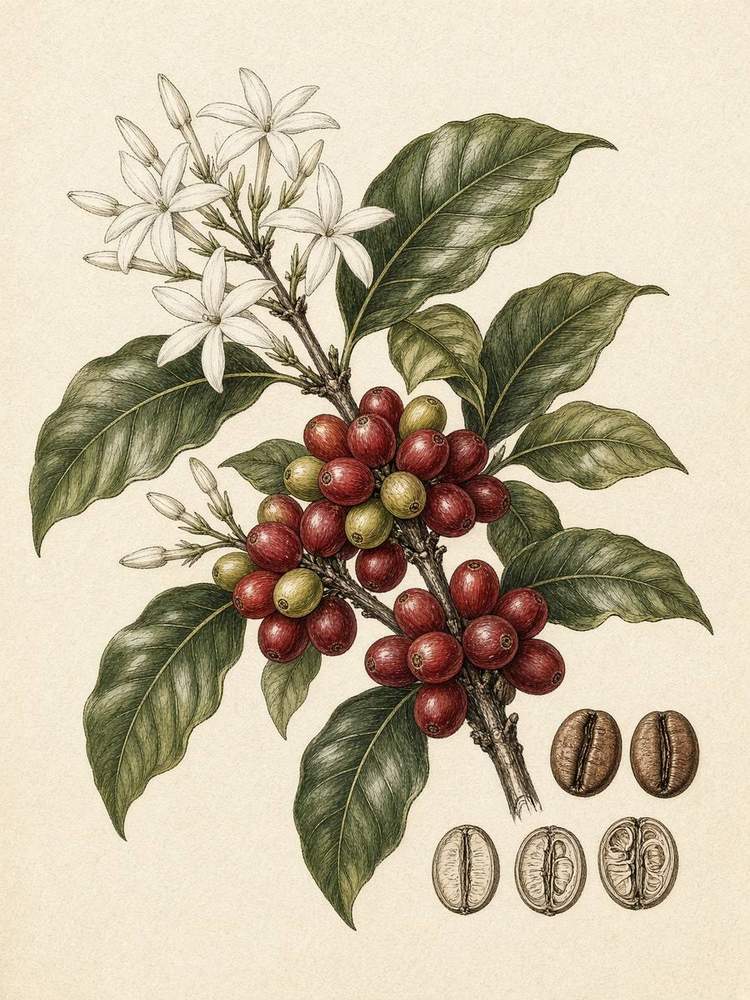
Coffee
Coffea arabica
The cherry that runs the morning — a highland shrub whose roasted seed is the world’s most popular bitter.
fatigue
1/1LegalGentle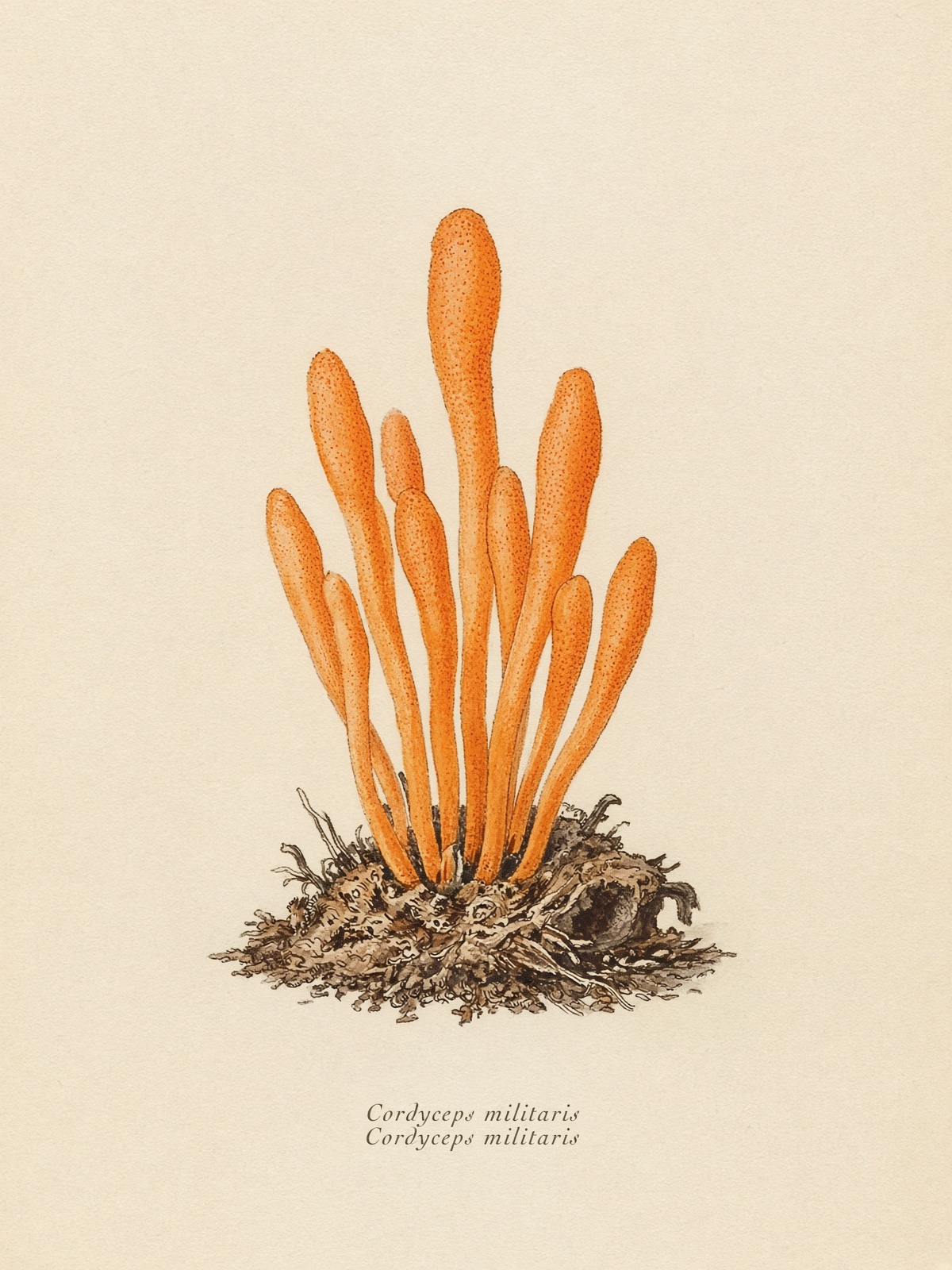
Cordyceps
Cordyceps militaris
Orange cultivated cordyceps used for stamina and lung Qi — buy militaris, not mystery 'Himalayan gold'.
fatigue
1/1LegalGentle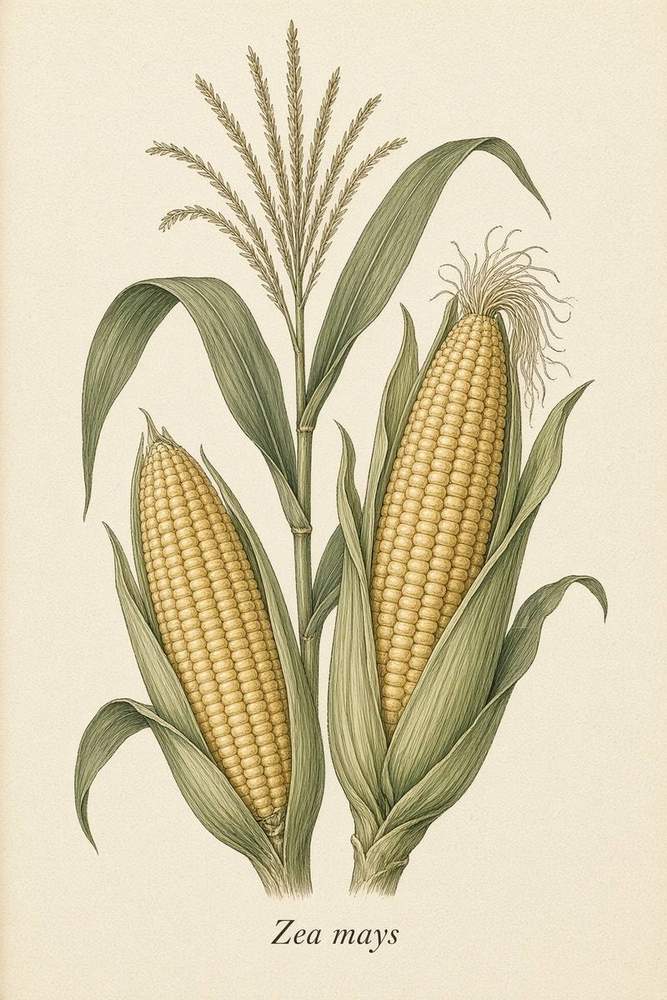
Corn
Zea mays
Maize — the American grass that became a continent’s grain, and a sweet summer cob if you pick it the day the silk browns.
fatigue
1/1LegalGentle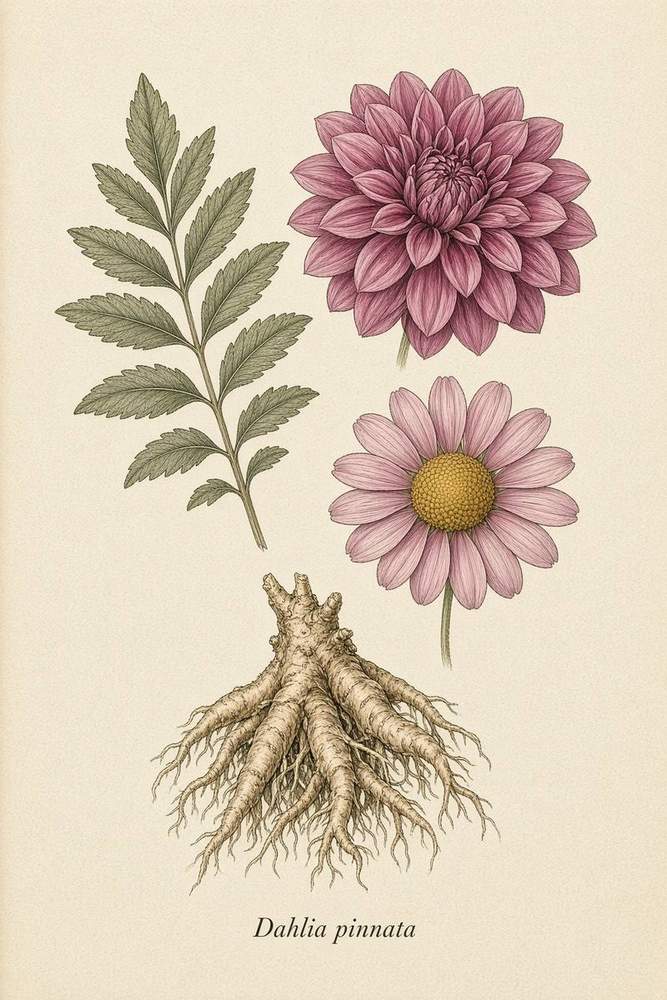
Dahlia
Dahlia × pinnata
Mexico’s original food tuber that Europe turned into a show bloom — petals for a salad, tubers for a dry-winter cellar.
fatigue
1/1LegalGentle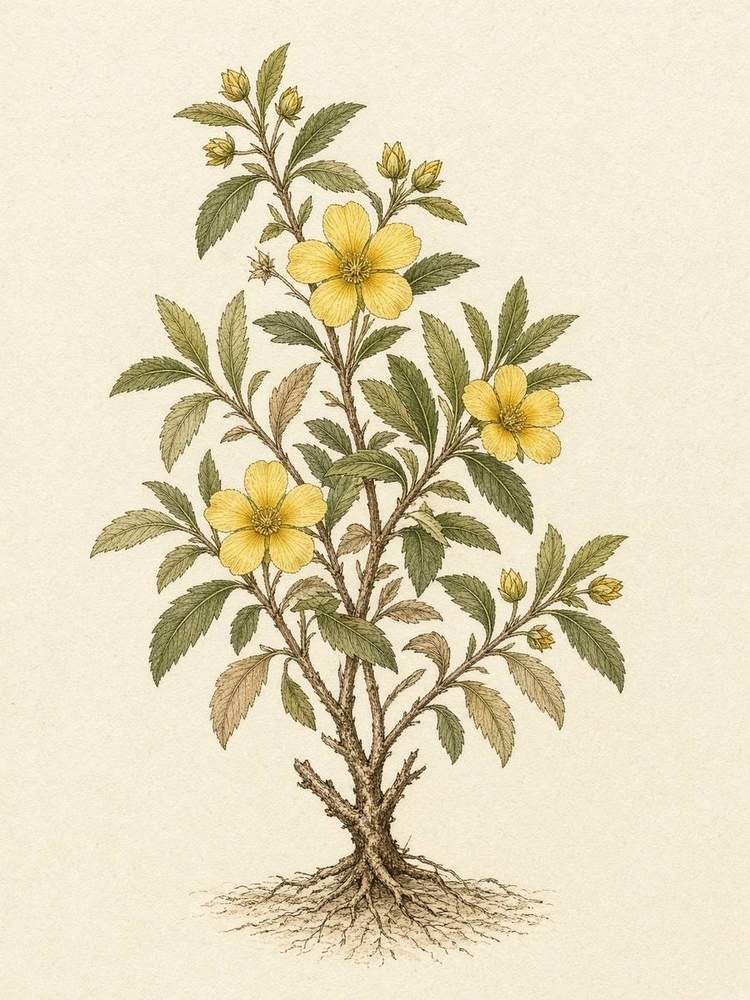
Damiana
Turnera diffusa
A small yellow-flowered shrub of Mexican dryland — a bitter-aromatic tea with a long bedroom reputation it has not entirely earned.
fatigue
1/1LegalGentle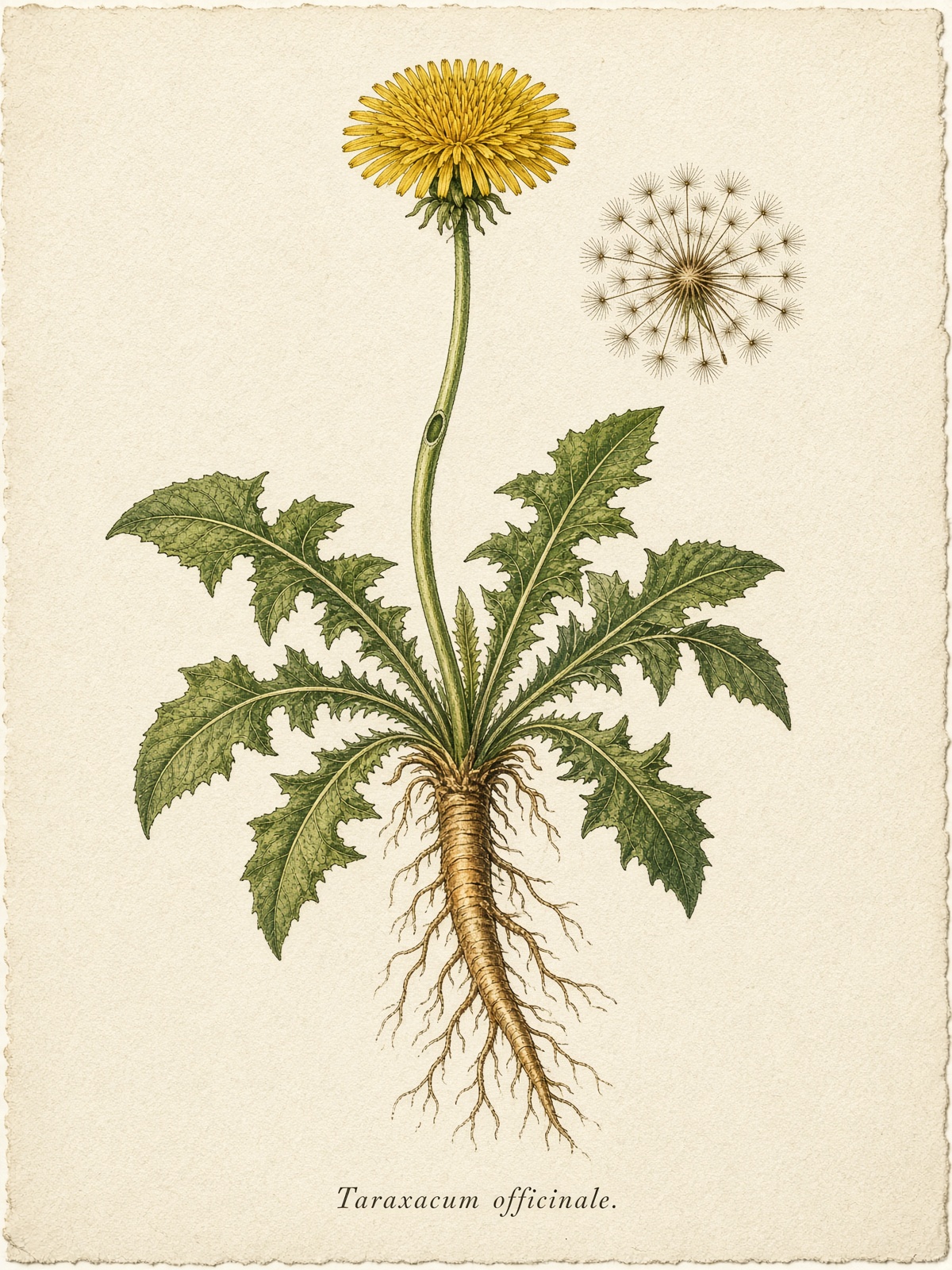
Dandelion
Taraxacum officinale
The lawn's bitter physician — leaf as a potassium-rich diuretic, root as a liver bitter.
fatigue
1/1LegalGentle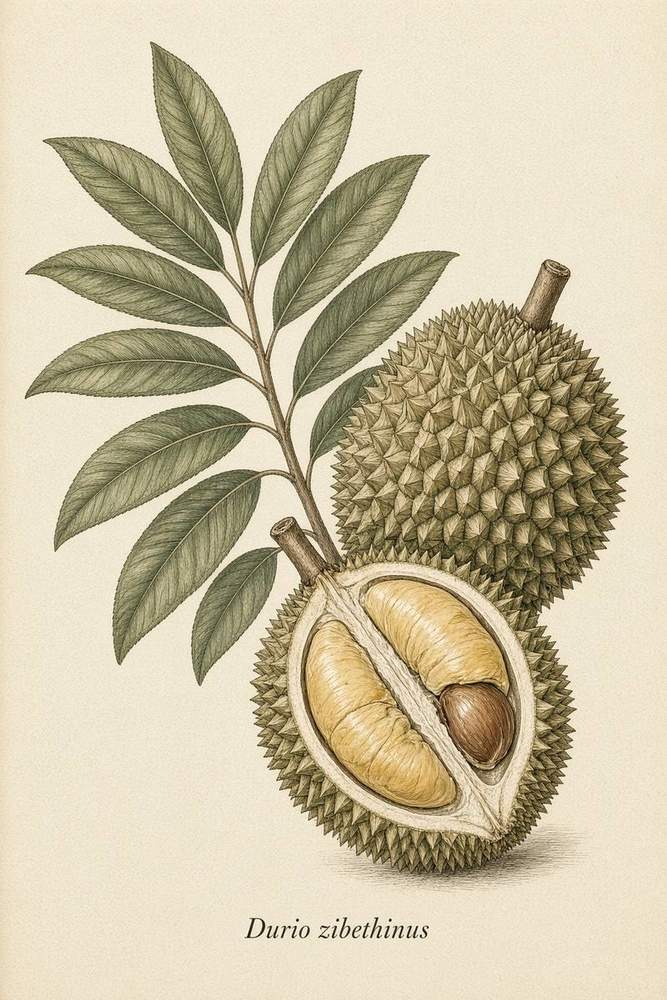
Durian
Durio zibethinus
The spiny Southeast Asian fruit people argue about in elevators — custard if you like it, a gas leak if you do not.
fatigue
1/1LegalGentle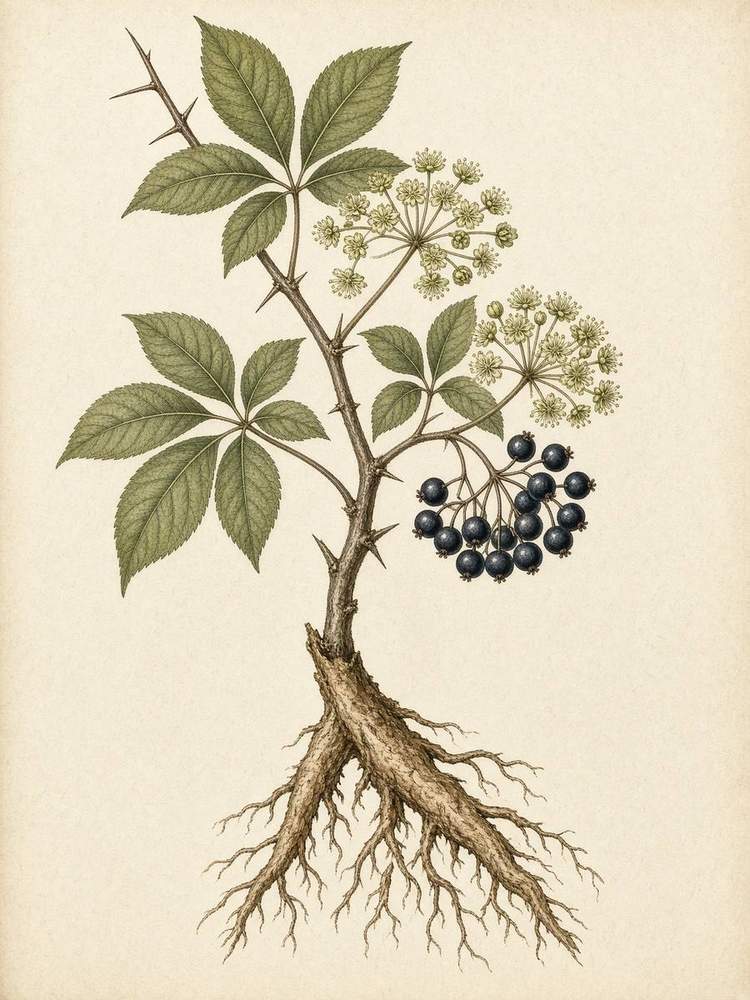
Eleuthero
Eleutherococcus senticosus
The Siberian cousin of ginseng — a thorny adaptogen of cold woods, not the man-root on the other plate.
fatigue
1/1LegalCaution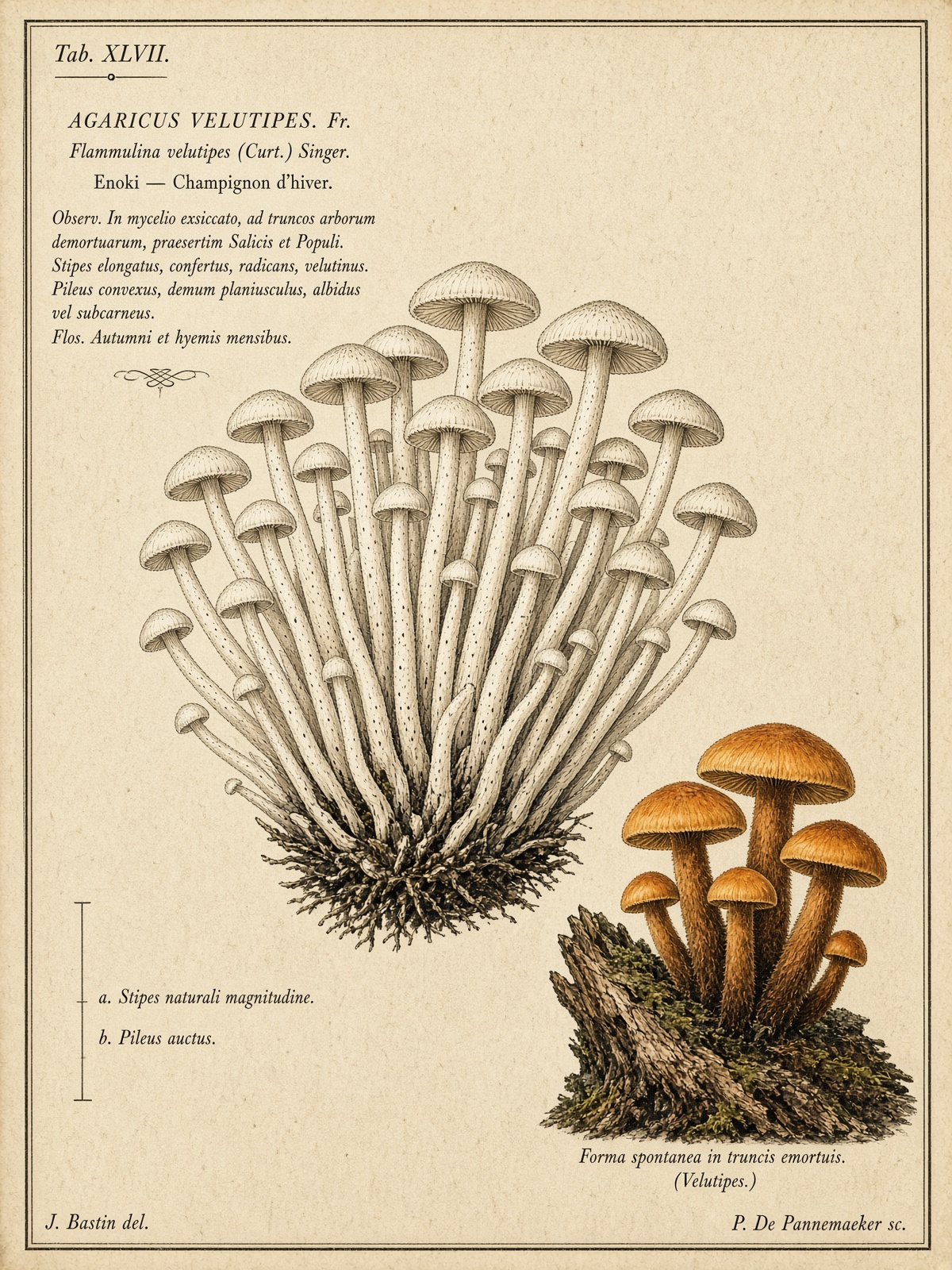
Enoki
Flammulina velutipes
The needle mushroom of hot-pot — food first, with a modest winter immune tradition in East Asia.
fatigue
1/1LegalGentle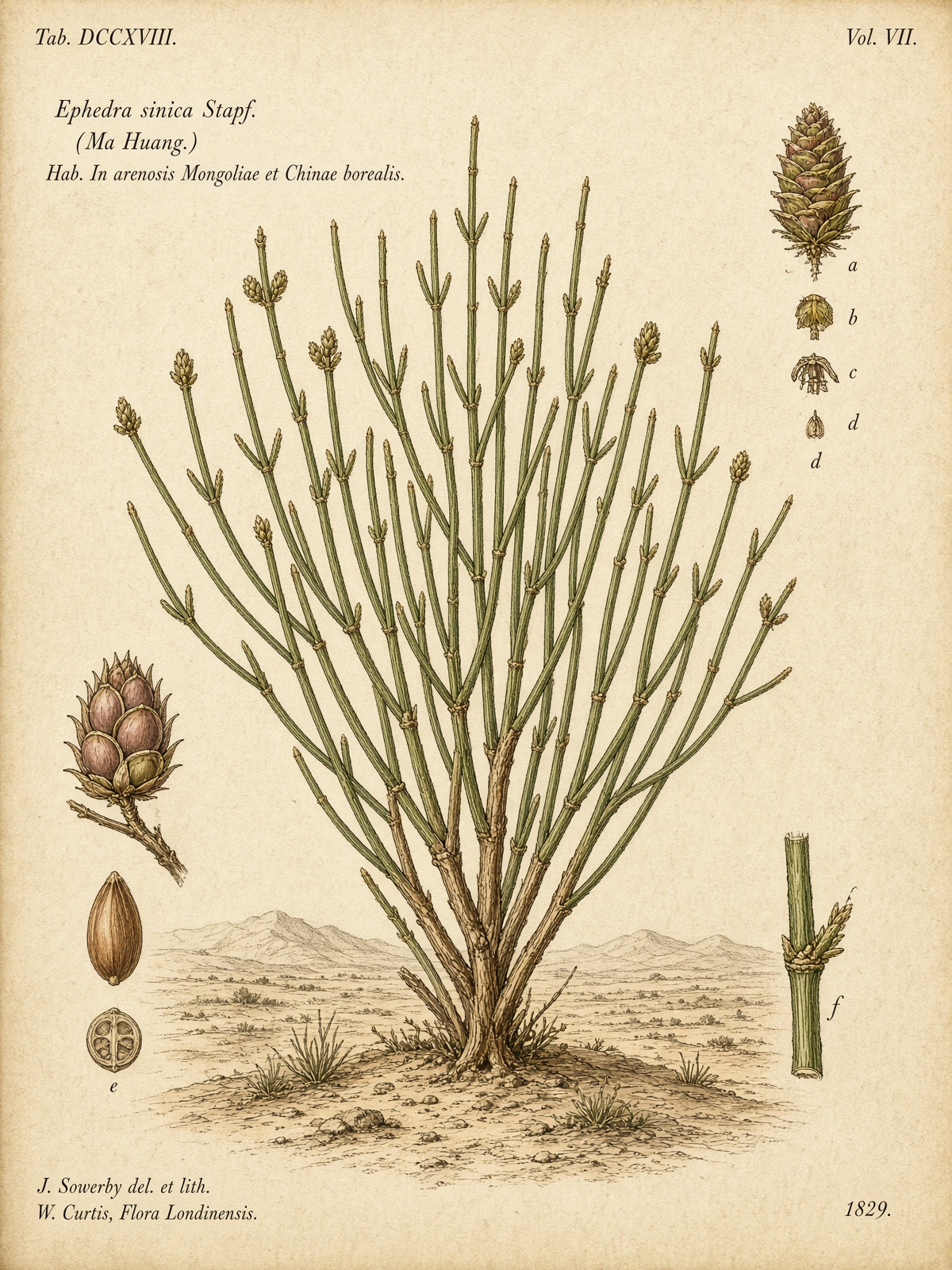
Ephedra
Ephedra sinica
Ma huang — the desert shrub behind ephedrine. A regulated stimulant, not a kitchen tea.
fatigue
1/1RegulatedCaution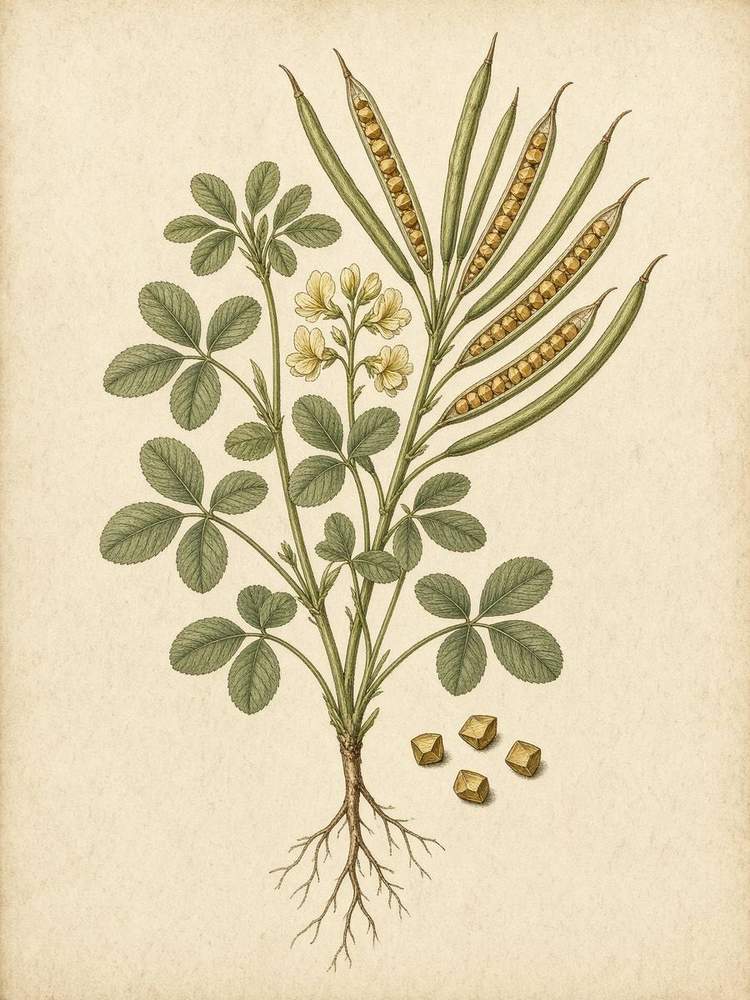
Fenugreek
Trigonella foenum-graecum
Maple-scented methi — a curry seed, a sprout, and a traditional milk-and-glucose folklore.
fatigue
1/1LegalGentle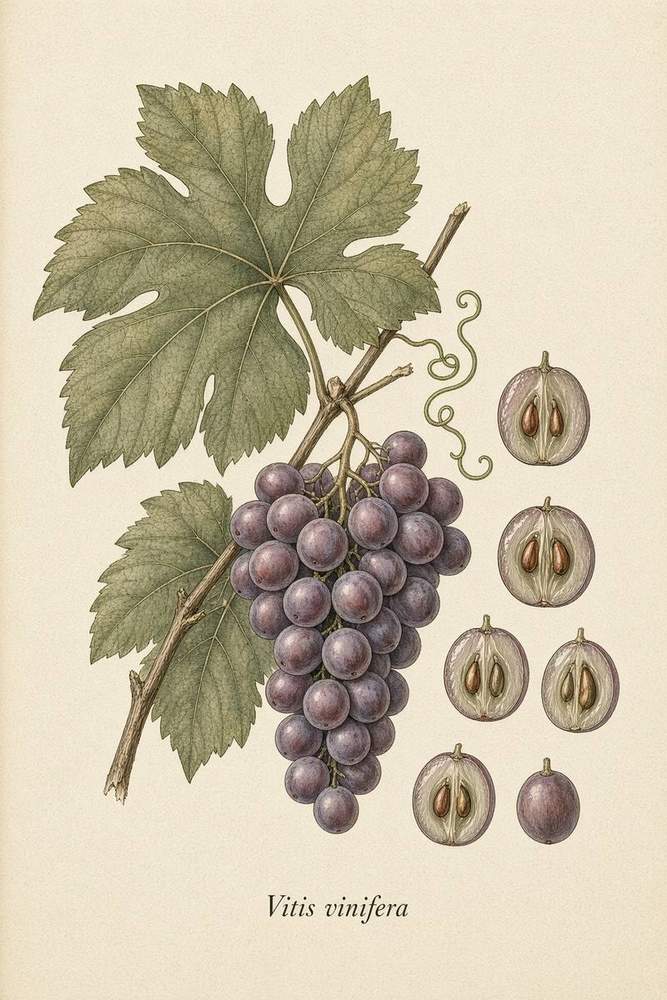
Grape
Vitis vinifera
The vine that made wine, raisins, and a table cluster — food first, and a very old human partnership.
fatigue
1/1LegalGentle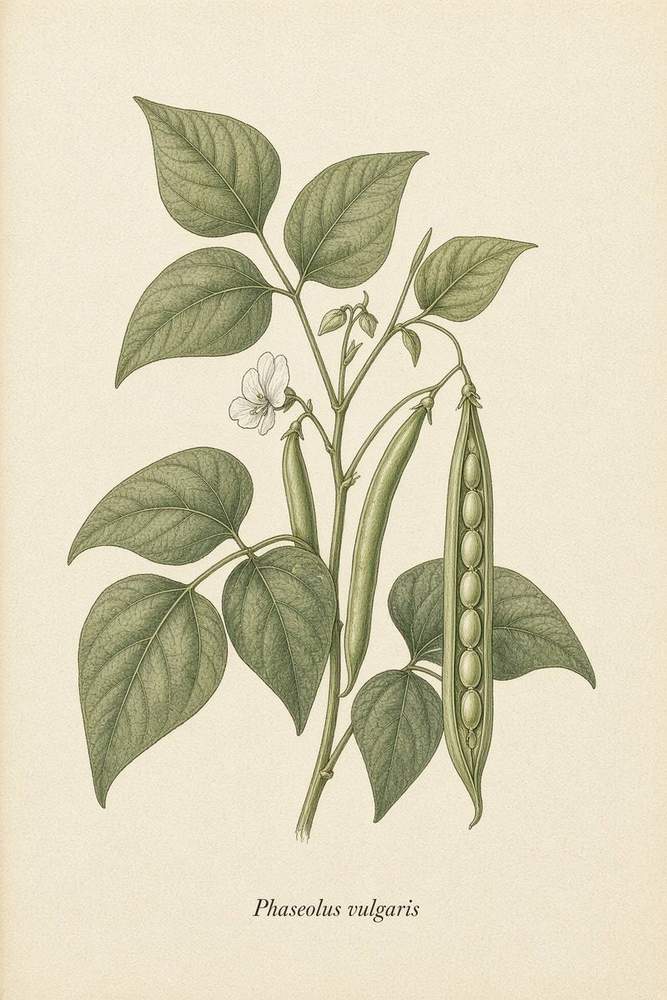
Green bean
Phaseolus vulgaris
The snap pod of the common bean — pick young, cook, and do not confuse a tender filet with a raw red kidney.
fatigue
1/1LegalGentle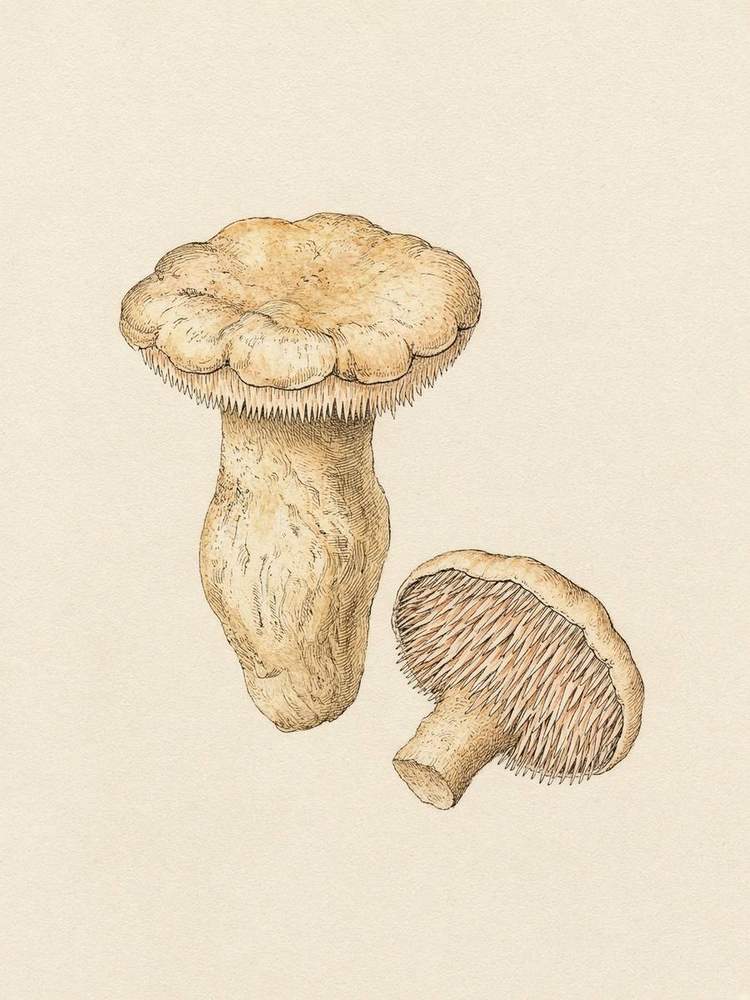
Hedgehog mushroom
Hydnum repandum
The sweet tooth — a pale woodland mushroom that wears spines instead of gills, and one of the kinder wild edibles once you have seen the underside.
fatigue
1/1LegalCaution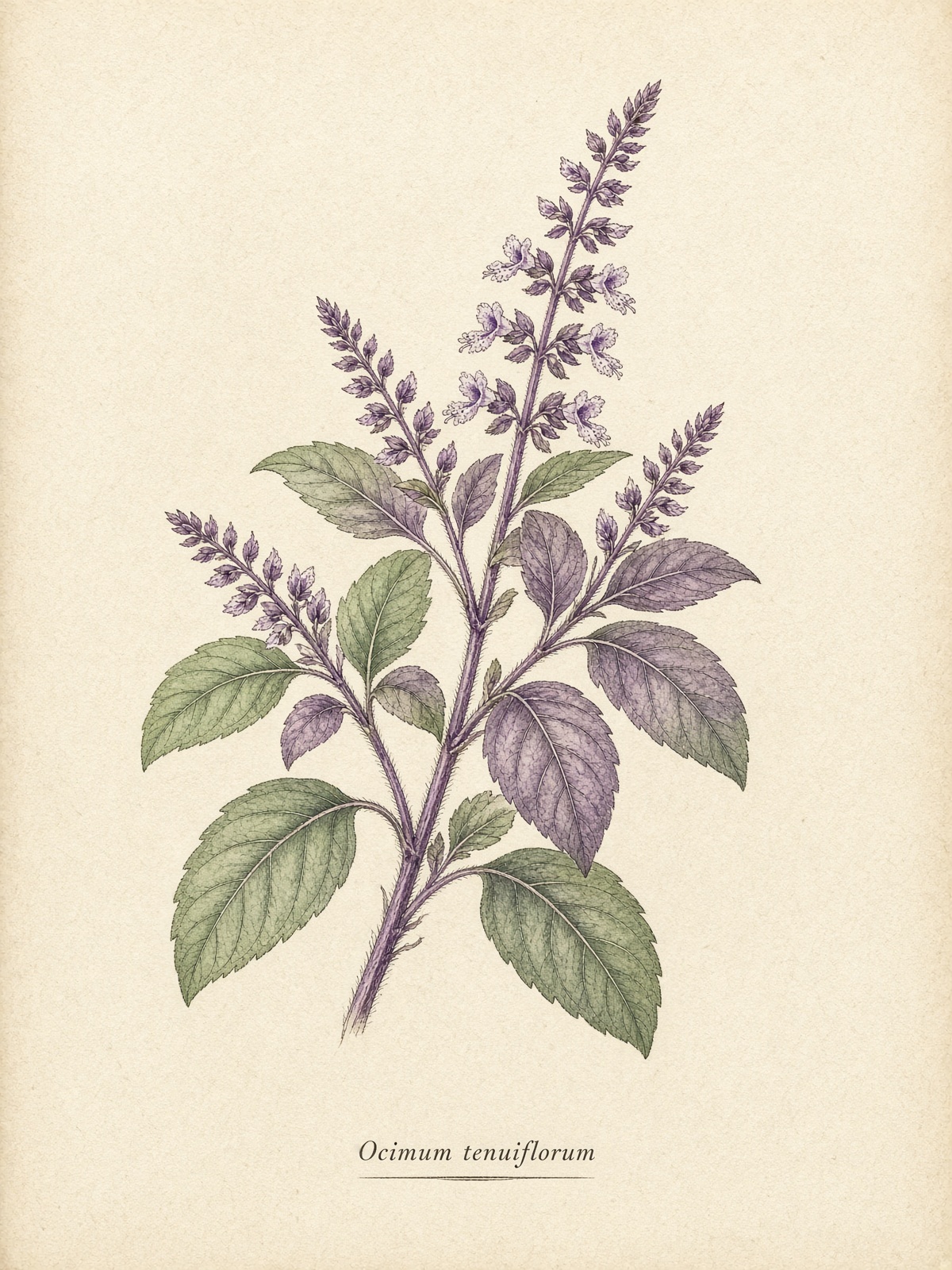
Holy basil
Ocimum tenuiflorum
Tulsi — the daily adaptogen tea of Indian households, peppery and clarifying.
fatigue
1/1LegalGentle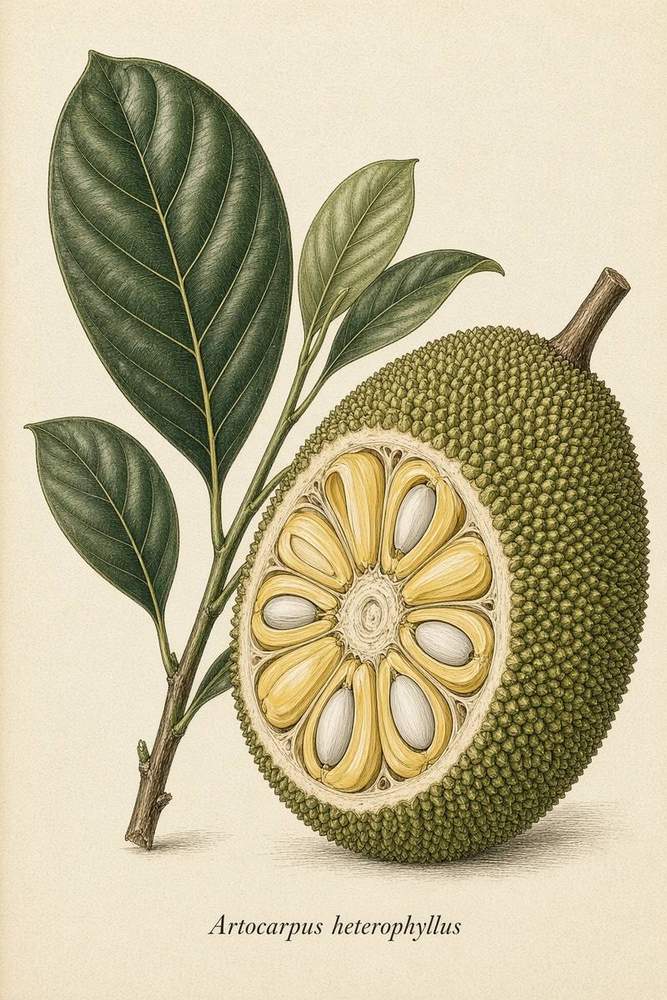
Jackfruit
Artocarpus heterophyllus
The giant mulberry-family fruit of South Asia — a ripe dessert of yellow bulbs, or an unripe savory that happens to shred.
fatigue
1/1LegalGentle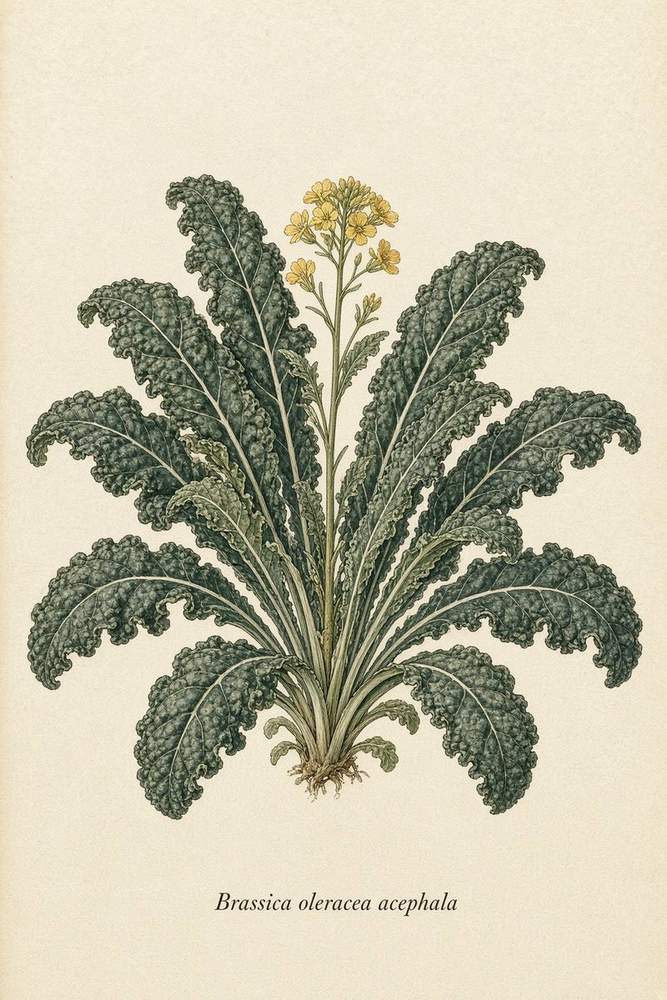
Kale
Brassica oleracea var. acephala
The unheaded cabbage — a winter green that smoothie culture rediscovered and cottage gardens never forgot.
fatigue
1/1LegalGentle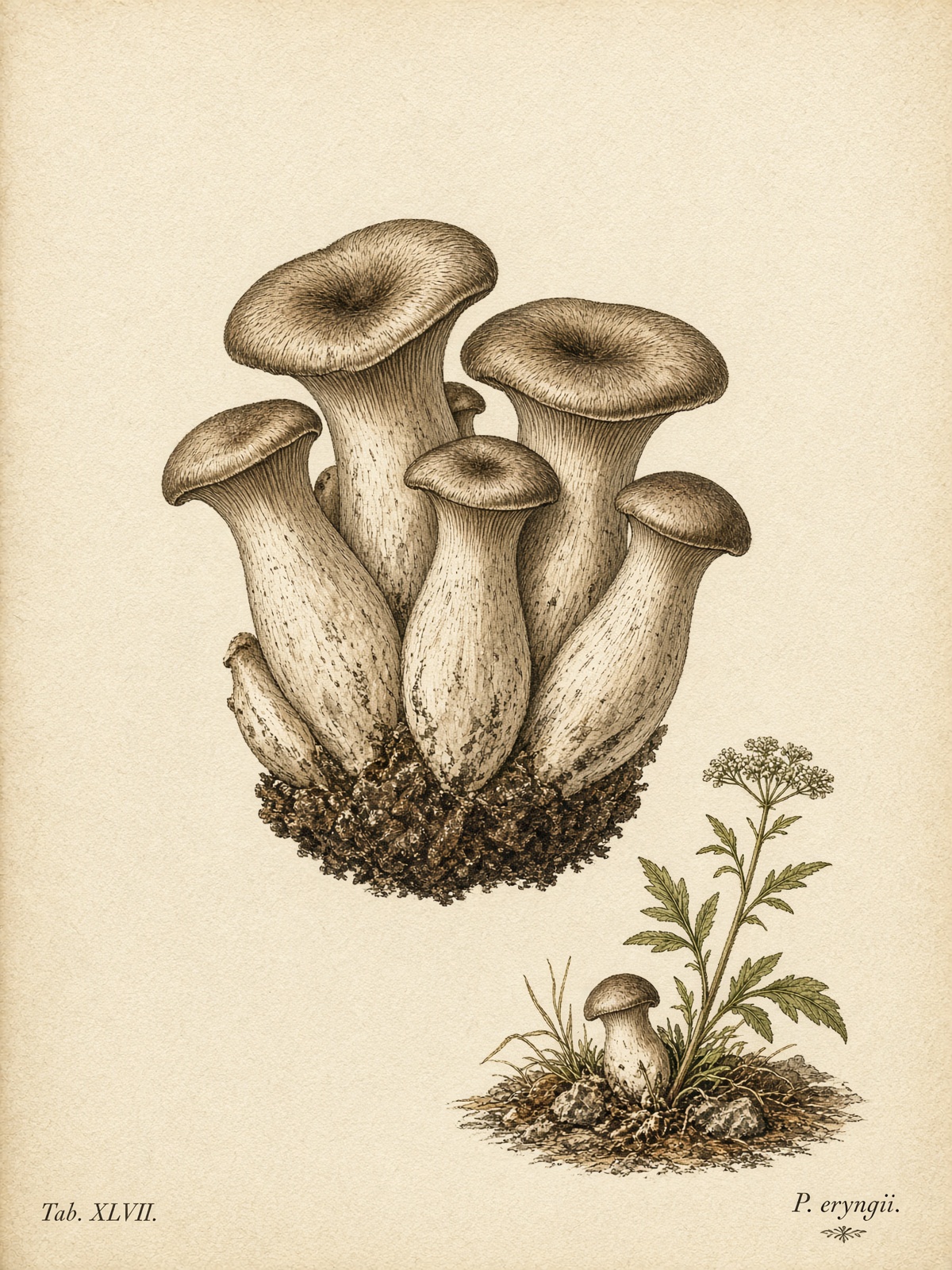
King oyster
Pleurotus eryngii
The steak of the oyster clan — a fat stem you sear, with the same gentle glucan bonus as its cousins.
fatigue
1/1LegalGentle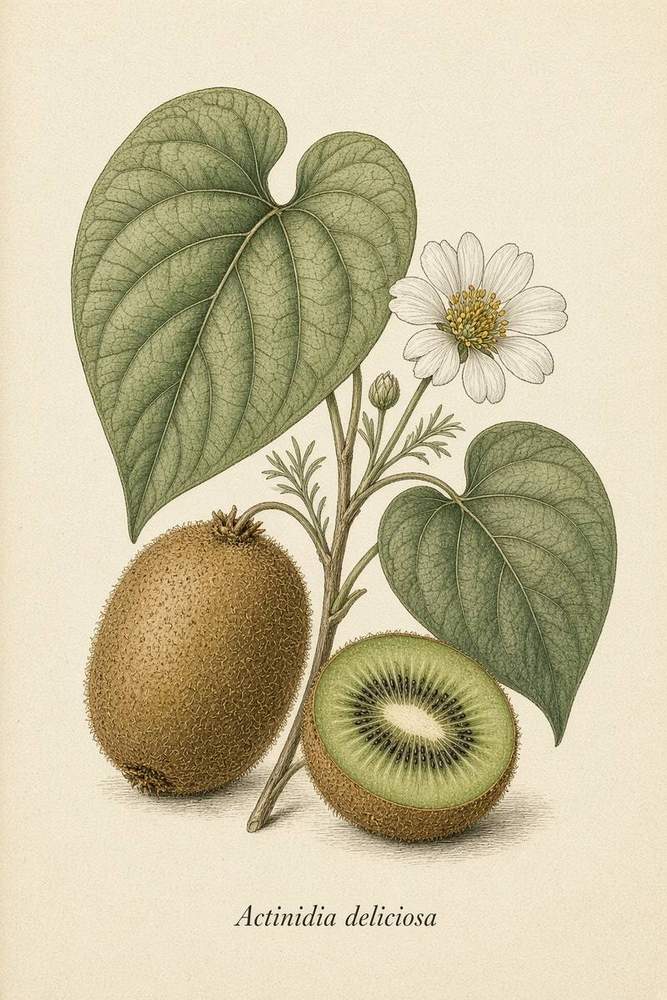
Kiwi
Actinidia deliciosa
A Chinese vine fruit that New Zealand renamed — emerald flesh, black seeds, and a fuzzy coat you can eat or not.
fatigue
1/1LegalGentle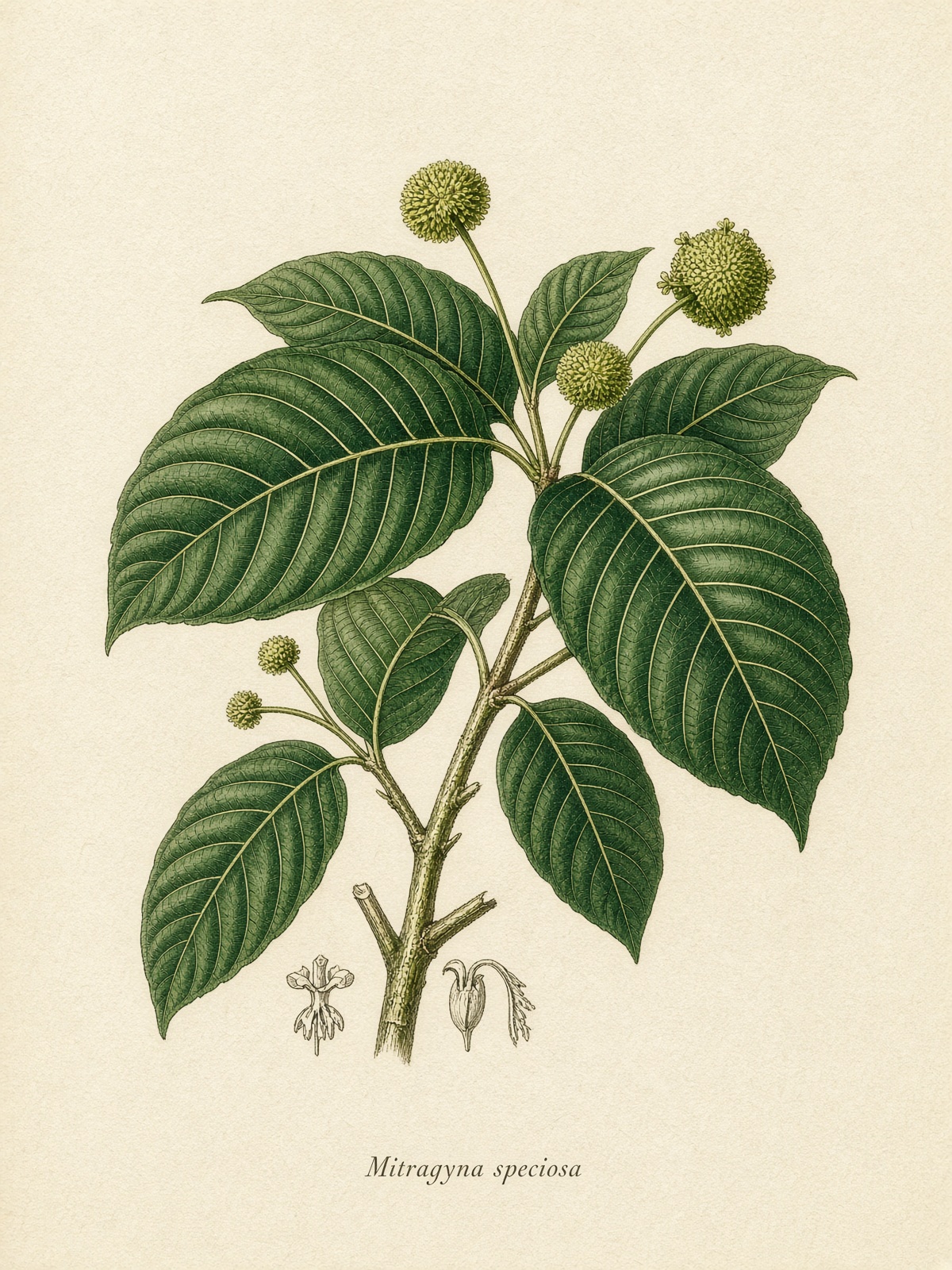
Kratom
Mitragyna speciosa
A Southeast Asian coffee-family tree whose leaves act on opioid receptors — used for pain and withdrawal, and capable of dependence.
fatigue
1/1RegulatedCaution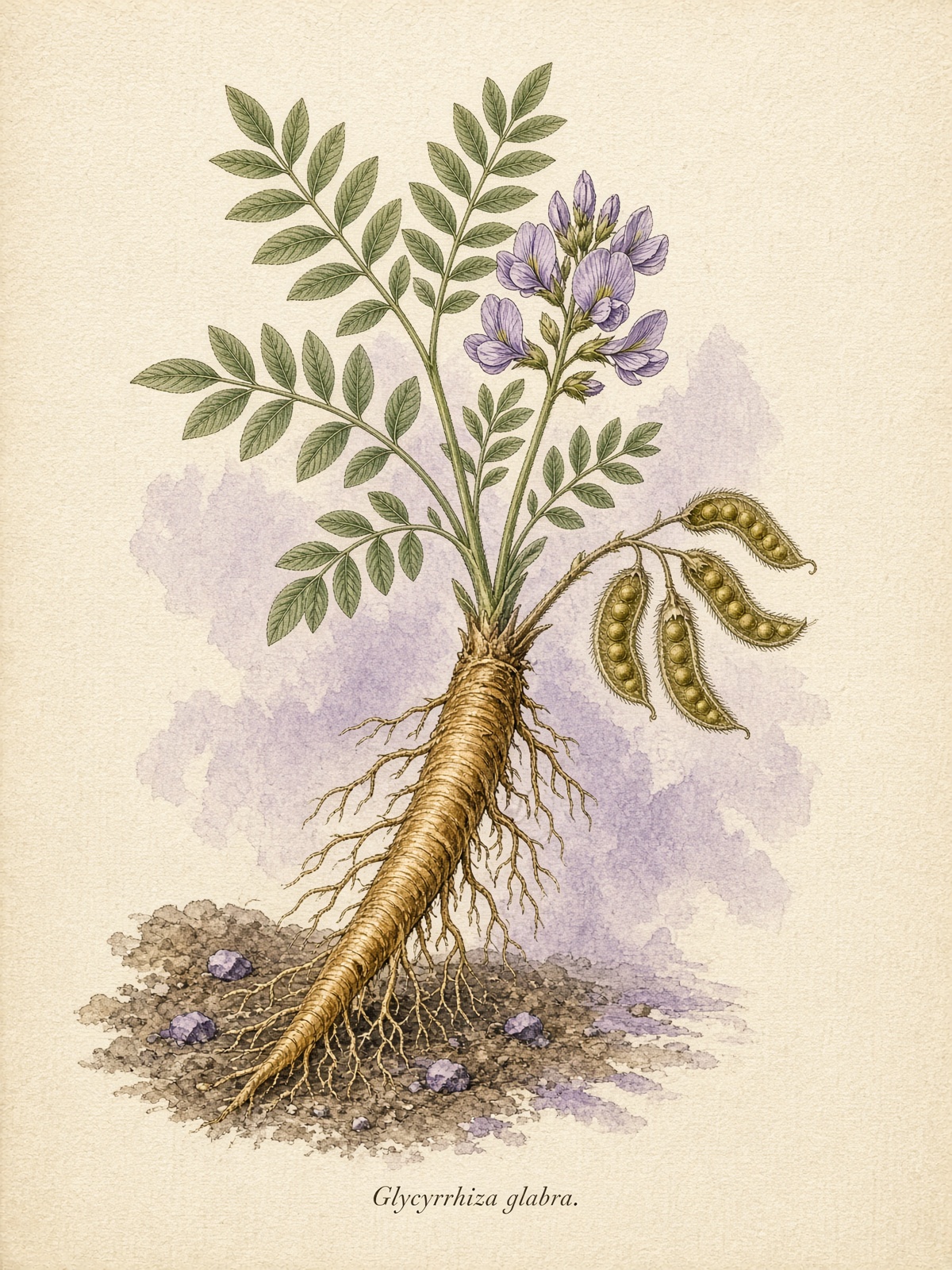
Licorice
Glycyrrhiza glabra
Sweet root that soothes mucosa and supports adrenals — and can raise blood pressure if overused.
fatigue
1/1LegalCaution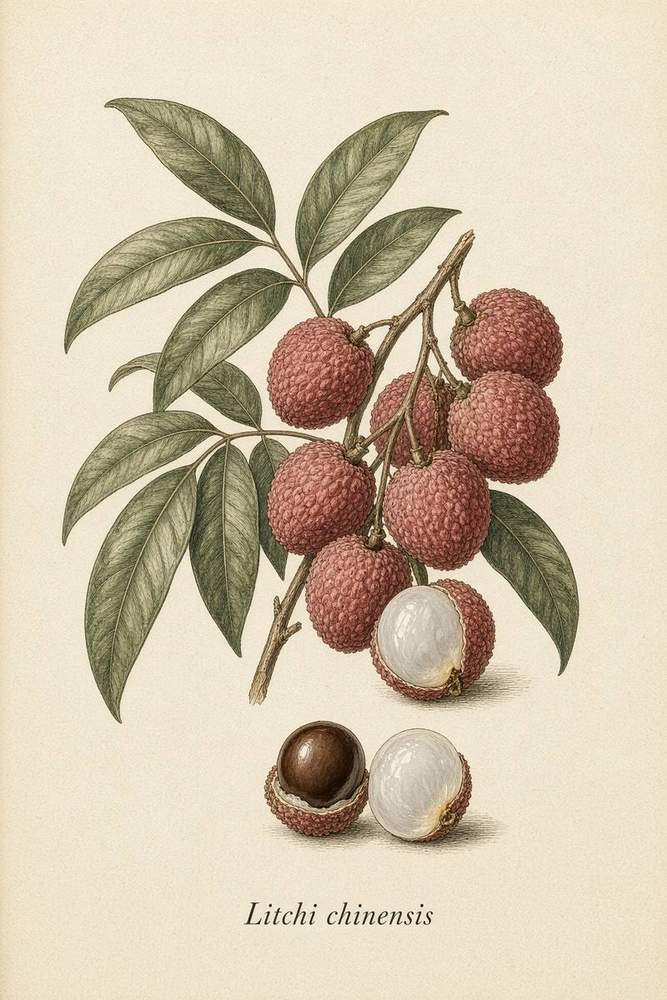
Lychee
Litchi chinensis
A Chinese soapberry with a red shell — peel it, eat the glass-white aril, spit the seed, and do not make a meal of unripe fruit.
fatigue
1/1LegalCaution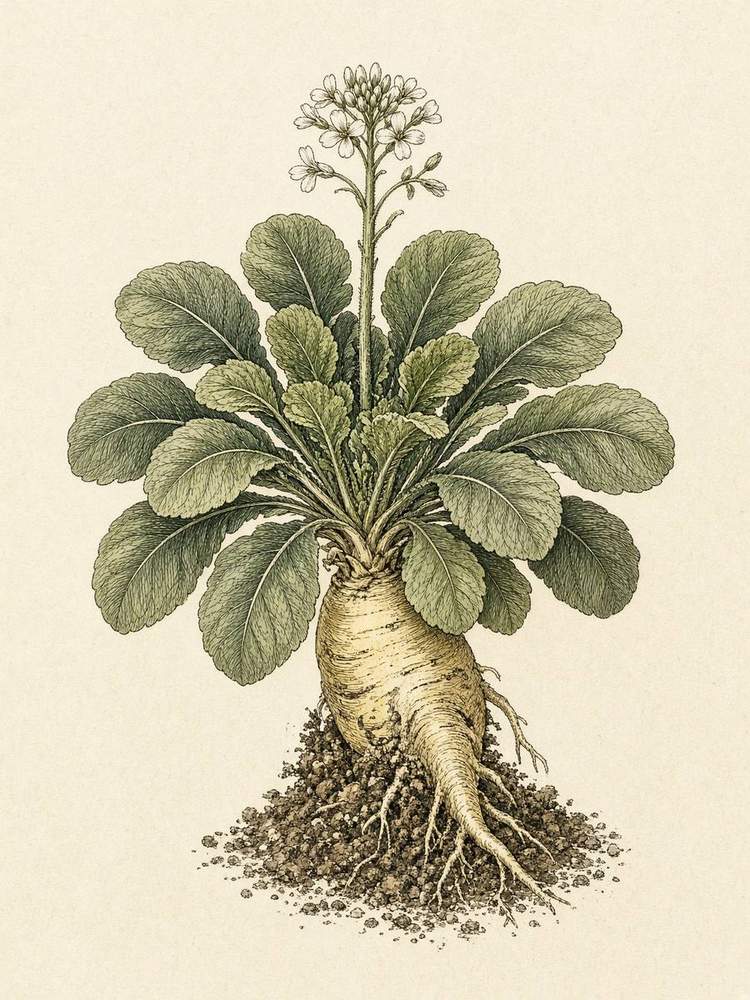
Maca
Lepidium meyenii
An Andean mustard whose swollen root is a staple above 4,000 meters — stamina folklore in a radish.
fatigue
1/1LegalGentle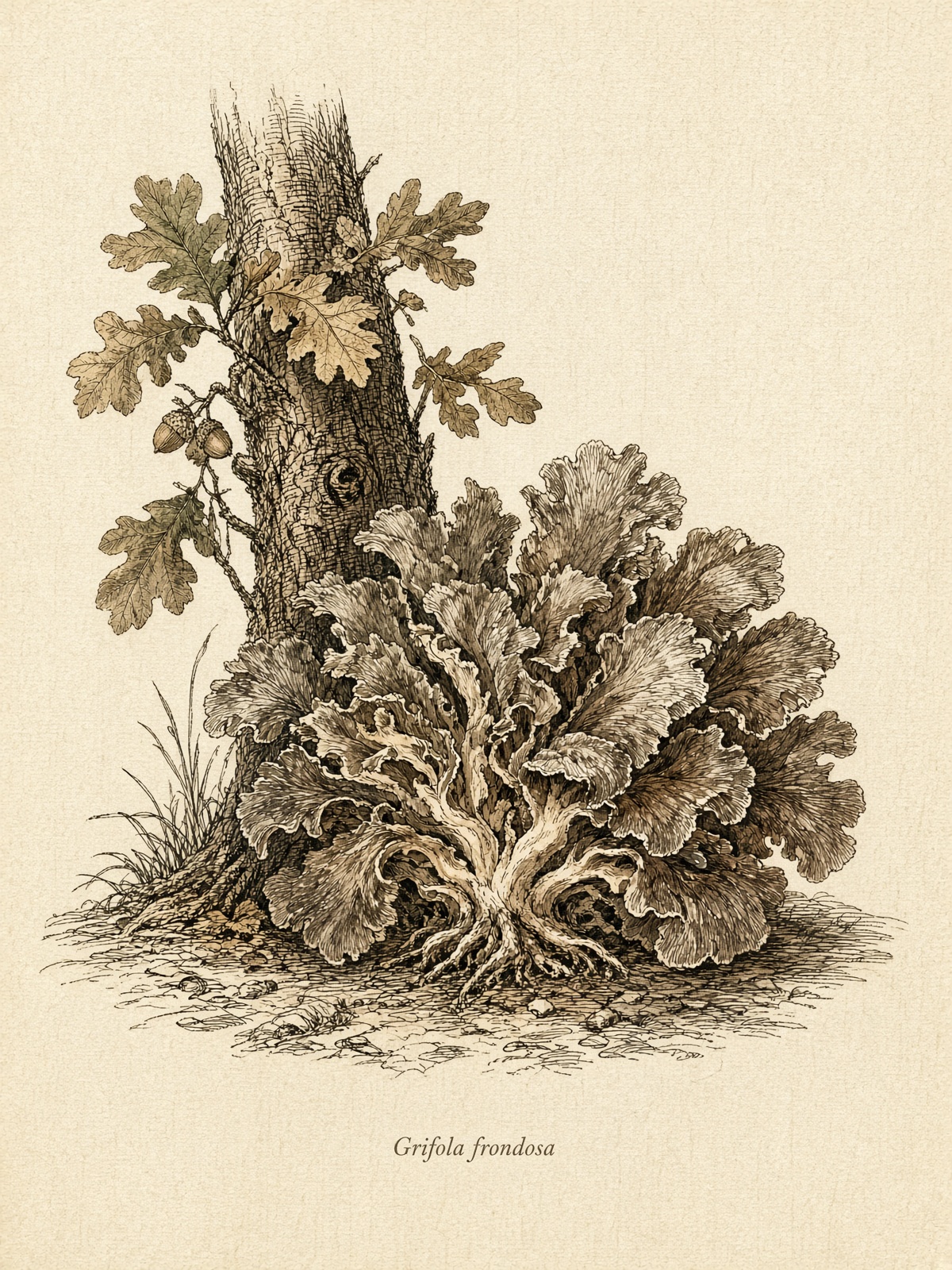
Maitake
Grifola frondosa
Hen-of-the-woods — a clustered oak fungus eaten for flavor and immune tone.
fatigue
1/1LegalGentle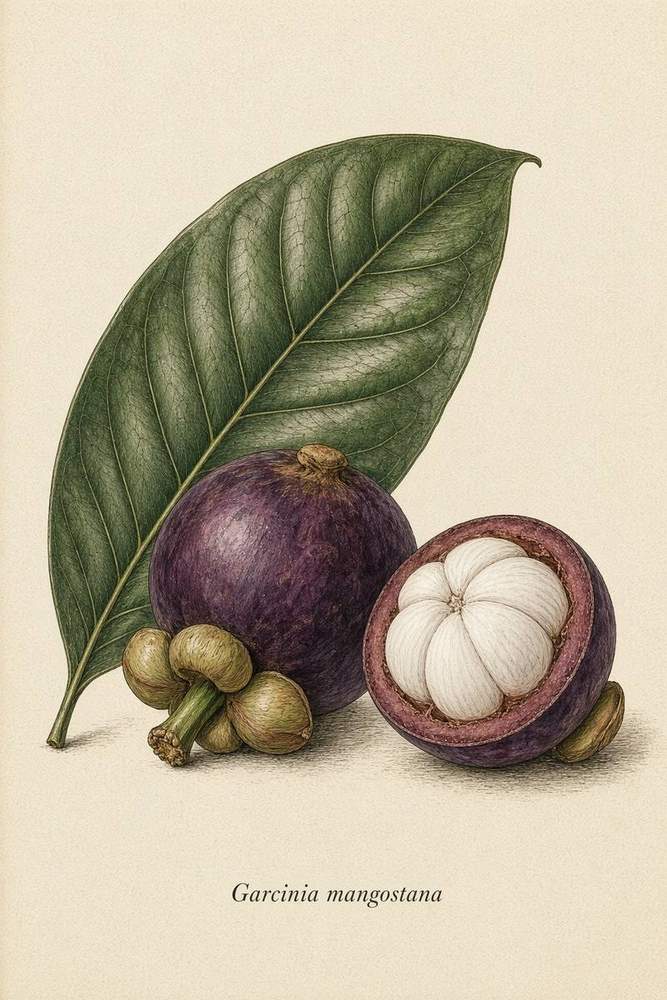
Mangosteen
Garcinia mangostana
The white-segmented fruit under a purple shell — a Malay dessert, not a bottled ‘superfruit’ rind.
fatigue
1/1LegalGentle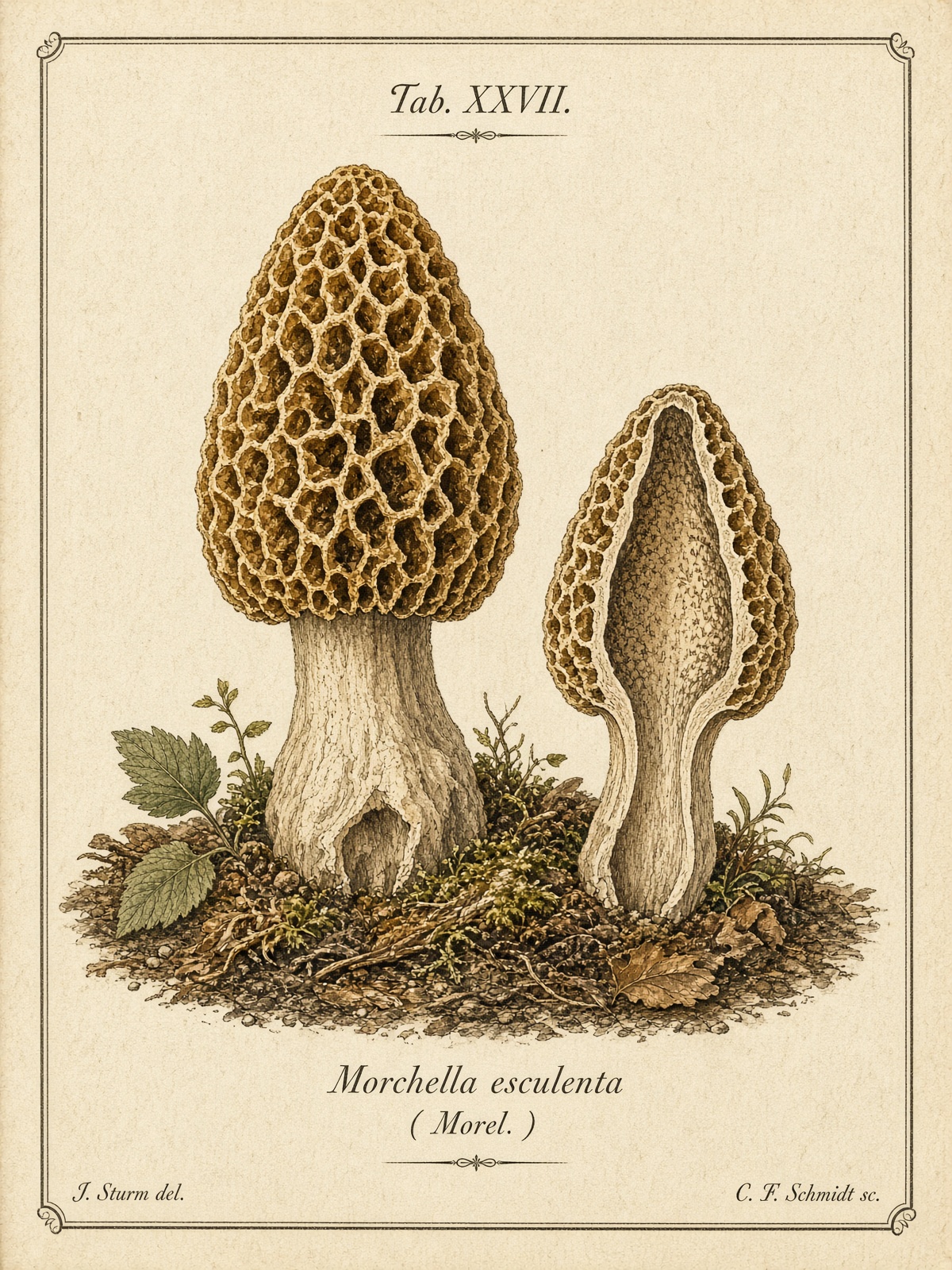
Morel
Morchella esculenta
The honeycomb cap of spring woods — a culinary prize whose lookalikes hospitalize people.
fatigue
1/1LegalCaution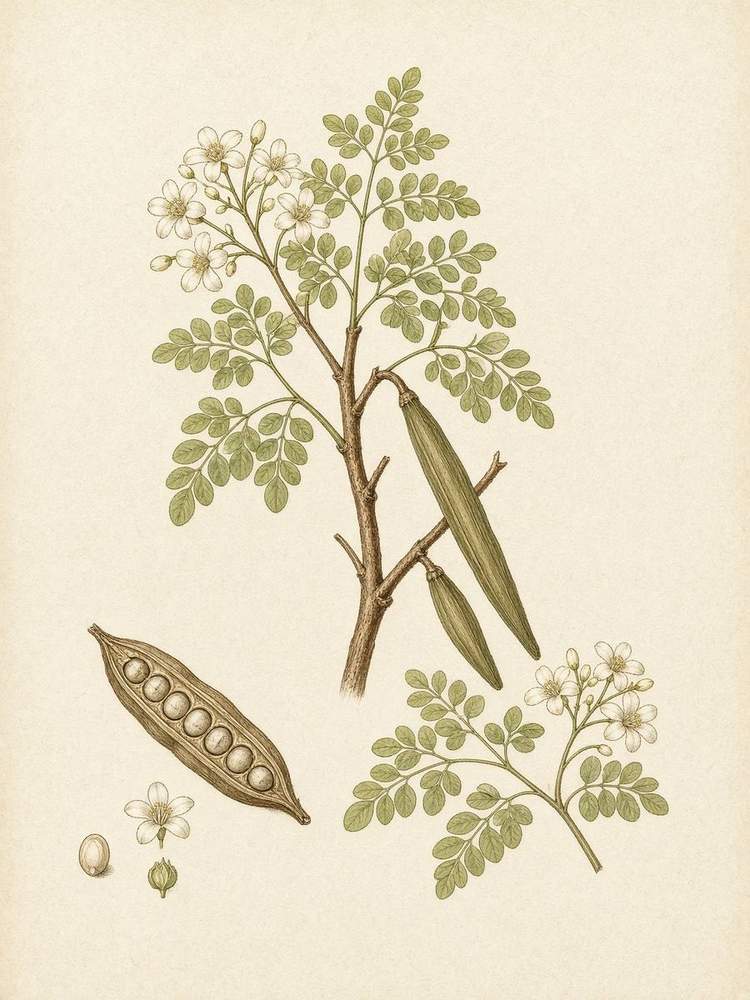
Moringa
Moringa oleifera
The drumstick tree — a tropical leaf-and-pod crop sold as a miracle, and honestly just a very good green.
fatigue
1/1LegalGentle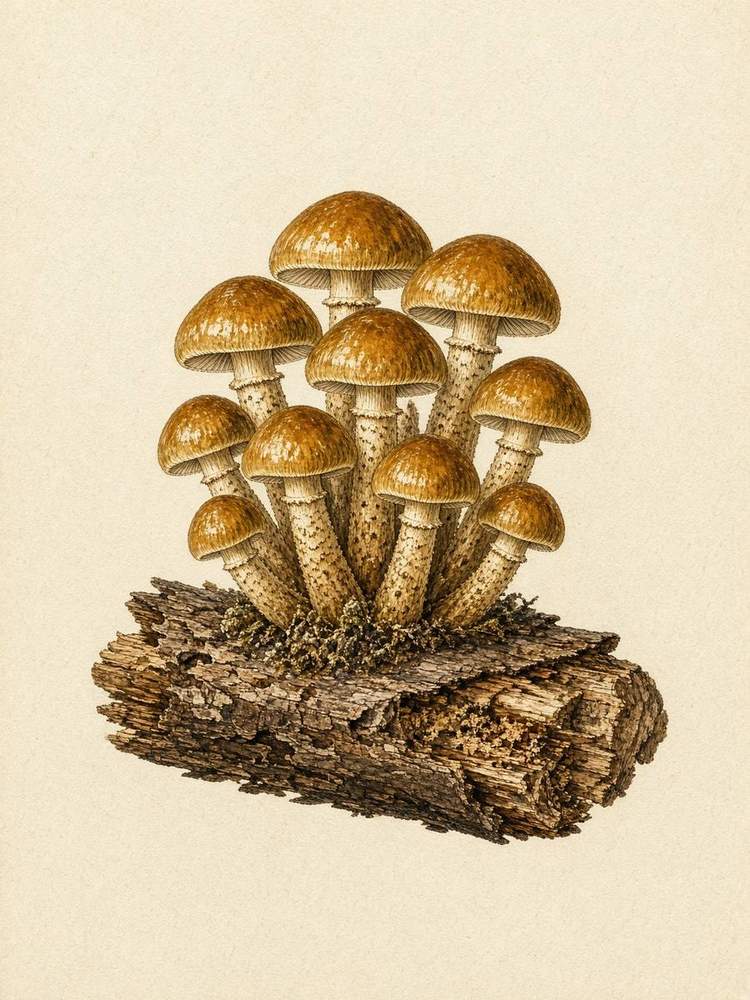
Nameko
Pholiota nameko
The amber, glossy soup mushroom of Japanese kitchens — a cultivated cluster whose slime is the point of the miso.
fatigue
1/1LegalGentle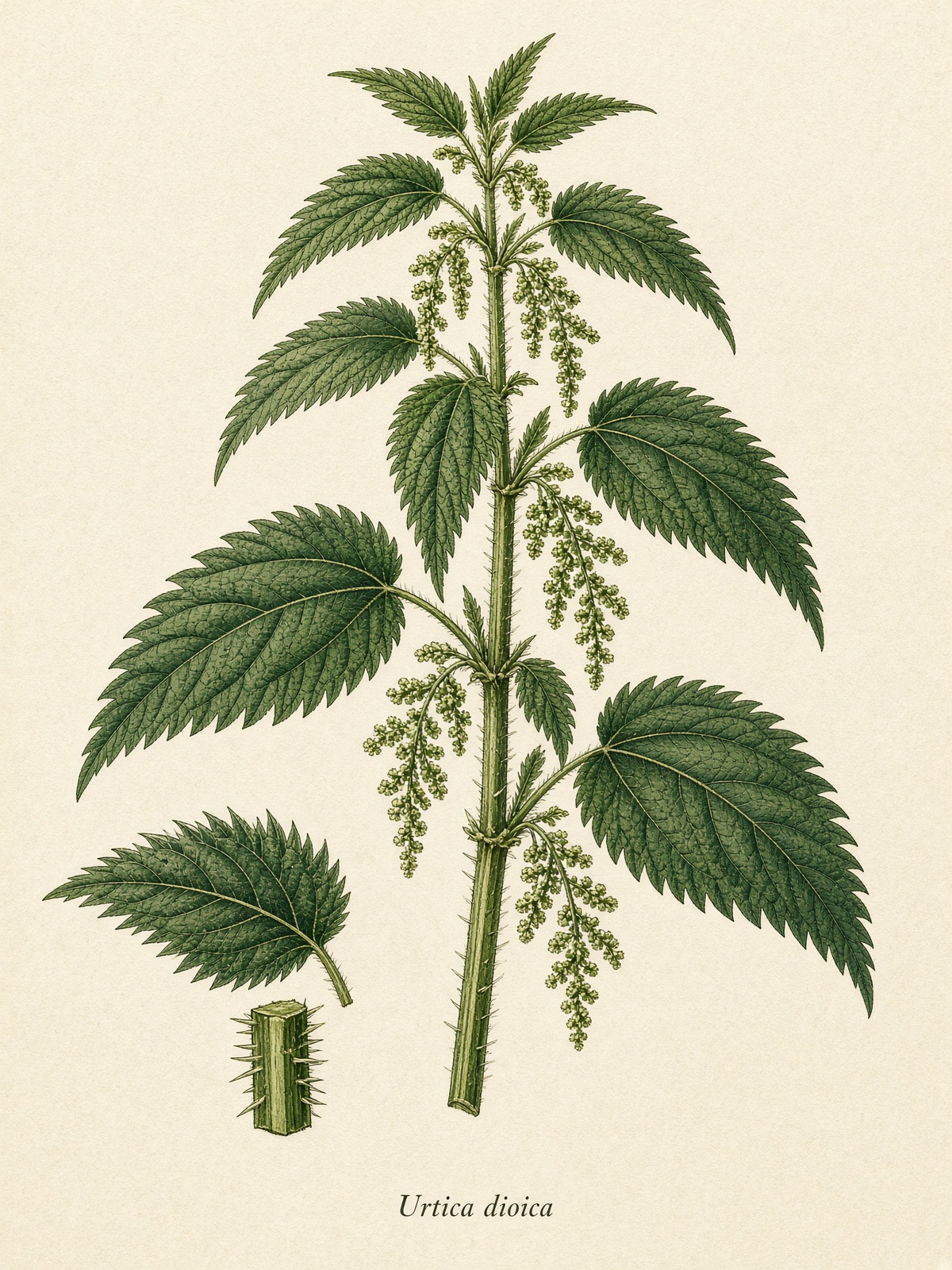
Nettle
Urtica dioica
The mineral-rich weed that stings, then feeds — spring tonic, hay-fever leaf, prostate root.
fatigue
1/1LegalGentle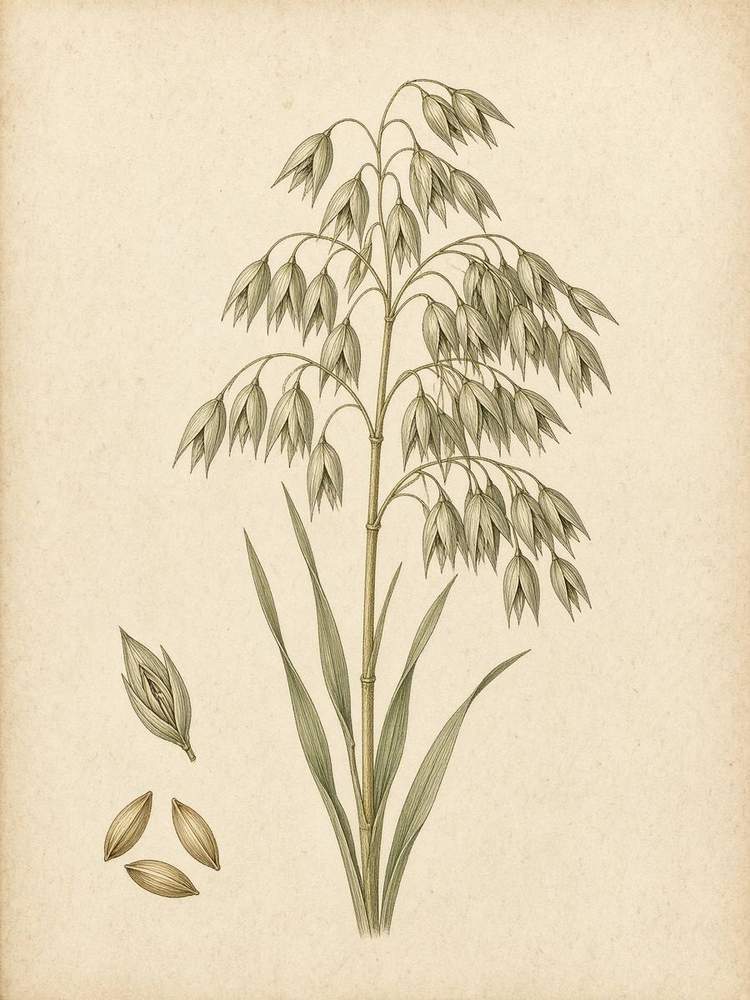
Oatstraw
Avena sativa
The same plant as breakfast — milky tops and straw as a traditional nervine food-tea.
fatigue
1/1LegalGentle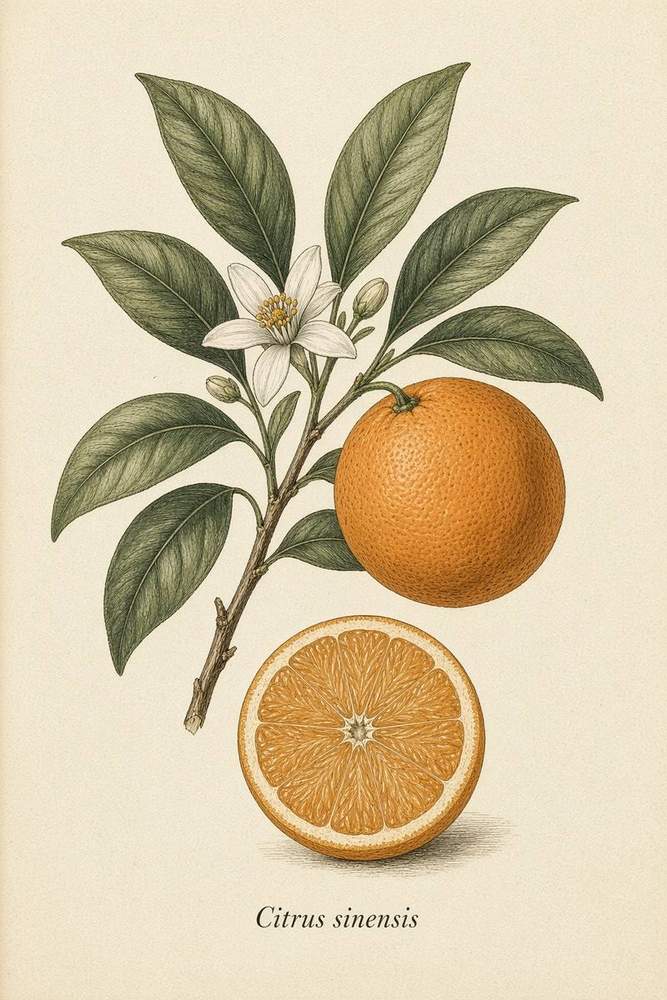
Orange
Citrus × sinensis
The sweet citrus of breakfast — a Chinese hybrid the world named after a color, or the color after the fruit.
fatigue
1/1LegalGentle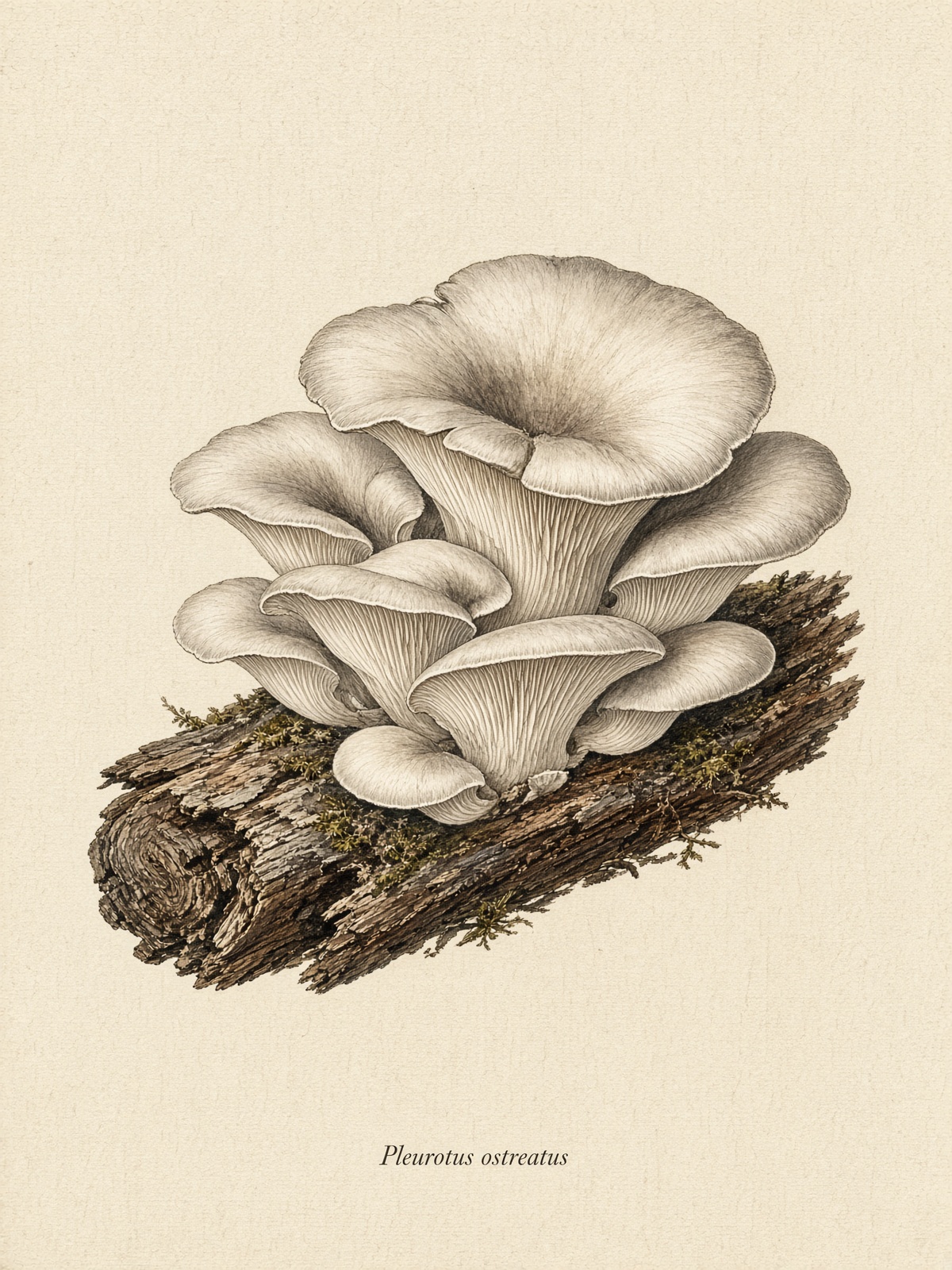
Oyster mushroom
Pleurotus ostreatus
The easiest gourmet mushroom — food first, with a modest immune-supporting glucan bonus.
fatigue
1/1LegalGentle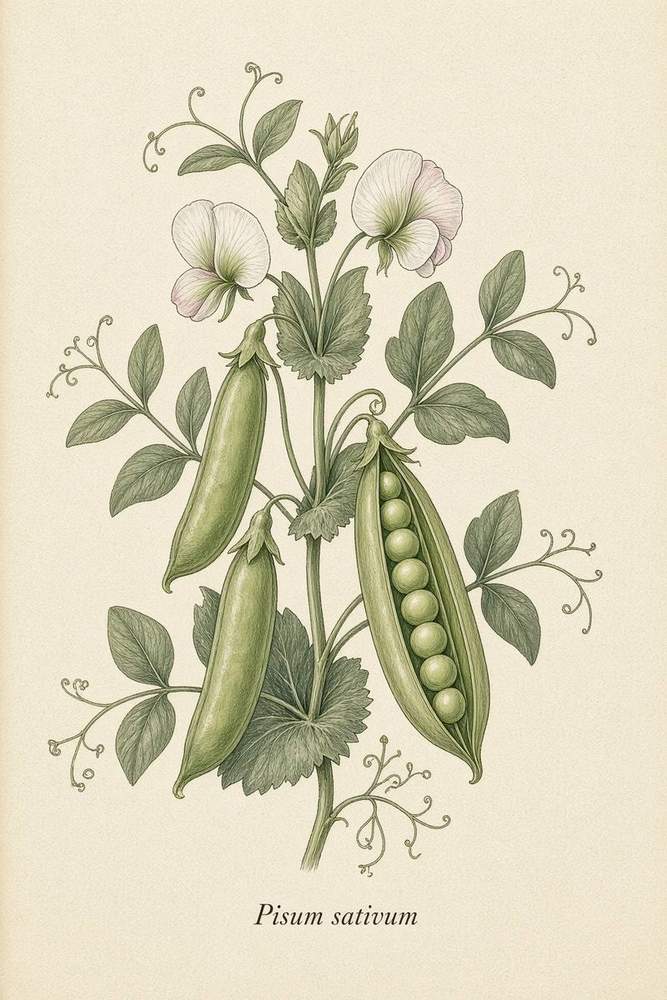
Pea
Pisum sativum
A cool-season vine you eat as pod or seed — plant early, pick often, and never confuse it with a sweet pea.
fatigue
1/1LegalGentle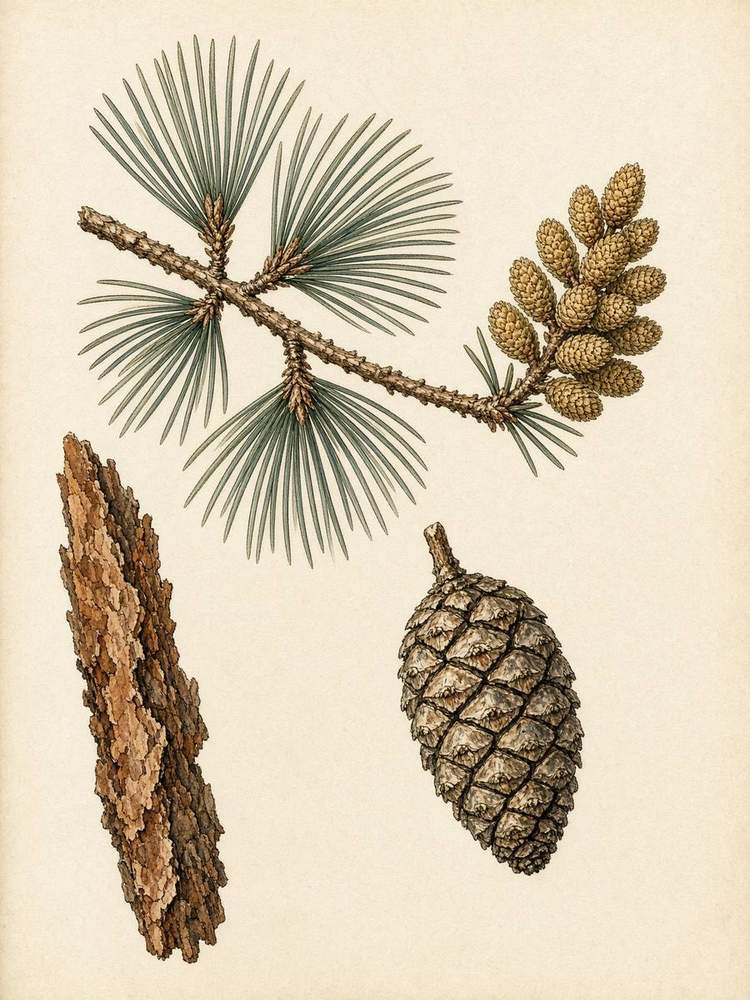
Pine
Pinus sylvestris
A bright, resinous needle tea from a tree you can name — never from a hedge you cannot.
fatigue
1/1LegalCaution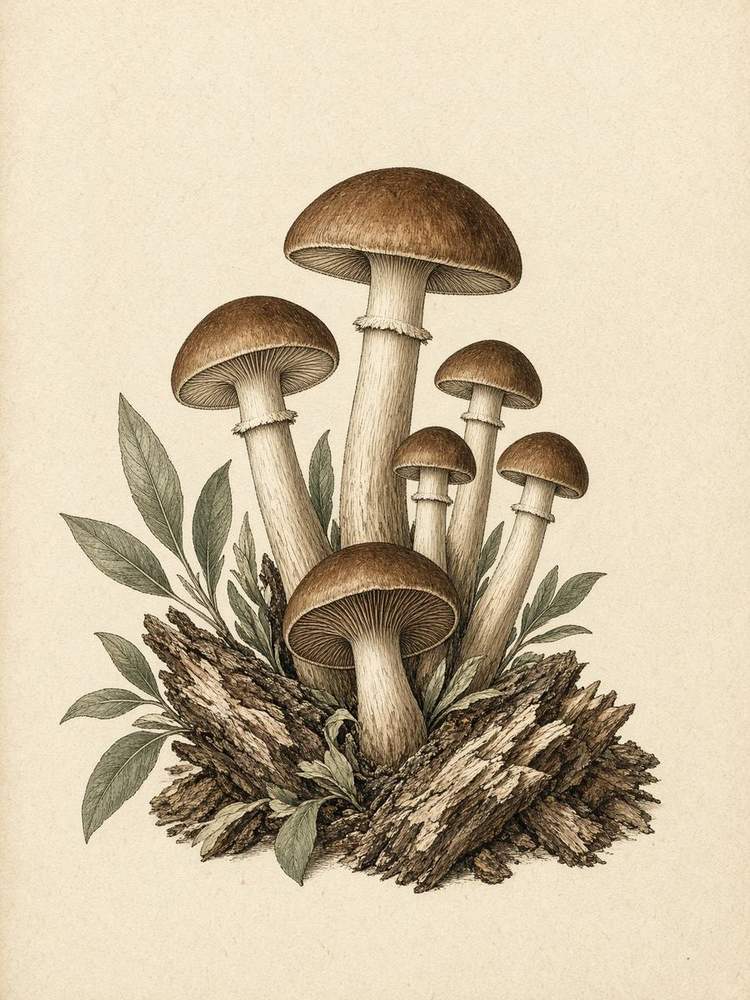
Pioppino
Cyclocybe aegerita
The poplar mushroom of Italian kitchens — a cultivated brown-capped cluster with a stem worth eating.
fatigue
1/1LegalGentle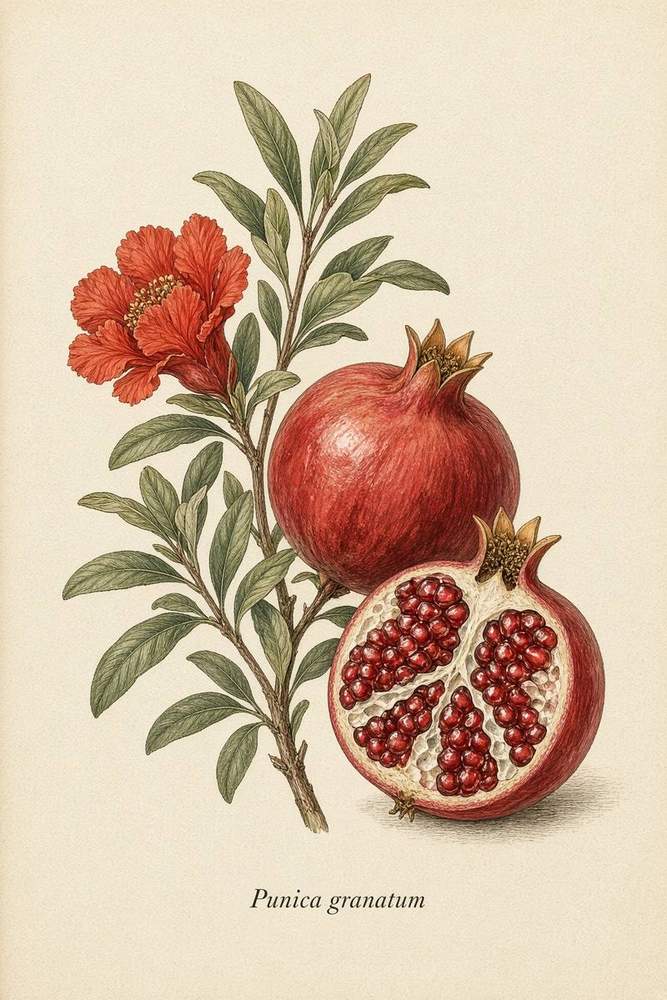
Pomegranate
Punica granatum
A leathery fruit of the dry Mediterranean, packed with arils — juice and seed, not a rind tea.
fatigue
1/1LegalGentle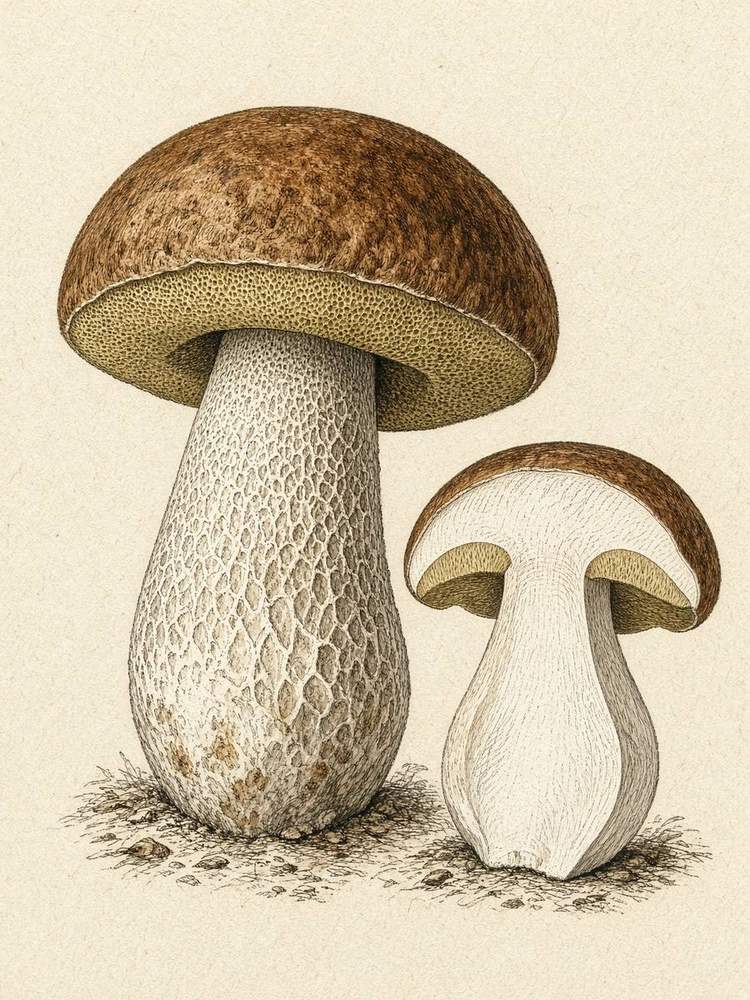
Porcini
Boletus edulis
The king bolete — a bun-capped woodland mushroom whose sponge pores, not gills, are the first ID lesson.
fatigue
1/1LegalCaution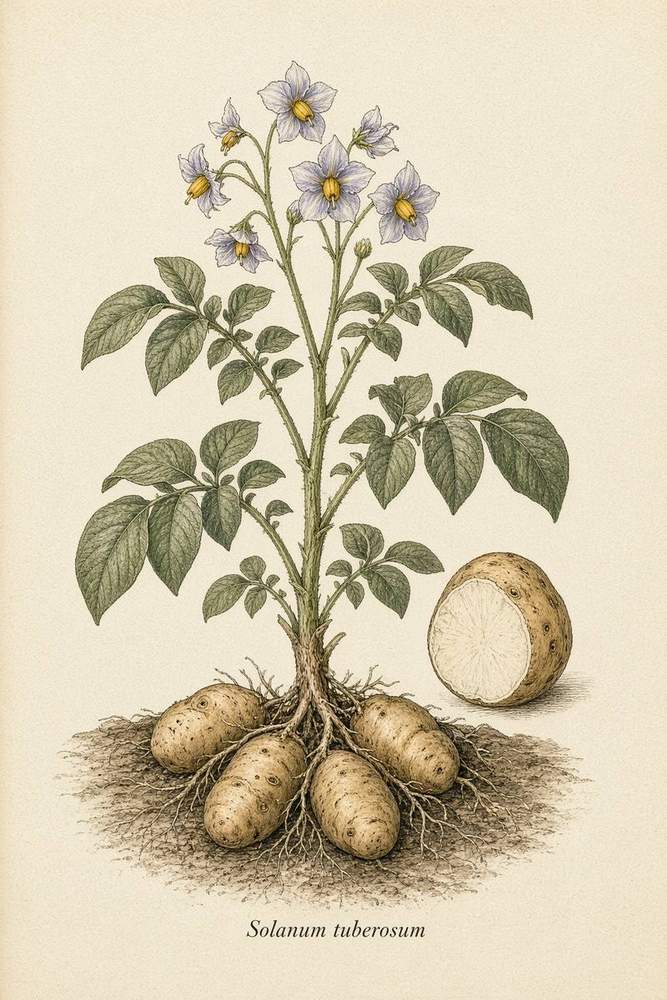
Potato
Solanum tuberosum
The Andean tuber that feeds the world — and a nightshade whose green skin and sprouts are not supper.
fatigue
1/1LegalCaution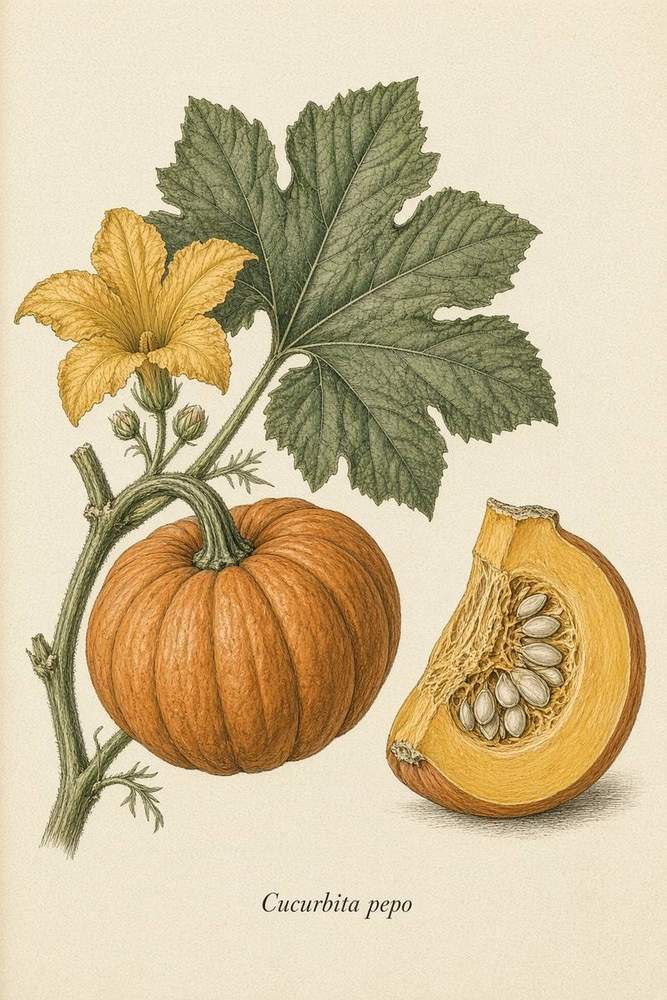
Pumpkin
Cucurbita pepo
A Mesoamerican winter squash we carved into a face — the food is the dry, sweet flesh and the seed.
fatigue
1/1LegalGentle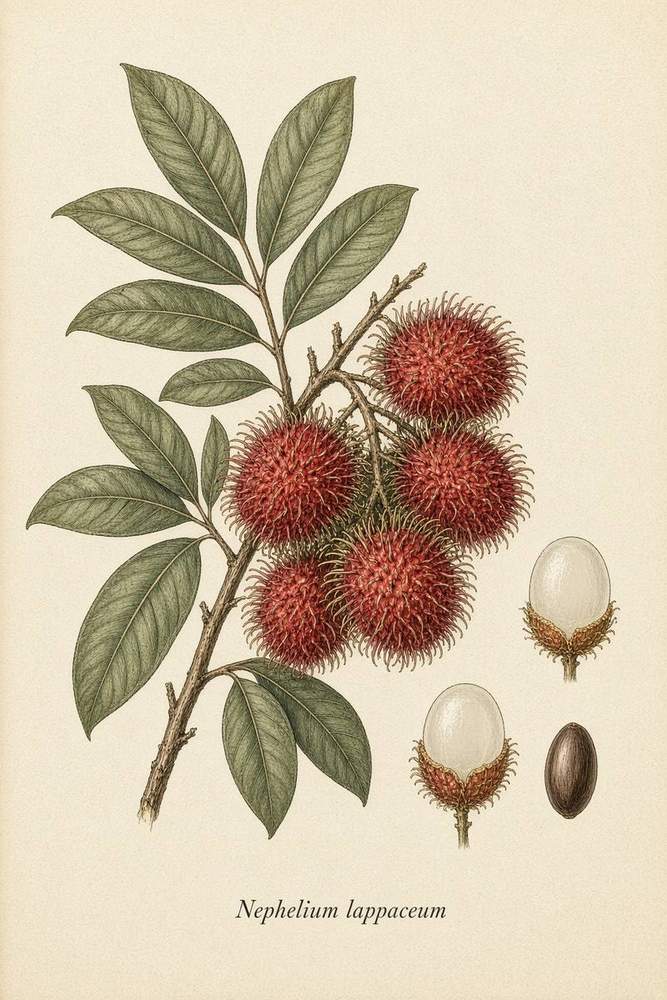
Rambutan
Nephelium lappaceum
A hairy red soapberry of the Malay world — peel the soft spines, eat the glass aril, spit the seed.
fatigue
1/1LegalGentle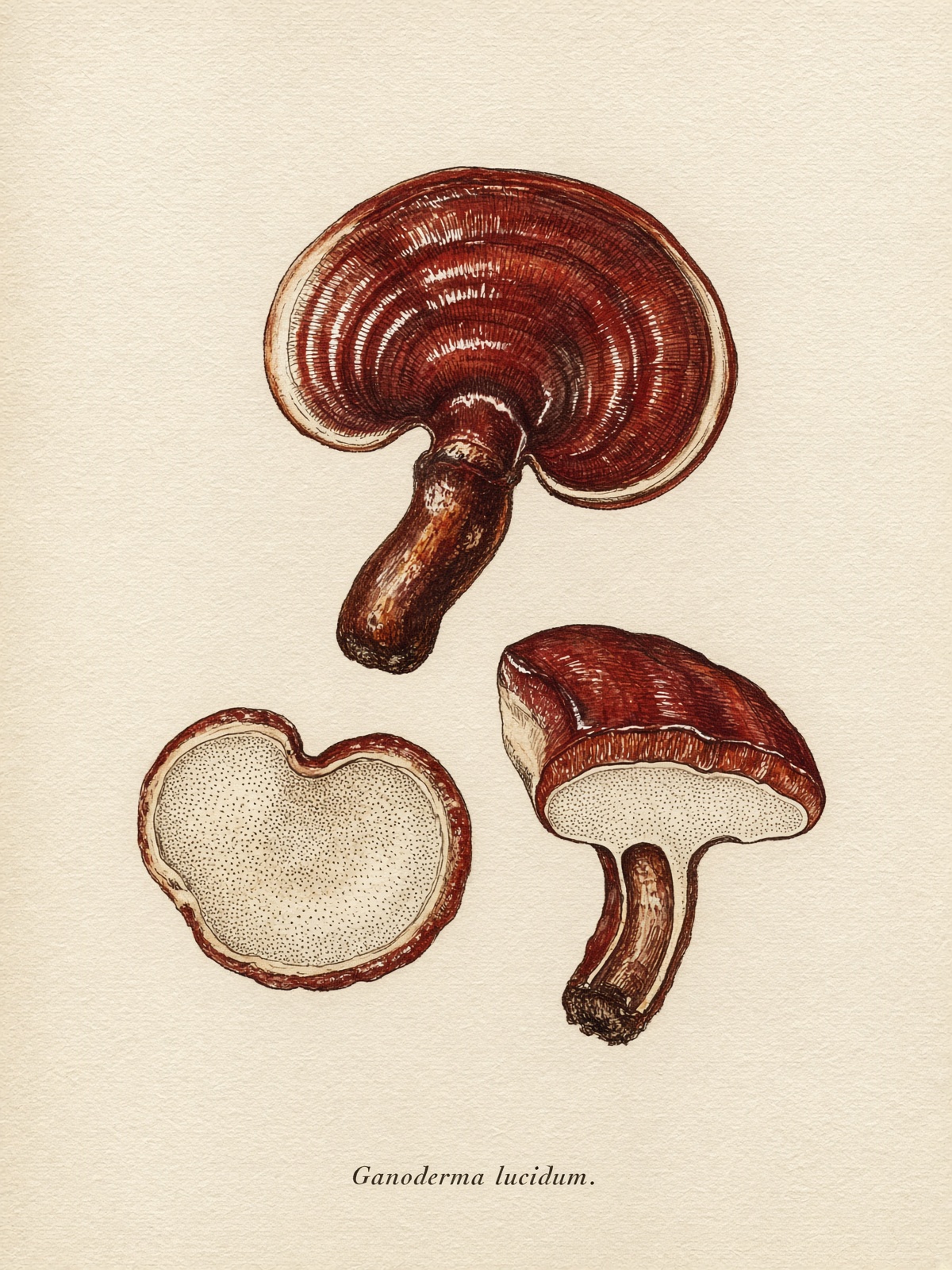
Reishi
Ganoderma lucidum
The lacquered 'mushroom of immortality' — a bitter decoction for recovery, sleep, and immune tone.
fatigue
1/1LegalGentle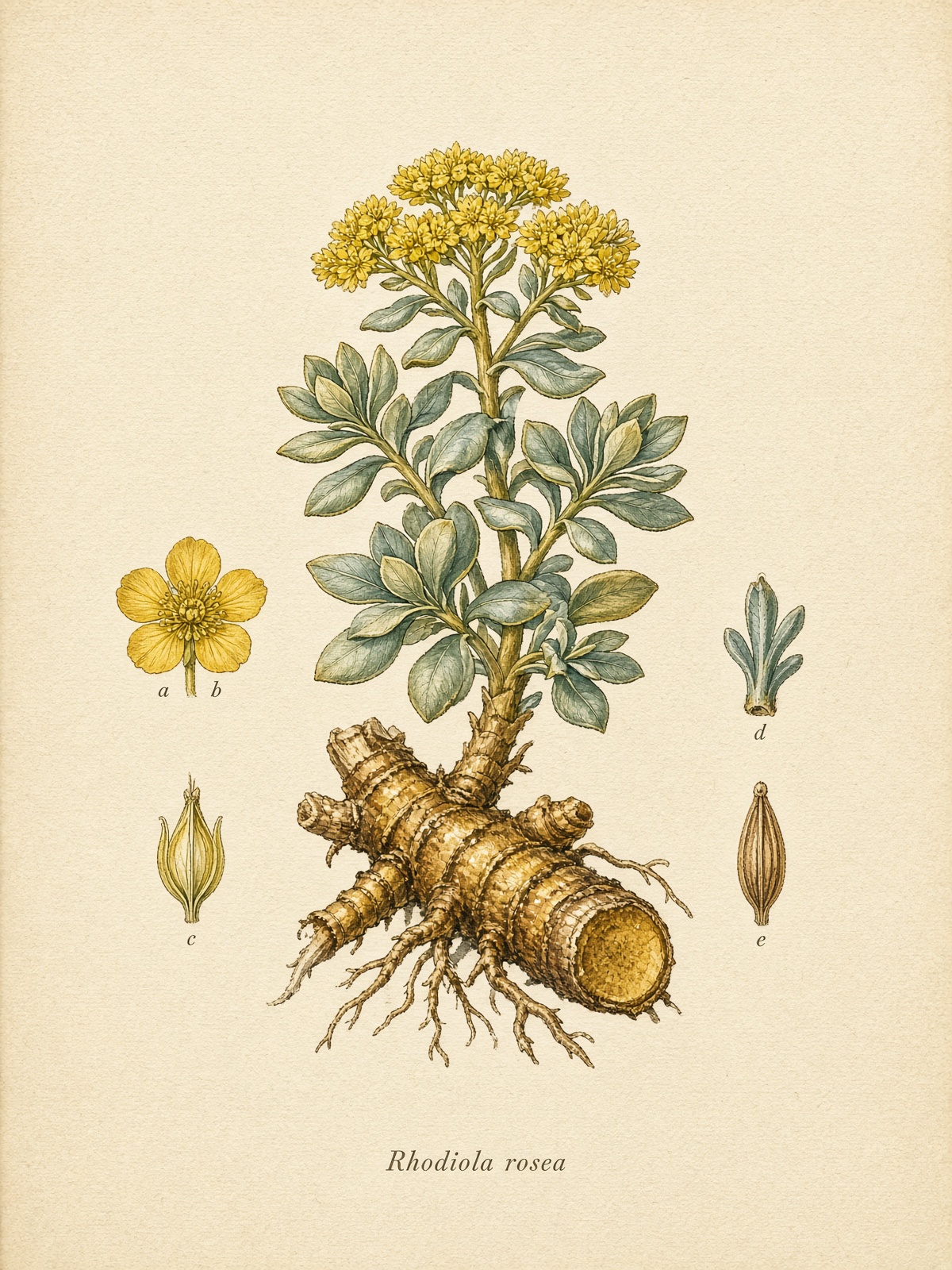
Rhodiola
Rhodiola rosea
Rose-root of the Arctic — an adaptogen for fatigue that can also overstimulate.
fatigue
1/1LegalCaution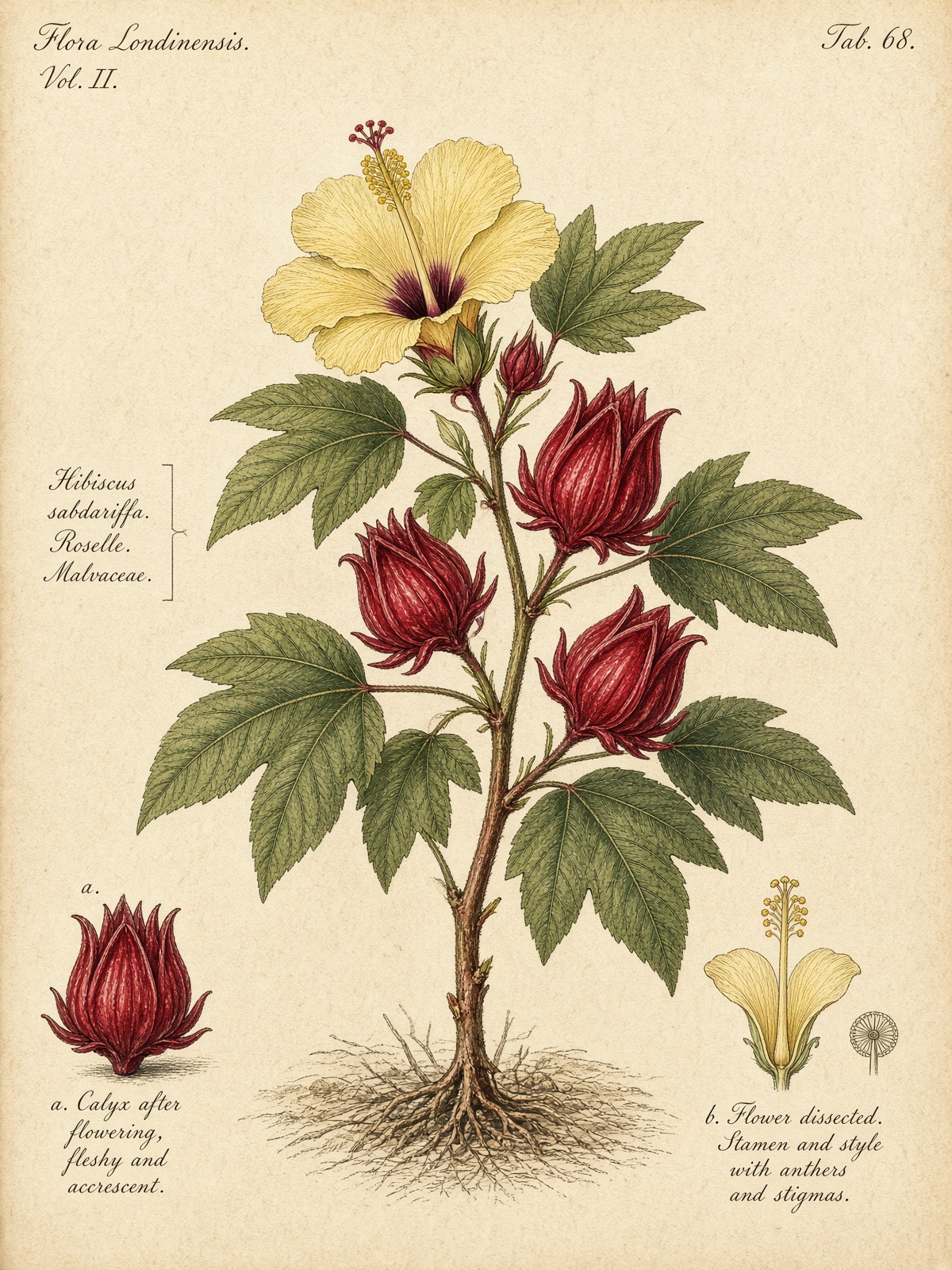
Roselle
Hibiscus sabdariffa
The crimson sour calyx behind agua de jamaica — a cooling, tart drink for heat and blood pressure folklore.
fatigue
1/1LegalGentle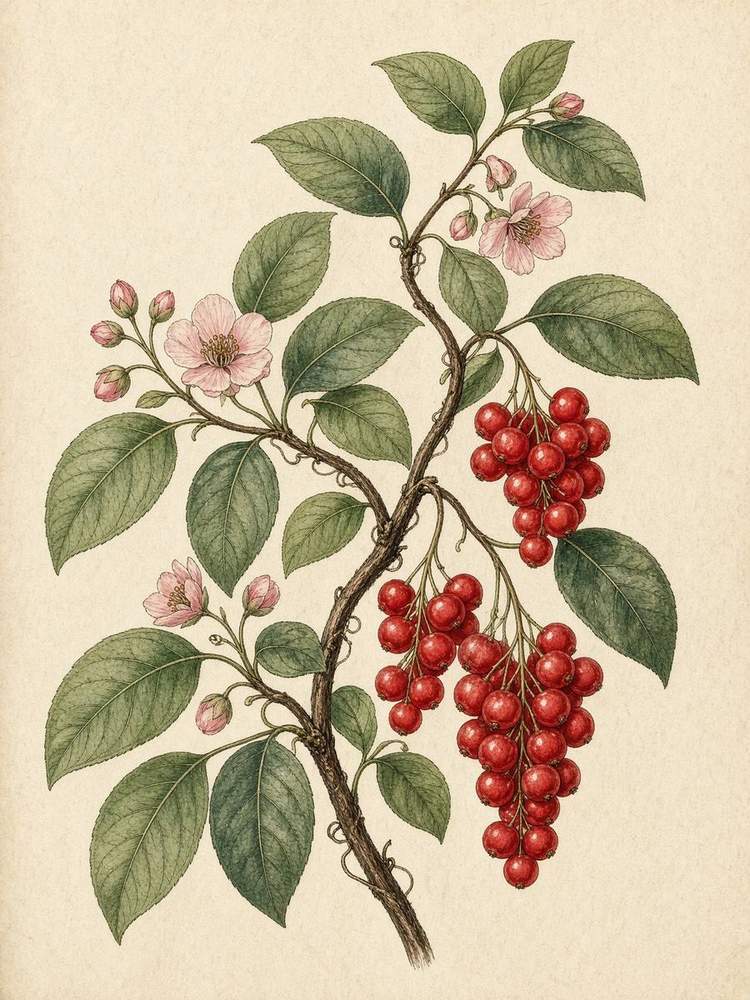
Schisandra
Schisandra chinensis
The five-flavor berry of Chinese tonic medicine — sour, sweet, bitter, pungent, and salty in one hanging cluster.
fatigue
1/1LegalGentle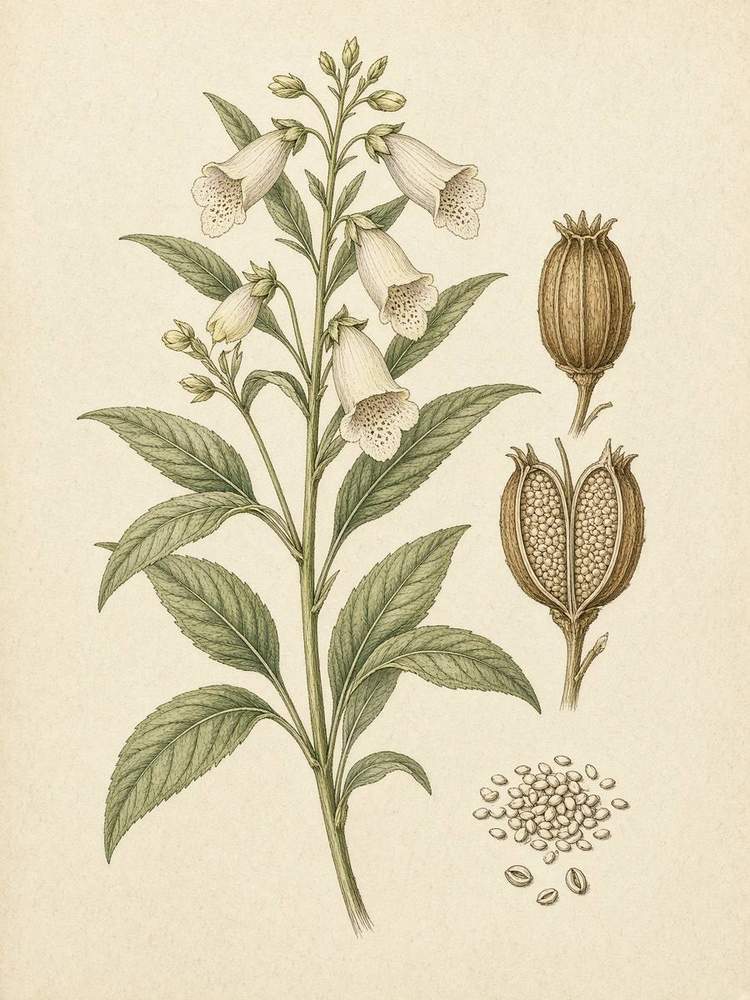
Sesame
Sesamum indicum
The seed that opens — a hot-season crop whose paste is tahini and whose oil is the quiet fat of a dozen kitchens.
fatigue
1/1LegalGentle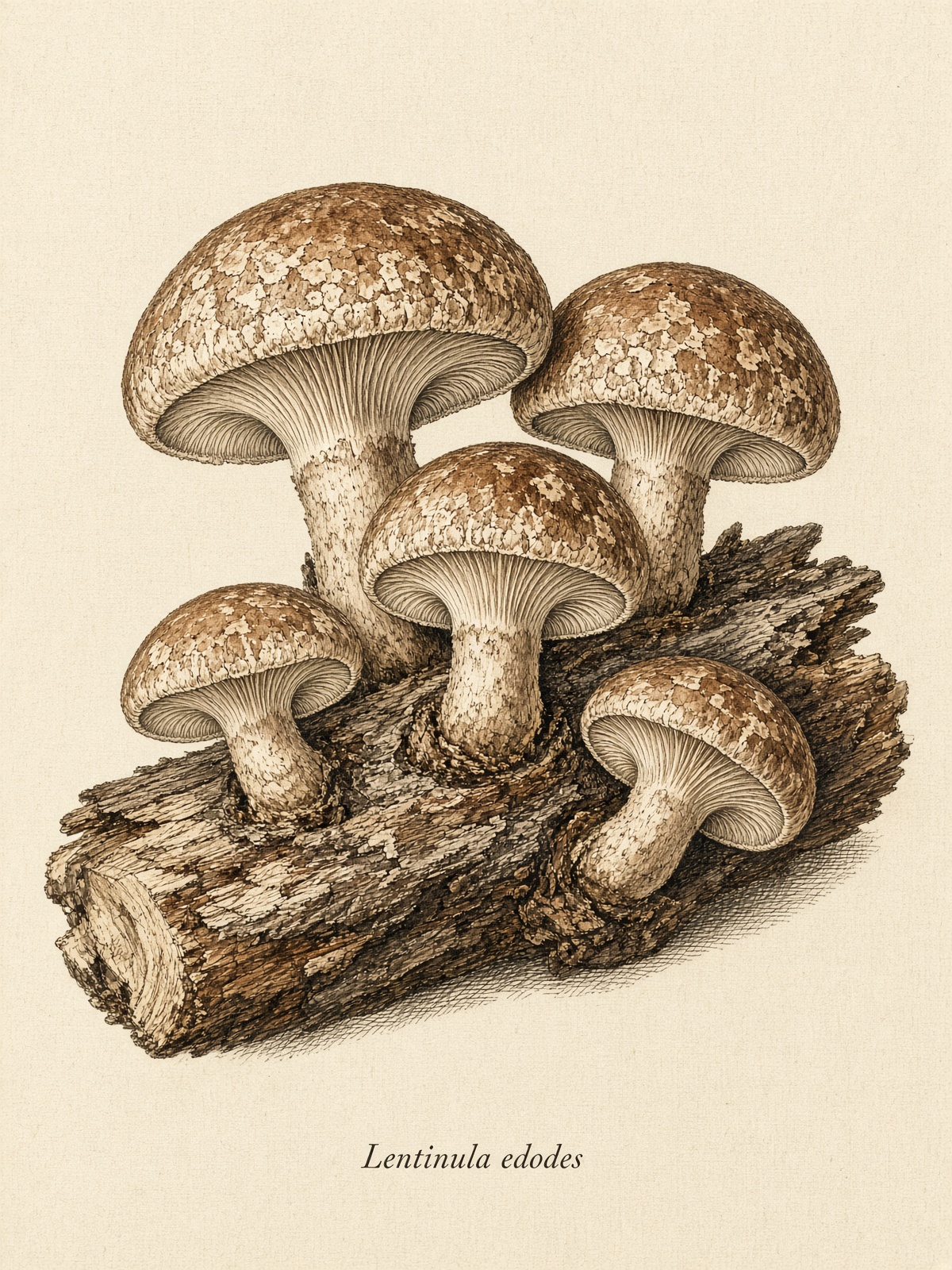
Shiitake
Lentinula edodes
The farmable forest mushroom — food first, immune-modulating lentinan as a bonus.
fatigue
1/1LegalGentle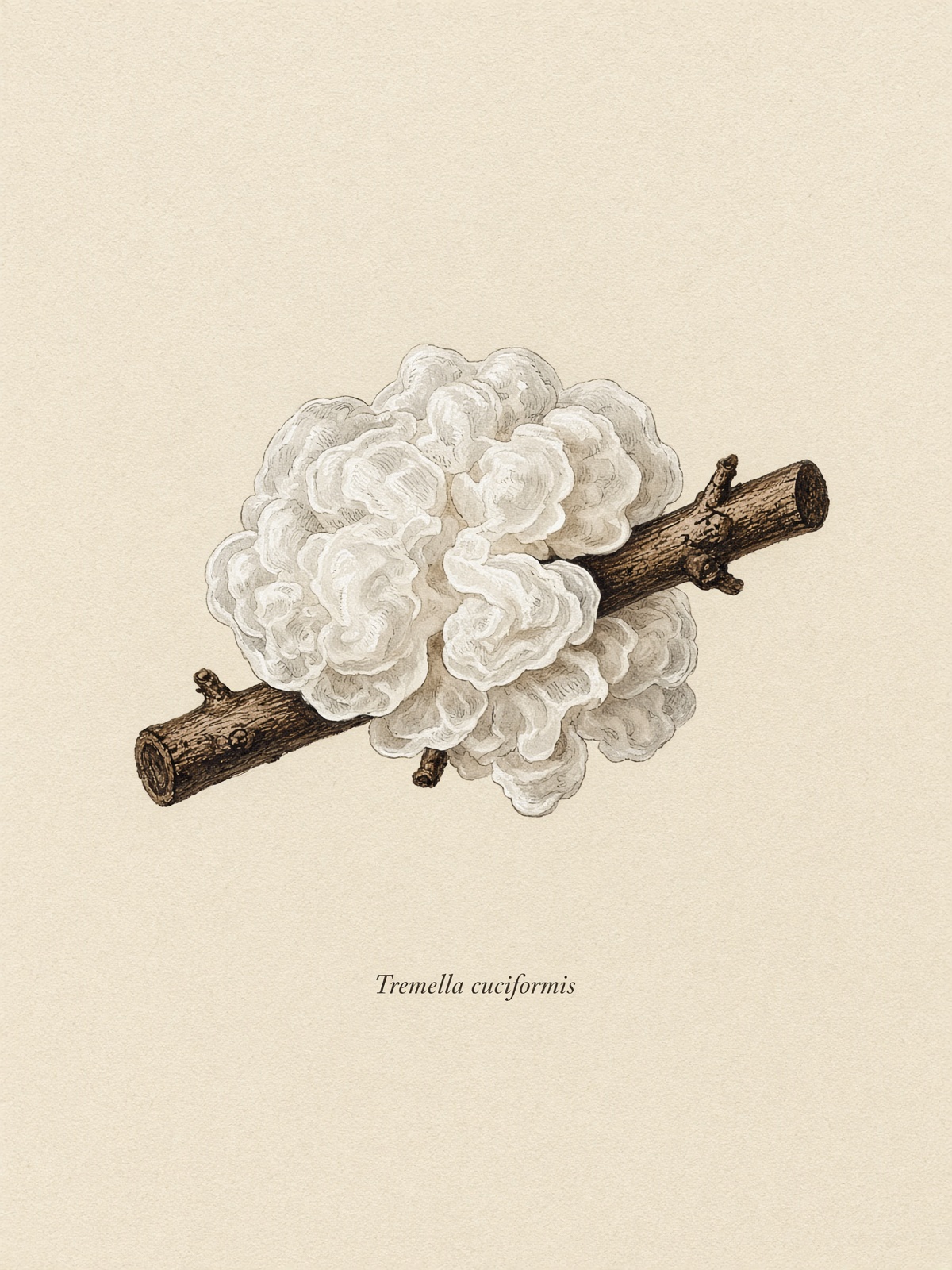
Snow fungus
Tremella fuciformis
A translucent white jelly used in Chinese kitchens for skin, lung Yin, and a silky soup.
fatigue
1/1LegalGentle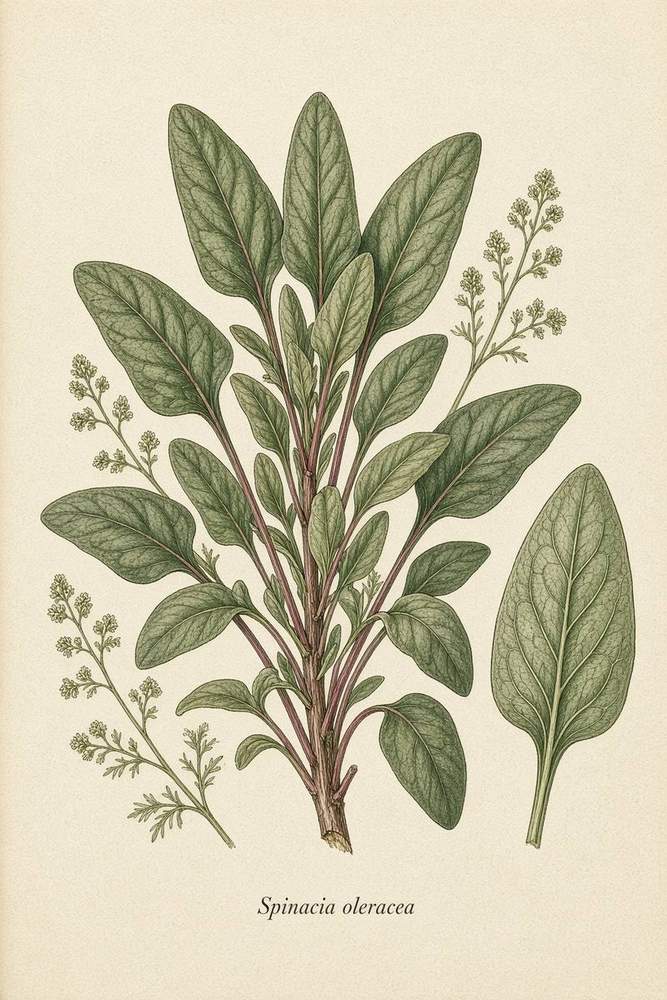
Spinach
Spinacia oleracea
A Persian green that bolts when the days lengthen — cook a pile, because it vanishes in the pan.
fatigue
1/1LegalGentle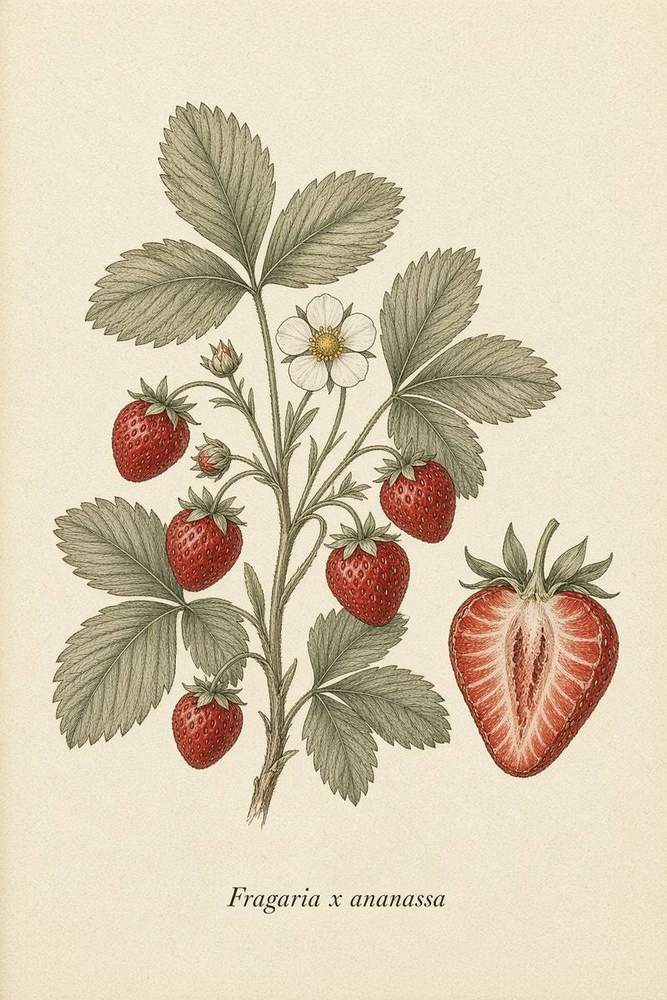
Strawberry
Fragaria × ananassa
The garden berry that is not a true berry — a swollen receptacle wearing seeds on the outside, and a June that does not keep.
fatigue
1/1LegalGentle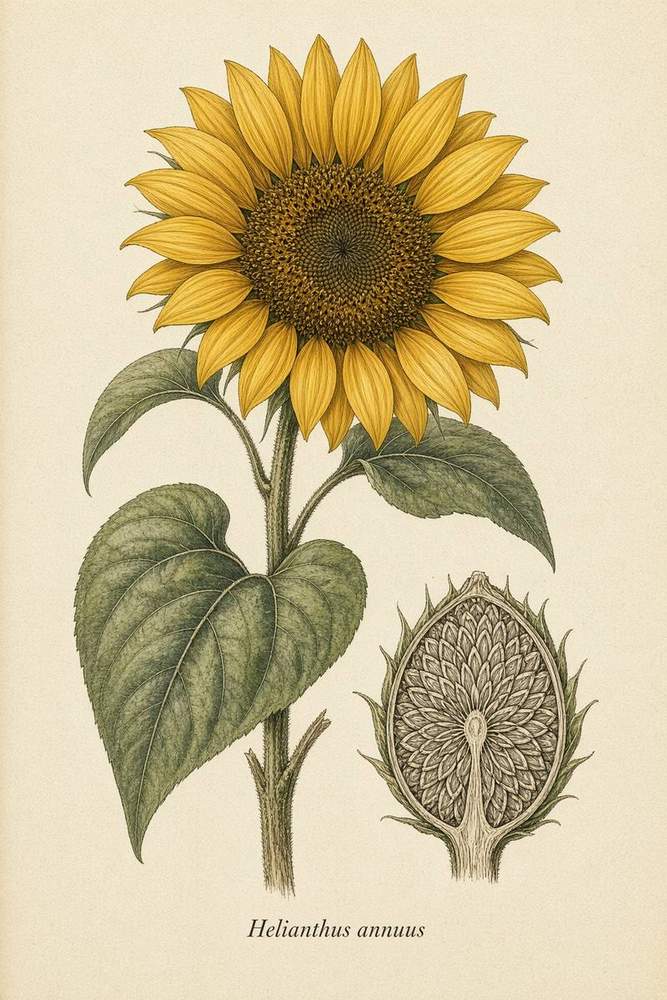
Sunflower
Helianthus annuus
A tall disk for seed, oil, and bees — and a living stake that shades a cucumber in July.
fatigue
1/1LegalGentle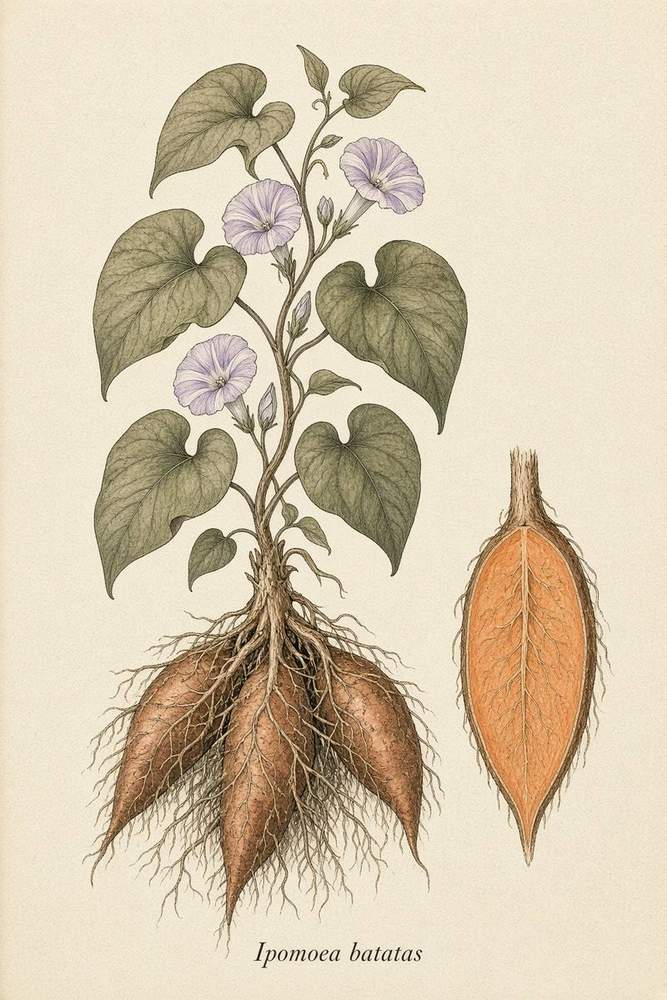
Sweet potato
Ipomoea batatas
A tropical morning-glory grown for its sweet orange (or white, or purple) storage root — not a yam, not a potato.
fatigue
1/1LegalGentle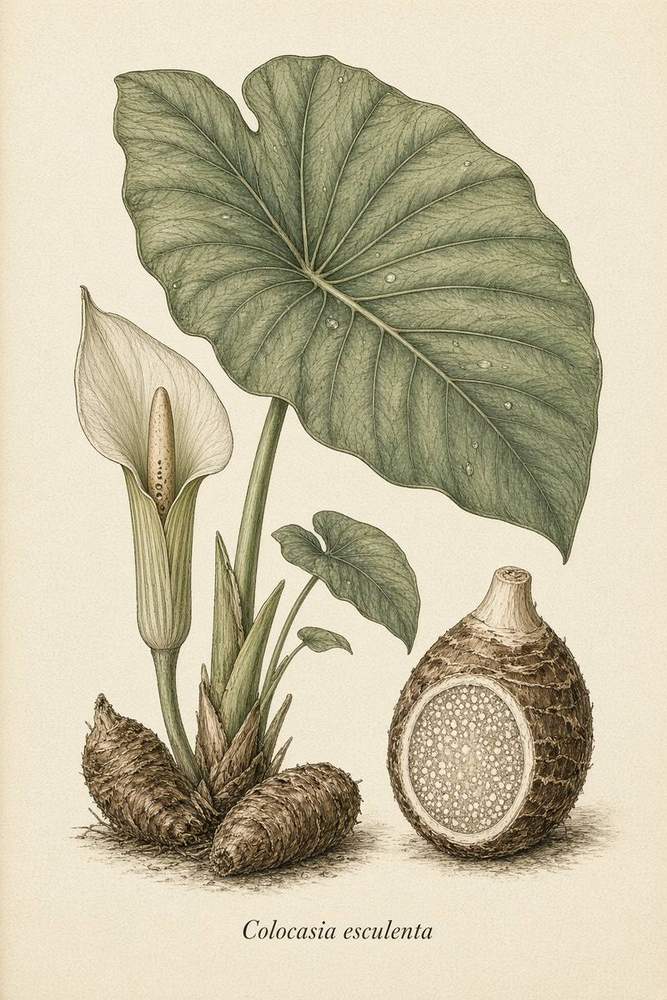
Taro
Colocasia esculenta
The elephant-ear starch of the wet tropics — a cooked corm and a cooked green, and a mouthful of needles if you skip the heat.
fatigue
1/1LegalCaution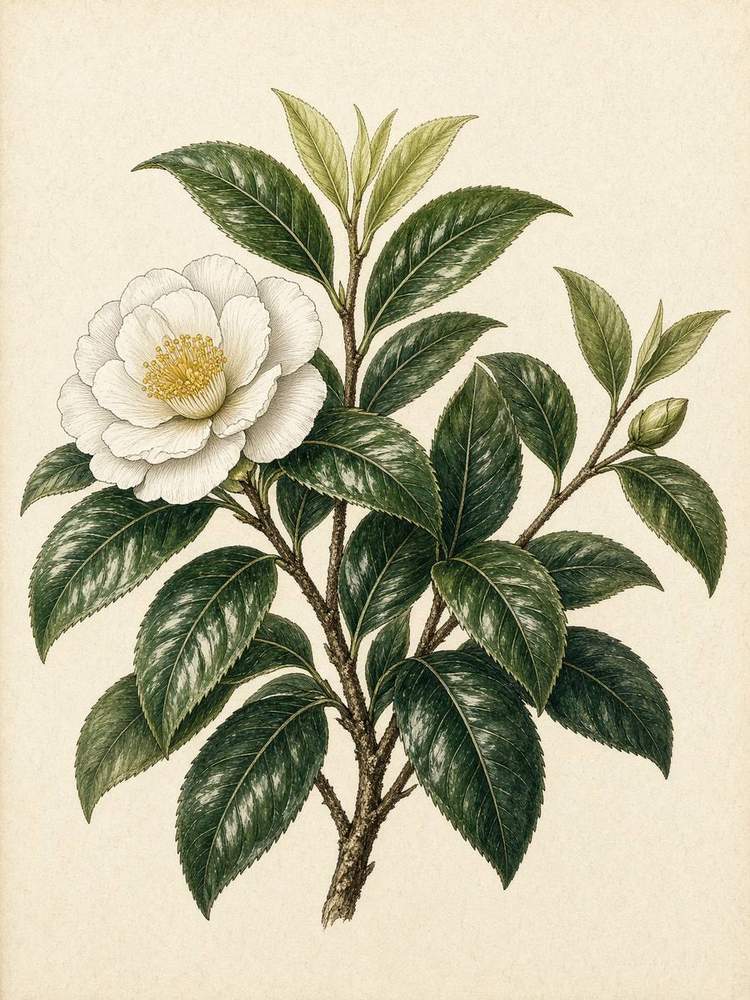
Tea
Camellia sinensis
The camellia that filled the kettle — one shrub, a thousand names, and a caffeine cup older than the porcelain.
fatigue
1/1LegalGentle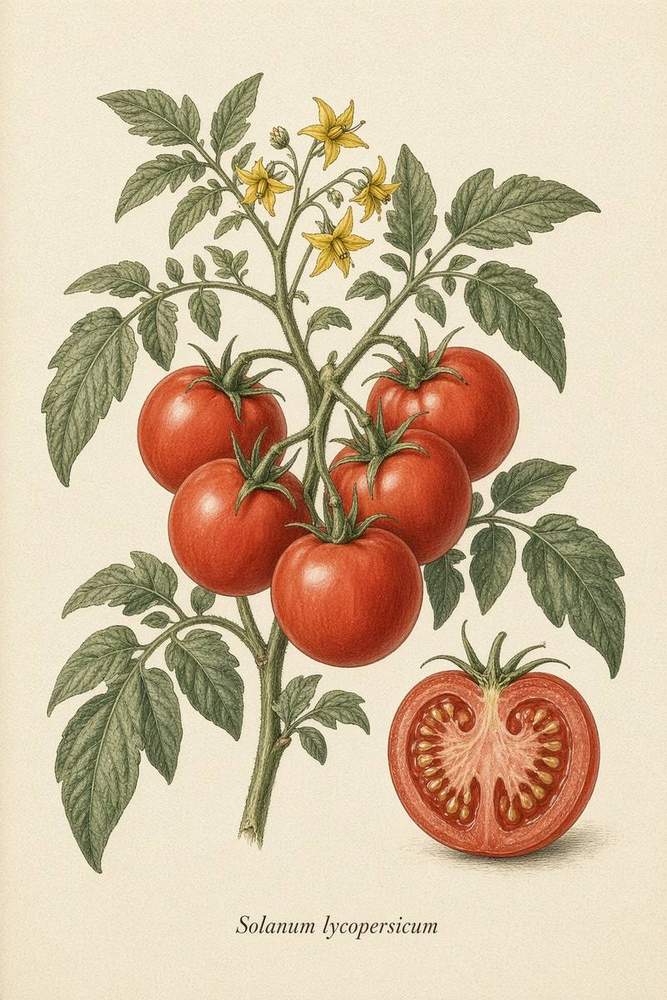
Tomato
Solanum lycopersicum
The kitchen-garden berry we treat as a vegetable — acid, sweet, and the color of a summer table.
fatigue
1/1LegalGentle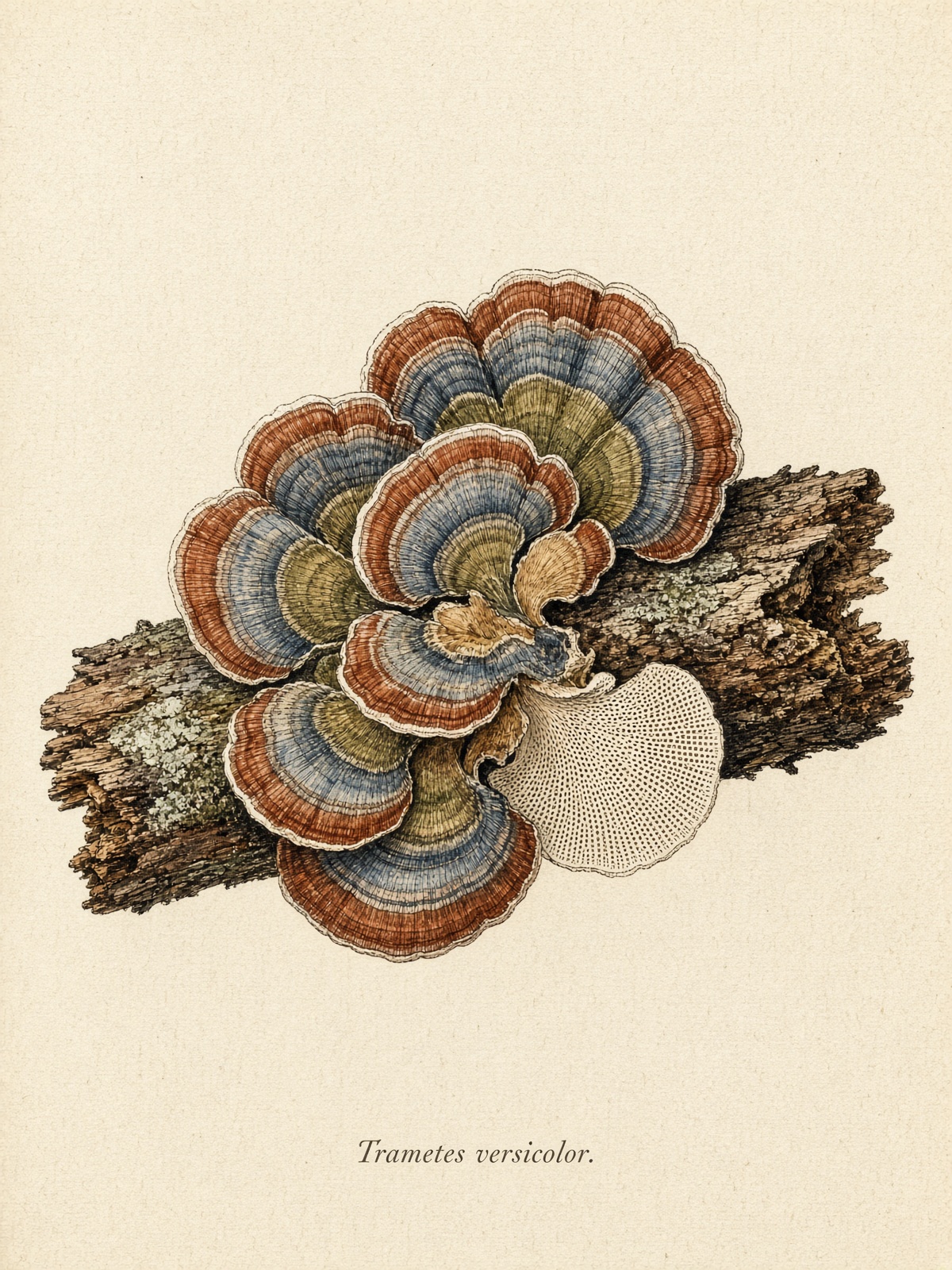
Turkey tail
Trametes versicolor
Zoned fans on dead wood — the best-studied medicinal polypore for immune support beside treatment, not instead of it.
fatigue
1/1LegalGentle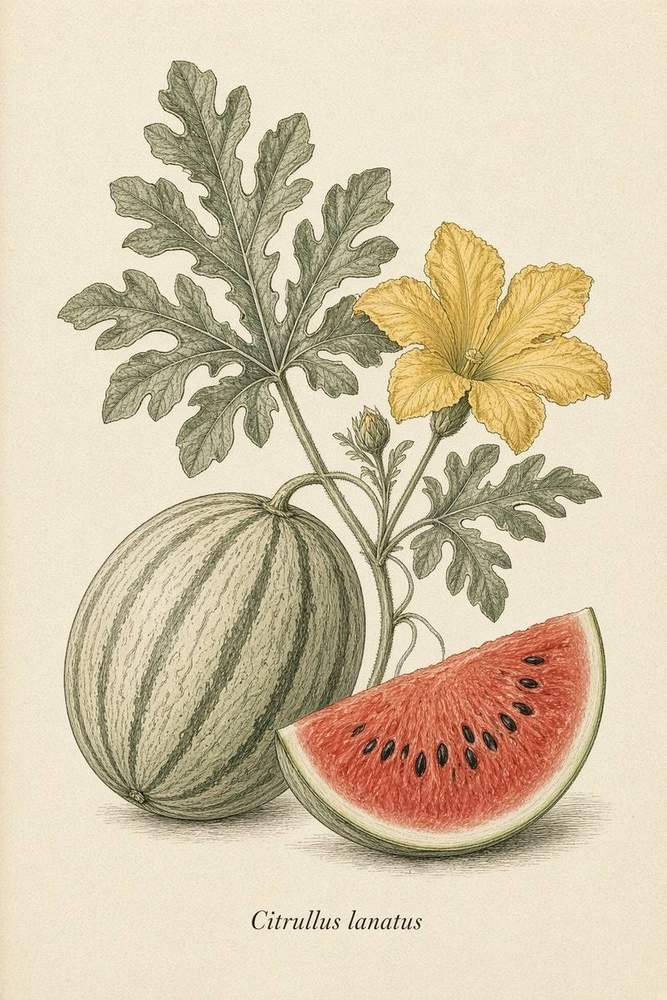
Watermelon
Citrullus lanatus
An African melon that is mostly water and a summer argument about who gets the heart.
fatigue
1/1LegalGentle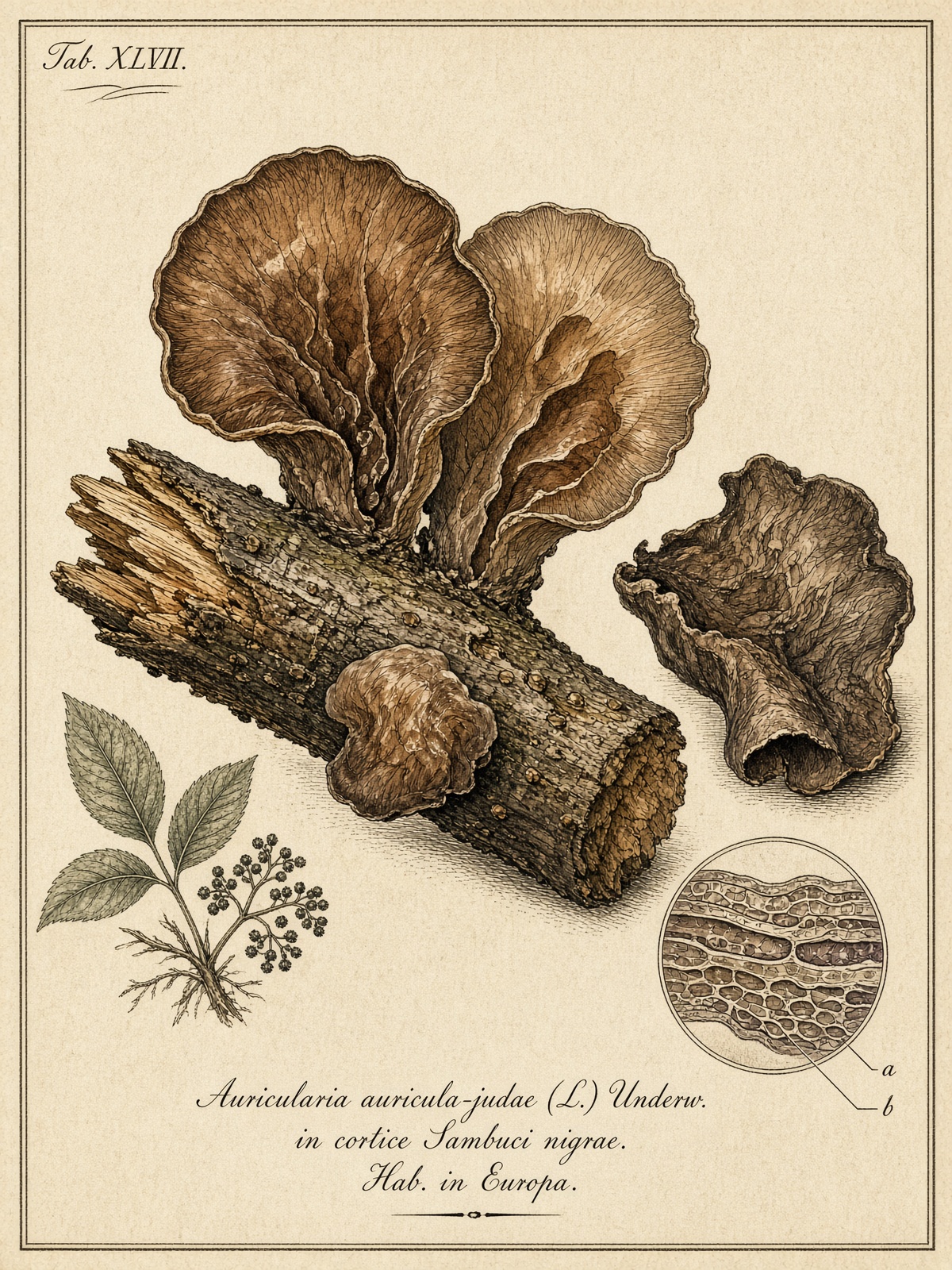
Wood ear
Auricularia auricula-judae
A rubbery ear on elder wood — crunch in soup, and a traditional blood-moving food in Chinese cooking.
fatigue
1/1LegalGentle
Teas for the same symptoms
Medicinal teas
Five-flavor berry kettle
A sour tonic after a long week — fatigue and a dry, tickly cough in one puckering cup.
fatigue
Hibiscus cooler
A tart, ruby cold-weather or summer cup — pleasant, not a blood-pressure drug.
fatigue
Reishi evening decoction
A bitter wood cup for a long recovery, not a fever rescue.
fatigue
Rosehip winter
A tart, vitamin-C-leaning red tea from frost-softened hips.
fatigue
Spring nettle pot
A mineral green tea from young tops — food-like, not a miracle cleanse.
fatigue
Tulsi afternoon
A pepper-clove adaptogen cup for a frayed, foggy middle of the day.
fatigue
Household protocols
Natural remedies
Lion’s mane and tulsi week
Food-like mushroom and holy basil for a foggy week — not a deadline drug.
Dose: Adult: a culinary portion of lion’s mane (about a cup cooked) several times a week. Tulsi: one 8 oz cup in the afternoon. Rosemary: kitchen leaf, not the bottle of oil.
Safety: Mushroom allergy · Essential oil of rosemary internally
Milk-thistle and dandelion bitter
A short bitter course after a heavy season — not a hangover cheat code.
Dose: Adult: 1 tsp (about 3–5 g) ground milk-thistle seed daily with food. Dandelion root: 1 tsp dried decoction, once before a meal. Two to four weeks, then stop.
Safety: Bile-duct obstruction · Jaundice — that is a work-up
Milky oat and linden
A mineral, food-like nervine when the week has been long and the sleep is thin.
Dose: Adult: 1 handful (about 1–2 tbsp) oatstraw per 12 oz, once daily. Linden: 1 tbsp evening. Skullcap: 1 tsp, not a quart.
Safety: Oat allergy · Uncertified oats in celiac disease
Pine-needle winter cup
A bright, resinous trail tea from a named Pinus — not yew, not unknown evergreens.
Dose: Adult: a small handful (about 1 tbsp chopped) per 8 oz, one cup. Not a daily quart. Not any evergreen you cannot name to genus.
Safety: Yew, oleander, or any unnamed evergreen · Pregnancy in large pine-needle amounts (some species are traditional abortifacients — this is a named Pinus, a small cup, not a protocol)
Rosehip after frost
A tart winter cup from unsprayed hips — vitamin folklore in a strained tea.
Dose: Adult: 1 tbsp dried hips per 10 oz, once a day in winter. Strain well — the hairs itch a throat.
Safety: Uncleaned hips (itchy hairs) · Sprayed ornamental roses
Winter mushroom pot
Immune-modulating culinary and tonic fungi as broth through the dark months.
Dose: Adult: one 8–12 oz mug of the strained decoction, 3–5 days a week in winter, or a weekly pot used over two days. Culinary garlic in the same soup.
Safety: Transplant immunosuppression (reishi, turkey tail extracts) · Unidentified wild polypores