Maize, bean, squash
Three Sisters mound
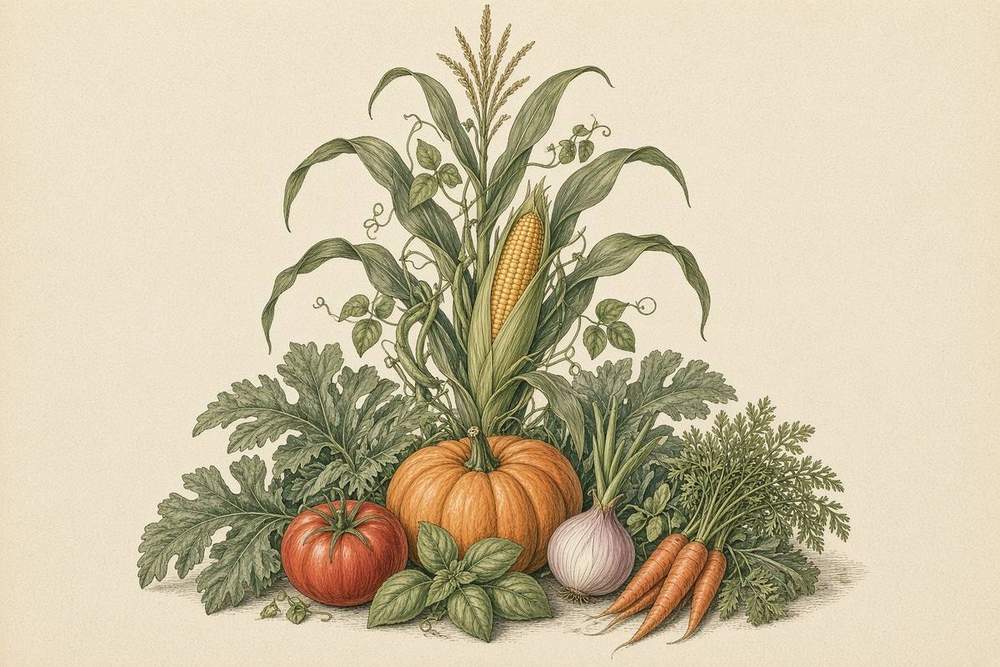
This is agriculture, not a rumor. Corn is the pole. Bean climbs and feeds the soil. Squash leaves shade the weeds and hold the rain.
Mound the soil. Plant corn first. When it is a hand high, sow beans at the base and squash on the skirt of the mound. Give the vine room to run.
A crowded mound in a wet year still gets mildew. One mound well fed beats a tangle.
Nightshade kitchen
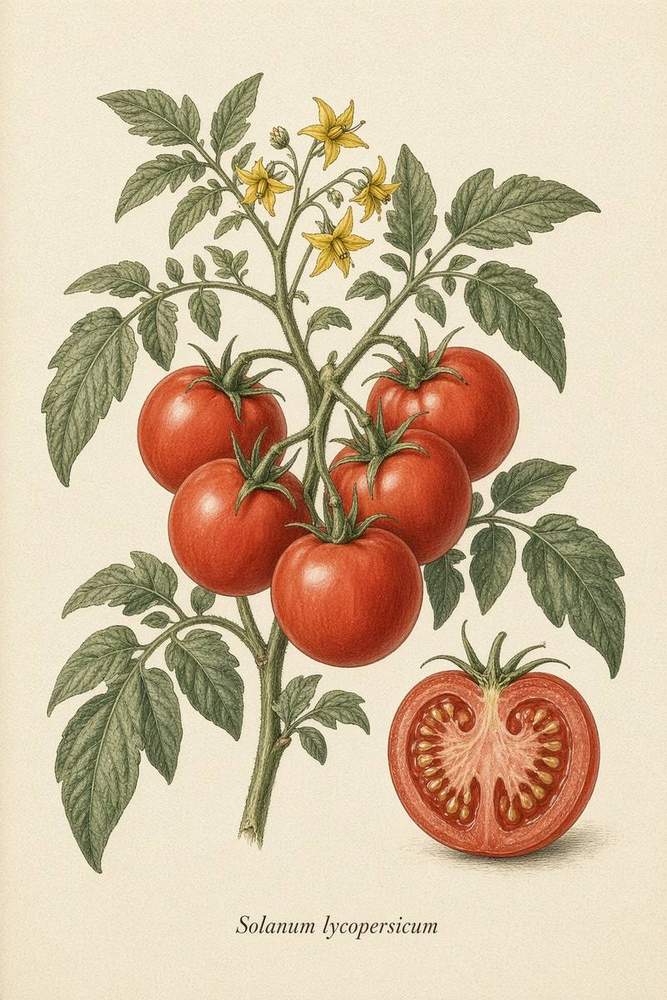
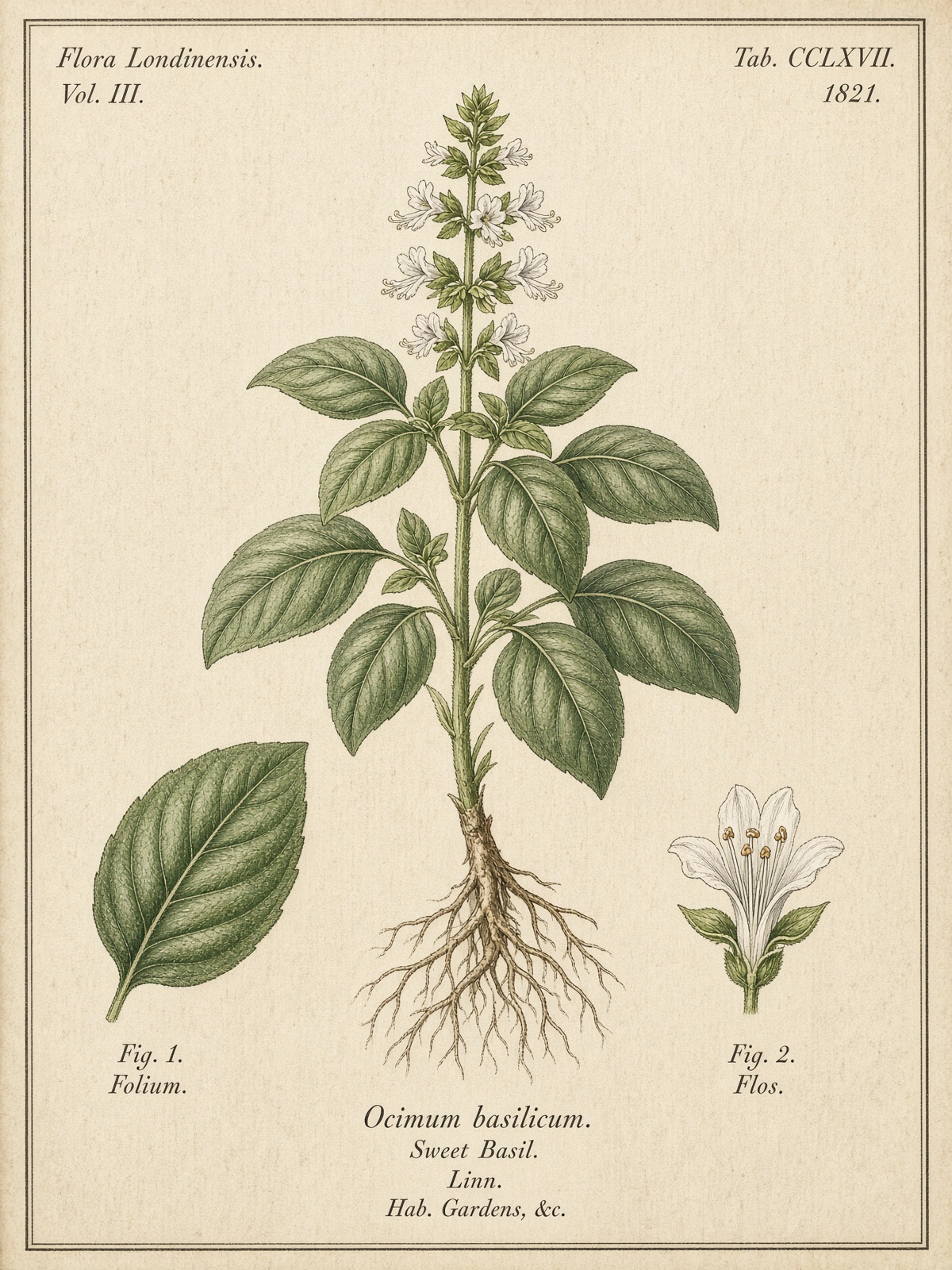
Tomato and basil bed
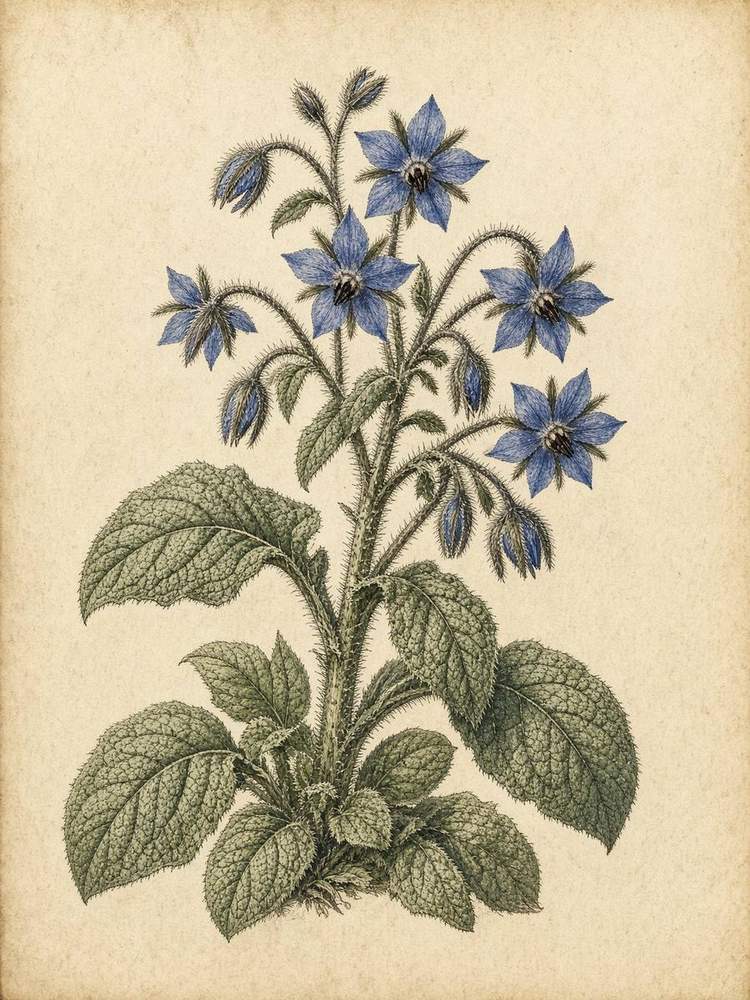
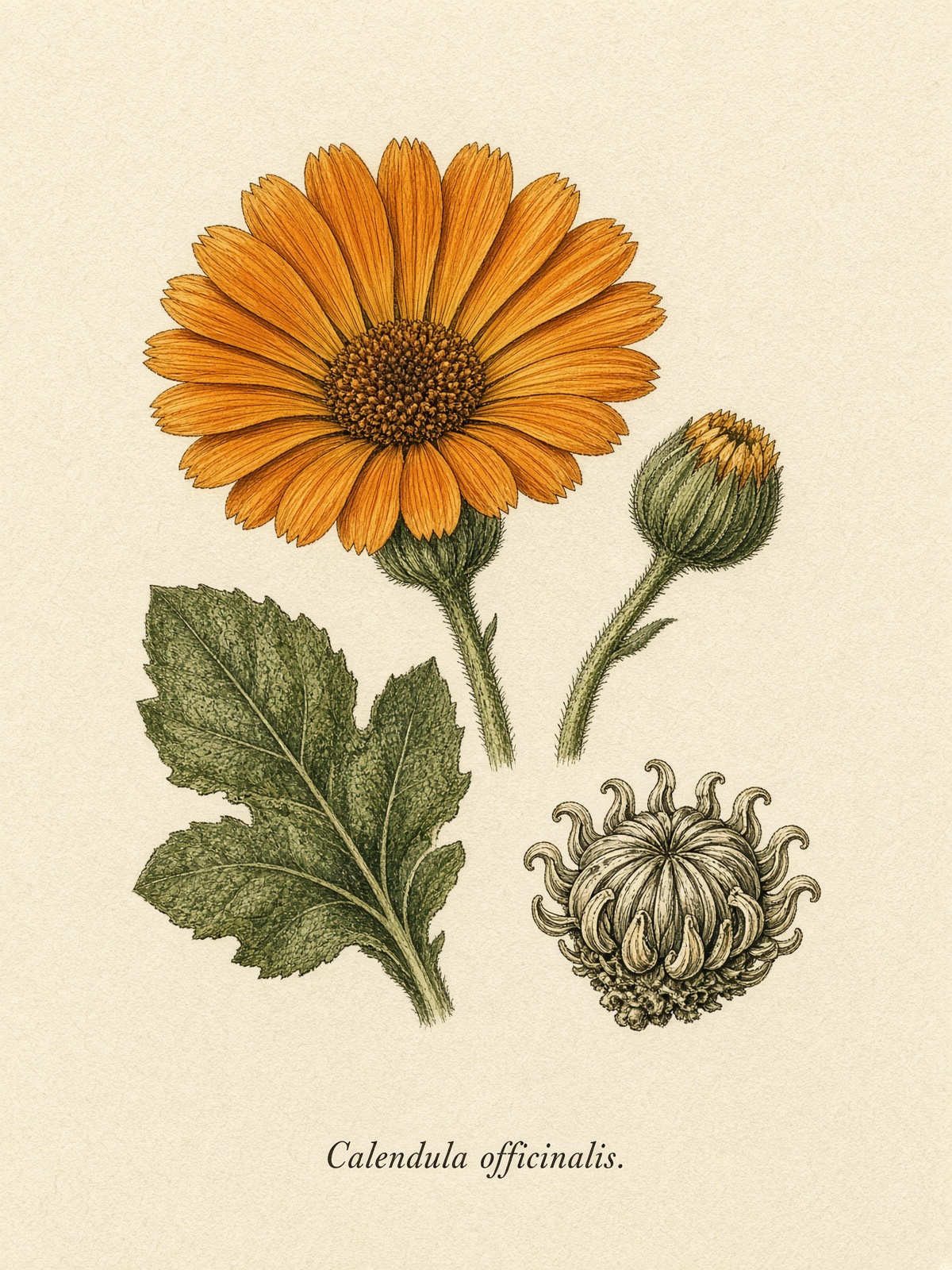
Basil and tomato are the classic kitchen pair. Garlic, calendula, and French marigold are the pest story: scent, hoverflies, and the nematode folklore. Borage draws bees to a plant that needs them.
Cage the tomato. Tuck basil and parsley at the drip line. A ring of garlic or Tagetes at the edge. Water the soil, not the leaf.
Do not put potato in this bed. They share blight and the same hornworm.
Cabbage family
Brassica guard
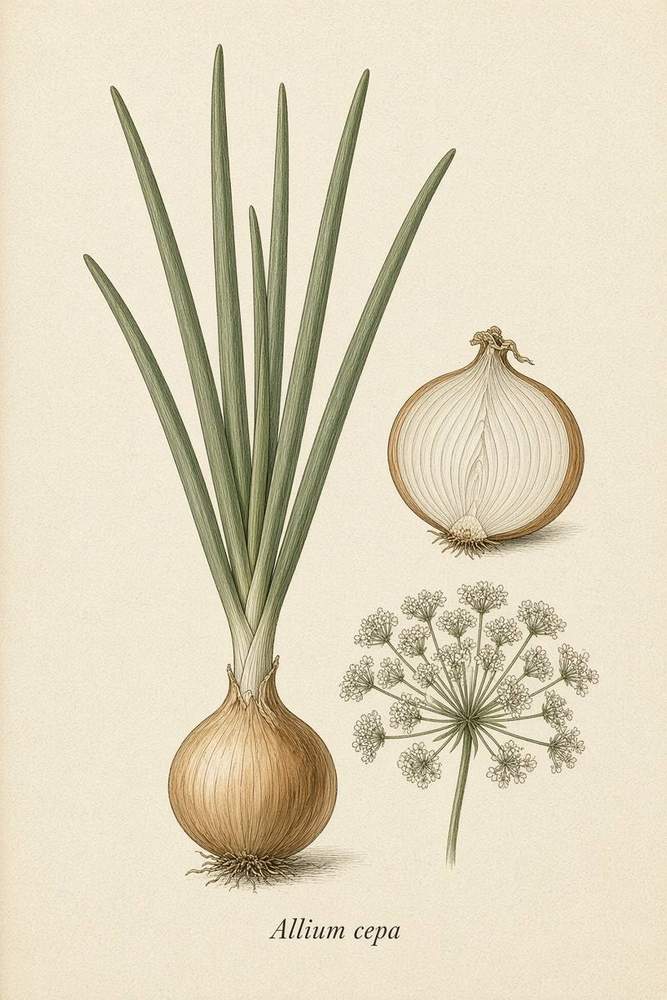
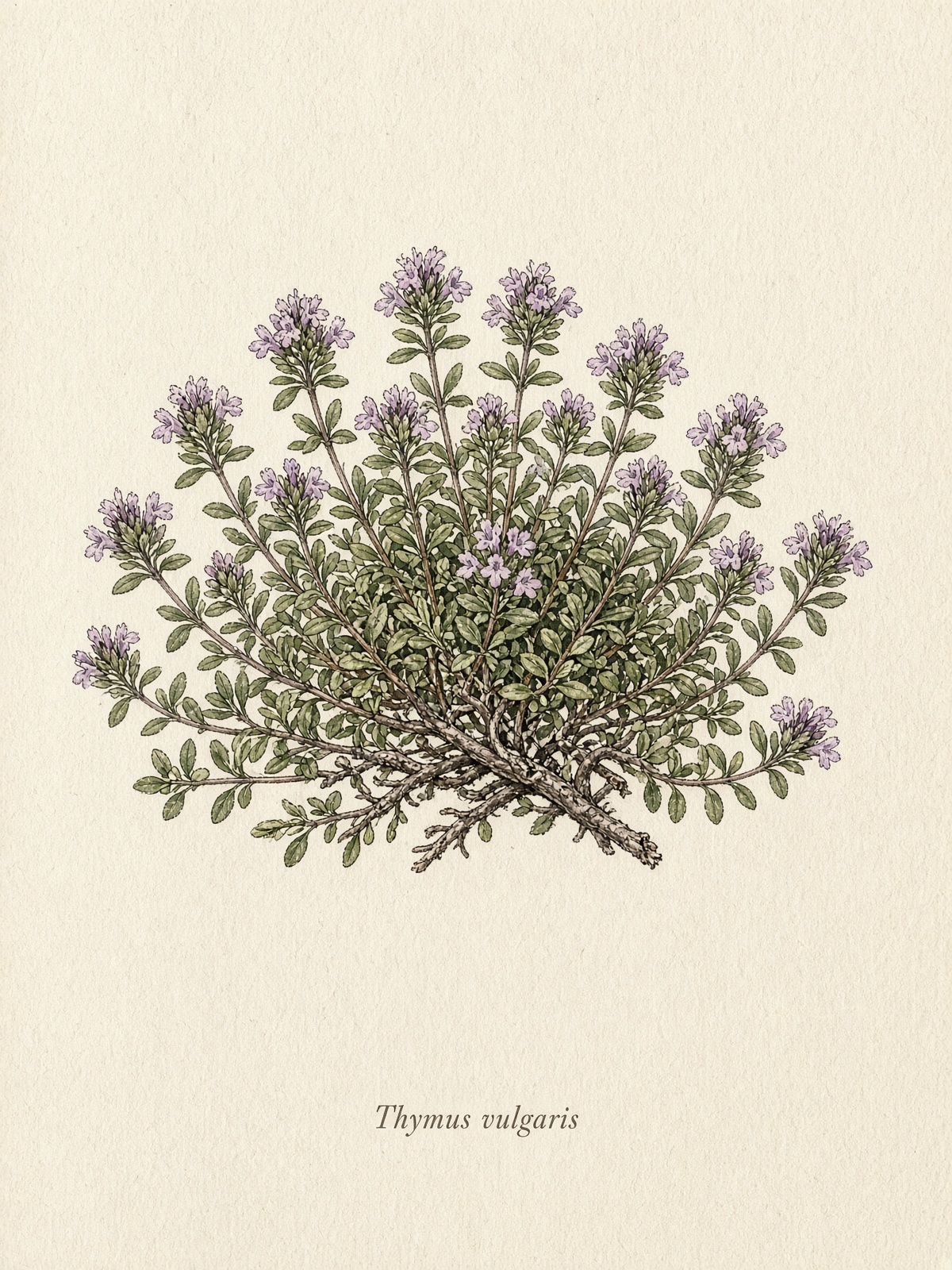
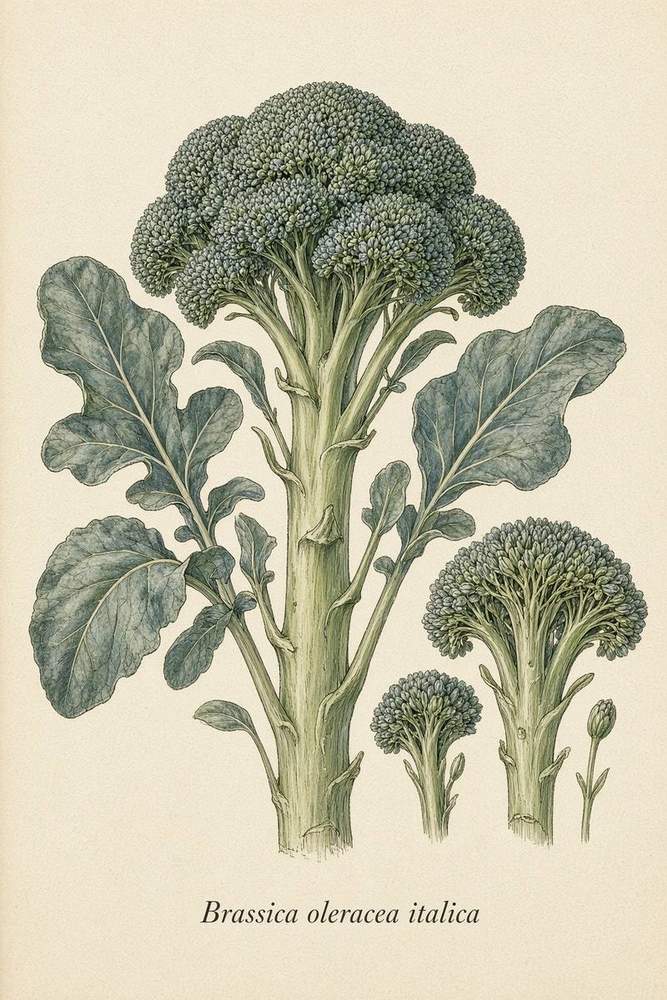
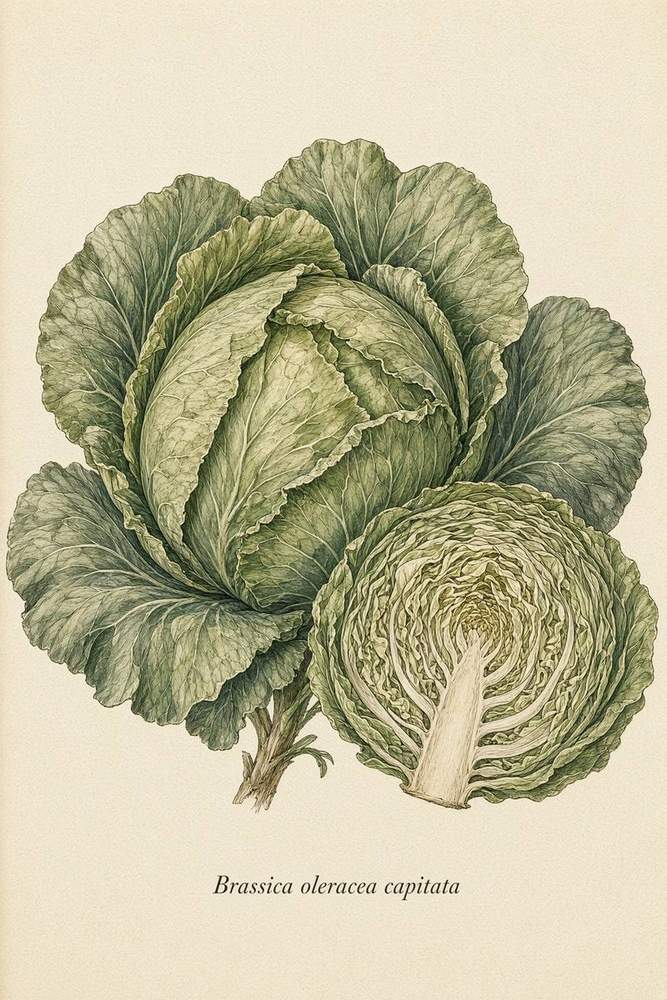
Cabbage moth and flea beetle hunt by sight and scent. Dill and thyme confuse the moth. Onion is a second scent. Nasturtium is the trap crop you can afford to lose.
Plant the brassicas in a block. Ring them with onion. Sow dill and nasturtium as a loose edge, not a second jungle.
Keep strawberries out of this block. Brassicas and berry compete for the same cool season.
Root fly
Carrot and onion row
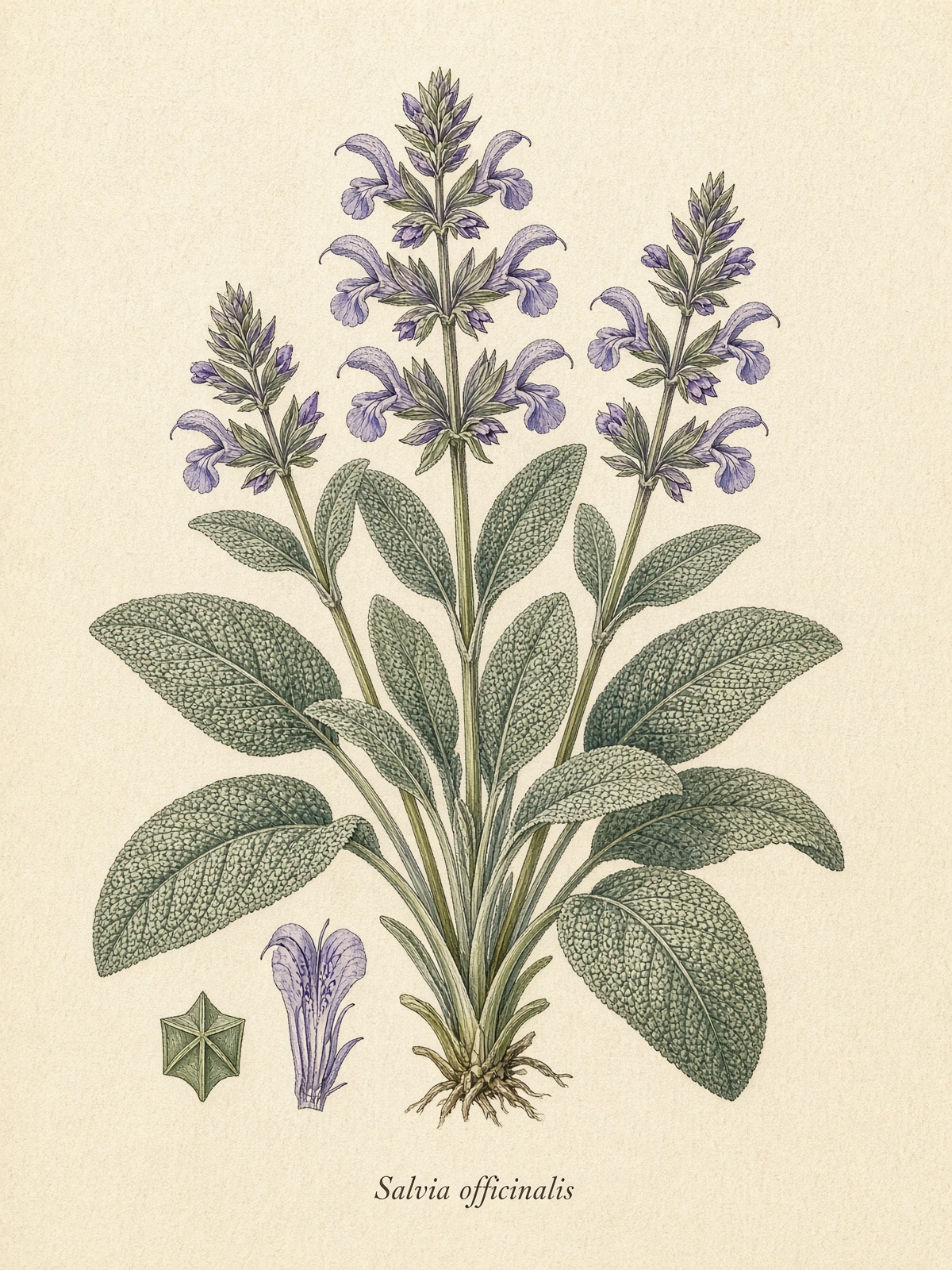
The fly that wants carrot is confused by allium scent. Rosemary and sage are the same idea in a drier row. This is one of the pairs with a real pest story.
Alternate a row of carrot with a row of onion or chives. A sage or rosemary bush at the end of the bed is enough.
Do not sow pea or bean in the onion row. Alliums and legumes are a cold handshake.
Vine and umbel
Cucumber and dill
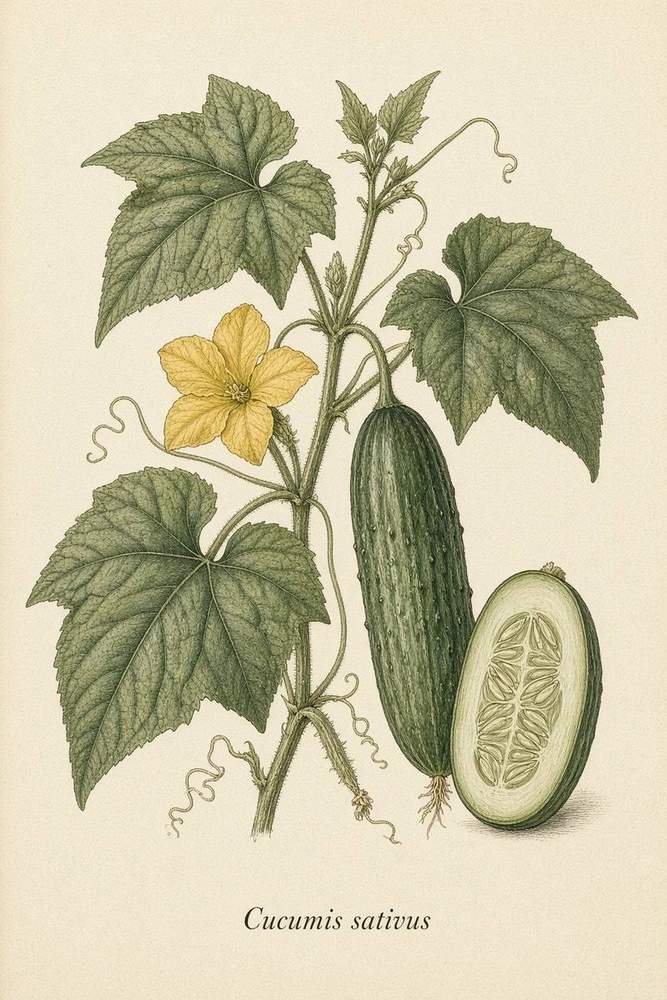
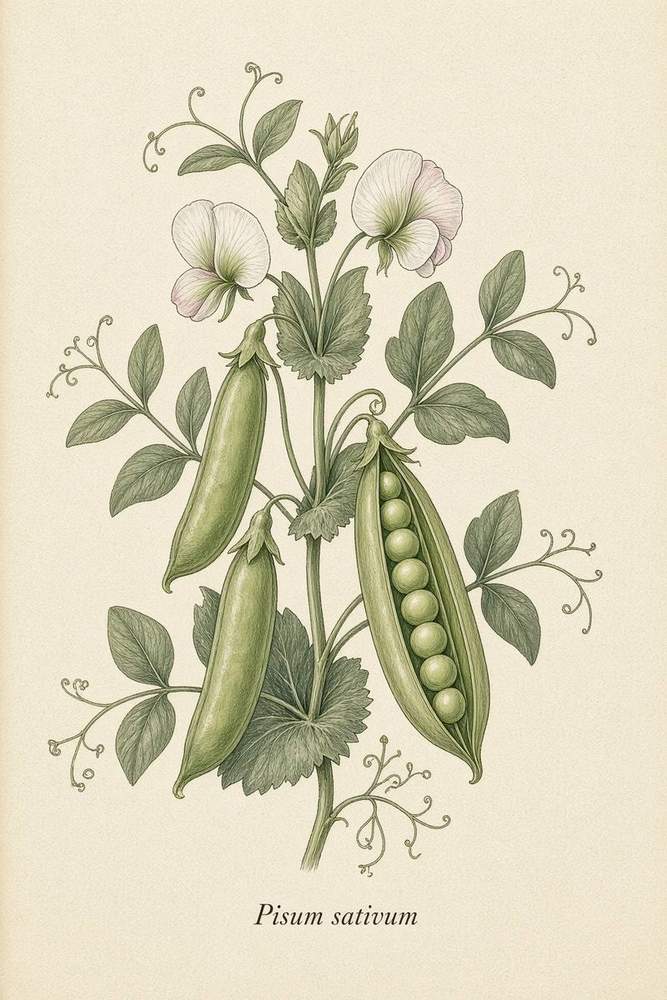
Dill flowers feed the wasps that hunt cucumber beetle. Nasturtium is a trap. Pea is an early neighbor that is gone before the vine owns the bed.
Trellis the cucumber. Sow dill at the base. Nasturtium as a skirt. Pea on the same trellis in spring, then cut it away.
Potato and sage do not belong with cucumber. The first shares wilt; the second is a sour folklore neighbor.
Zucchini and pumpkin
Squash mound
A squash leaf is a weed blanket. Corn gives afternoon shade in a hot July. Nasturtium pulls beetle attention off the vine.
Hills, not a grid. Two or three seeds a hill. Corn on the north side so it does not steal the morning sun.
Keep potato out. Vine crops and potato trade wilt and a crowded humid tent.
Berry edge
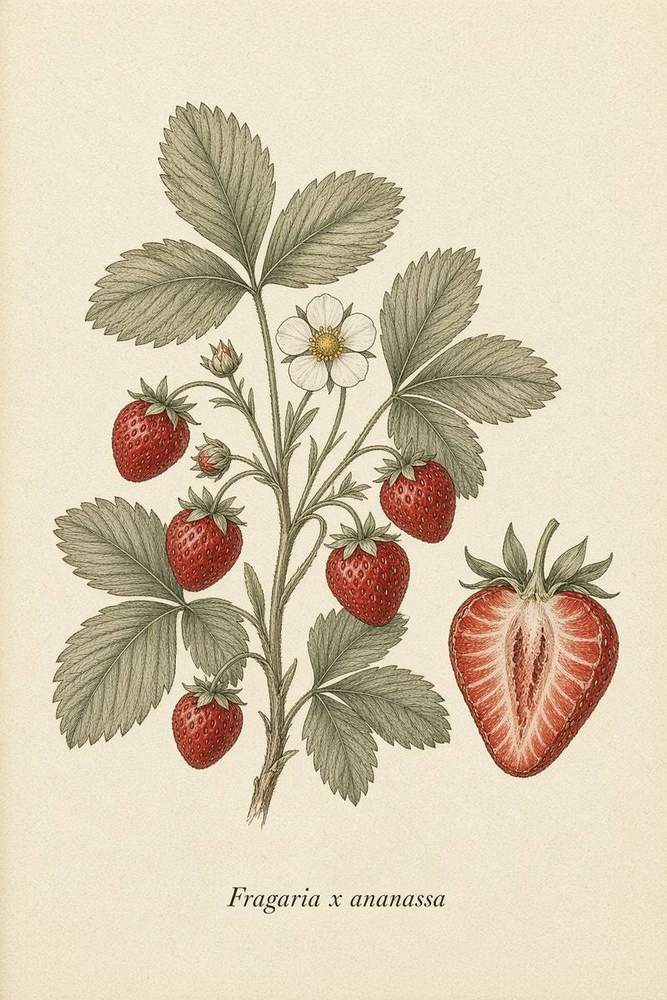
Strawberry border
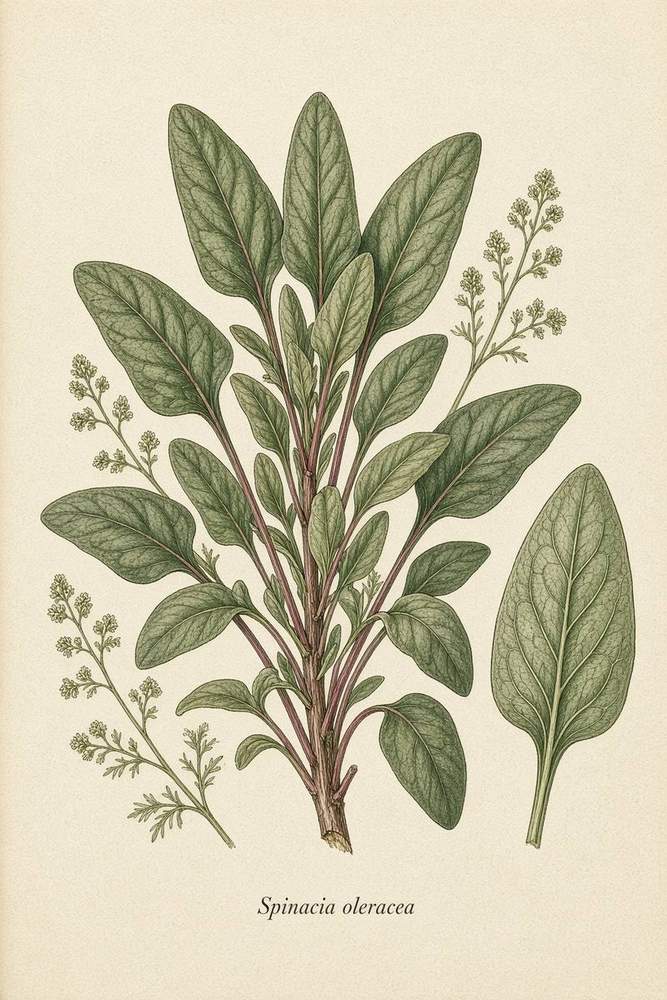
Borage is the bee magnet for a short-season berry. Spinach is a spring filler between the crowns. Garlic and thyme are the scent border.
Crowns in a row. Spinach in the gaps the first spring. Garlic and thyme as a permanent edge. Borage here and there — it self-sows if you let it.
Cabbage-family plants in the strawberry bed is an old warning. Give them another row.
Tuber row
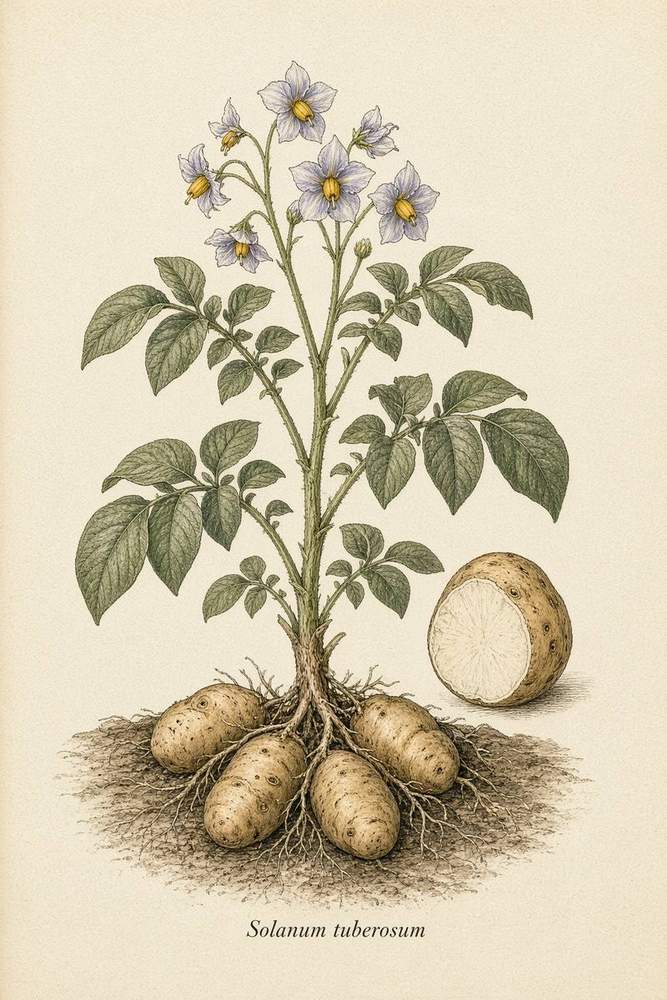
Potato and bean
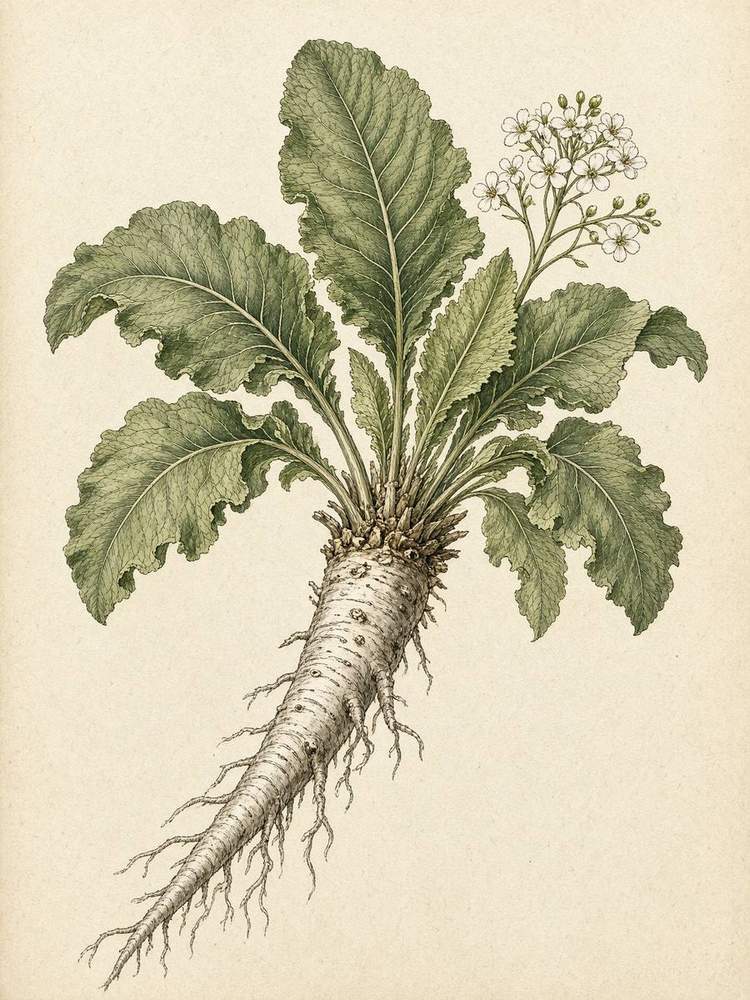
Bean is a nitrogen neighbor for a hungry tuber. Horseradish is the old corner plant against potato beetle. Calendula draws the hoverflies.
Trench the potato. Sow beans on the shoulder of the row once the tops are up. Horseradish at the corner of the plot, not in every hill — it stays.
Tomato, eggplant, and cucumber stay out. Nightshades share blight; cucumber shares wilt.
Heat bed
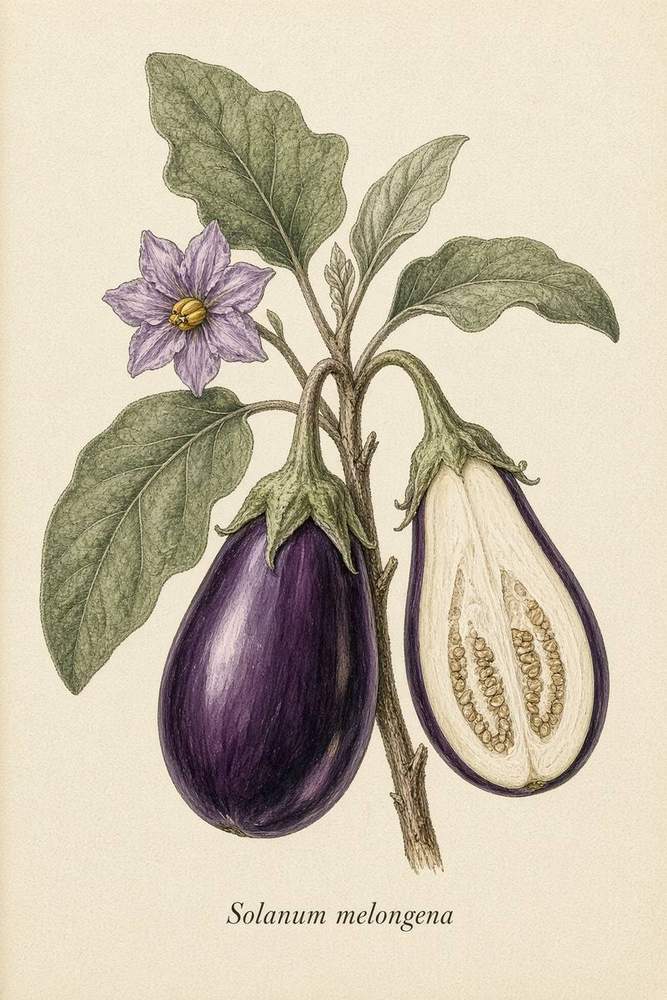
Eggplant and pepper
Eggplant and cayenne want the same heat. Basil and thyme are the kitchen understory and a scent screen.
Black mulch or a warm wall. Basil at the drip line. Thyme as a dry edge.
Potato and tomato in this bed make one buffet for beetle and blight.
Perennial ditch
Asparagus row
Parsley likes the shade of ferny asparagus tops after the spears are cut. Tomato is the old cottage pair — the fern is a living mulch by July.
A dedicated row that you do not till. Parsley along the edge. Tomato caged on the south side after spear season.
Alliums in the asparagus ditch are a poor match. Keep onion and garlic to another bed.
Legume row
Bean and savory
Summer savory is the old bean herb — in the pot and in the row. Rosemary is beetle folklore. Corn is the pole for a climbing bean.
Pole beans up corn or a fence. A line of savory in front. One rosemary bush is enough for a whole row.
No onion or garlic in the bean row. The allium–legume coldness is consistent across garden books.
Root pair
Beet and onion
Beet and onion share a bed without stealing each other’s shoulder room. Spinach is the early leaf in the same cool soil.
Onions as a grid. Beets in the gaps. Spinach first, then pull it as the roots swell.
Dry herbs
Mediterranean knot
These plants want the same poor, dry, bright ground. Together they are a knot garden: scent, bees, and a kitchen within arm’s reach.
Gritty soil, full sun, almost neglect. Do not put mint in this bed. Do not water like a tomato.
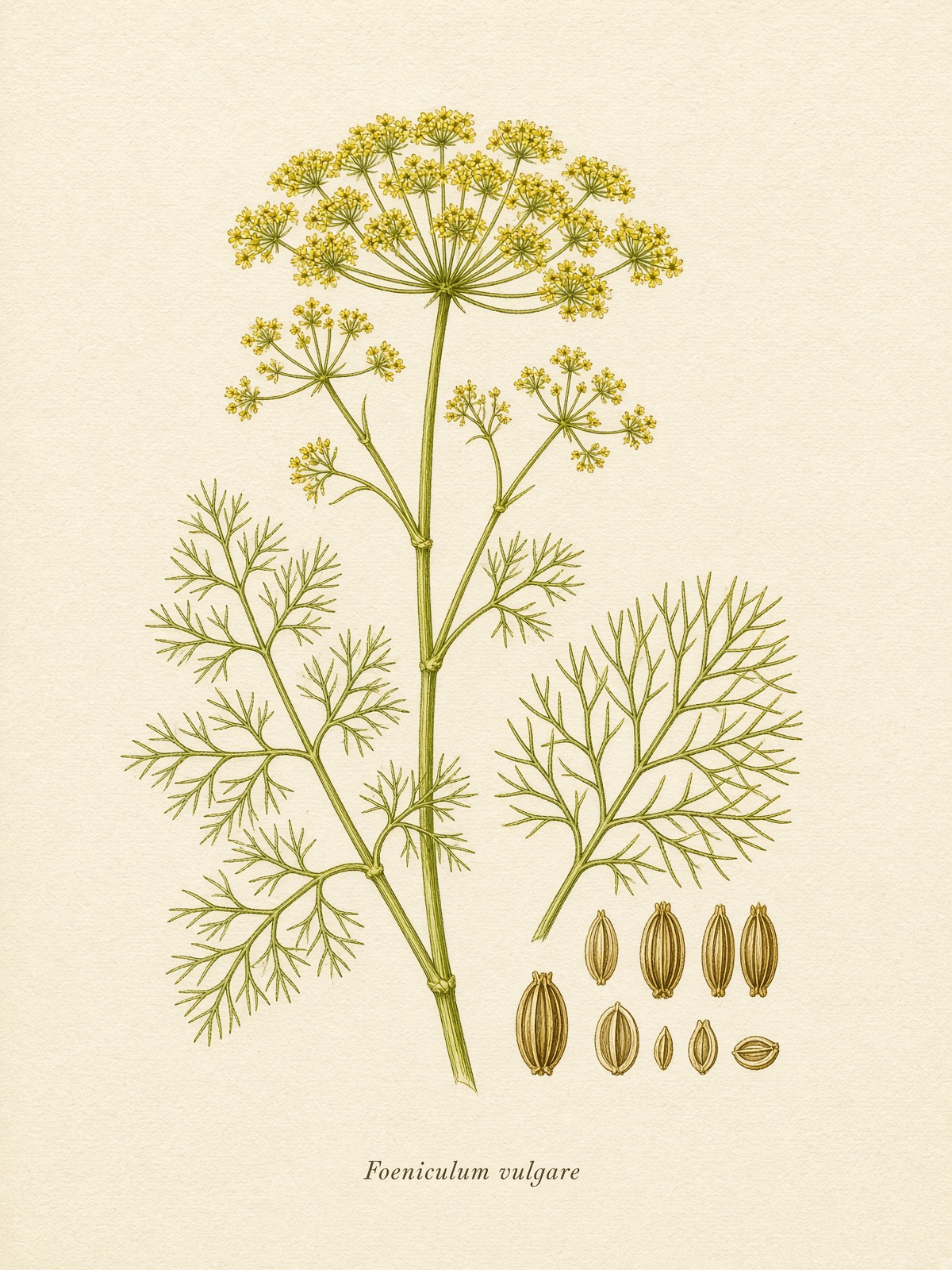
Fennel nearby sours many of these. Give fennel its own corner.
Containment
Mint island
Mint-family runners are good neighbors only if they cannot run. Together in pots they are a tea garden. In the ground they are the whole yard.
Each plant in its own pot, sunk to the rim if you want it to look planted. Bottomless buckets work. Harvest hard so they stay kind.
Never dump a mint pot into a vegetable row and hope. It will not stay put.
Tree understory
Apple guild
Chives and garlic are the old orchard alliums. Nasturtium is a trap at the drip line. Comfrey is chop-and-drop mulch. Yarrow is the insectary.
A ring, not a thicket. Comfrey on the north drip line — cut it for mulch two or three times. Alliums and nasturtium as a necklace. Keep the trunk clear.
This is a living mulch, not a vegetable bed under the tree. Do not till the roots.
Acid bed
Blueberry and pine
Blueberry wants acid leaf mold. Pine needles are the easy mulch. Yarrow at the edge draws the flies that hunt the worms.
Mulch with pine. Do not lime. Yarrow as a neighbor, not in the root ball.
Tomato and blueberry want opposite soil. They are a pretty pair and a bad marriage.
Shrub pair
Rose and garlic
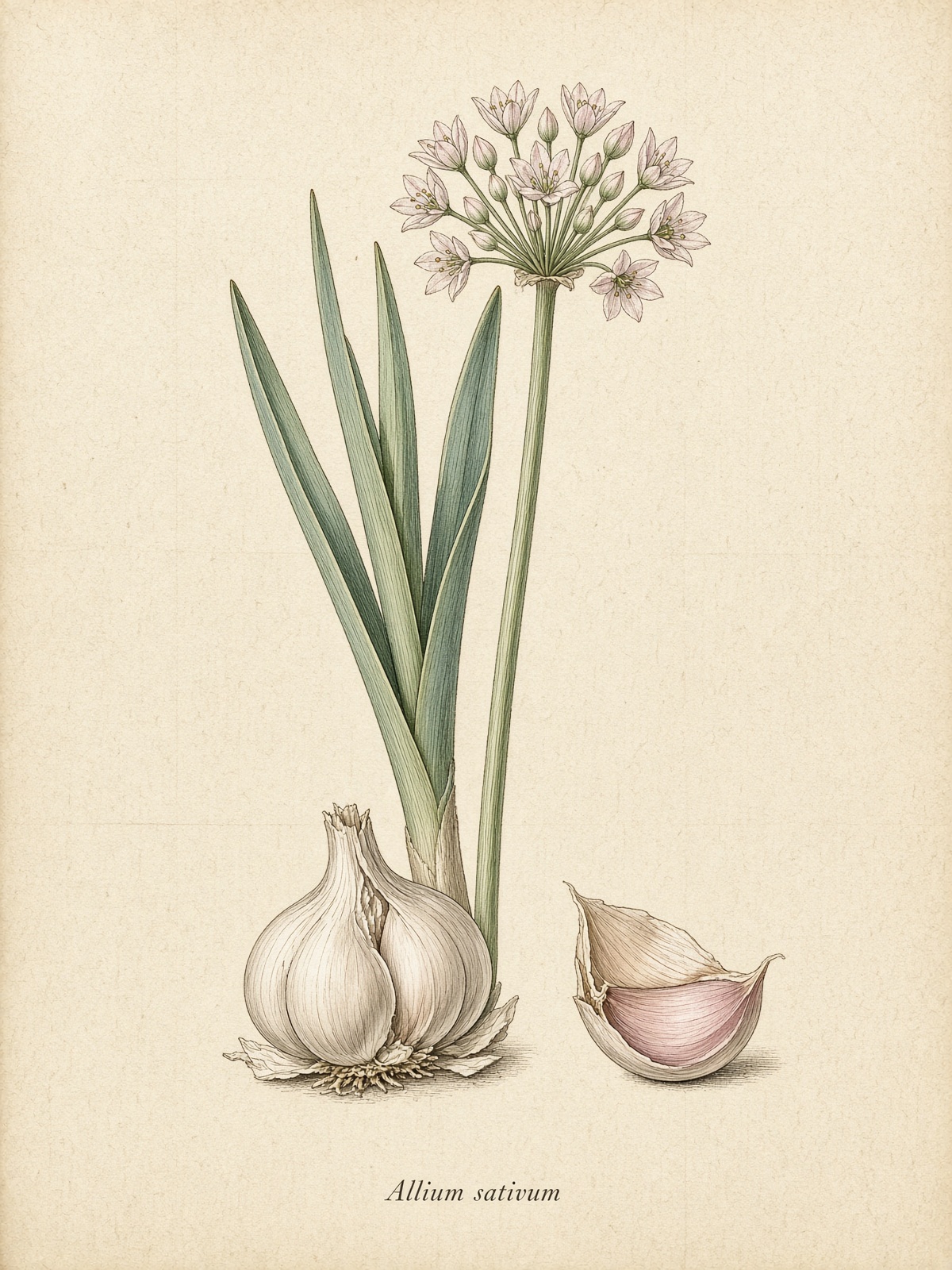
Garlic and chives around a rose is the oldest cottage pairing against aphid folklore. Parsley is a second understory.
A circle of chives at the drip line. Garlic in autumn. Parsley in the gaps.
Insectary
Pollinator strip
A bed that does no crop work except feed the insects that do. Hoverflies, bees, and the small wasps that hunt cabbageworm live here. Flowers from Part V belong in this strip on purpose.
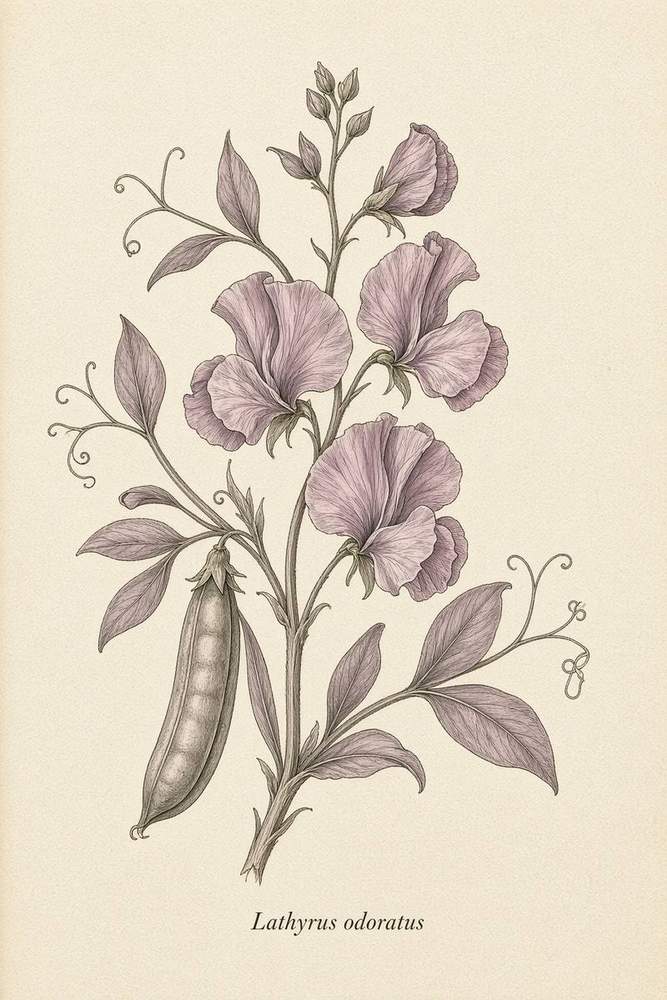
A long edge in full sun. Let something be in flower from May to frost. Cut yarrow after the first flush. Keep sweet pea off this strip — it is scent, not food, and not a vegetable-pea neighbor.
Tagetes edge
Marigold ring
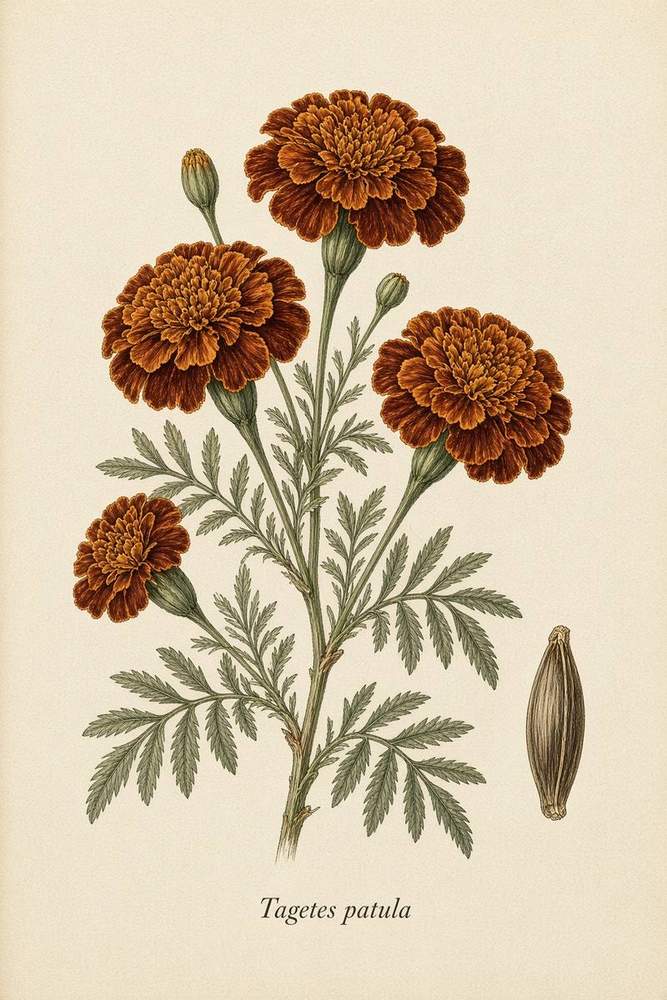
French marigold (Tagetes, not calendula) is the classic nematode-and-whitefly folklore ring. Even if that paper trail is mixed, the bloom feeds hoverflies and the scent marks the bed.
A ring at the drip line, not a marigold monoculture. Deadhead. Do not use this plant in a calendula salve.
Calendula officinalis is the herbal pot marigold. Tagetes is this guild.
Scissors bed
Cut-flower row
A row that is harvested with scissors. The more you cut, the more it branches. Bees use the open types; tight doubles are a vase, not a diner.
Sun, lean-to-average dirt, a path you can walk with a bucket. Pinch zinnia once. Stake sunflower and dahlia. Sow snapdragon and cornflower cold; sow the heat-lovers after frost.
This is not a salad row. Eat petals only from plates marked edible, unsprayed.
Garnish row
Edible petal bed
Flowers you can name and eat. Cool-season faces with the first lettuce; nasturtium and borage take the heat; sunflower seed is the late crop.
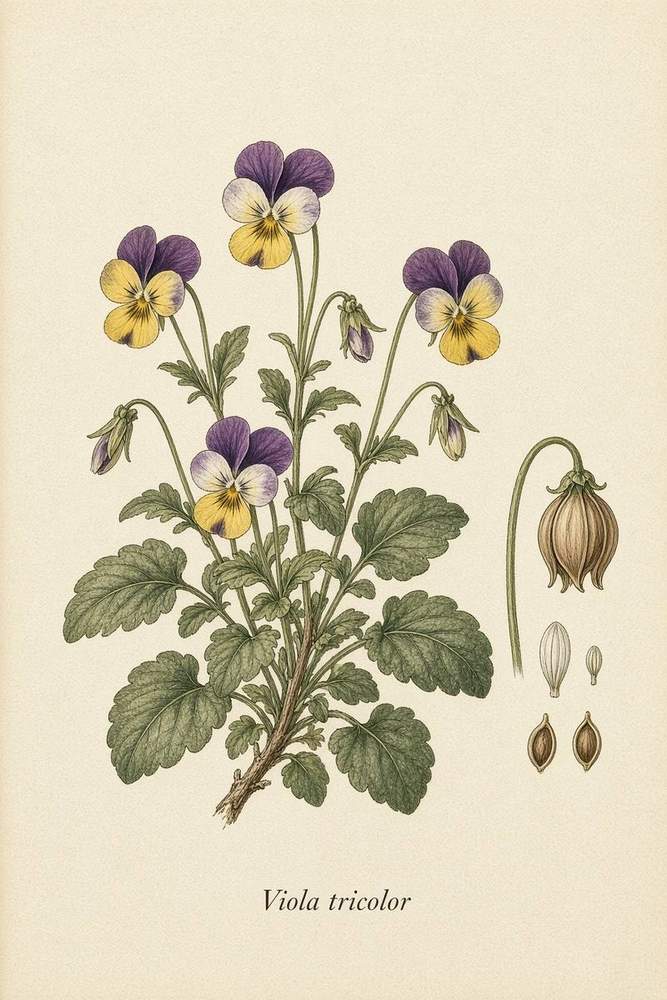
No spray. Pick in the morning. Pinch the bitter white heel from dianthus. Heartsease with spinach; violet under deciduous fruit.
Florist bunches are not food. Sweet pea is not in this guild — it is a perfume vine, not a pea.
Aphid patrol
Hoverfly skirt
Hoverfly adults need tiny flowers. Their larvae eat aphids. Alyssum is the living mulch; dill and yarrow are the towers.
A skirt under brassicas and a short strip along the tomato path. Shear alyssum after the first flush.
Perennial faces
Cottage wall
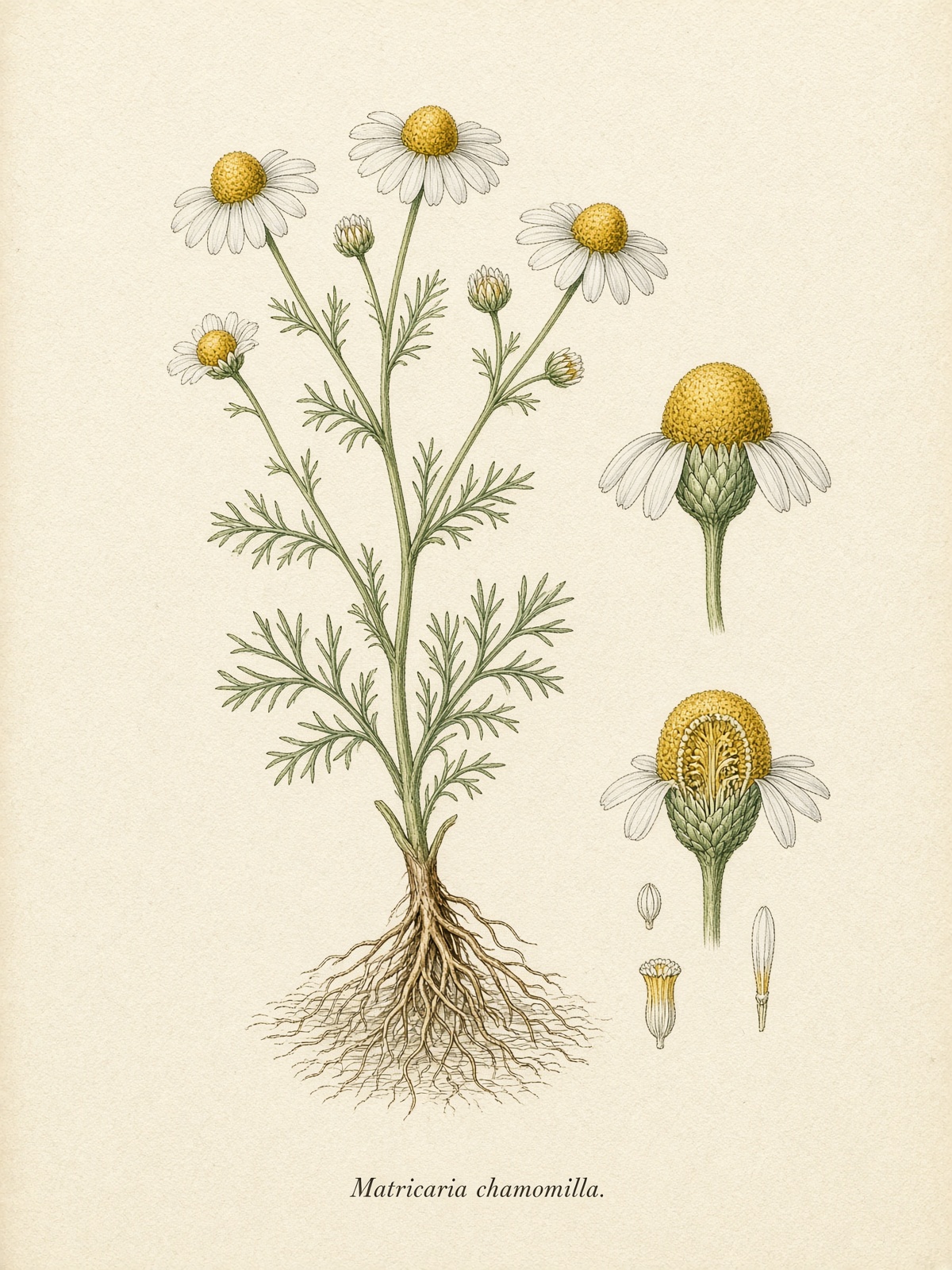
The long-lived face of a kitchen garden: a spire, a May clump, a shrub, a dry herb, a grey-green edge.
Hollyhock against the wall. Peony in rich ground, planted shallow, then left. Rose and garlic are the old pair — see that guild. Dianthus on the grit lip.
Peony root is not a home tea. Petals only, unsprayed.
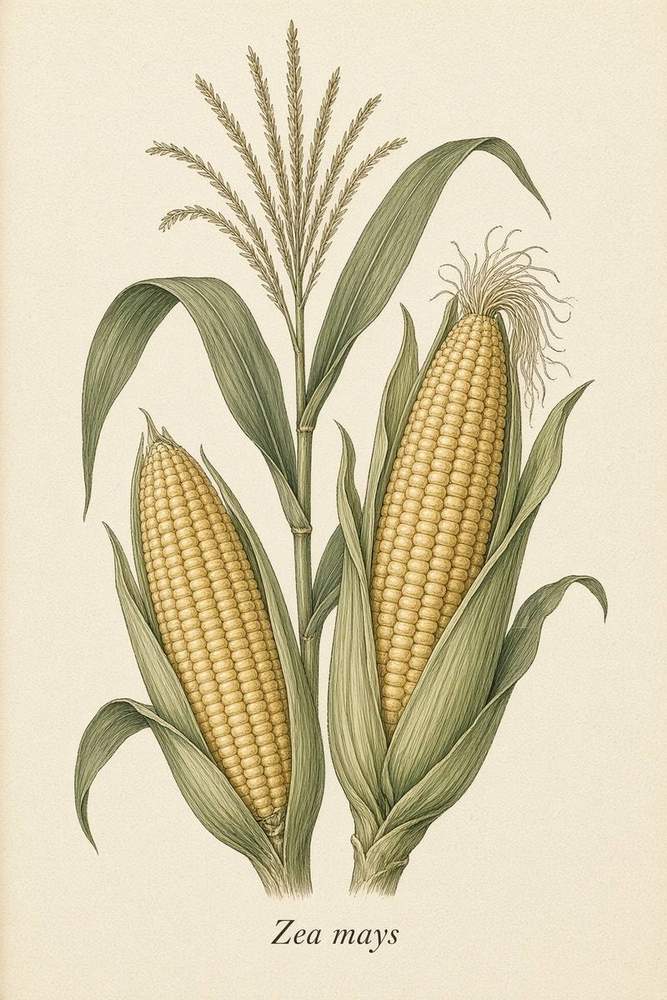 Corn
Corn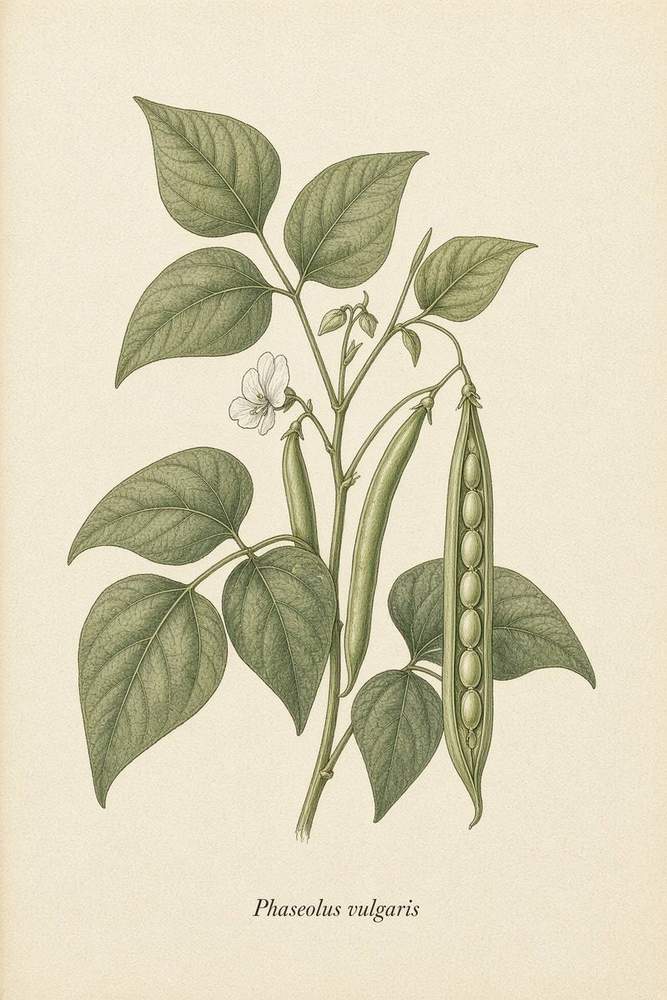 Green bean
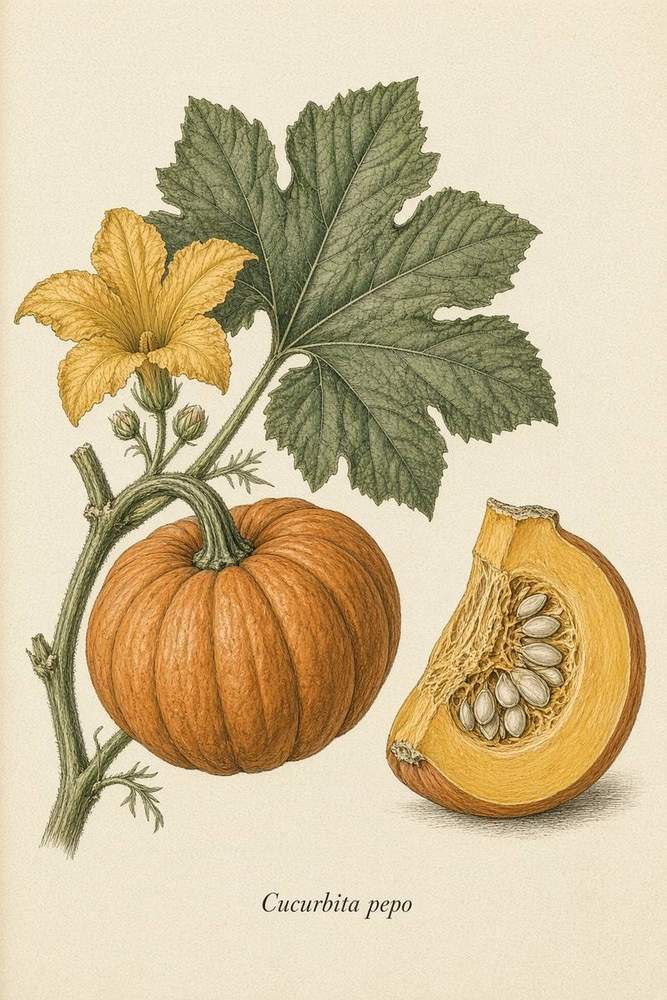 Pumpkin
 Tomato
 Sweet basil
 Calendula
 French marigold
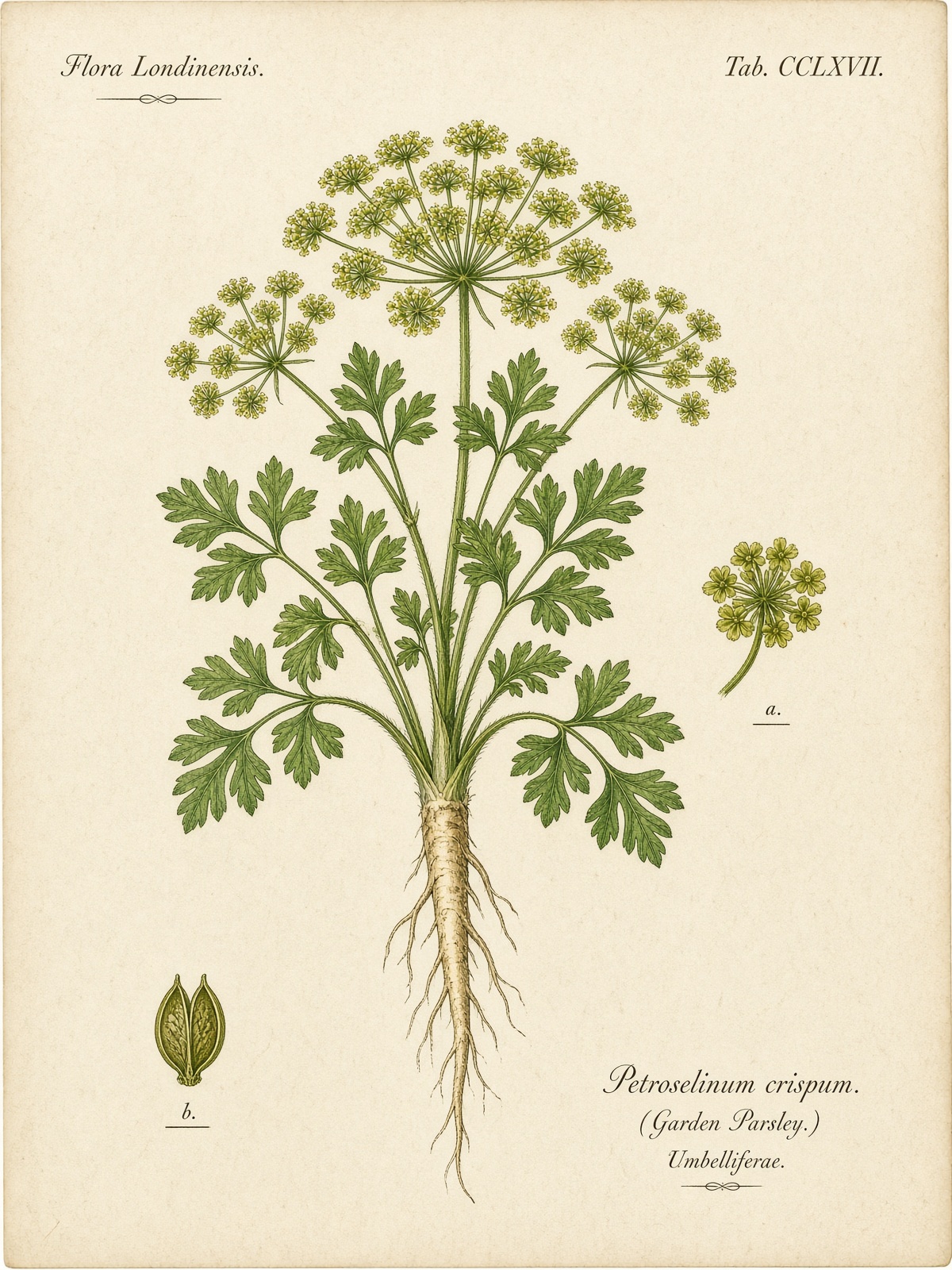 Parsley
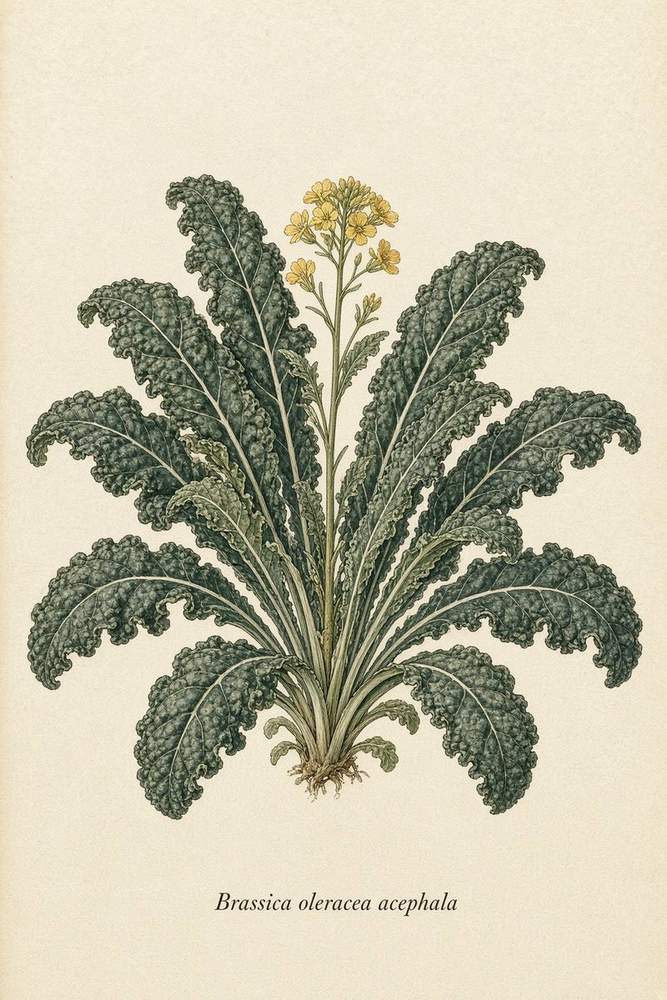 Kale
Kale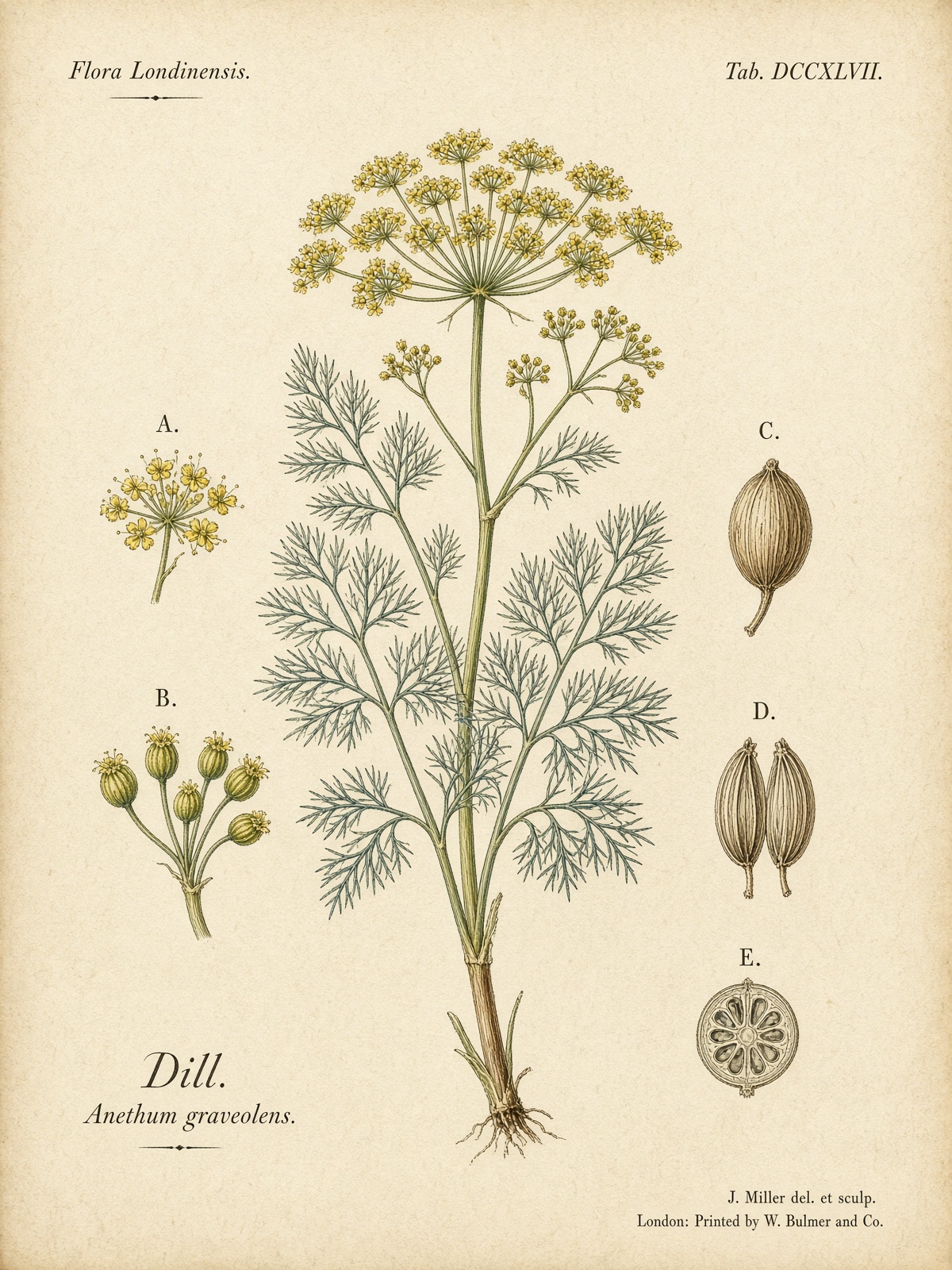 Dill
Dill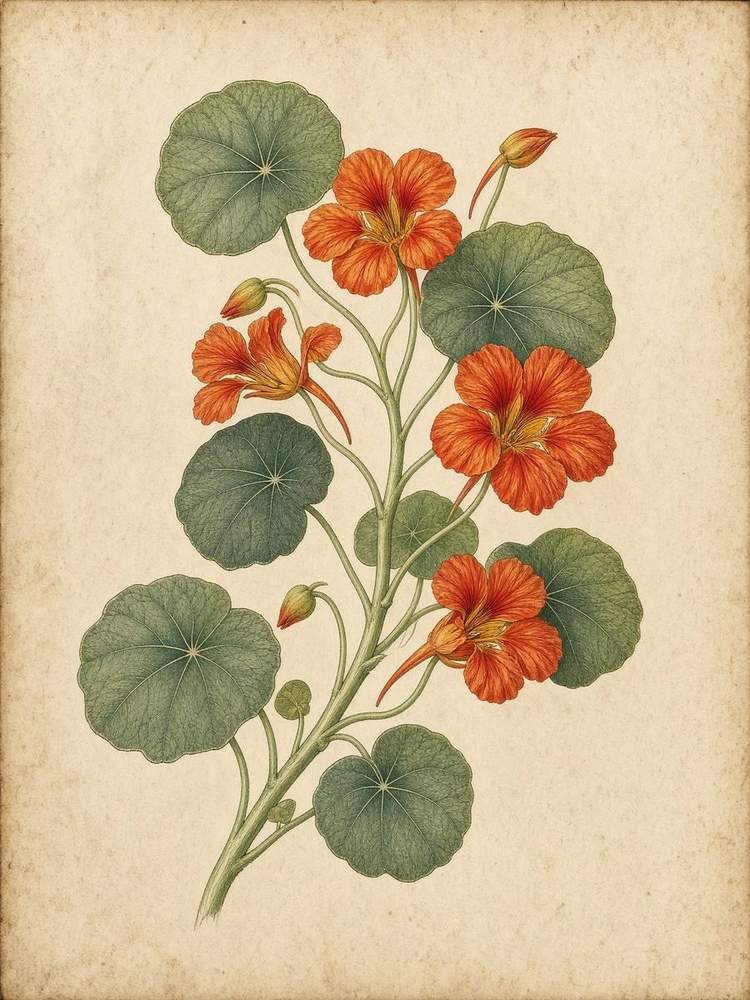 Nasturtium
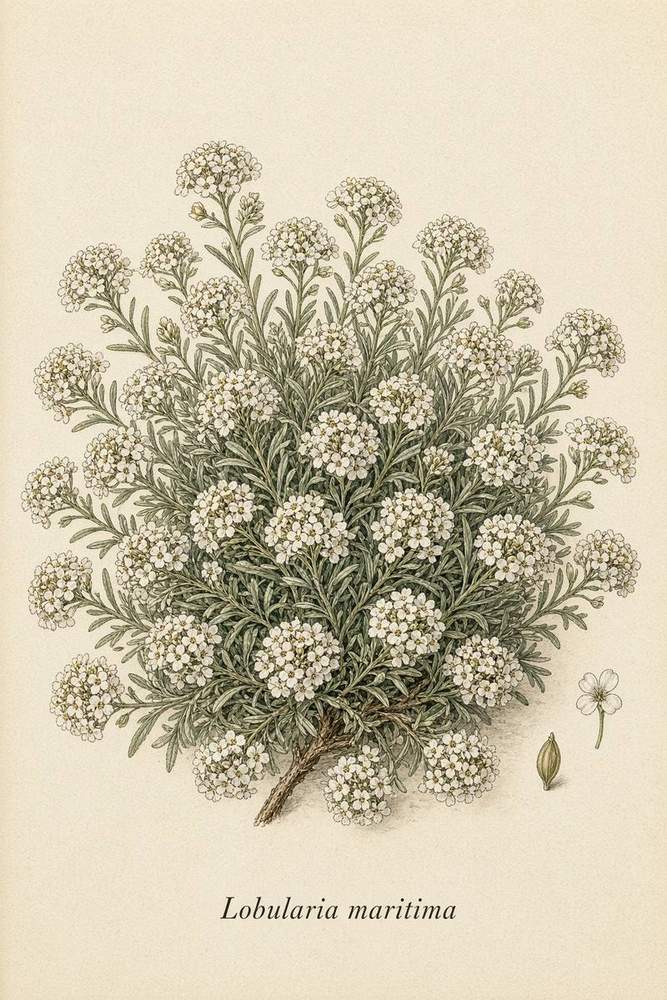 Sweet alyssum
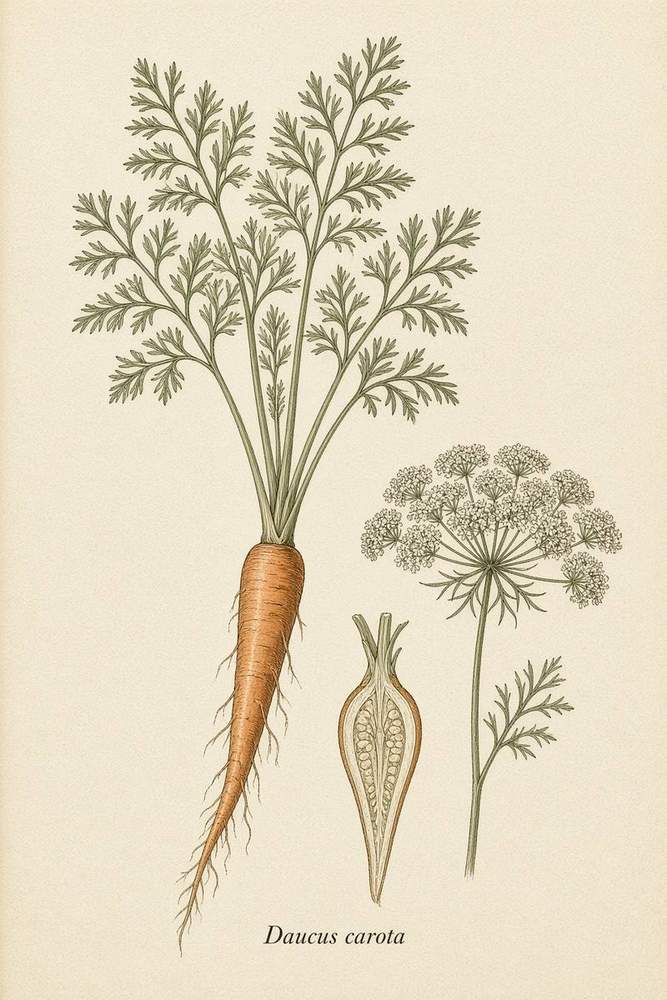 Carrot
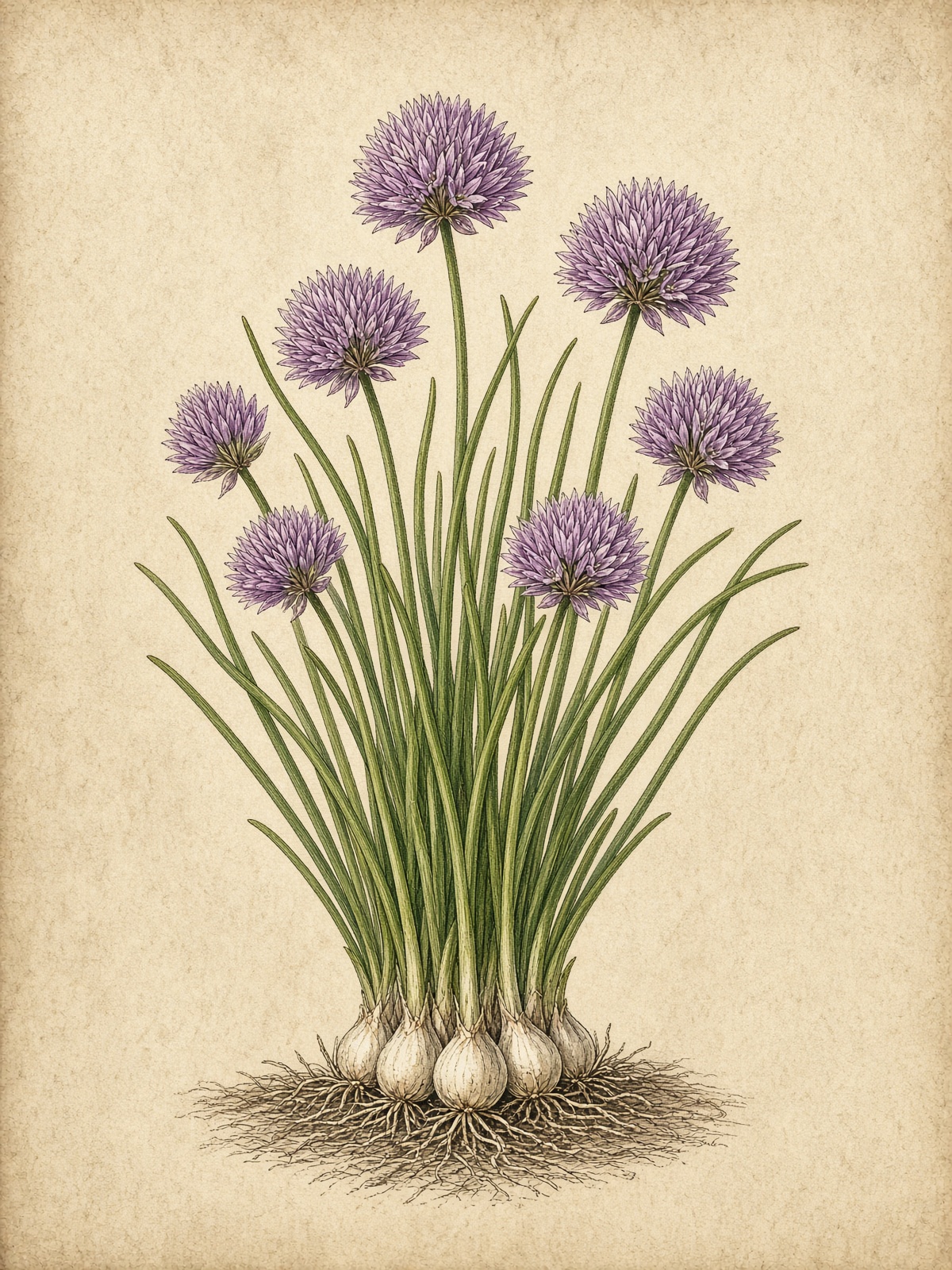 Chives
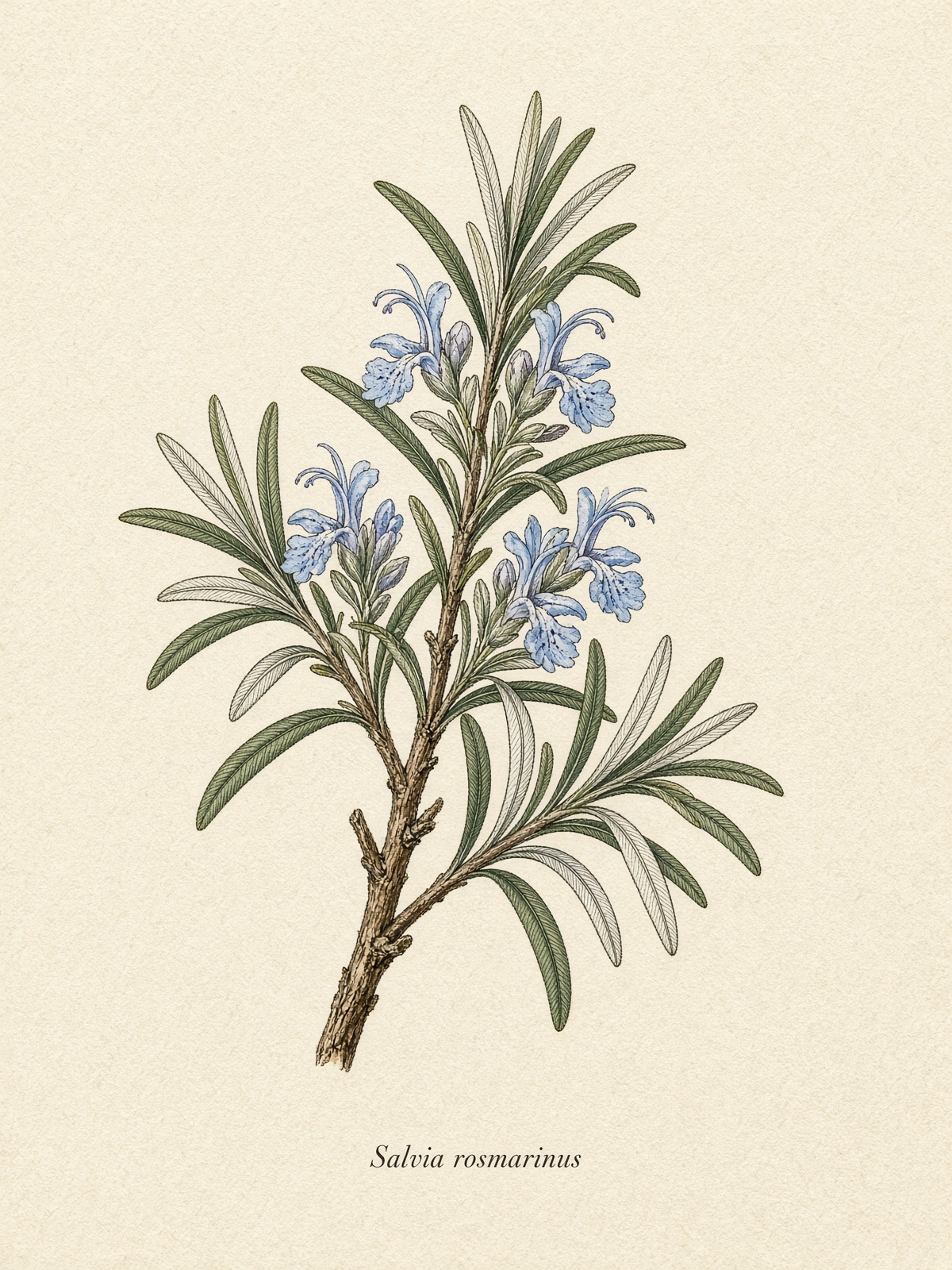 Rosemary
 Garden sage
 Cucumber
 Pea
Pea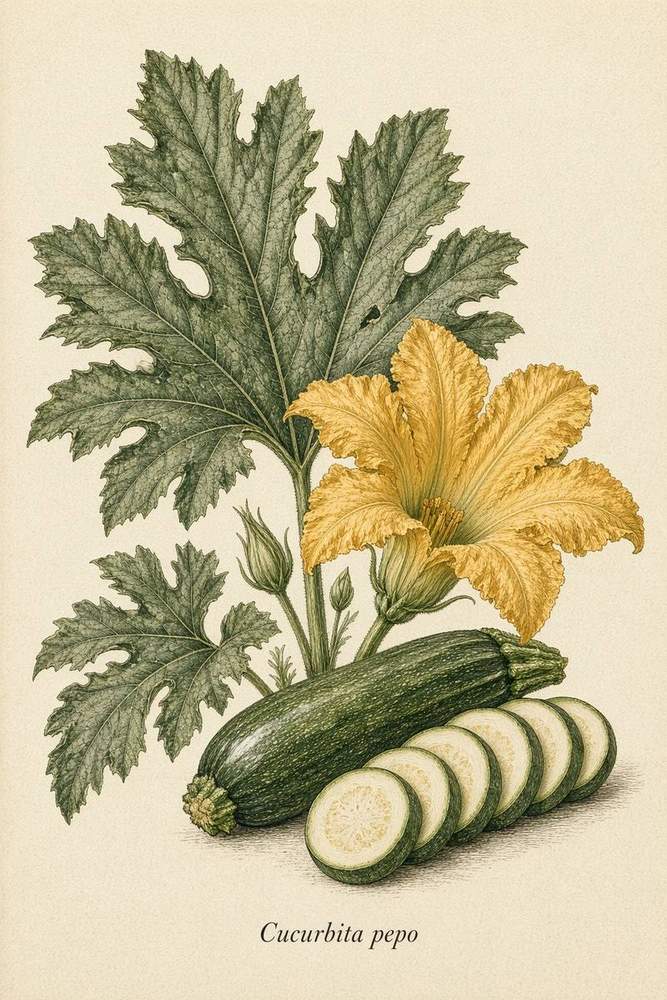 Zucchini
 Strawberry
 Potato
 Horseradish
 Eggplant
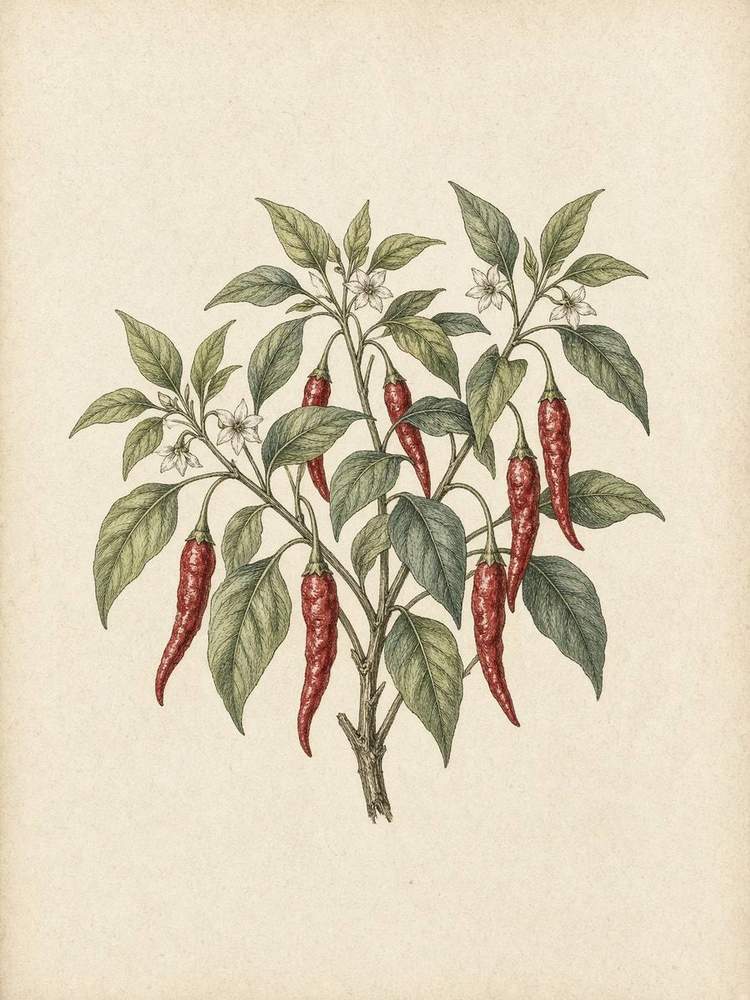 Cayenne
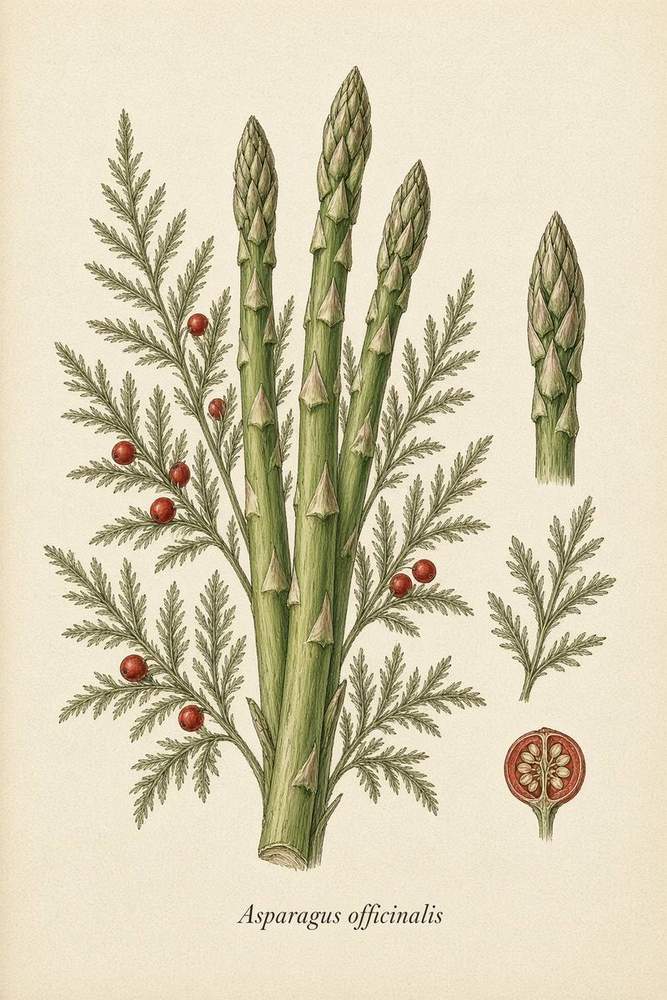 Asparagus
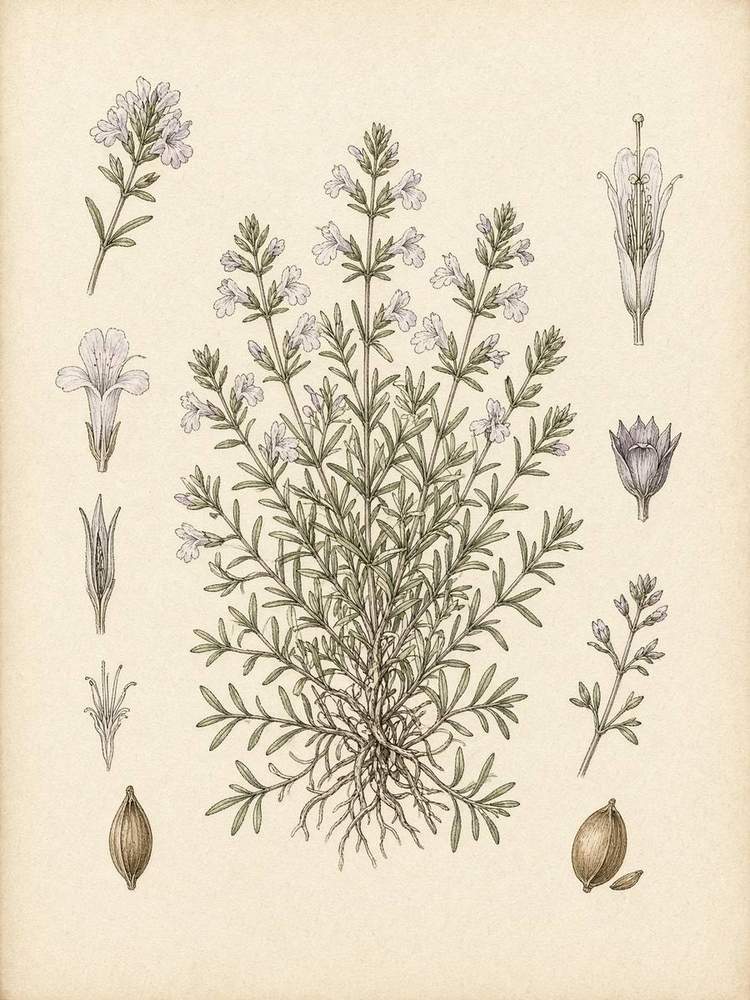 Summer savory
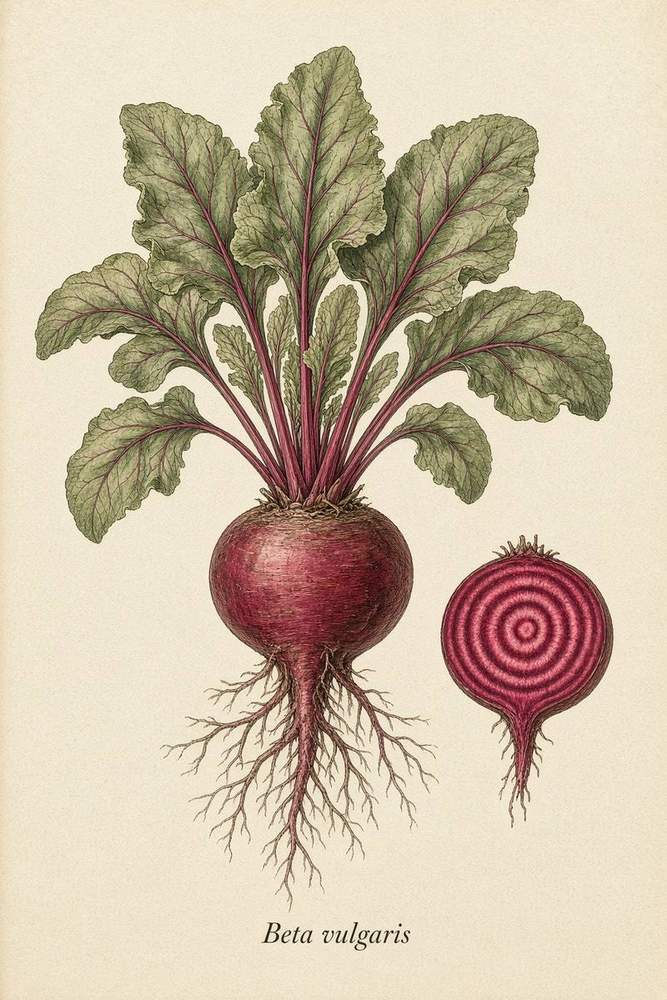 Beet
Beet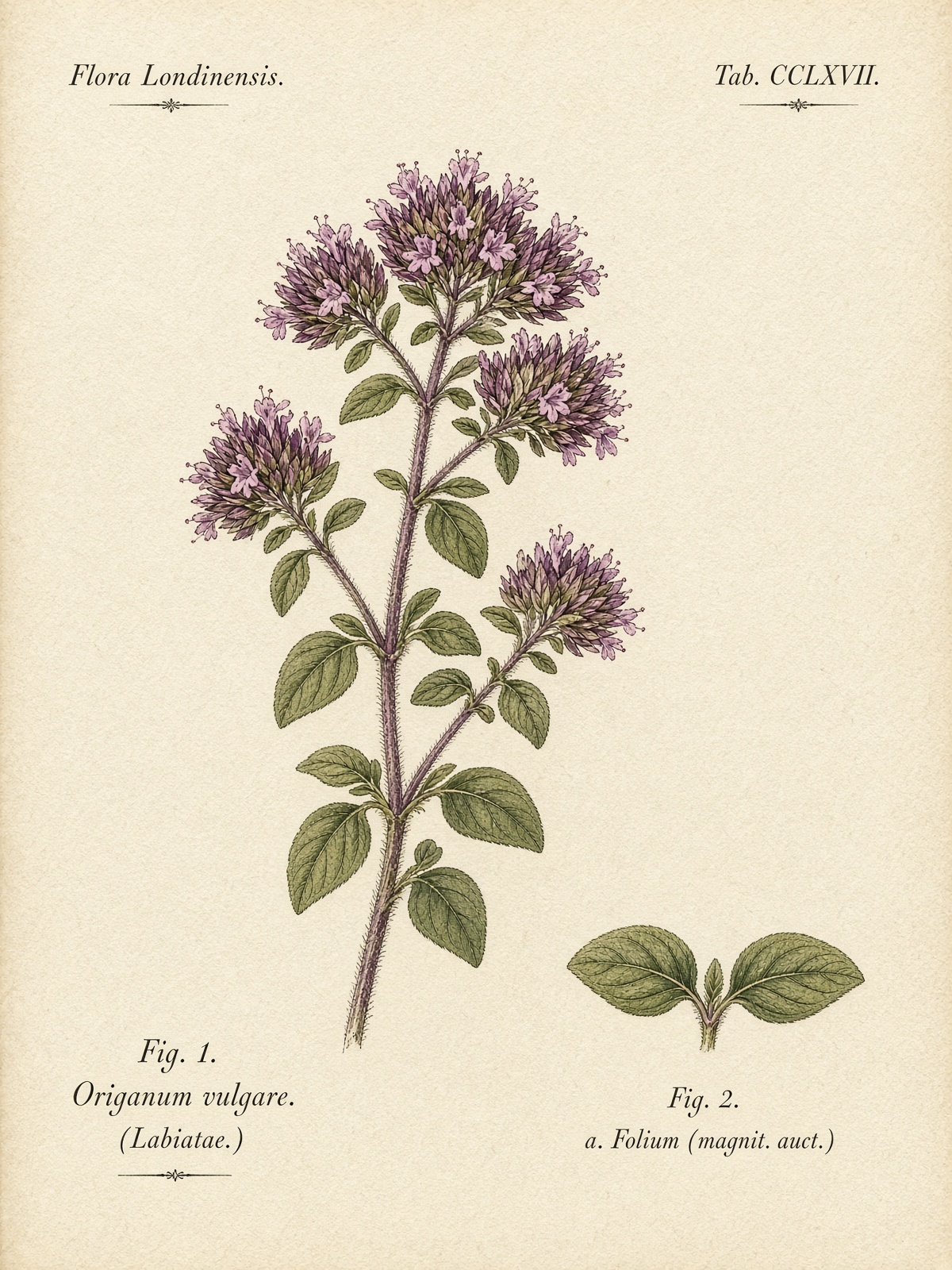 Oregano
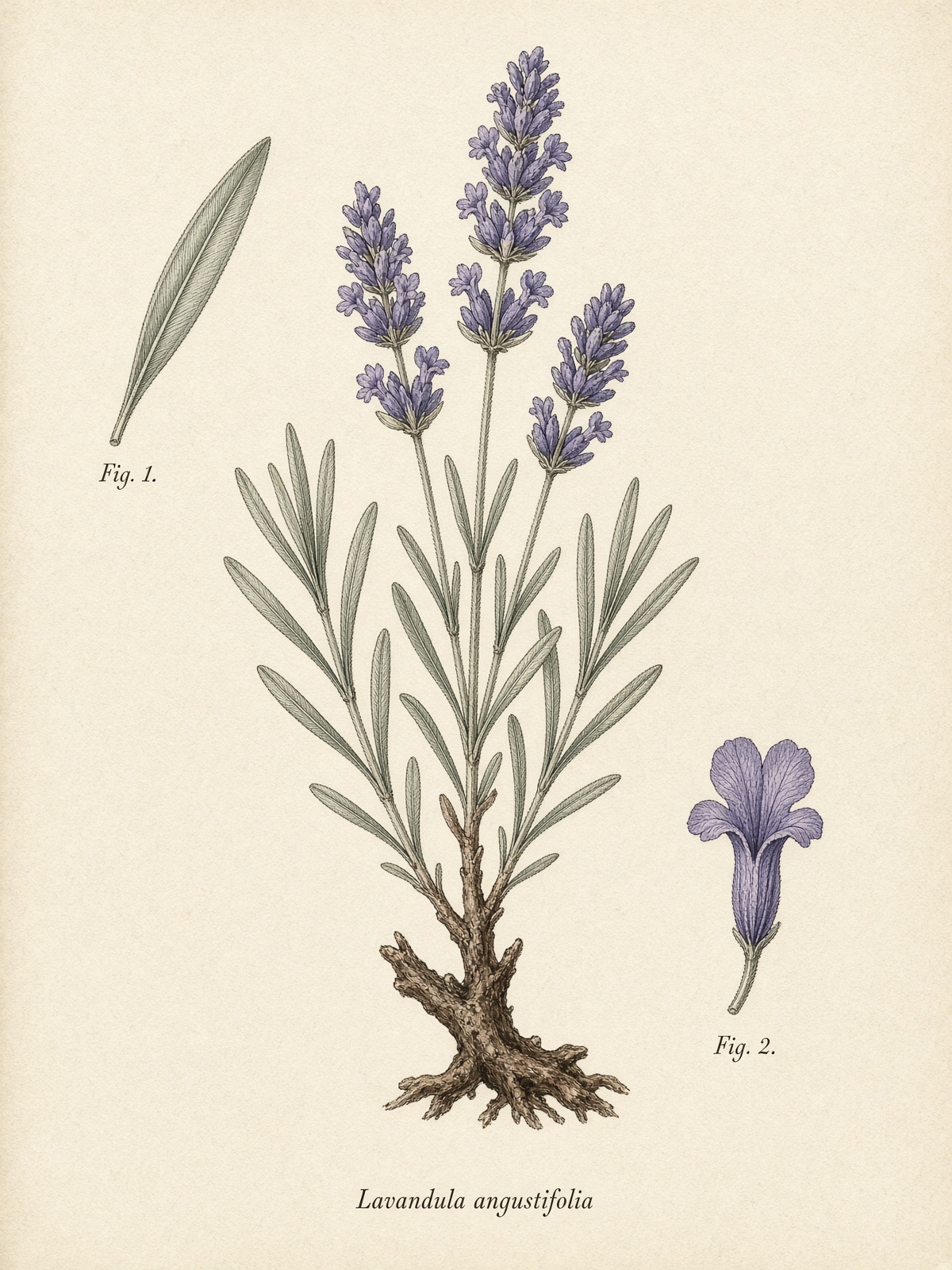 Lavender
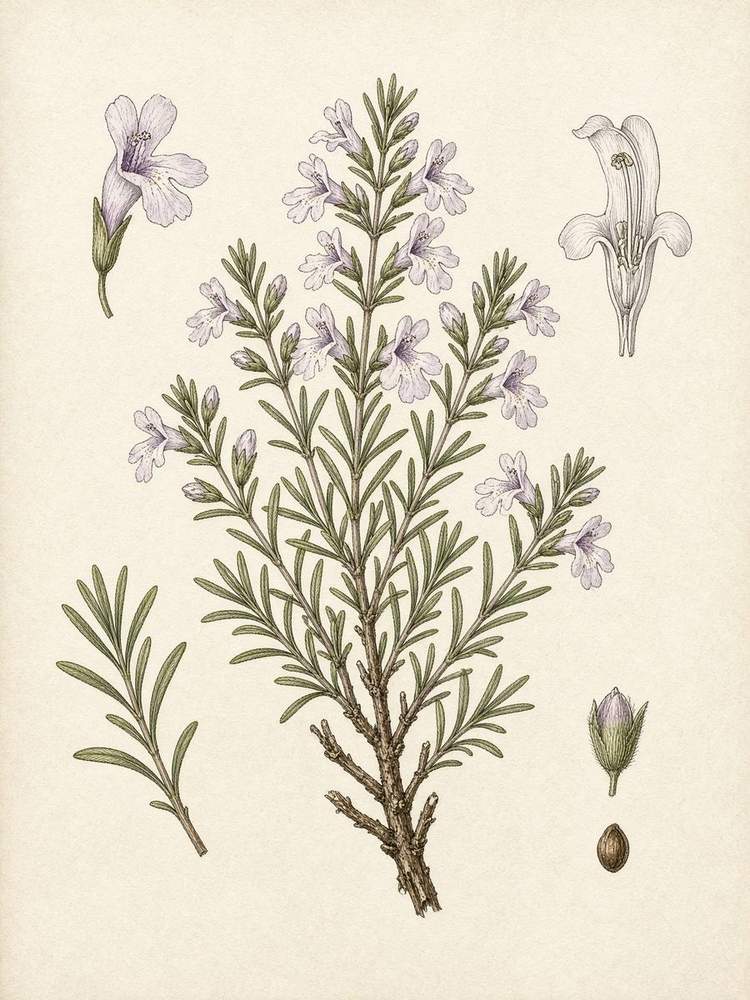 Winter savory
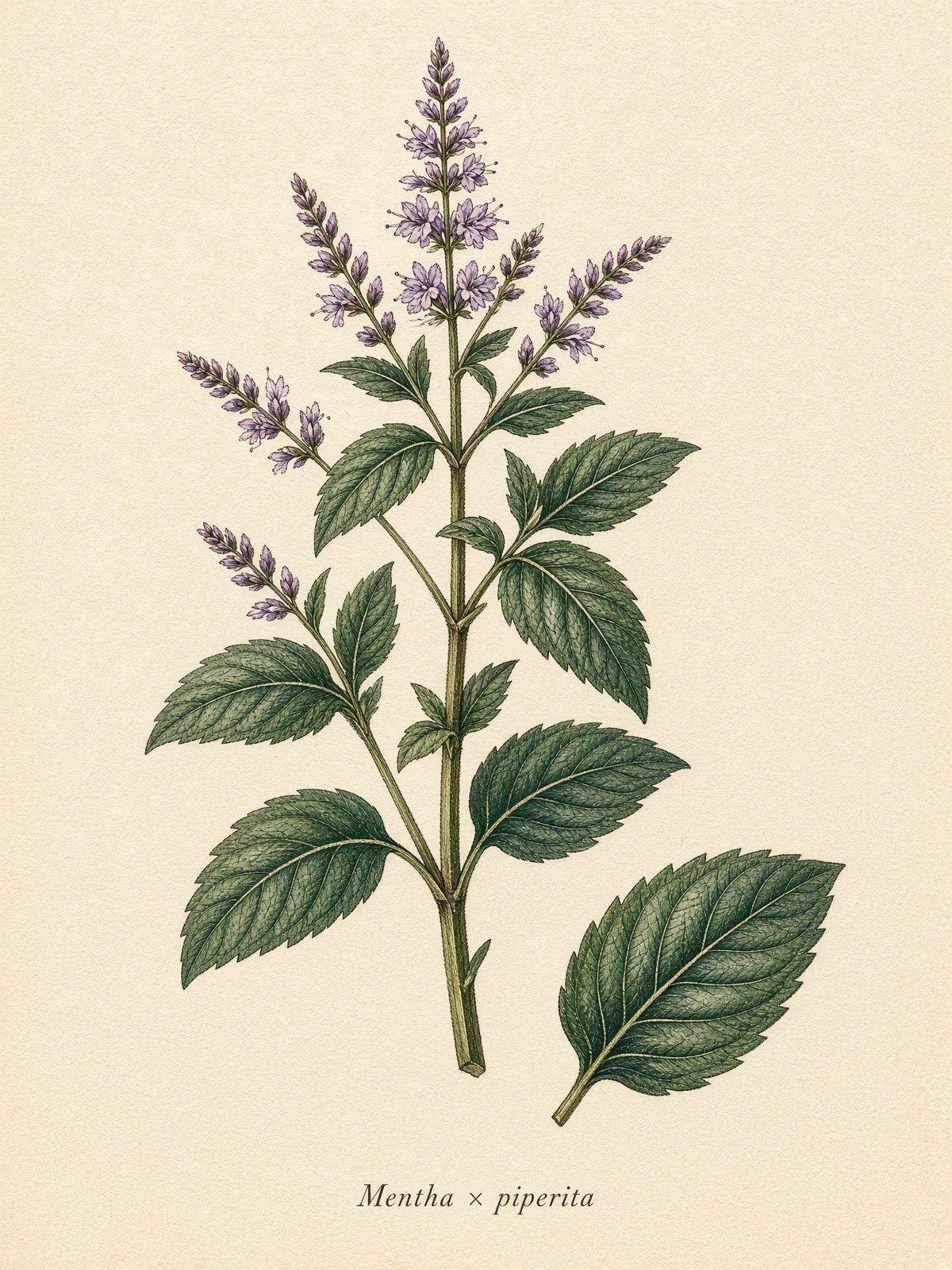 Peppermint
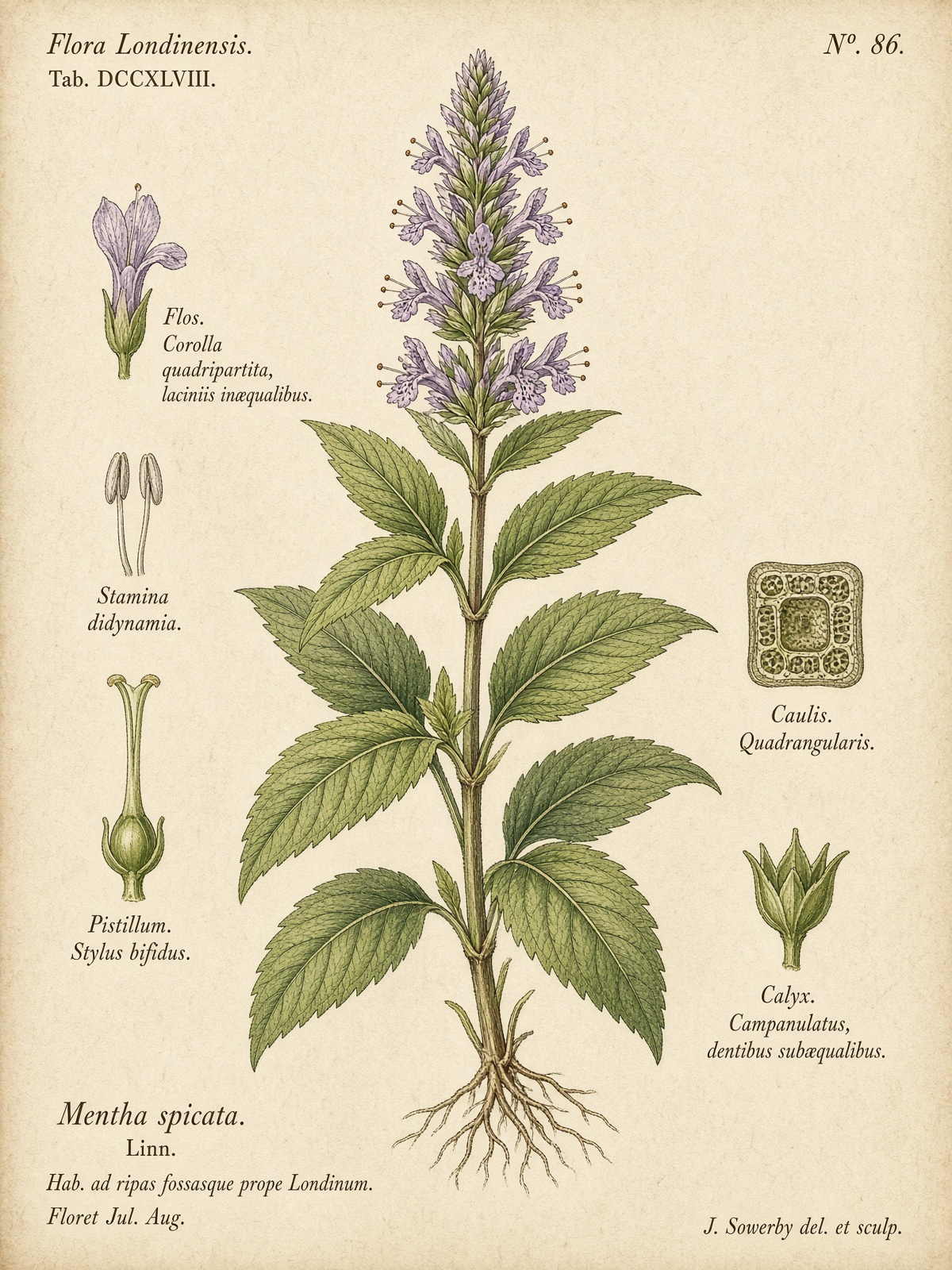 Spearmint
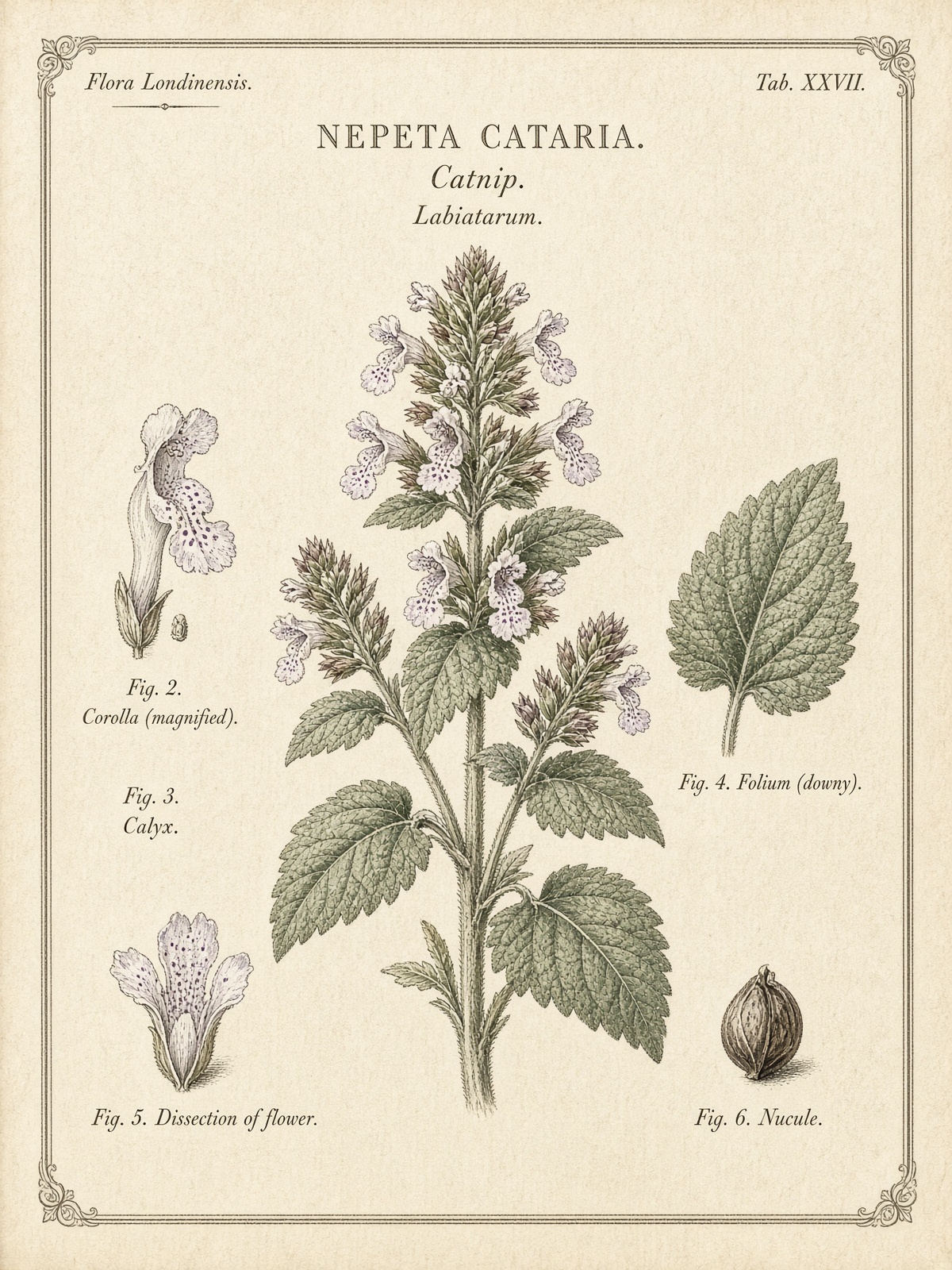 Catnip
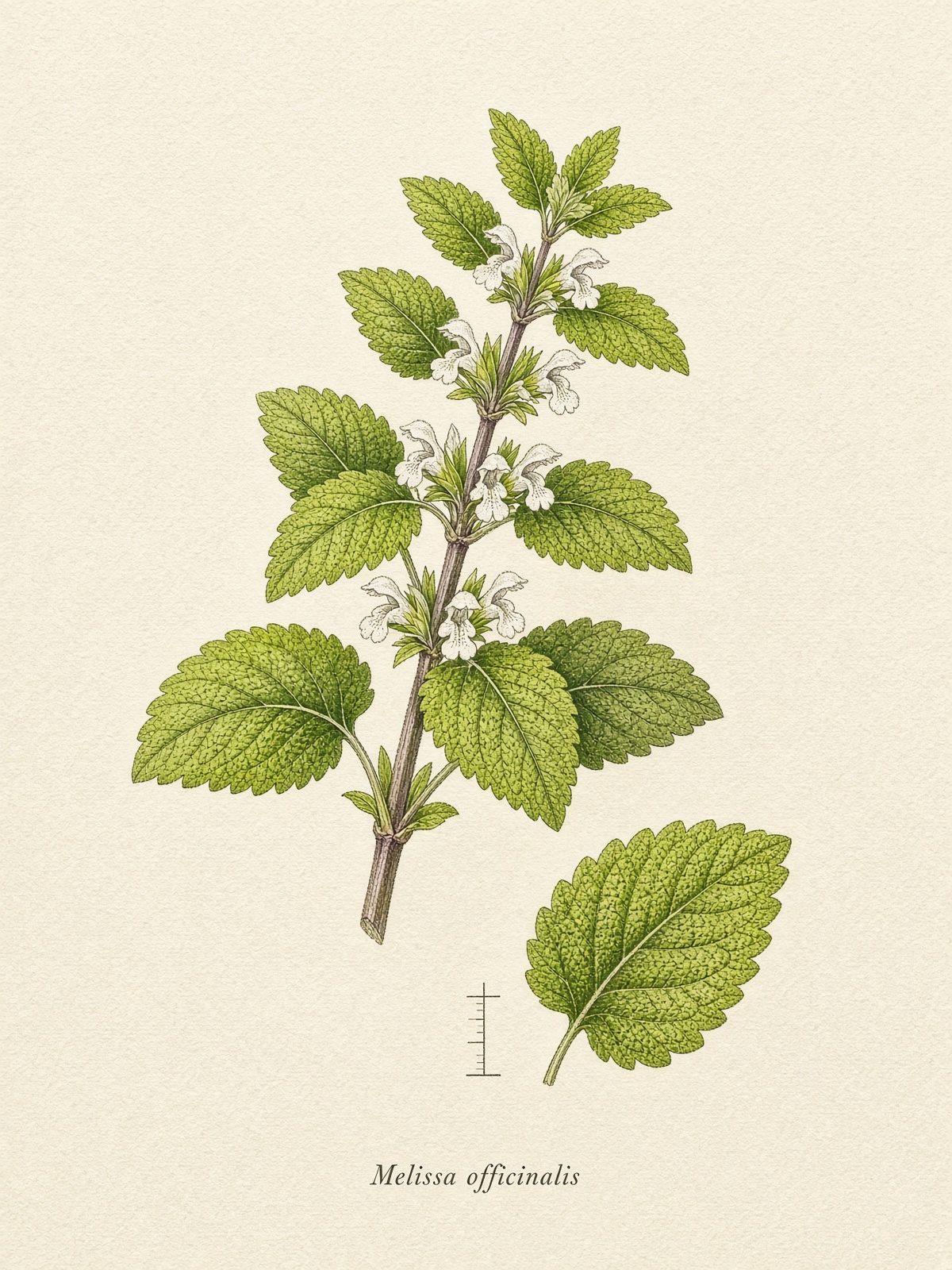 Lemon balm
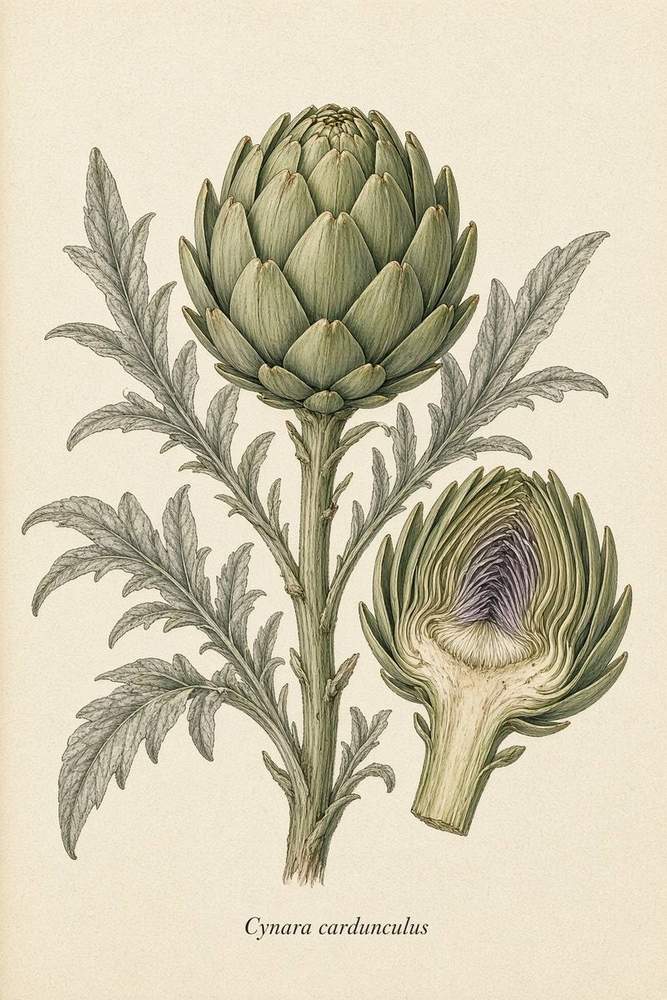
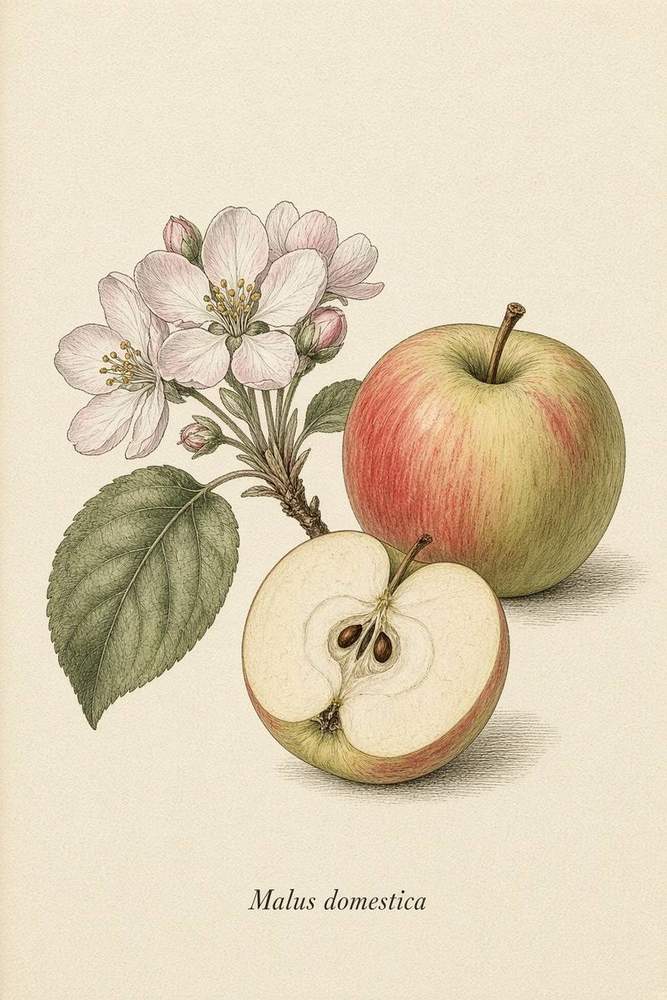 Apple
Apple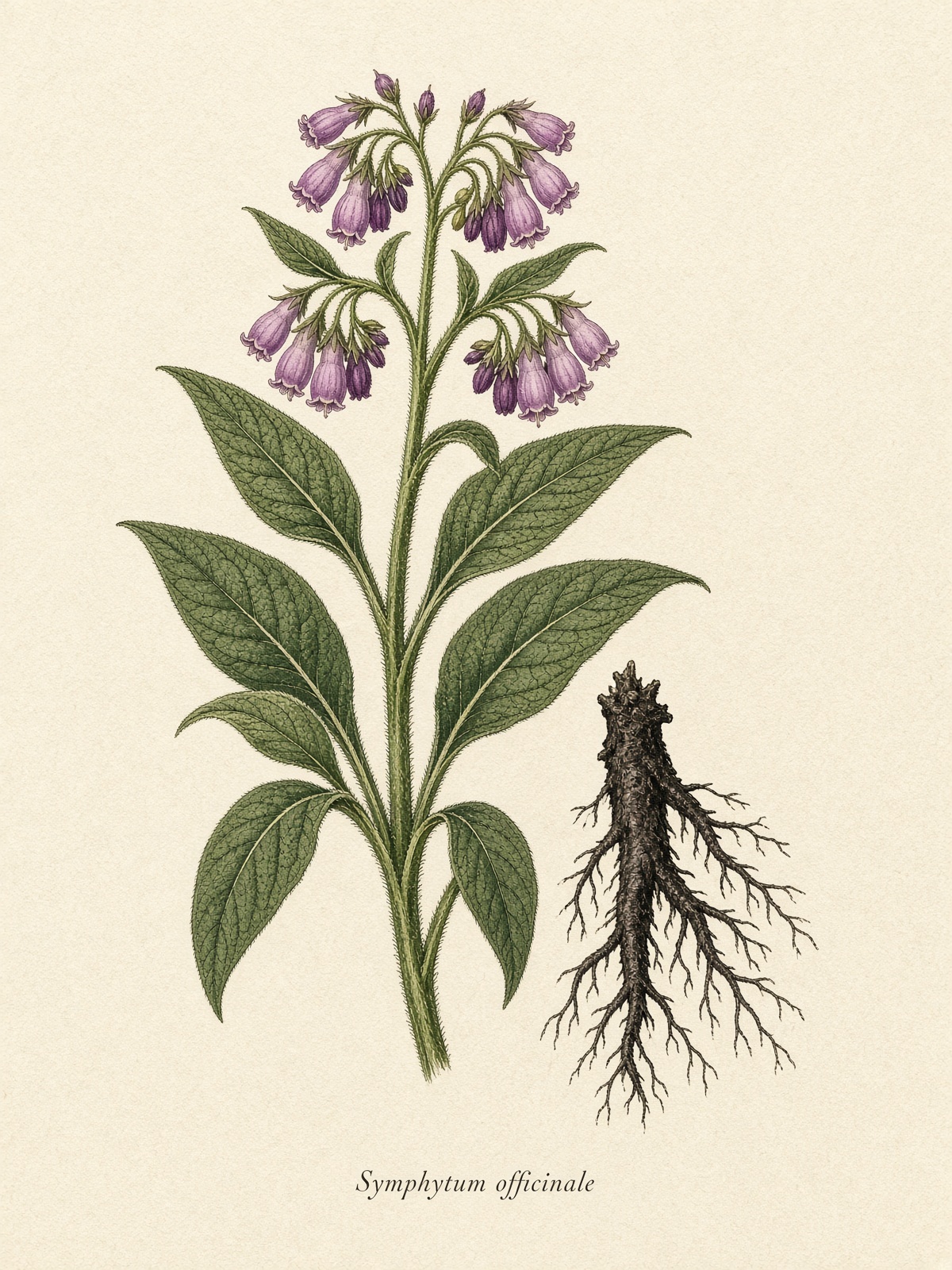 Comfrey
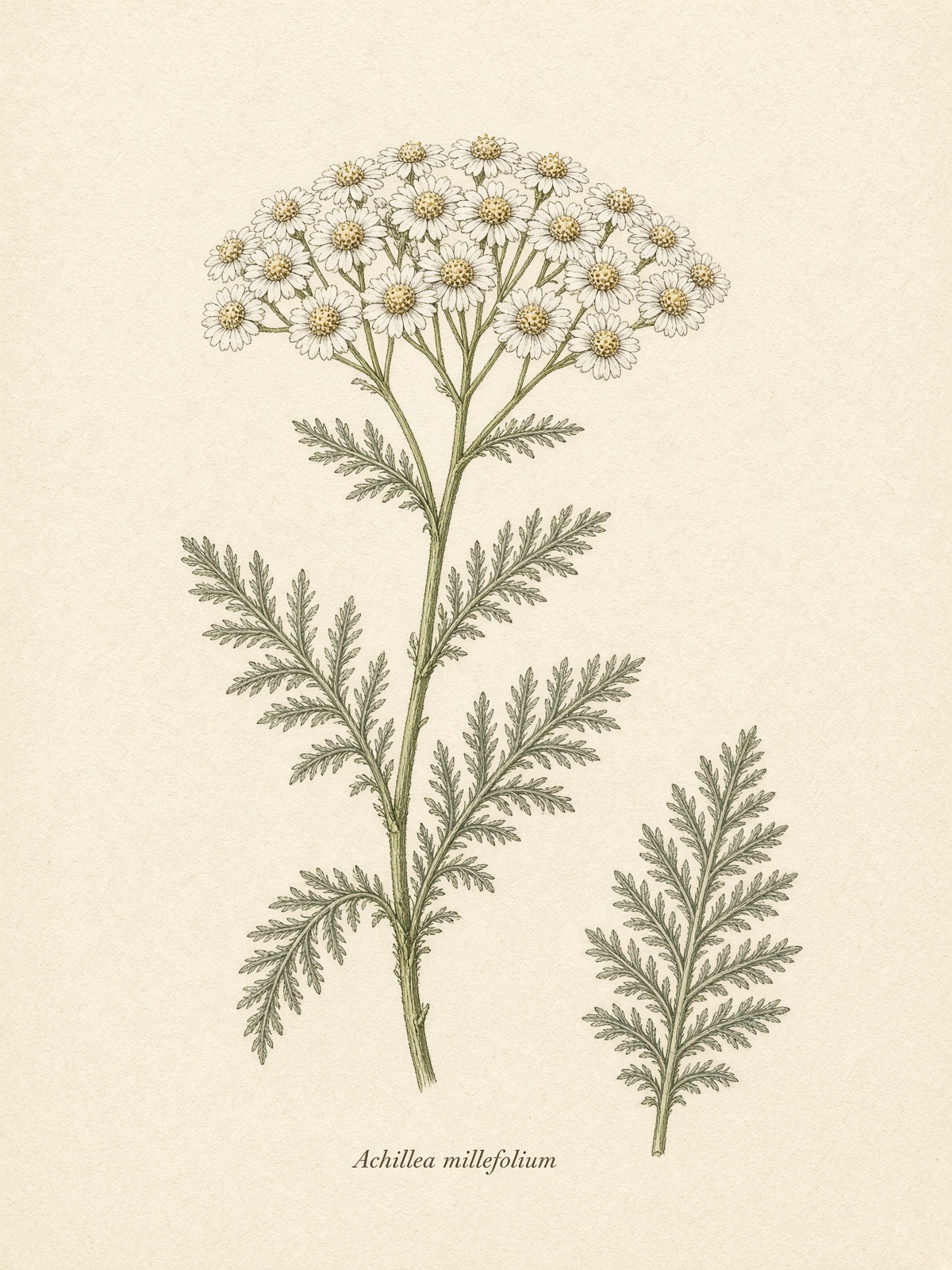 Yarrow
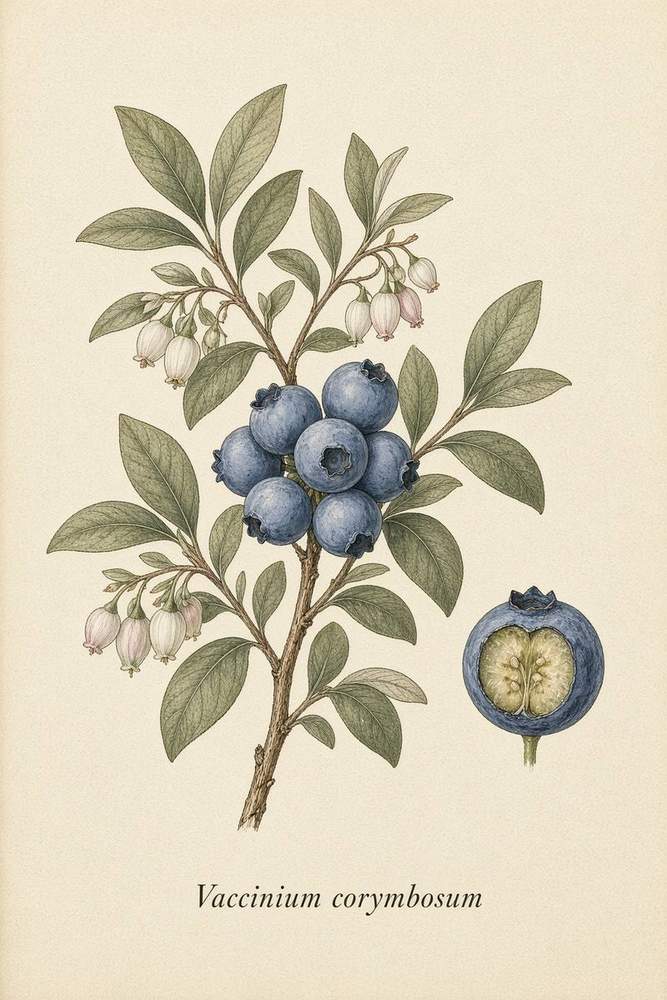 Blueberry
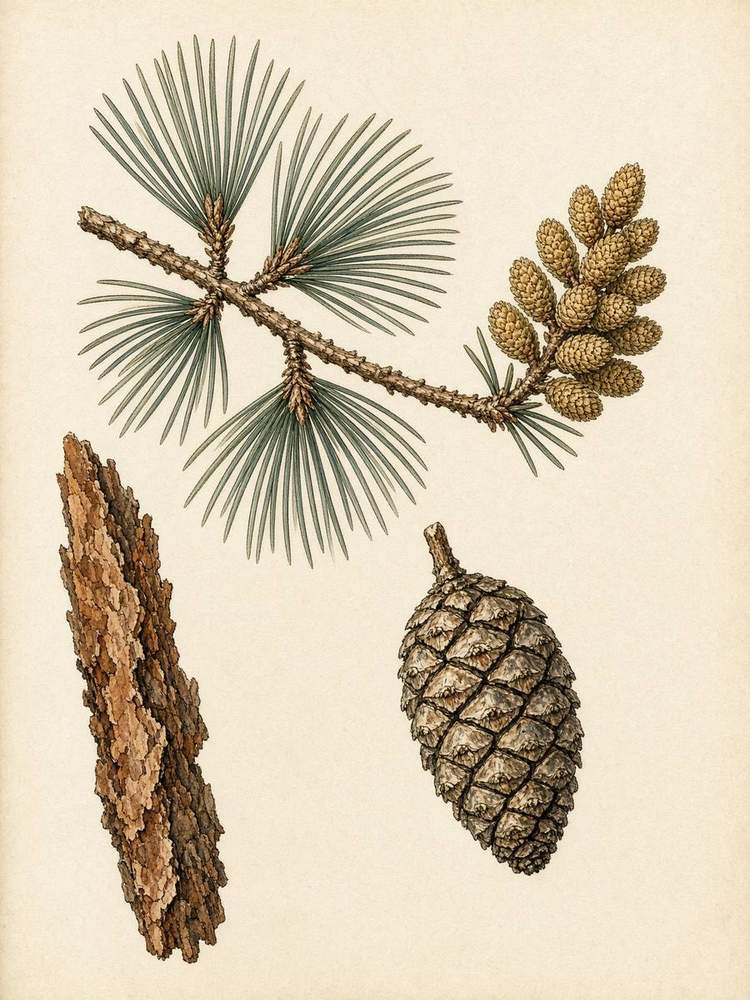 Pine
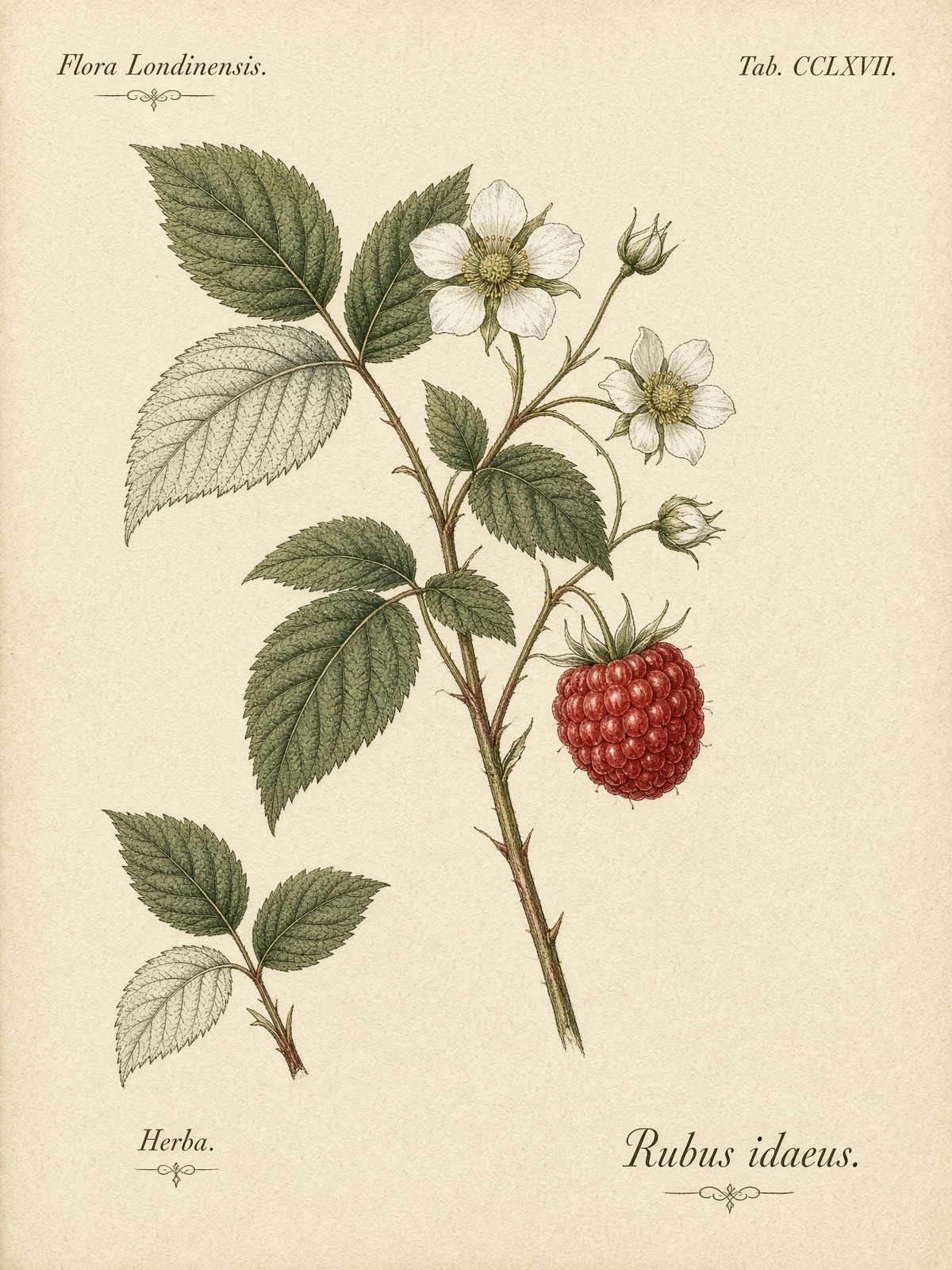
Pine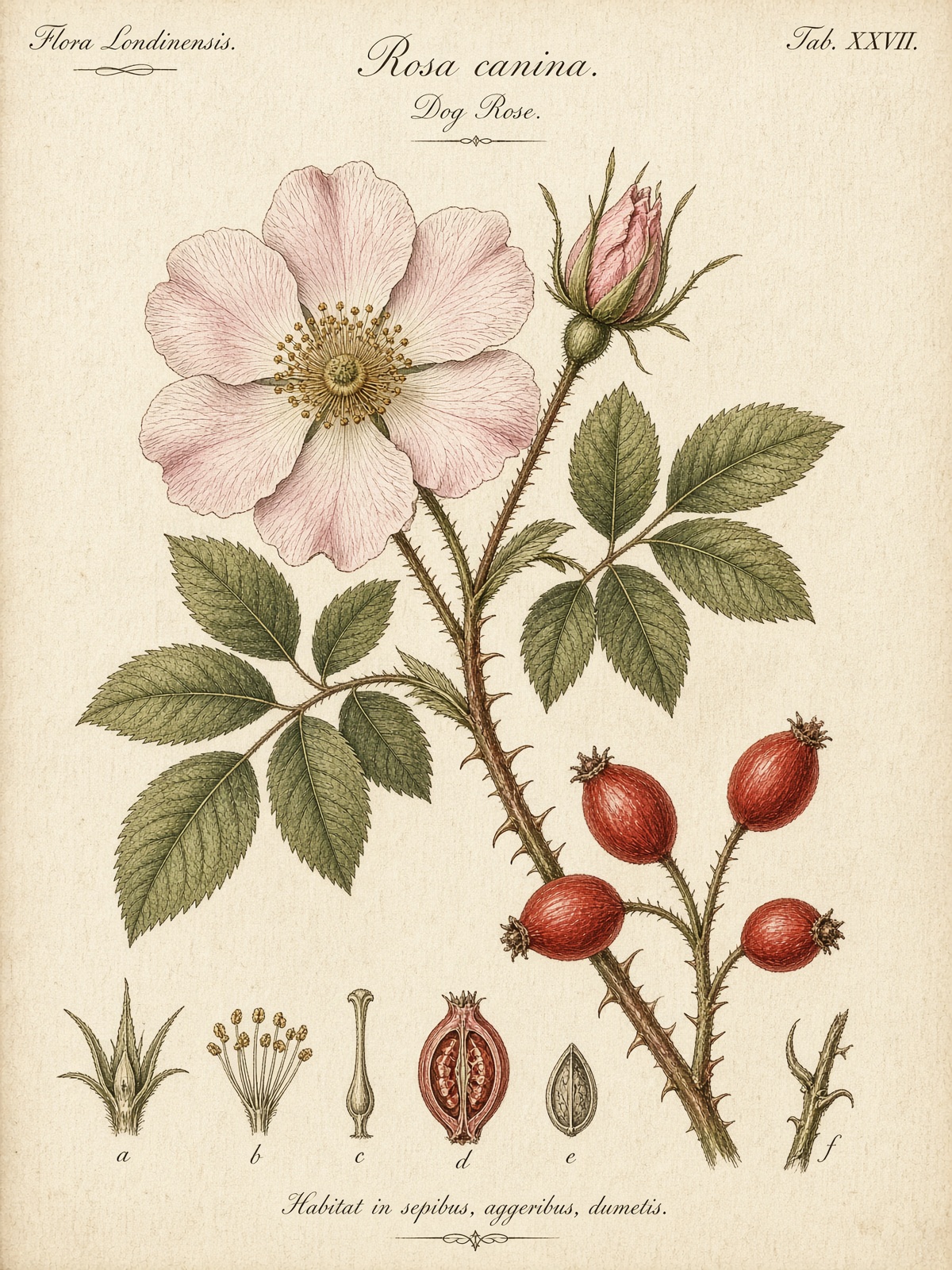 Dog rose
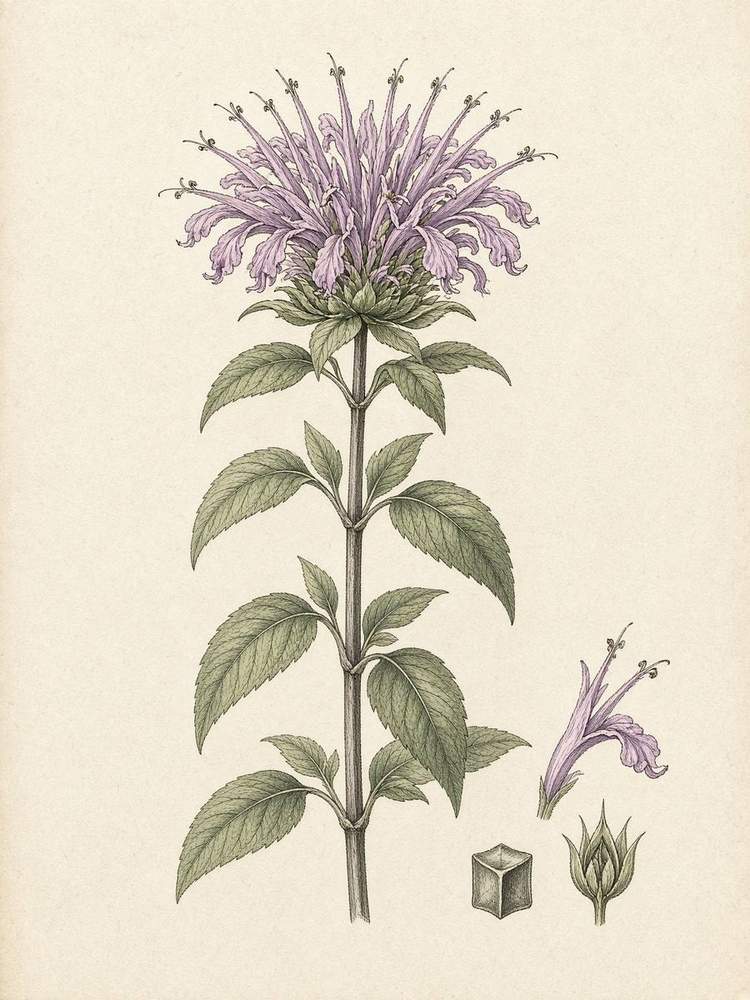 Bee balm
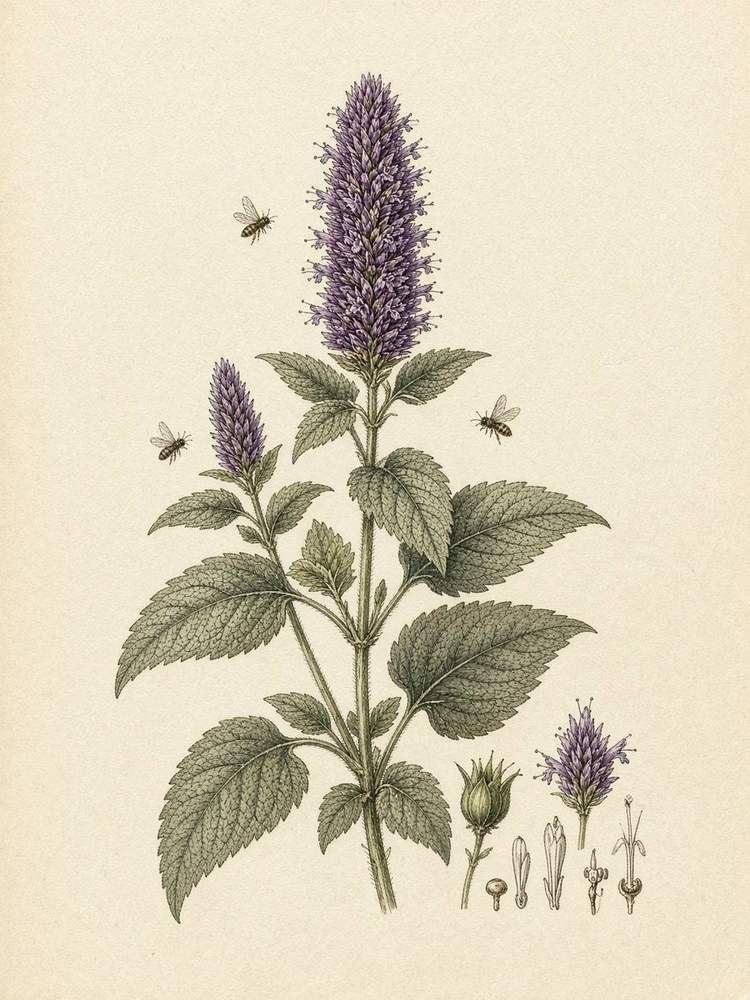 Anise hyssop
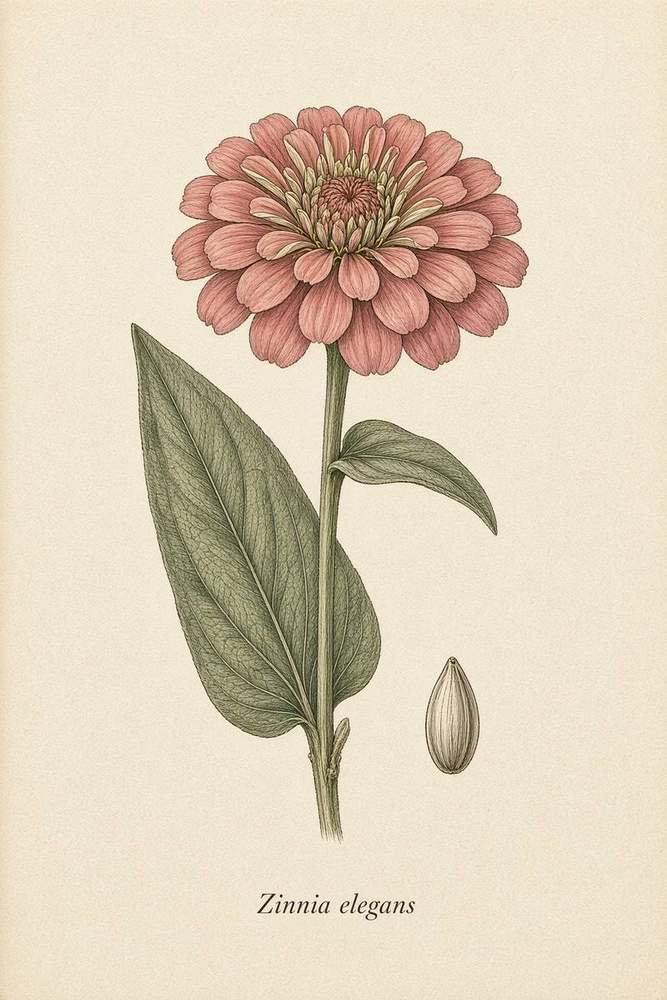 Zinnia
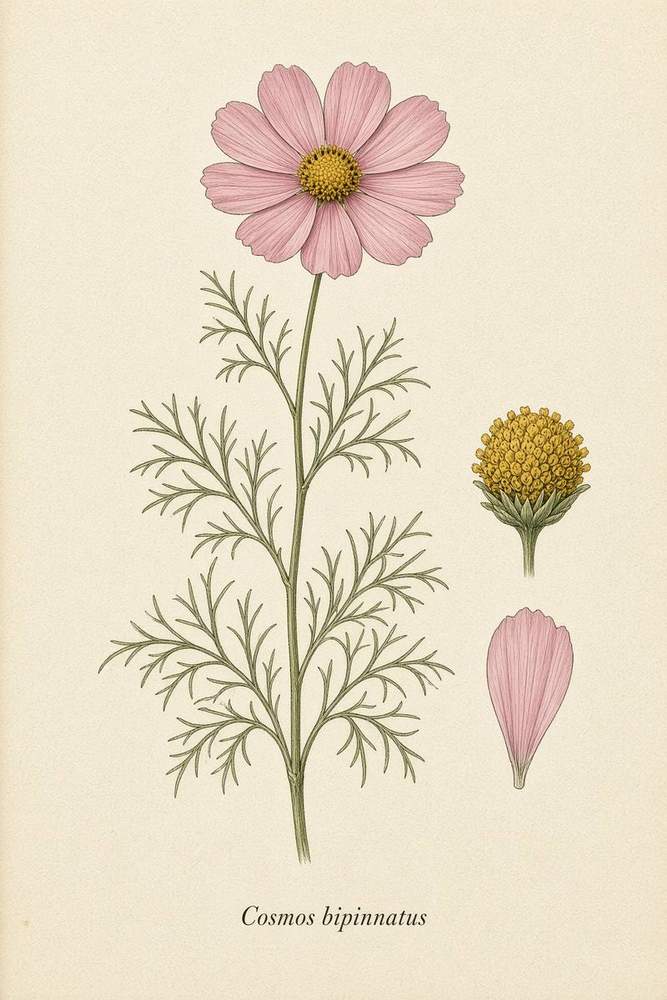 Cosmos
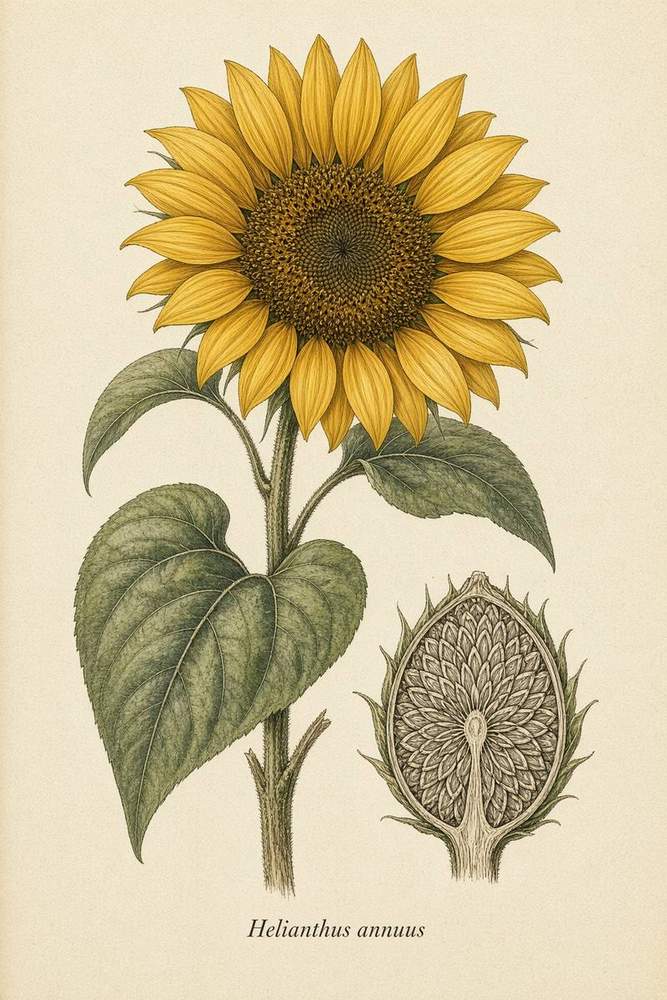 Sunflower
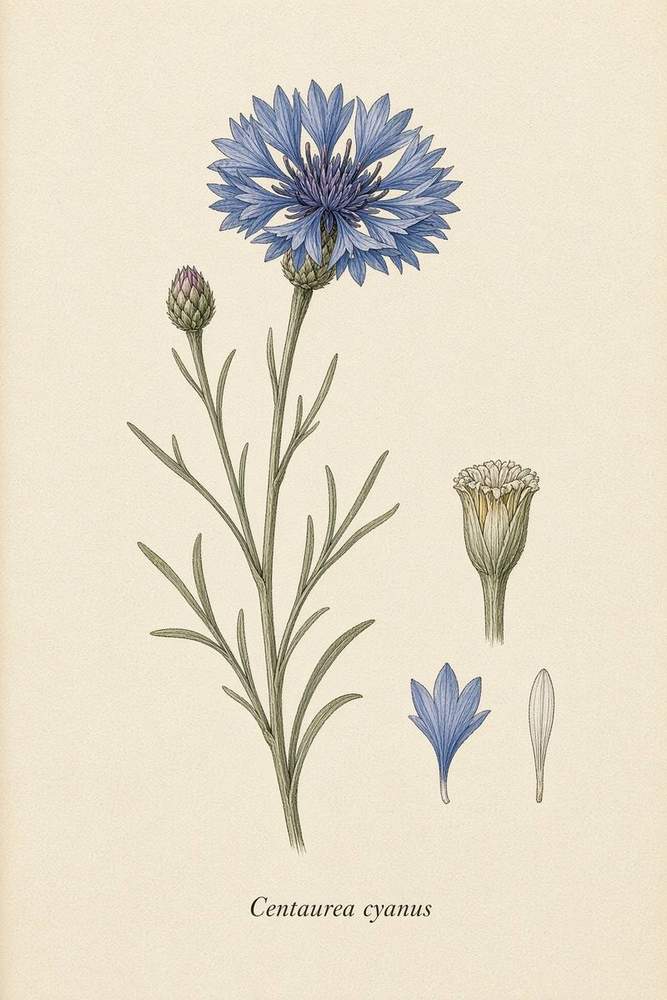 Cornflower
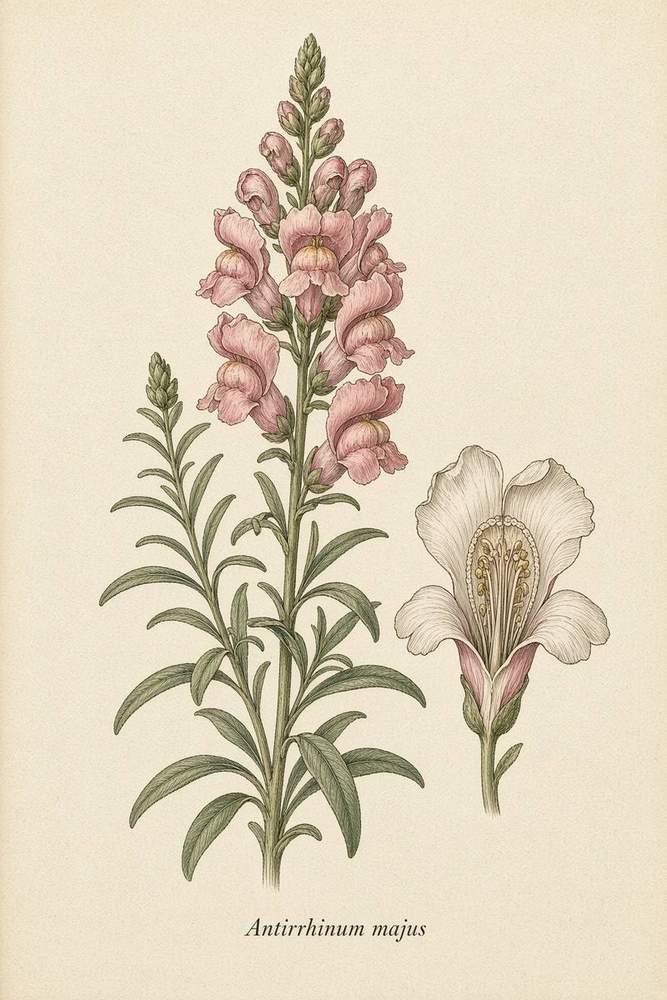 Snapdragon
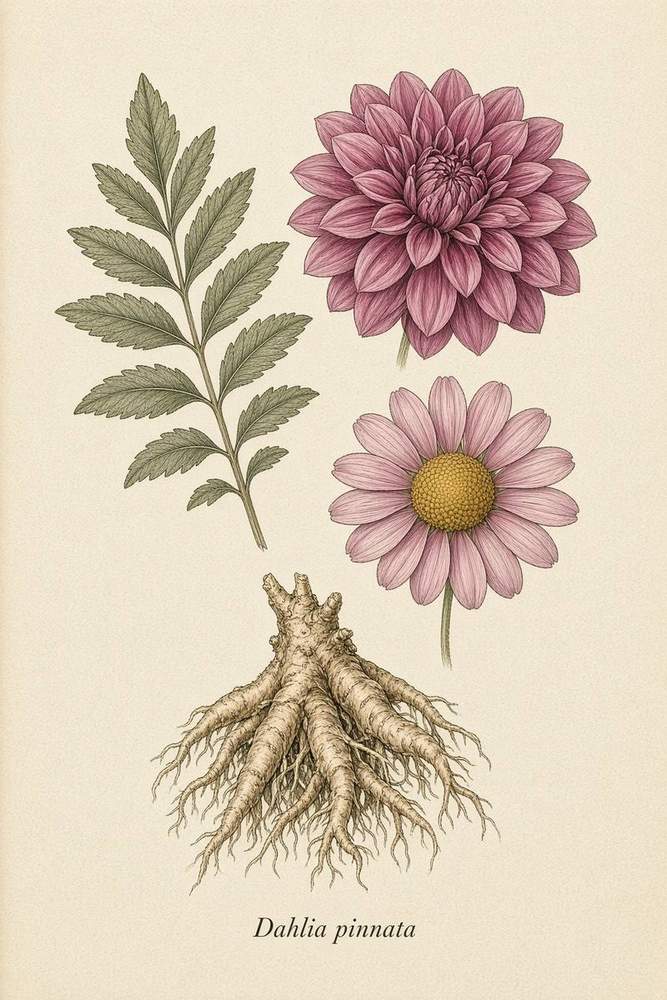 Dahlia
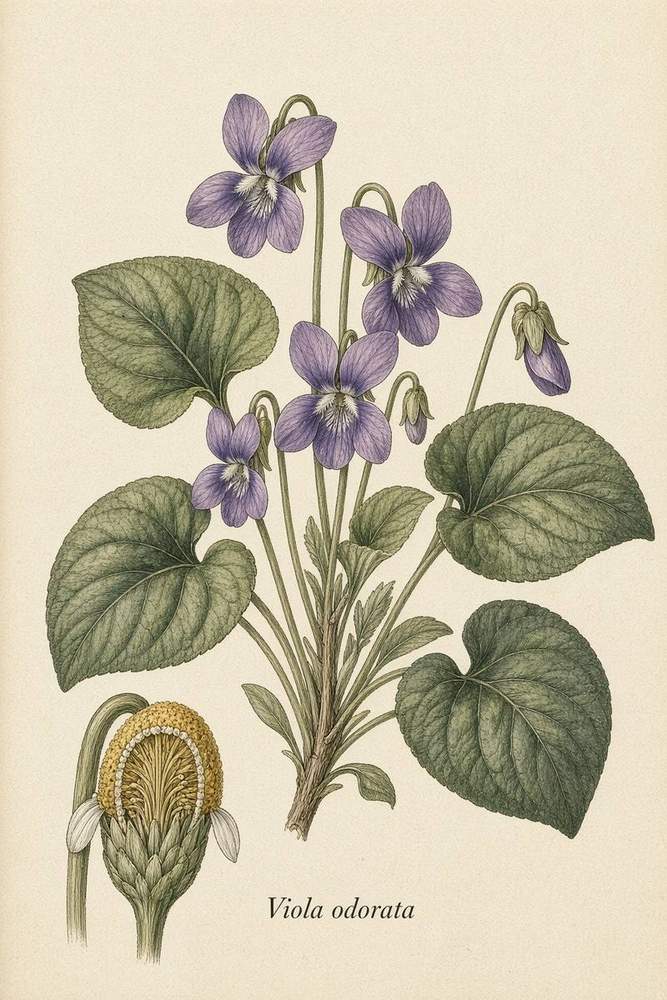 Sweet violet
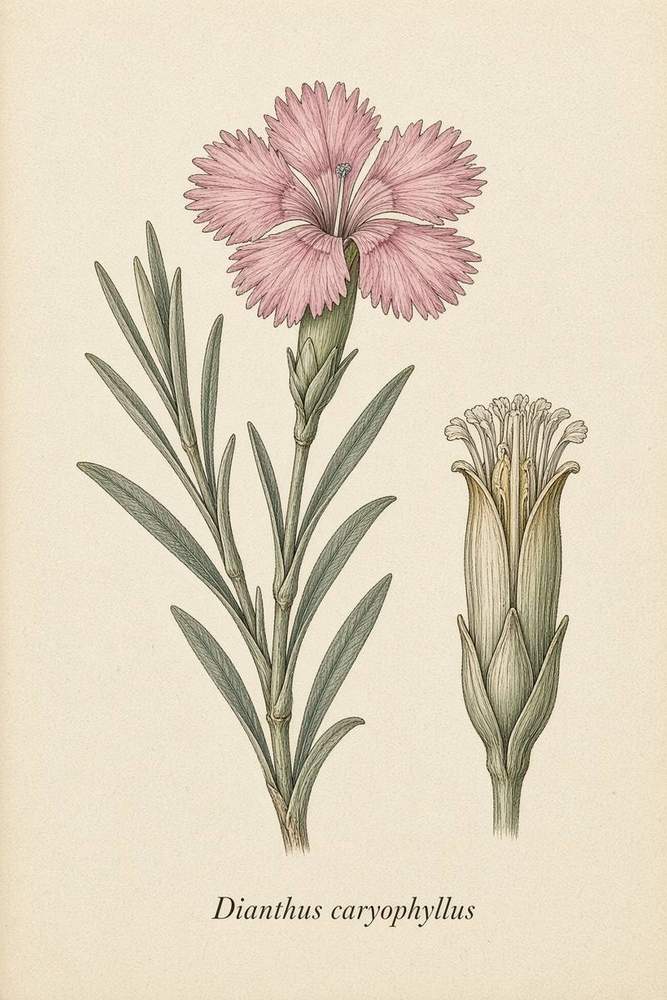 Clove pink
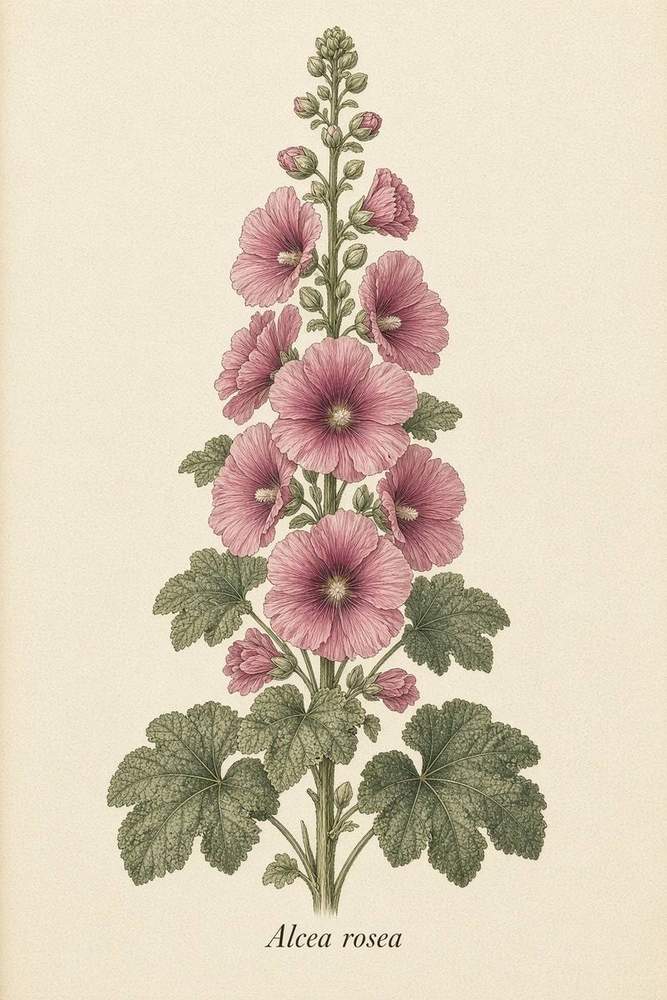 Hollyhock
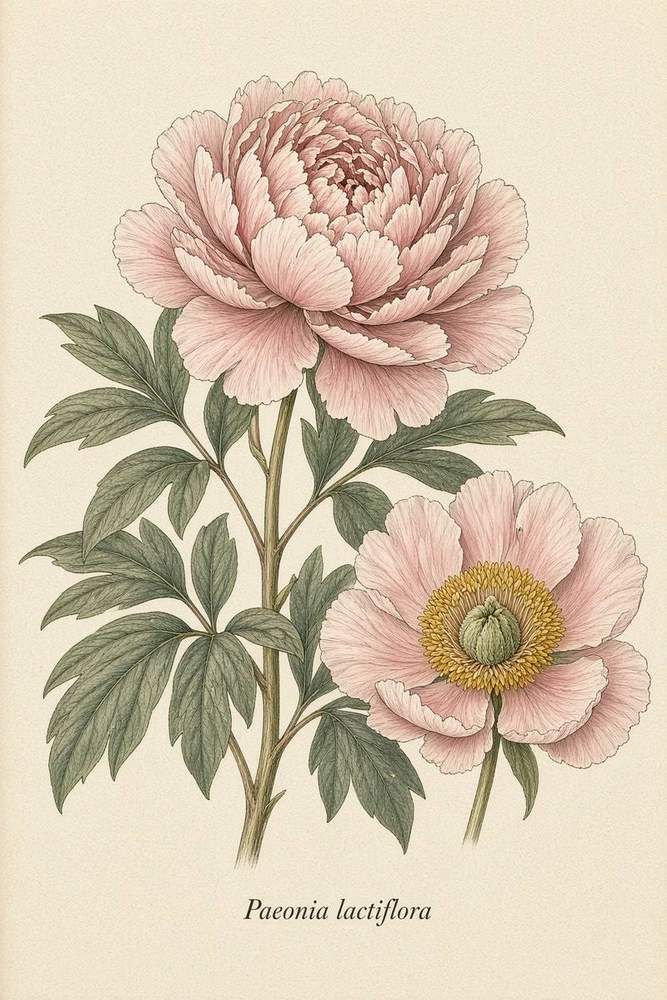 Garden peony