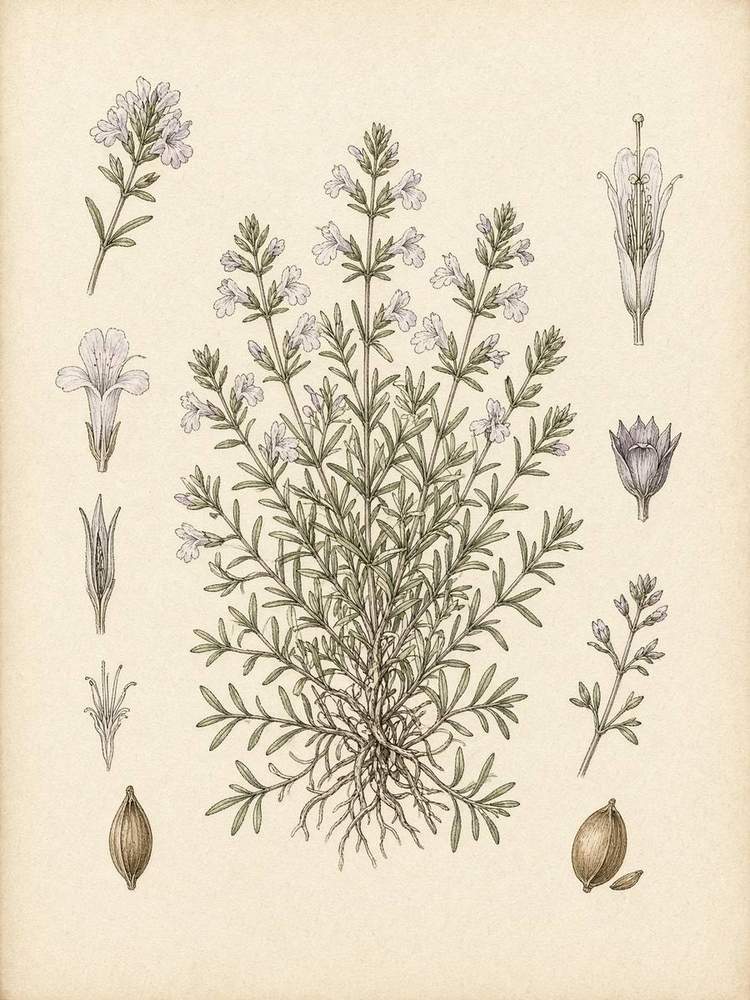
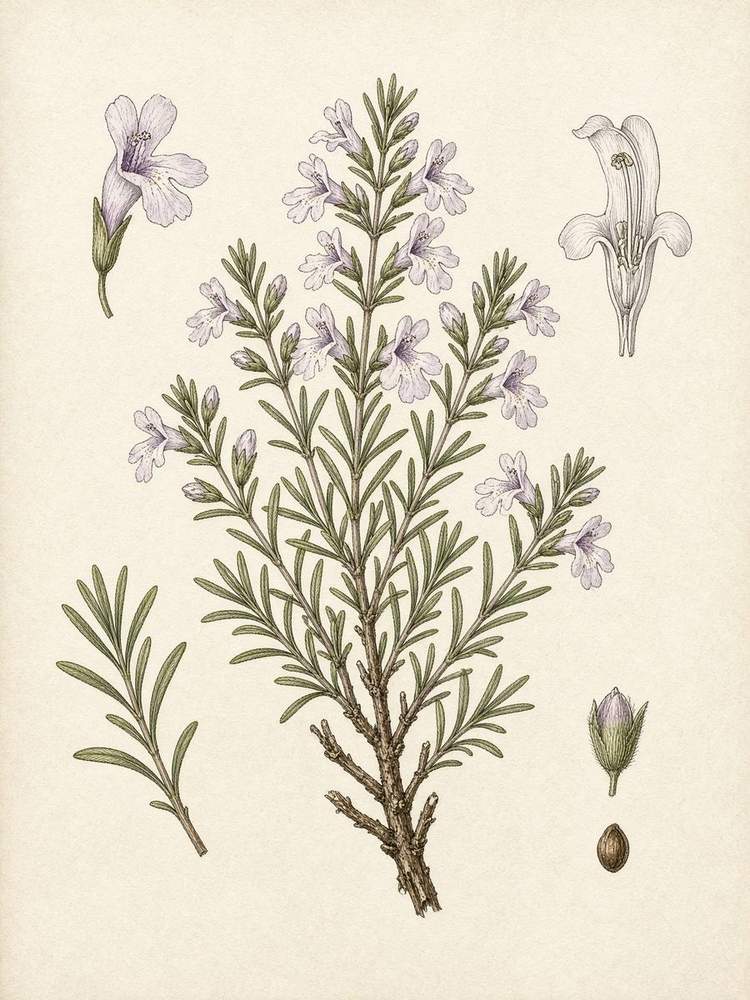
32 named mix-ups — tea leaves, white umbels, autumn cups, and two plants that share a common name. A comparison is not a forage license.
Foxglove for comfrey in a kettle is the worst garden story in this folio. Poison hemlock for parsley is the worst roadside one. If a plant is not in flower and you cannot name it, it is not tea, salad, or a wild carrot.
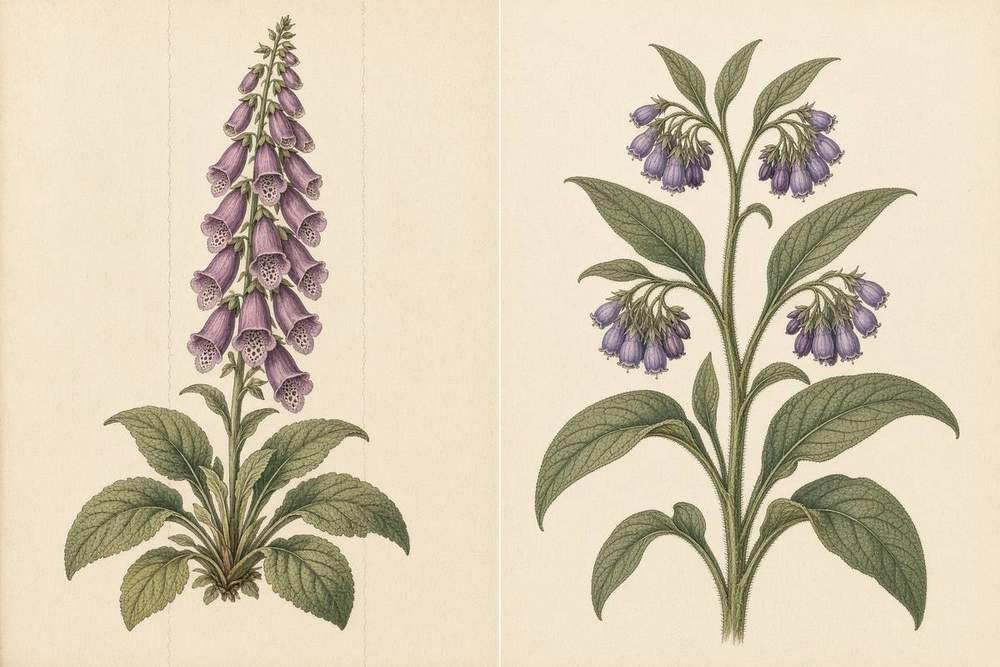
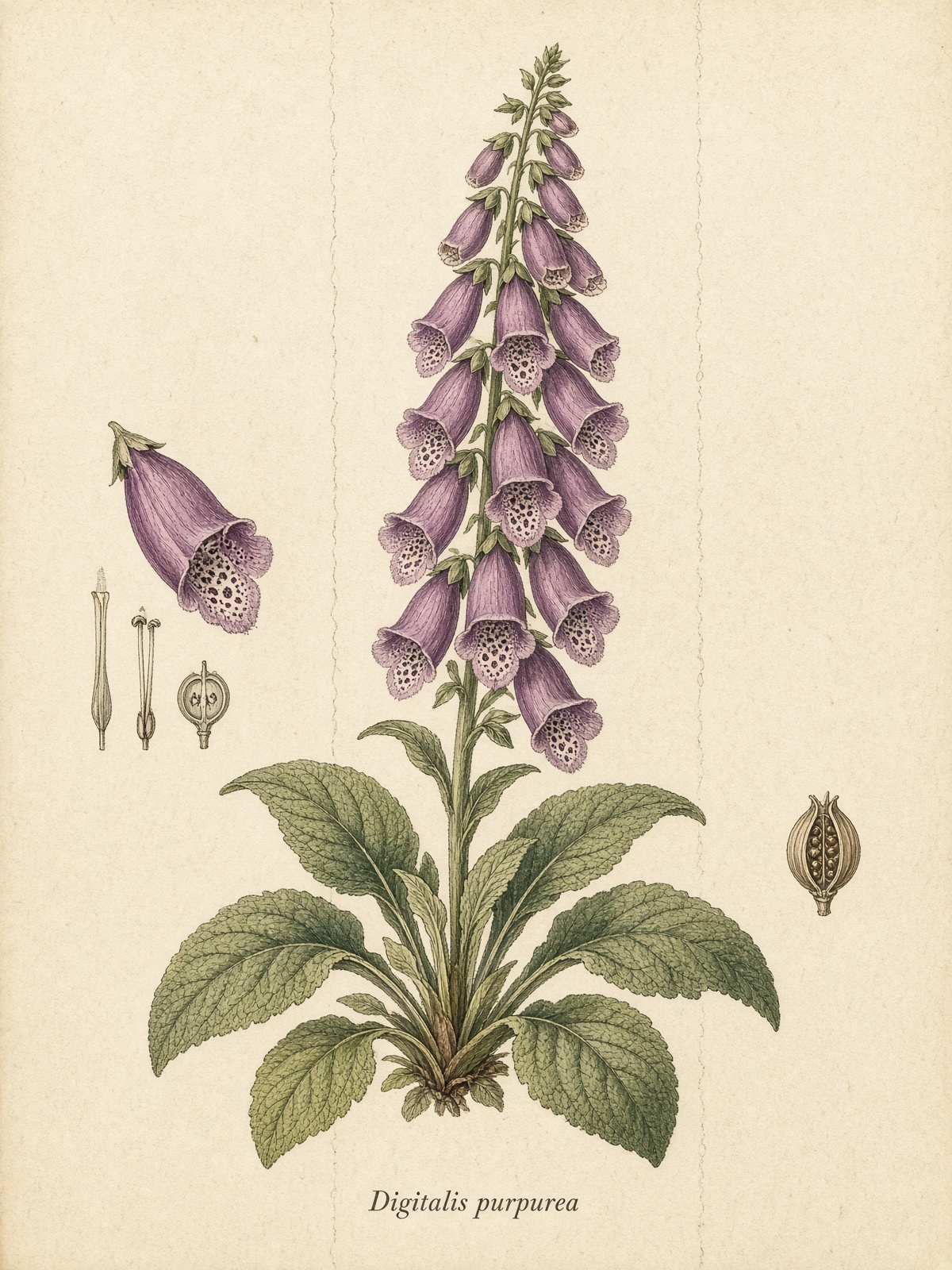
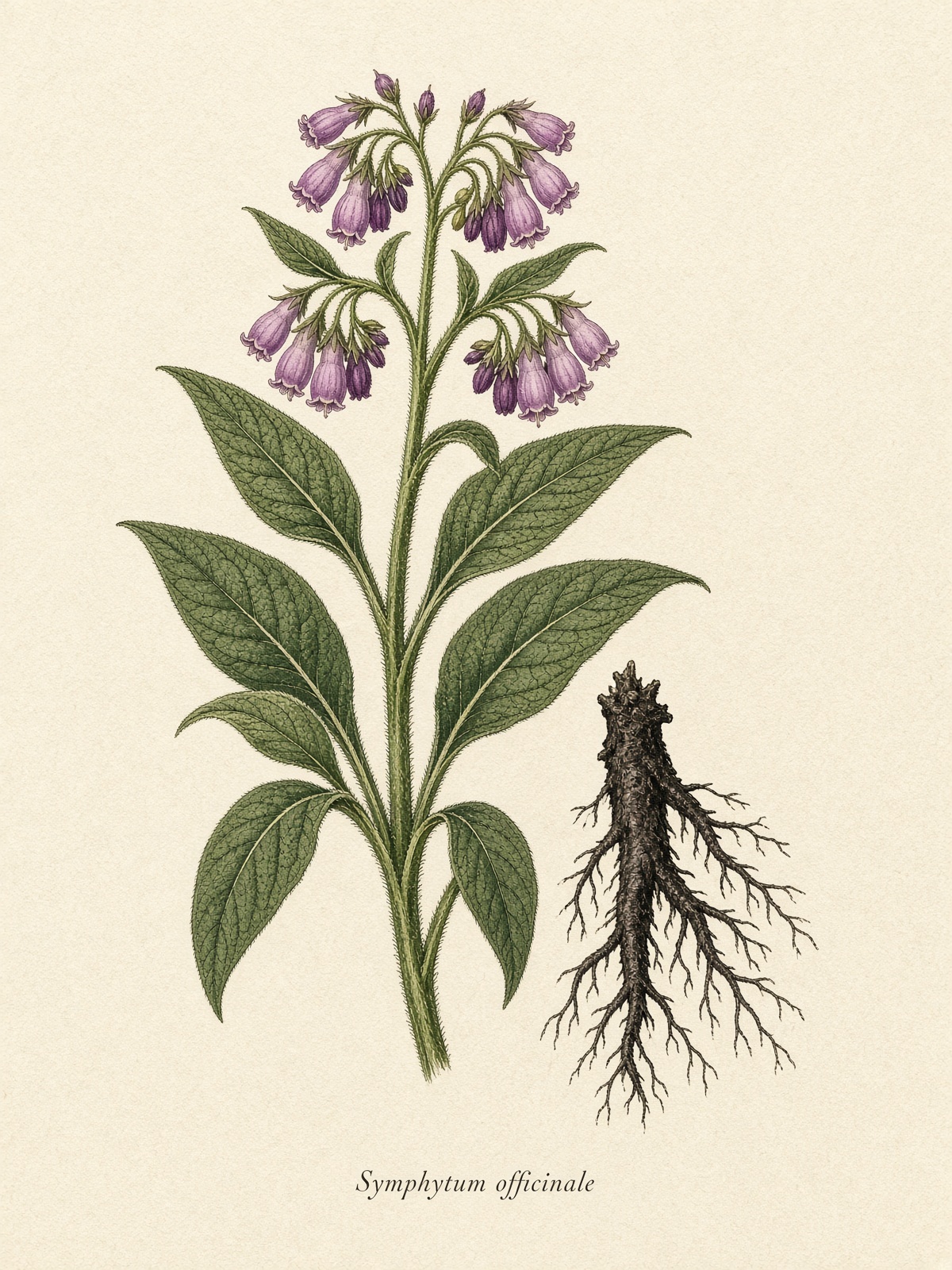
The worst garden story in this folio: Digitalis in a kettle meant for Symphytum. Cardiac glycosides are not a wound tea.
Foxglove is a tall spike of thimble bells, leaves in a basal rosette with a distinct network of veins sunk in the blade. Comfrey is coarse, bristly, and bells hang in a coil, not a steeple. If it is not in flower, it is not tea.
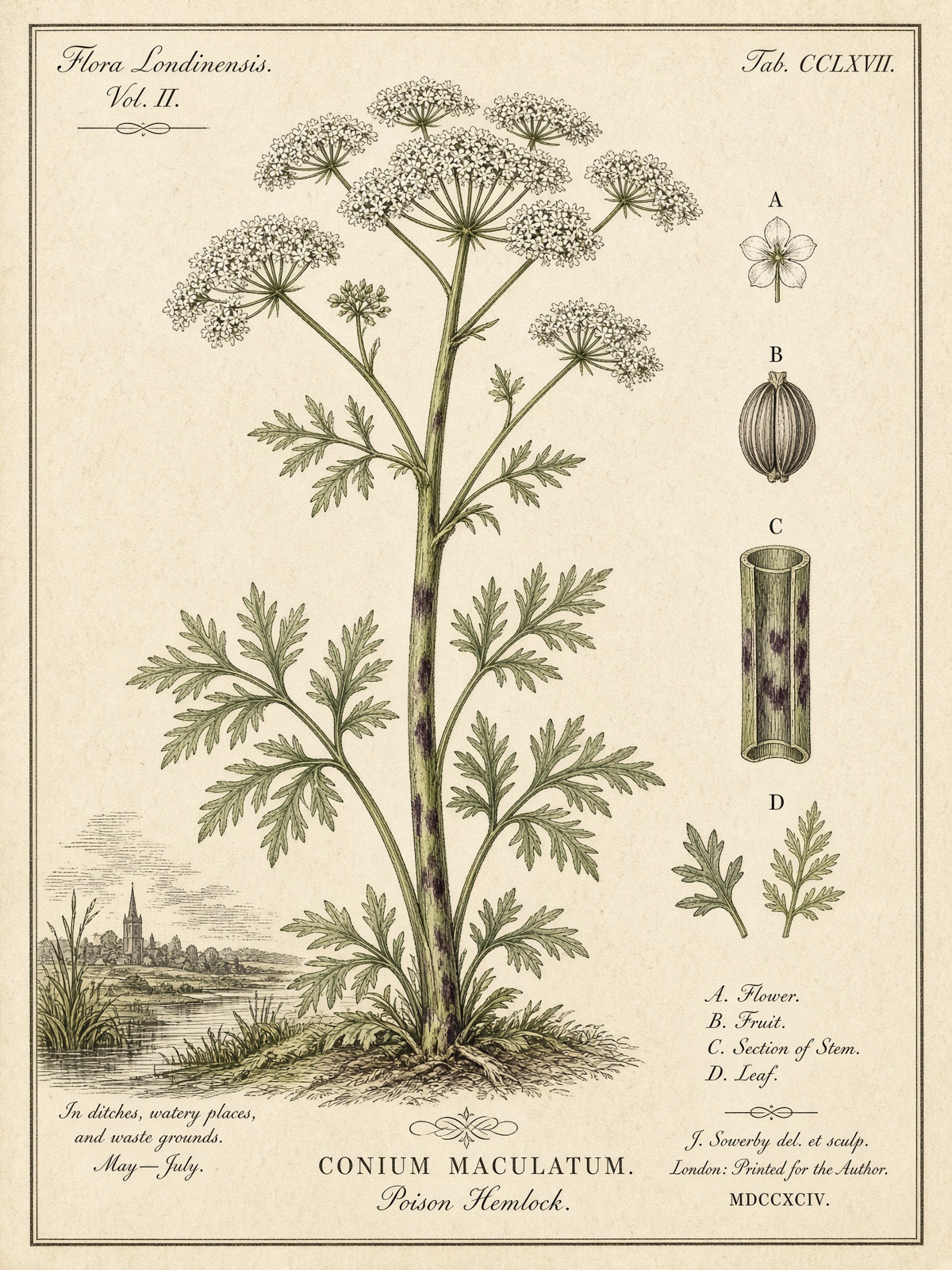
Poison hemlock is still pulled as ‘wild parsley.’ A purple-spotted stem is the difference between supper and Socrates’ cup.
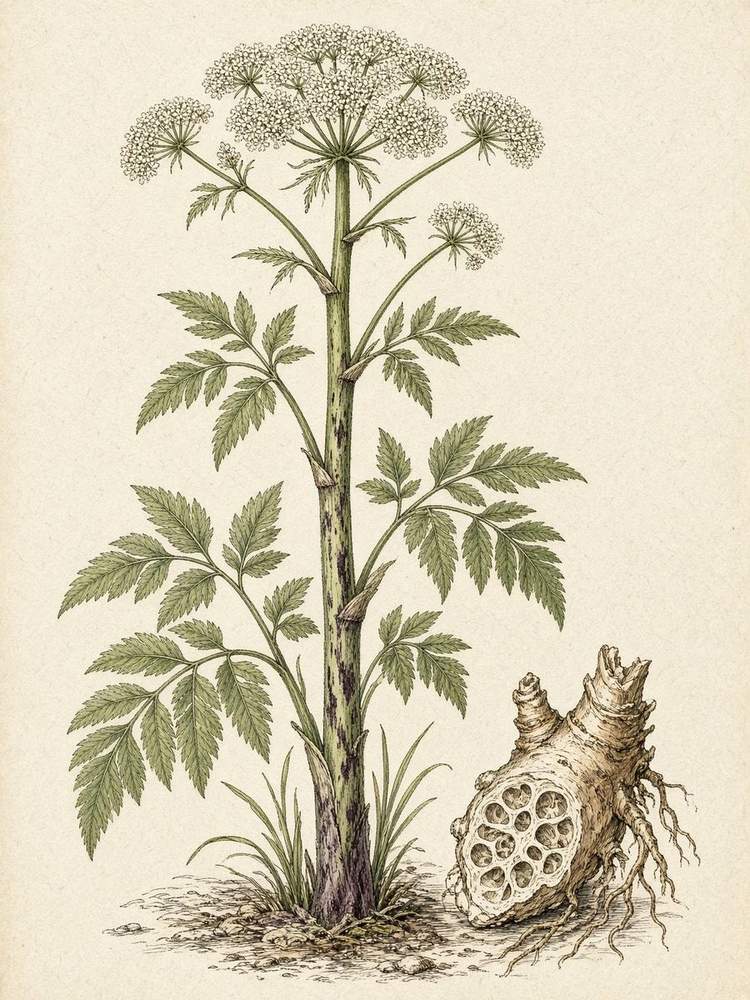
Conium has smooth, hollow, purple-blotched stems and a mousy smell when crushed. Garden parsley is green to the ground, never blotched, and smells of the kitchen. Hairless white umbels on a roadside are not an herb.
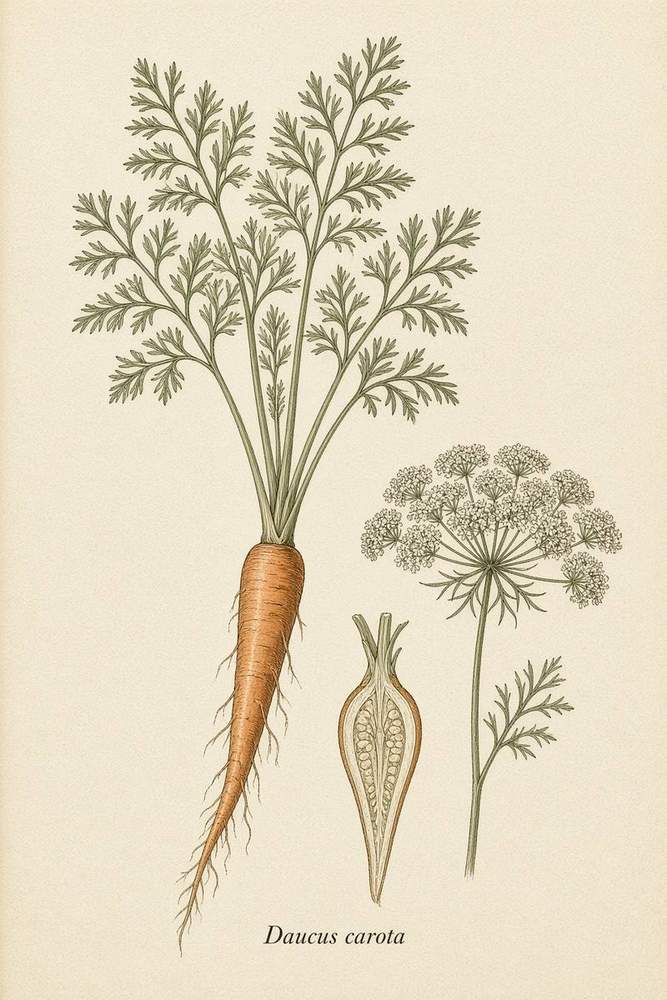
Queen Anne’s lace and poison hemlock share a white umbrella. One is a taproot. The other shuts the nerves down.
Wild carrot has a hairy stem, a three-forked bract under the umbel, and often a dark floret in the center. Hemlock is hairless, purple-spotted, and the bracts are short and even. Do not forage a white umbel from a ditch.
Anise-scented foliage is not a field test. Poison hemlock has been called ‘wild fennel’ by people who then got very still.
Fennel is glaucous, yellow-flowered, and smells of liquorice even in the stem. Hemlock flowers white, stinks of mouse, and carries those purple spots. Crush, look, and walk away if you are unsure.
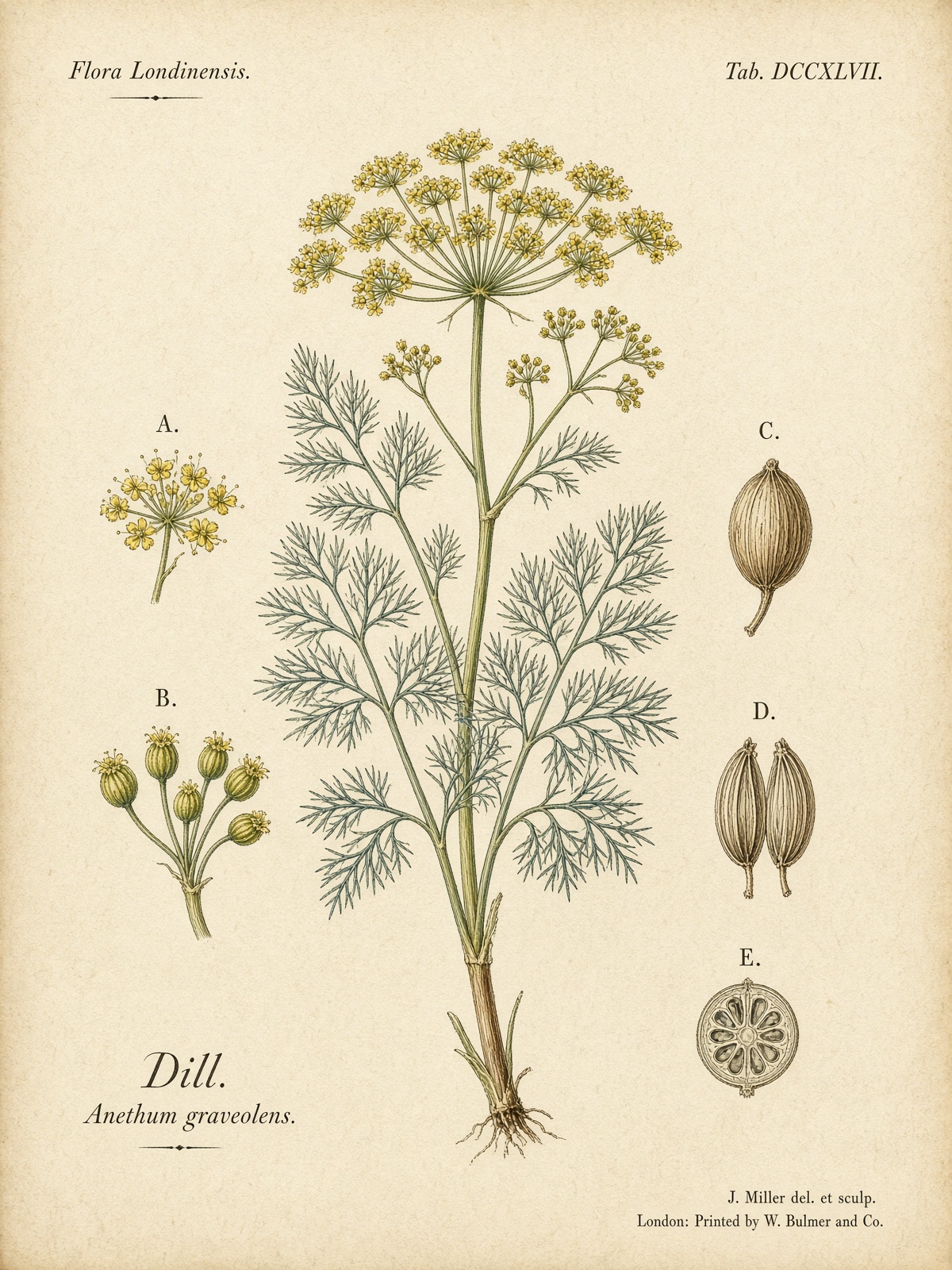
A feathery roadside weed is not a pickle herb. Dill is annual and yellow; hemlock is a biennial tower with white umbels.
Dill is blue-green, anise-soft, and the umbel is flat and yellow. Hemlock is taller, white, purple-blotched, and the leaf is triangular, not thread-fine. Never pick an unknown umbel for the jar.
Cicuta is the deadliest plant in North American ditches. A wet-ground parsley look-alike has killed people who wanted a garnish.
Water hemlock stands in wet ground, the leaf veins run to the notches, and the root is chambered. Parsley does not grow in a creek. If the feet are wet, it is not parsley.
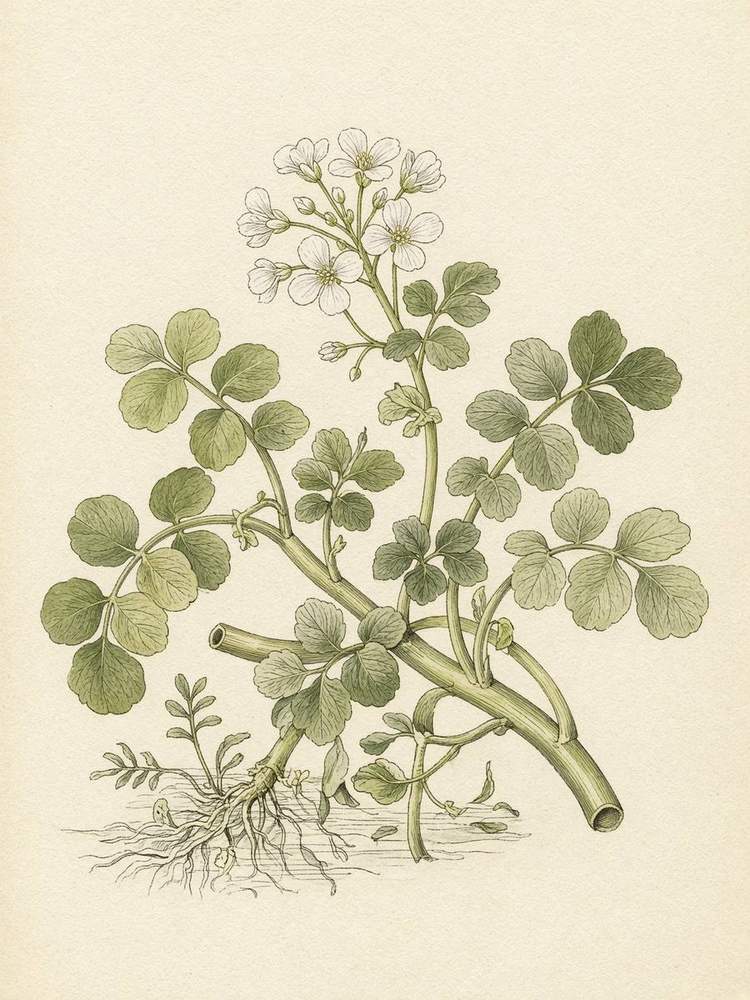
A peppery brook green and a convulsant share the same water. One is a mustard. The other is Cicuta.
Watercress is a low, creeping mustard with white four-petal flowers and a pepper bite. Water hemlock is an umbel on a stout, hollow stem. Do not graze unknown plants from a ditch.
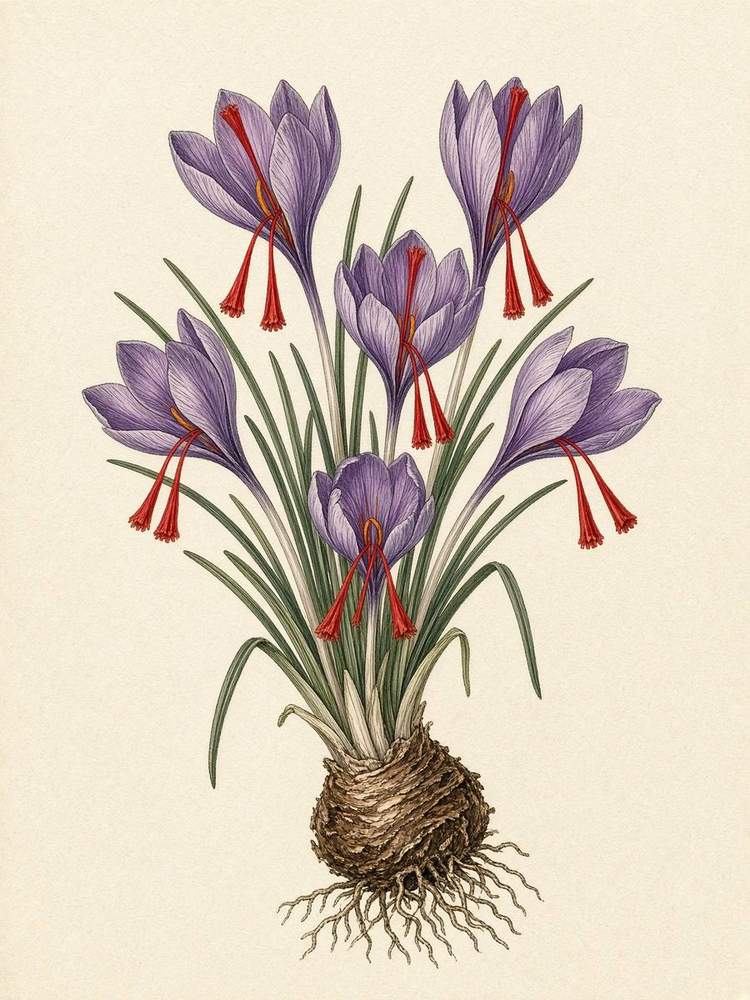
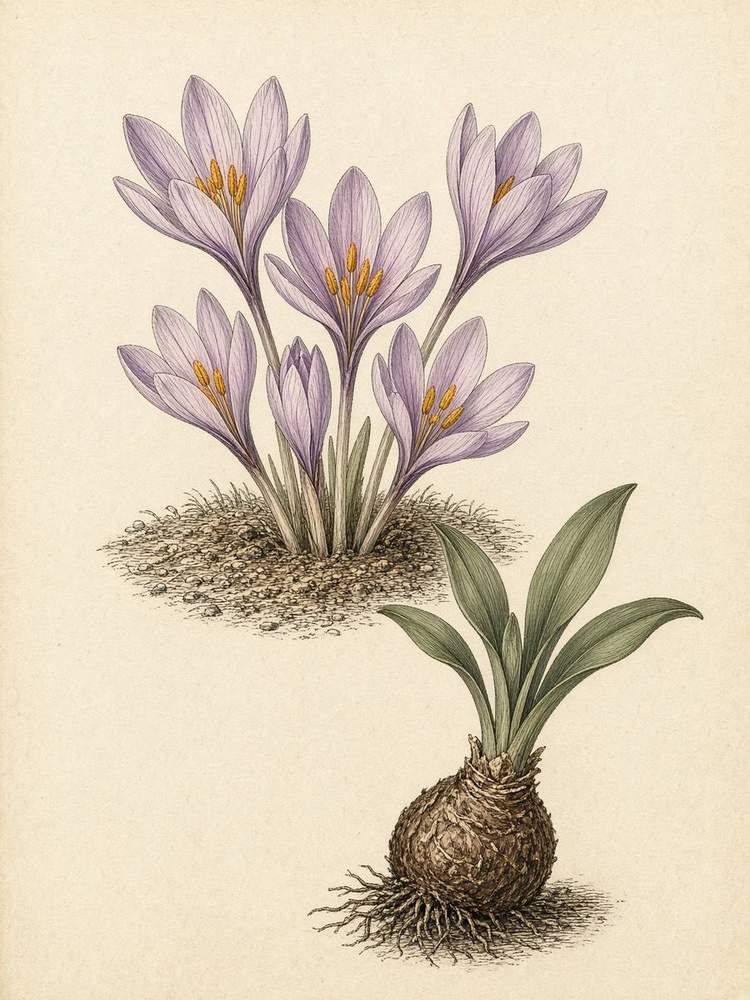
Colchicum in a paella is a poison, not a spice. True saffron is Crocus sativus; autumn crocus is a lily in disguise.
Saffron crocus has three red stigmas and grass-like leaves with a white midrib. Autumn crocus (Colchicum) has six stamens, no true crocus leaves at bloom, and the whole plant is colchicine. Never harvest a mystery autumn cup for the kitchen.
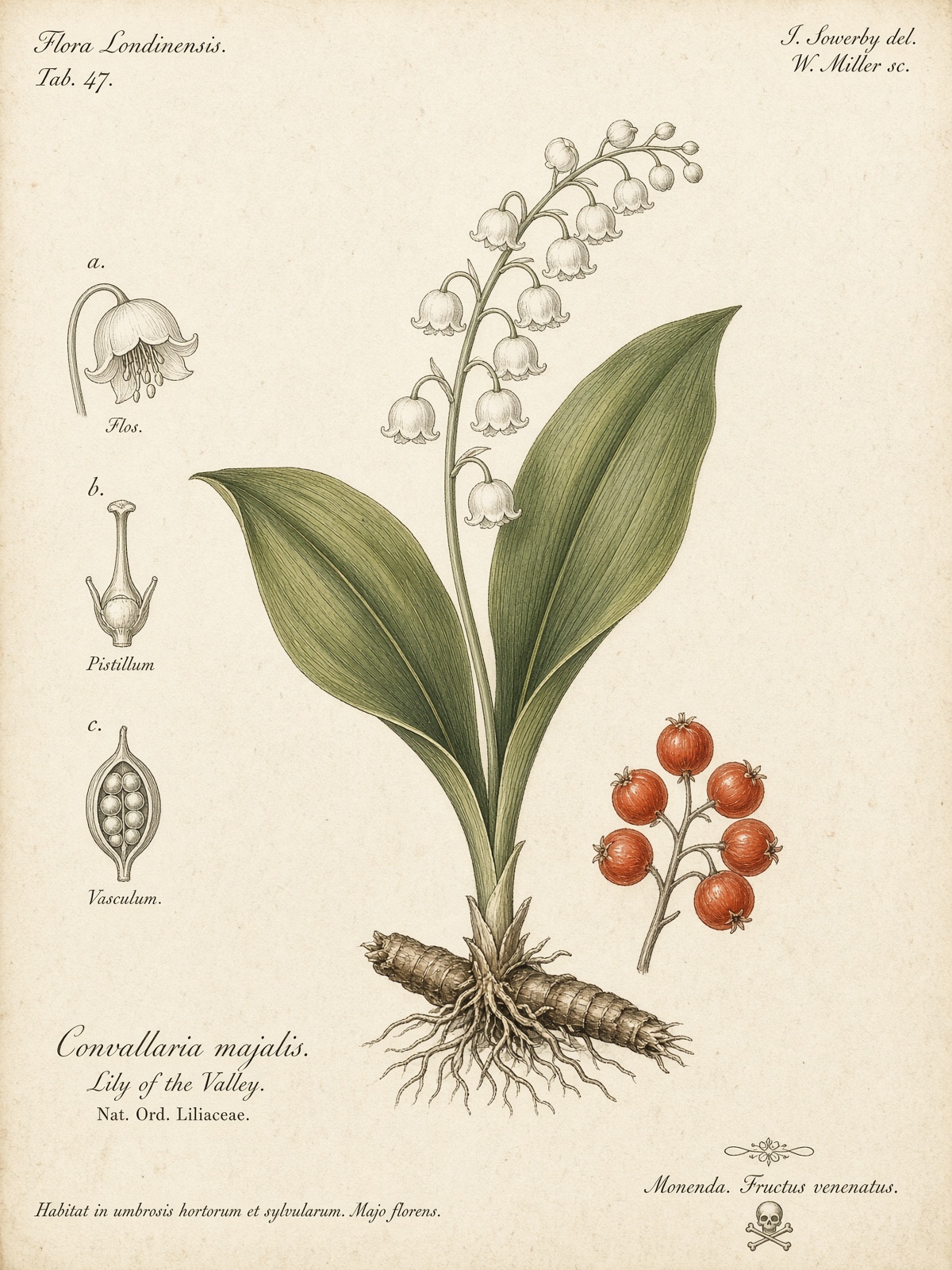
Two-leaved shade plants in spring. One is soup. The other is a cardiac glycoside that looks like a lily and smells of nothing useful.
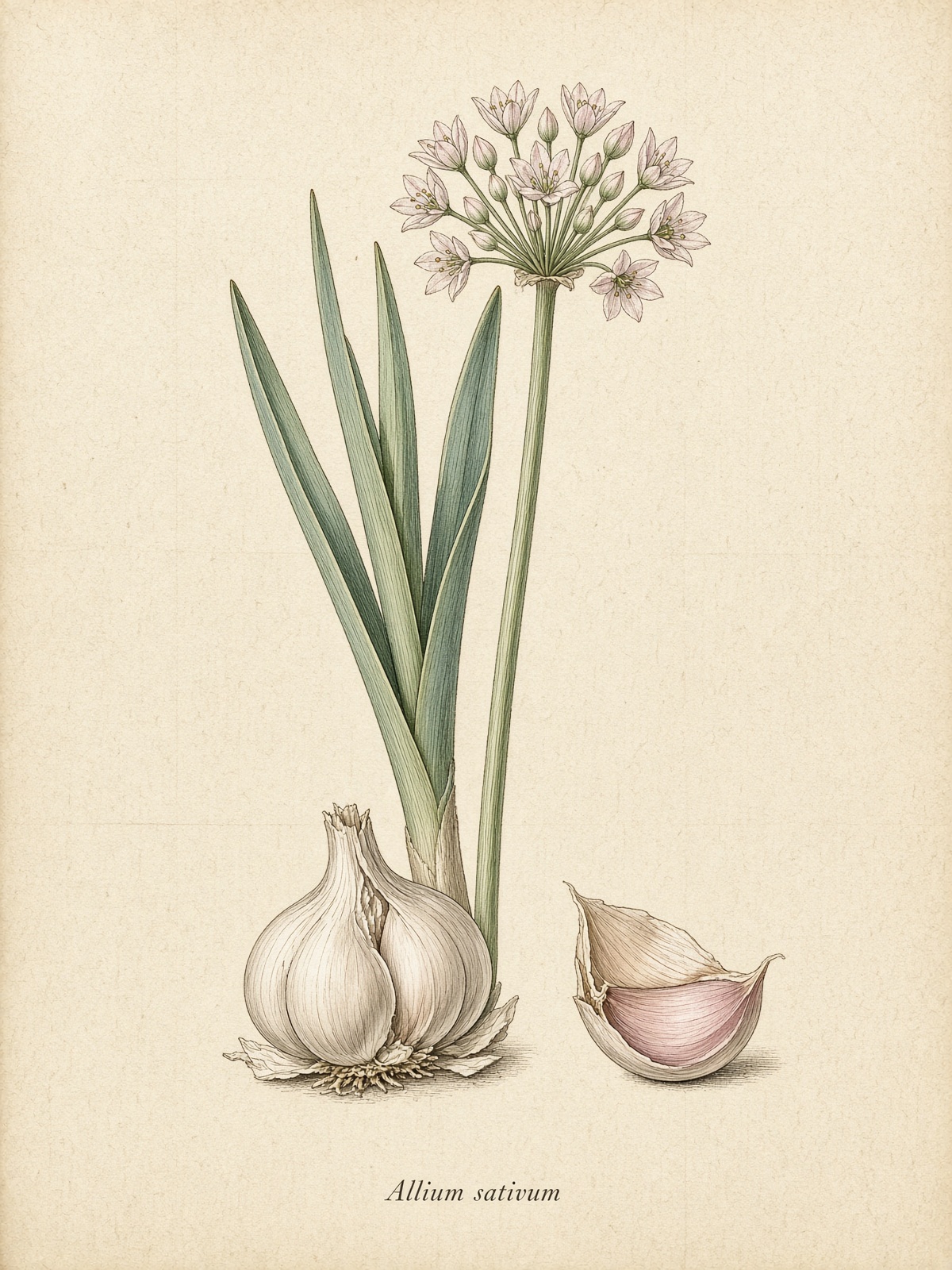
True garlic and ramps smell of onion the moment you bruise a leaf. Lily of the valley does not. Its bells hang one-sided on a scape. If it does not smell of allium, it is not an allium.
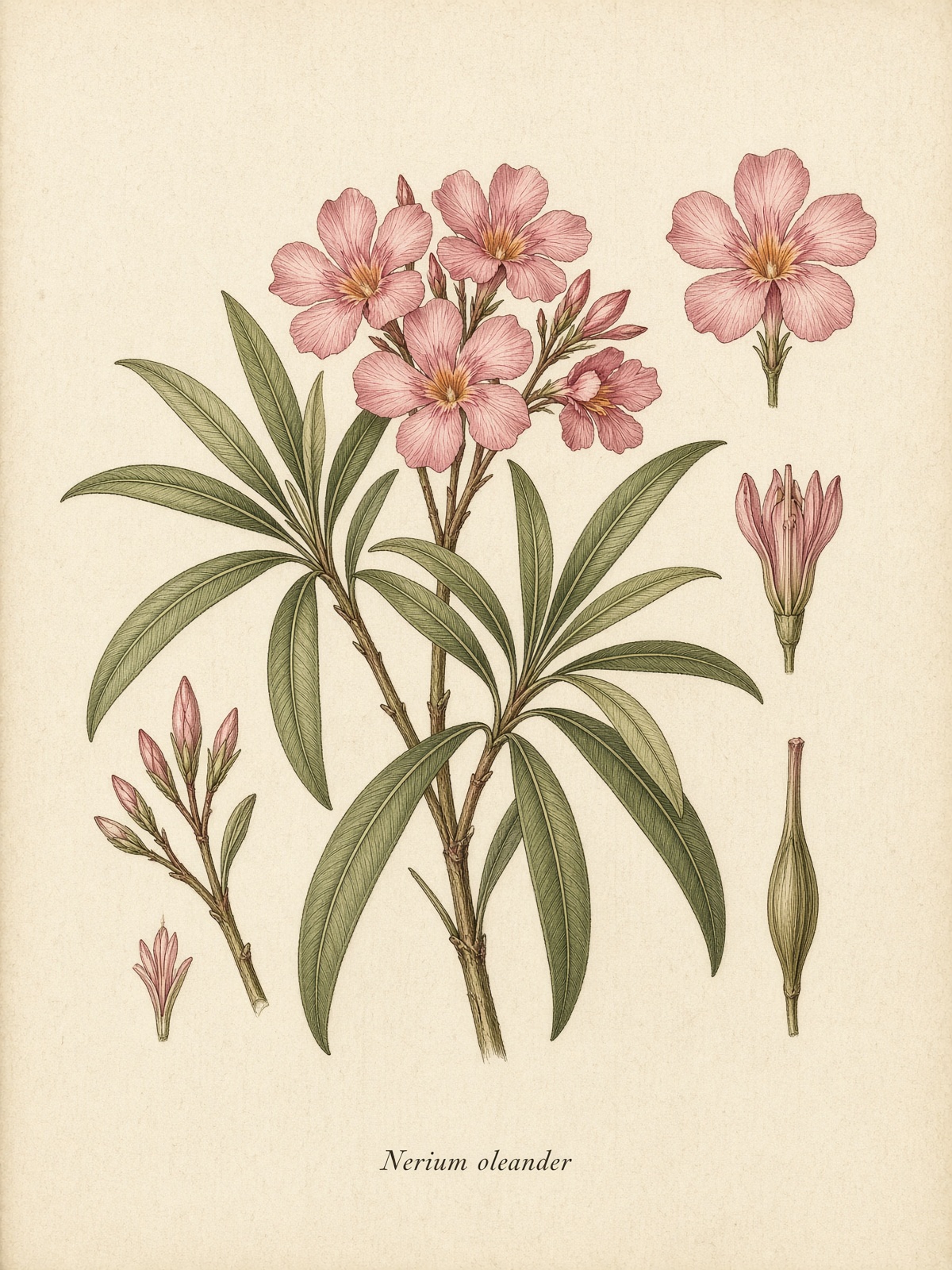
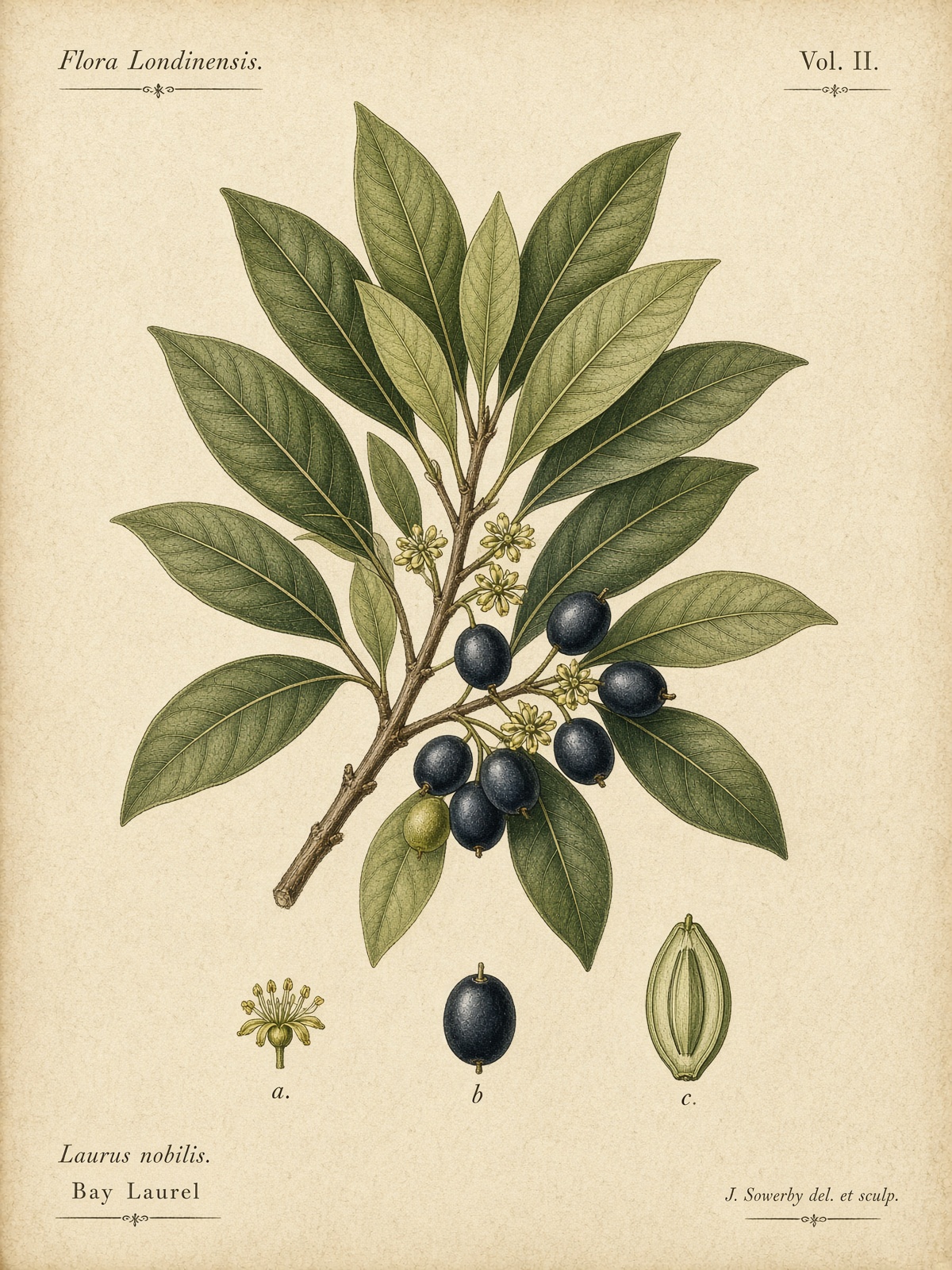
A Mediterranean shrub sold next to culinary bay. One leaf in a stew has killed. Nerium is not Laurus.
Bay laurel has a single, aromatic, leathery leaf with an undulate edge and a kitchen smell. Oleander leaves come in whorls of three, milky sap, no culinary scent. Never cook from a hedge you cannot name.
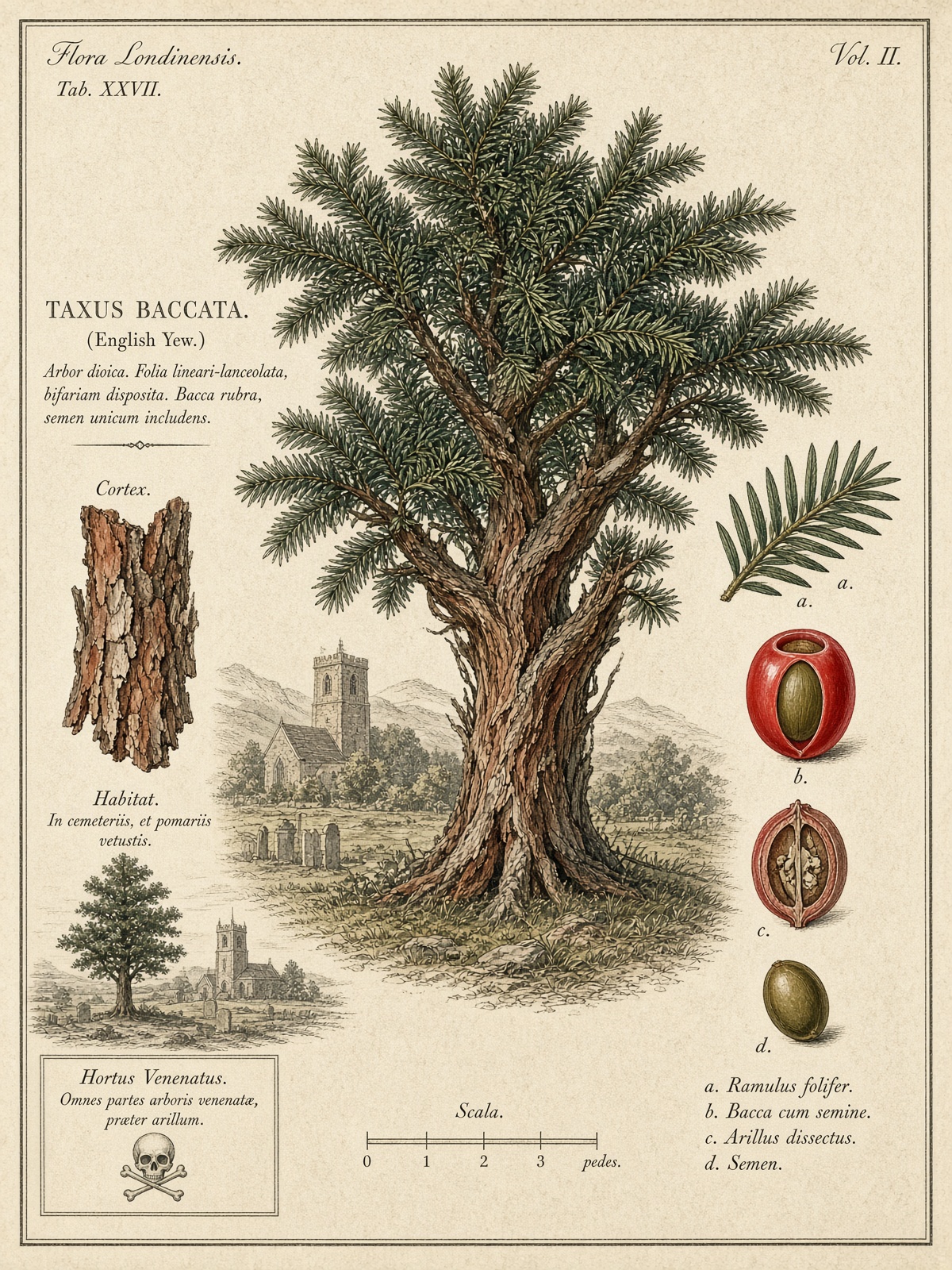
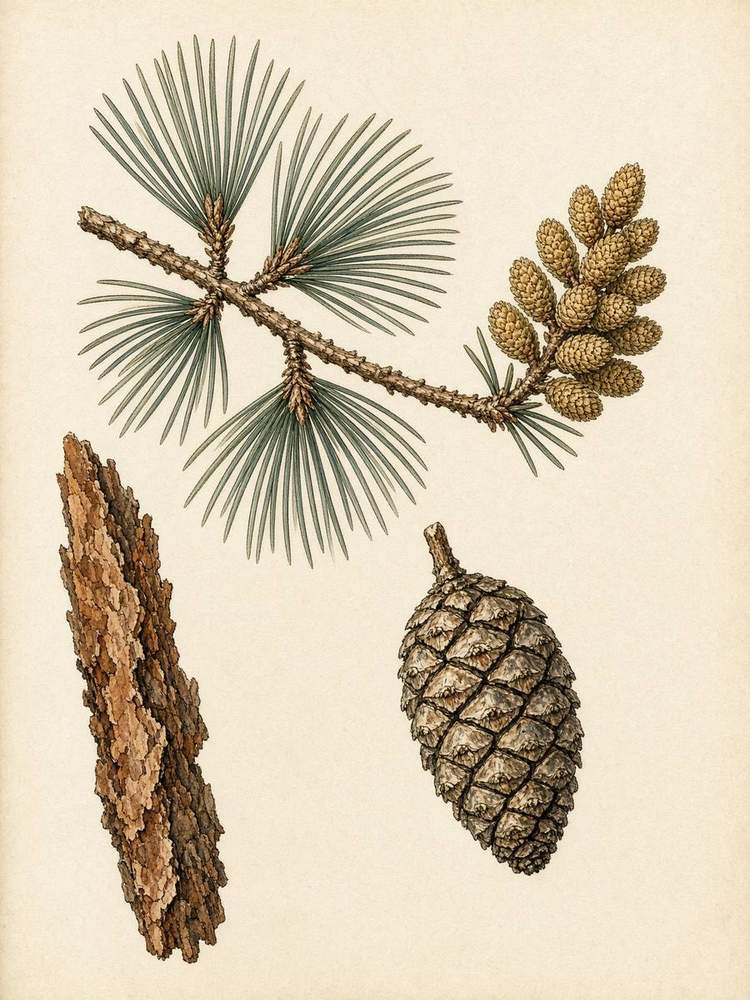
A winter evergreen tea from the wrong needle is taxine, not vitamin C. English yew is a churchyard tree, not a white pine.
Yew needles are flat, two-ranked, dark above and paler below, with no pine scent and a red aril, not a cone. Pine needles are in bundles of two or more and smell of resin. If it has a fleshy red cup, it is not tea.
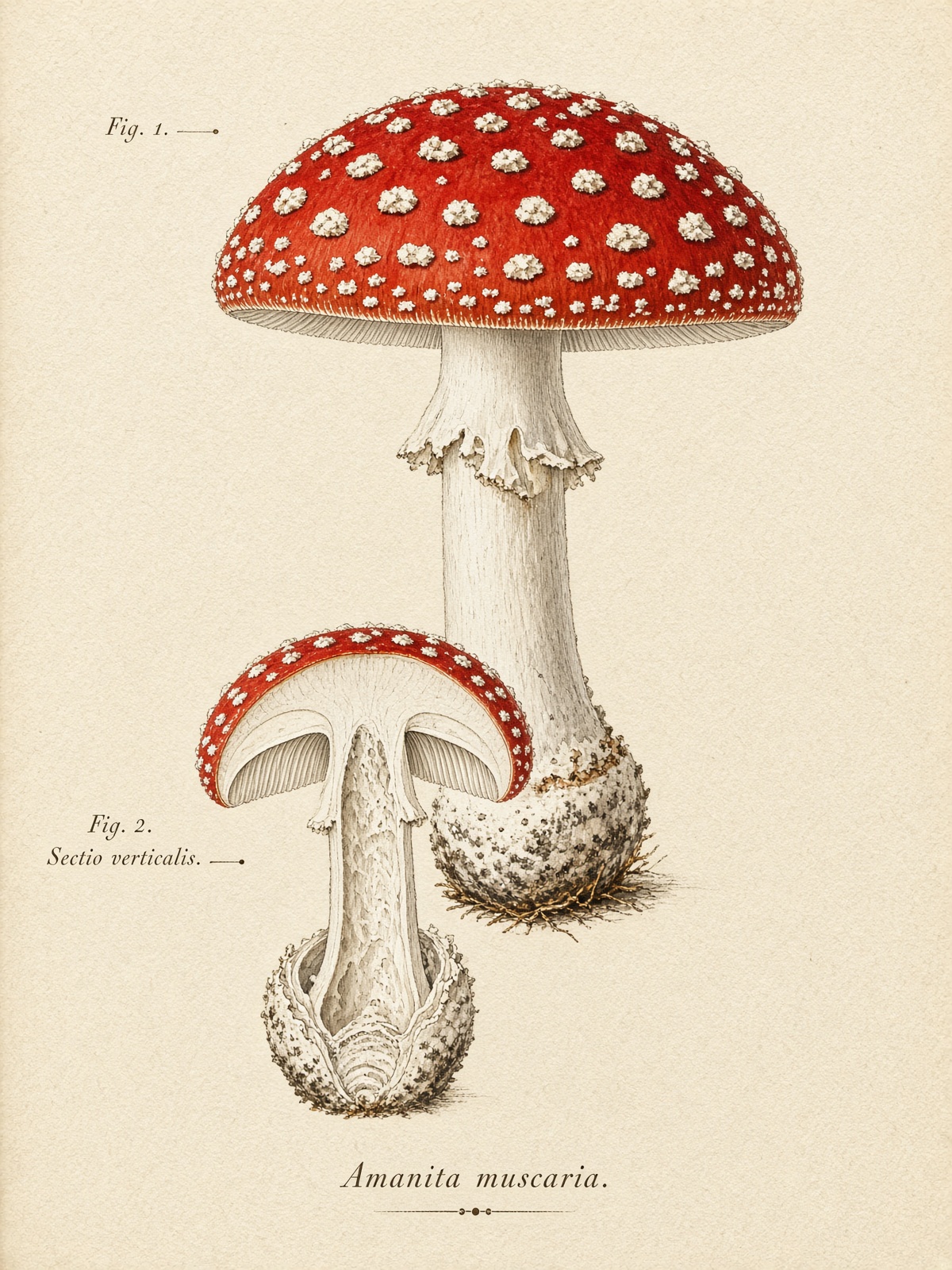
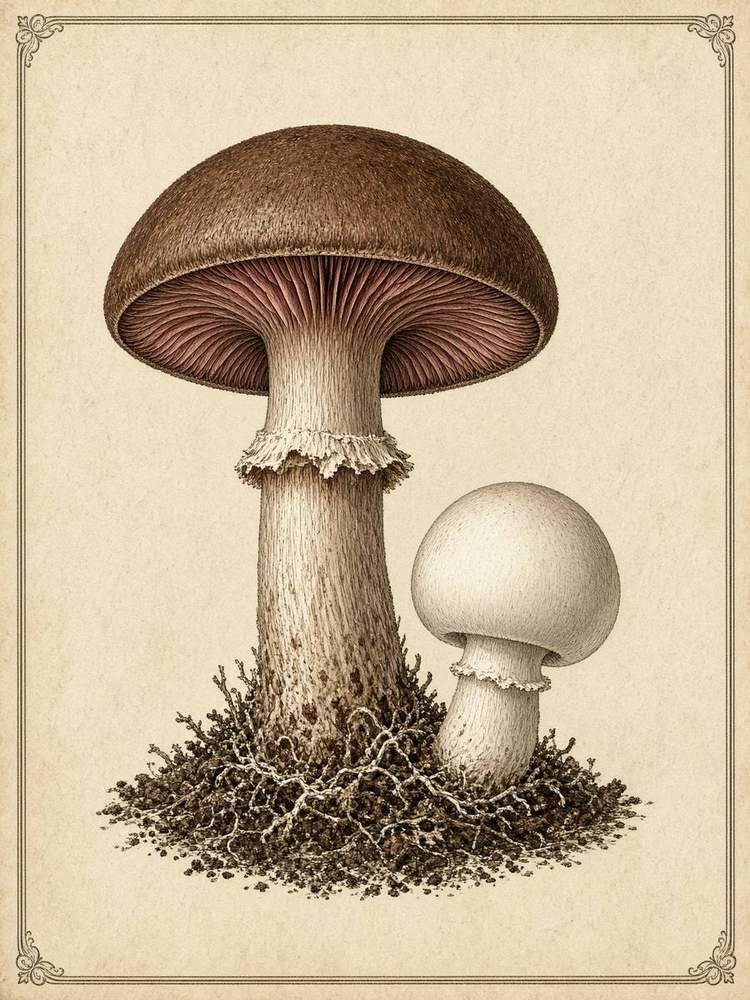
A white or orange cap in grass is not Agaricus. Fly agaric and its deadly cousins still get eaten by people who trusted a photograph.
Amanita often keeps a volva at the base, a ring, and white gills that do not bruise brown. Button mushrooms (Agaricus) have pink-then-brown gills and a grocery smell. Never eat a wild cap on an app’s word — especially not a mushroom.
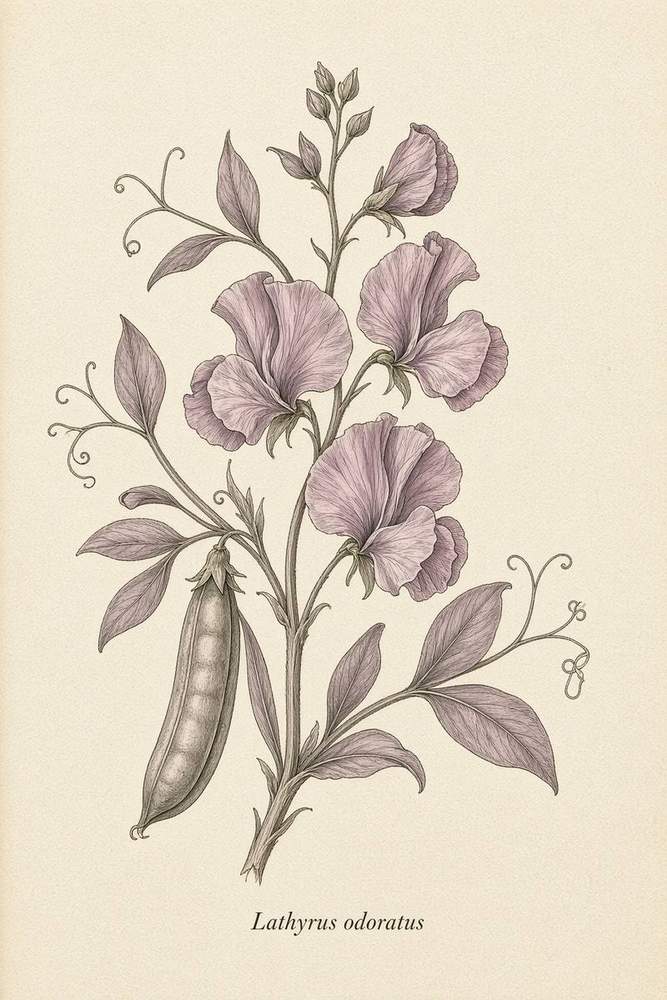
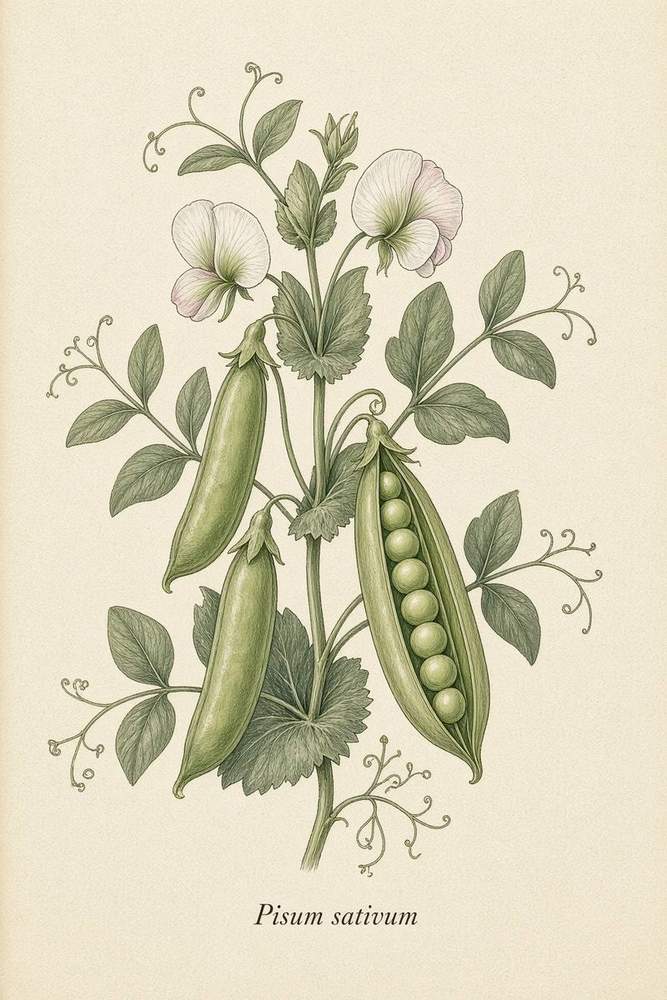
Lathyrus odoratus is a perfume screen. The seed is not food. Garden pea and sweet pea on one trellis is how someone eats the wrong pod.
Sweet pea has winged stems, a heavy perfume, and pods you do not shell for supper. Garden pea is scentless as a flower and the pod is the crop. Separate the nets. Seeds of sweet pea are not a snack.
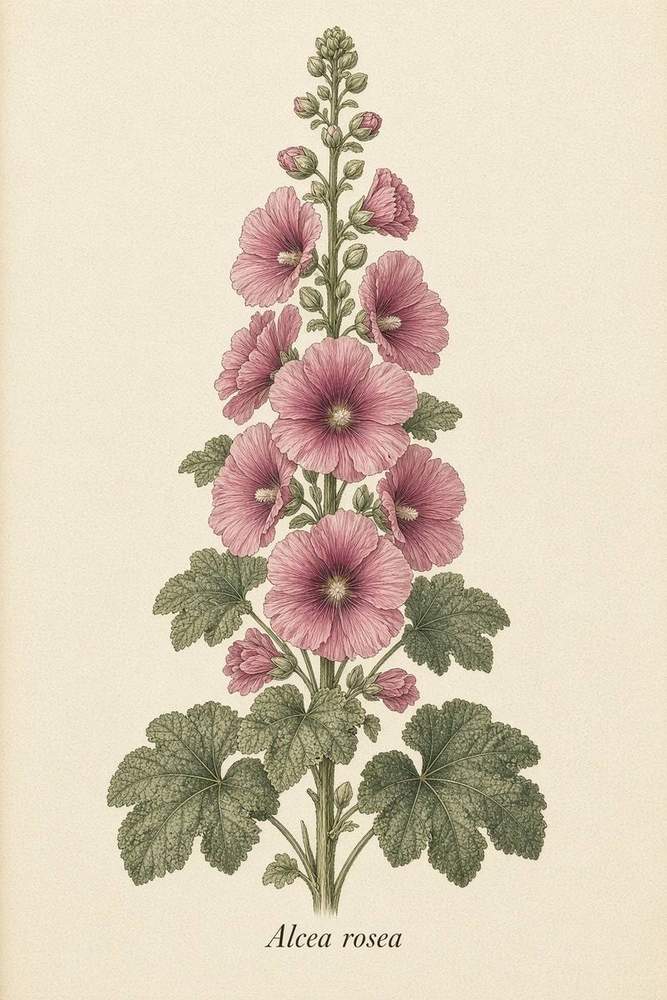
Two cottage spires. One is a cardiac drug. The other is a mallow you may not want to eat either, but it will not stop a heart in a cup.
Hollyhock is a mallow: round, palmate leaves and a column of stamens in an open, wide flower. Foxglove is a plantain-family spike of spotted thimbles with a basal rosette of lance leaves. A young rosette is the dangerous year.
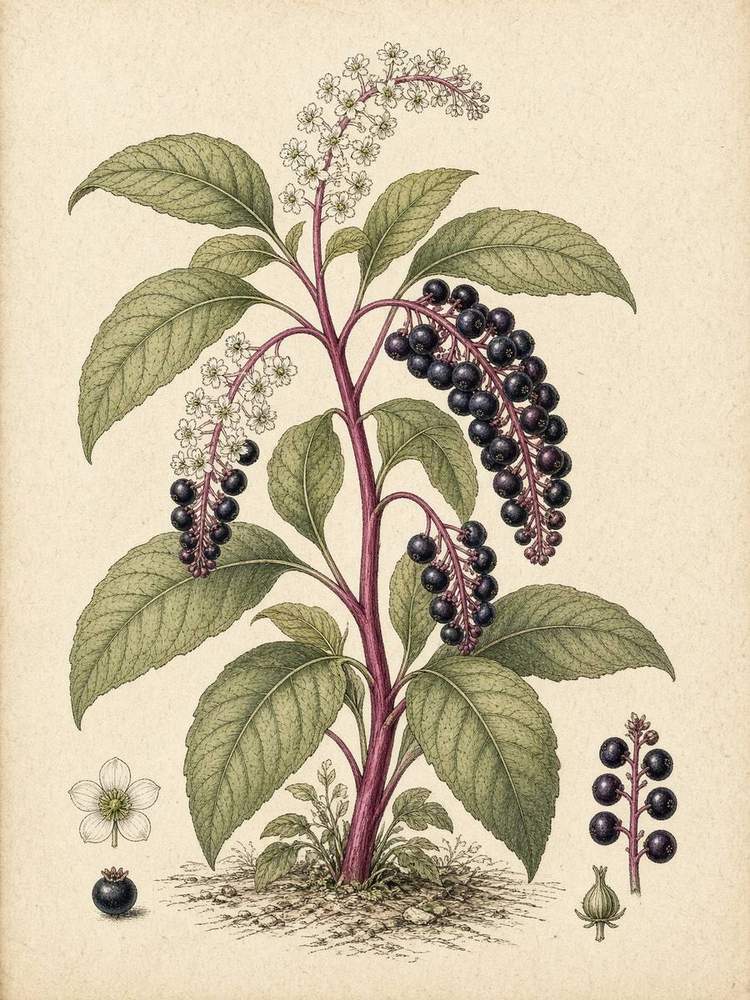
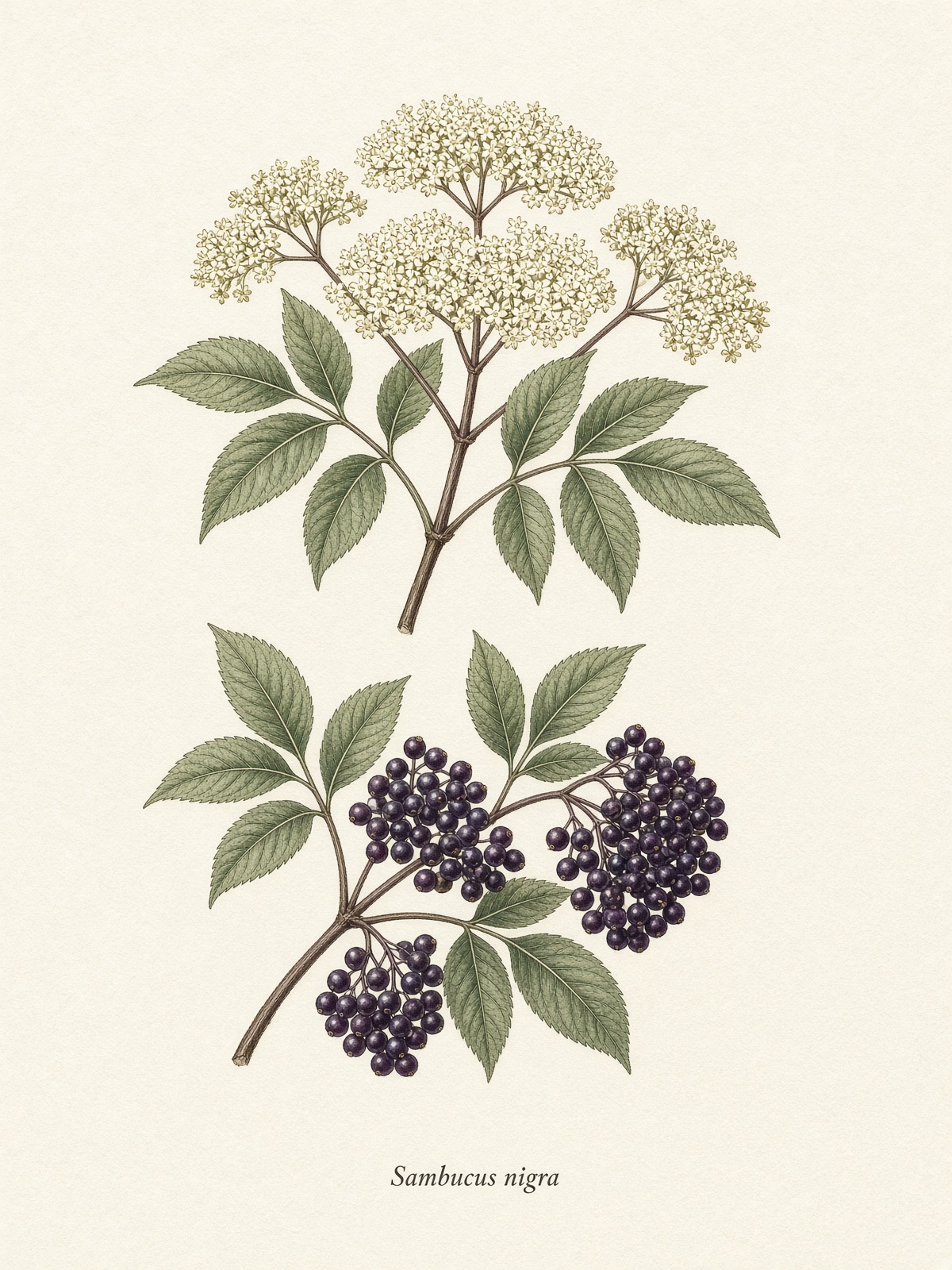
Purple-black berries on red stems look like a pie fruit. Pokeweed is a purge. Elder is a sambucus, and even that wants cooking.
Elderberry is a woody shrub with opposite, pinnate leaves and flat cymes. Pokeweed is an herbaceous perennial with alternate leaves, a magenta rachis, and hanging racemes. Do not juice an unknown purple berry.
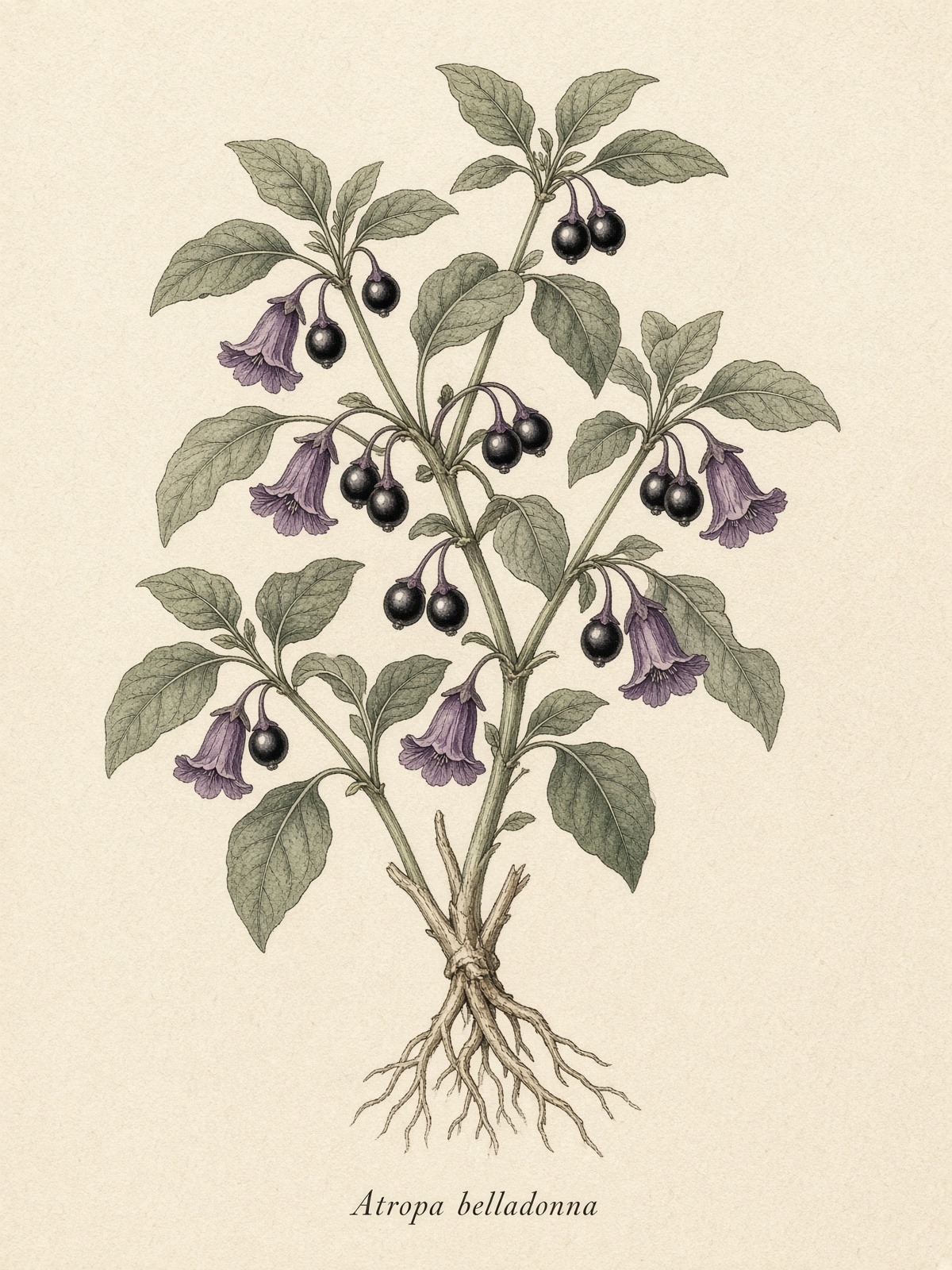
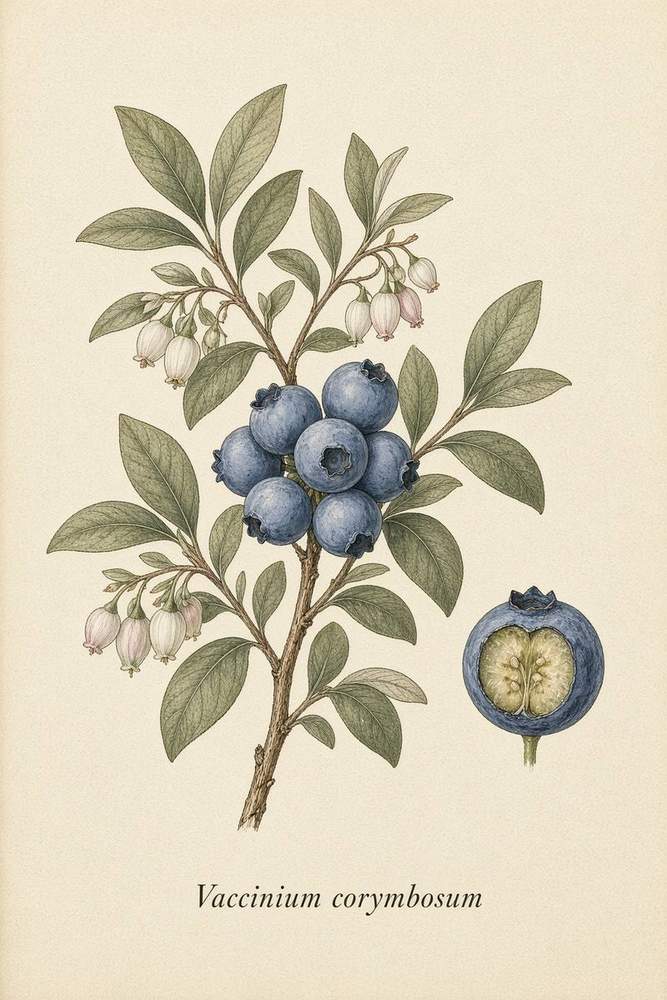
Shiny black berries in a hedge are not Vaccinium. Atropa is a tropane. A handful has ended walks.
Blueberry is a low ericaceous shrub; the berry has a five-point crown and many small seeds. Deadly nightshade is a sprawling solanum relative with a persistent calyx and a single berry like a black cherry. If it is not a heath, it is not a blueberry.
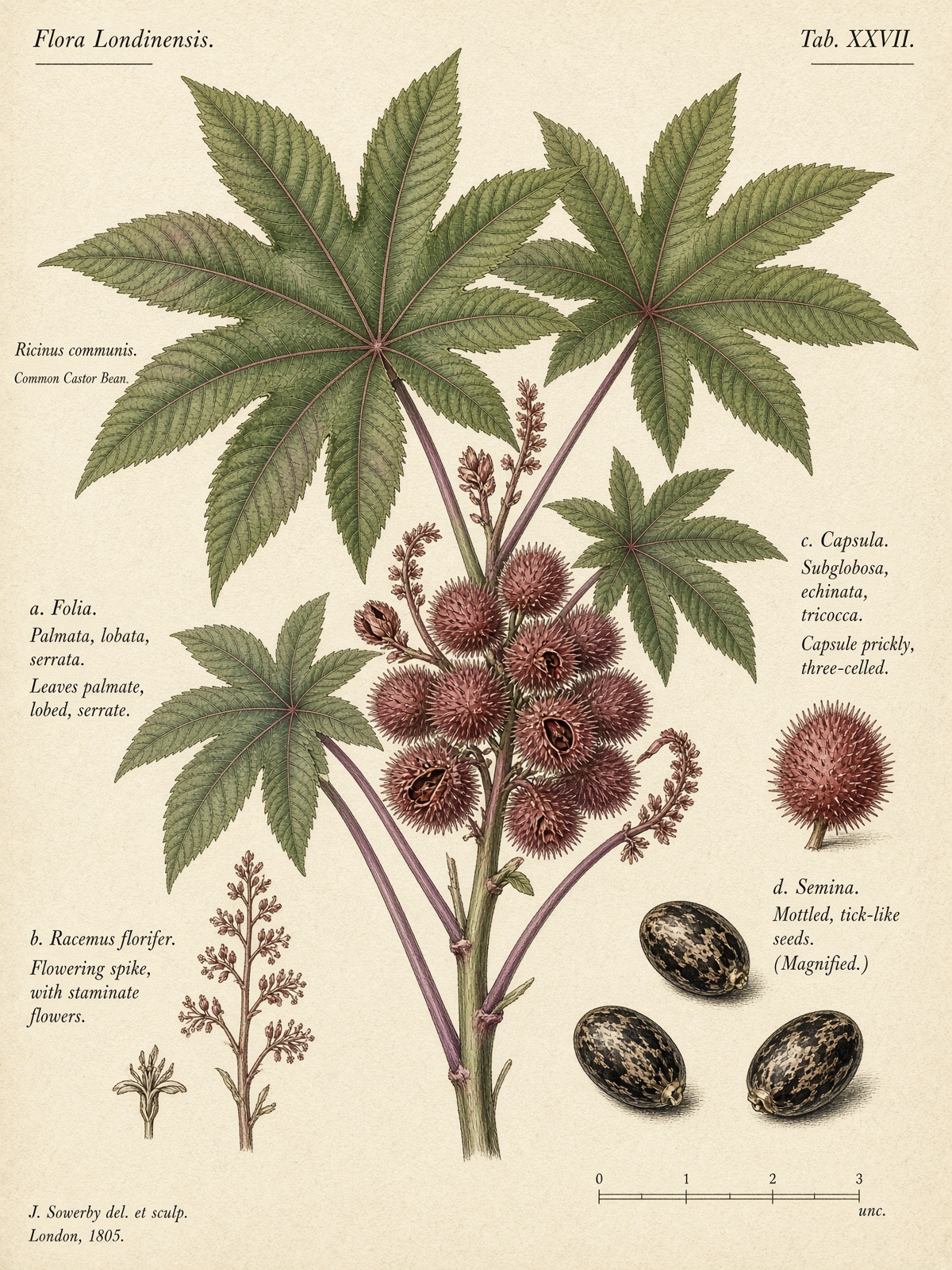
Ricinus seeds look like ticks, not snap beans. One chewed seed is a ricin problem. This is a poison-garden plant, not a pot crop.
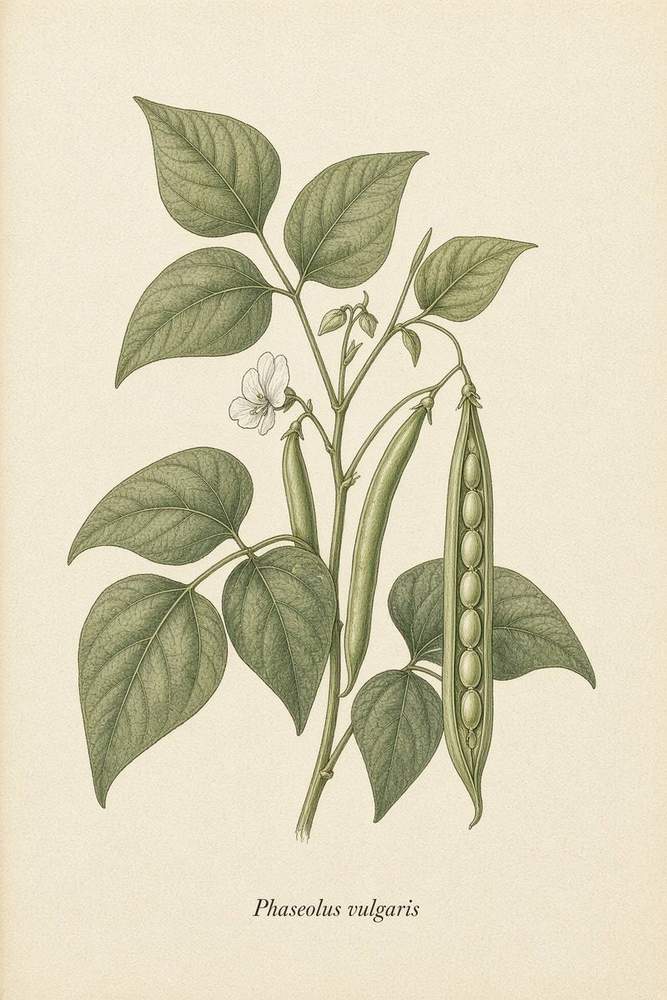
Castor has palmate, peltate leaves and spiny capsules. Garden beans are legumes with typical pea-flowers and green pods. Never treat an ornamental seed as food.
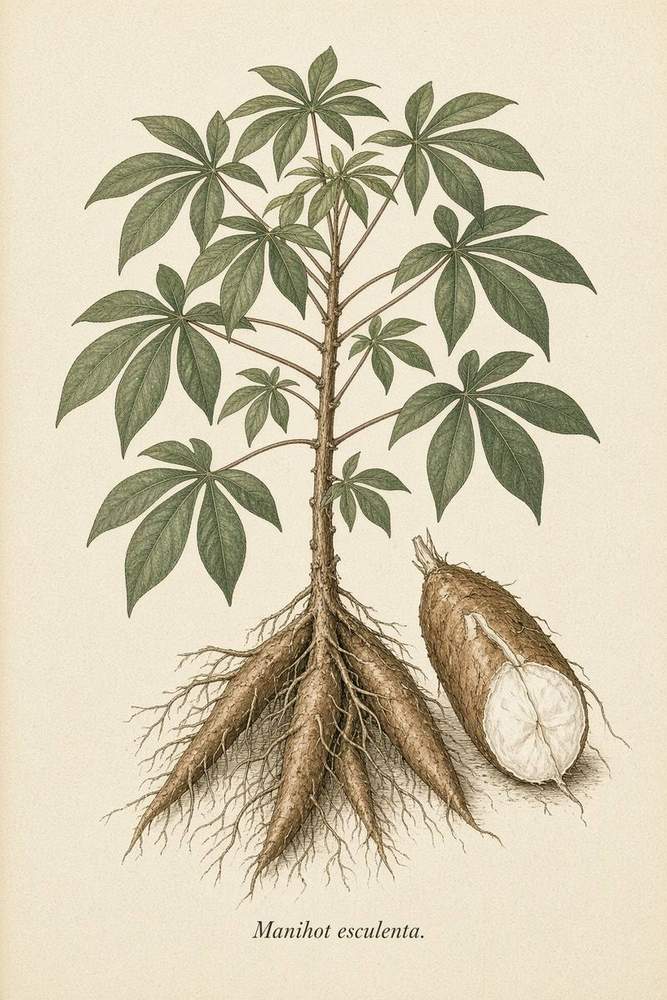
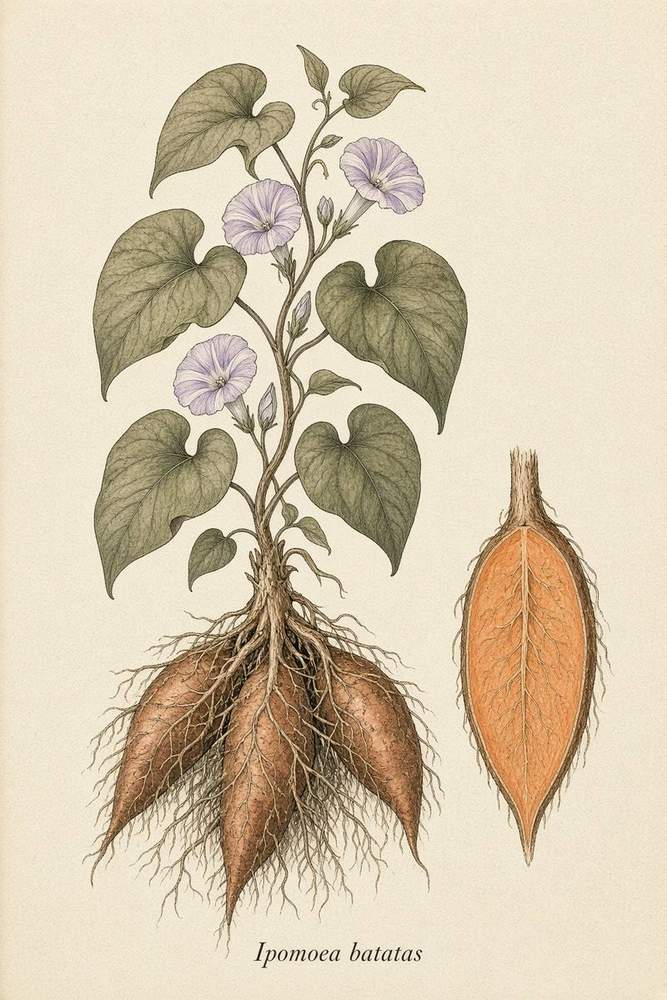
Two tropical roots. One is a breakfast. Bitter cassava is cyanogenic until it is prepared correctly — not a casual swap.
Sweet potato is a morning-glory vine with milk and a tapered storage root. Cassava is a shrub with palmate leaves and a long, barky tuber. Do not cook an unknown tropical root as if it were a yam.
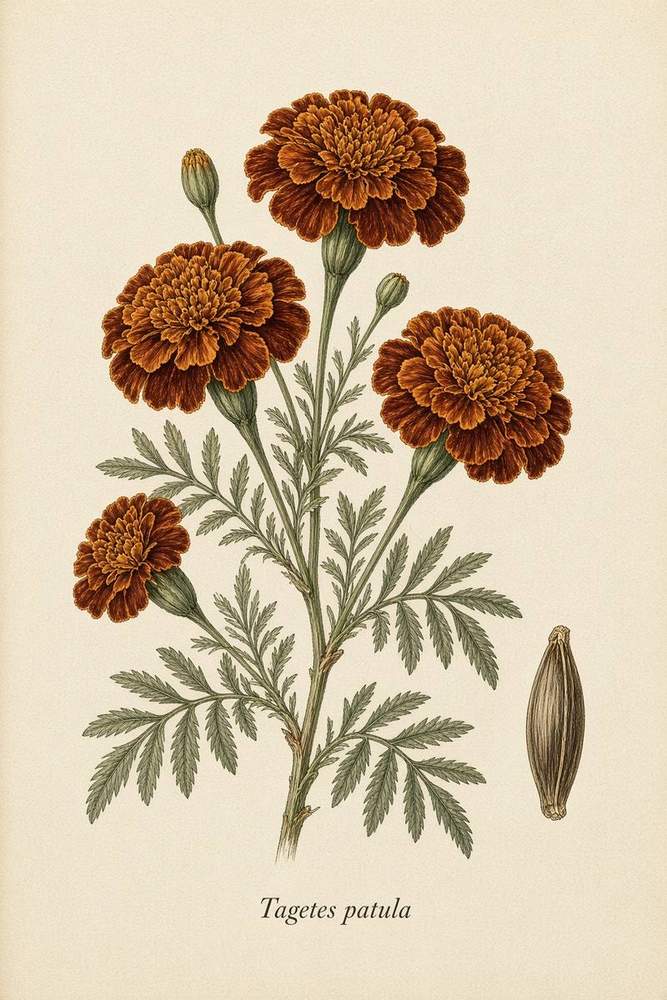
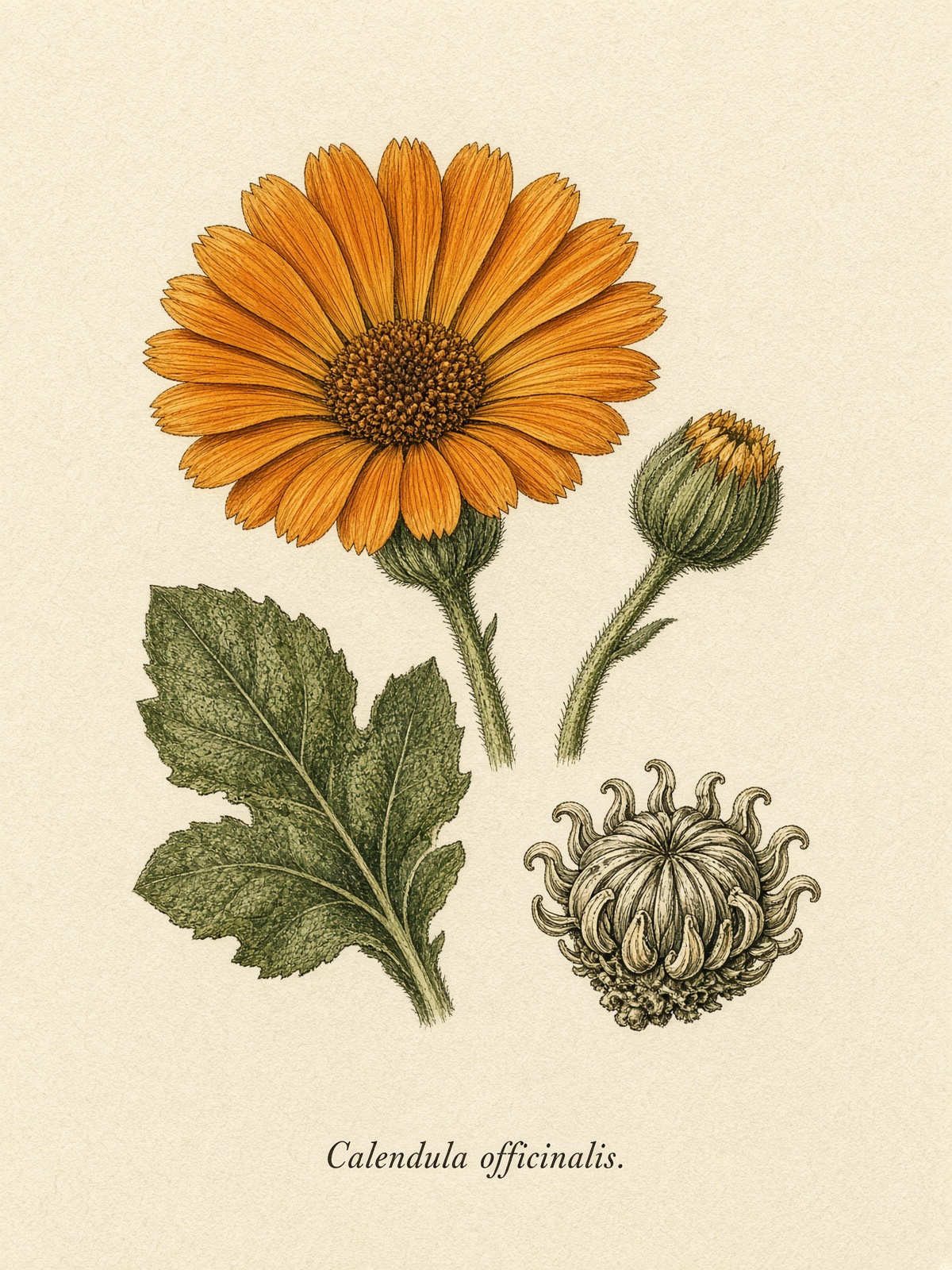
A salve recipe that says ‘marigold’ sometimes meant Calendula, sometimes Tagetes. They are not the same plant, and Tagetes is the nematode folklore, not the skin oil.
Calendula is a cool-season composite with pale seeds like little claws. French marigold (Tagetes) is a warm annual with a pungent, resinous scent and darker, narrower rays. Read the Latin on the packet.
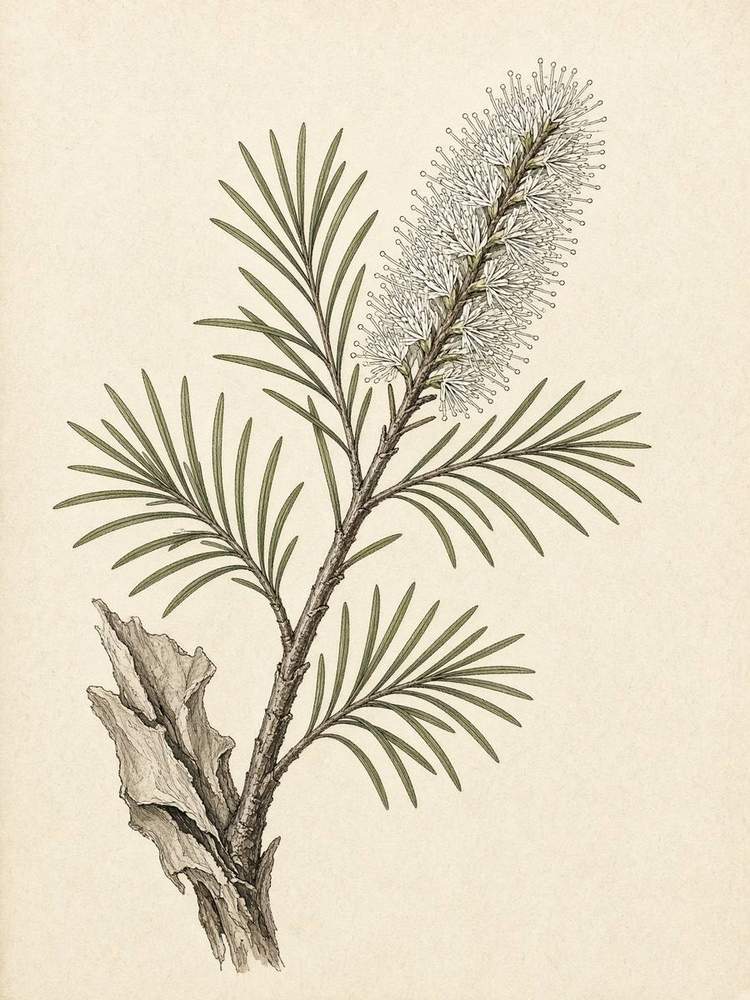
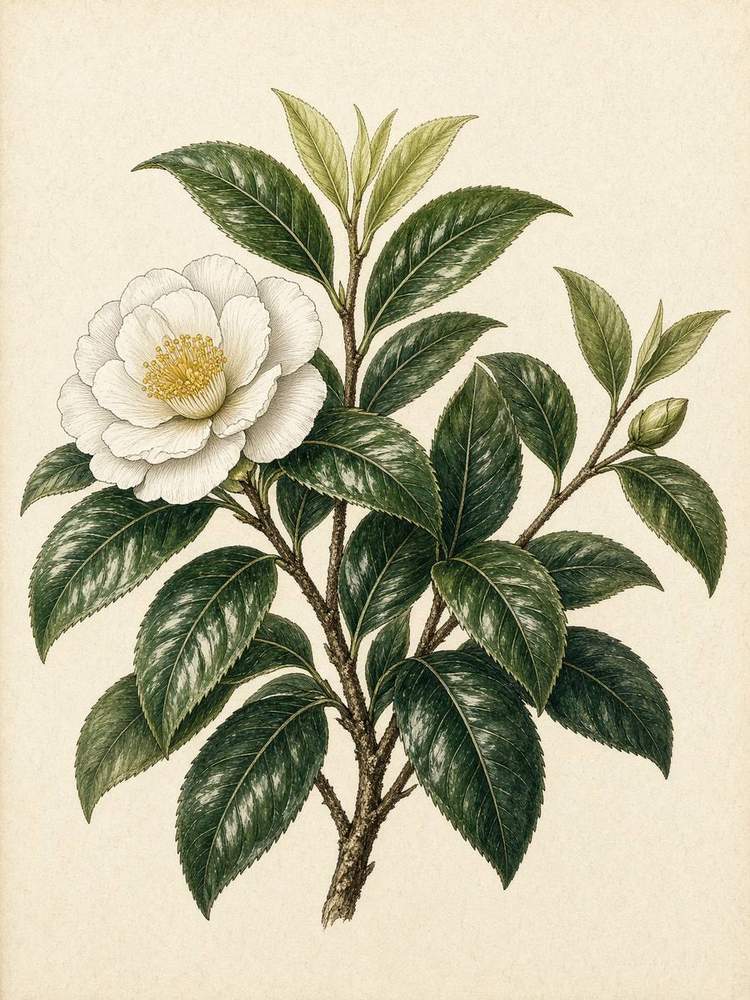
Melaleuca oil is not Camellia sinensis. A drop of tea-tree in a cup is a mucosa problem, not a breakfast.
The tea plant is an evergreen camellia with serrate leaves you wither and roll. Tea-tree is a paperbark myrtle. Never drink essential oil because the English names share a word.
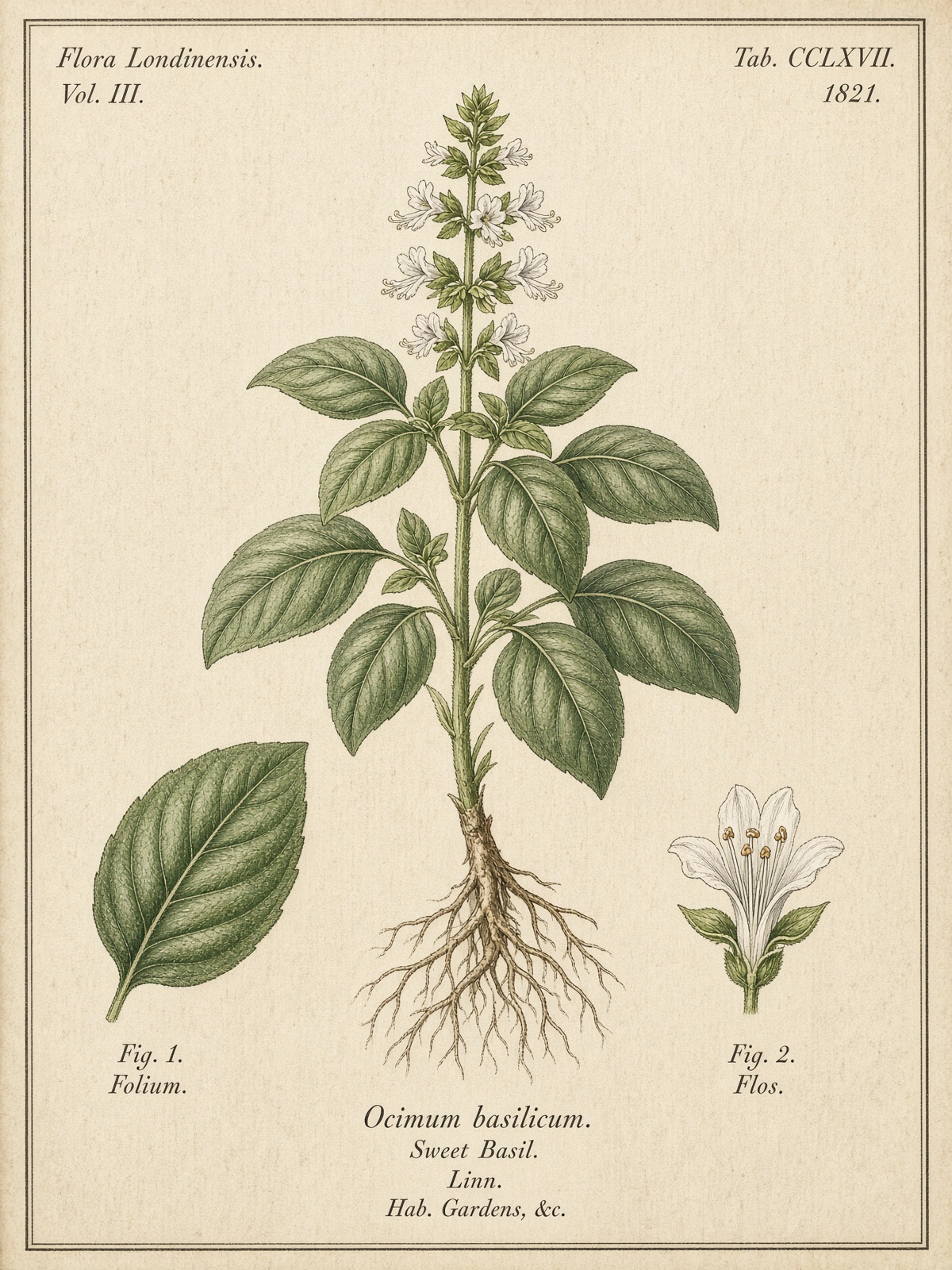
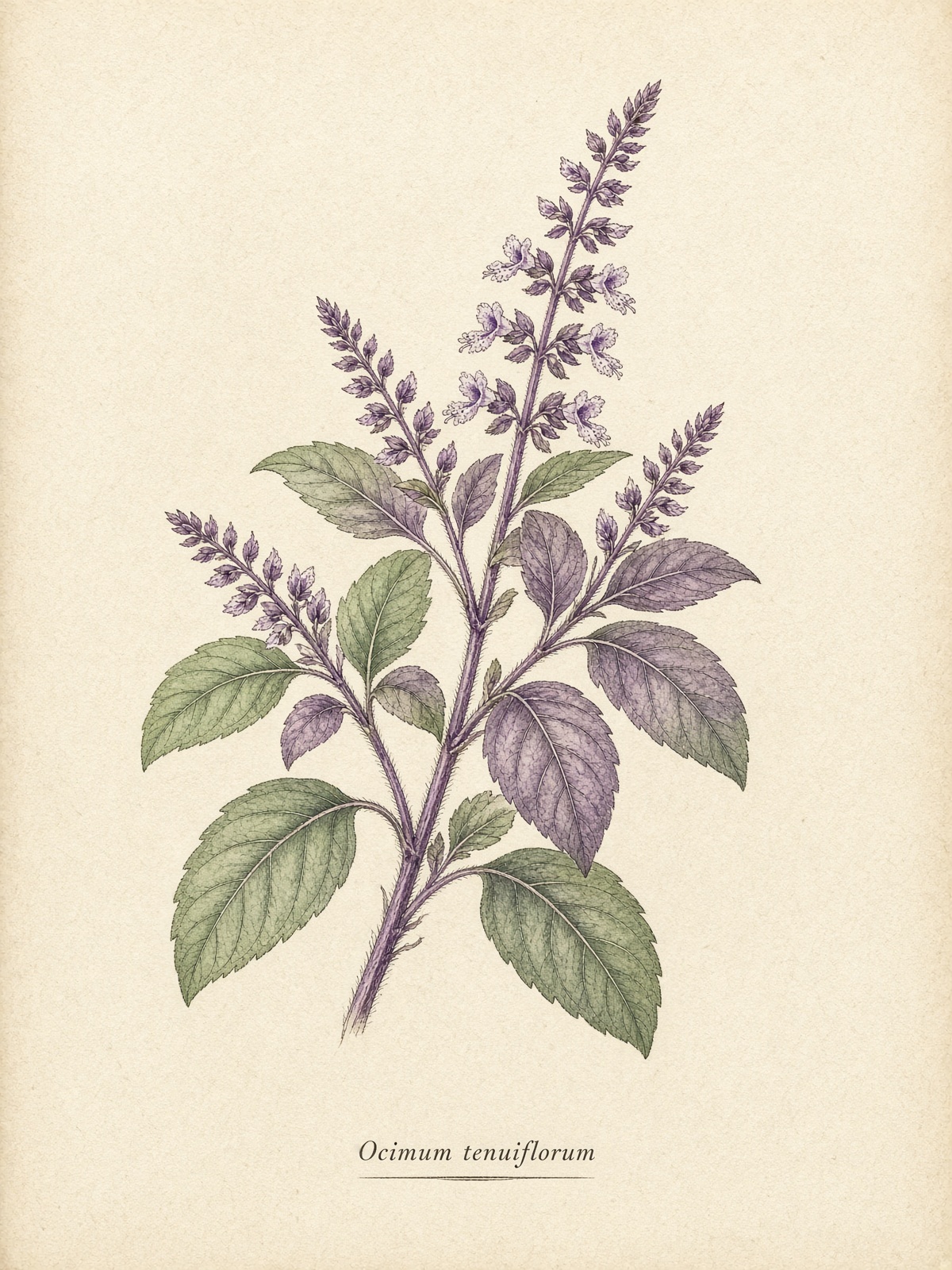
Sweet basil and holy basil are both Ocimum, and both are food — but tulsi is a different chemistry and a different kettle. Recipes are not interchangeable.
Sweet basil is tender, glossy, and clove-anise. Holy basil (tulsi) is sharper, often purple-tinged, with a camphor edge. Name the plant before you dose a tea as if it were pesto.
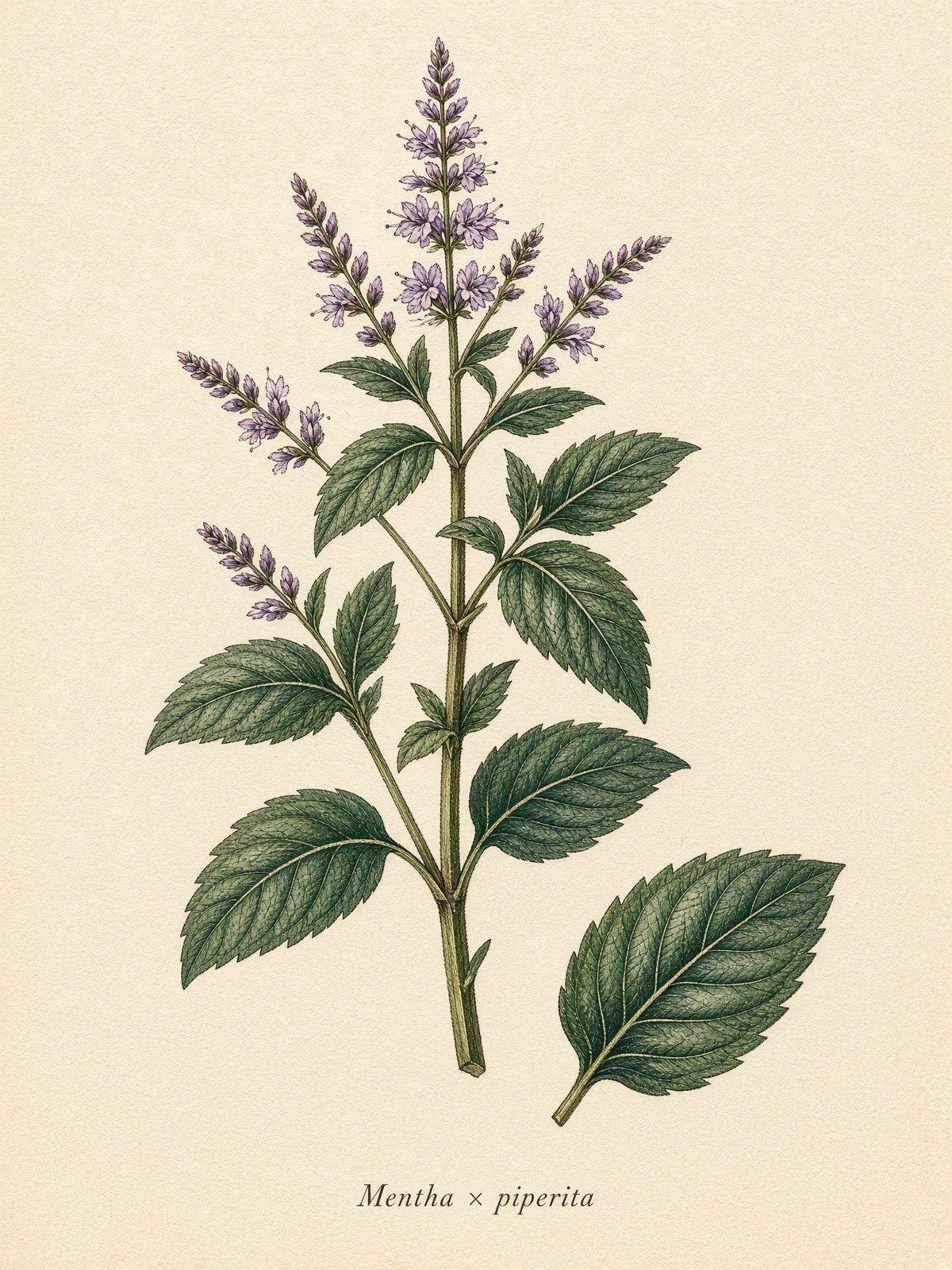
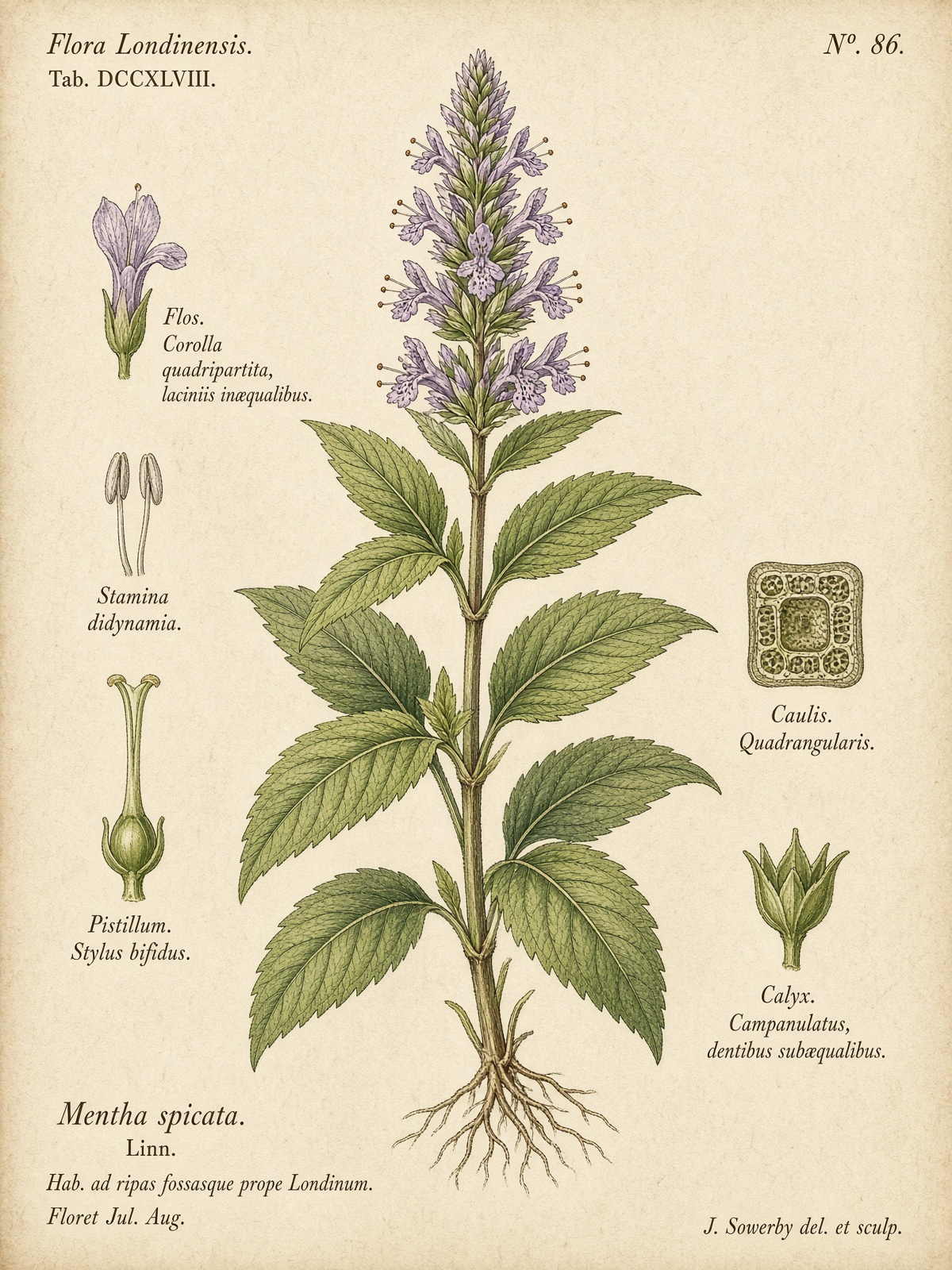
Peppermint is a sterile hybrid; spearmint is the milder kitchen leaf. Sharing the word ‘mint’ is how a strong tea becomes a reflux night.
Peppermint is darker, often purple-stemmed, and menthol-sharp. Spearmint is brighter green and sweeter. Either can run a damp bed. Neither is medical advice.
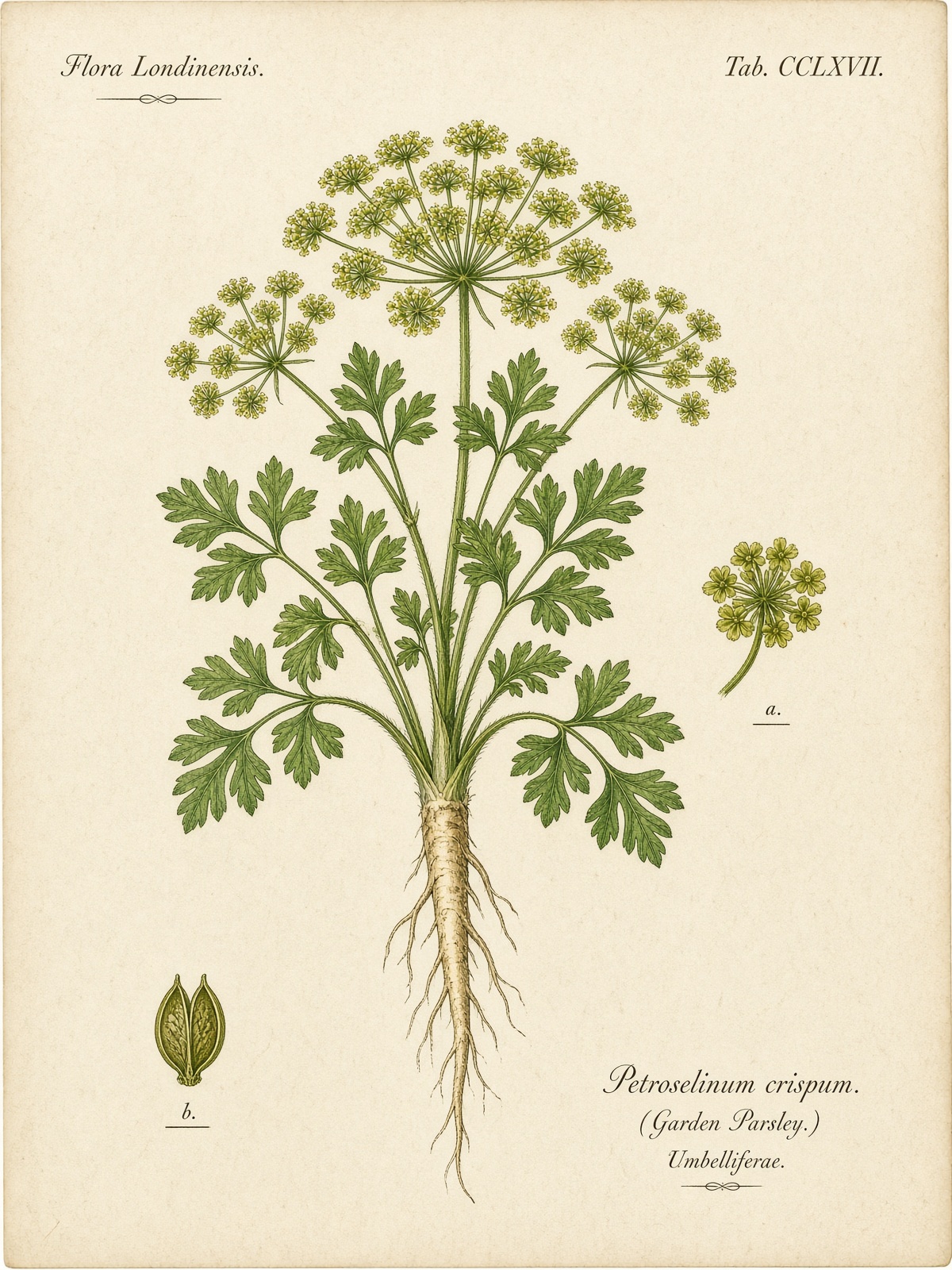
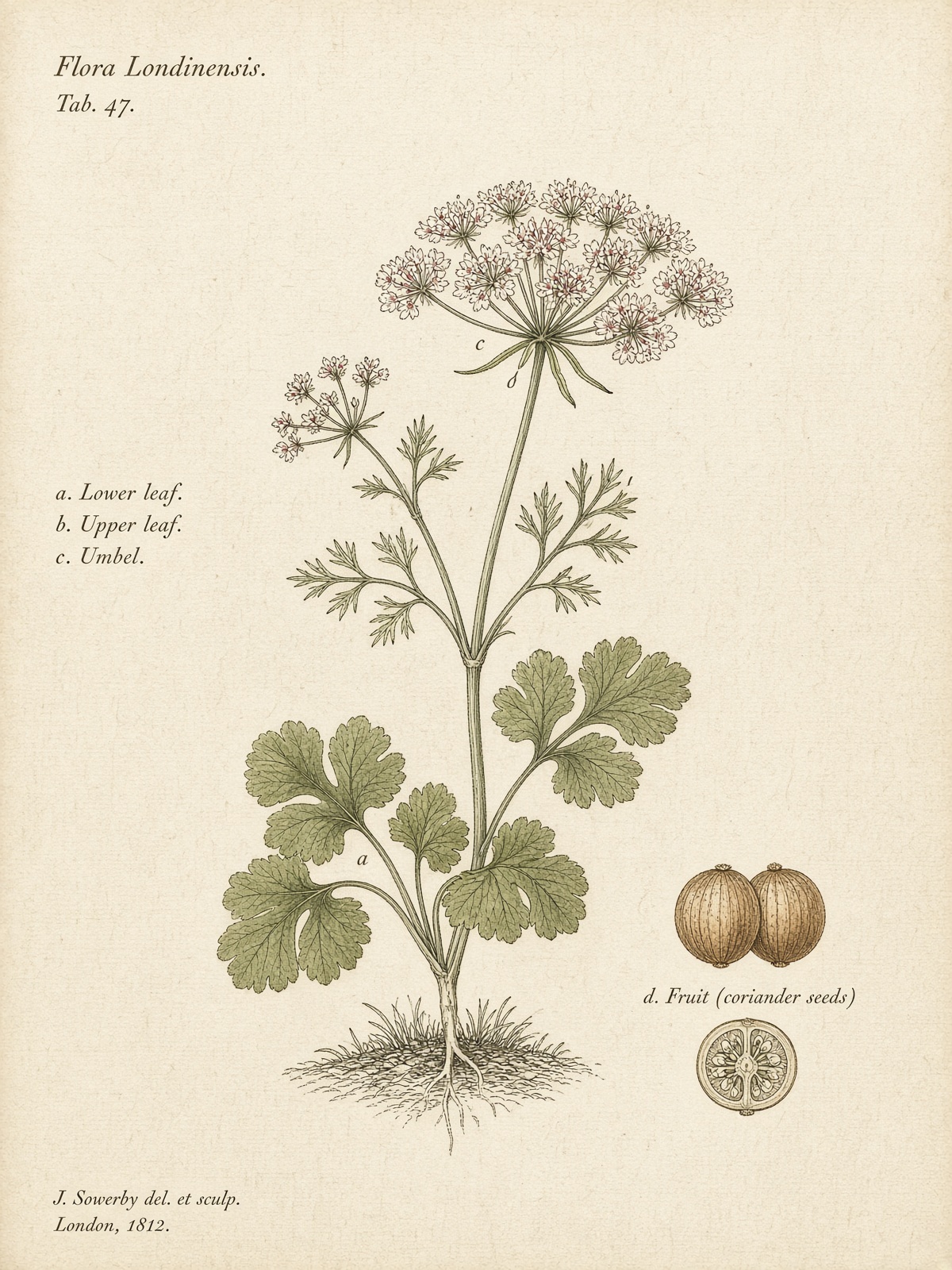
Two flat-leaf herbs on the same board. One is coriander. The other is Petroselinum. A soapy leaf is not hemlock — but the umbel family still wants a name.
Cilantro leaf is rounded and scalloped; parsley is saw-toothed and denser. Both are green to the crown. The deadly look-alikes are the roadside umbels, not each other — still, label the bunch.
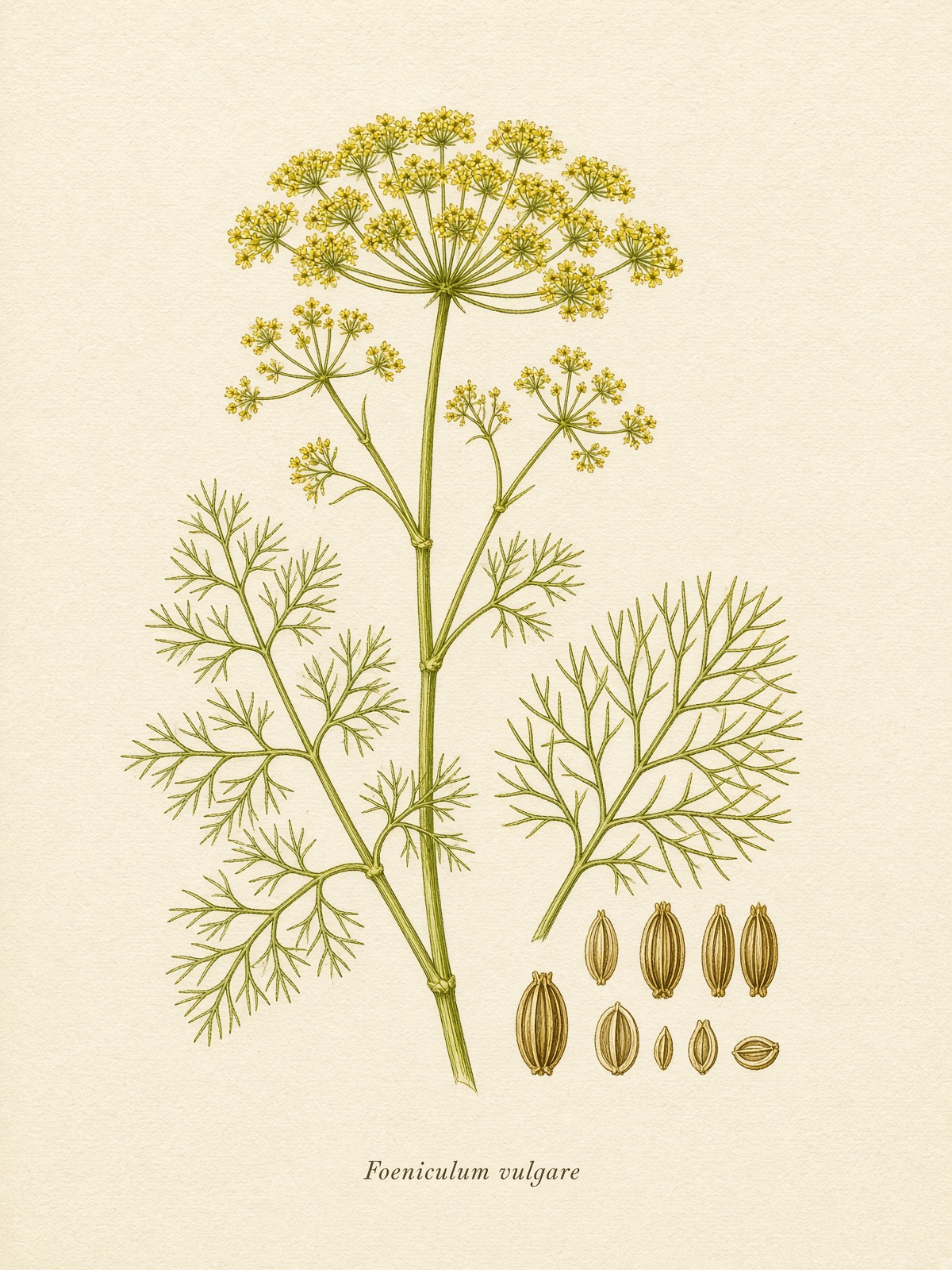
Anise cousins in the same bed will cross and confuse a seed harvest. Neither is hemlock, and both have been mistaken for it.
Fennel is perennial, swollen at the base in the bulb types, and liquorice to the core. Dill is annual, flatter, and pickle-scented. Keep them apart if you want true seed. Keep both apart from purple-spotted umbels.
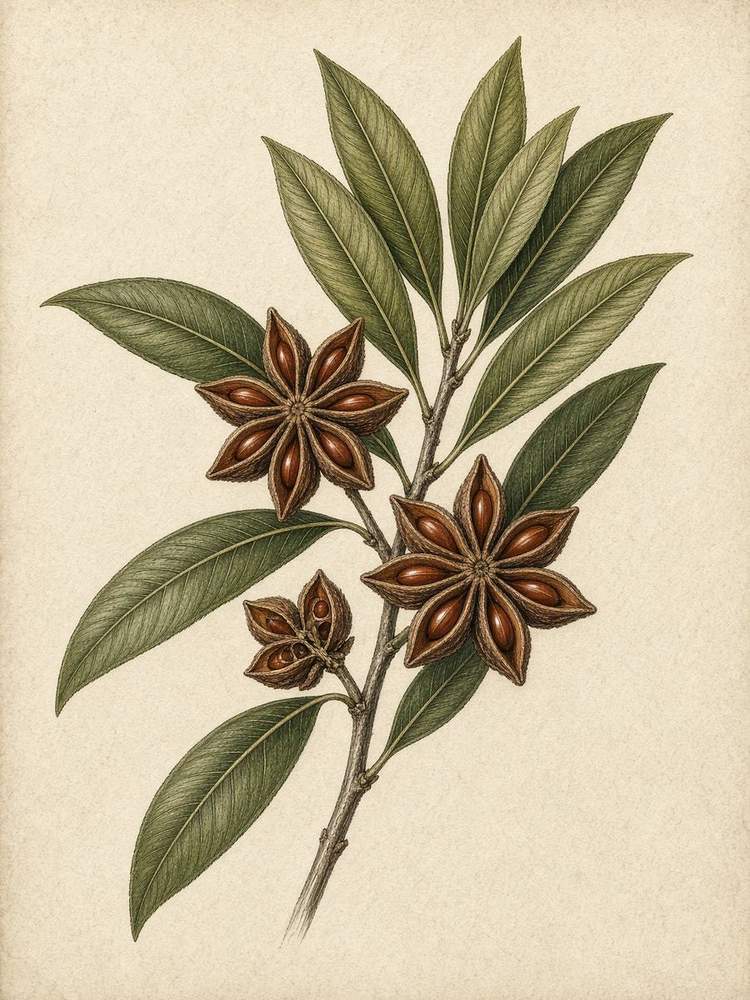
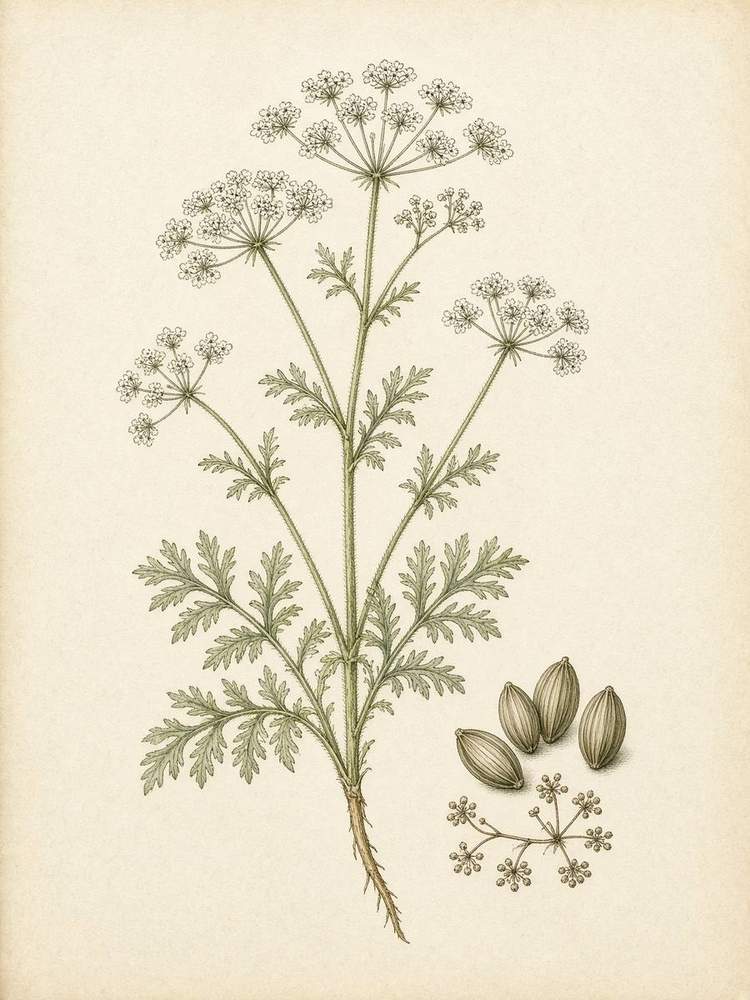
Illicium and Pimpinella share a flavour and not a family. Japanese star anise is a toxic cousin of the Chinese spice — buy named culinary star anise, never a wild Illicium.
Culinary star anise is an eight-point woody boat. Anise is an umbel seed, small and grey-green. Do not forage a star from an ornamental bush.
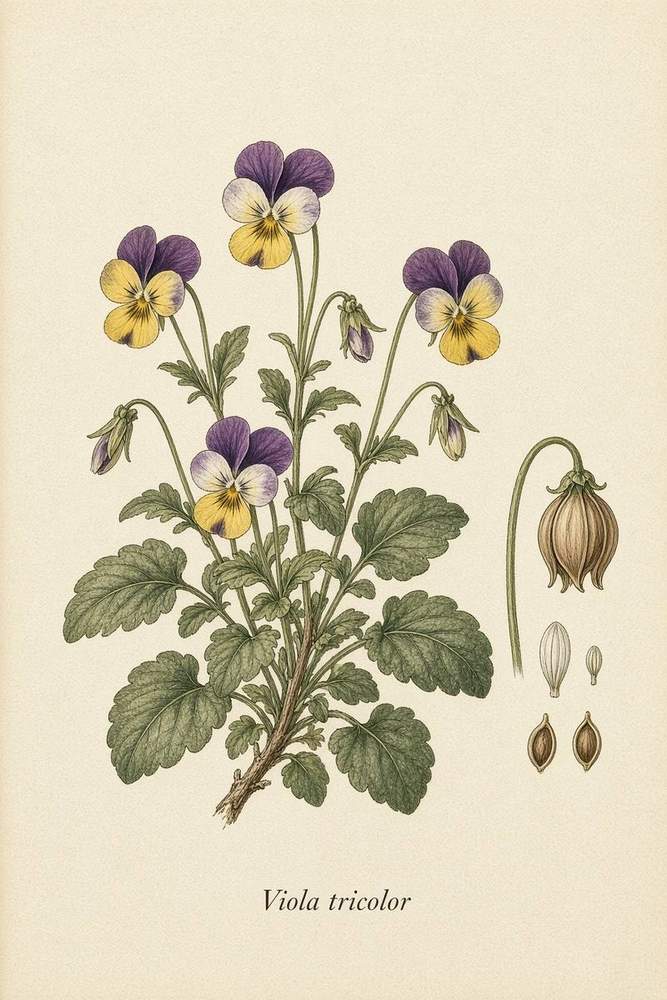
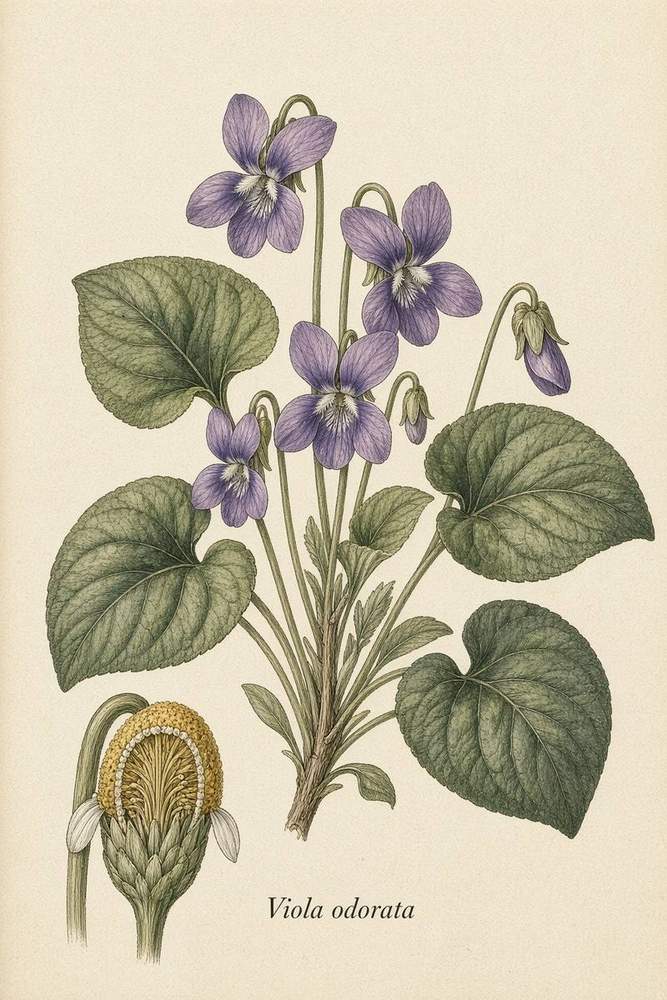
Two violet-family faces. The kitchen candy is usually Viola odorata. Bedding pansies are a different, milder leaf, and some bedding mixes are not grown as food.
Sweet violet is a low perennial with a true perfume and a spurred, nodding flower. Heartsease and pansies are blotched faces held up to the light. Eat only what you grew as food, and know which species it is.
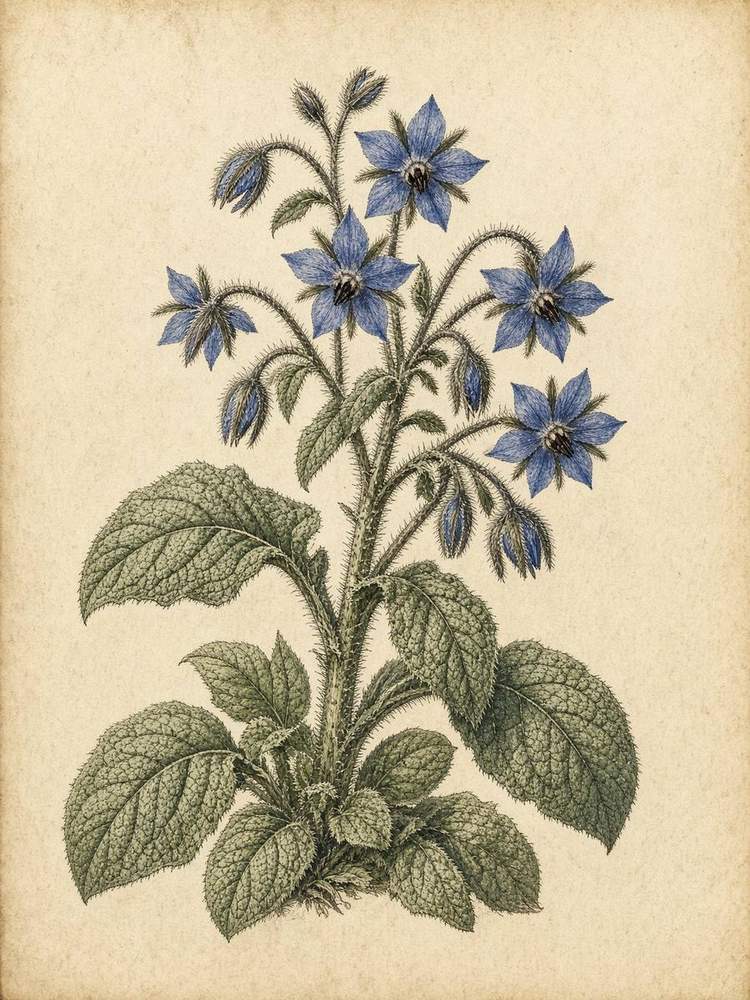
Bristly borages. Internal comfrey is a pyrrolizidine problem. Borage leaf is a cucumber nibble — and still not a daily tea.
Comfrey has sandpapery, lance leaves and coiled bells, often purple. Borage is intensely bristly, with sky-blue star flowers. Neither belongs in a daily kettle. Comfrey is for teaching, not for the cup.
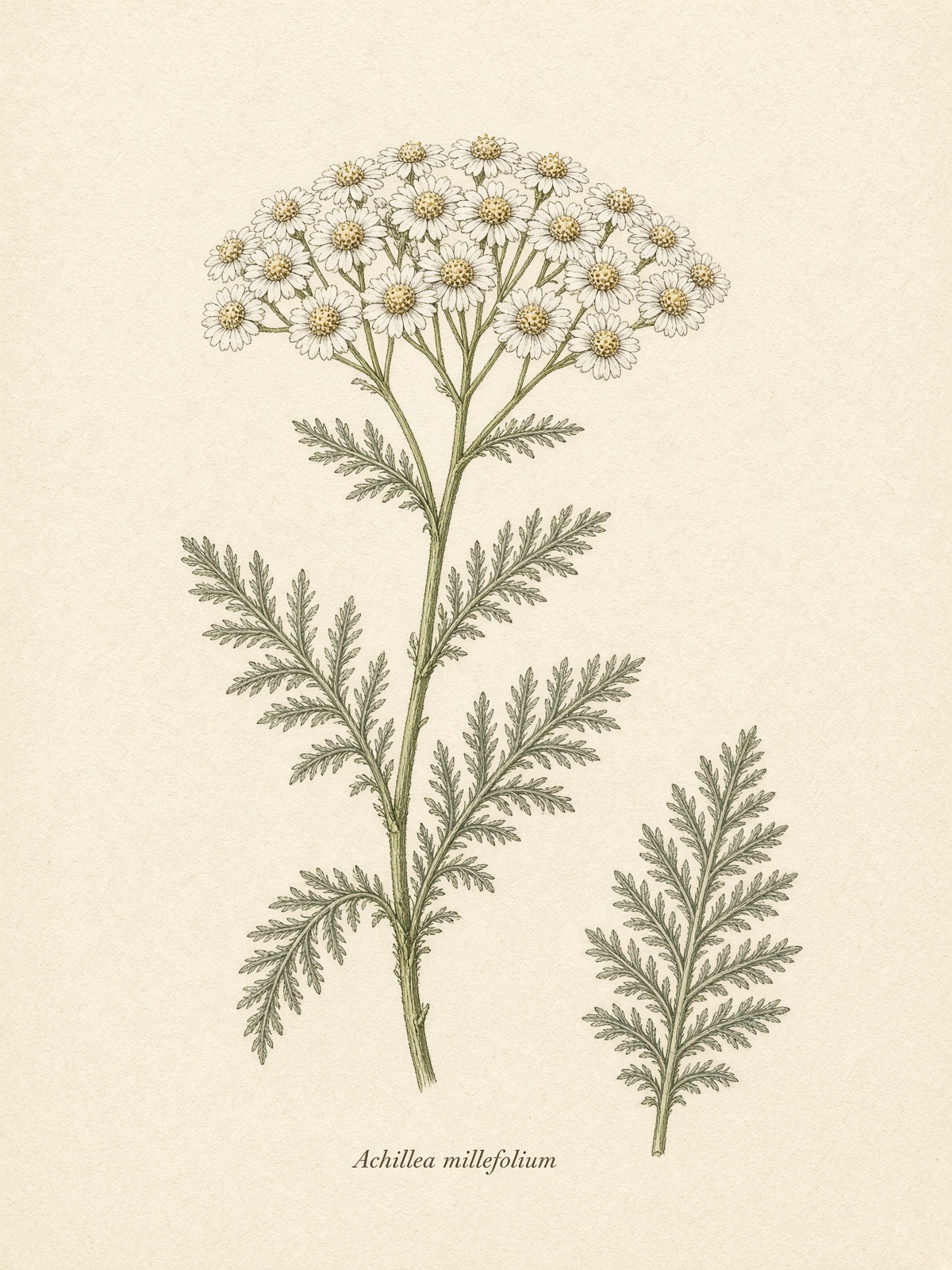
Achillea is a flat, ferny aster, not an umbel. People still call any white roadside head ‘yarrow’ — and some of those heads are hemlock.
Yarrow leaves are finely divided, aromatic, and alternate on a tough stem; the head is a cluster of tiny daisies, not an umbel. Hemlock is a true parsley-family umbrella. If you cannot see the little daisy discs, it is not yarrow.
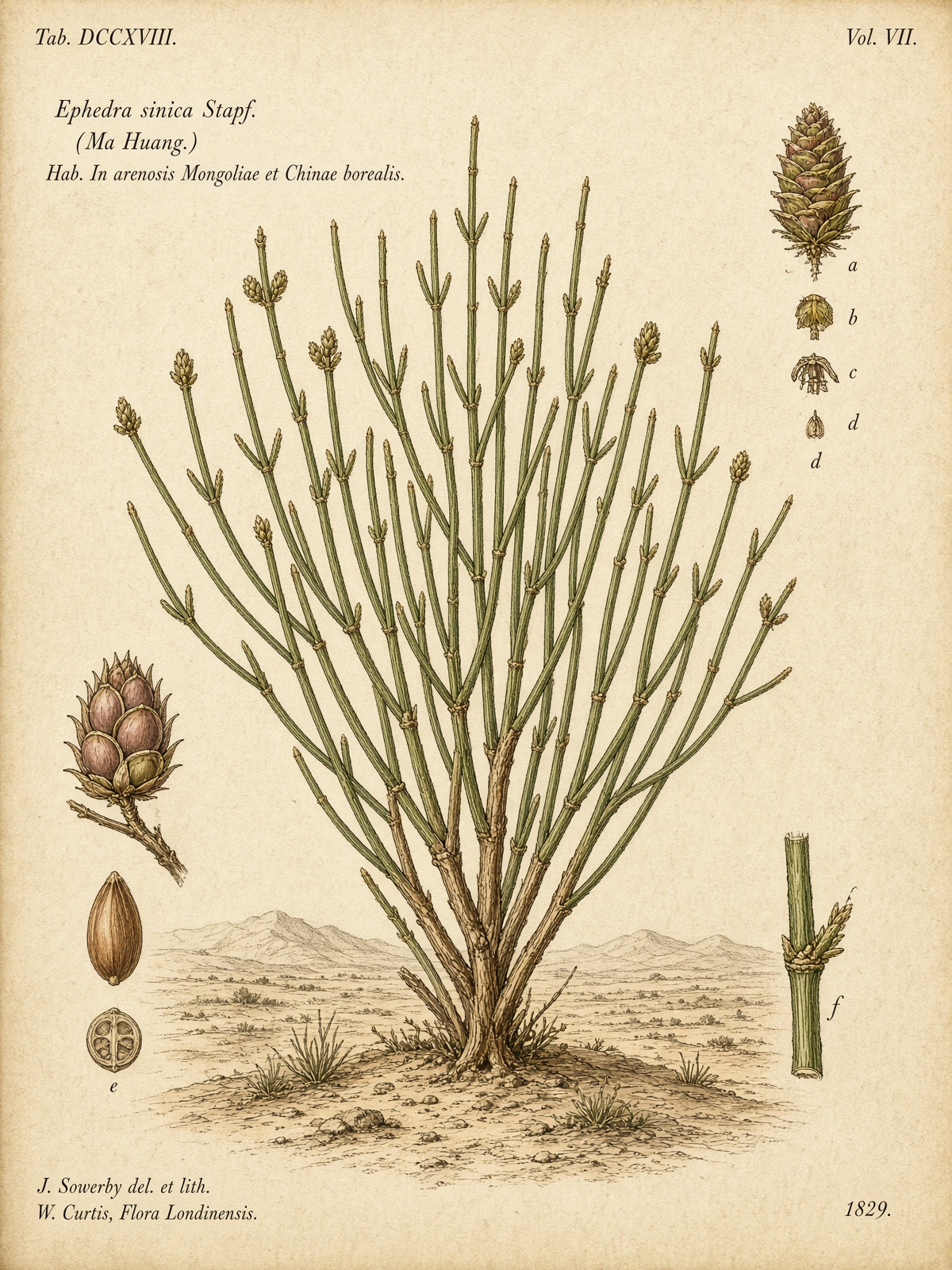
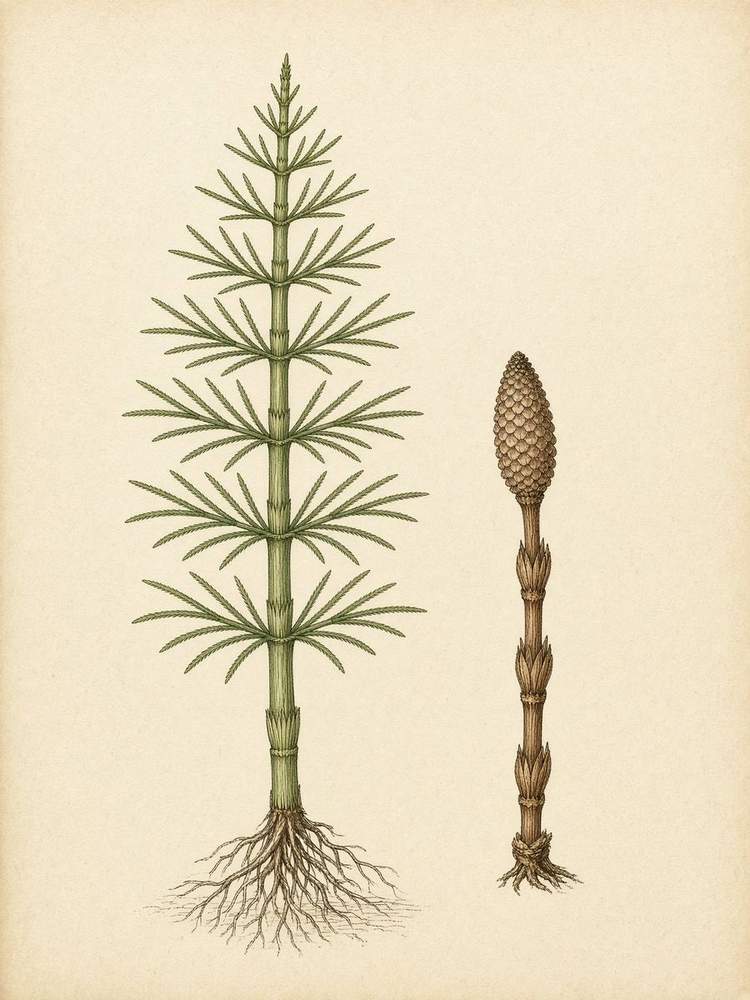
Two jointed green sticks. Horsetail is a silica scouring rush. Ephedra is a restricted stimulant in most of the United States.
Horsetail is a hollow, ridged, spore-bearing rush of damp ground. Ephedra is a dry-land shrub with scale leaves at the nodes. Do not brew a jointed stick you cannot name, and do not treat either as a casual tea.
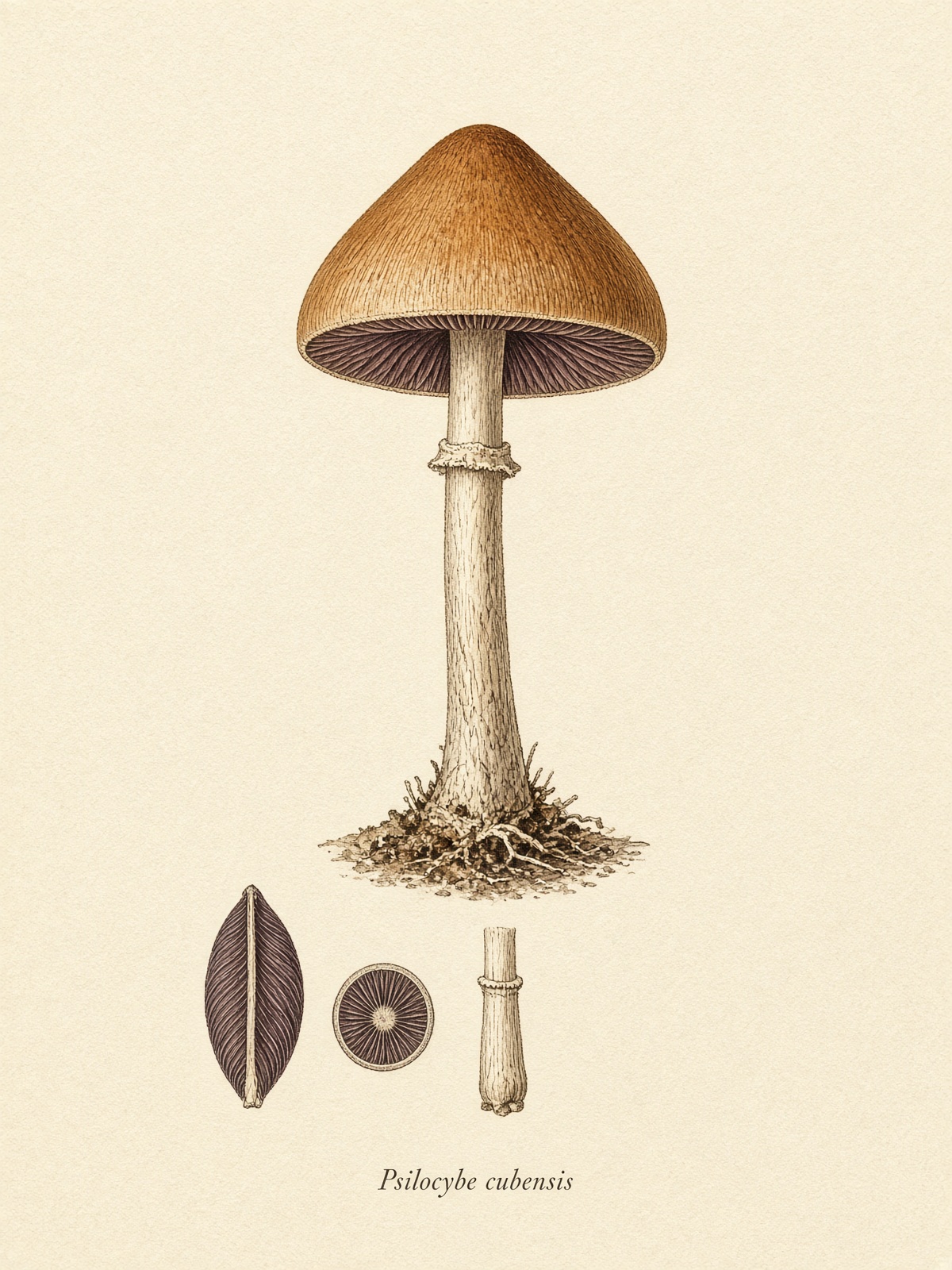
Little brown mushrooms are a legal and medical problem, not a pizza topping. This catalog will name them for education. It will not tell you to eat them.
Grocery Agaricus has pink-then-brown gills and a clean stem. Psilocybe species are small, often bruising blue, and legally restricted. A photograph is not a permit, and it is not a meal.
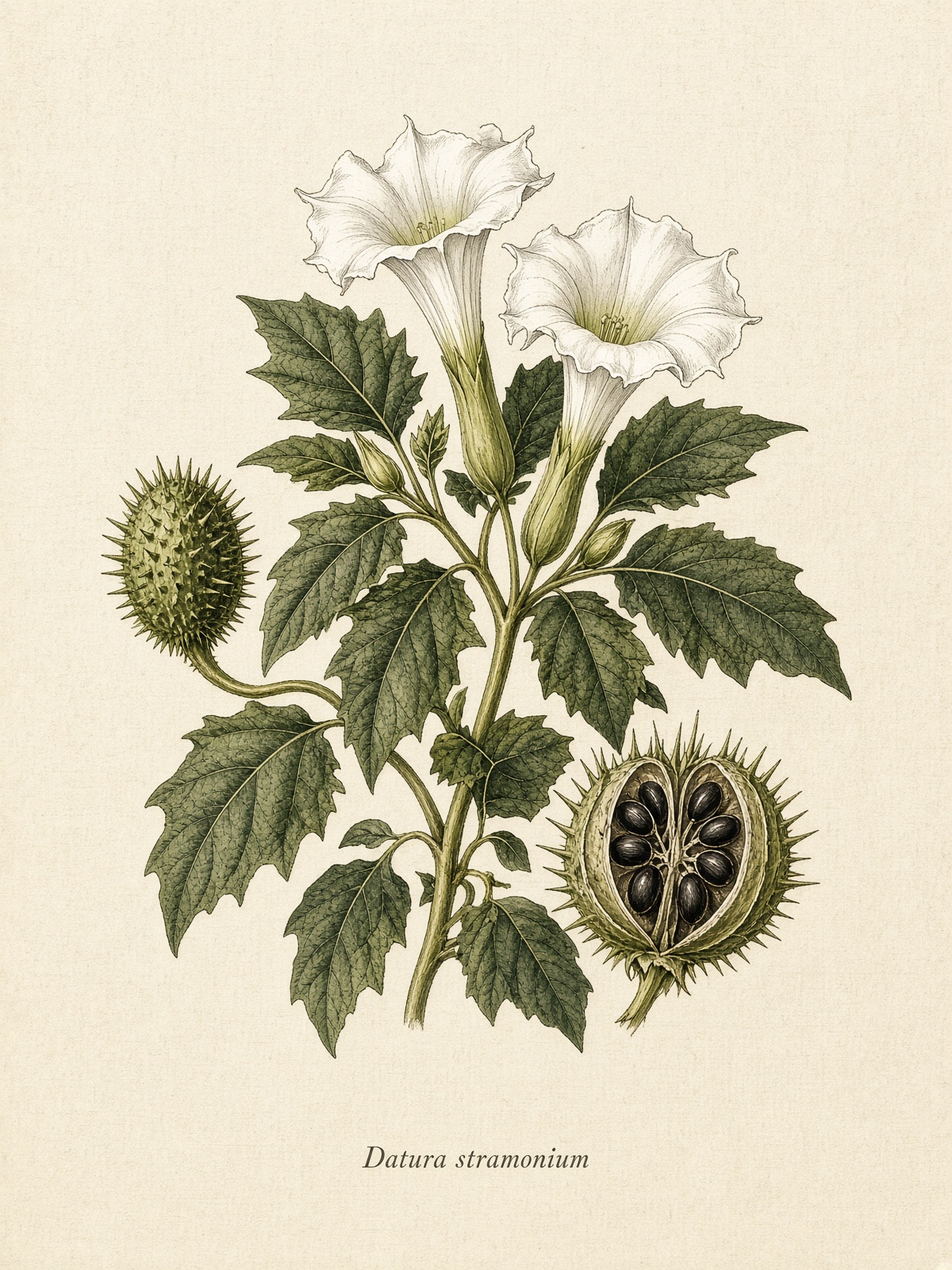
Trumpet flowers in a cottage bed. Datura is a tropane nightshade. Hollyhock is a mallow. Children have eaten the wrong seed pod.
Datura has a spiny capsule and a nightshade smell; flowers are funnel trumpets, often upward or nodding, with a simple calyx. Hollyhock is a column of mallow discs on a tall wand. Do not nibble an ornamental pod.