Part IX

Harvest & process

When to cut, how to dry, and how to store what you grow. Kitchen and medicinal crops only — restricted plants and poison-garden specimens have no harvest notes here.

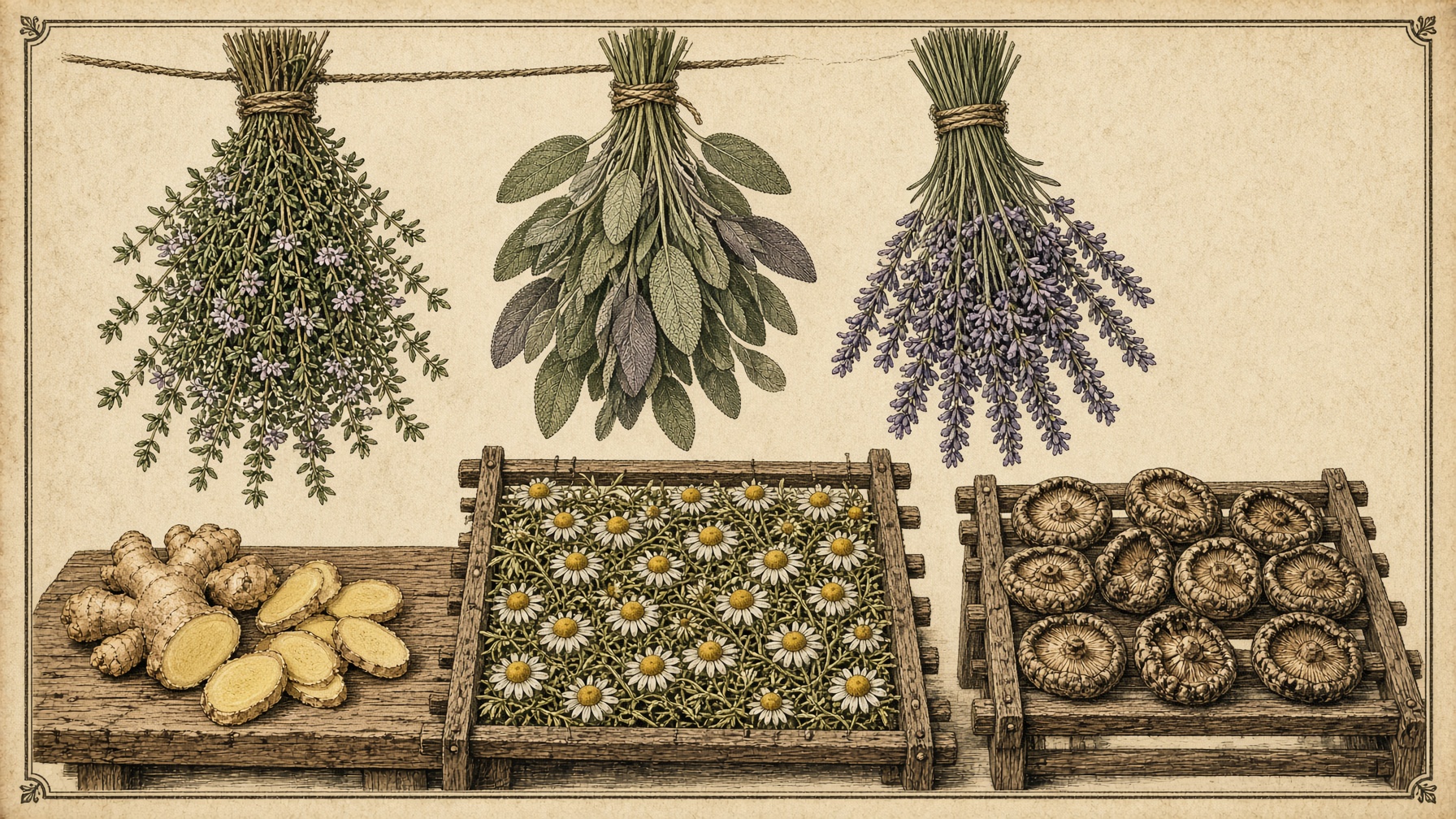
Herbs hanging to dry with chamomile on a screen

Reminders

Harvest this week

A Monday-morning note of plants in season on this bench. On iPhone it is a native notification — it still fires if the app is closed.

On the website, the browser may ask to notify you.

How to process

Methods

Kitchen mushrooms

Dehydrate fungi

Slice. 110–125°F until cracker-dry — a stem should snap. Shiitake, oyster, lion’s mane, maitake, and the other culinary plates store this way. Reishi slices are a decoction wood; dry them the same, then simmer. Cool completely before the jar or you trap steam.

You will need

  • Dehydrator or a very low oven
  • Parchment
  • Jars that actually seal

Not for

  • Any wild mushroom this folio did not grow
  • A warm oven that cooks instead of dries

This bench is for cultivated culinary and tonic fungi. A photograph is not a meal ticket.
17 of 217 harvest notes

fungus

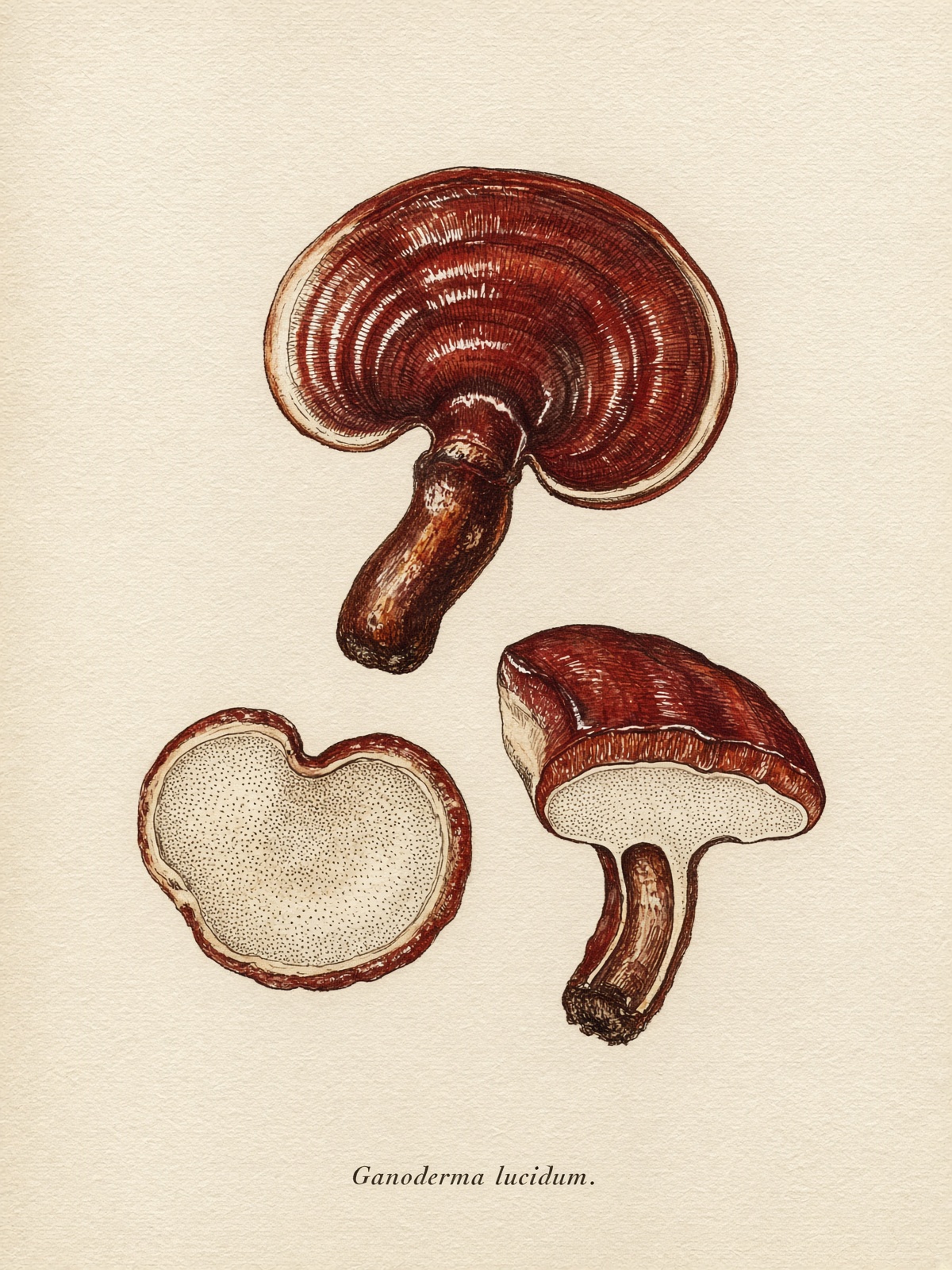
Reishi

Ganoderma lucidum

When
When the varnish cap has colored and the white margin has slowed, from a log or block you grew.
Part
Fruiting body · Sometimes mycelium (weaker triterpene profile)
In the field
Cut with a knife. Wild old conks can be bitter dust.
Cure
Slice thin. Dehydrate until wood-hard.
Store
Slices in a jar. Simmer, do not tea-bag.
fungusKitchen

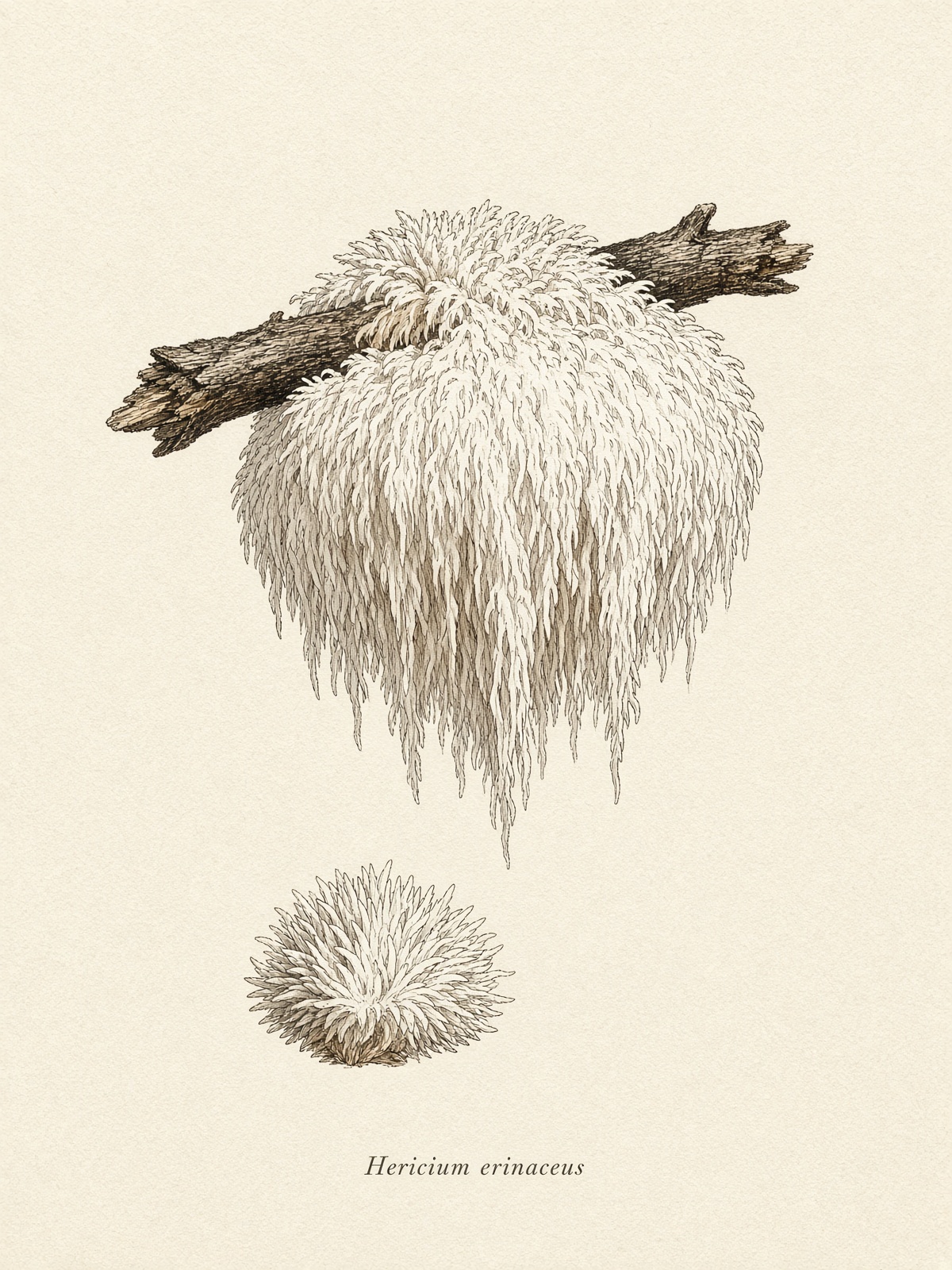
Lion's mane

Hericium erinaceus

When
Needles long, still white, before they yellow and weep.
Part
Fruiting body
In the field
Cut clean. A second flush may follow.
Cure
Eat as food, or slice and dry.
Store
Dried chunks for broth. Fresh in the fridge a few days.
Dehydrate fungiDecoction pot
fungus

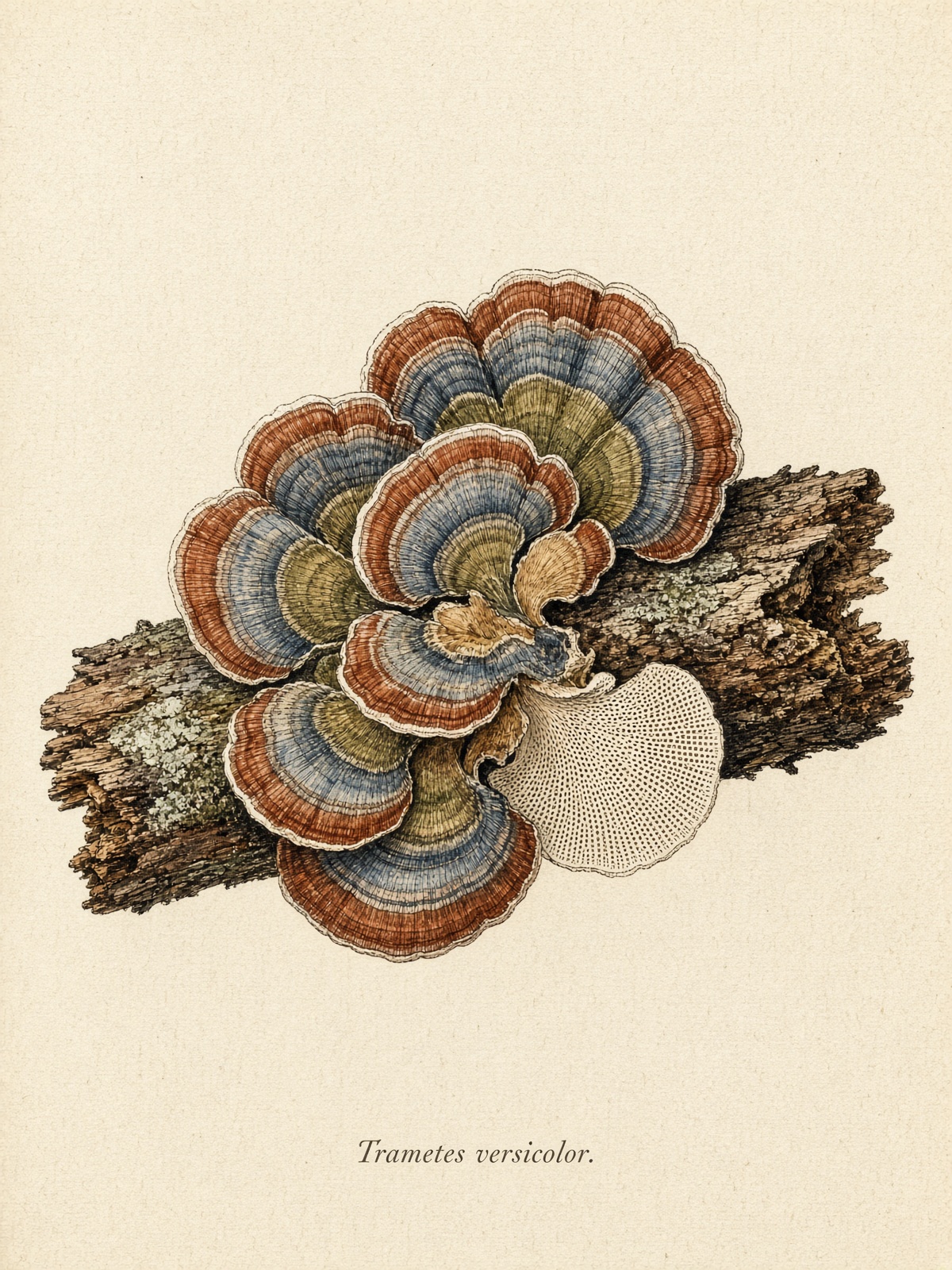
Turkey tail

Trametes versicolor

When
Young, pliable fans. Dry immediately.
Part
Fruiting body
In the field
Twist or cut from a block or log you grew. Wild fungi are not this bench.
Cure
Slice and dehydrate at 110–125°F until the piece snaps.
Store
Cool, dry, truly dry. A jar with a lid that seals.
fungus

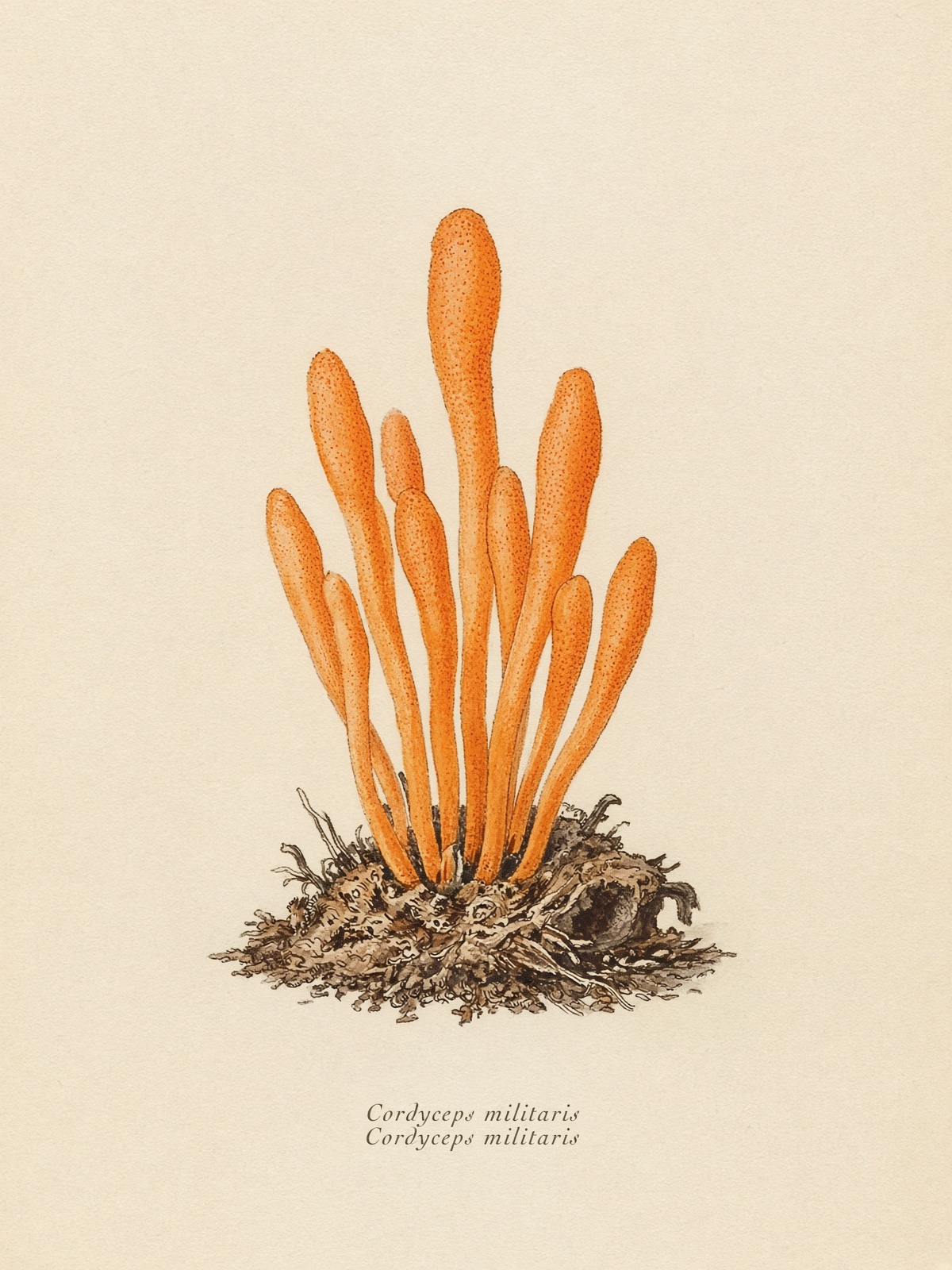
Cordyceps

Cordyceps militaris

When
When clubs are orange and before they sporulate heavily.
Part
Cultivated fruiting body
In the field
Twist or cut from a block or log you grew. Wild fungi are not this bench.
Cure
Slice and dehydrate at 110–125°F until the piece snaps.
Store
Cool, dry, truly dry. A jar with a lid that seals.
fungusKitchen

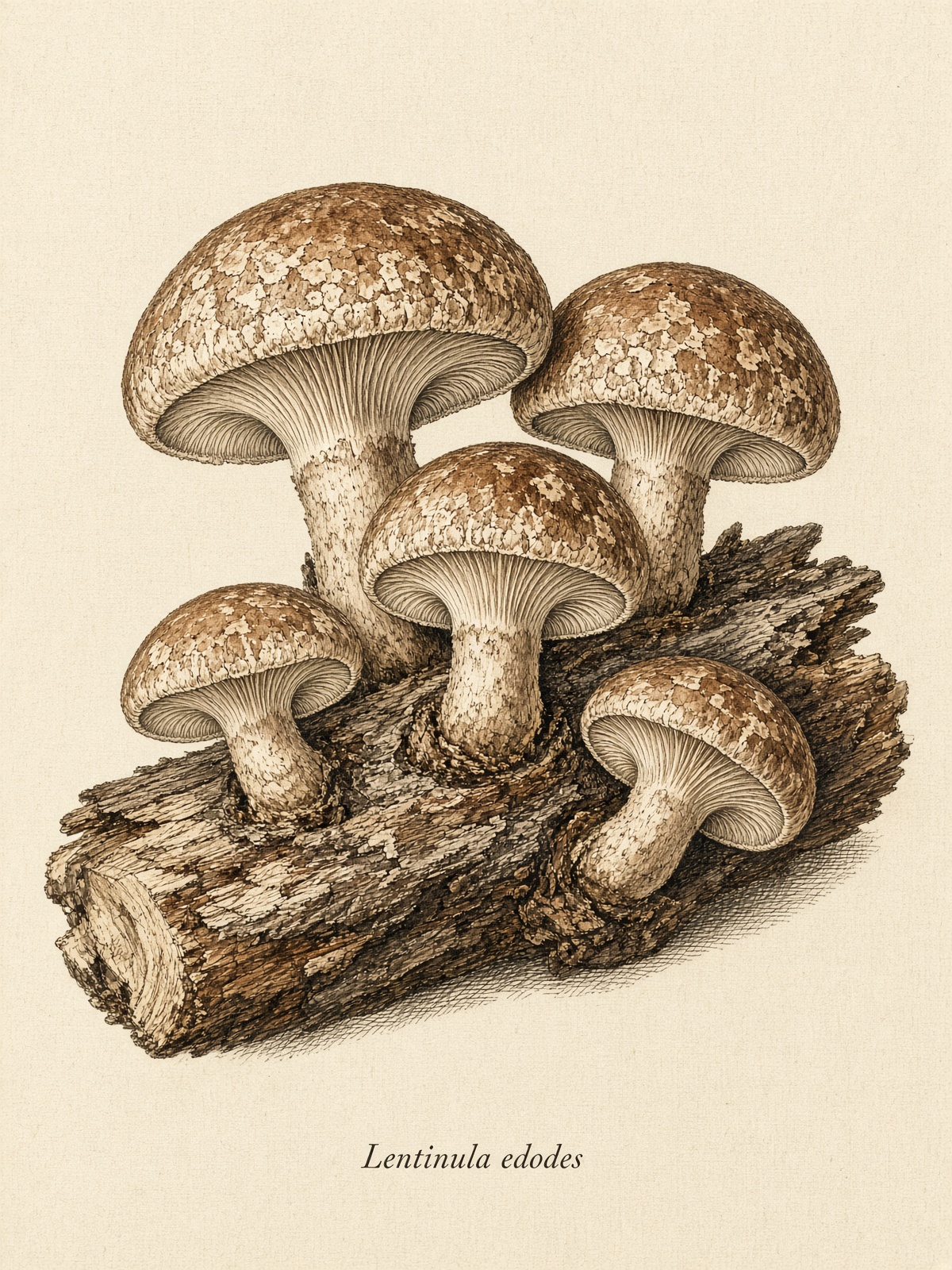
Shiitake

Lentinula edodes

When
Caps still slightly convex, before they flatten and drop heavy spore.
Part
Fruiting body
In the field
Twist from the block. Don’t tear the bark of a log.
Cure
Eat fresh, or dehydrate until leathery-to-cracker.
Store
Dried caps a year. Soak, then cook — soaking water is broth.
fungusKitchen

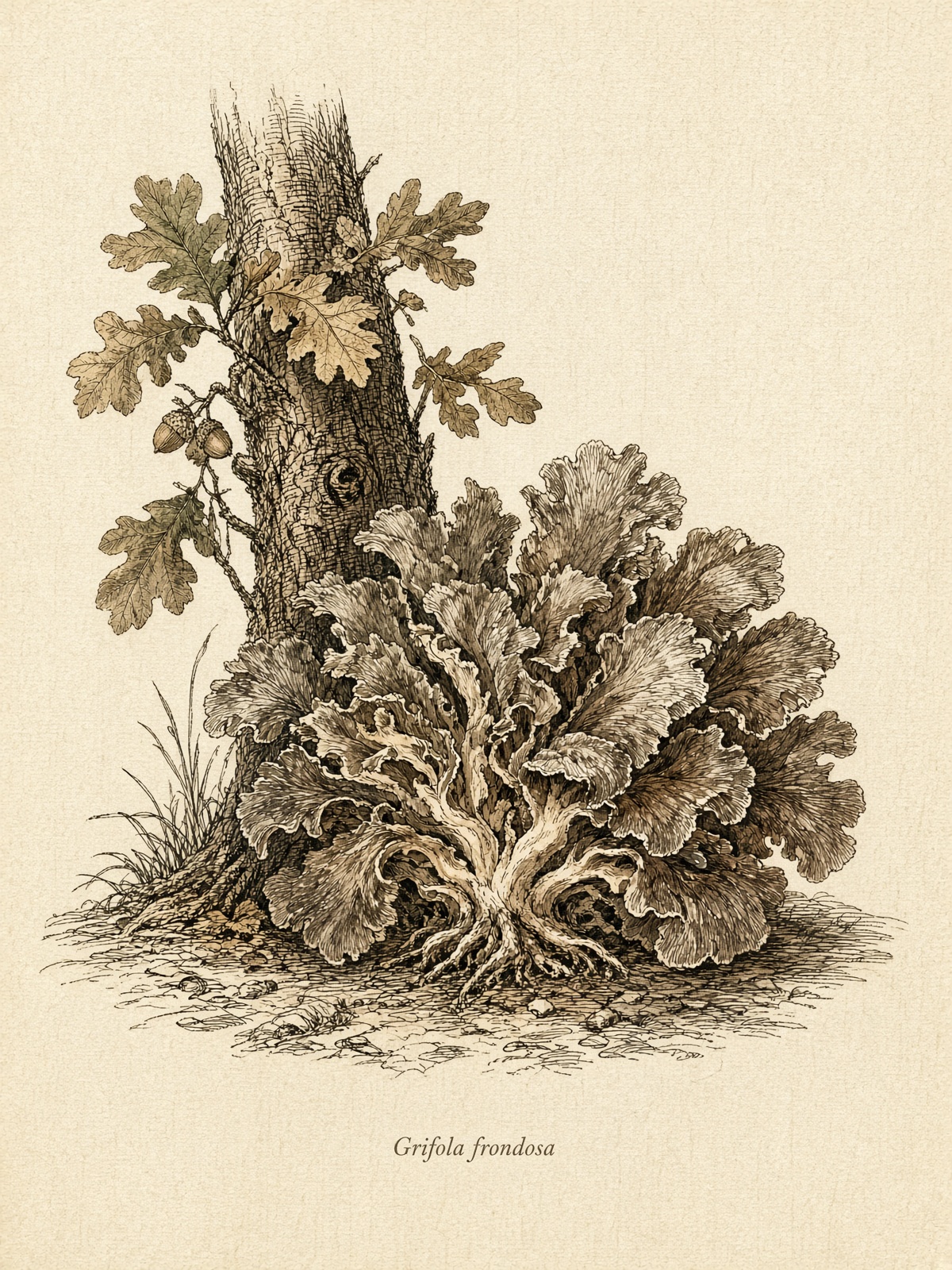
Maitake

Grifola frondosa

When
When fronds are still tender, before they toughen.
Part
Fruiting body
In the field
Twist or cut from a block or log you grew. Wild fungi are not this bench.
Cure
Slice and dehydrate at 110–125°F until the piece snaps.
Store
Cool, dry, truly dry. A jar with a lid that seals.
fungusKitchen

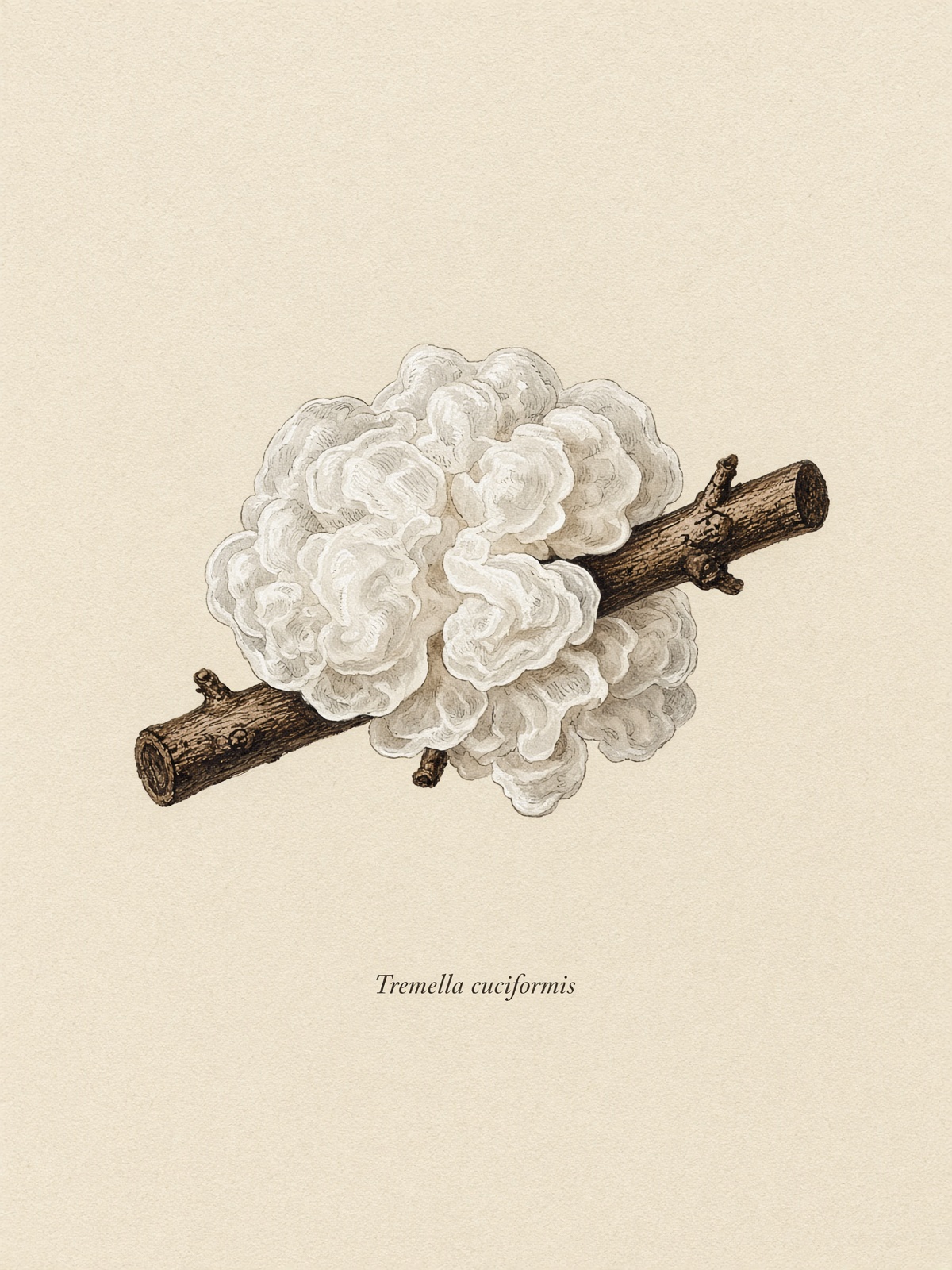
Snow fungus

Tremella fuciformis

When
When the lobes are full and still white.
Part
Fruiting body
In the field
Twist or cut from a block or log you grew. Wild fungi are not this bench.
Cure
Slice and dehydrate at 110–125°F until the piece snaps.
Store
Cool, dry, truly dry. A jar with a lid that seals.
fungusKitchen

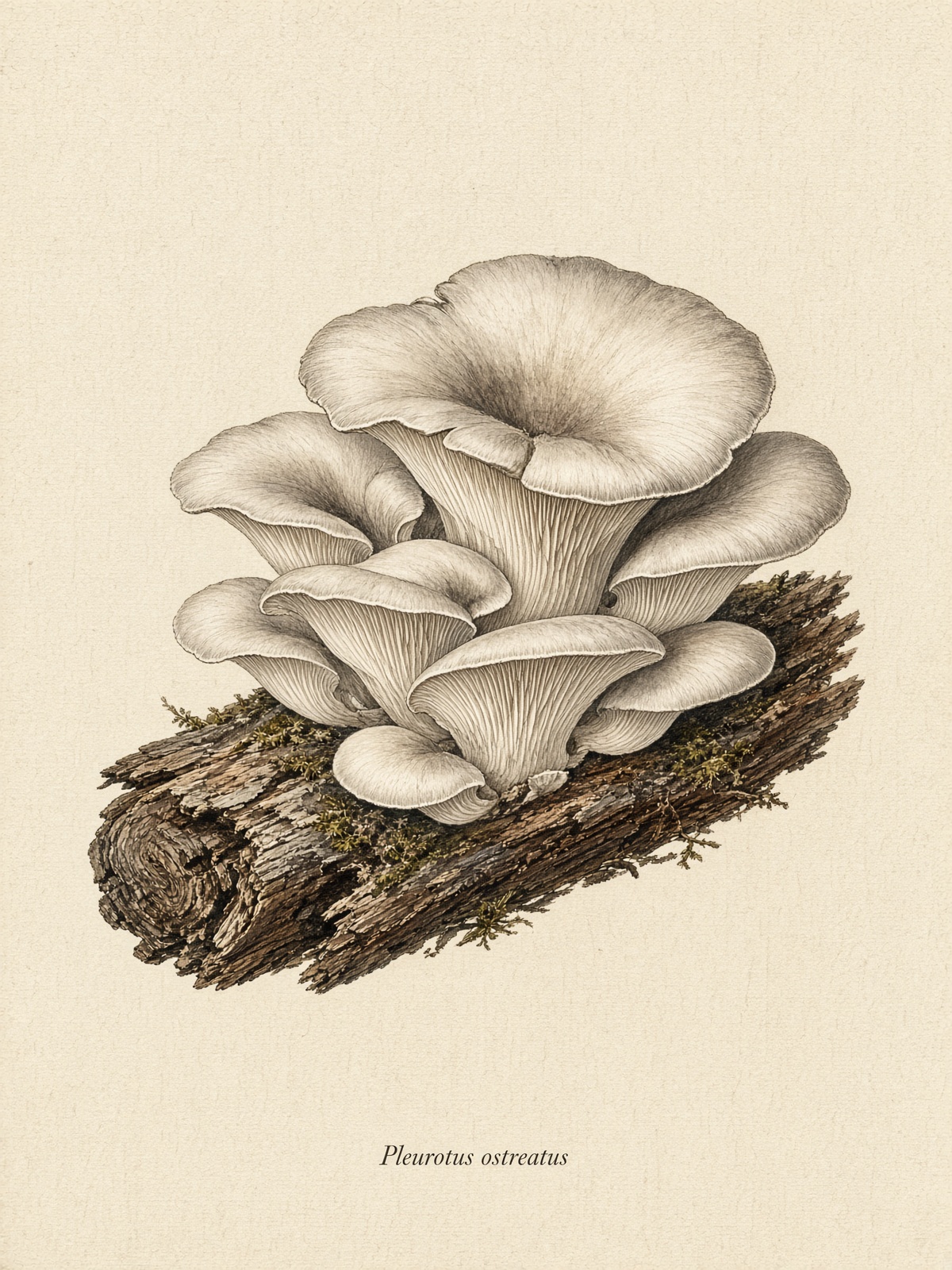
Oyster mushroom

Pleurotus ostreatus

When
Caps still curled at the edge, clusters before they sporate the room.
Part
Fruiting body
In the field
Twist the whole bouquet from the block.
Cure
Cook fresh. Dry the overflow.
Store
Dried, then soup.
fungusKitchen

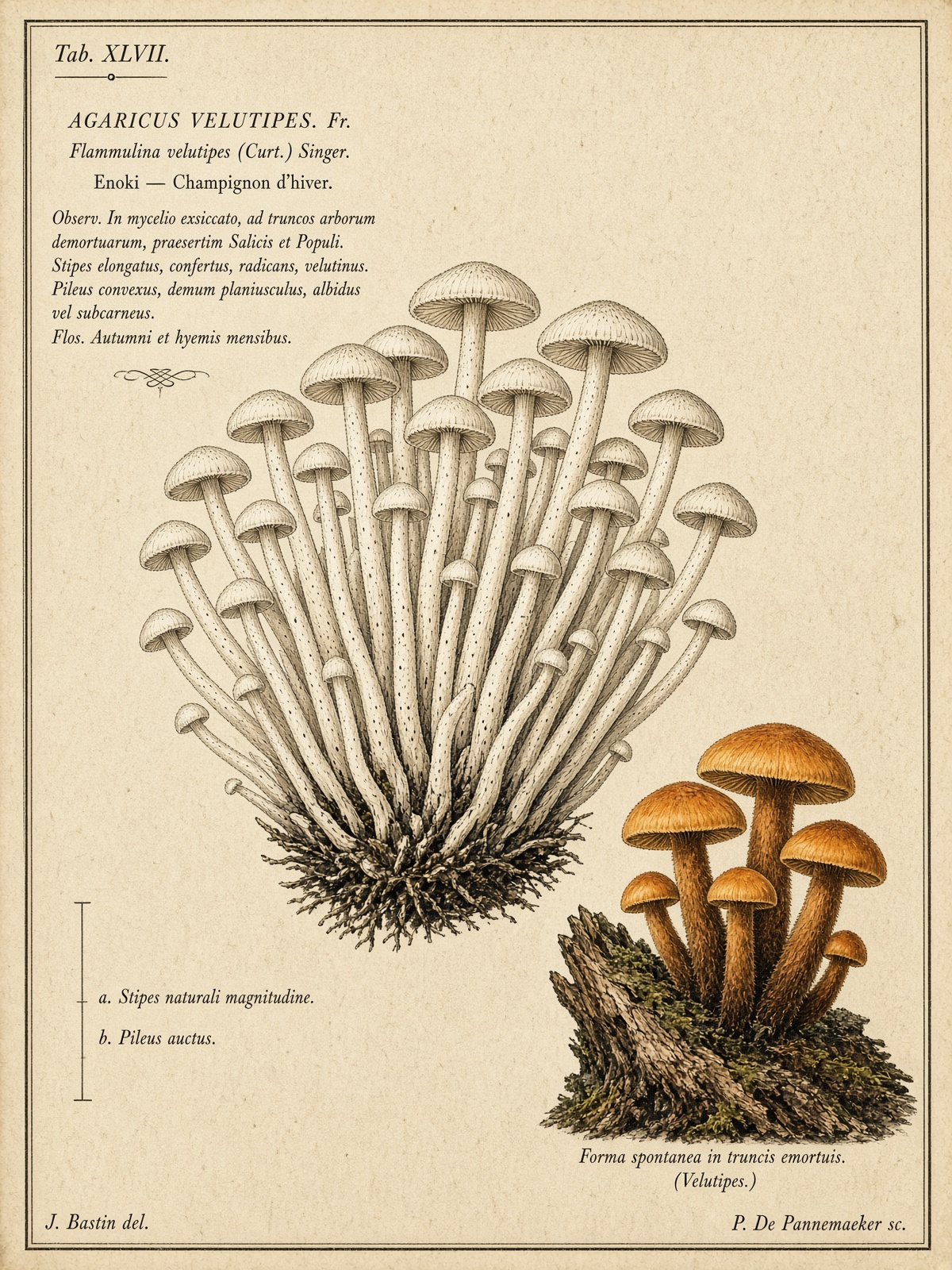
Enoki

Flammulina velutipes

When
When needles are long and caps still tiny, before they splay.
Part
Fruiting body
In the field
Twist or cut from a block or log you grew. Wild fungi are not this bench.
Cure
Slice and dehydrate at 110–125°F until the piece snaps.
Store
Cool, dry, truly dry. A jar with a lid that seals.
fungusKitchen

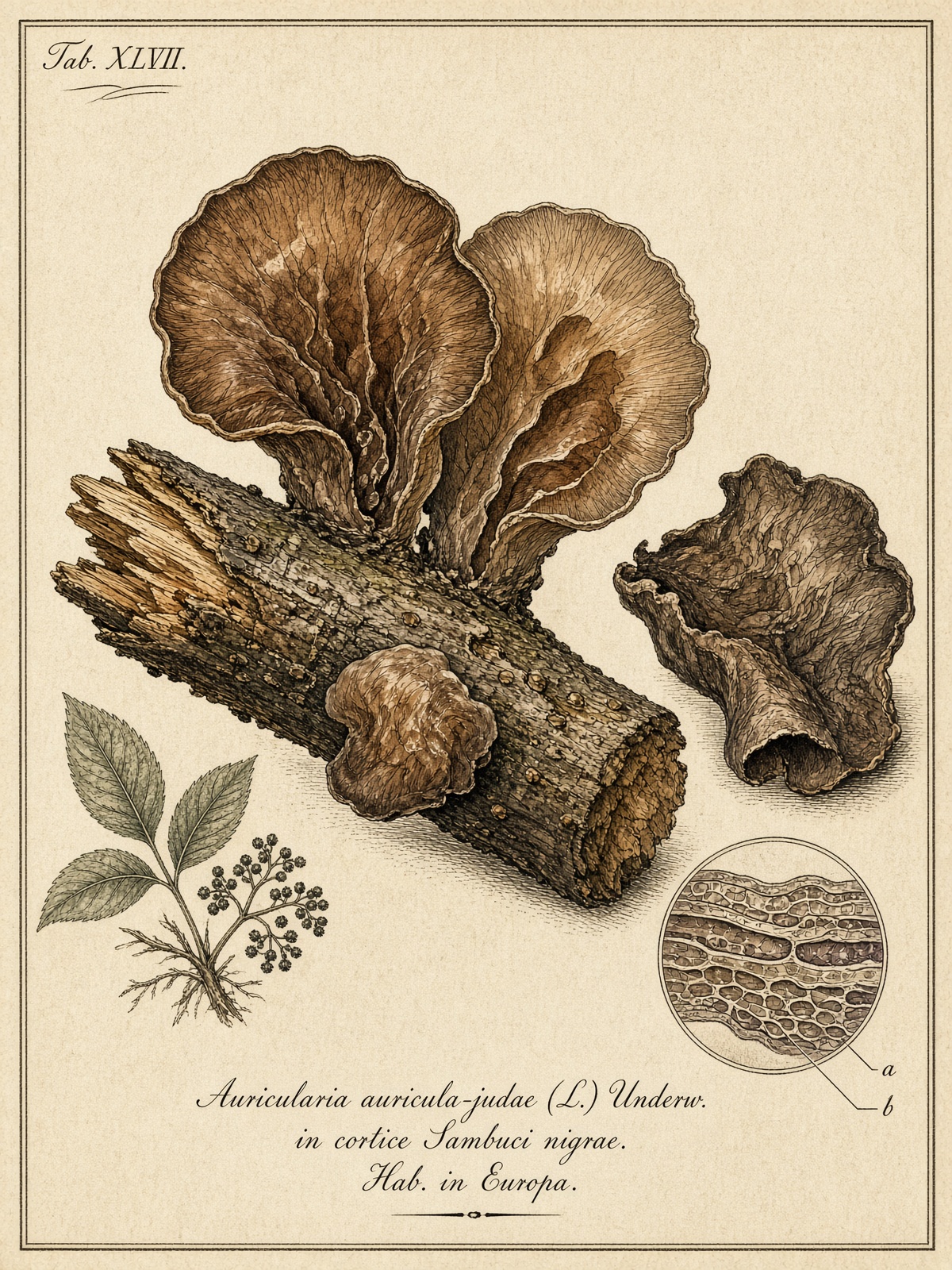
Wood ear

Auricularia auricula-judae

When
When ears are full and still elastic, before they dry to crumbs on the log.
Part
Fruiting body
In the field
Twist or cut from a block or log you grew. Wild fungi are not this bench.
Cure
Slice and dehydrate at 110–125°F until the piece snaps.
Store
Cool, dry, truly dry. A jar with a lid that seals.
fungusKitchen

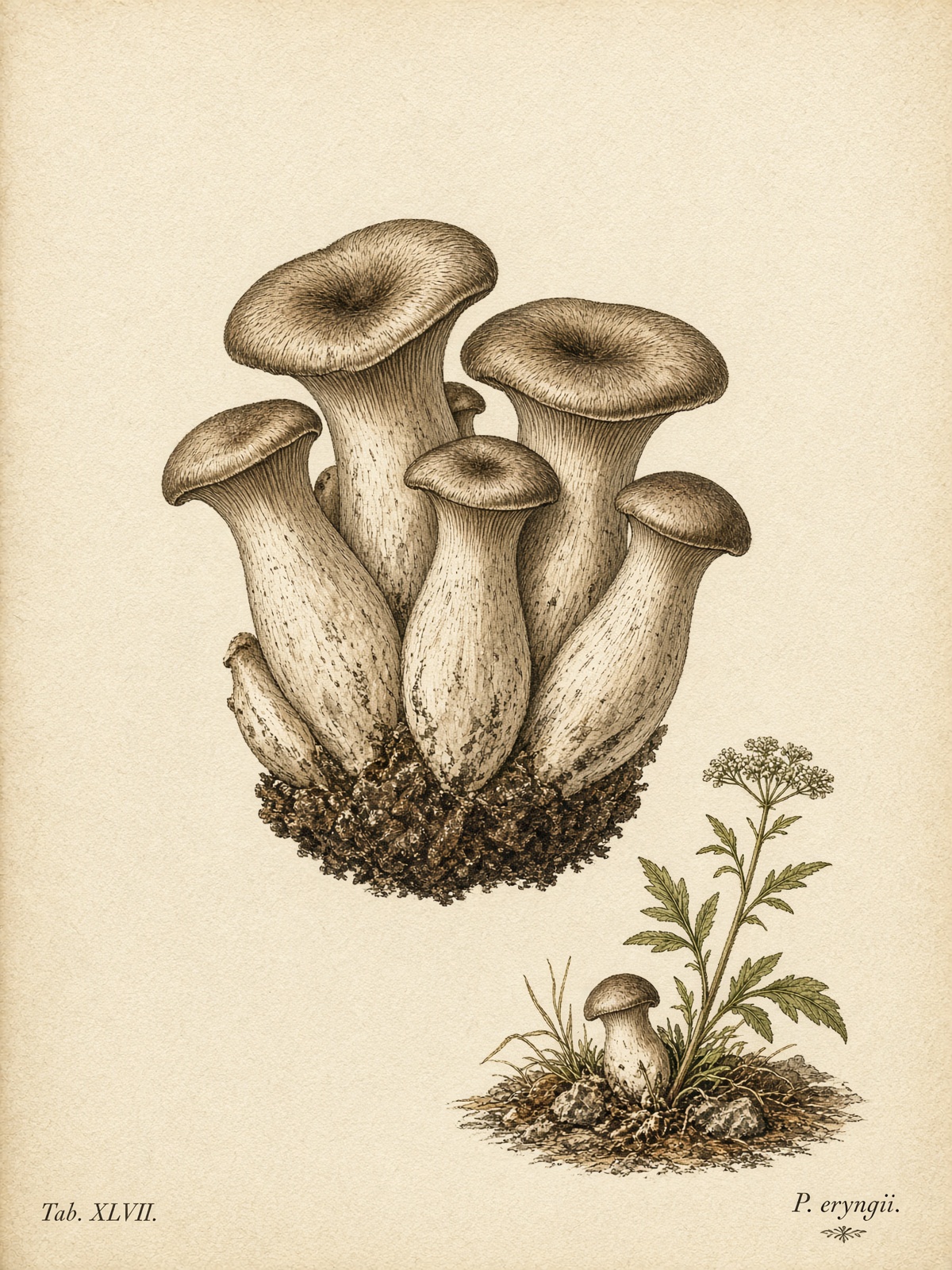
King oyster

Pleurotus eryngii

When
When the cap is still small and the stem is fat.
Part
Fruiting body
In the field
Twist or cut from a block or log you grew. Wild fungi are not this bench.
Cure
Slice and dehydrate at 110–125°F until the piece snaps.
Store
Cool, dry, truly dry. A jar with a lid that seals.
fungusKitchen

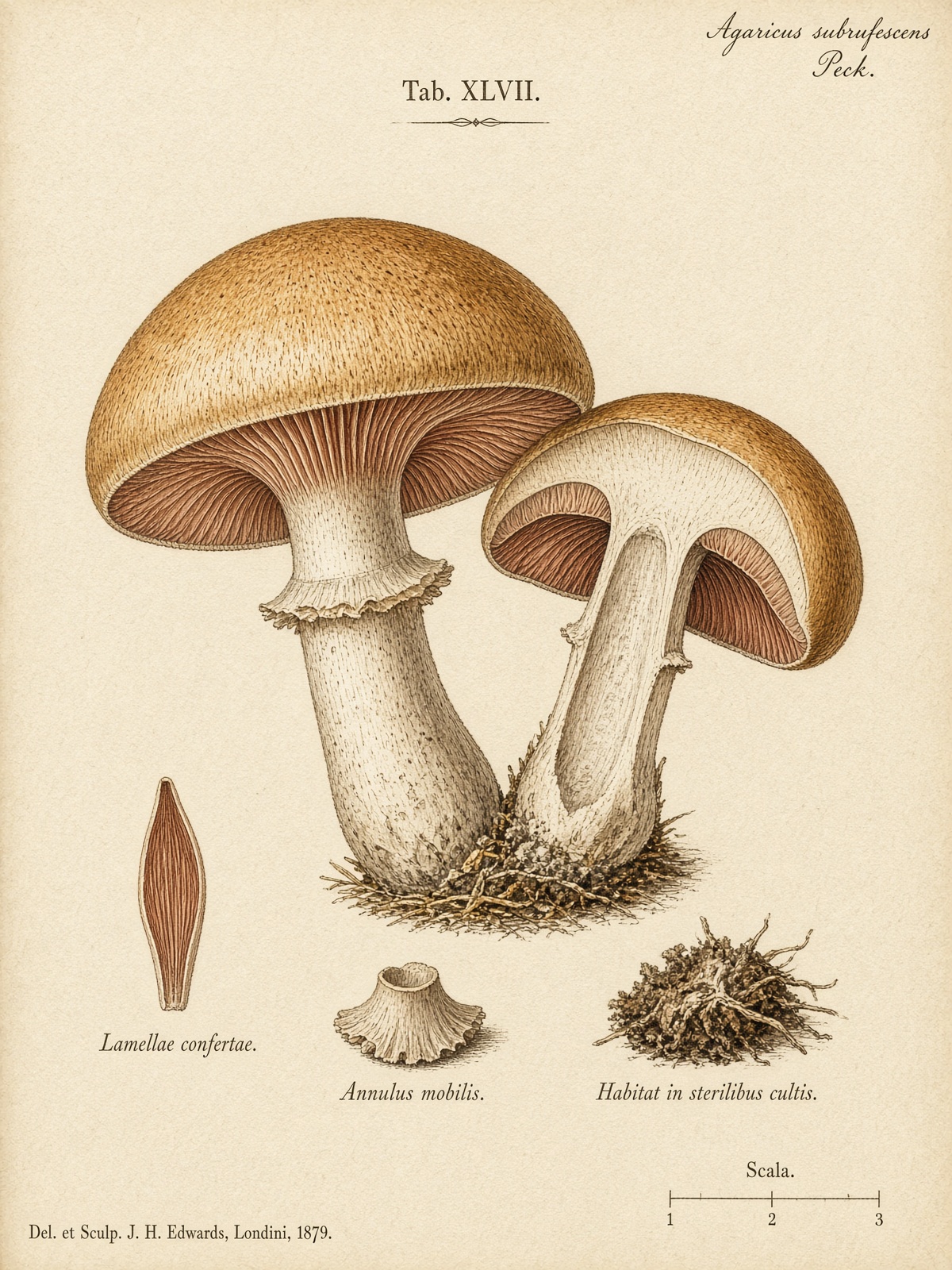
Almond mushroom

Agaricus subrufescens

When
While the veil is still mostly intact, like a button.
Part
Fruiting body
In the field
Twist or cut from a block or log you grew. Wild fungi are not this bench.
Cure
Slice and dehydrate at 110–125°F until the piece snaps.
Store
Cool, dry, truly dry. A jar with a lid that seals.
fungus

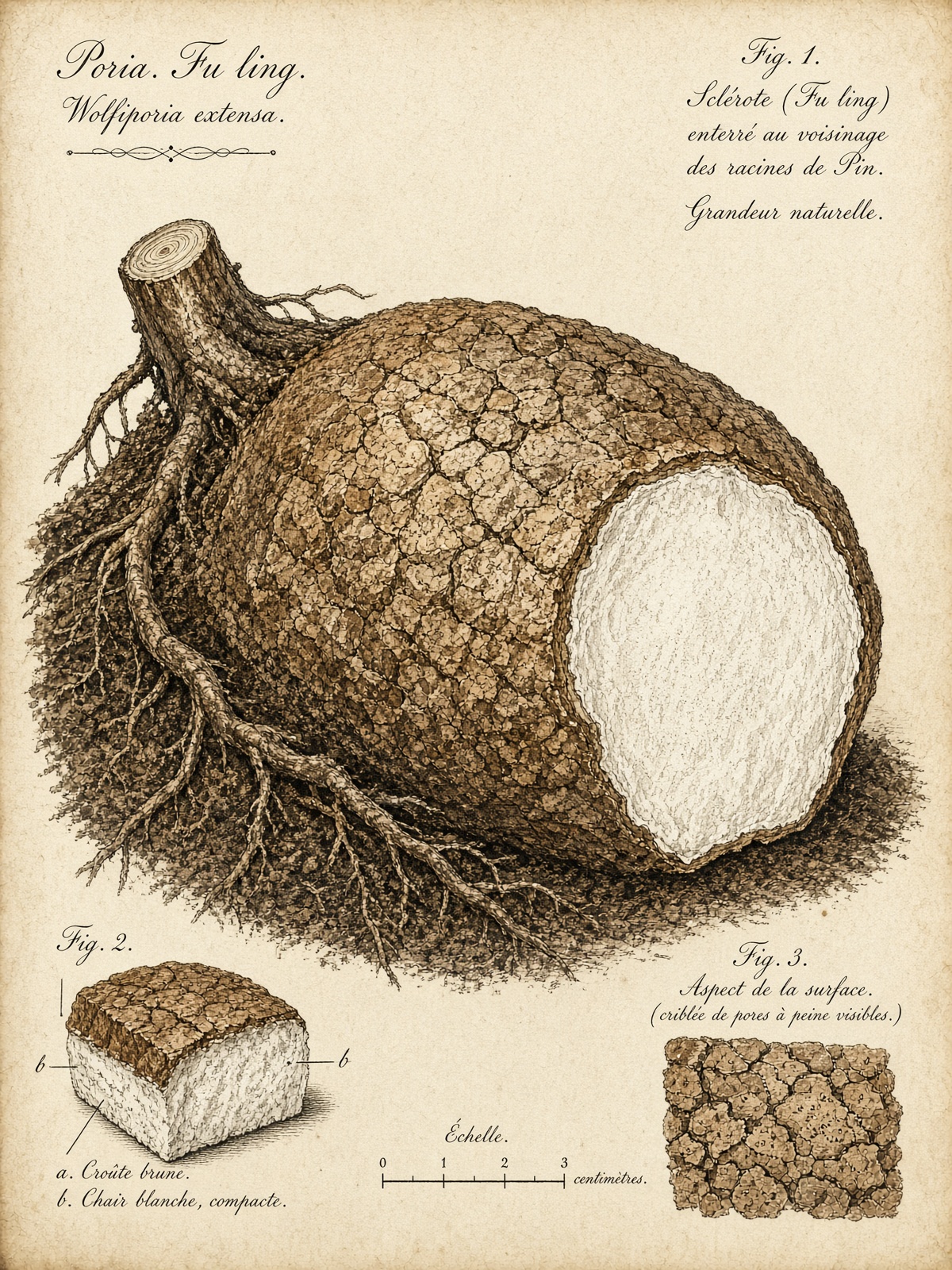
Poria

Wolfiporia extensa

When
Sclerotia after 1–2 years underground in specialist culture.
Part
Sclerotium (inner white)
In the field
Twist or cut from a block or log you grew. Wild fungi are not this bench.
Cure
Slice and dehydrate at 110–125°F until the piece snaps.
Store
Cool, dry, truly dry. A jar with a lid that seals.
fungusKitchen

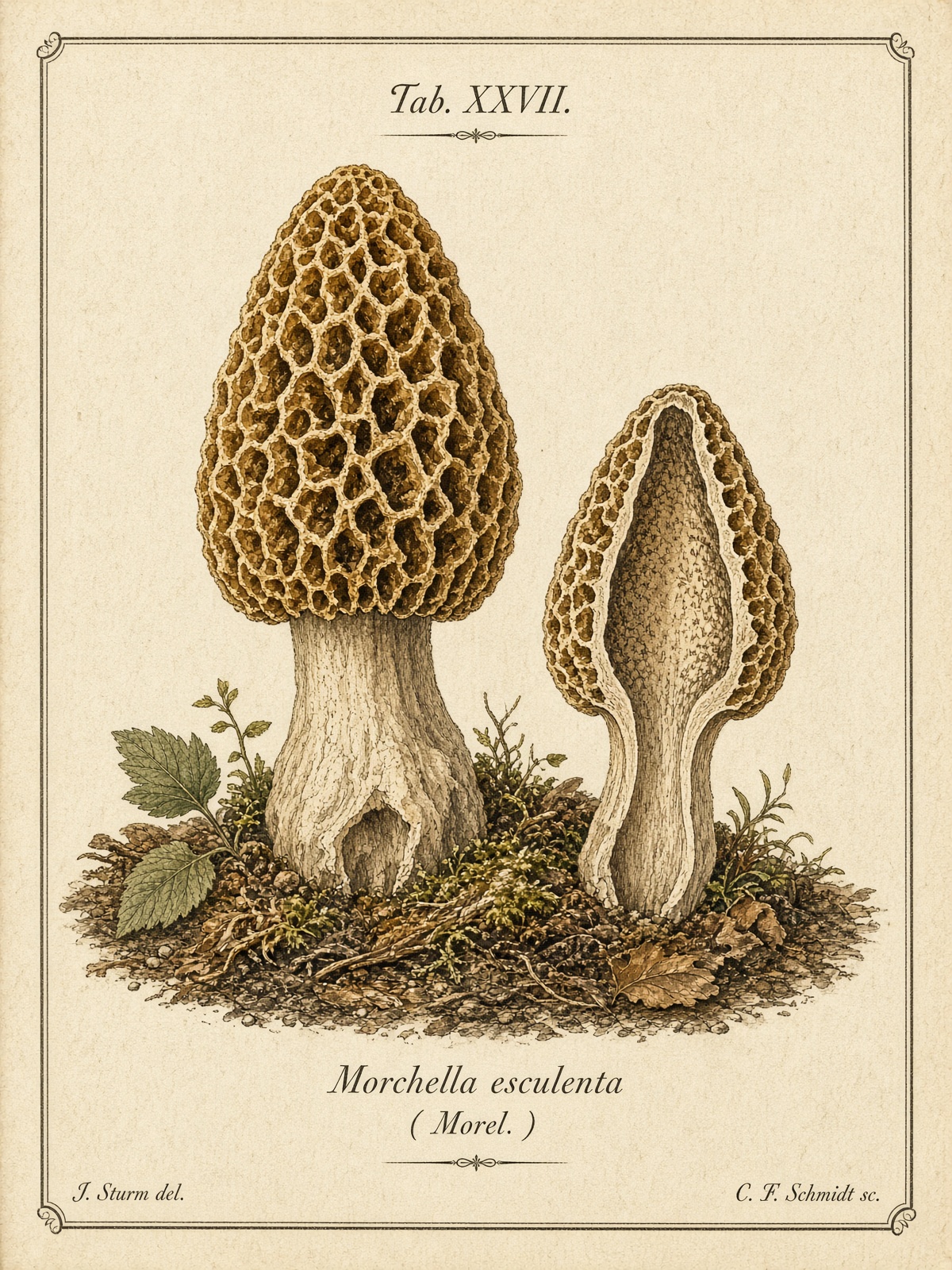
Morel

Morchella esculenta

When
When caps are still firm and the pits distinct. Cook the same day.
Part
Fruiting body, cooked
In the field
Twist or cut from a block or log you grew. Wild fungi are not this bench.
Cure
Slice and dehydrate at 110–125°F until the piece snaps.
Store
Cool, dry, truly dry. A jar with a lid that seals.
fungusKitchen

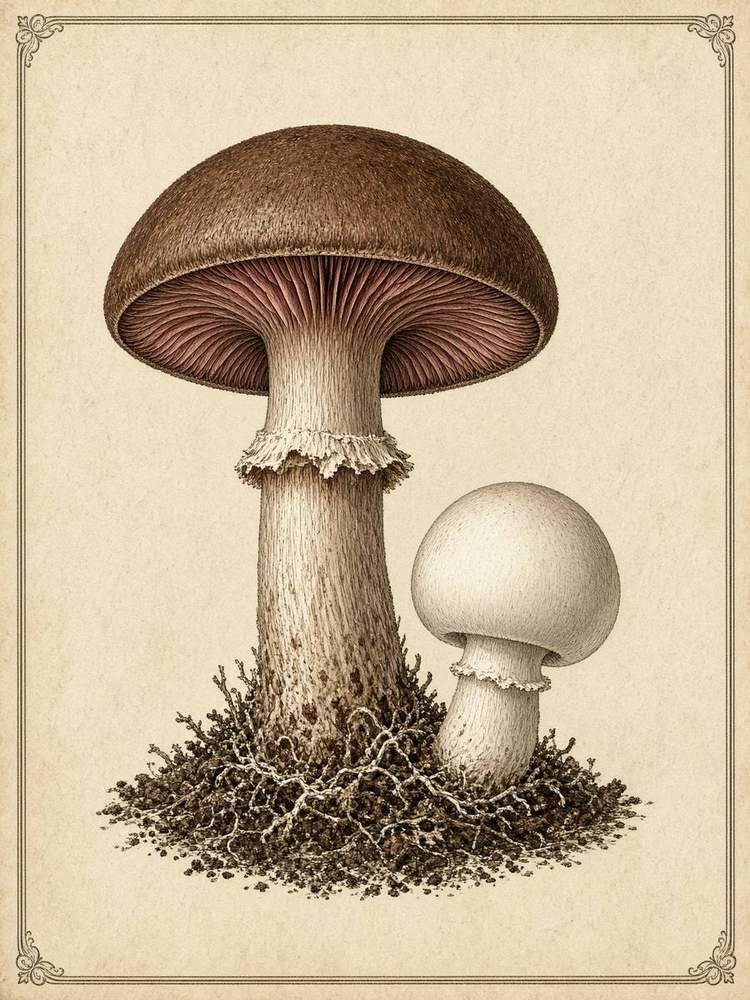
Button mushroom

Agaricus bisporus

When
Buttons while closed; portobello when open, before they flatten to spore.
Part
Fruiting body
In the field
Twist from a block you spawned. This is not a lawn hunt.
Cure
Cook fresh. Dry the overflow at 110–125°F until the piece snaps.
Store
Dried, then soup. Fresh a few days in the fridge.
fungusKitchen

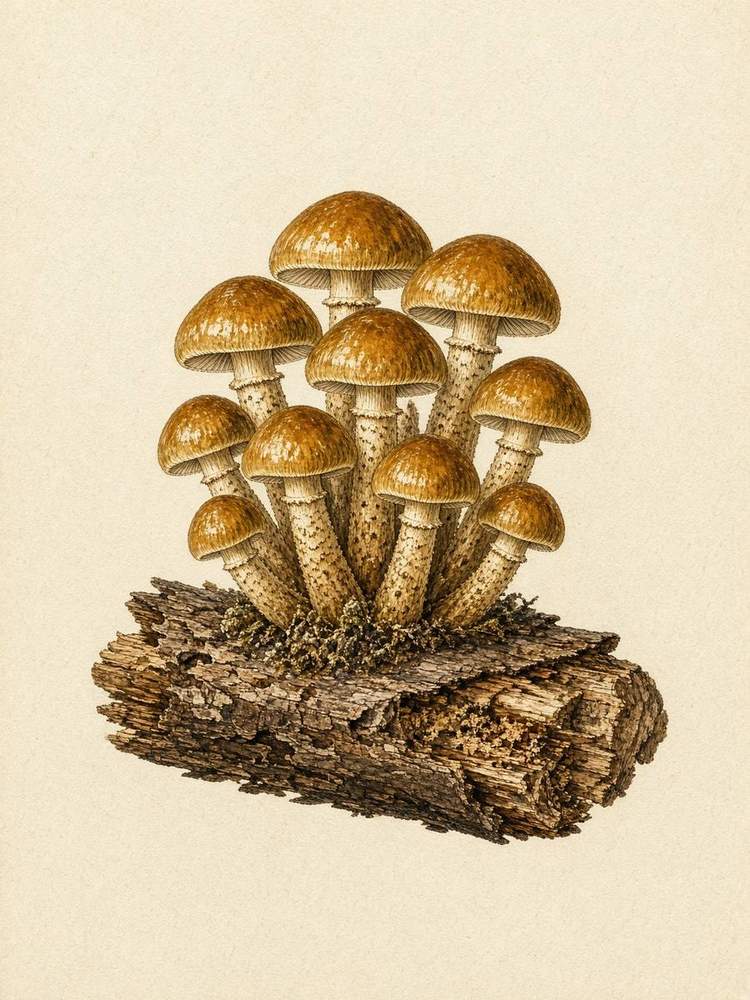
Nameko

Pholiota nameko

When
Clusters while the caps are still convex and glossy.
Part
Fruiting body
In the field
Twist or cut from a block or log you grew. Wild fungi are not this bench.
Cure
Slice and dehydrate at 110–125°F until the piece snaps.
Store
Cool, dry, truly dry. A jar with a lid that seals.
fungusKitchen

Pioppino

Cyclocybe aegerita

When
Clusters while caps are still convex, before they flatten and drop heavy spore.
Part
Fruiting body
In the field
Twist or cut from a block or log you grew. Wild fungi are not this bench.
Cure
Slice and dehydrate at 110–125°F until the piece snaps.
Store
Cool, dry, truly dry. A jar with a lid that seals.

Not sure what you cut? Photograph it first.