Symptom index
Find a plant by how you feel
Type a symptom — cough, sleep, skin — or tap a chip. Matching plates, teas, and remedies rise to the top. This is a folk index, not a diagnosis.
20 plates for cramps
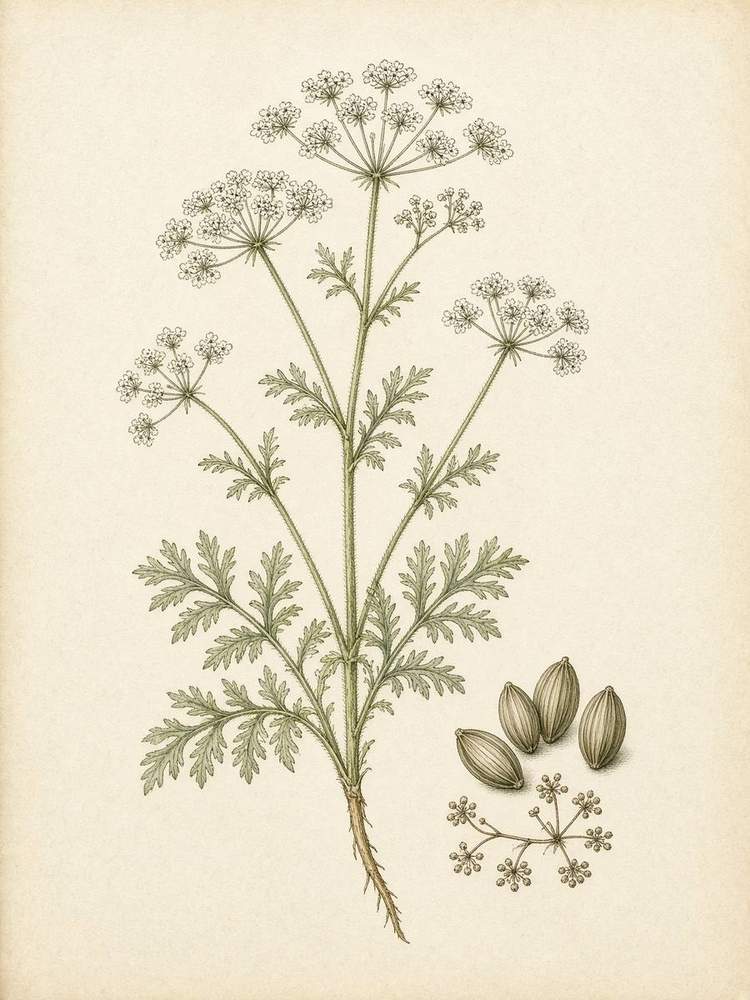
Anise
Pimpinella anisum
The licorice seed of Mediterranean baking — a carminative kitchen spice, not the toxic Japanese lookalike of star anise.
cramps
1/1LegalGentle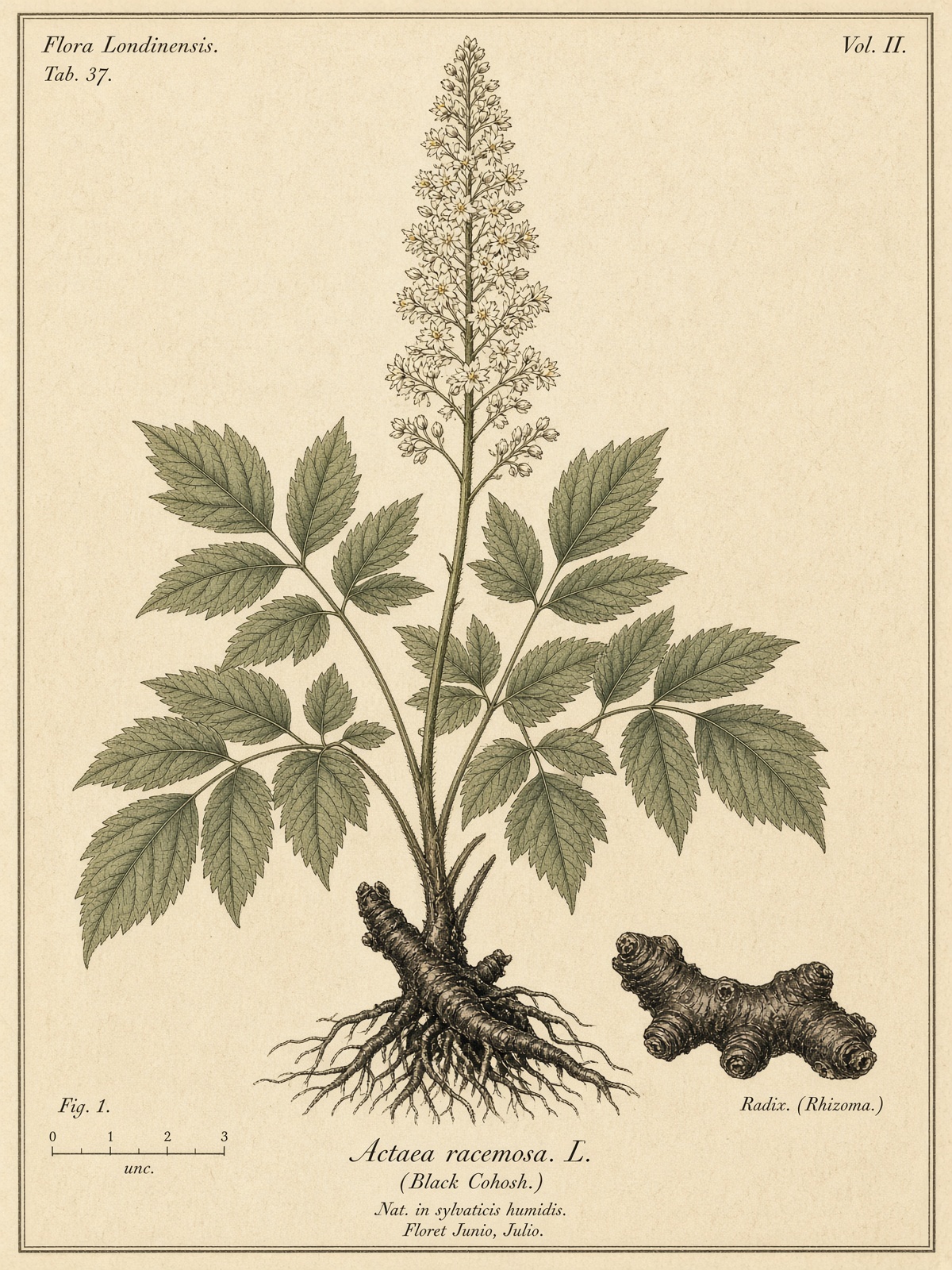
Black cohosh
Actaea racemosa
A woodland candle whose rhizome is a menopause herb with a real liver signal on extracts.
cramps
1/1LegalCaution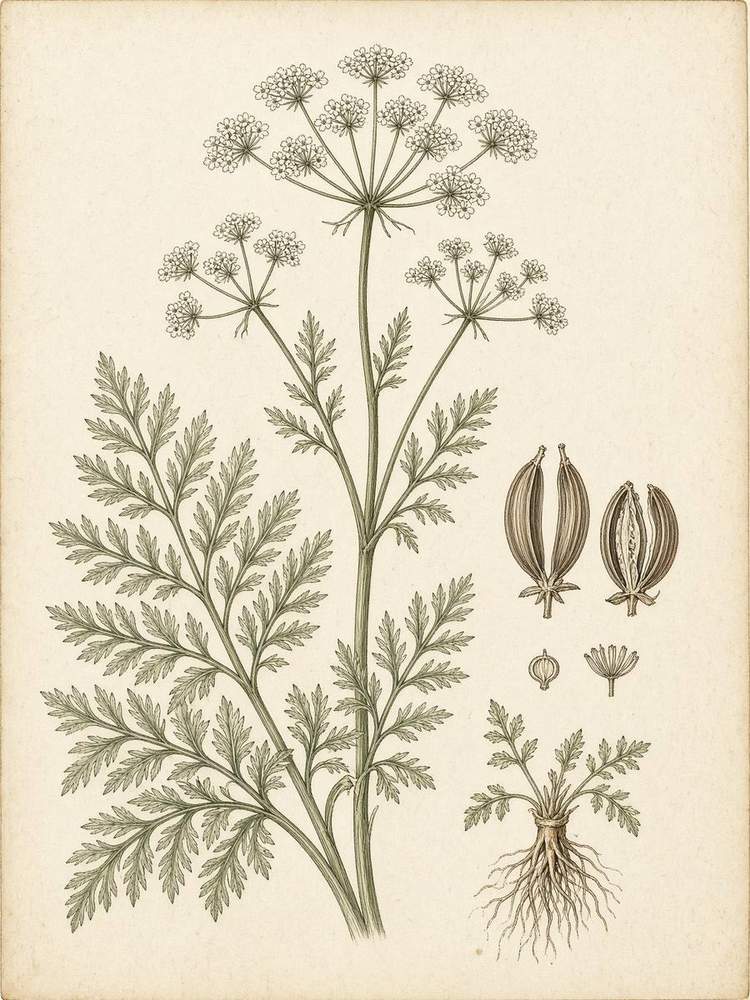
Caraway
Carum carvi
The rye-bread seed — a biennial umbel whose crescent spice is the carminative of Central Europe.
cramps
1/1LegalGentle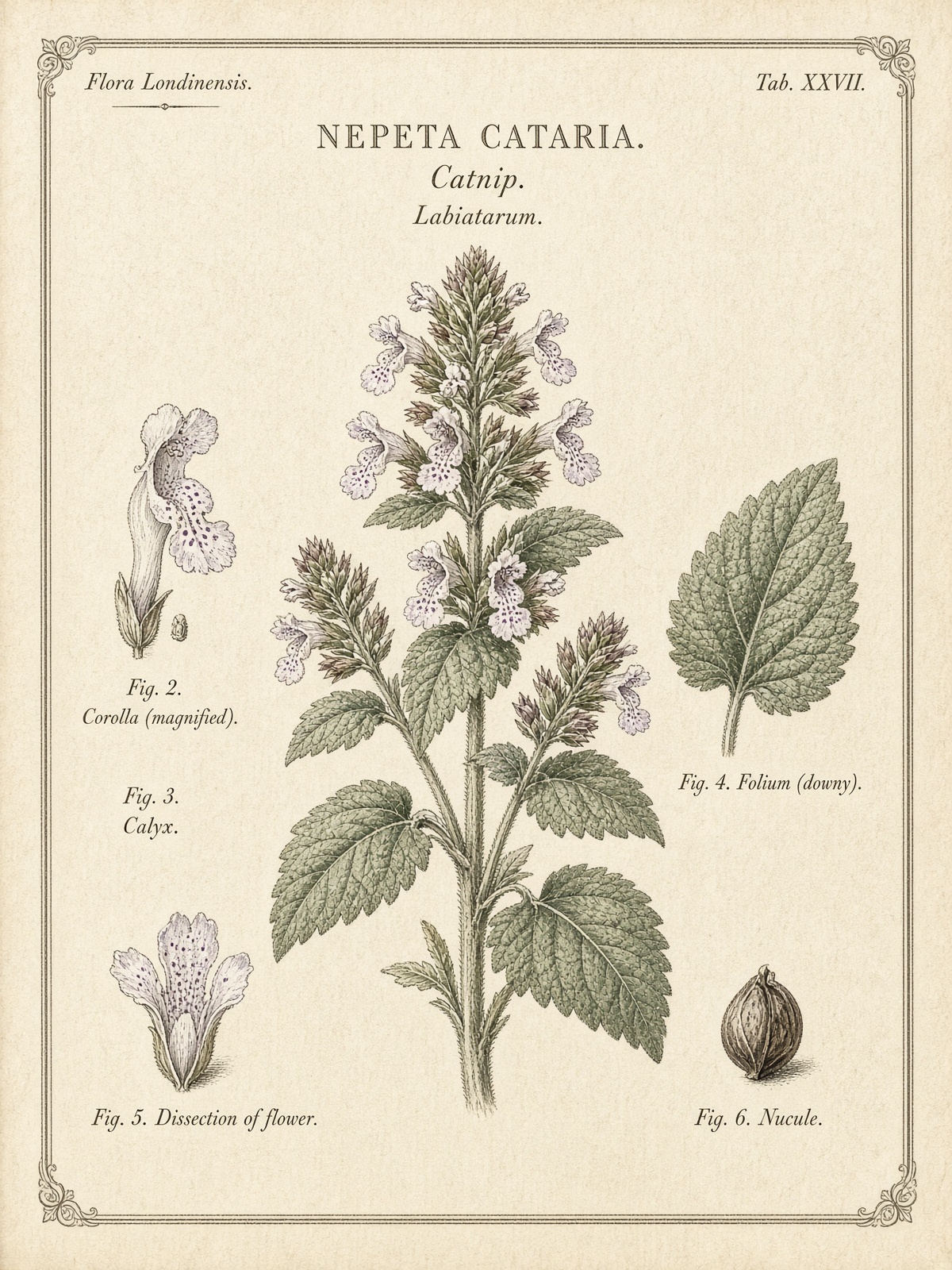
Catnip
Nepeta cataria
A grey mint that sends cats sideways and, as a mild tea, settles people the other direction.
cramps
1/1LegalGentle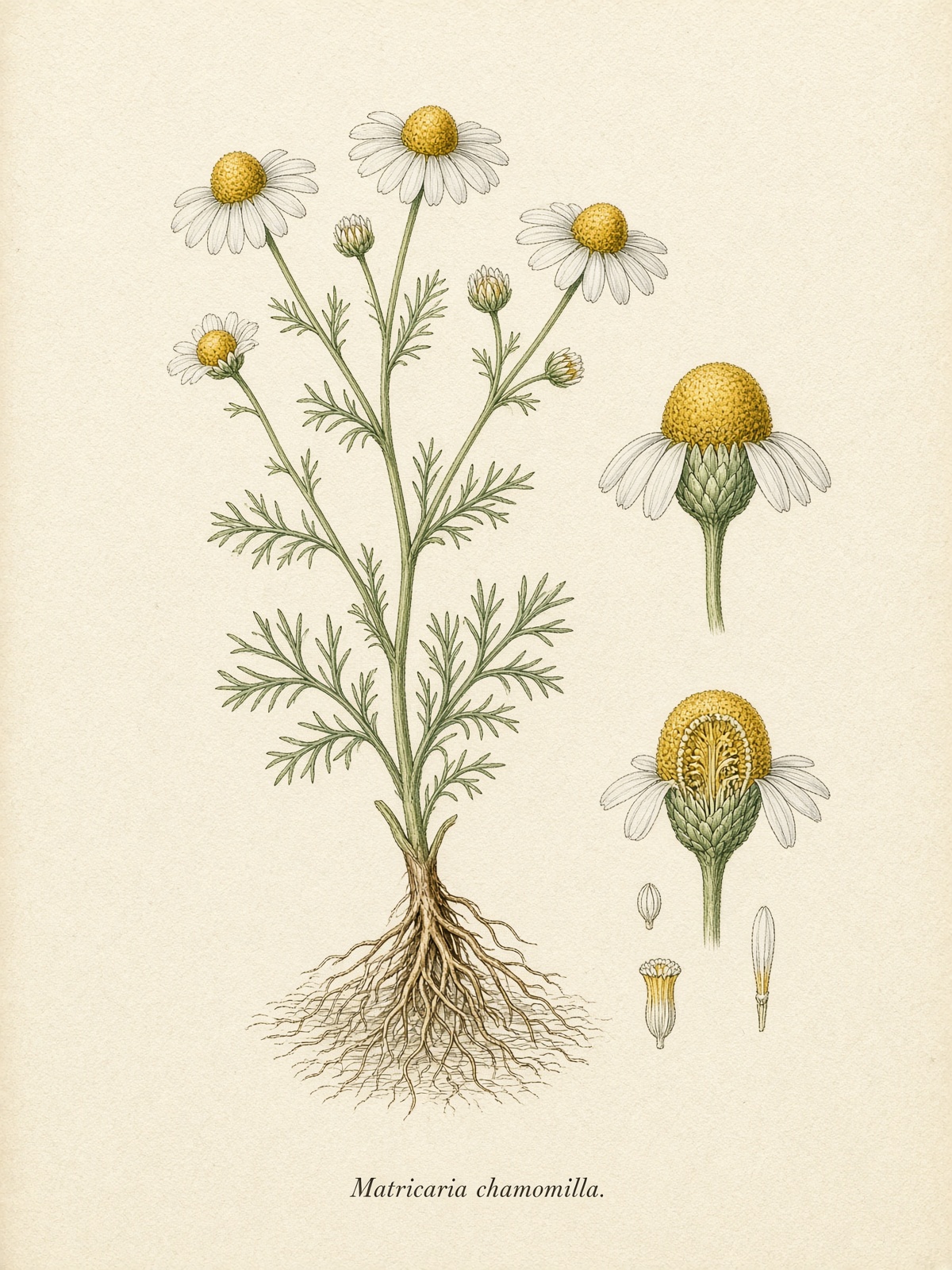
Chamomile
Matricaria chamomilla
A small daisy used for centuries as an evening tea for restlessness and mild digestive cramp.
cramps
1/1LegalGentle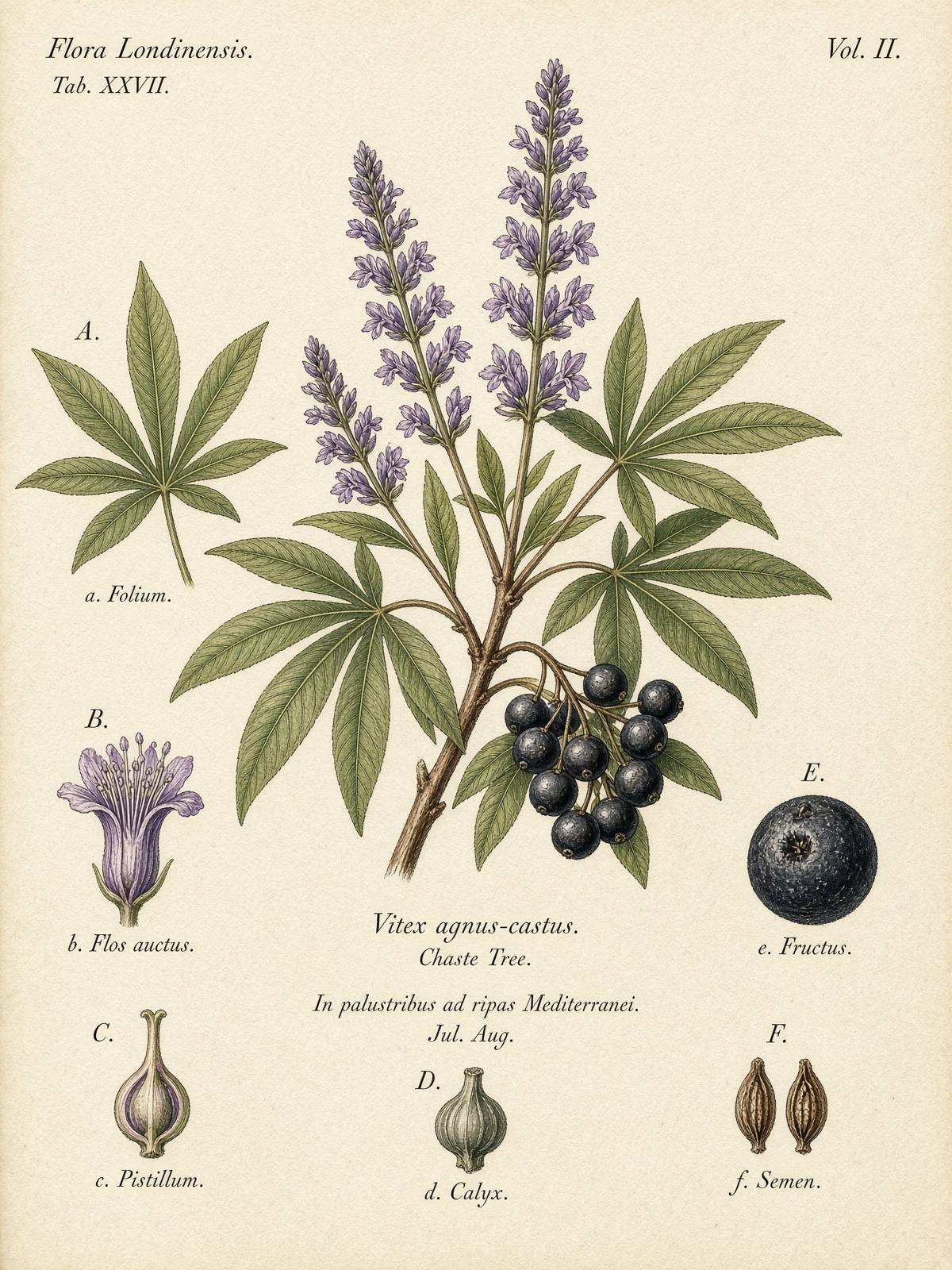
Chaste tree
Vitex agnus-castus
A lilac-like Mediterranean shrub whose peppercorn berries are a cycle herb with a hormone reputation.
cramps
1/1LegalCaution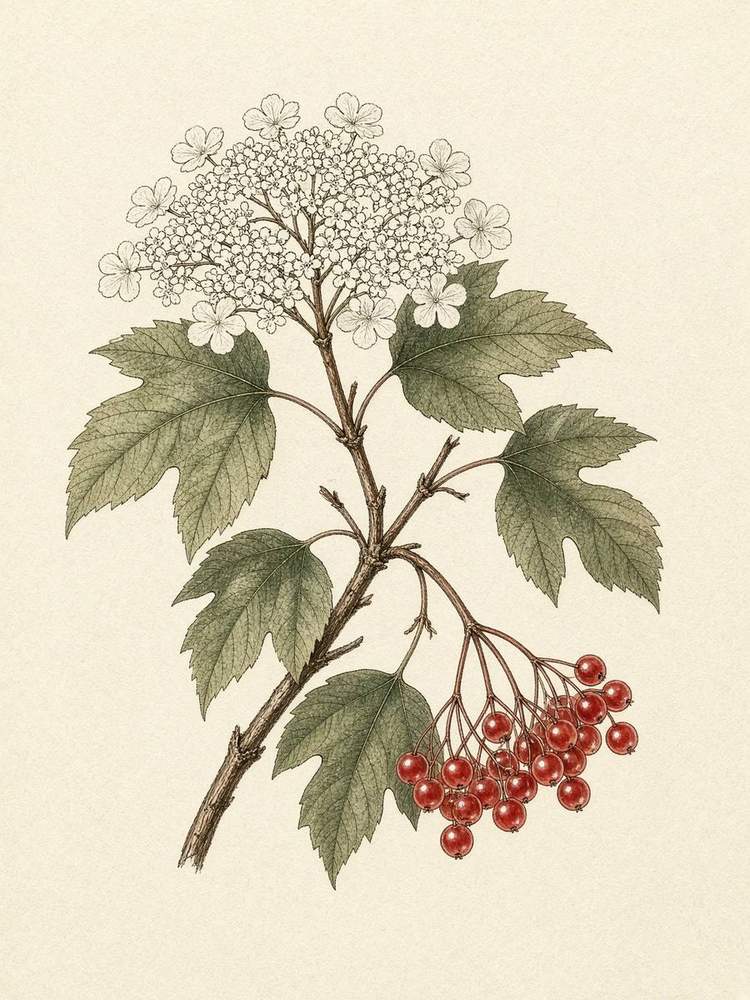
Cramp bark
Viburnum opulus
A hedge viburnum whose bark is the old antispasmodic of European midwives — a cramp folklore, not a candy.
cramps
1/1LegalCaution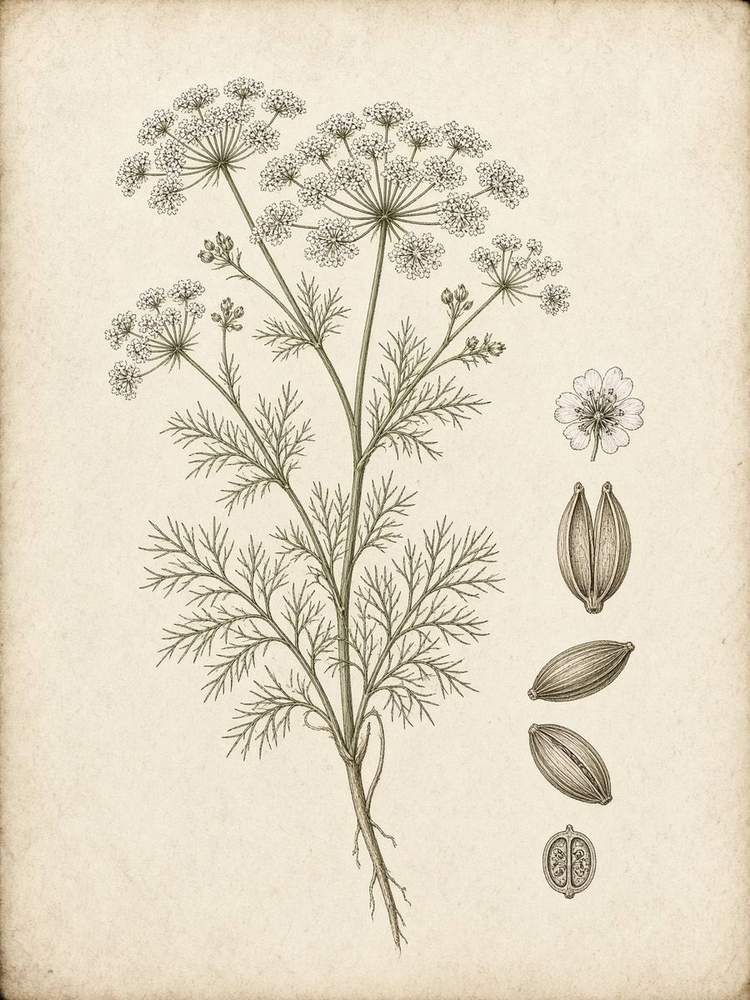
Cumin
Cuminum cyminum
The warm, earthy seed of every chili and curry — a carminative kitchen spice with a long gut record.
cramps
1/1LegalGentle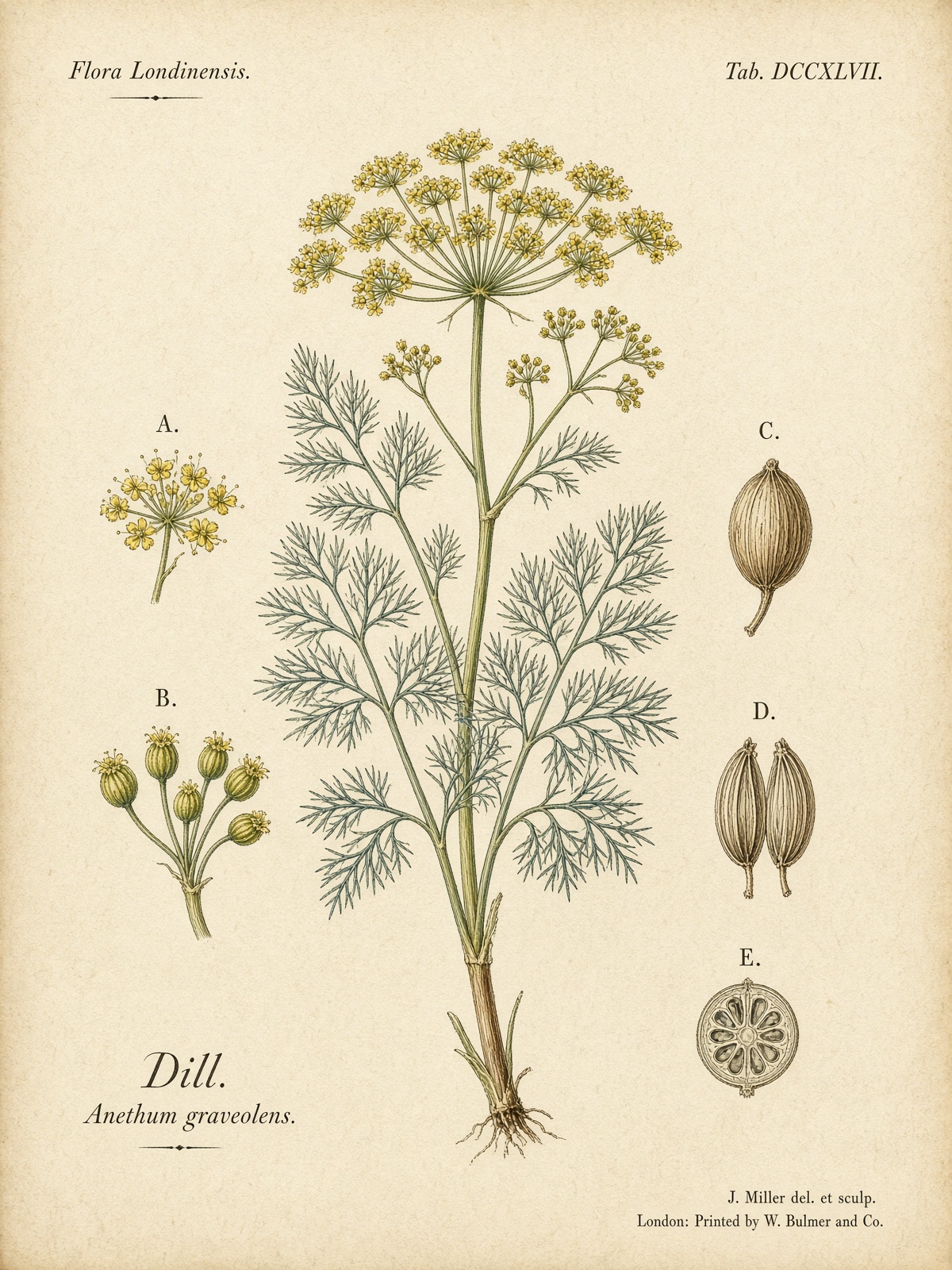
Dill
Anethum graveolens
Feathery kitchen green and a caraway-cousin seed — the pickle herb, also an after-dinner chew.
cramps
1/1LegalGentle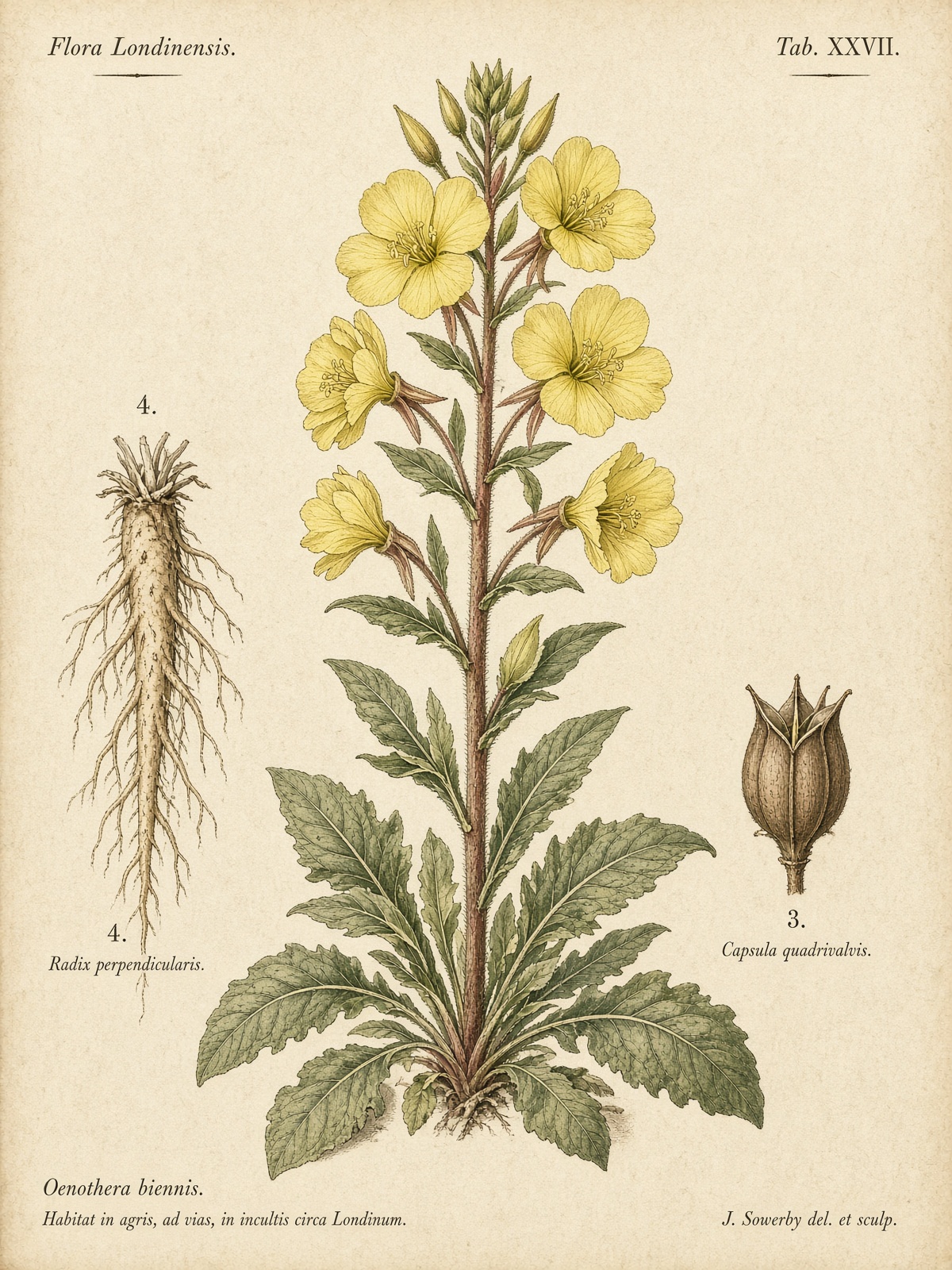
Evening primrose
Oenothera biennis
A dusk-opening yellow native whose seed oil is taken for skin and cycle folklore.
cramps
1/1LegalGentle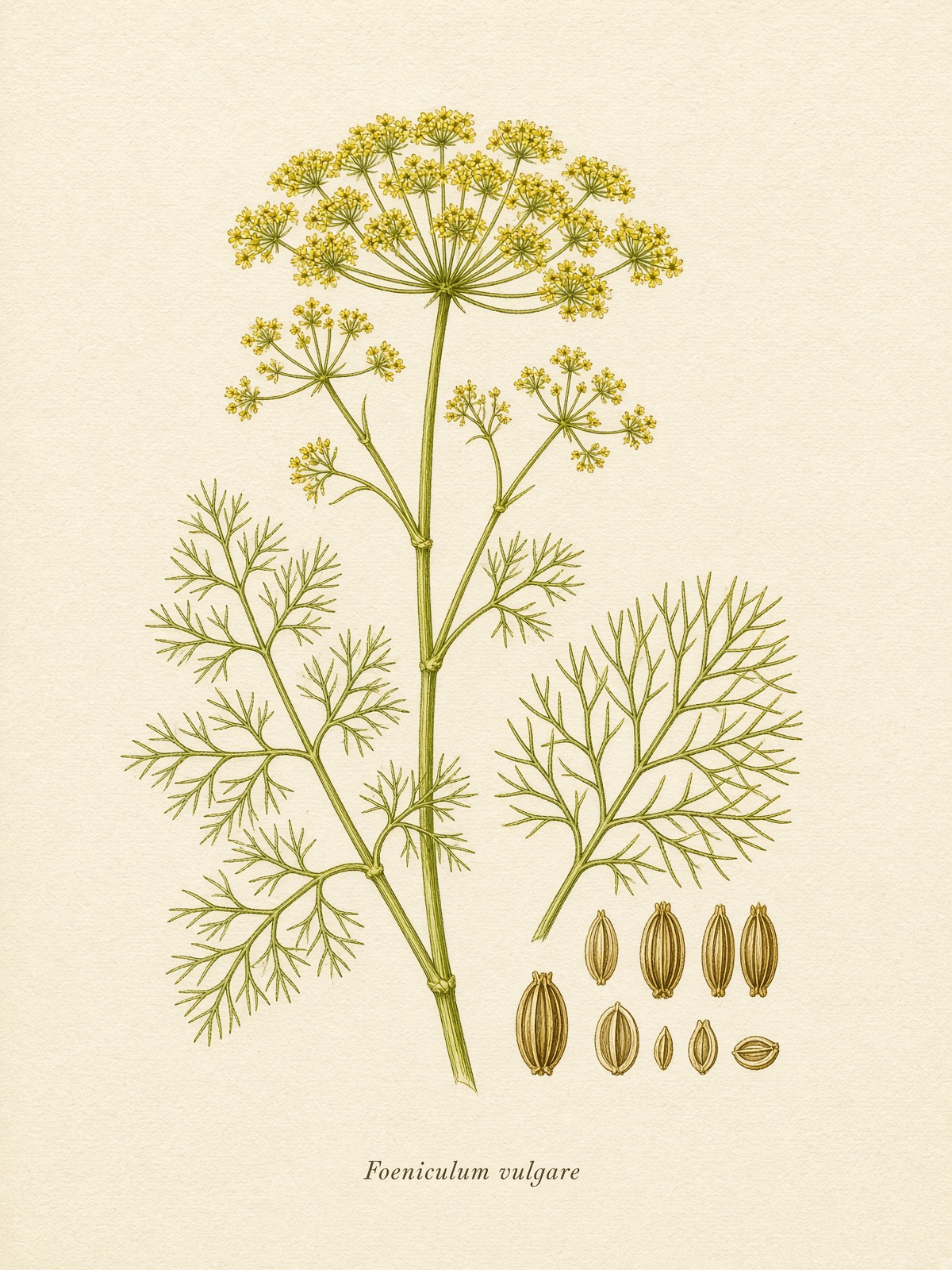
Fennel
Foeniculum vulgare
Anise-sweet seed for gas, colic folklore, and after-dinner breath.
cramps
1/1LegalGentle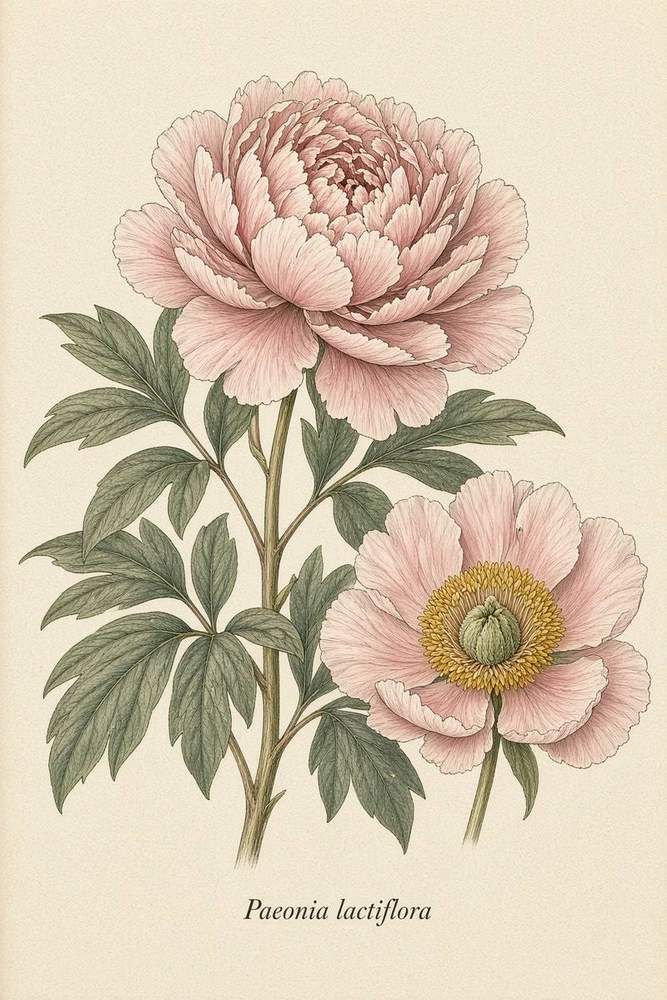
Garden peony
Paeonia lactiflora
The late-spring shrub of buds that ants tend — a long-lived perennial whose petals, not its root, are the only kitchen note here.
cramps
1/1LegalCaution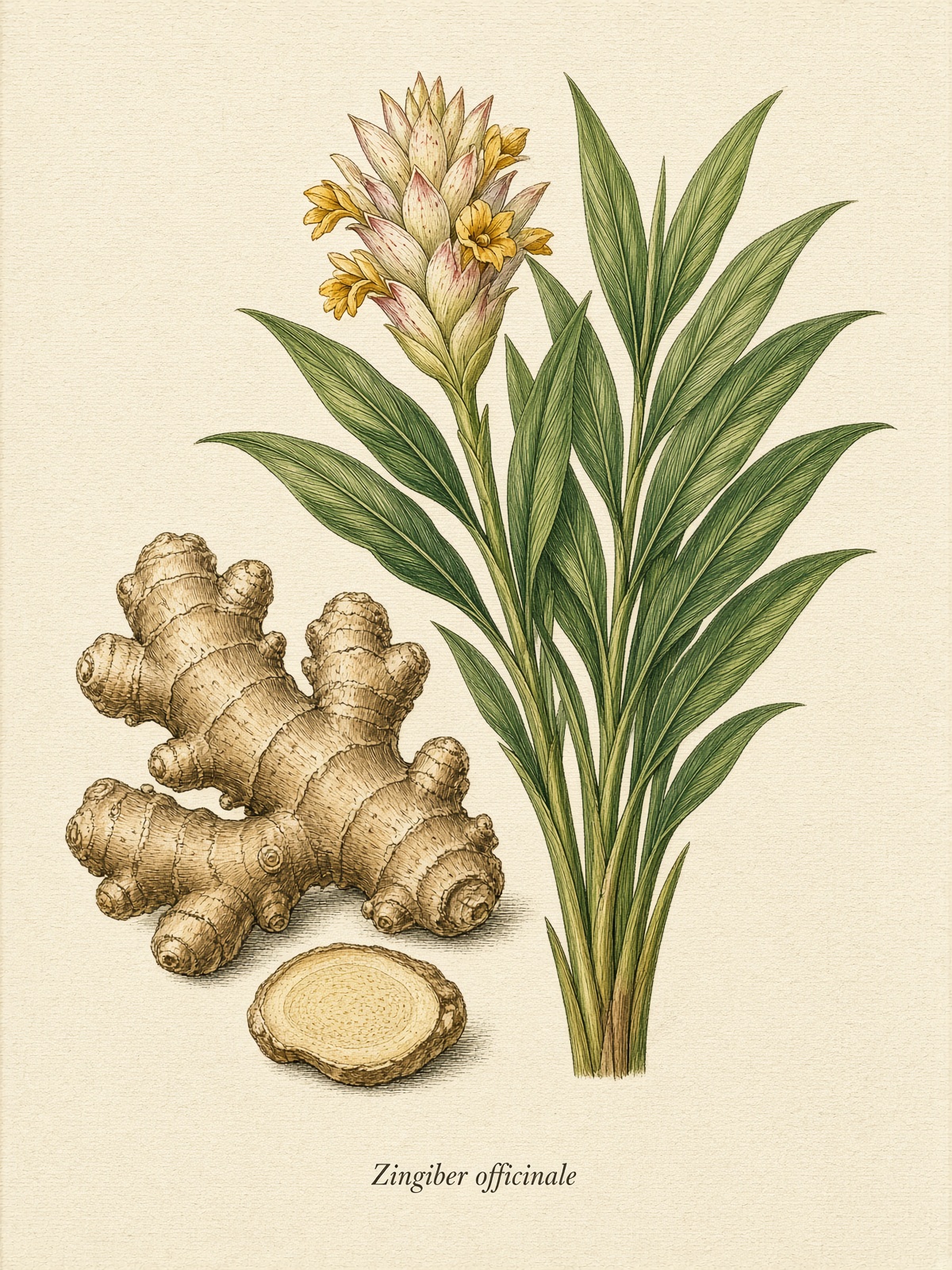
Ginger
Zingiber officinale
A tropical rhizome for queasy stomachs, cold hands, and dull inflammatory ache.
cramps
1/1LegalGentle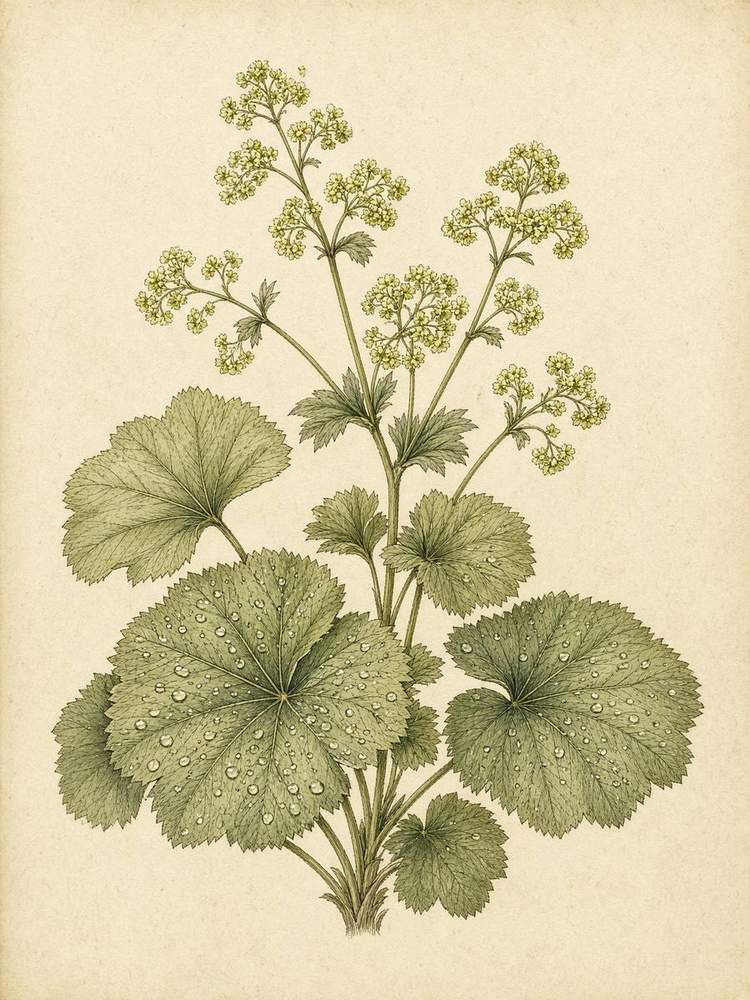
Lady’s mantle
Alchemilla vulgaris
Dew-catching scalloped leaves and a chartreuse foam of flowers — a European astringent of the old women’s shelf.
cramps
1/1LegalGentle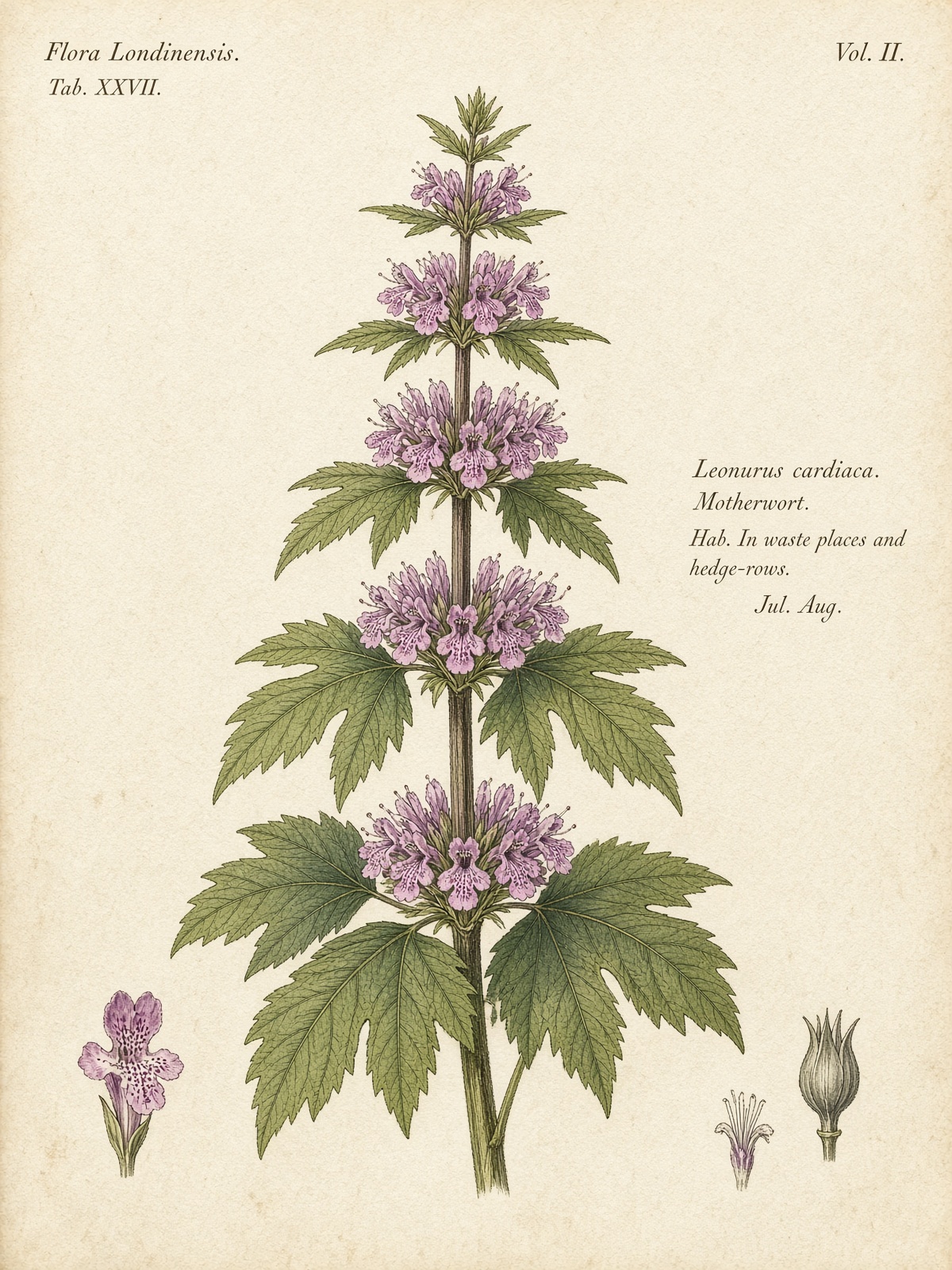
Motherwort
Leonurus cardiaca
A bitter mint for a racing heart and a spinning mind — not a culinary leaf.
cramps
1/1LegalCaution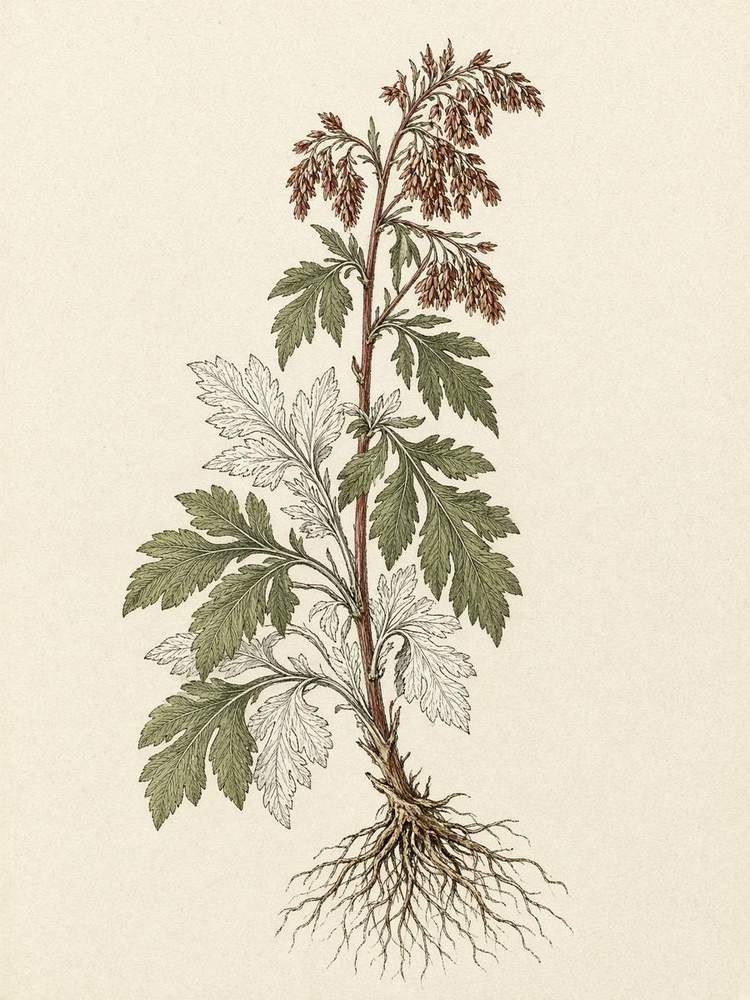
Mugwort
Artemisia vulgaris
The roadside Artemisia of dream pillows and roast goose — a bitter with a long folklore and a thujone limit.
cramps
1/1LegalCaution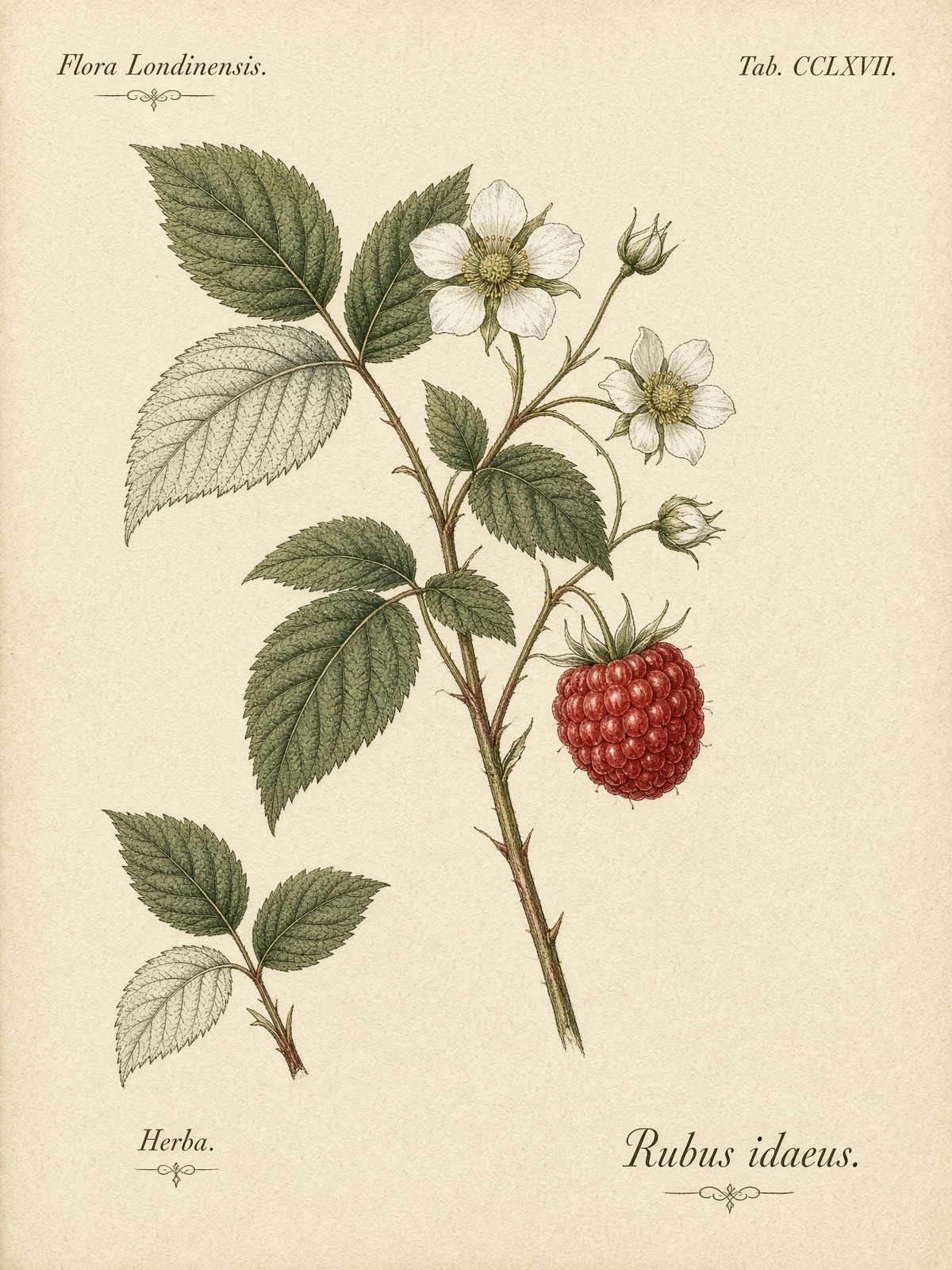
Raspberry leaf
Rubus idaeus
The cane you grow for fruit — the leaf is an astringent tea with a long midwifery folklore.
cramps
1/1LegalGentle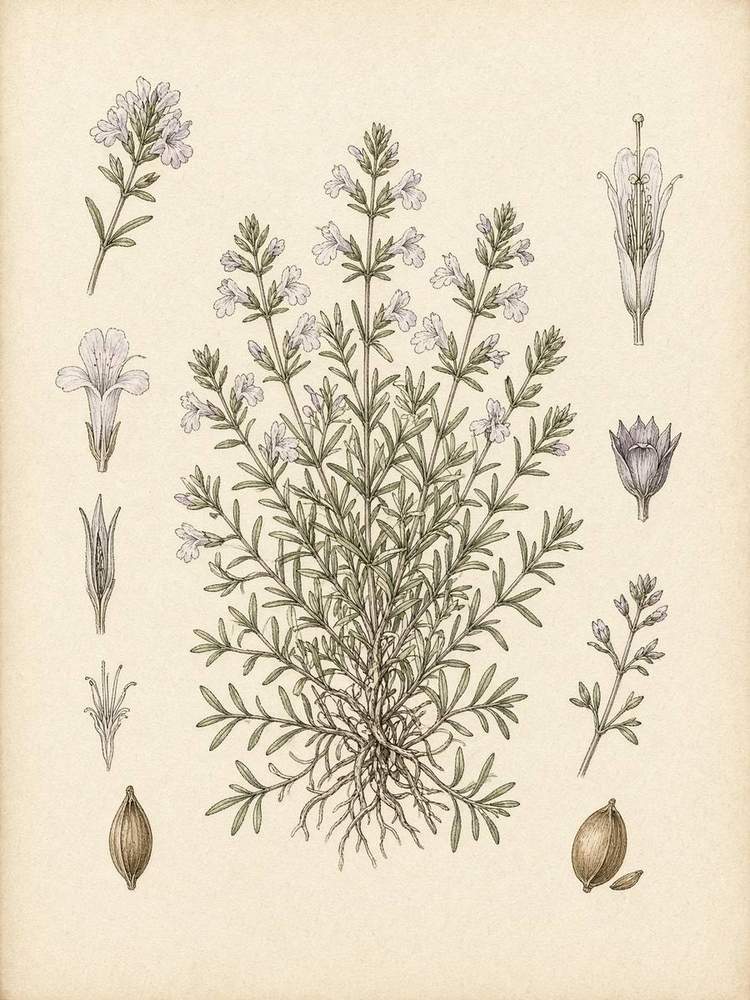
Summer savory
Satureja hortensis
The bean herb — a peppery summer mint that German and Balkan kitchens still put in the pot with pulses.
cramps
1/1LegalGentle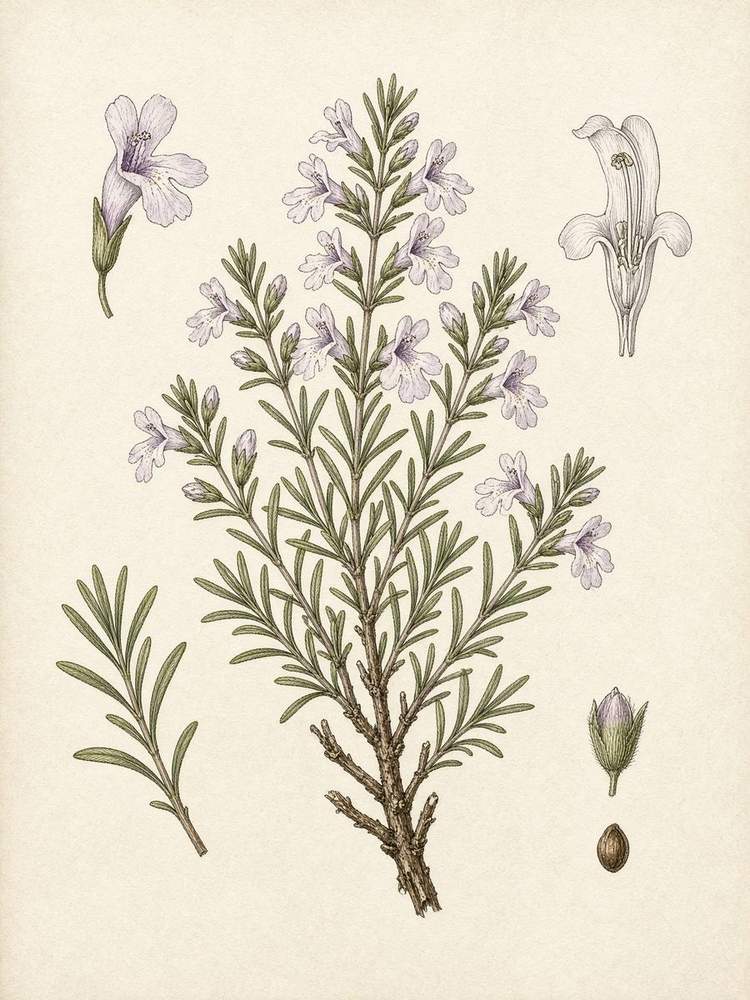
Winter savory
Satureja montana
The tougher bean herb — a shrubby perennial savory that winters over and still belongs in the pot with pulses.
cramps
1/1LegalGentle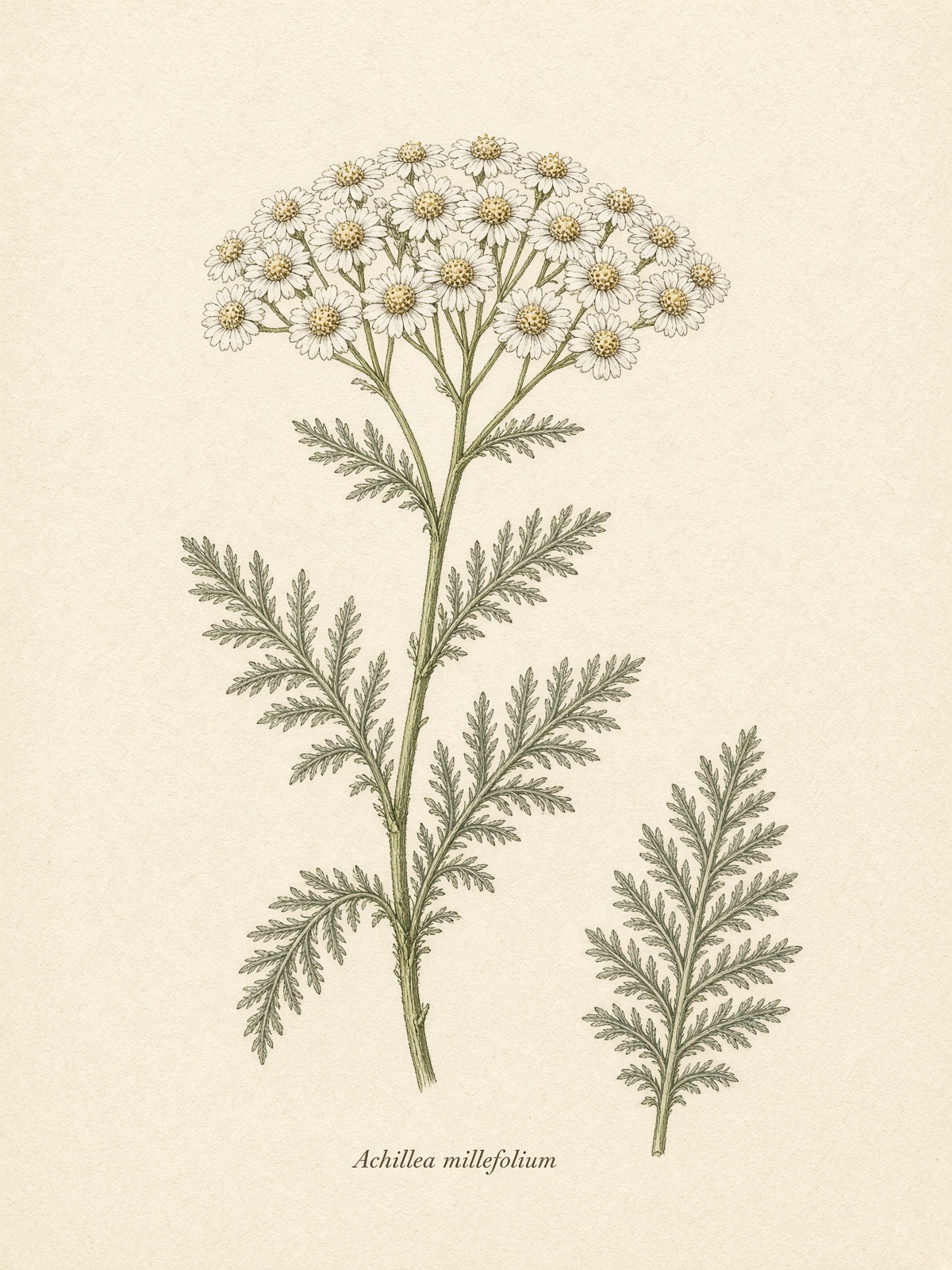
Yarrow
Achillea millefolium
Achilles' woundwort — a bitter, aromatic styptic for fevers, cuts, and heavy moons.
cramps
1/1LegalCaution
Teas for the same symptoms
Medicinal teas
Fennel after-meal
Sweet seed tea for bloating and cramp after a heavy plate.
cramps
Hops and catnip bitter
A greener, more bitter night cup when chamomile is too polite.
cramps
Mugwort after-roast
A short bitter after fat meat — digestion folklore, not a dream protocol and not a daily pot.
cramps
Raspberry-leaf pot
A pleasant astringent women’s tea with a long midwifery folklore — not a labor plan.
cramps
Household protocols
Natural remedies
After-dinner settle
Carminative cup for a heavy meal — gas, quease, cramp.
Dose: Adult: one 8 oz cup after the meal. Seed teas: ½ tsp crushed seed. Ginger: 6–8 thin slices in 12 oz, sipped. Not three kinds at once.
Safety: GERD (peppermint especially) · Hiatal hernia if mint worsens the burn
Savory in the bean pot
The bean herb — peppery summer or winter savory in the pot with pulses, which is the oldest carminative that still tastes like supper.
Dose: Adult: 1 sprig fresh or ½ tsp dried savory per pot of beans. Seed: ½ tsp crushed. Food first.
Safety: Mint-family allergy