Symptom index
Find a plant by how you feel
Type a symptom — cough, sleep, skin — or tap a chip. Matching plates, teas, and remedies rise to the top. This is a folk index, not a diagnosis.
18 plates for cold
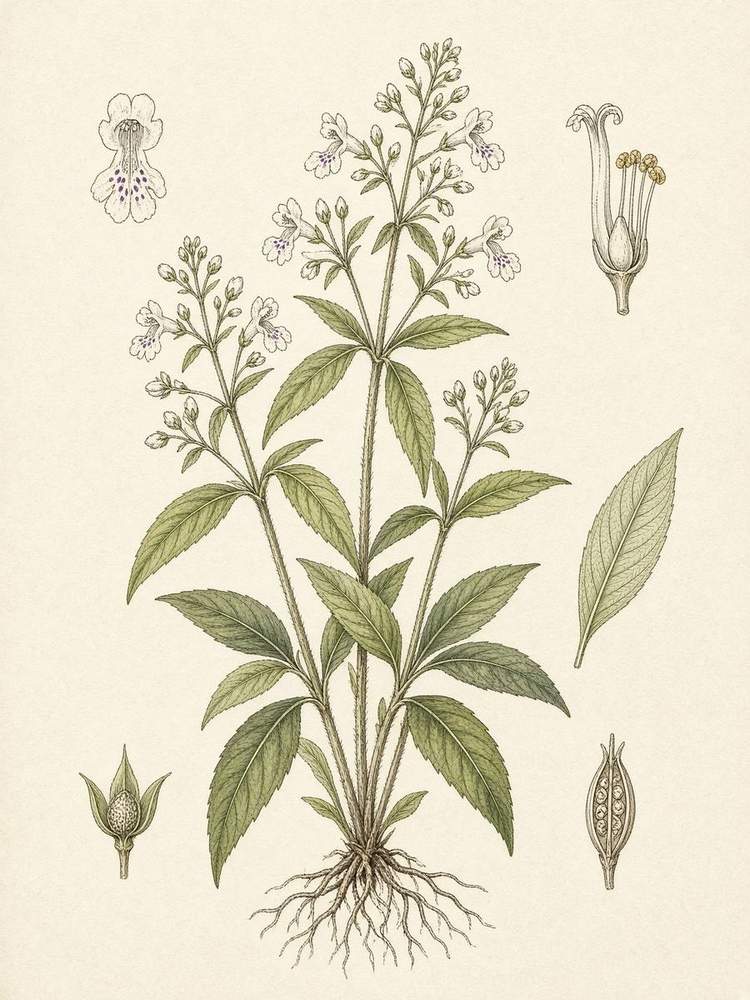
Andrographis
Andrographis paniculata
King of bitters — a South Asian annual whose leaf is a short-course cold folklore, and one of the bitterest cups in the folio.
cold
1/1LegalCaution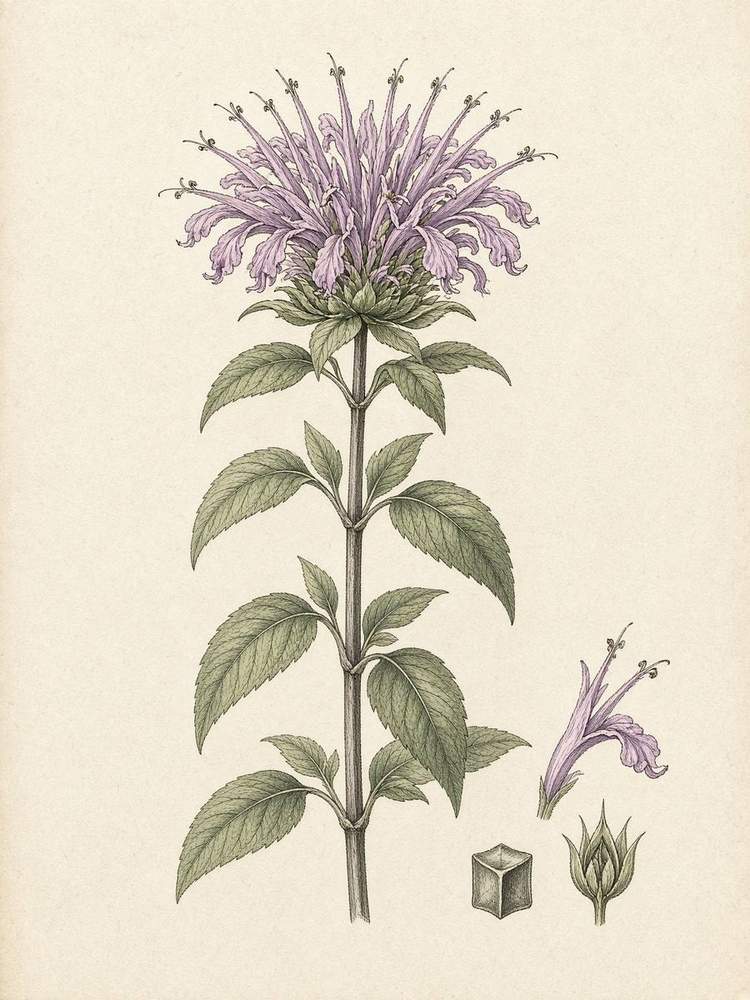
Bee balm
Monarda fistulosa
Wild bergamot — a ragged native mint whose leaf is an Earl Grey rumor and a traditional cold tea of the Northeast.
cold
1/1LegalGentle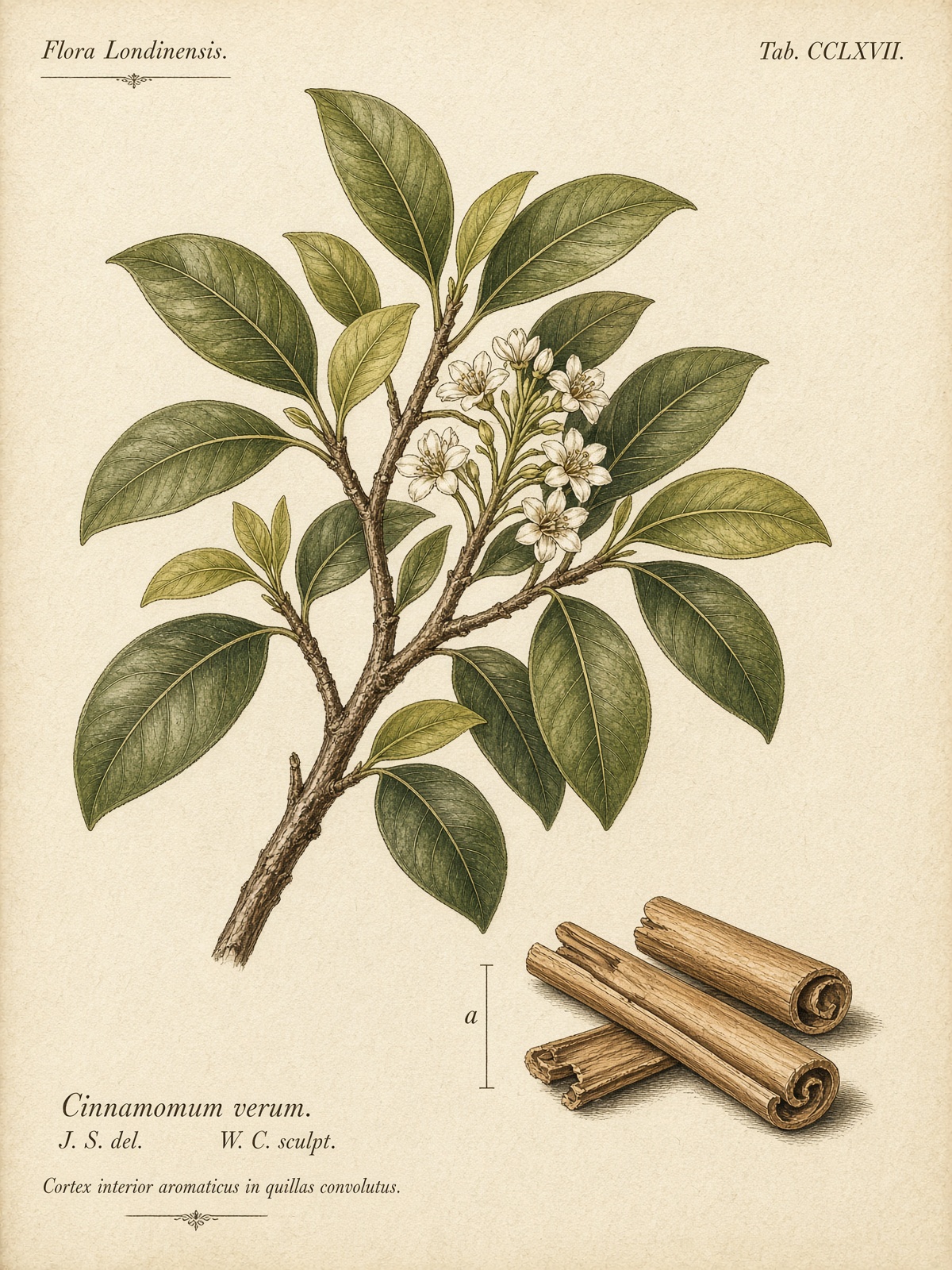
Cinnamon
Cinnamomum verum
The inner bark that built a trade — blood-sugar folklore, a kitchen spice, and a tropical tree.
cold
1/1LegalCaution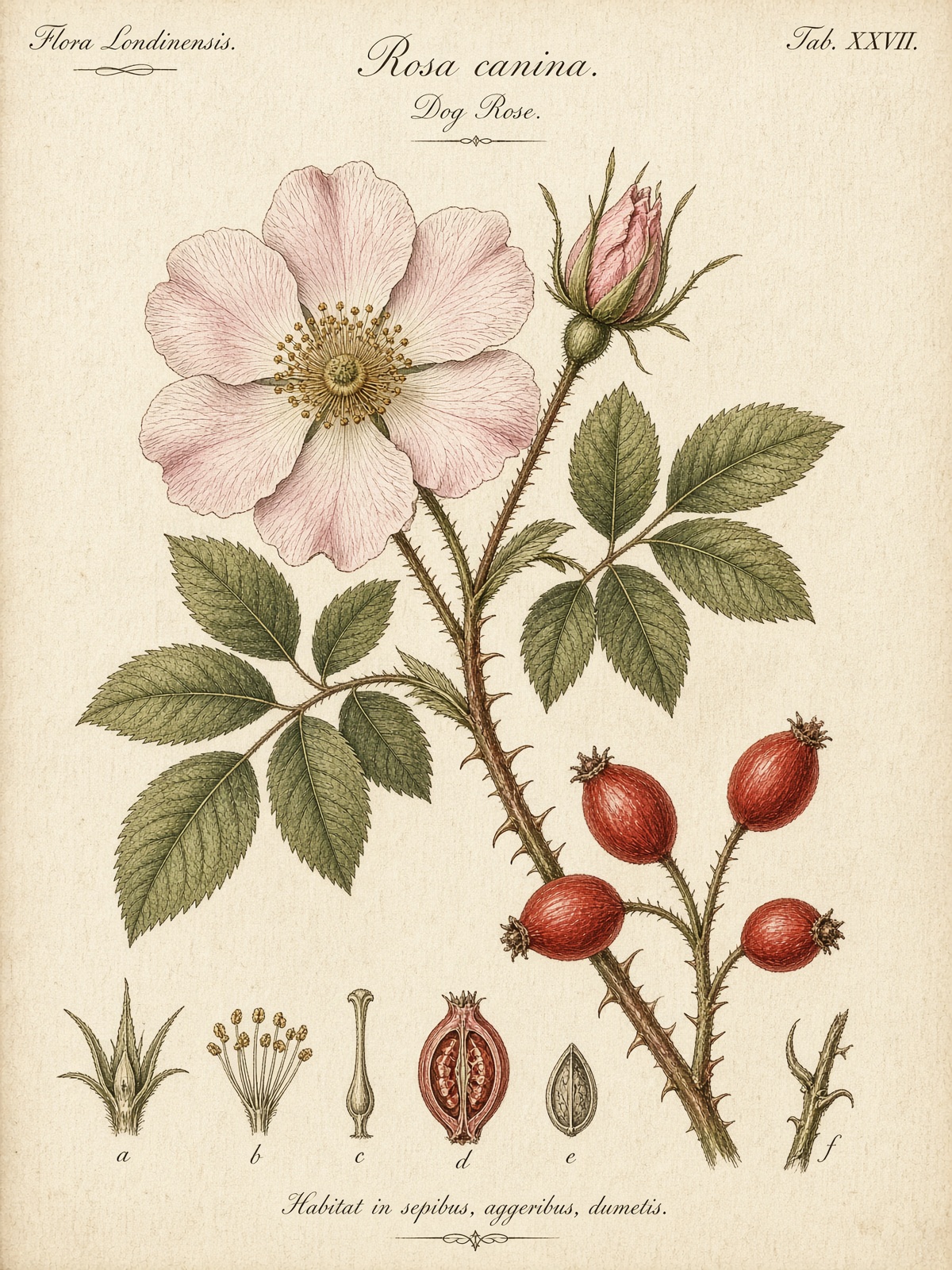
Dog rose
Rosa canina
The hedgerow rose — hips for winter vitamin C, petals for a cooling, fragrant cup.
cold
1/1LegalGentle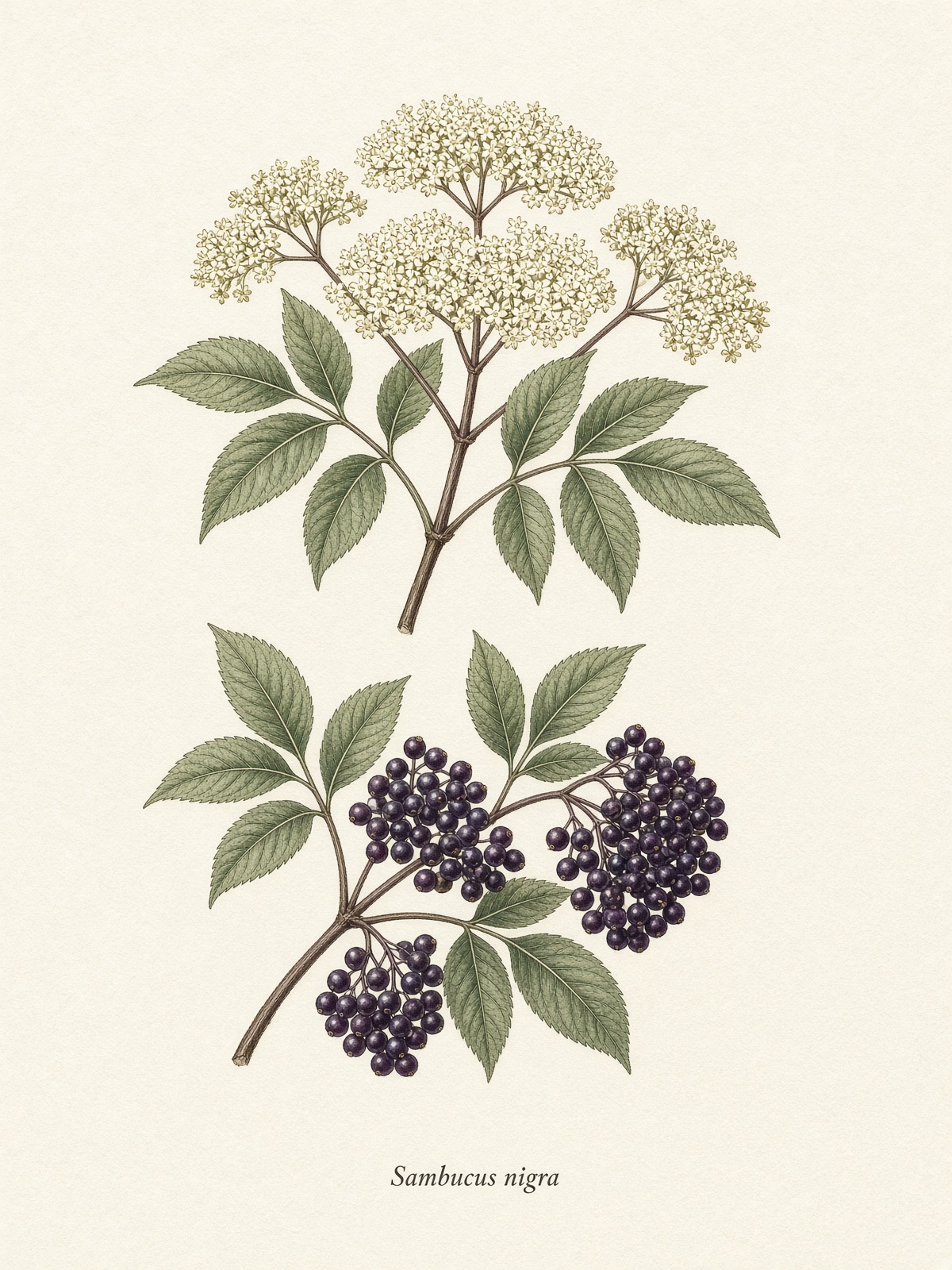
Elderberry
Sambucus nigra
Dark berries cooked into syrup at the first winter cough — never eaten raw.
cold
1/1LegalCaution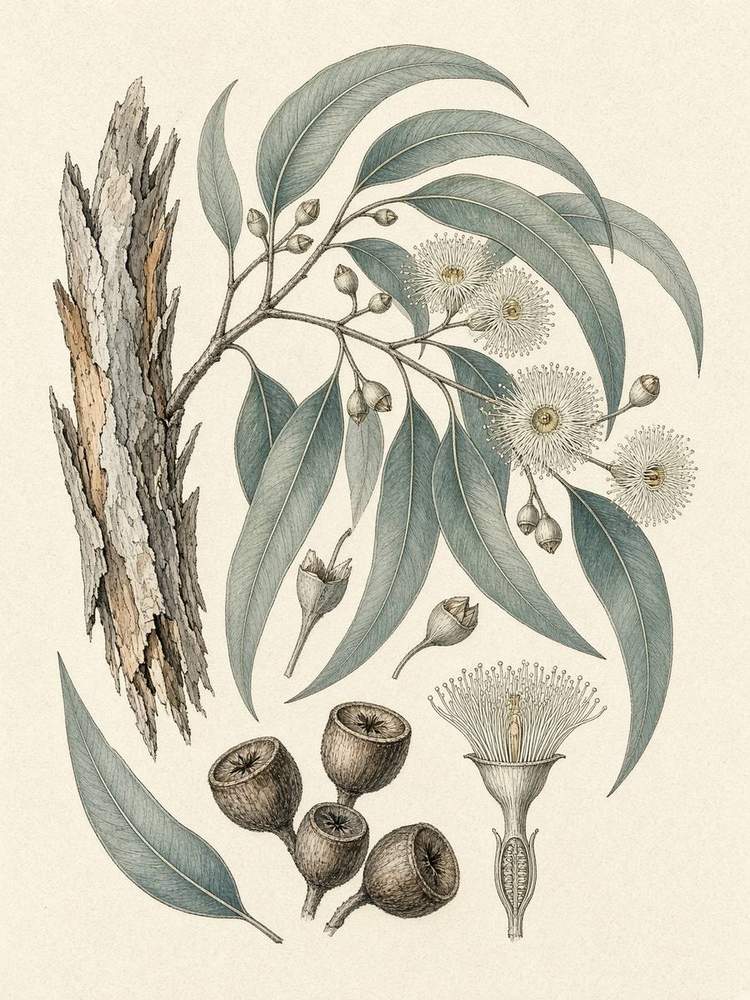
Eucalyptus
Eucalyptus globulus
Blue gum — the fever tree of Australia, a steam-inhalation leaf, and an oil that does not belong in a cup.
cold
1/1LegalCaution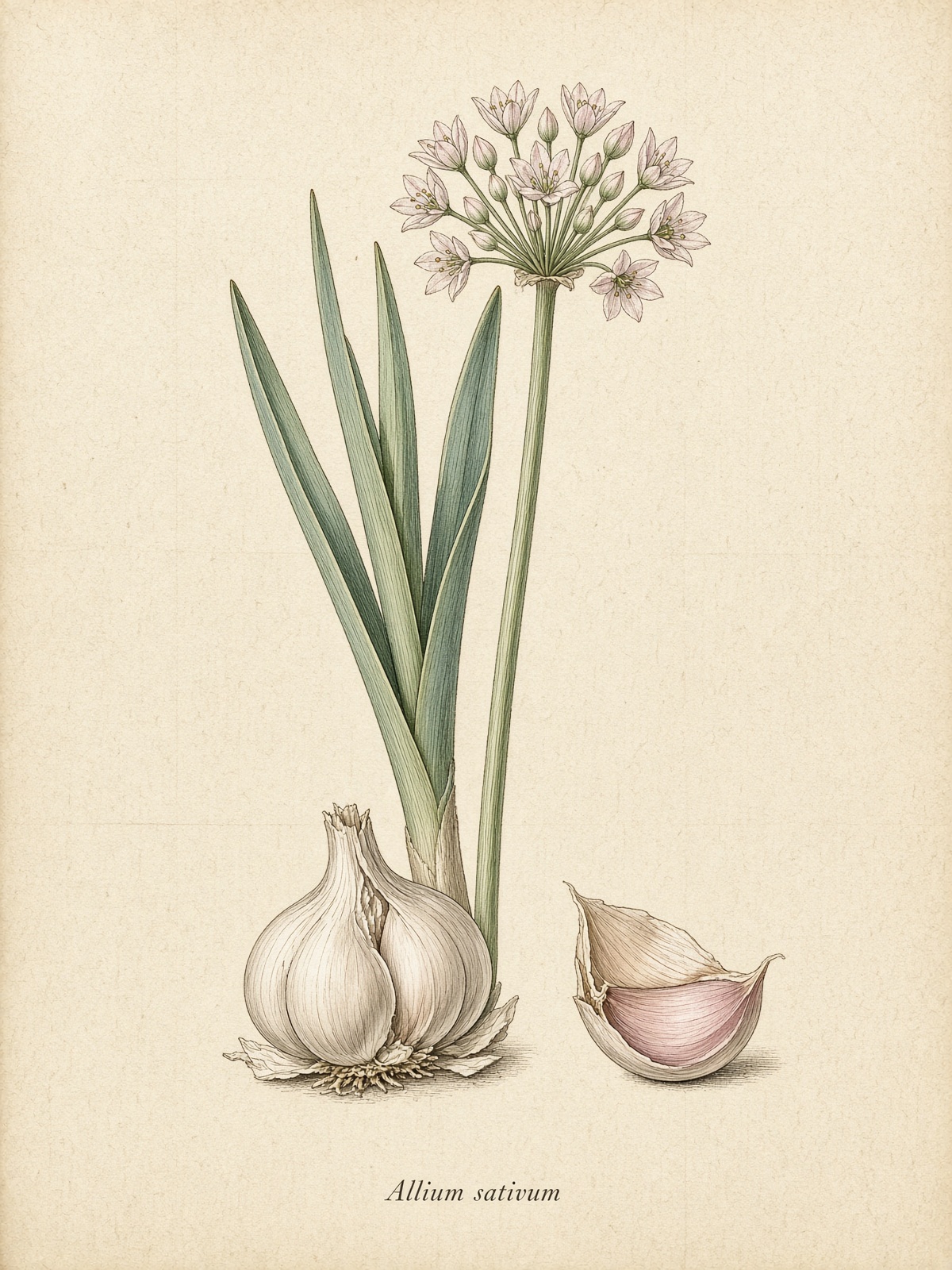
Garlic
Allium sativum
The original kitchen antimicrobial — crushed raw for punch, roasted for daily food medicine.
cold
1/1LegalGentle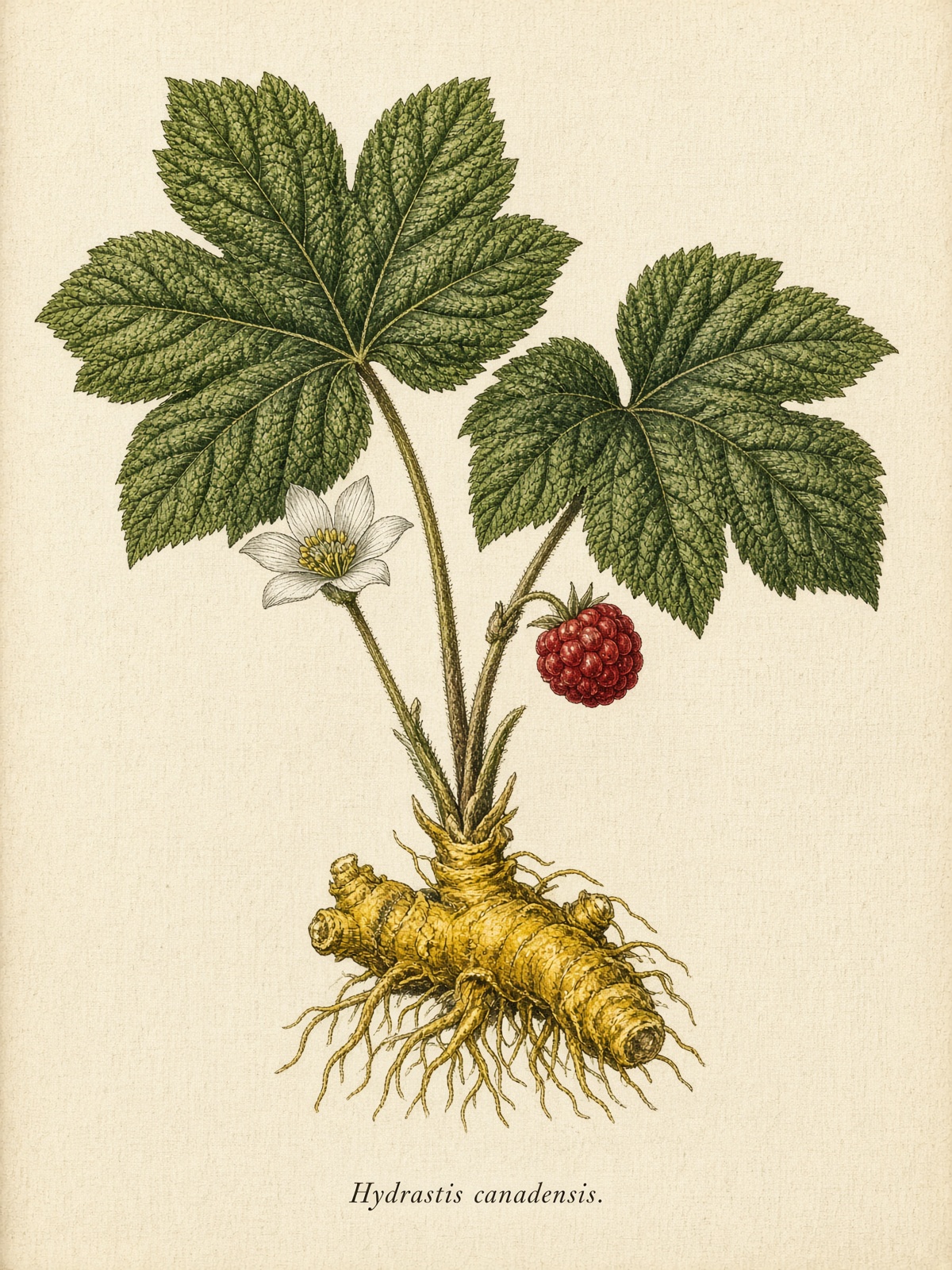
Goldenseal
Hydrastis canadensis
A threatened woodland root, bitter and berberine-yellow — not an everyday immune tonic.
cold
1/1RegulatedCaution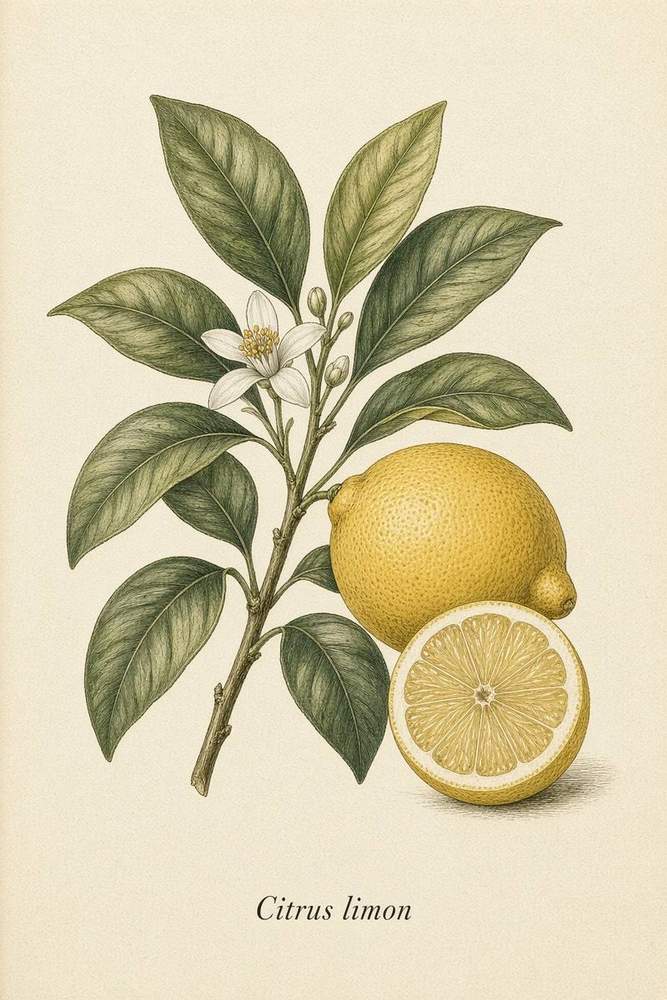
Lemon
Citrus limon
The acid citrus of the pantry — a squeeze, a preserved rind, a folklore cold cup that is mostly vitamin C and hot water.
cold
1/1LegalGentle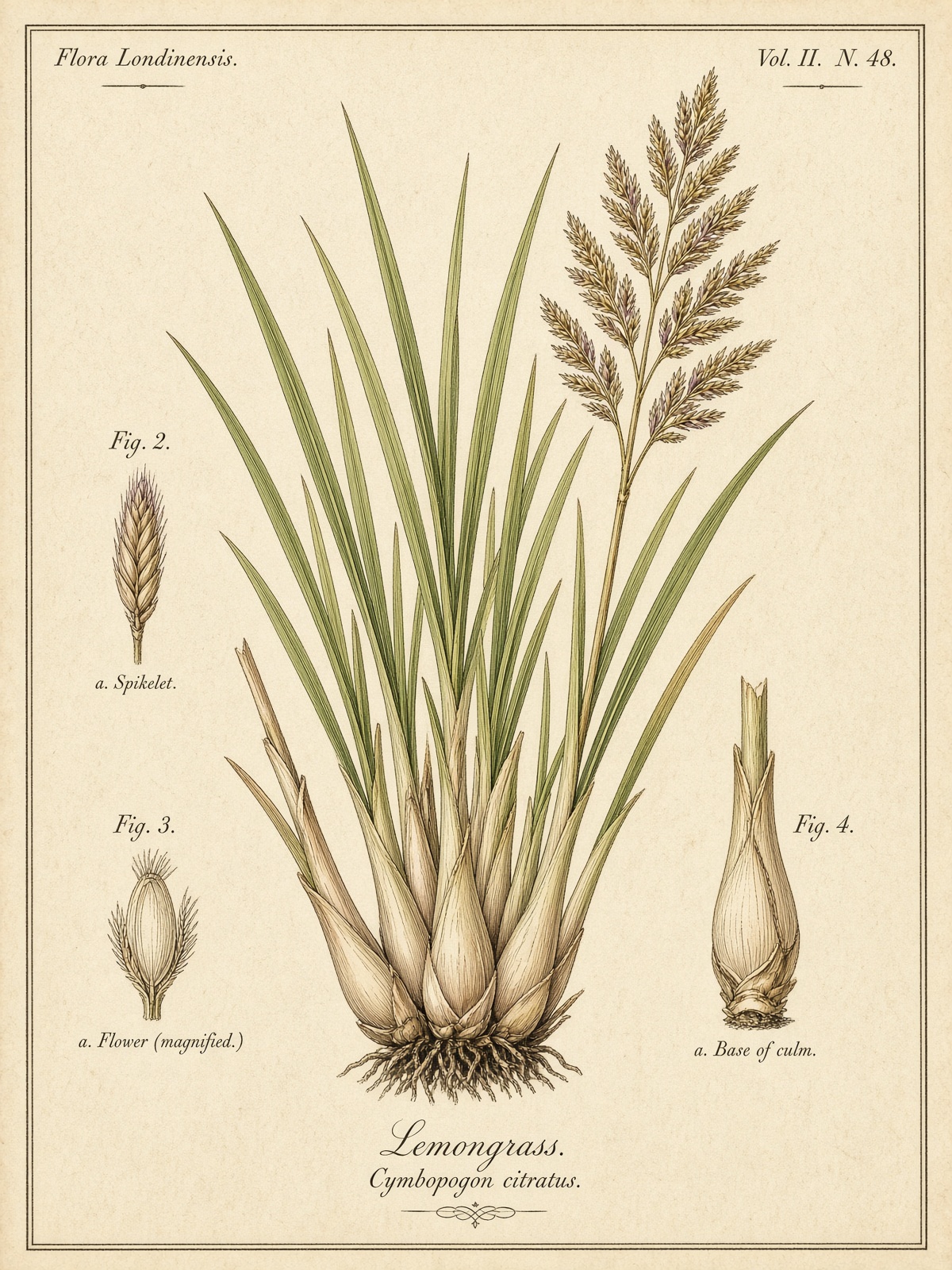
Lemongrass
Cymbopogon citratus
A tropical clump that puts lemon in soup — fever-and-digestion folklore with a wok pedigree.
cold
1/1LegalGentle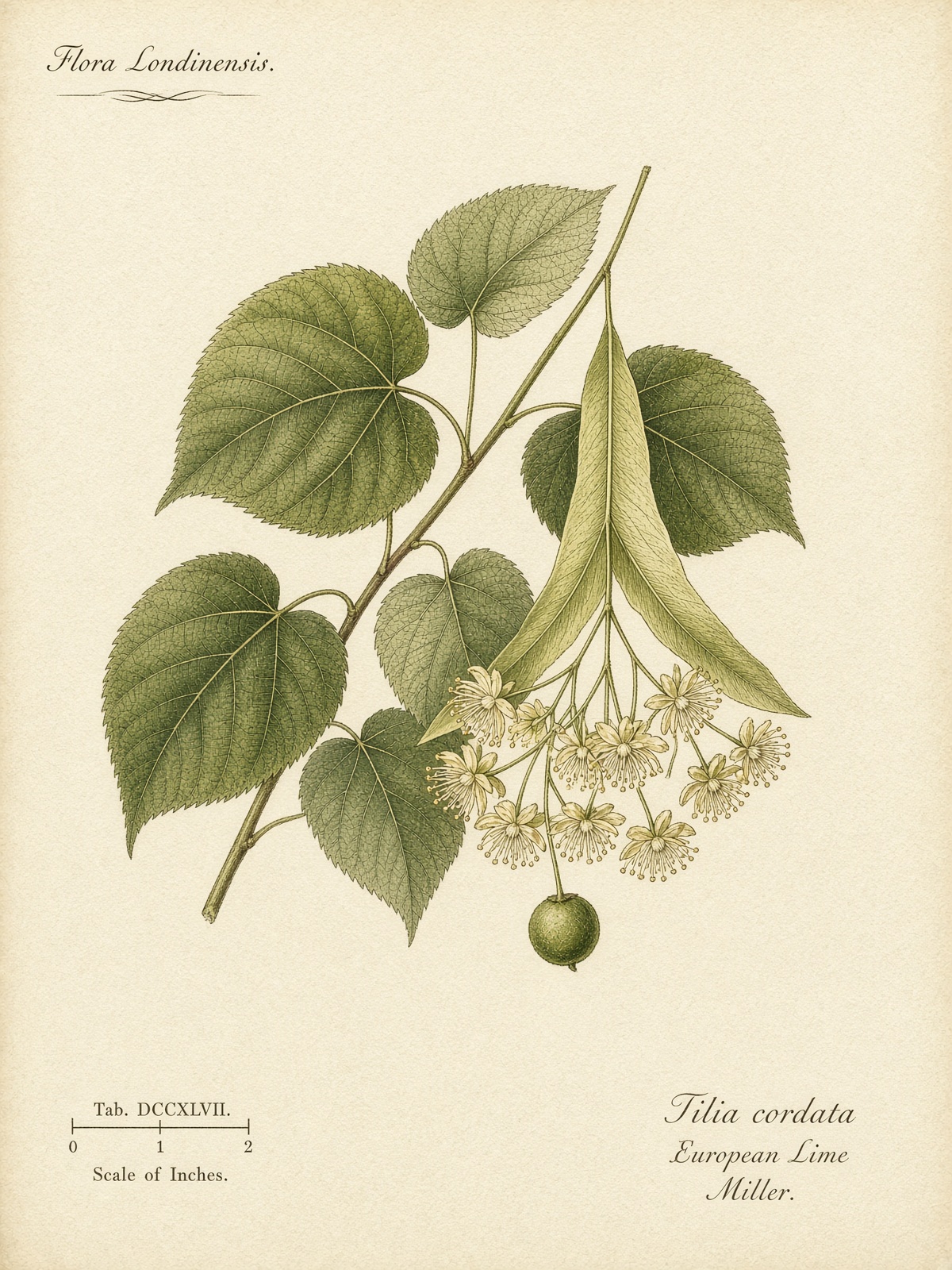
Linden
Tilia cordata
Heart-shaped leaves and a honey-bract blossom — the classic European calm-and-cold tea.
cold
1/1LegalGentle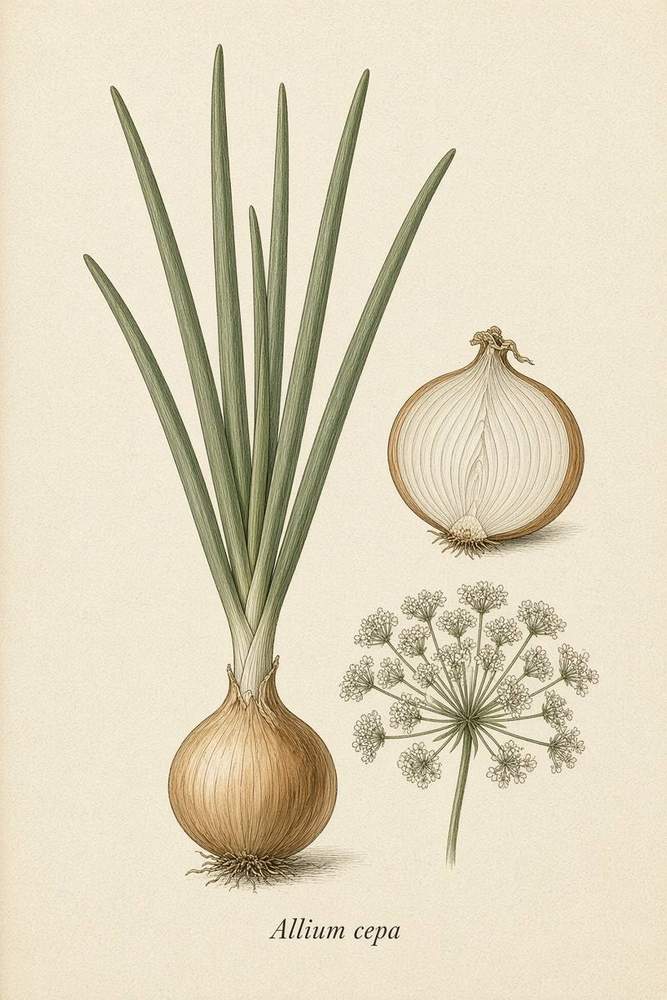
Onion
Allium cepa
The bulb that starts the pan — a kitchen allium with a long folk record as food, not as a syrup protocol.
cold
1/1LegalGentle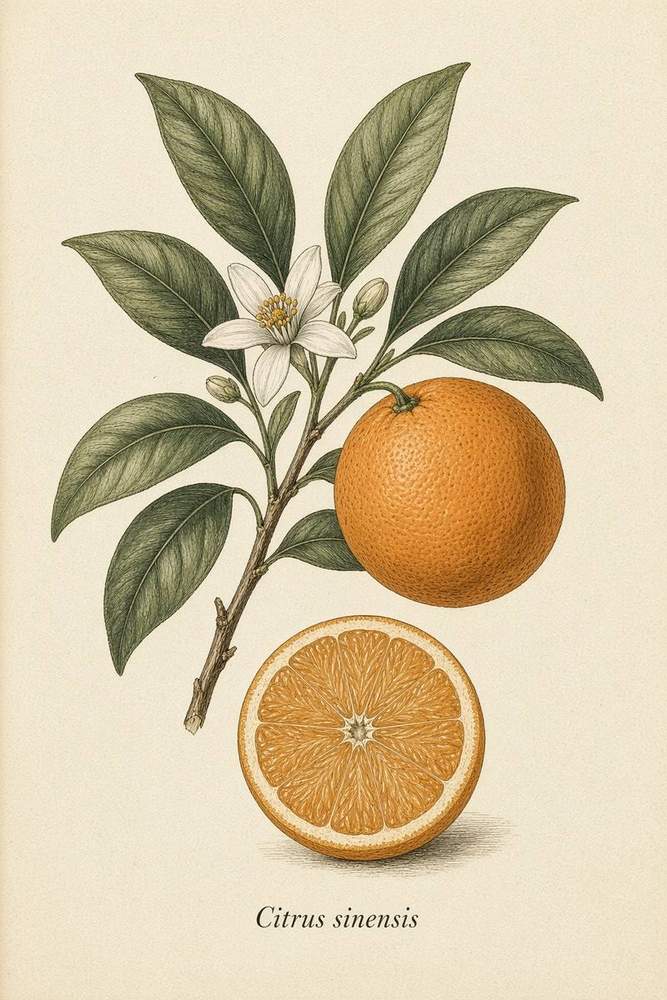
Orange
Citrus × sinensis
The sweet citrus of breakfast — a Chinese hybrid the world named after a color, or the color after the fruit.
cold
1/1LegalGentle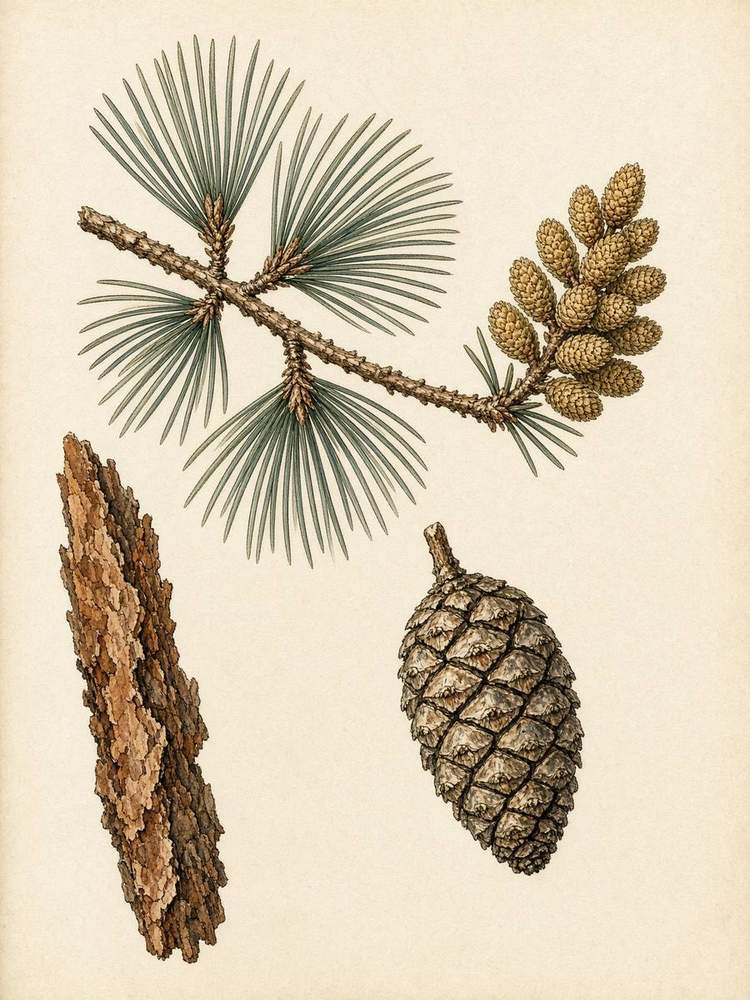
Pine
Pinus sylvestris
A bright, resinous needle tea from a tree you can name — never from a hedge you cannot.
cold
1/1LegalCaution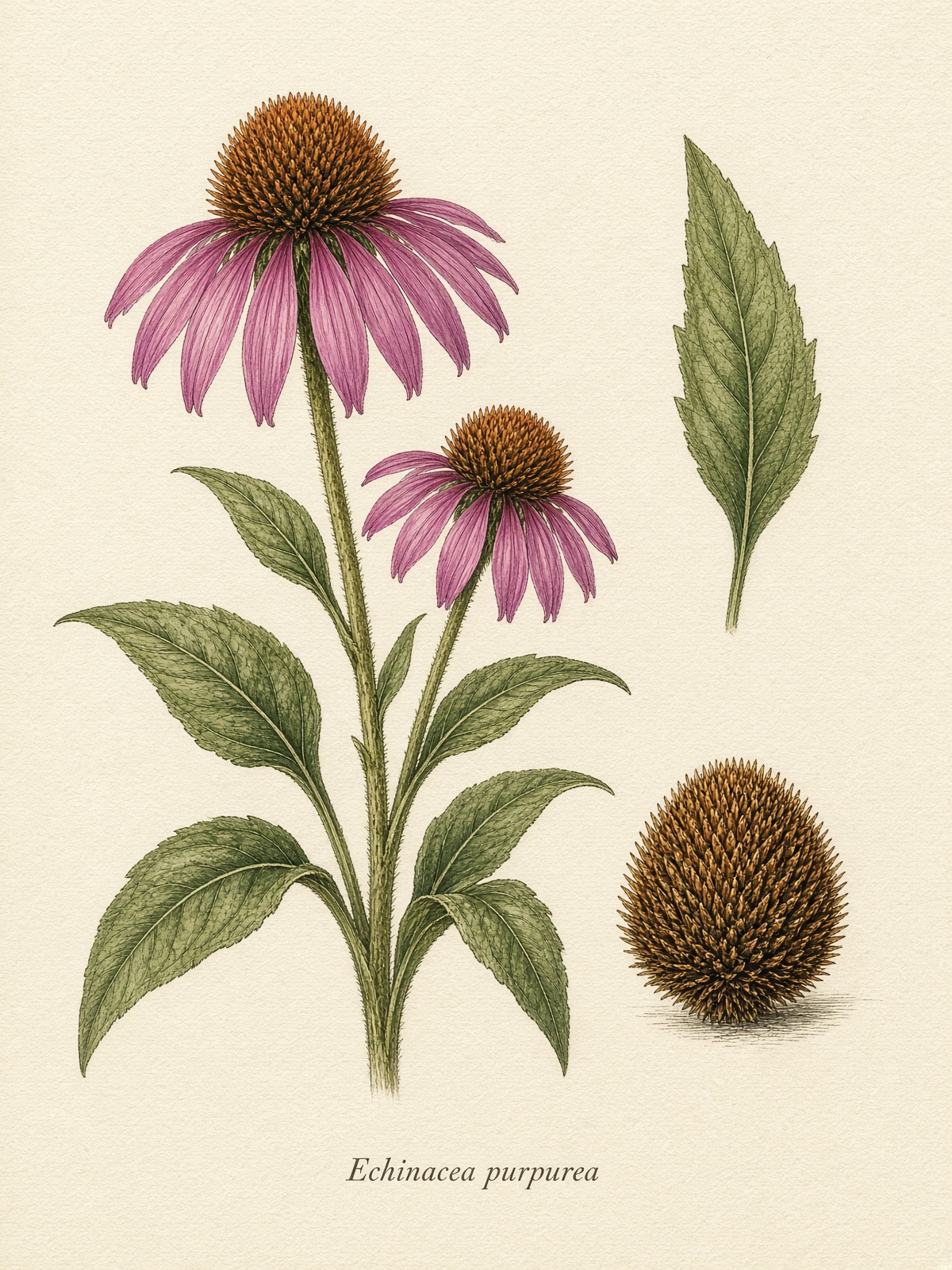
Purple coneflower
Echinacea purpurea
Prairie coneflower taken at the first scratch of a cold — immune-modulating, not a daily tonic.
cold
1/1LegalGentle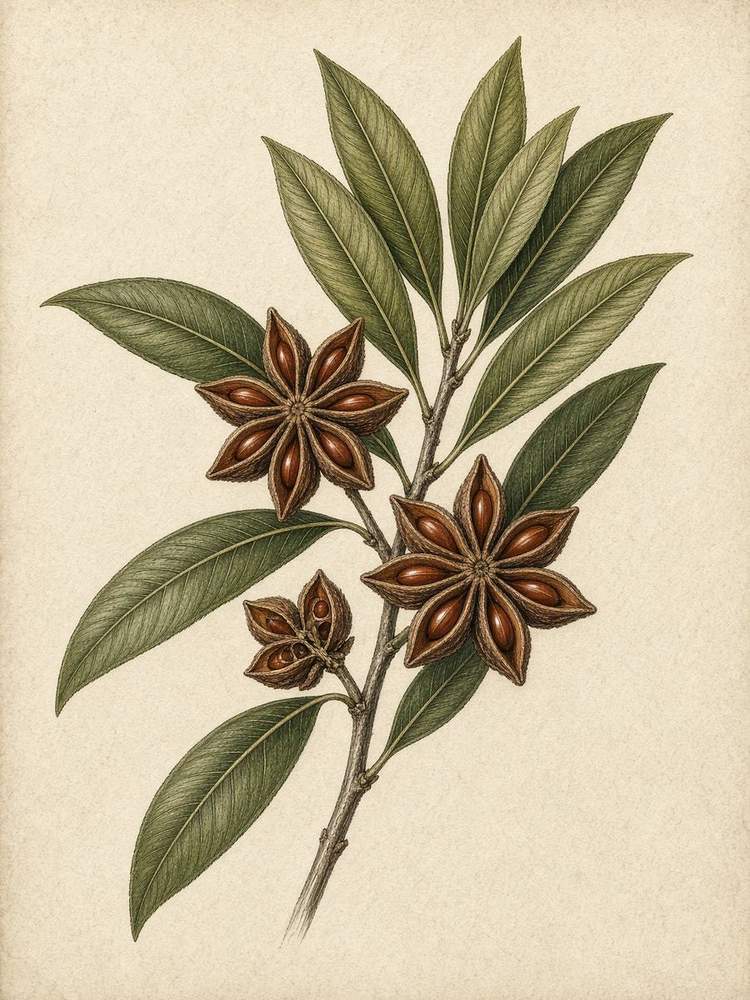
Star anise
Illicium verum
The eight-pointed spice of pho and five-spice — a licorice star with a lookalike that does not belong in a pot.
cold
1/1LegalCaution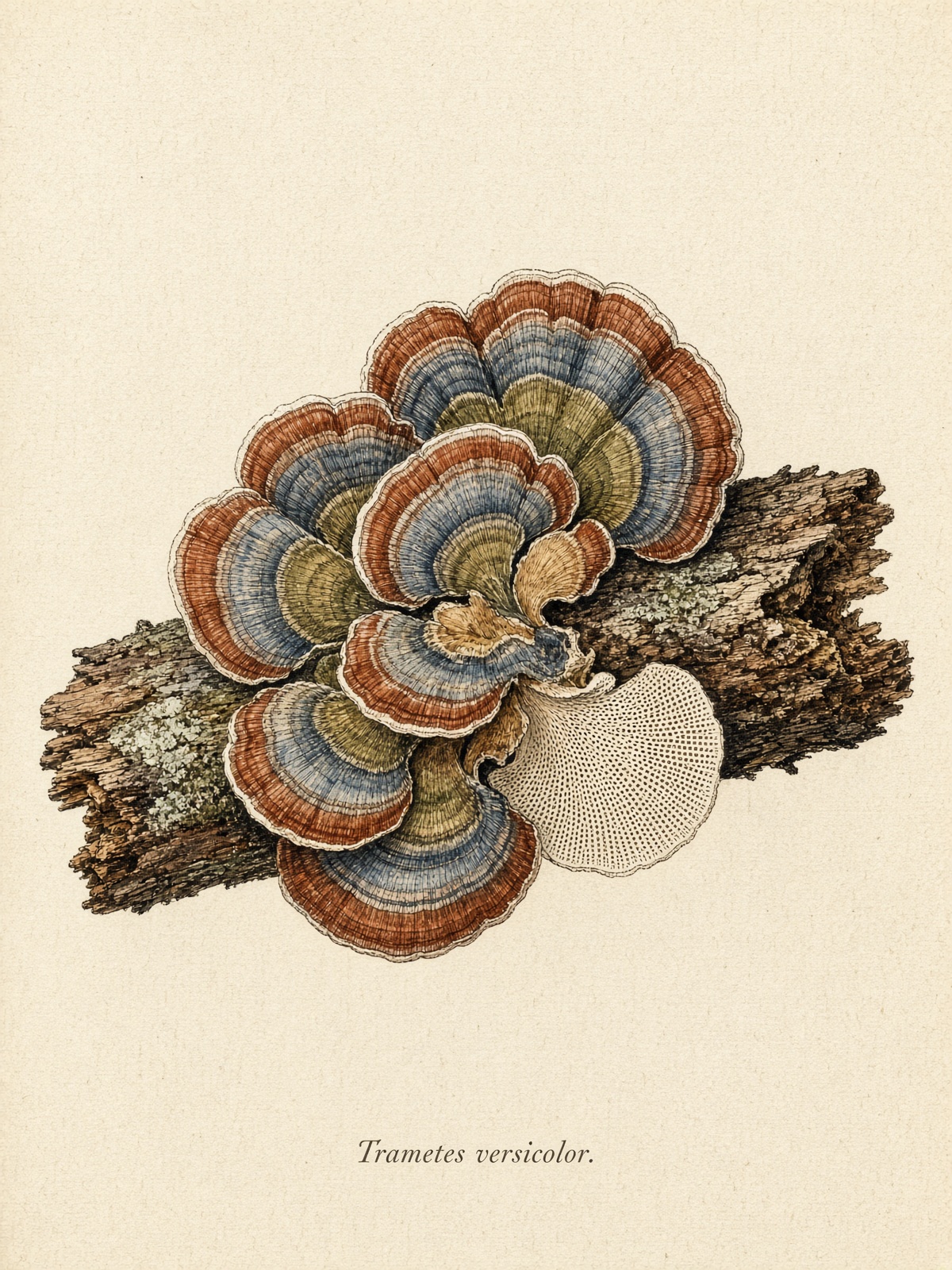
Turkey tail
Trametes versicolor
Zoned fans on dead wood — the best-studied medicinal polypore for immune support beside treatment, not instead of it.
cold
1/1LegalGentle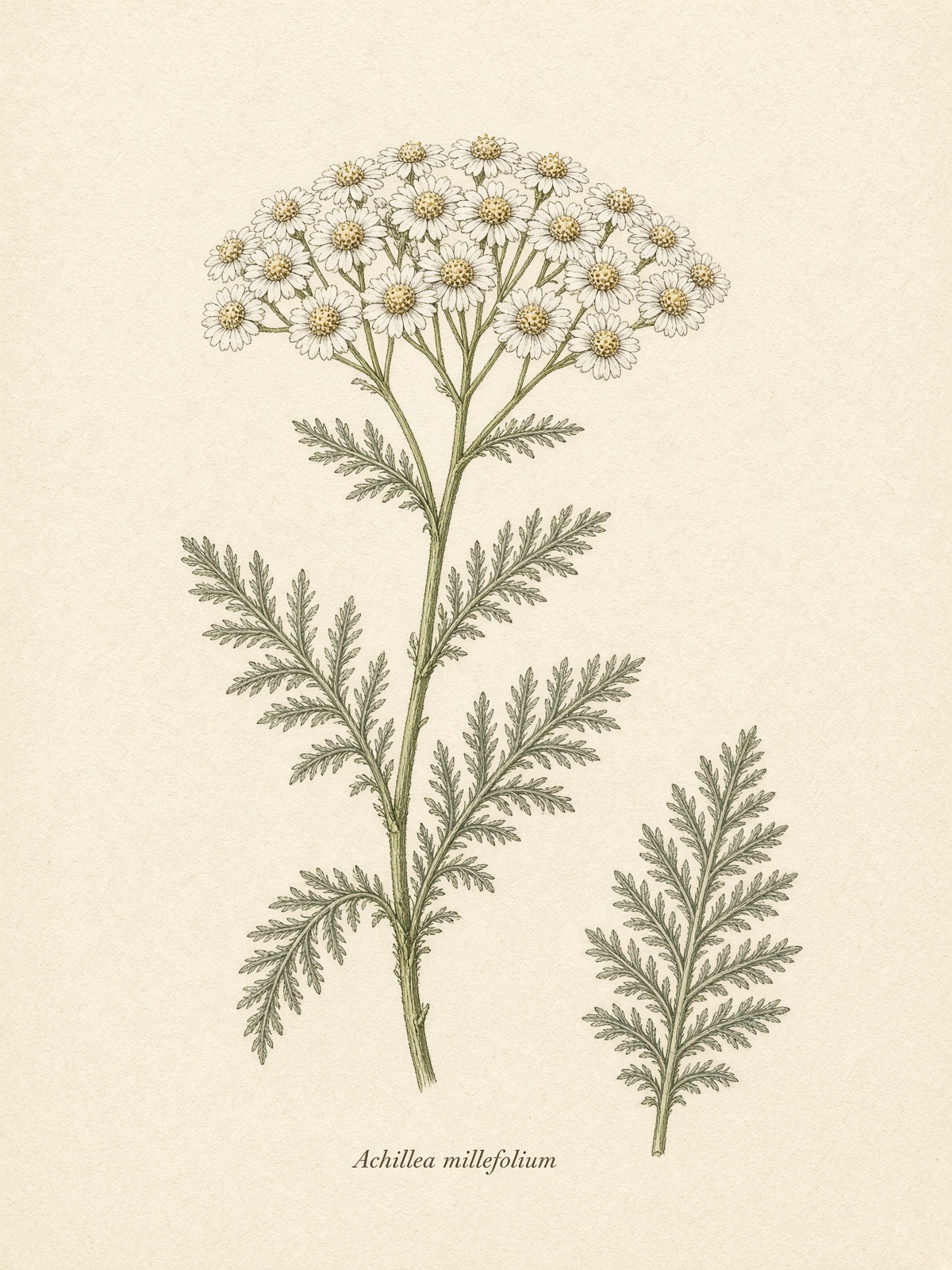
Yarrow
Achillea millefolium
Achilles' woundwort — a bitter, aromatic styptic for fevers, cuts, and heavy moons.
cold
1/1LegalCaution
Teas for the same symptoms
Medicinal teas
Elderberry winter kettle
A dark, tart pot for the first scratch of a cold — food-like, not an antiviral claim.
cold
Garlic-and-thyme kettle
A short, savory kitchen broth when a cold is coming in — food, not a penicillin.
cold
Ginger-lemongrass kettle
Warm a chilled, queasy, or first-scratch-cold body.
cold
Linden night blossom
A honeyed European street-tree tea for a tense evening or a dry, tight cold.
cold
Rosehip winter
A tart, vitamin-C-leaning red tea from frost-softened hips.
cold
Household protocols
Natural remedies
First-scratch cold tray
Short, early kitchen support at the first sore throat or chill — not a flu treatment.
Dose: Elderberry: follow the jar; typically 1 tsp cooked syrup, 2–3 times, 2–3 days. Ginger: one 8–12 oz cup, 2–3 times. Garlic: 1 crushed culinary clove in food, once or twice. Yarrow: one 8 oz cup, once.
Safety: Raw elderberry · Infants (honey, garlic oil)
Garlic in honey
A kitchen put-up for the first scratch of a cold — food garlic, not an ear-oil protocol.
Dose: Adult: 1 culinary clove in honey, 1–2 times a day, 2–3 days. Honey not for infants under 1 year.
Safety: Infants (honey) · Bleeding disorders in large medicinal garlic
Kitchen steam
Open a thick head with leaf steam — not swallowed essential oil.
Dose: Adult: one steam session, 5–10 minutes, 1–2 times a day for a stuffed cold. Not a closed-bathroom marathon.
Safety: Asthma that worsens with menthol steam · Infants over a boiling bowl
Onion-and-honey spoon
A folk cough spoon from the allium drawer — kitchen, not a whooping-cough plan.
Dose: Adult: 1 tsp of the collected syrup, 2–3 times a day, 2–3 days. Not for infants (honey).
Safety: Infants · Onion allergy
Pine-needle winter cup
A bright, resinous trail tea from a named Pinus — not yew, not unknown evergreens.
Dose: Adult: a small handful (about 1 tbsp chopped) per 8 oz, one cup. Not a daily quart. Not any evergreen you cannot name to genus.
Safety: Yew, oleander, or any unnamed evergreen · Pregnancy in large pine-needle amounts (some species are traditional abortifacients — this is a named Pinus, a small cup, not a protocol)
Rosehip after frost
A tart winter cup from unsprayed hips — vitamin folklore in a strained tea.
Dose: Adult: 1 tbsp dried hips per 10 oz, once a day in winter. Strain well — the hairs itch a throat.
Safety: Uncleaned hips (itchy hairs) · Sprayed ornamental roses
Sage and thyme gargle
A hot, aromatic rinse for a raw throat — spit, don’t make a quart of it.
Dose: Adult: gargle 1 cup, 2–3 times a day, for 2–3 days. Do not swallow cup after cup of strong sage — thujone lives there.
Safety: Infants (honey) · Pregnancy in medicinal sage amounts
Thyme-and-honey kettle
A hot aromatic cup for a wet, rattly cough — kitchen thyme, not oil of thyme.
Dose: Adult: one 8 oz cup, 2–3 times a day, 3–5 days. Thyme is the teaspoon; licorice is a thin slice, not a handful. Honey: ½–1 tsp per cup. Not for infants.
Safety: Infants (honey) · Uncontrolled hypertension (licorice)
Winter mushroom pot
Immune-modulating culinary and tonic fungi as broth through the dark months.
Dose: Adult: one 8–12 oz mug of the strained decoction, 3–5 days a week in winter, or a weekly pot used over two days. Culinary garlic in the same soup.
Safety: Transplant immunosuppression (reishi, turkey tail extracts) · Unidentified wild polypores