Symptom index
Find a plant by how you feel
Type a symptom — cough, sleep, skin — or tap a chip. Matching plates, teas, and remedies rise to the top. This is a folk index, not a diagnosis.
22 plates for irritable skin
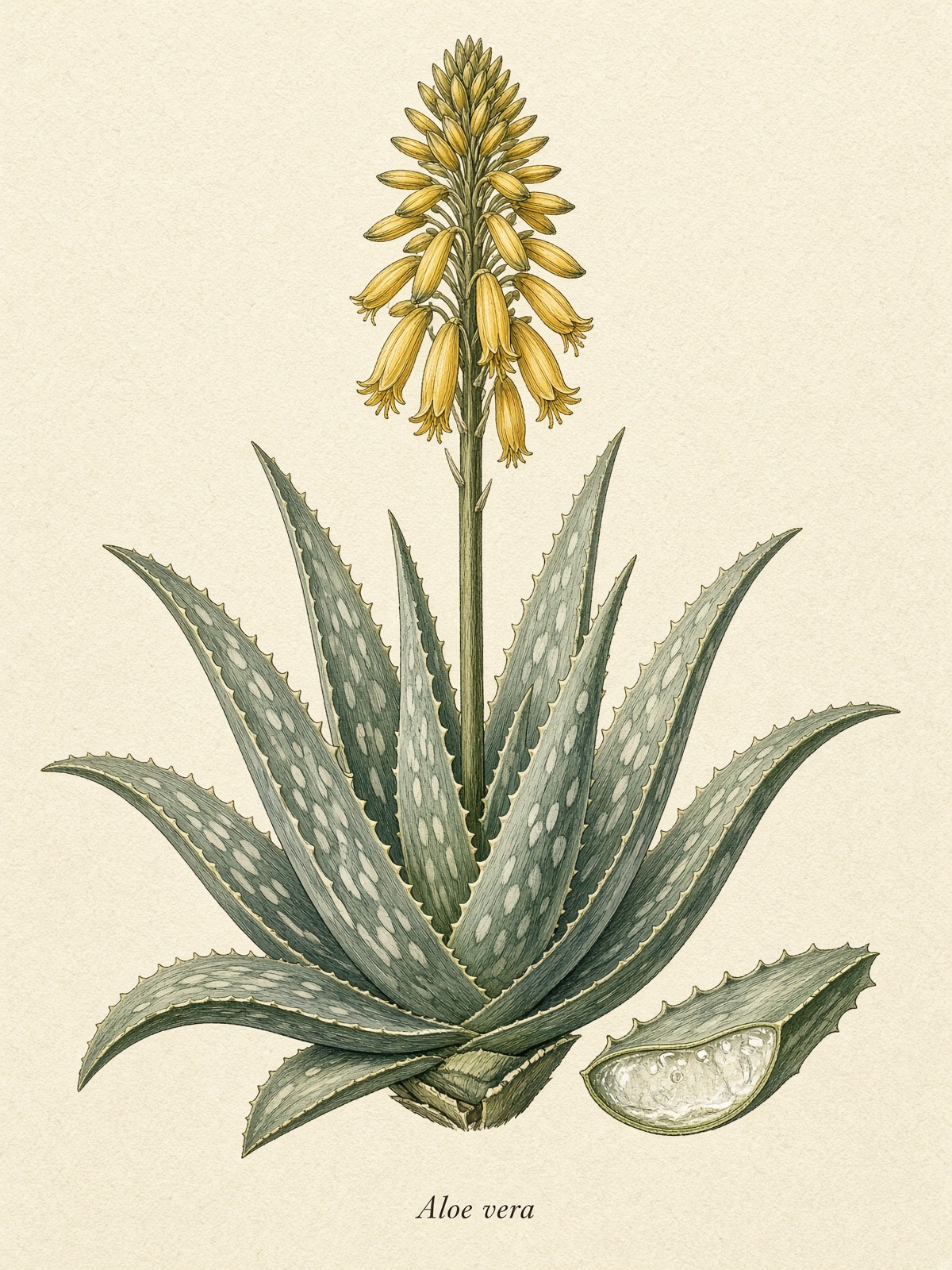
Aloe
Aloe vera
A windowsill succulent: clear inner gel for burns — yellow latex is a harsh purgative.
irritable skin
1/1LegalCaution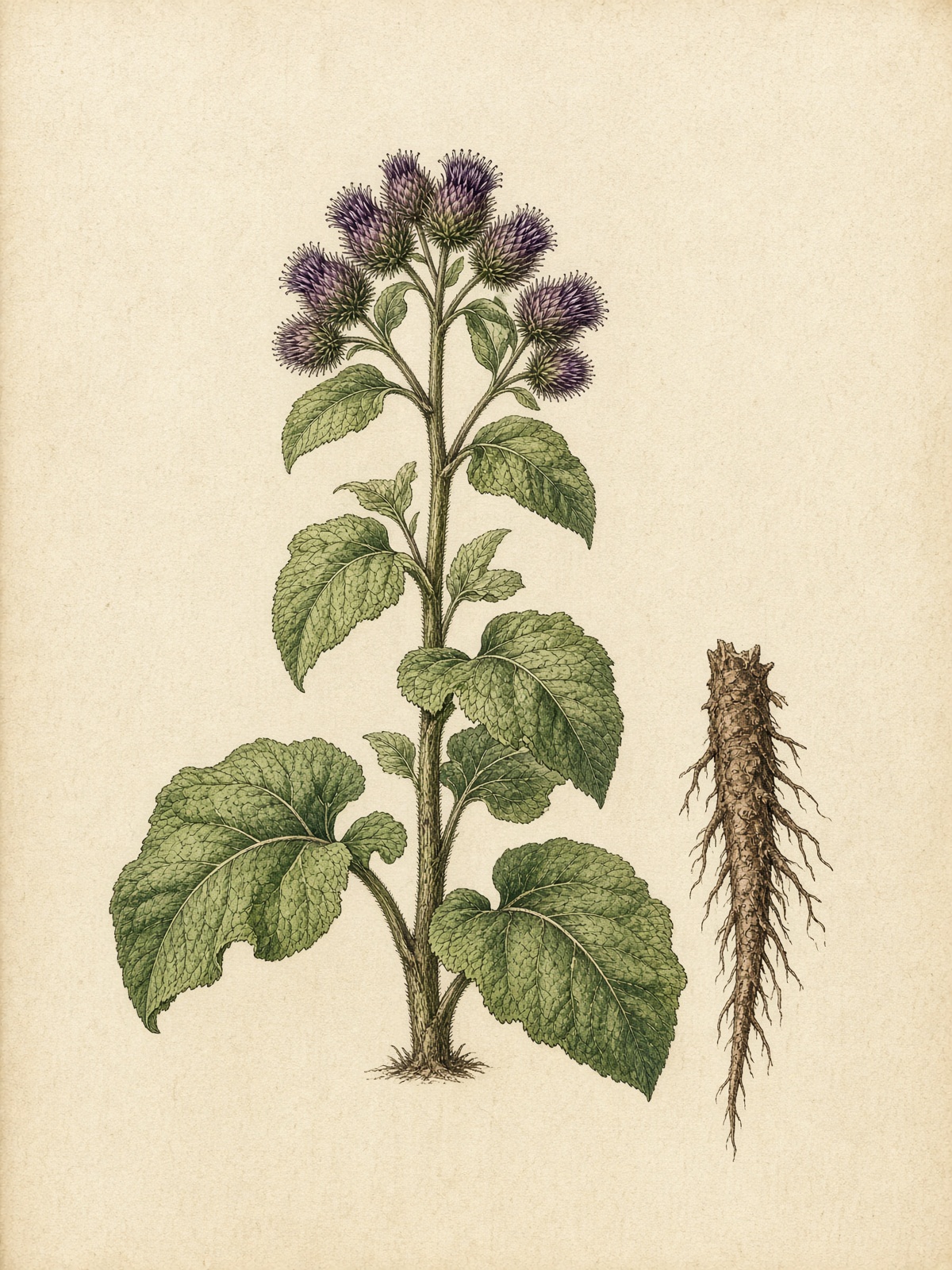
Burdock
Arctium lappa
The burr that invented Velcro — a deep bitter root for skin and sluggish digestion.
irritable skin
1/1LegalGentle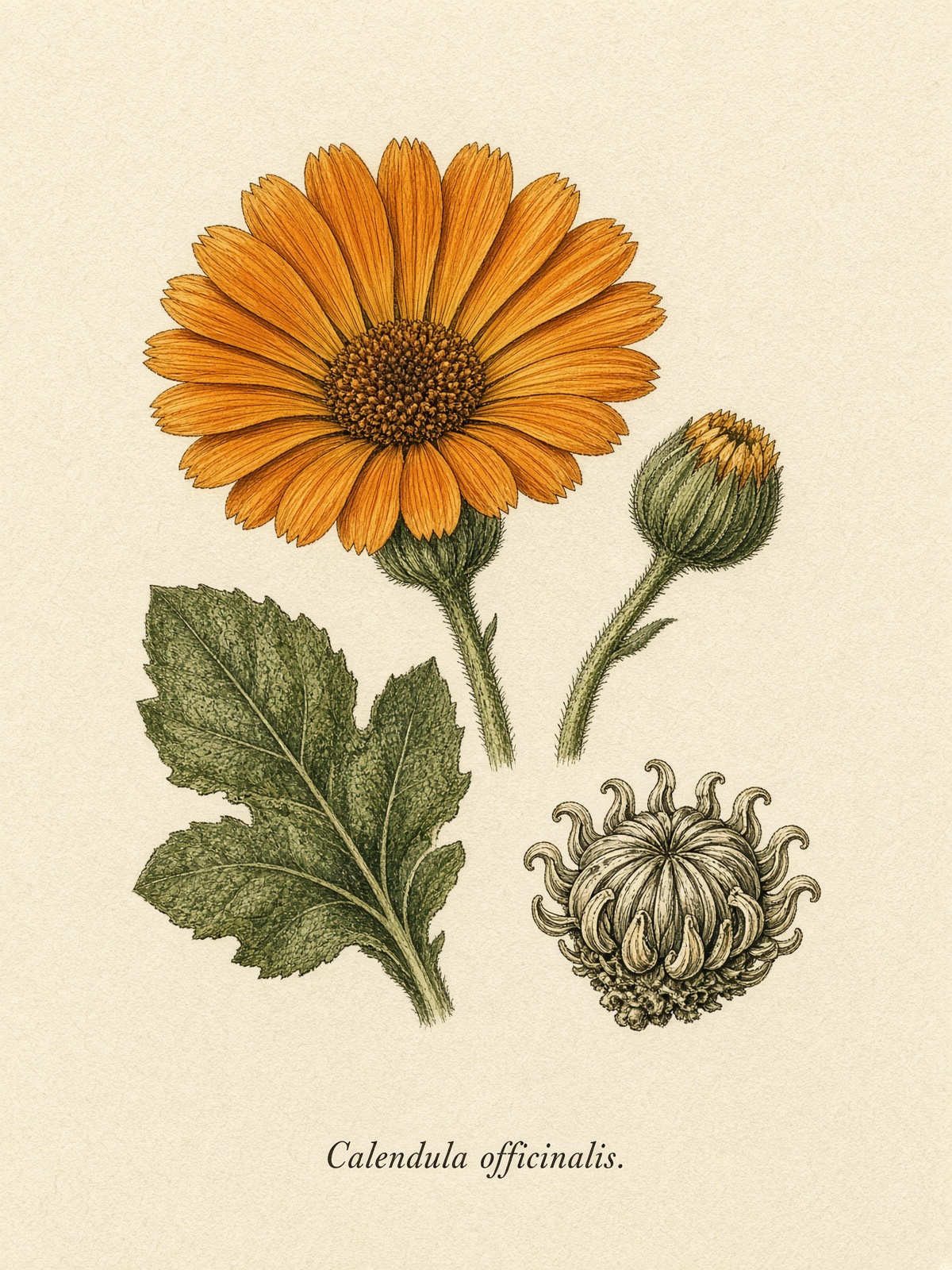
Calendula
Calendula officinalis
Pot marigold — the herbalist's everyday skin flower.
irritable skin
1/1LegalGentle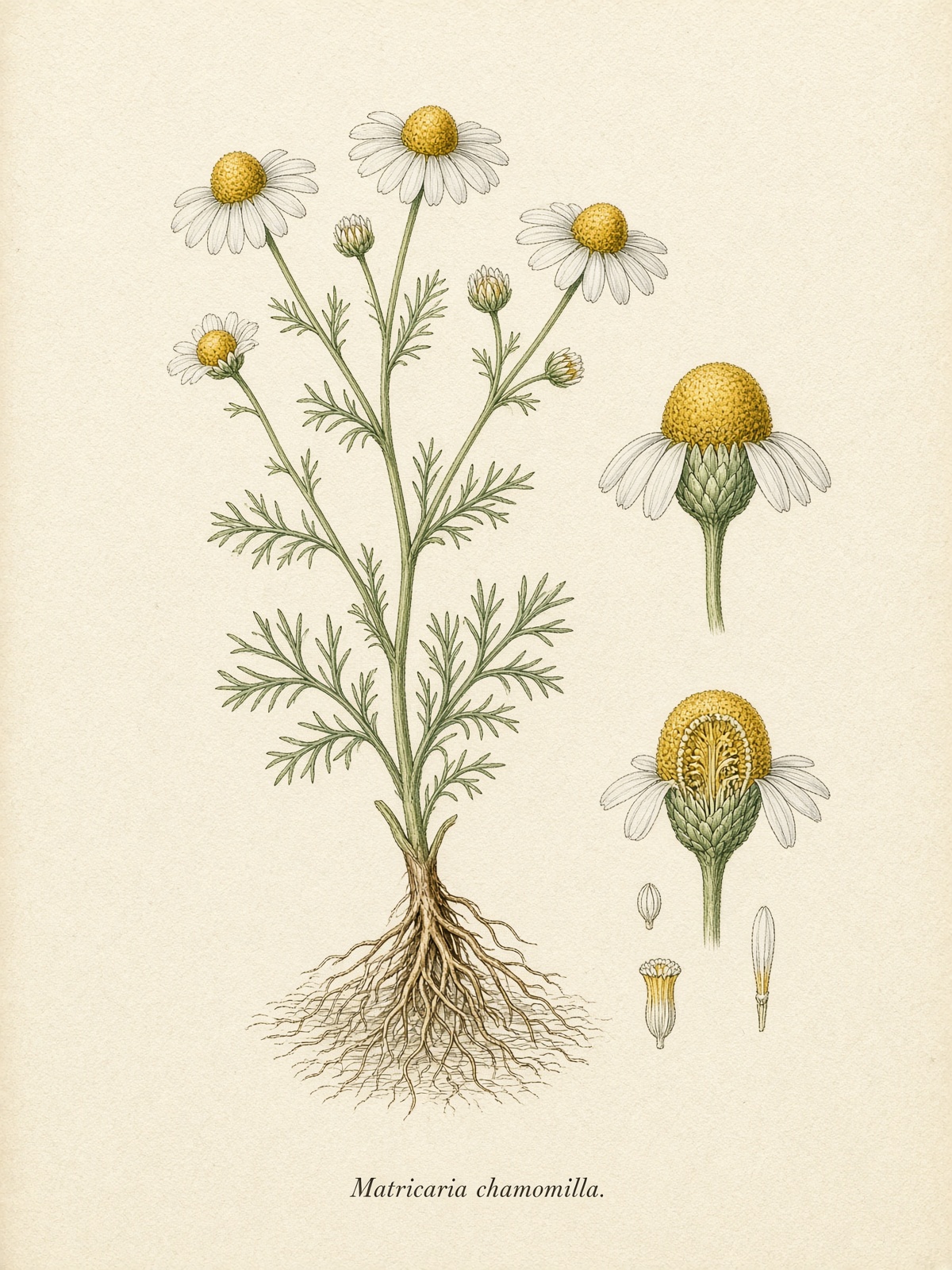
Chamomile
Matricaria chamomilla
A small daisy used for centuries as an evening tea for restlessness and mild digestive cramp.
irritable skin
1/1LegalGentle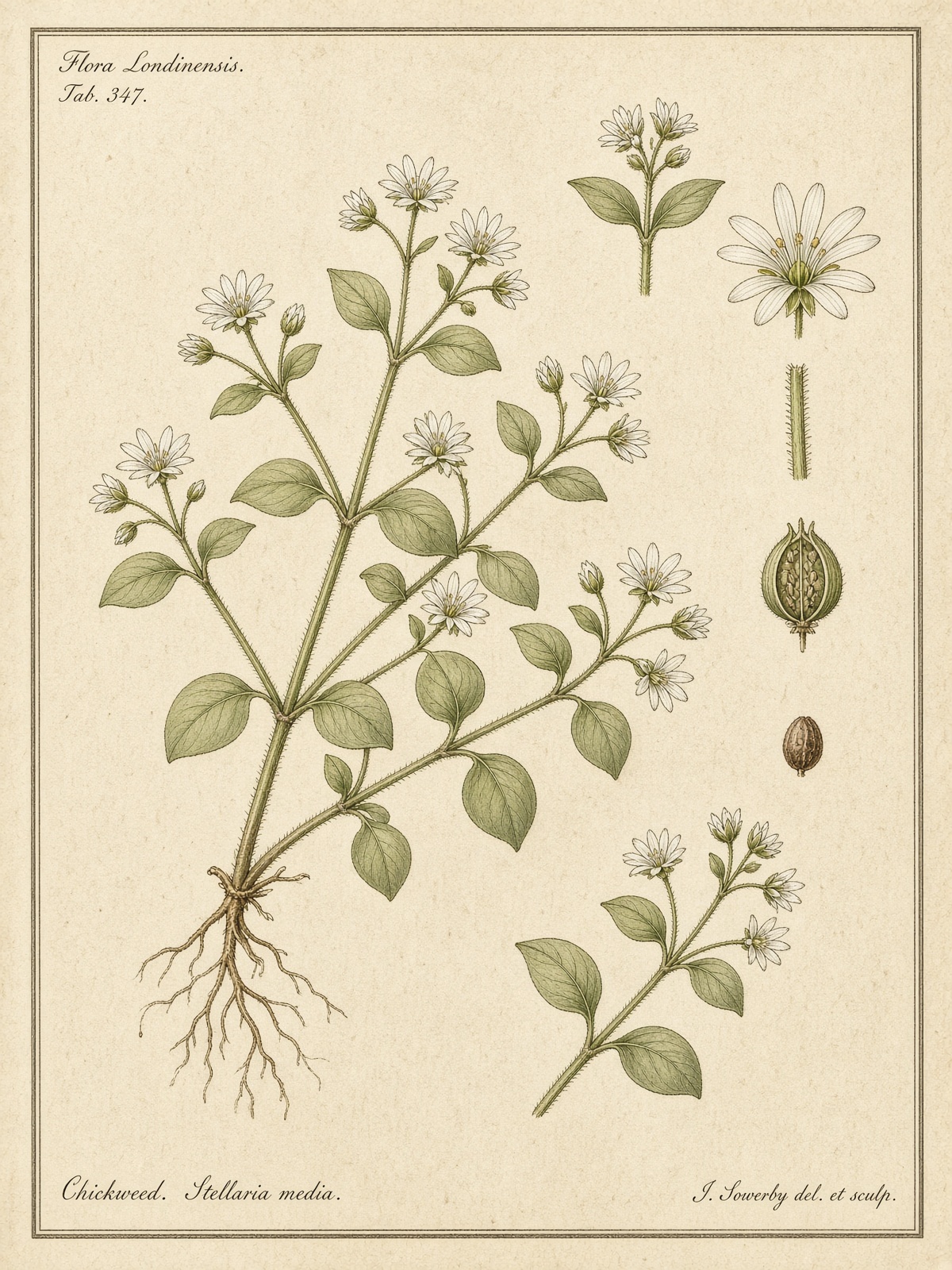
Chickweed
Stellaria media
A tender star-flowered green for cooling itchy skin and a spring salad.
irritable skin
1/1LegalGentle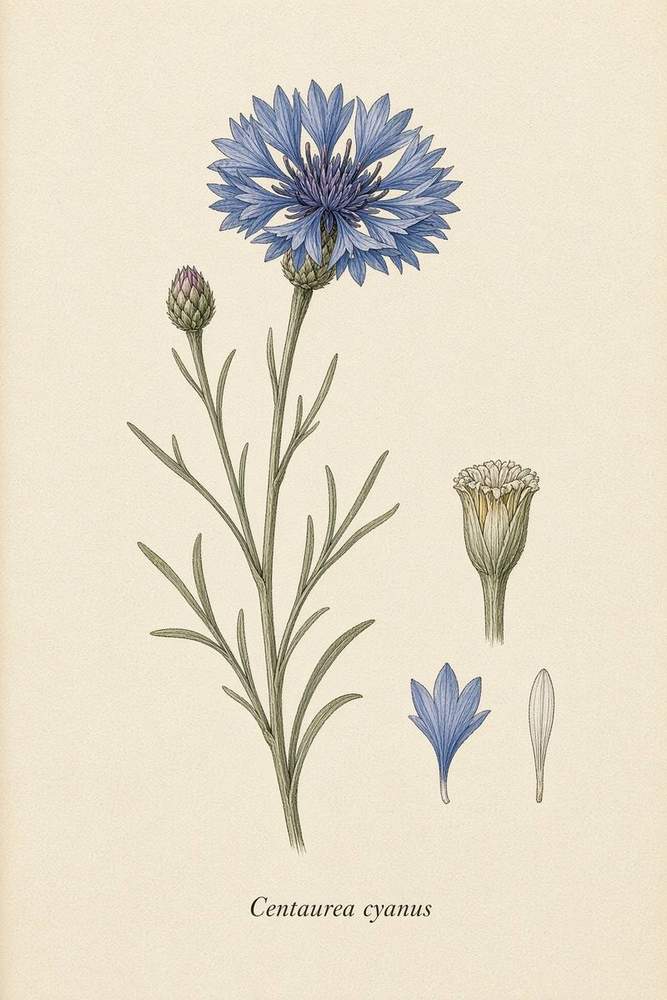
Cornflower
Centaurea cyanus
The true-blue field flower of old grain — edible petals, a cut stem, and an insectary that does not mind poor soil.
irritable skin
1/1LegalGentle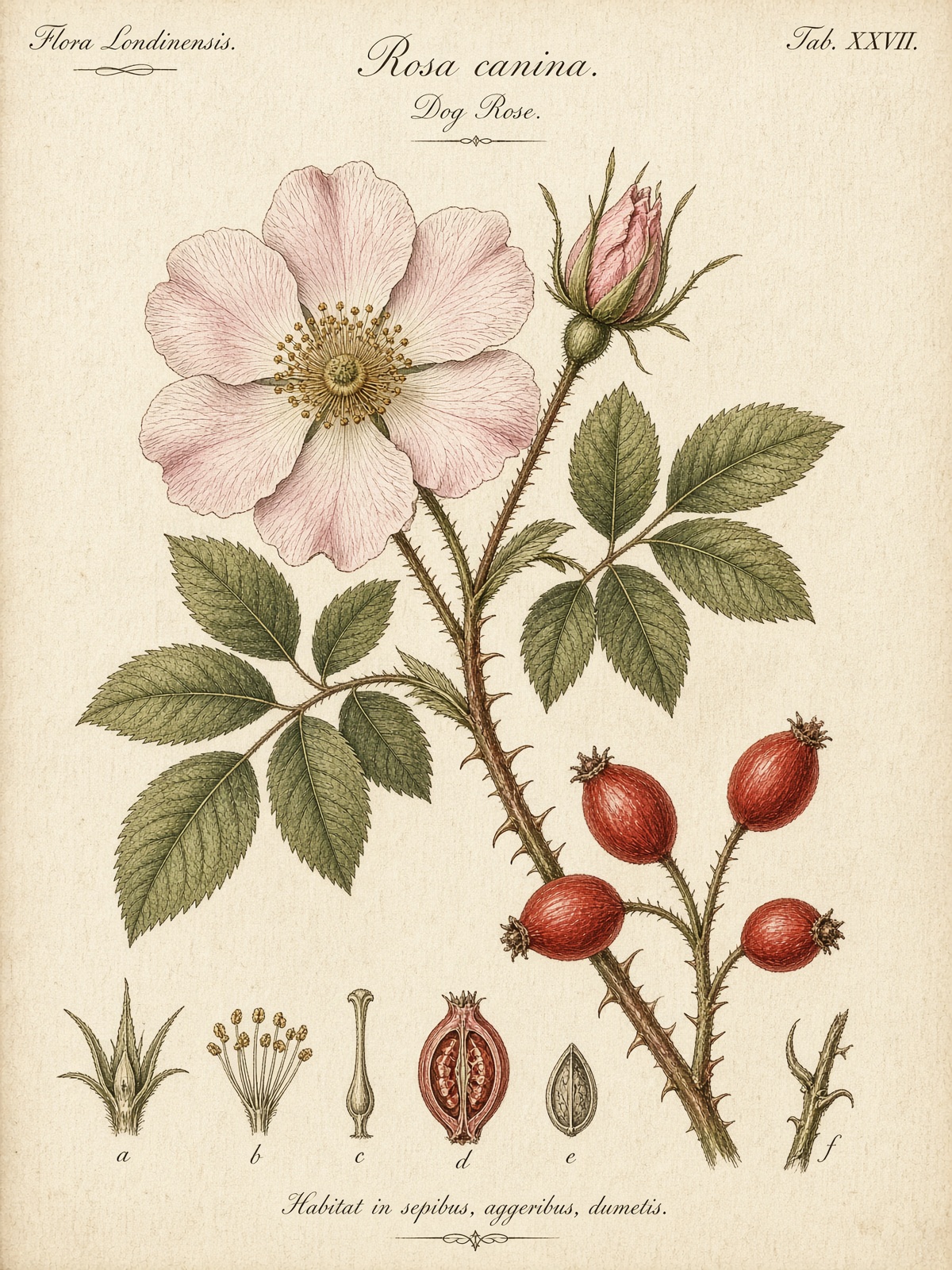
Dog rose
Rosa canina
The hedgerow rose — hips for winter vitamin C, petals for a cooling, fragrant cup.
irritable skin
1/1LegalGentle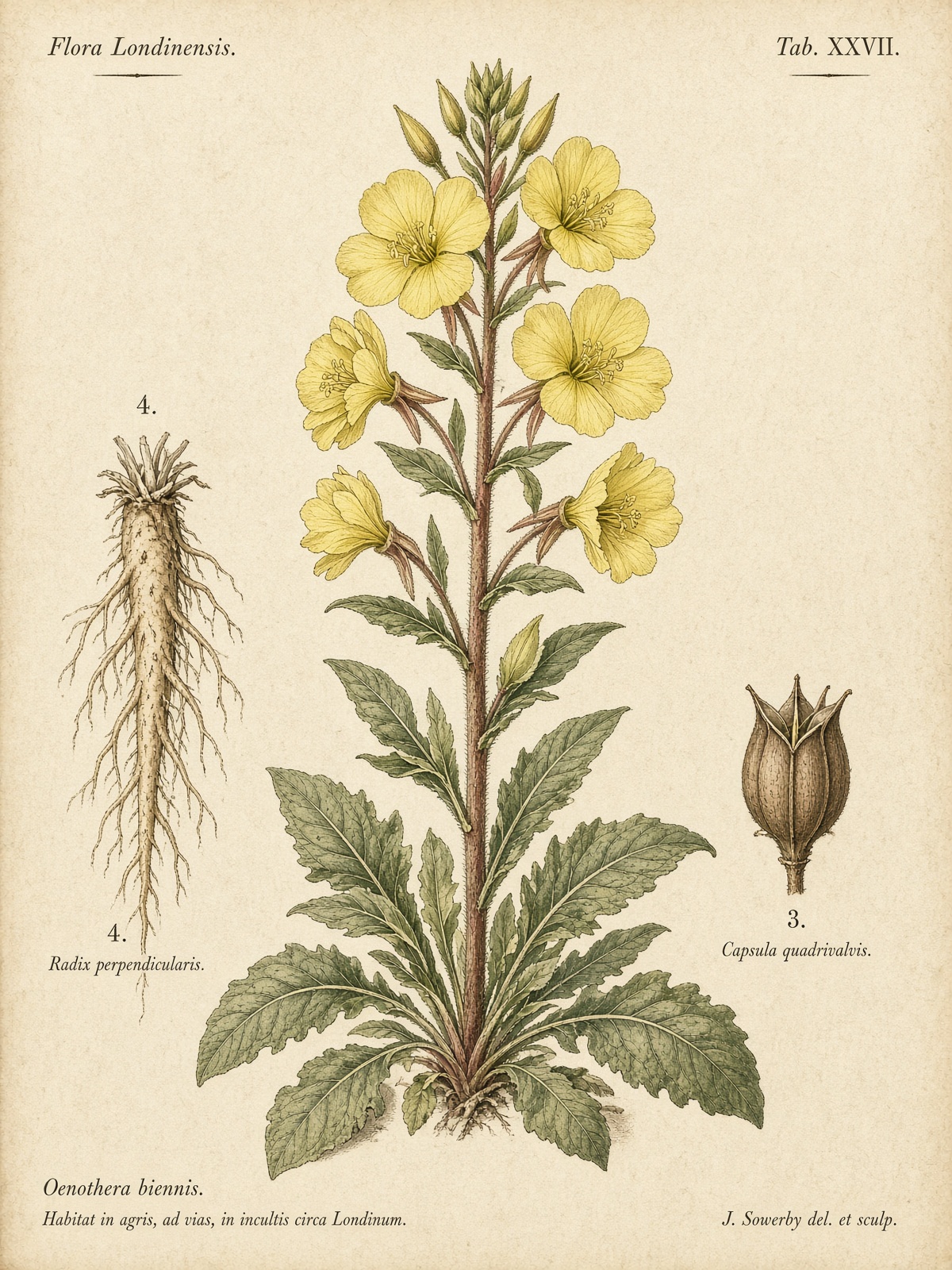
Evening primrose
Oenothera biennis
A dusk-opening yellow native whose seed oil is taken for skin and cycle folklore.
irritable skin
1/1LegalGentle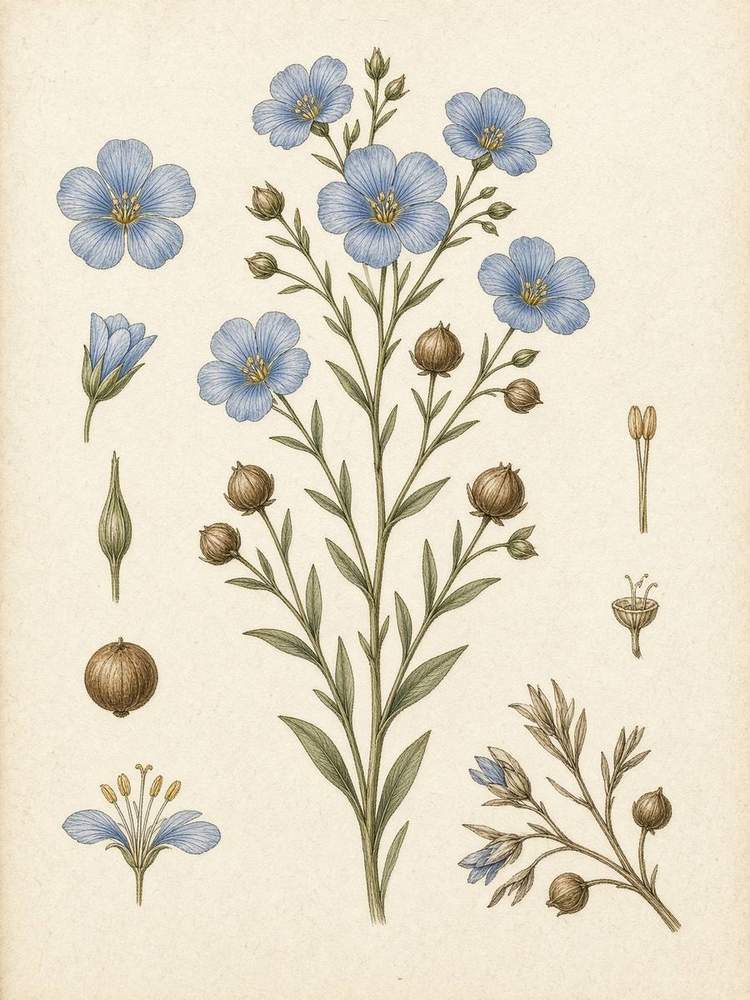
Flax
Linum usitatissimum
Blue flower, brown seed, linen in the stem — a cool-season crop for porridge, oil, and cloth.
irritable skin
1/1LegalGentle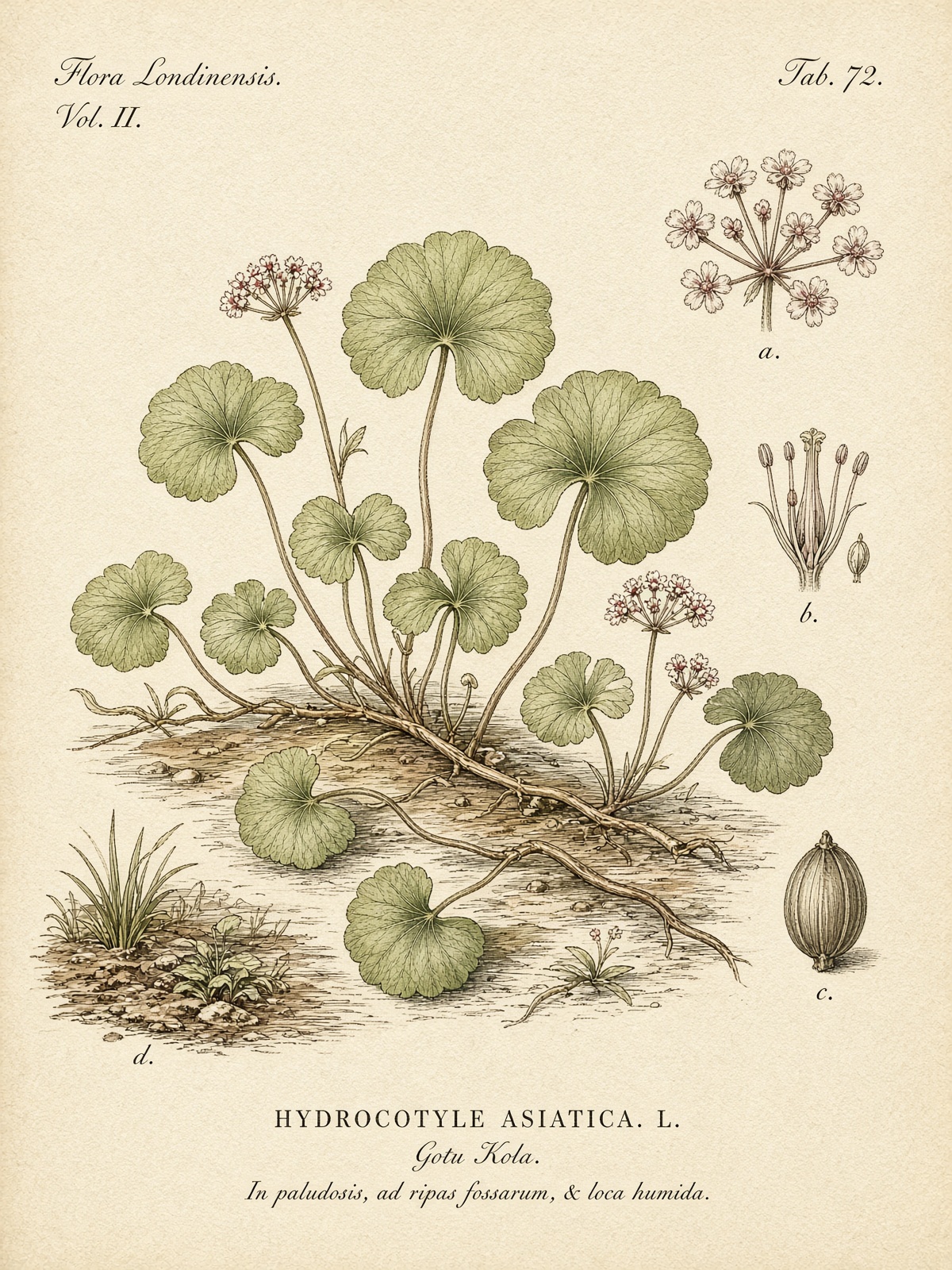
Gotu kola
Centella asiatica
A marsh pennywort eaten for skin, memory folklore, and circulation — a salad herb in the tropics.
irritable skin
1/1LegalGentle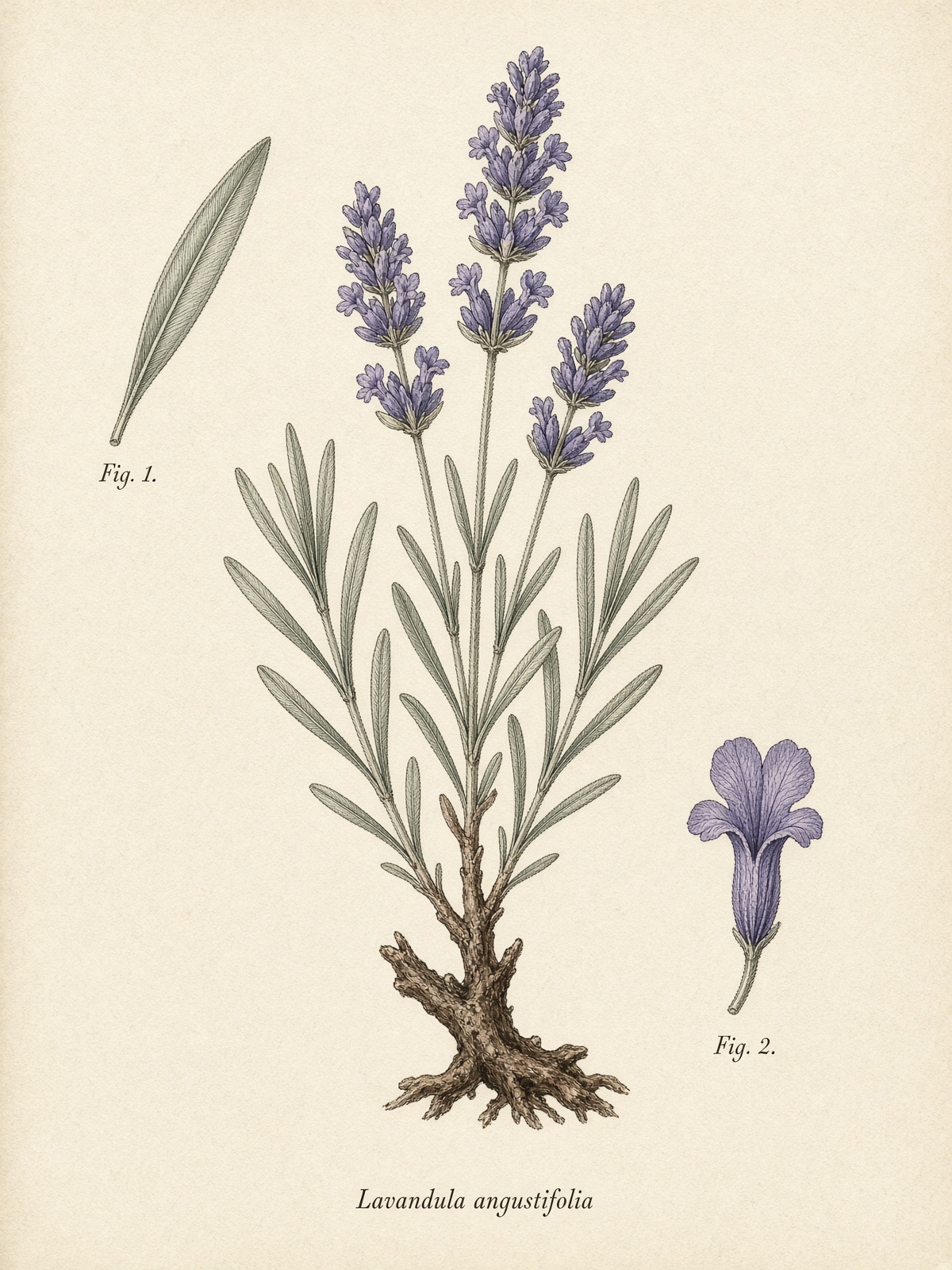
Lavender
Lavandula angustifolia
Silver-leaved Mediterranean shrub; the scent alone is a documented mild anxiolytic.
irritable skin
1/1LegalGentle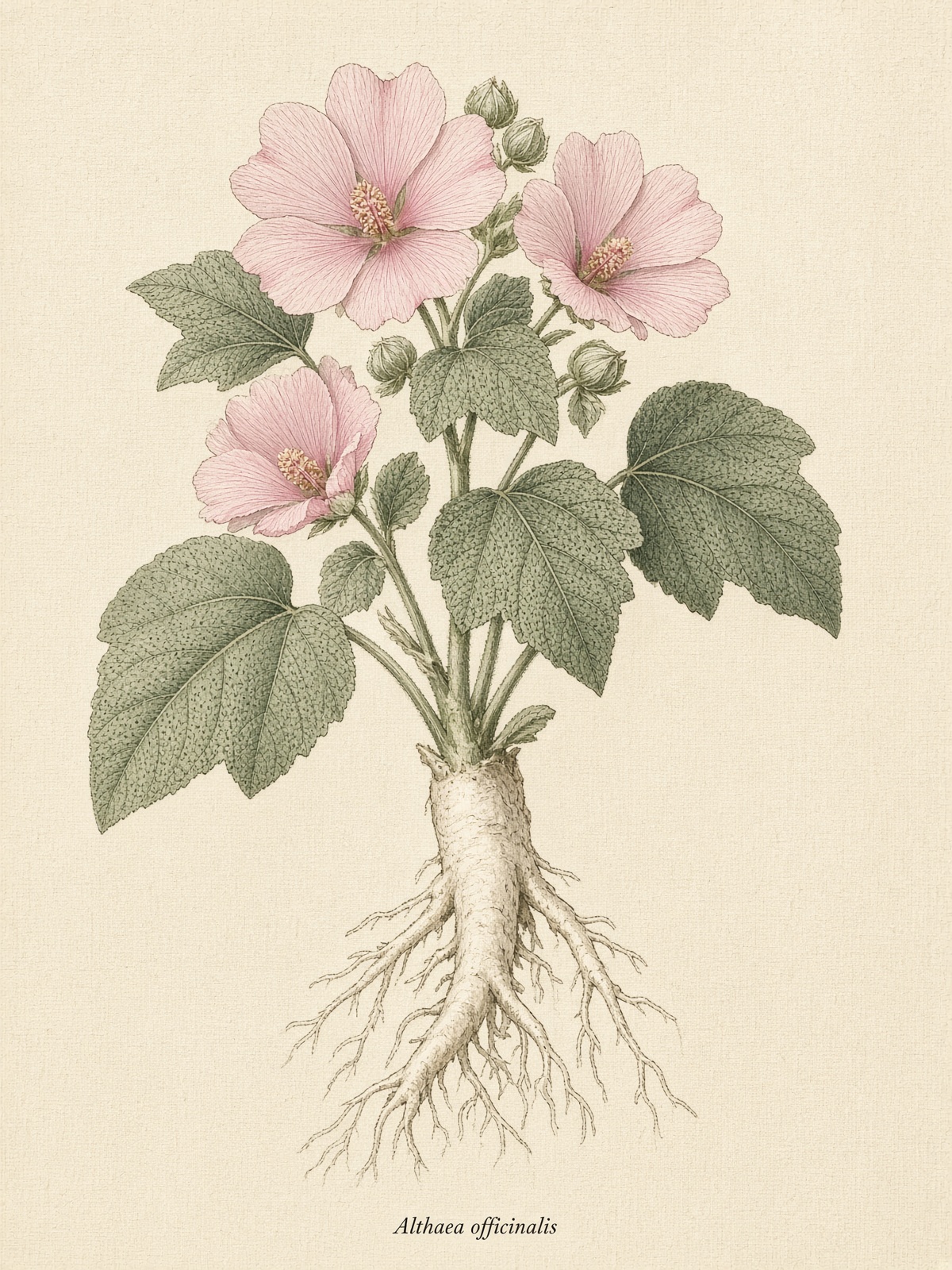
Marshmallow
Althaea officinalis
A velvety marsh mallow whose root and leaf soothe raw mucosa.
irritable skin
1/1LegalGentle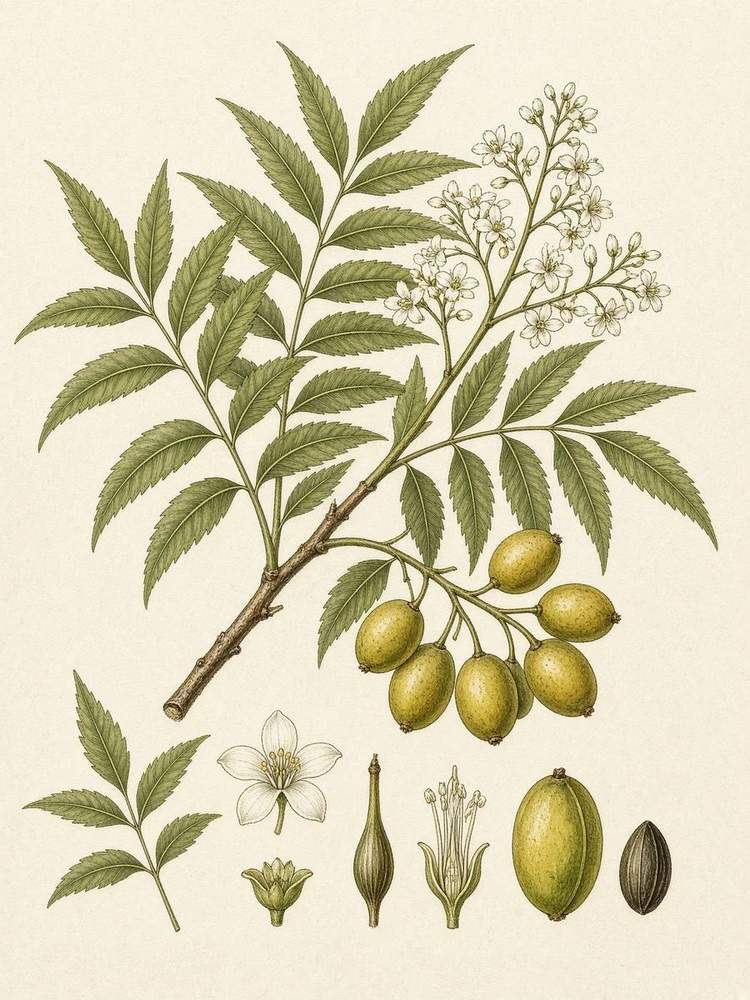
Neem
Azadirachta indica
The village pharmacy tree of South Asia — a bitter leaf for skin and pests, and a seed oil that does not belong in a mug.
irritable skin
1/1LegalCaution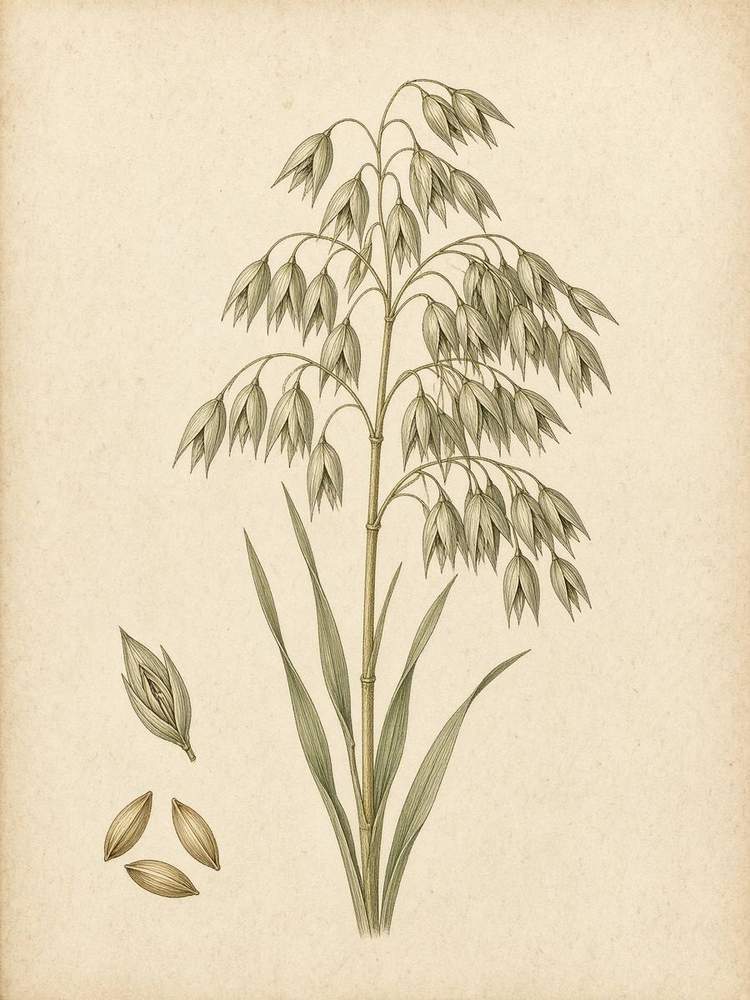
Oatstraw
Avena sativa
The same plant as breakfast — milky tops and straw as a traditional nervine food-tea.
irritable skin
1/1LegalGentle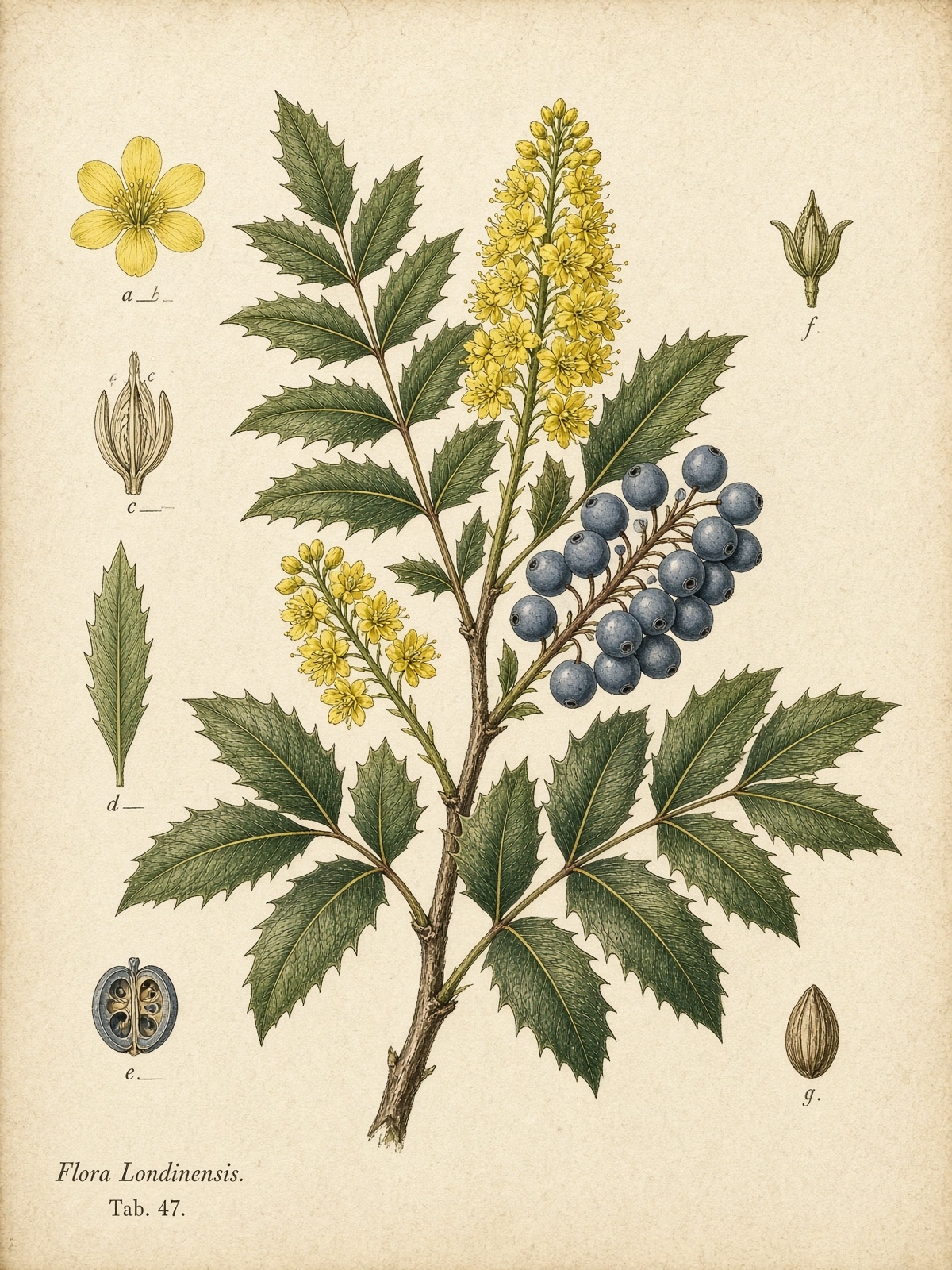
Oregon grape
Mahonia aquifolium
A holly-leaved west-coast shrub whose yellow root is a bitter berberine cousin of goldenseal.
irritable skin
1/1LegalCaution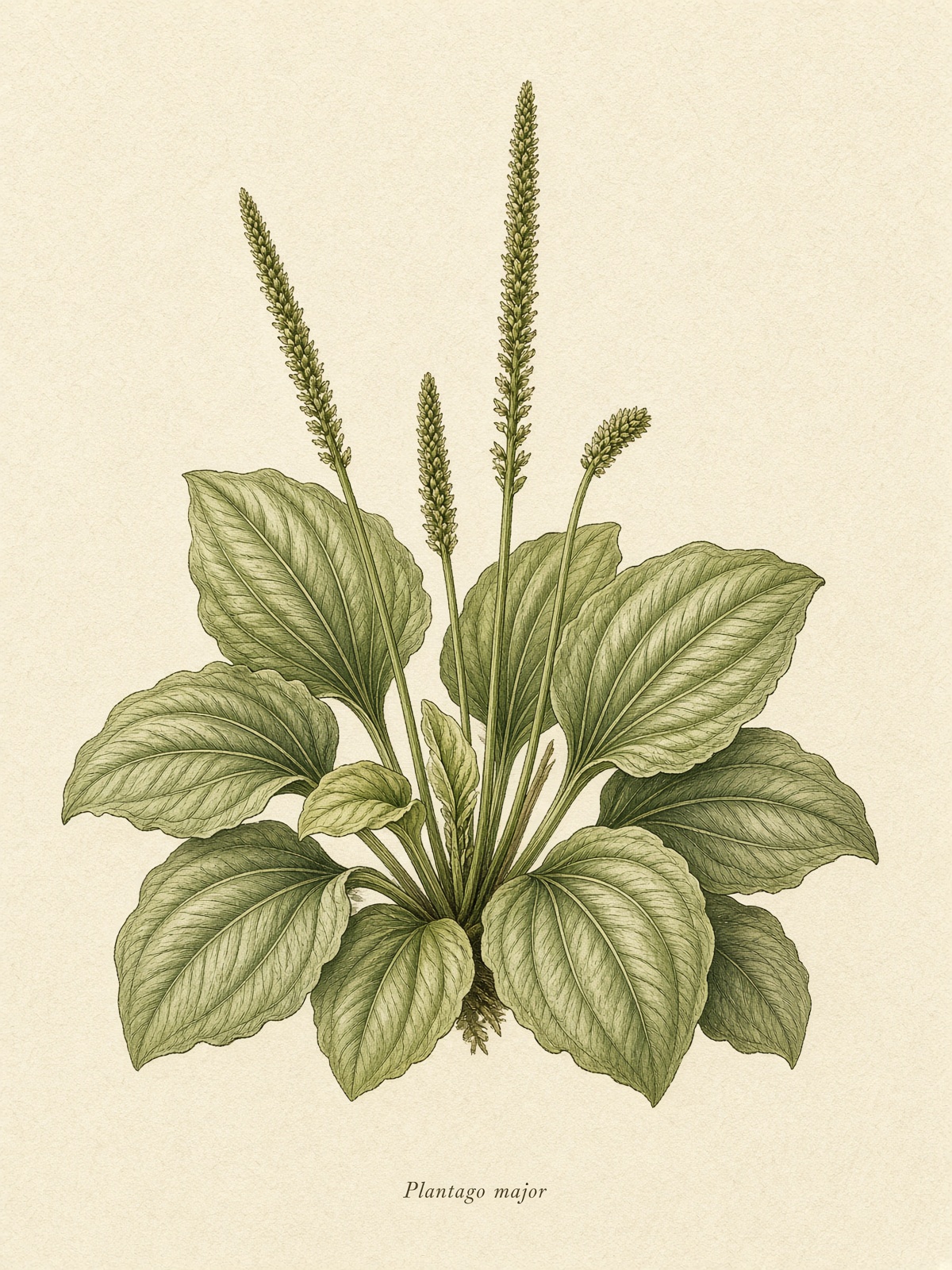
Plantain
Plantago major
The ribbed lawn weed you step on — a first-aid leaf for bites and scrapes.
irritable skin
1/1LegalGentle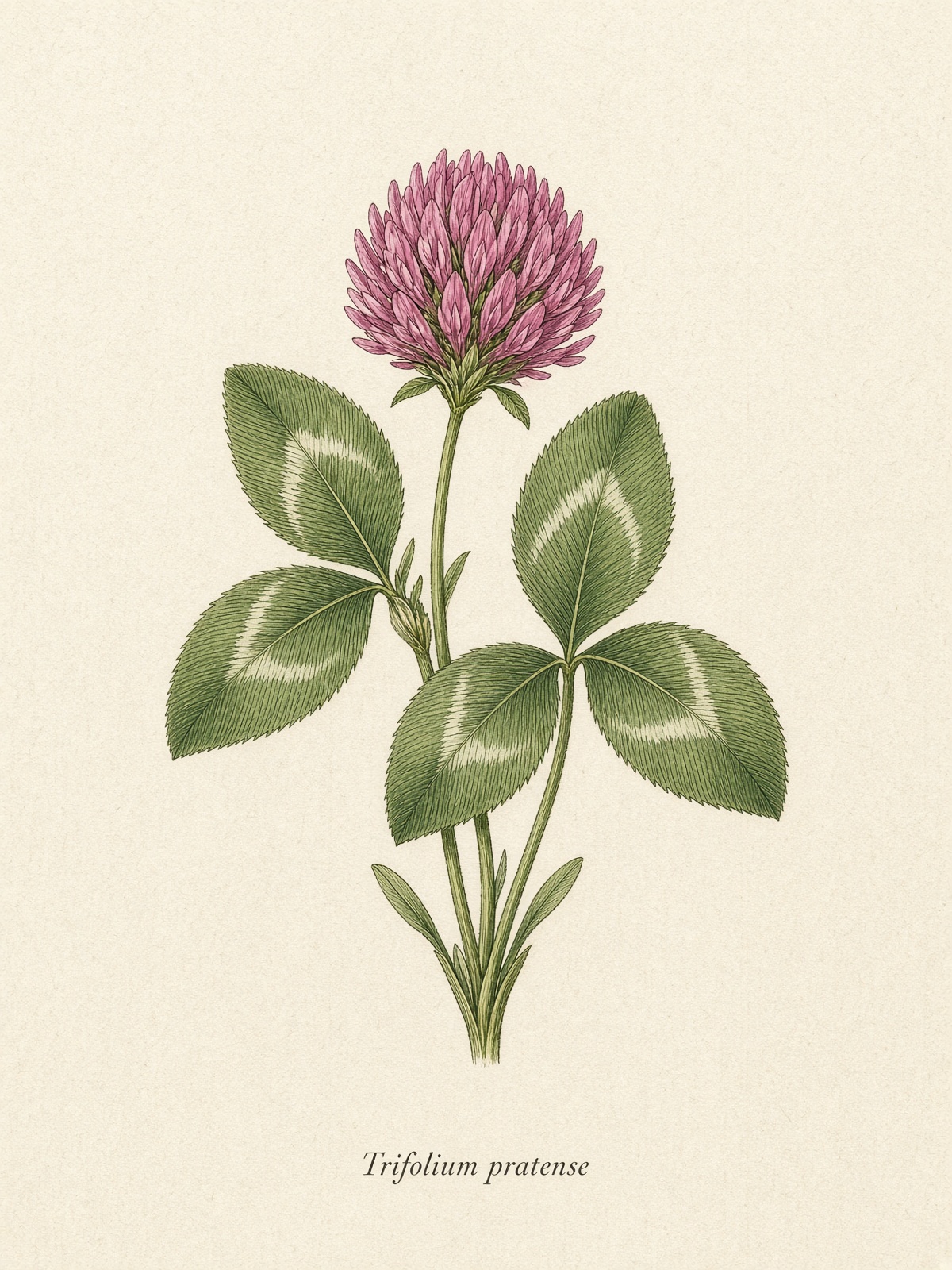
Red clover
Trifolium pratense
A magenta meadow blossom used as a gentle blood-and-skin tea.
irritable skin
1/1LegalGentle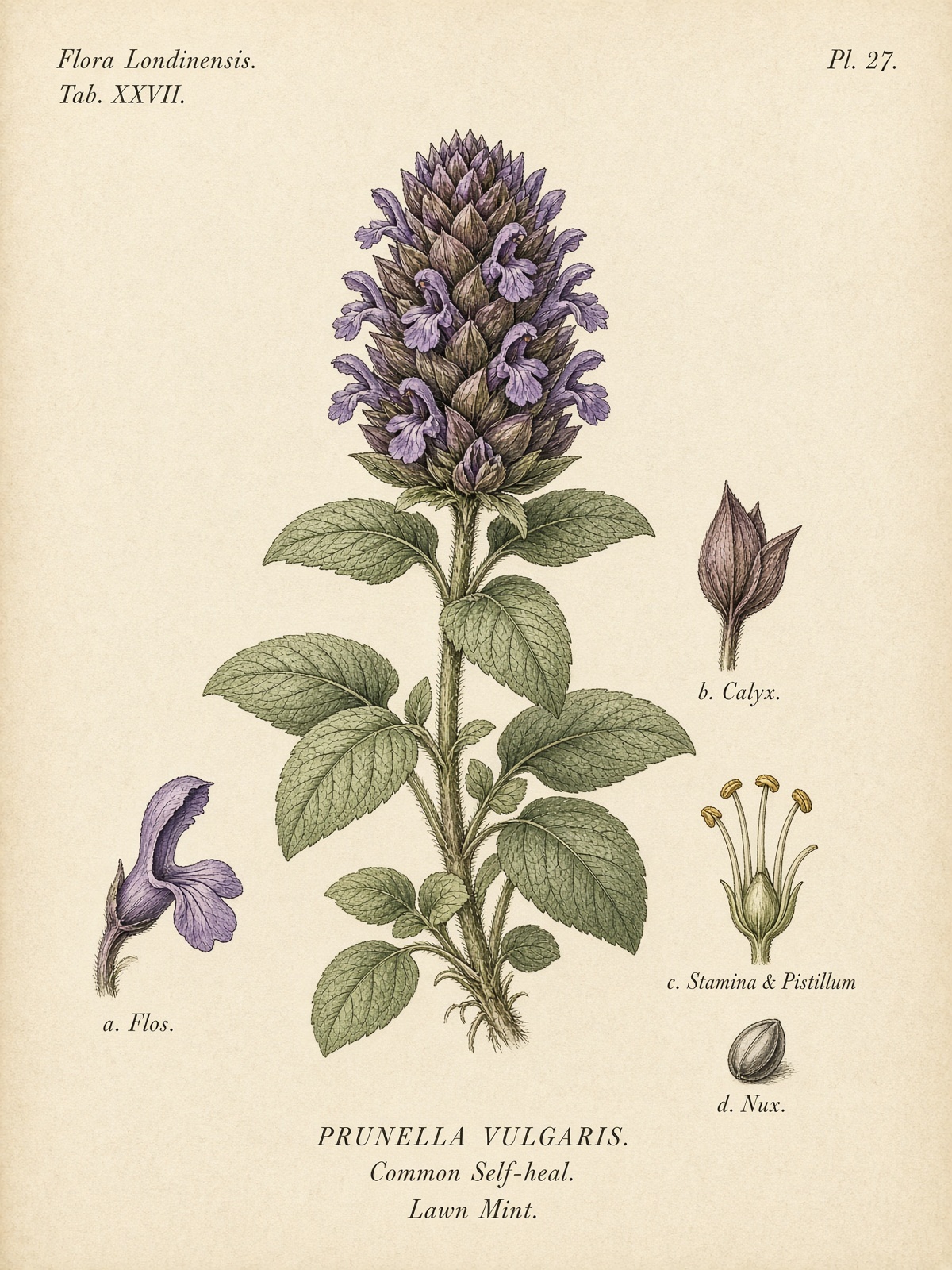
Self-heal
Prunella vulgaris
The purple lawn mint you already step on — a traditional throat gargle and wound wash.
irritable skin
1/1LegalGentle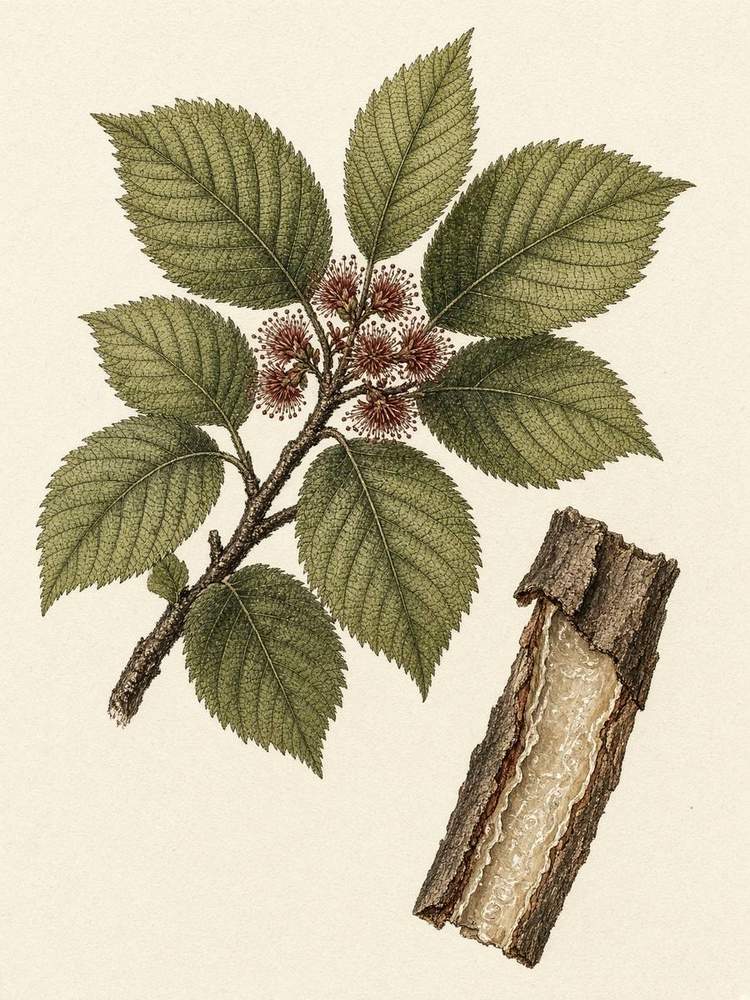
Slippery elm
Ulmus rubra
The mucilaginous inner bark of an American elm — a slippery tea for a raw throat and a raw gut.
irritable skin
1/1LegalGentle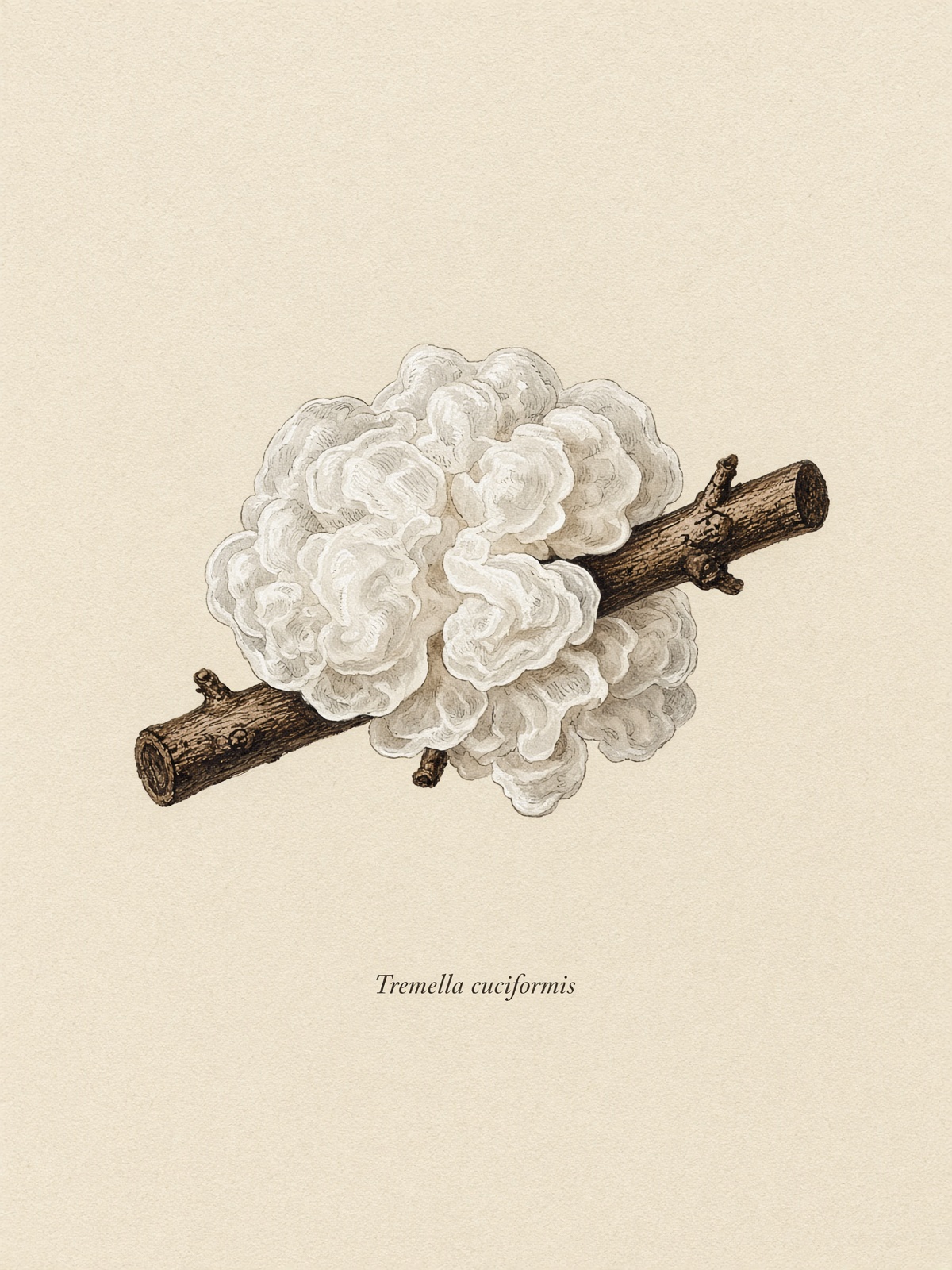
Snow fungus
Tremella fuciformis
A translucent white jelly used in Chinese kitchens for skin, lung Yin, and a silky soup.
irritable skin
1/1LegalGentle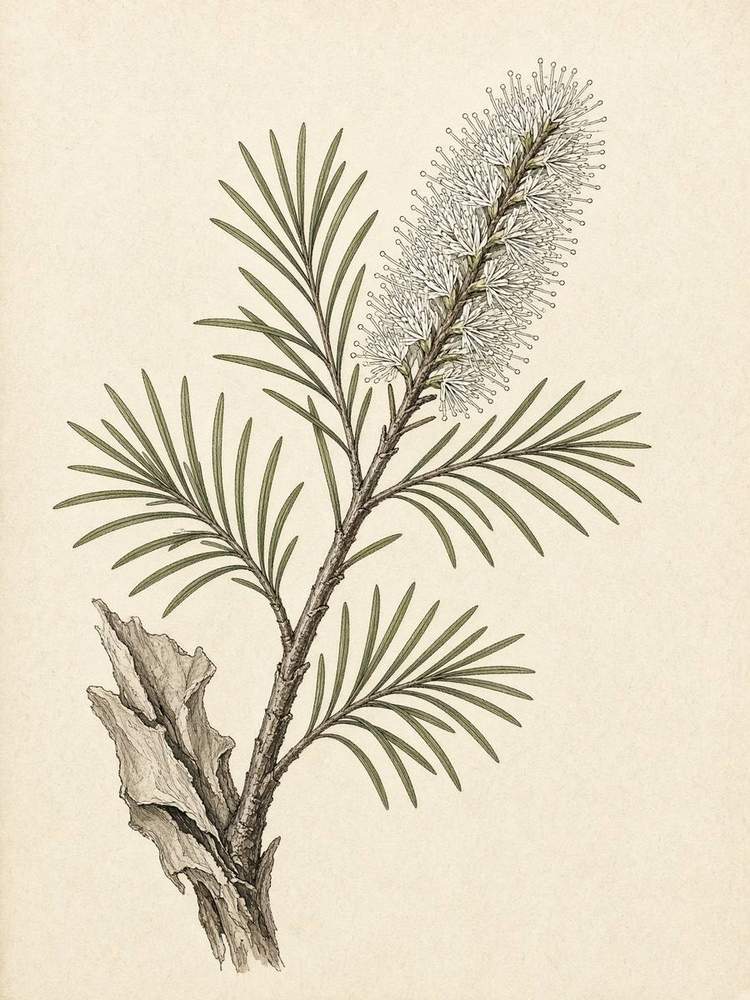
Tea tree
Melaleuca alternifolia
Paperbark of New South Wales — a topical oil plant, famously not the tea camellia, and not a beverage.
irritable skin
1/1LegalCaution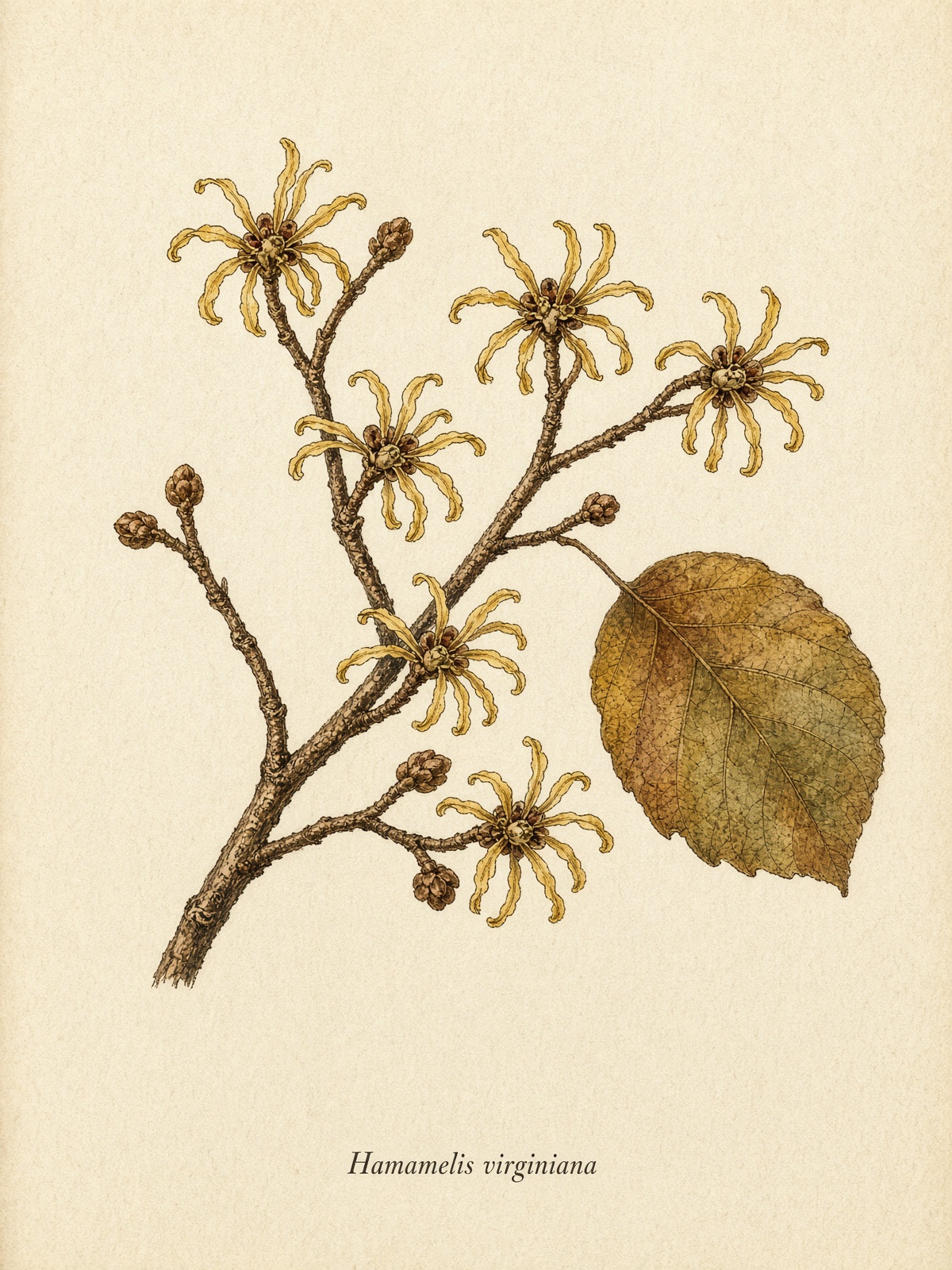
Witch hazel
Hamamelis virginiana
A winter-blooming shrub whose bark and leaf make the classic cooling astringent.
irritable skin
1/1LegalGentle
Teas for the same symptoms
Medicinal teas
Household protocols
Natural remedies
Calendula and aloe skin tray
Simple topical care for chapped, lightly burned, or irritated skin.
Dose: Thin film of calendula 2–3 times a day. Aloe: a clean inner-leaf smear, as needed. Compress: 10 minutes, then air-dry. Essential oil: one drop in a carrier, not a puddle.
Safety: Deep or infected burns · Asteraceae allergy
Milky oat and linden
A mineral, food-like nervine when the week has been long and the sleep is thin.
Dose: Adult: 1 handful (about 1–2 tbsp) oatstraw per 12 oz, once daily. Linden: 1 tbsp evening. Skullcap: 1 tsp, not a quart.
Safety: Oat allergy · Uncertified oats in celiac disease
Plantain on a sting
The oldest first-aid leaf that does not require a kit.
Dose: One or two fresh leaves, as needed, a few applications. Not a dirty roadside leaf.
Safety: Anaphylaxis · Deep, dirty, or punctured wounds