Part IX

Harvest & process

When to cut, how to dry, and how to store what you grow. Kitchen and medicinal crops only — restricted plants and poison-garden specimens have no harvest notes here.

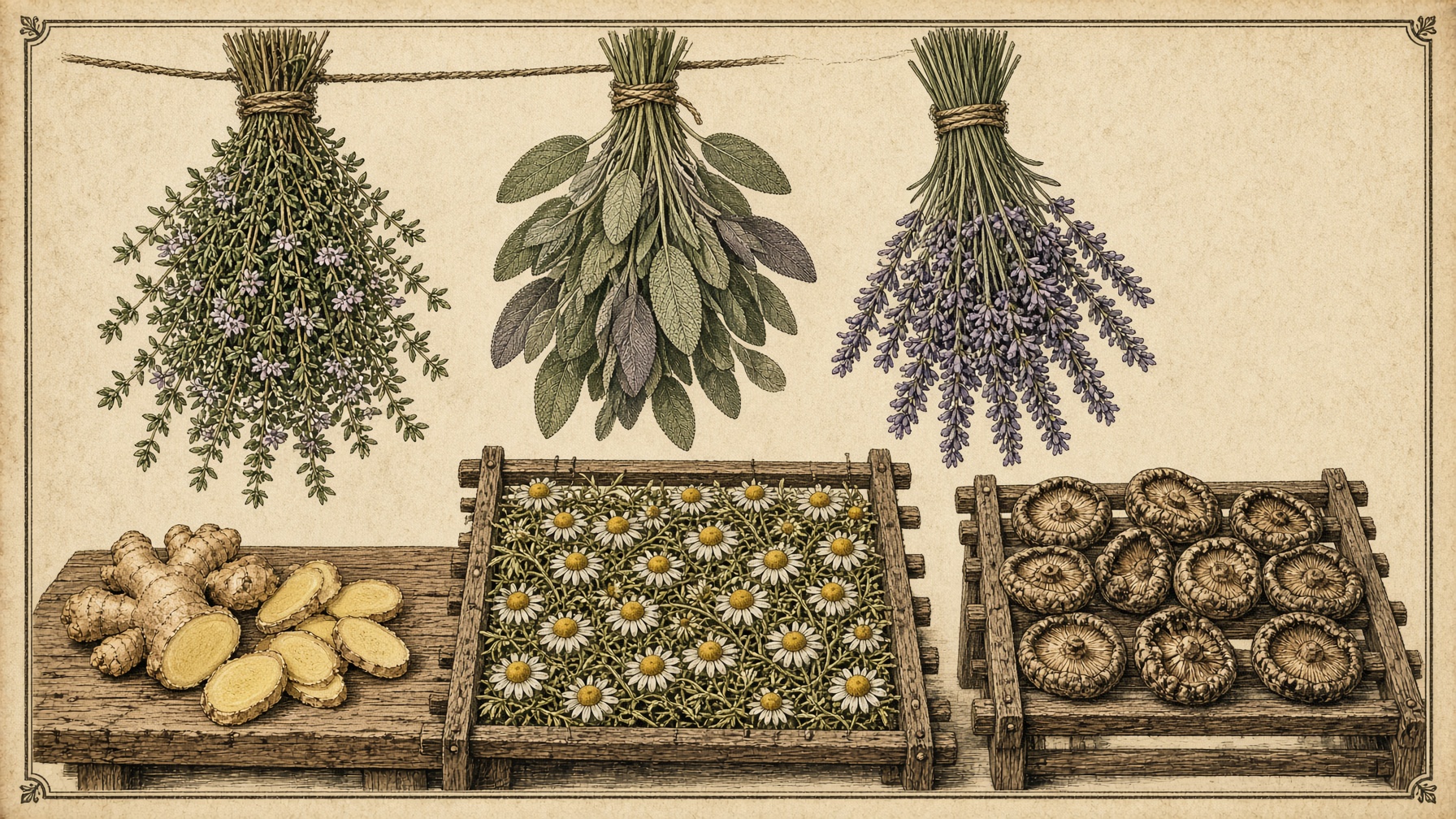
Herbs hanging to dry with chamomile on a screen

Reminders

Harvest this week

A Monday-morning note of plants in season on this bench. On iPhone it is a native notification — it still fires if the app is closed.

On the website, the browser may ask to notify you.

How to process

Methods

Elder, hip, raspberry

Cooked berry put-up

Elderberries are cooked — raw can upset the gut. Simmer, mash, strain. Rosehips: simmer and strain twice so the seed hairs stay out. Raspberry fruit is dessert; the tea is the leaf. Sugar or honey to taste after it is a food, not a sterile lab syrup.
You will need

  • A saucepan
  • A food mill or cloth
  • Jars

Not for

  • Raw elderberry in quantity
  • Leaves and bark of elder as a kitchen syrup
  • Unstrained hip hairs

A fever that lasts is not a jam problem.

49 of 217 harvest notes

plantKitchen

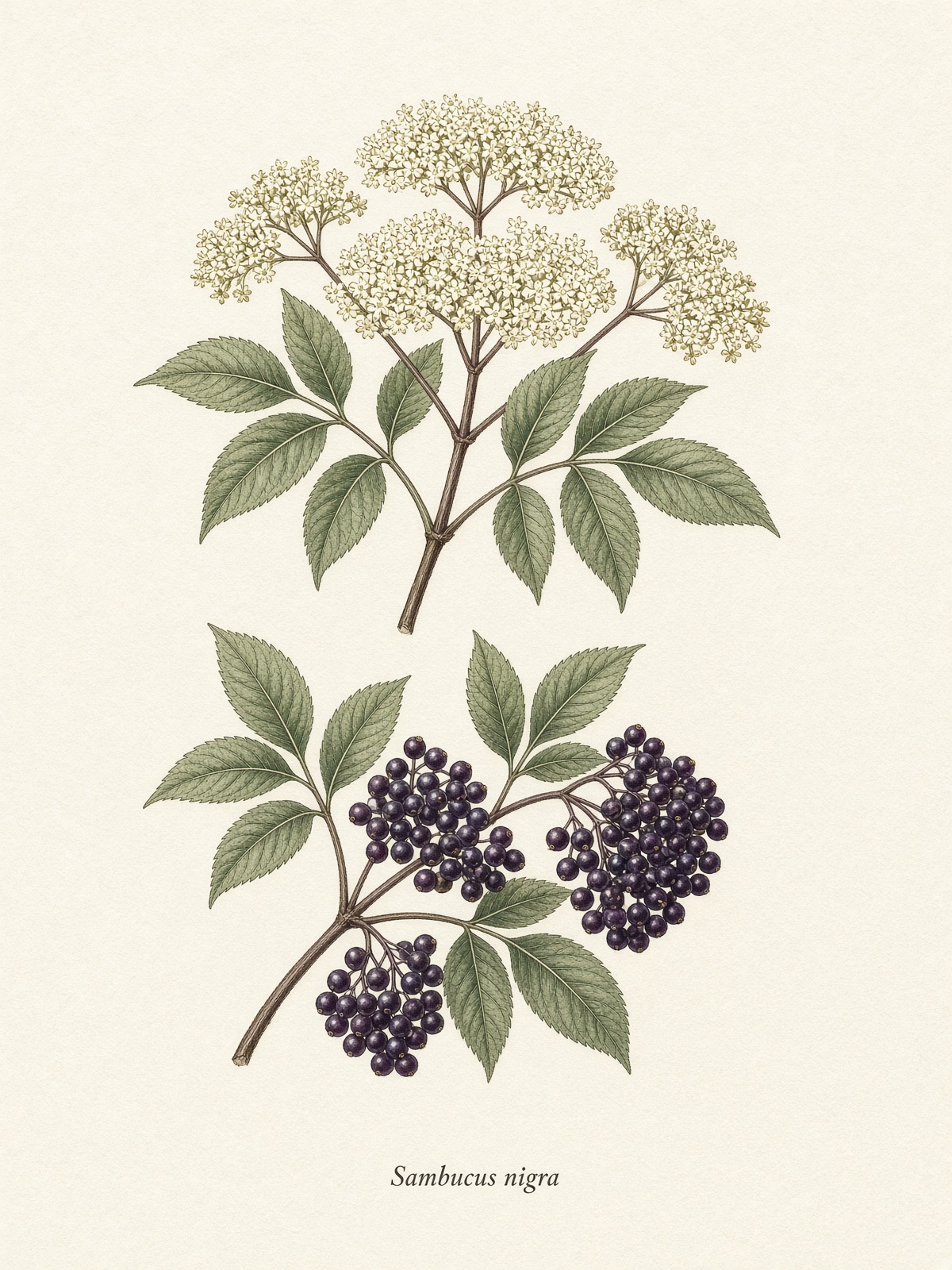
Elderberry

Sambucus nigra

When
Flowers fully open; berries fully black and cooked only.
Part
Ripe berries (cooked) · Flowers
In the field
Cut umbels. Leave plenty for birds. Flowers dry; berries cook.
Cure
Flower screens. Berries simmered and strained — not a raw handful.
Store
Dried blossom; cooked syrup in the fridge or a proper jar.

Leaves, bark, and raw berries are the wrong harvest.

plant

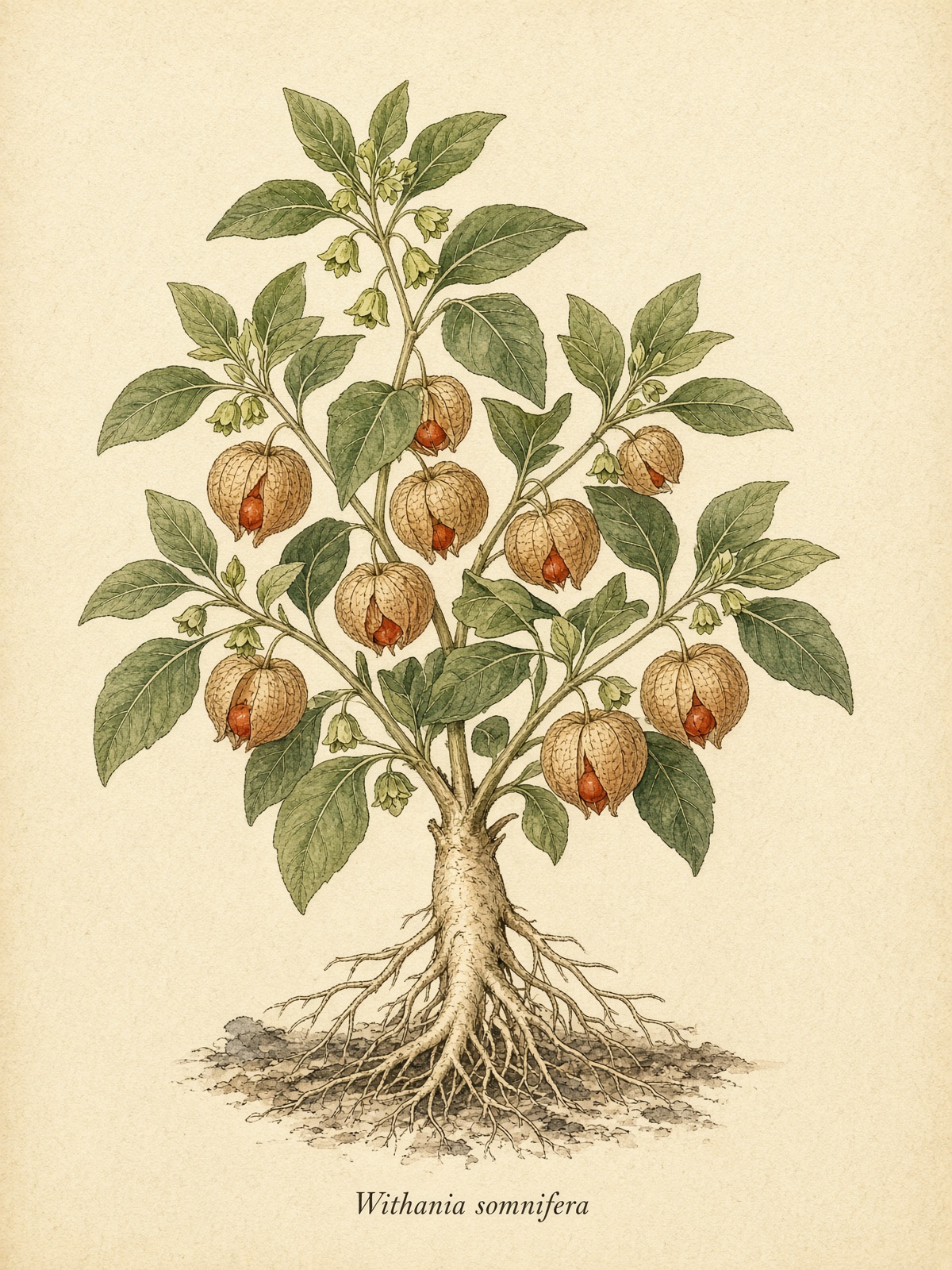
Ashwagandha

Withania somnifera

When
Dig roots after berries form, before frost, about 150–180 days.
Part
Root · Occasionally berry (traditional)
In the field
Cut on a dry morning after dew lifts, from a plant you grew or a site you have a right to pick.
Cure
Wash, slice thin, dry until the center snaps.
Store
Whole, dark, labeled with the year. Crumble at use.
plant

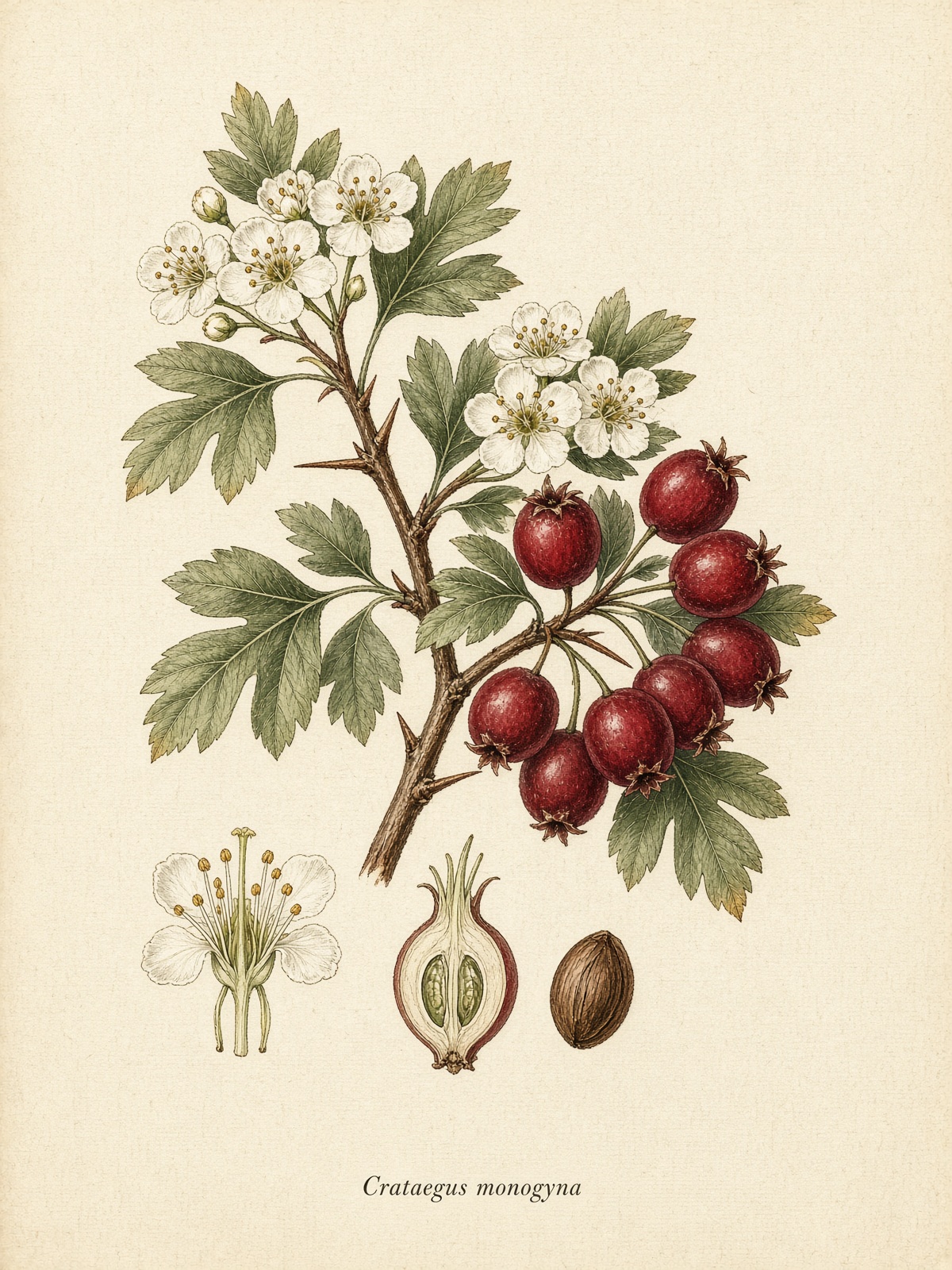
Hawthorn

Crataegus monogyna

When
Blossoms just open; berries when fully red/dark after first frost.
Part
Flowering tops · Berry
In the field
Cut on a dry morning after dew lifts, from a plant you grew or a site you have a right to pick.
Cure
Single layer on a screen, dark, until crisp.
Store
Whole, dark, labeled with the year. Crumble at use.
plantKitchen

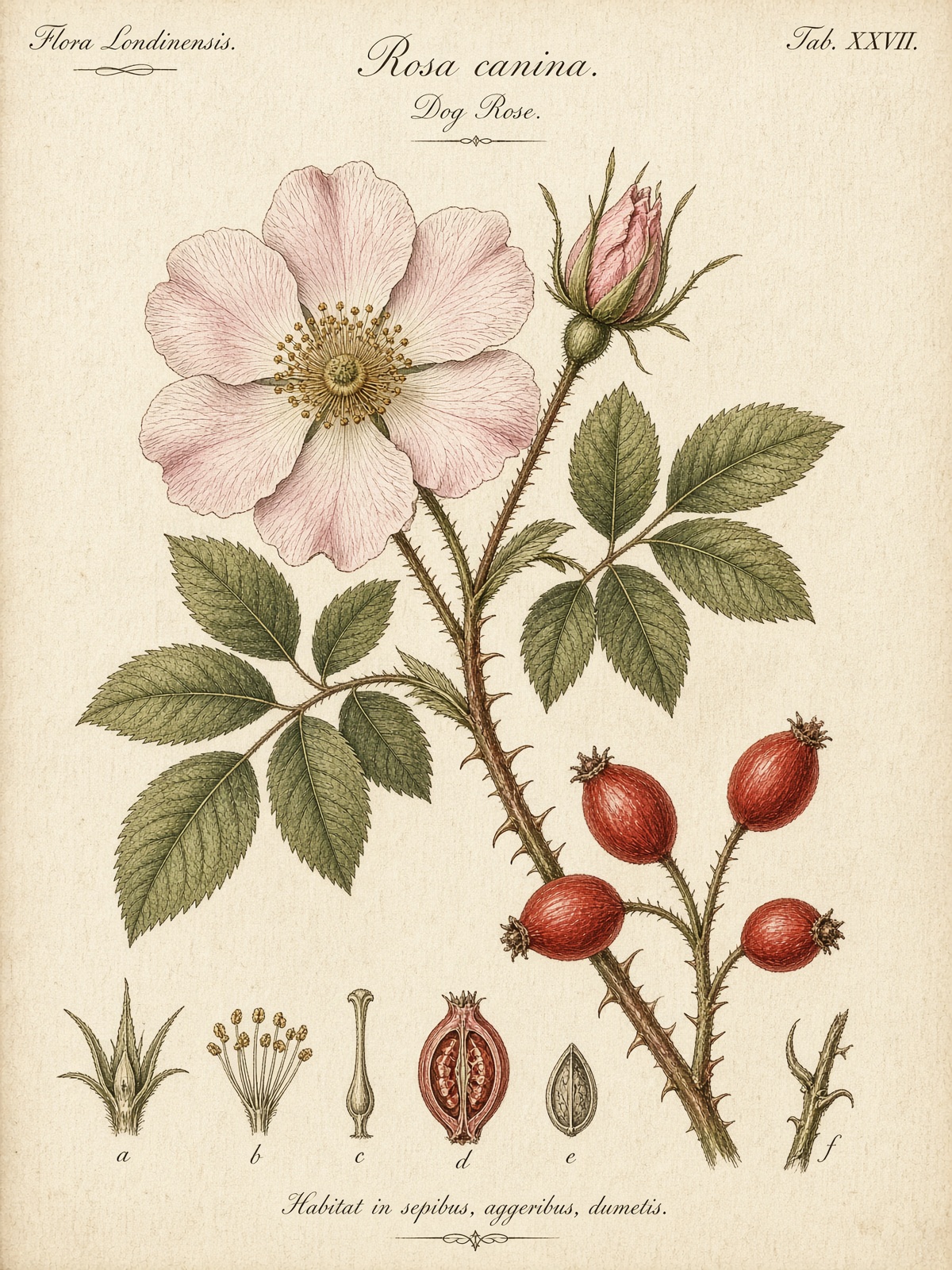
Dog rose

Rosa canina

When
Petals as they open; hips after frost, still firm and red.
Part
Ripe hip · Unsprayed petal
In the field
Hips: split and scoop the itchy hairs, or buy them cleaned.
Cure
Petals screen-dry. Hips simmer and strain.
Store
Dried petal; strained hip put-up.
plant

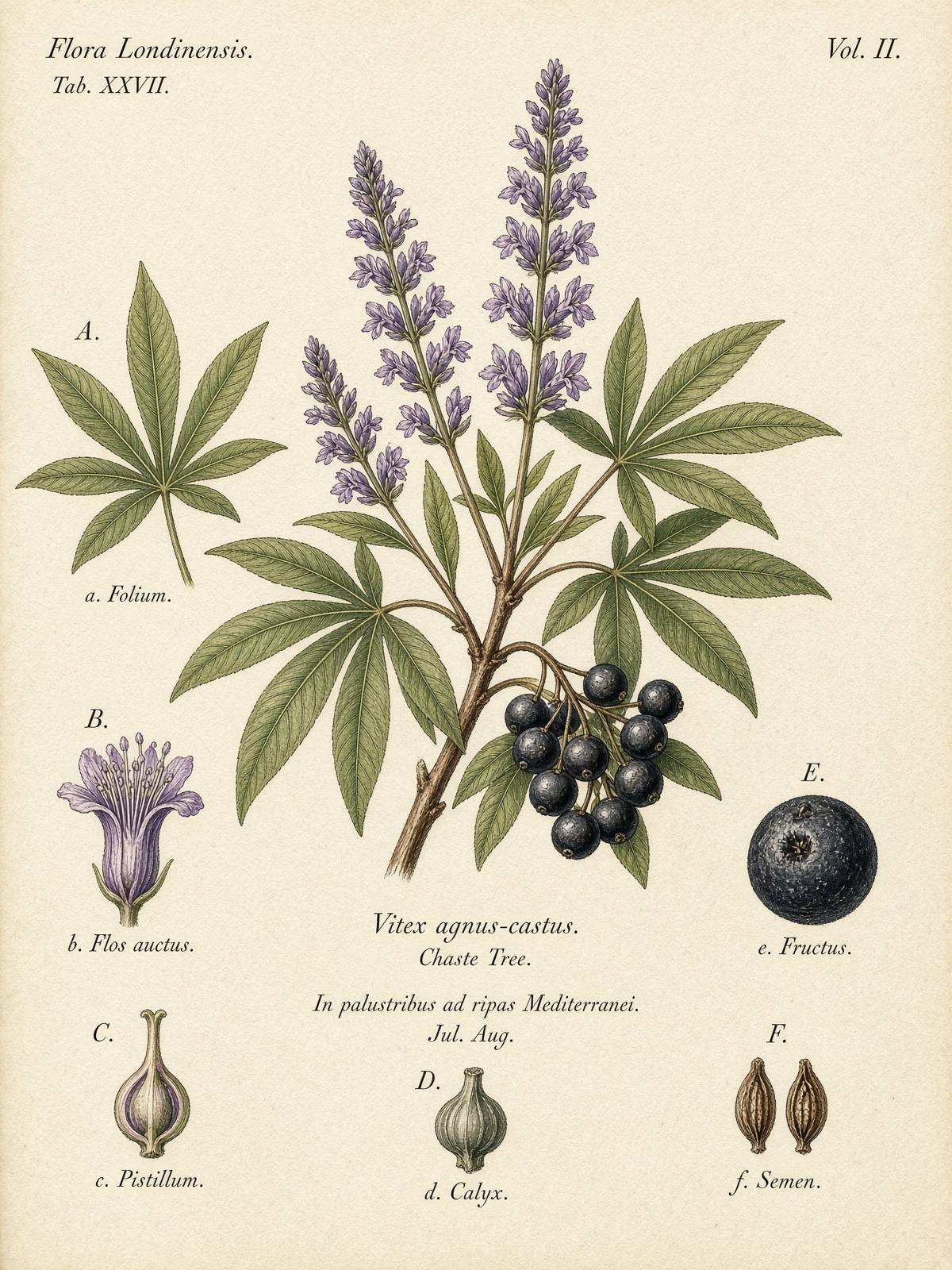
Chaste tree

Vitex agnus-castus

When
Ripe dark berries in autumn.
Part
Ripe berry
In the field
Cut on a dry morning after dew lifts, from a plant you grew or a site you have a right to pick.
Cure
Hang small bunches out of sun until the leaf shatters.
Store
Whole, dark, labeled with the year. Crumble at use.
Cooked berry put-up
plantKitchen

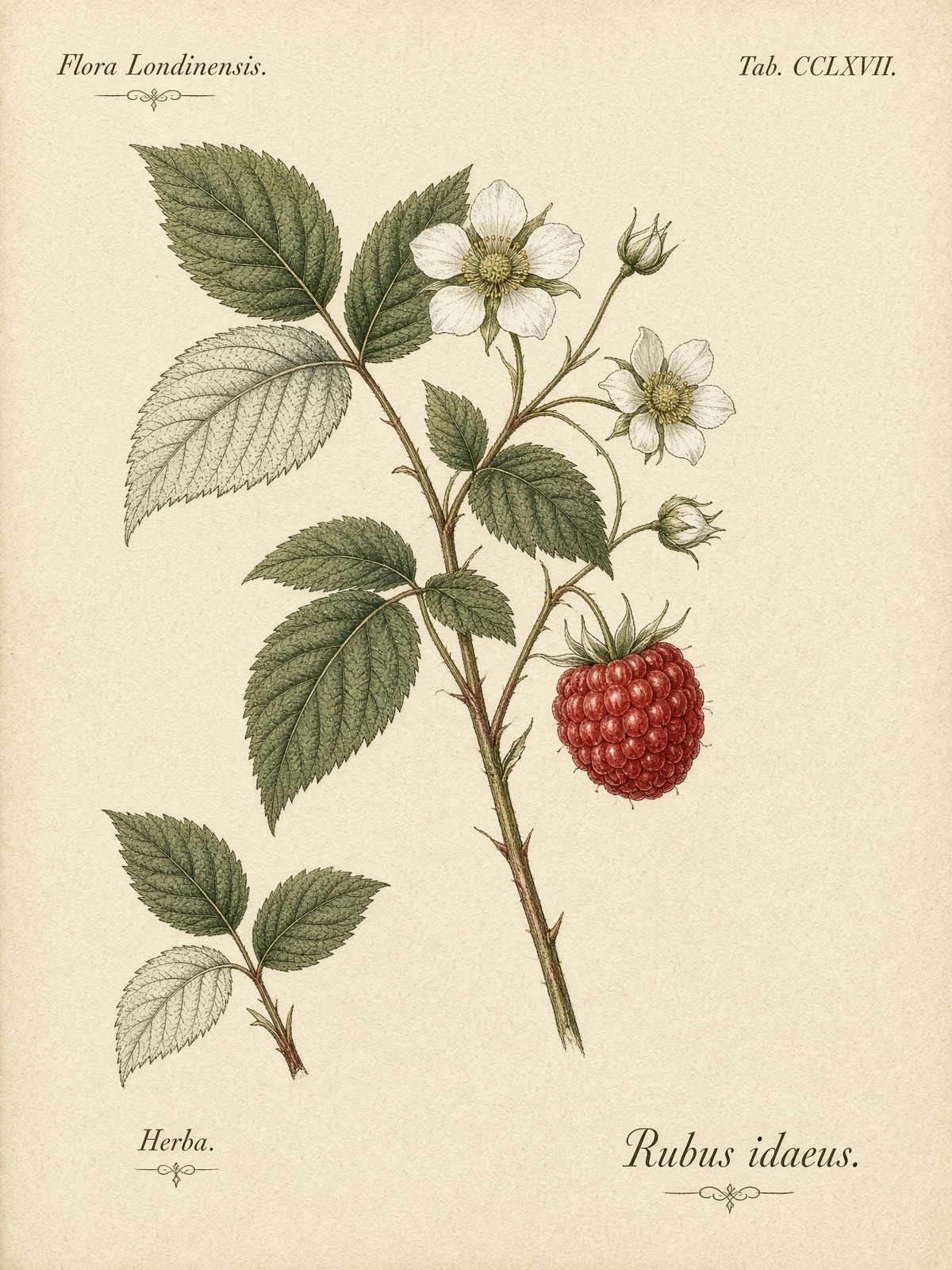
Raspberry leaf

Rubus idaeus

When
Young leaf in spring; fruit in summer.
Part
Leaf · Fruit as food
In the field
Cut on a dry morning after dew lifts, from a plant you grew or a site you have a right to pick.
Cure
Hang small bunches out of sun until the leaf shatters.
Store
Whole, dark, labeled with the year. Crumble at use.
plant

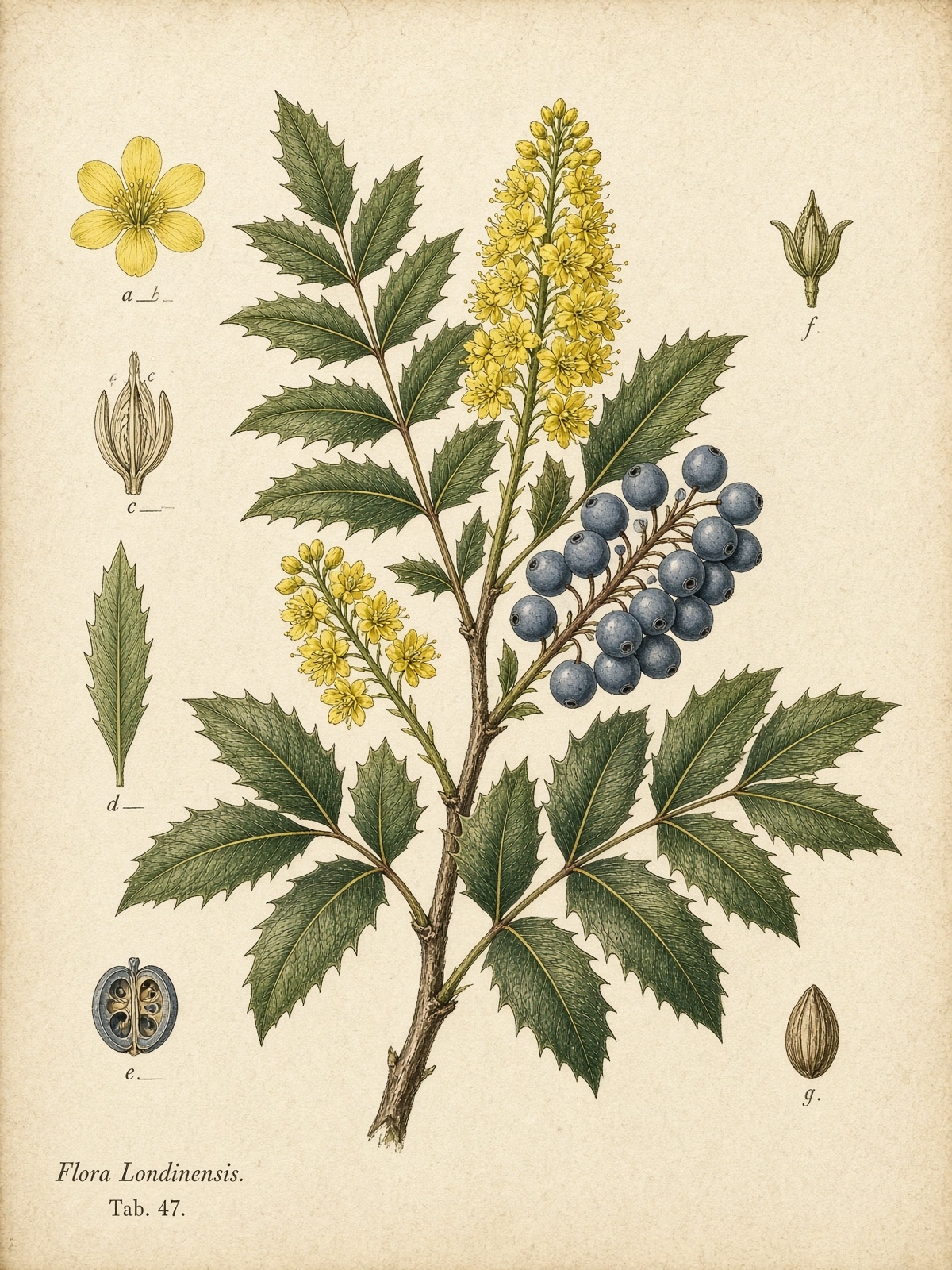
Oregon grape

Mahonia aquifolium

When
Root from a mature cultivated clump in autumn — never strip a wild hillside.
Part
Root and rhizome · Berry as food
In the field
Cut on a dry morning after dew lifts, from a plant you grew or a site you have a right to pick.
Cure
Wash, slice thin, dry until the center snaps.
Store
Whole, dark, labeled with the year. Crumble at use.
plantKitchen

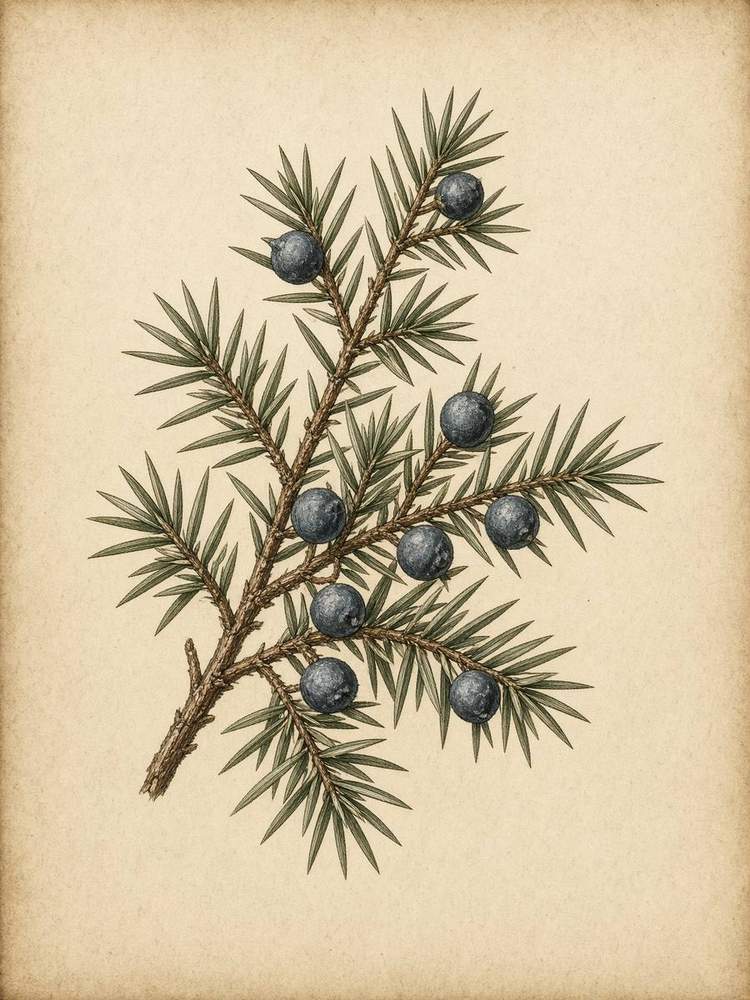
Juniper

Juniperus communis

When
Ripe blue berries in autumn. They take two years on the shrub.
Part
Ripe berry (fleshy cone)
In the field
Cut on a dry morning after dew lifts, from a plant you grew or a site you have a right to pick.
Cure
Hang small bunches out of sun until the leaf shatters.
Store
Whole, dark, labeled with the year. Crumble at use.
plantKitchen

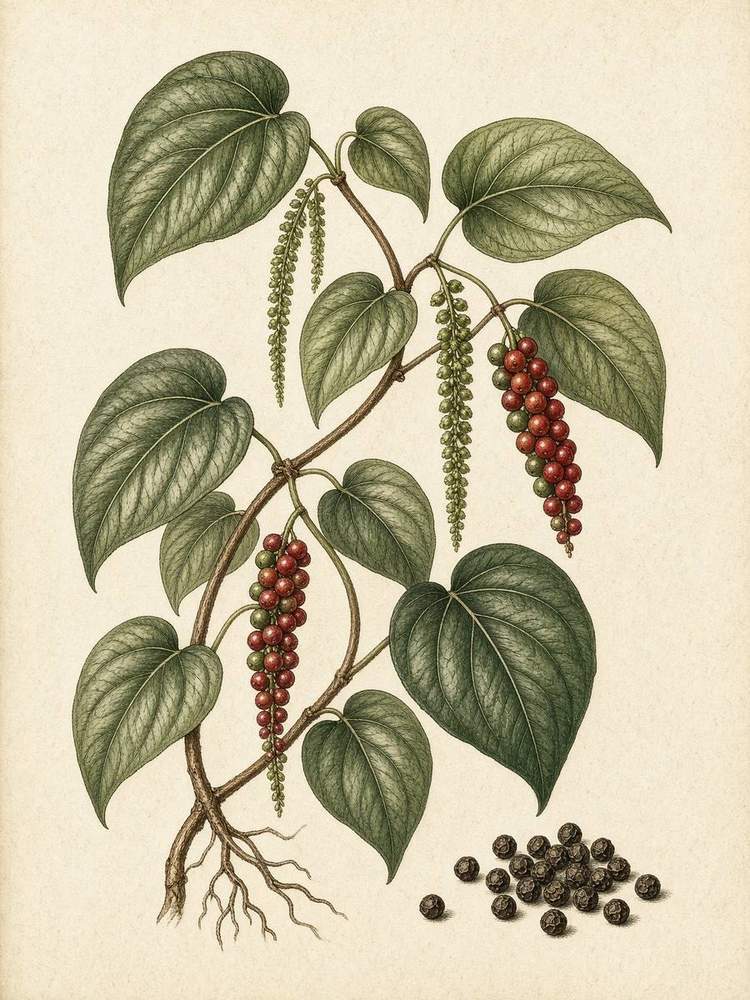
Black pepper

Piper nigrum

When
Green spikes for green pepper; almost-ripe for black; fully red for white.
Part
Dried fruit (peppercorn)
In the field
Cut on a dry morning after dew lifts, from a plant you grew or a site you have a right to pick.
Cure
Hang small bunches out of sun until the leaf shatters.
Store
Whole, dark, labeled with the year. Crumble at use.
Cooked berry put-up
plantKitchen

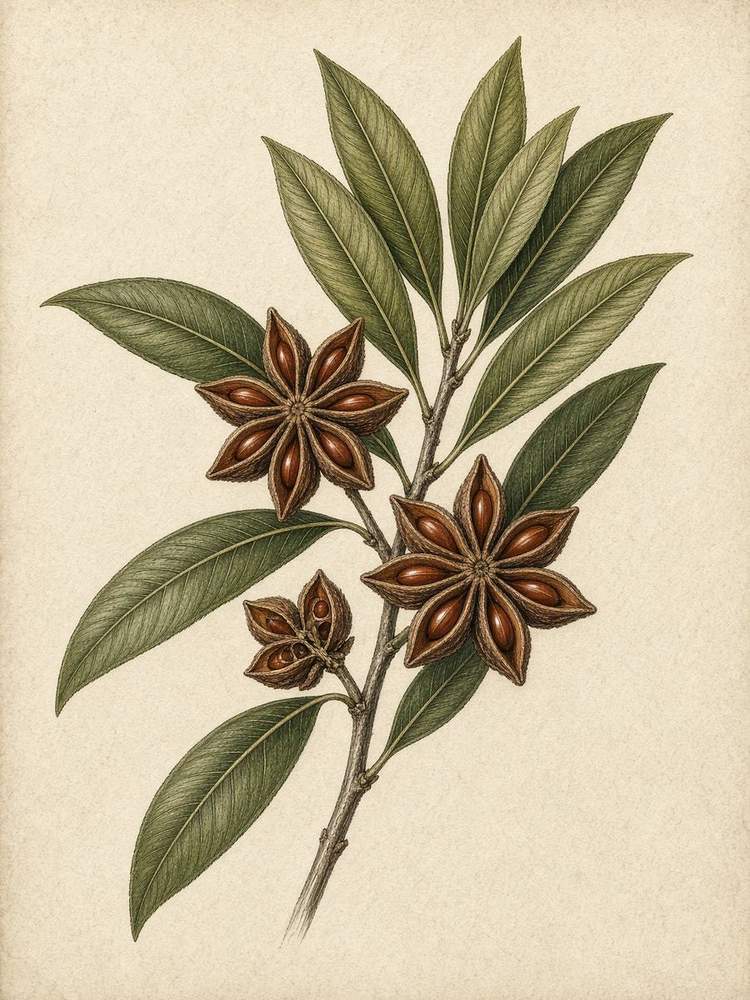
Star anise

Illicium verum

When
Unripe-to-ripe fruits, dried. A tree takes years.
Part
Dried fruit
In the field
Cut on a dry morning after dew lifts, from a plant you grew or a site you have a right to pick.
Cure
Hang small bunches out of sun until the leaf shatters.
Store
Whole, dark, labeled with the year. Crumble at use.
Cooked berry put-up
plantKitchen

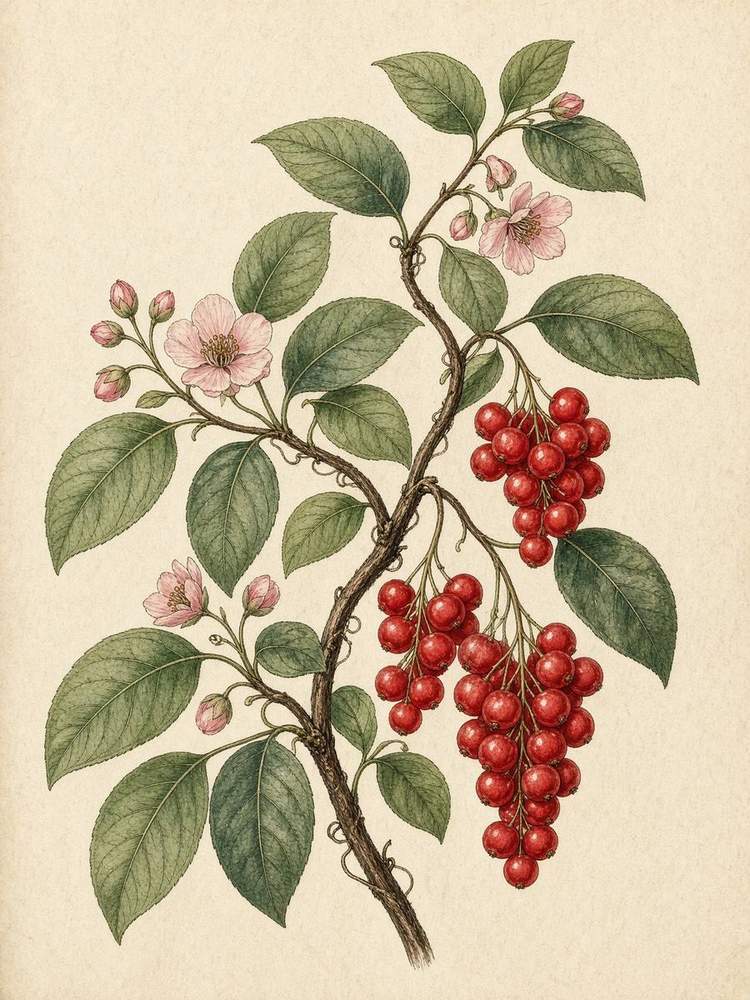
Schisandra

Schisandra chinensis

When
Ripe red clusters in late summer to autumn. Dry or freeze.
Part
Ripe berry
In the field
Cut on a dry morning after dew lifts, from a plant you grew or a site you have a right to pick.
Cure
Hang small bunches out of sun until the leaf shatters.
Store
Whole, dark, labeled with the year. Crumble at use.
Cooked berry put-up
plantKitchen

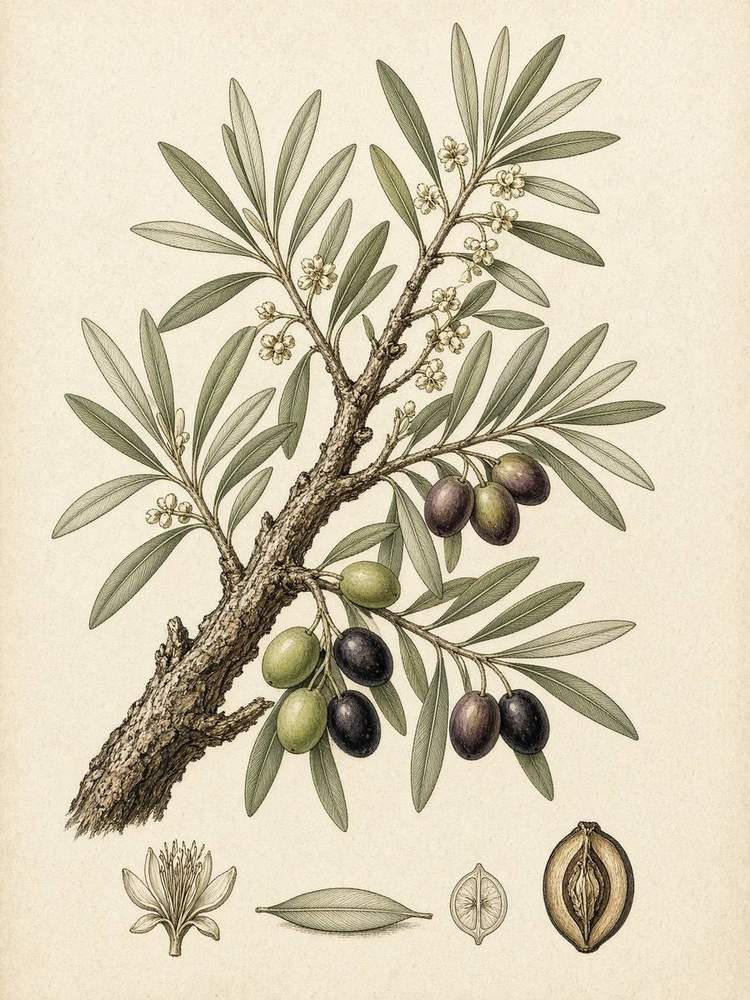
Olive

Olea europaea

When
Fruit in autumn when it colors; leaf year-round from a tree you own.
Part
Fruit · Oil · Leaf
In the field
Cut on a dry morning after dew lifts, from a plant you grew or a site you have a right to pick.
Cure
Hang small bunches out of sun until the leaf shatters.
Store
Whole, dark, labeled with the year. Crumble at use.
plantKitchen

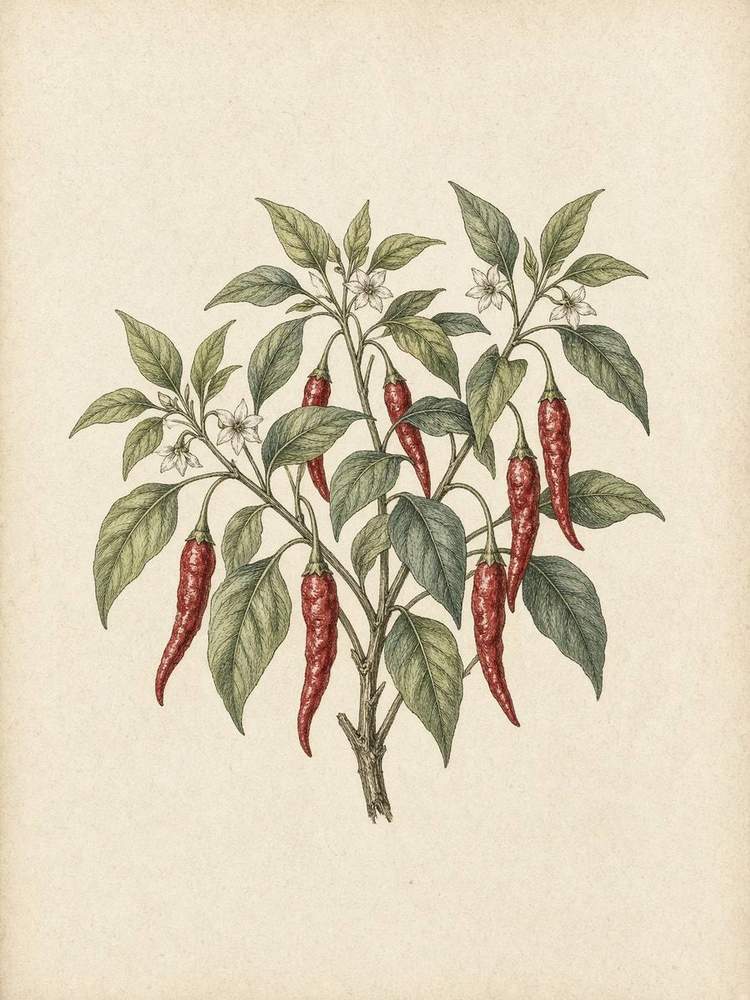
Cayenne

Capsicum annuum

When
When fully red and thin-walled. Dry for the winter tin.
Part
Ripe fruit, fresh or dried
In the field
Cut on a dry morning after dew lifts, from a plant you grew or a site you have a right to pick.
Cure
Hang small bunches out of sun until the leaf shatters.
Store
Whole, dark, labeled with the year. Crumble at use.
Cooked berry put-up
plantKitchen

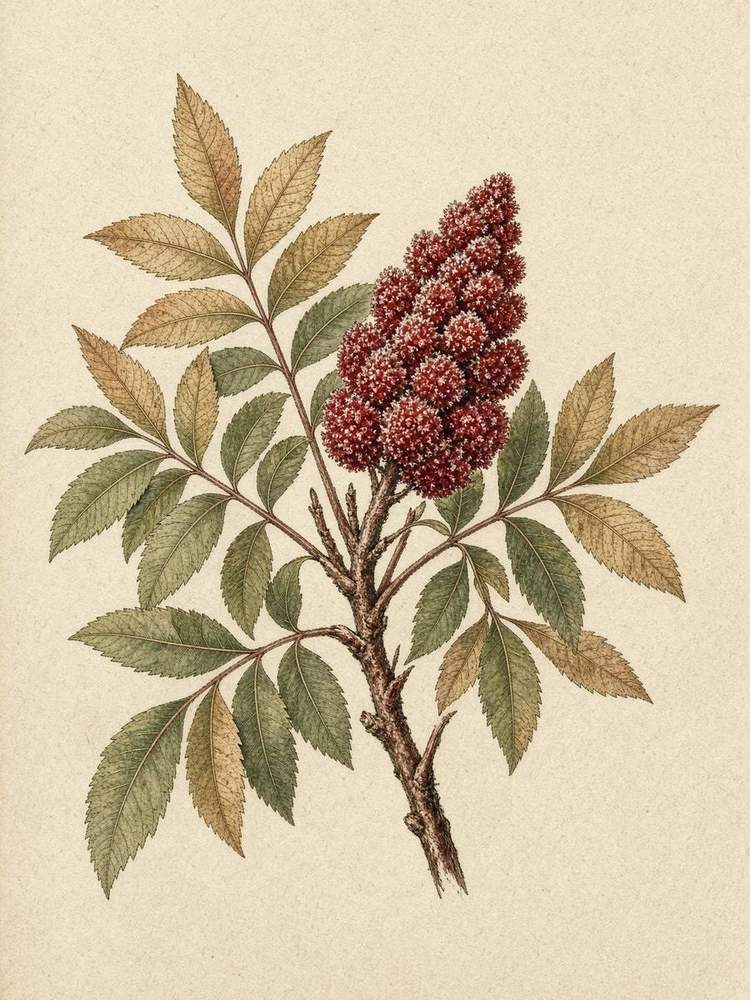
Sumac

Rhus coriaria

When
Red clusters when fully colored, before rain washes the sour off.
Part
Ripe red fruit (dried)
In the field
Cut on a dry morning after dew lifts, from a plant you grew or a site you have a right to pick.
Cure
Hang small bunches out of sun until the leaf shatters.
Store
Whole, dark, labeled with the year. Crumble at use.
Cooked berry put-up
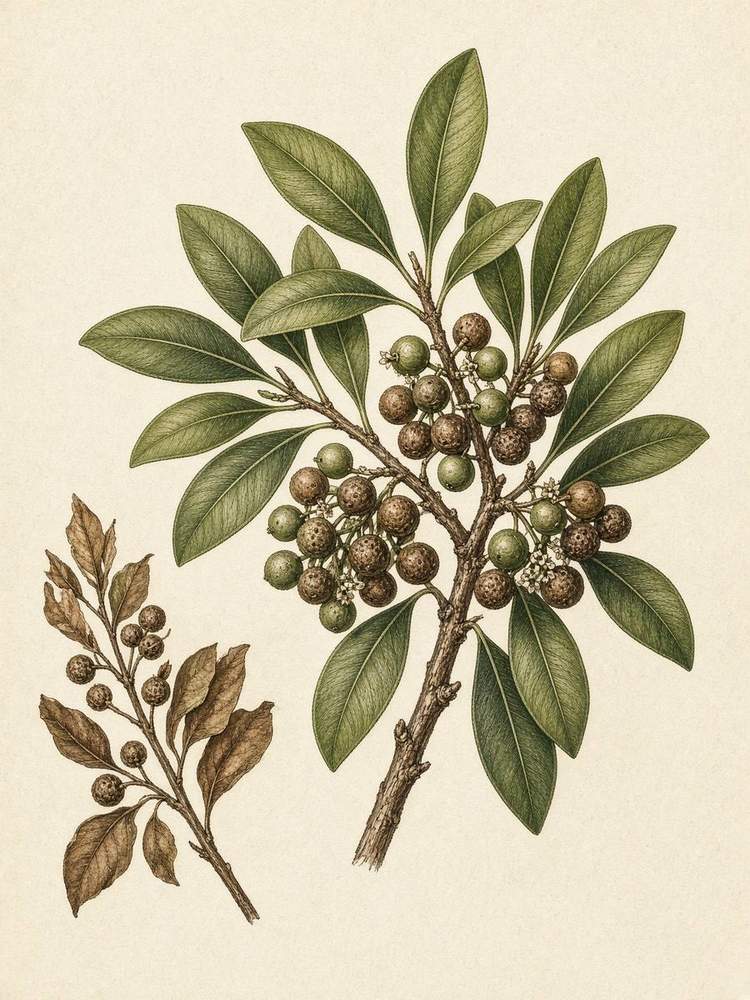
plantKitchen

Allspice

Pimenta dioica

When
Unripe berries, dried in the sun. A tree takes years.
Part
Dried unripe berry
In the field
Cut on a dry morning after dew lifts, from a plant you grew or a site you have a right to pick.
Cure
Hang small bunches out of sun until the leaf shatters.
Store
Whole, dark, labeled with the year. Crumble at use.
Cooked berry put-up
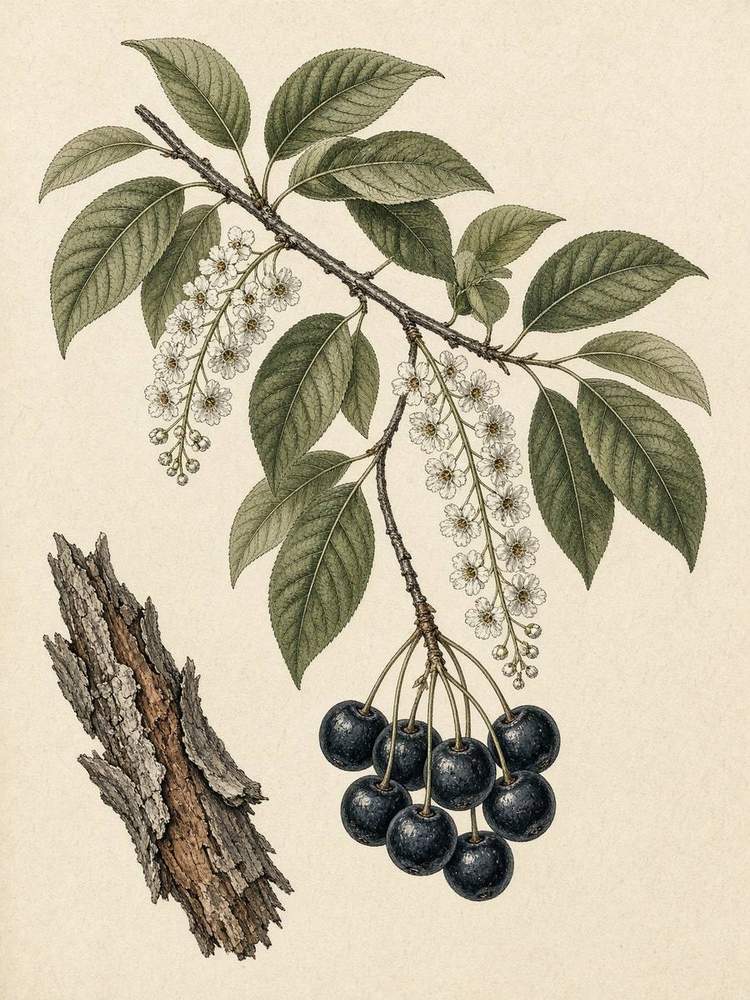
plant

Wild cherry

Prunus serotina

When
Fruit when black; bark only from prunings. Do not strip a standing wild cherry.
Part
Inner bark · Fruit (pits out)
In the field
Cut on a dry morning after dew lifts, from a plant you grew or a site you have a right to pick.
Cure
Hang small bunches out of sun until the leaf shatters.
Store
Whole, dark, labeled with the year. Crumble at use.
plantKitchen

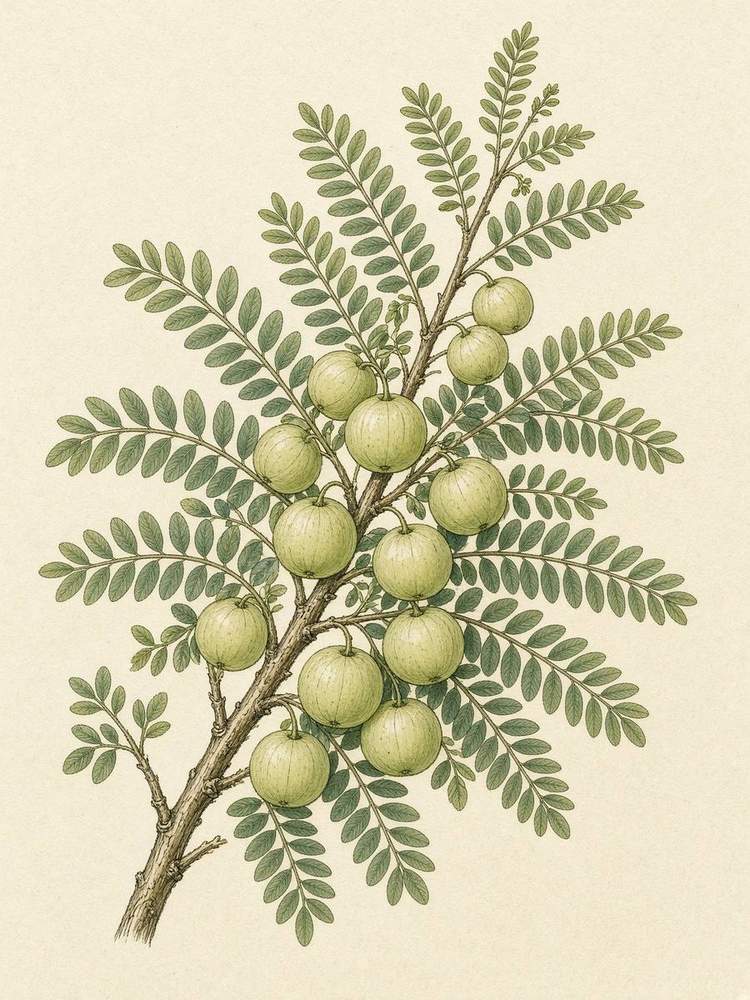
Amla

Phyllanthus emblica

When
Fruit when fully sized, still hard, in the tropical winter.
Part
Fruit
In the field
Cut on a dry morning after dew lifts, from a plant you grew or a site you have a right to pick.
Cure
Hang small bunches out of sun until the leaf shatters.
Store
Whole, dark, labeled with the year. Crumble at use.
Cooked berry put-up
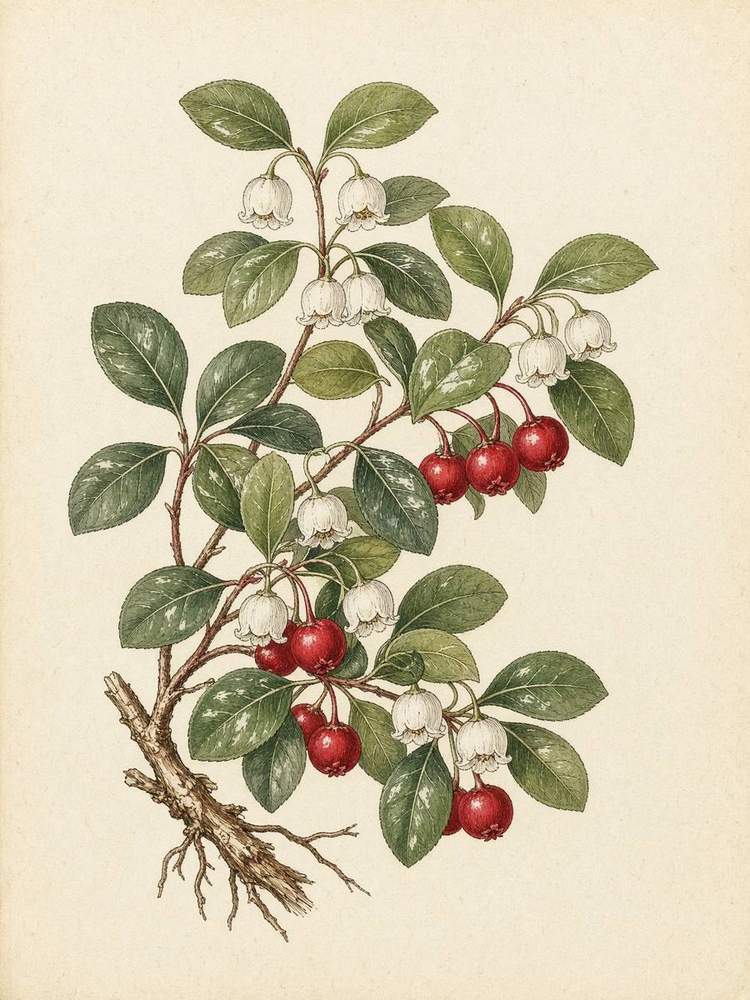
plant

Wintergreen

Gaultheria procumbens

When
A few leaves from a patch you planted. Not a wild stripping.
Part
Leaf (tea, small) · Berry (nibble, not a staple)
In the field
Cut on a dry morning after dew lifts, from a plant you grew or a site you have a right to pick.
Cure
Hang small bunches out of sun until the leaf shatters.
Store
Whole, dark, labeled with the year. Crumble at use.
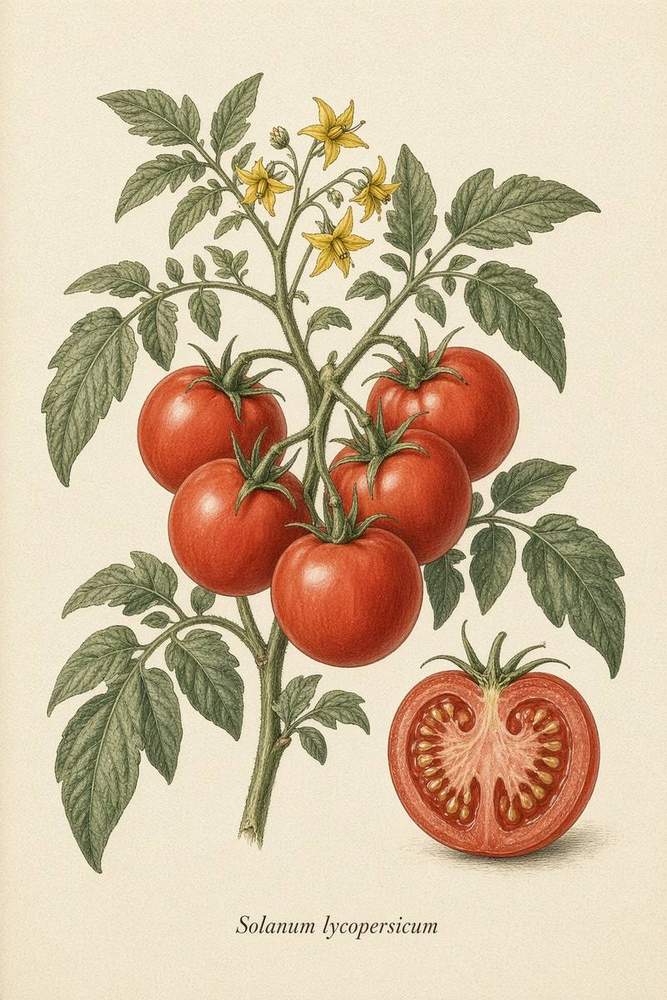
plant

Tomato

Solanum lycopersicum

When
When the shoulder yields and the color is true. Flavor finishes on the plant.
Part
Ripe fruit
In the field
Pick from a plant you grew or a market you trust. Leave wild stands of rare fruit alone.
Cure
Eat ripe. Freeze surplus, or a kitchen jam, pickle, or leather.
Store
Cool and dark for keepers; the fridge for tender fruit. Label the year on a winter squash or a cured tuber.
plant

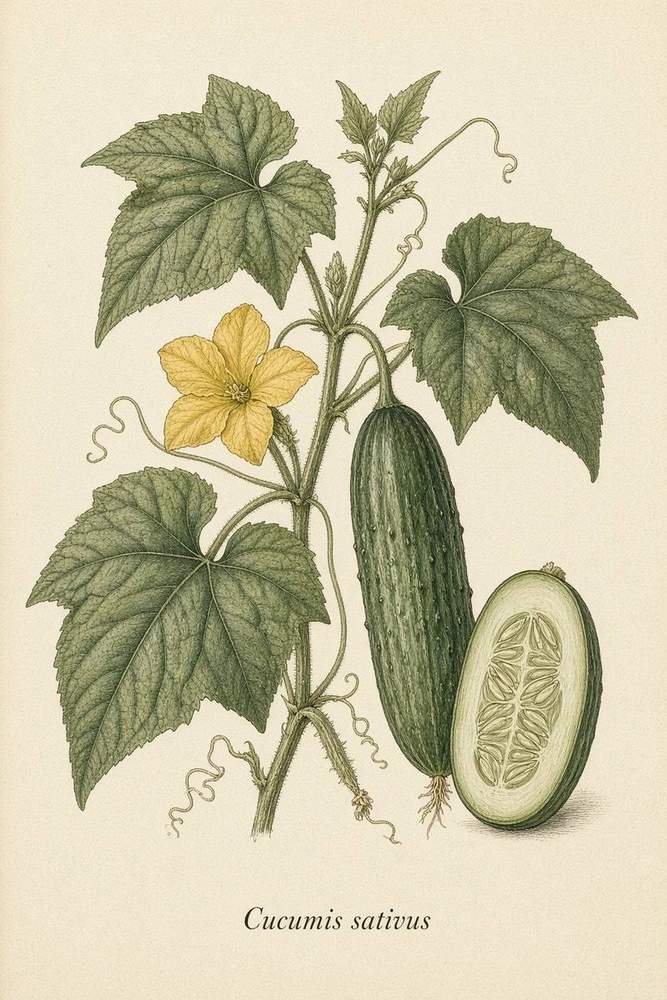
Cucumber

Cucumis sativus

When
Young, often. A yellow baseball is a seed factory.
Part
Unripe fruit
In the field
Pick from a plant you grew or a market you trust. Leave wild stands of rare fruit alone.
Cure
Eat ripe. Freeze surplus, or a kitchen jam, pickle, or leather.
Store
Cool and dark for keepers; the fridge for tender fruit. Label the year on a winter squash or a cured tuber.
plant

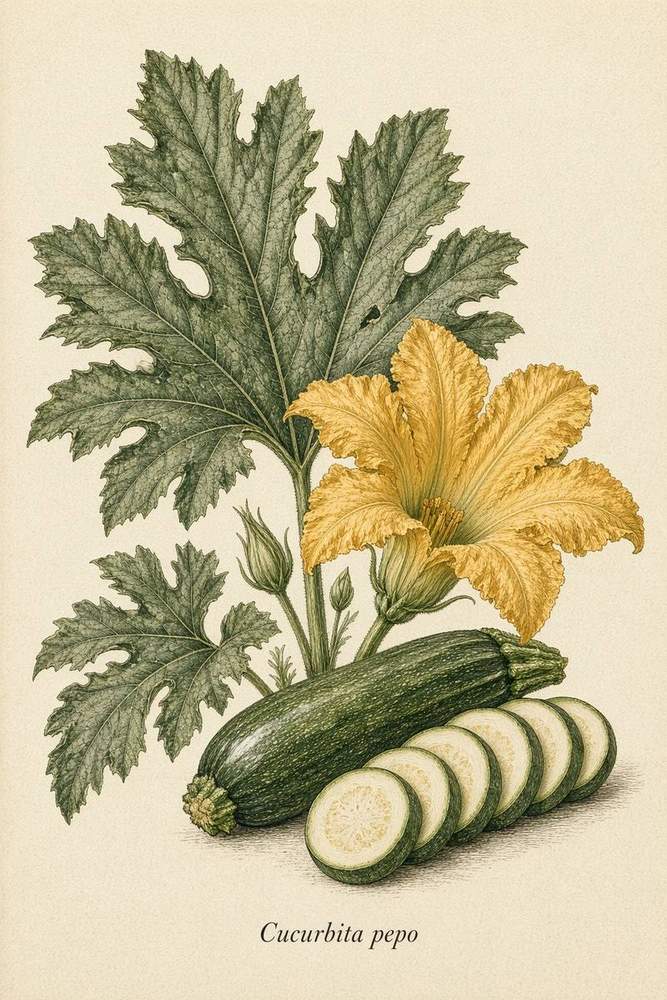
Zucchini

Cucurbita pepo

When
Six to eight inches, every day. Blossoms in the morning.
Part
Young fruit · Blossom
In the field
Pick from a plant you grew or a market you trust. Leave wild stands of rare fruit alone.
Cure
Eat ripe. Freeze surplus, or a kitchen jam, pickle, or leather.
Store
Cool and dark for keepers; the fridge for tender fruit. Label the year on a winter squash or a cured tuber.
plant

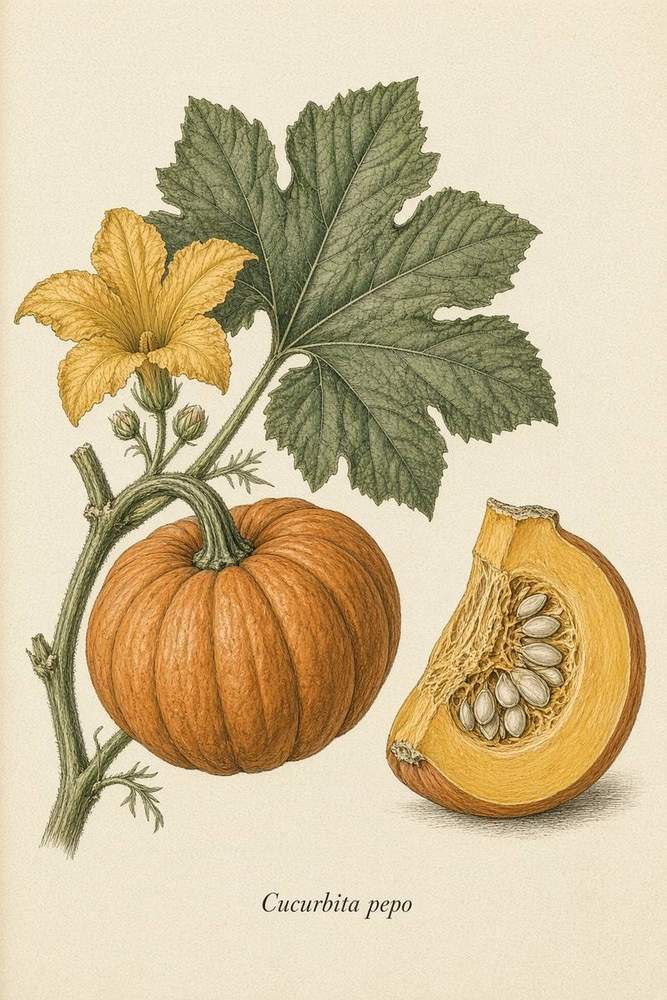
Pumpkin

Cucurbita pepo

When
When the rind resists a thumbnail and the stem corks. Before a hard frost.
Part
Ripe flesh · Seed
In the field
Pick from a plant you grew or a market you trust. Leave wild stands of rare fruit alone.
Cure
Eat ripe. Freeze surplus, or a kitchen jam, pickle, or leather.
Store
Cool and dark for keepers; the fridge for tender fruit. Label the year on a winter squash or a cured tuber.
plant

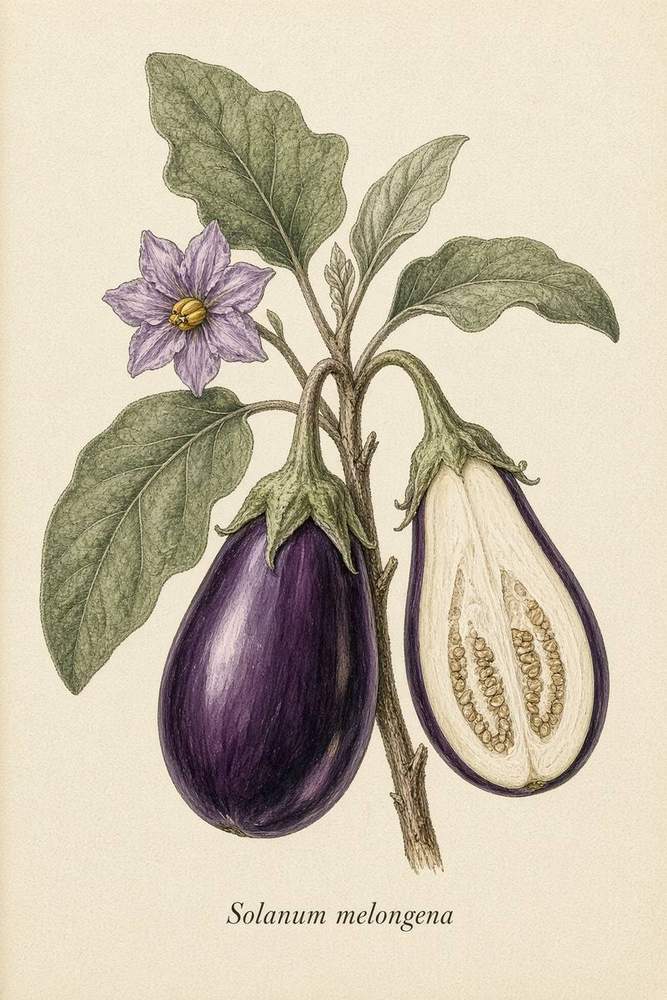
Eggplant

Solanum melongena

When
Glossy, before the skin dulls and the seeds harden.
Part
Ripe fruit, cooked
In the field
Pick from a plant you grew or a market you trust. Leave wild stands of rare fruit alone.
Cure
Eat ripe. Freeze surplus, or a kitchen jam, pickle, or leather.
Store
Cool and dark for keepers; the fridge for tender fruit. Label the year on a winter squash or a cured tuber.
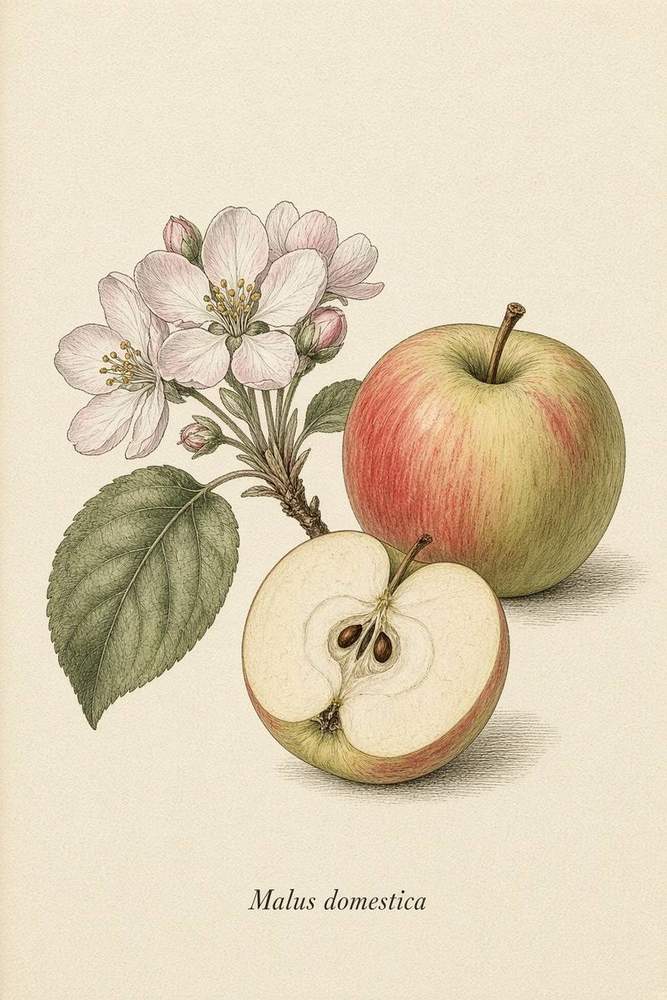
plant

Apple

Malus domestica

When
When the stem parts with a lift, not a yank. Flavor finishes on the tree for many types.
Part
Ripe fruit
In the field
Pick from a plant you grew or a market you trust. Leave wild stands of rare fruit alone.
Cure
Eat ripe. Freeze surplus, or a kitchen jam, pickle, or leather.
Store
Cool and dark for keepers; the fridge for tender fruit. Label the year on a winter squash or a cured tuber.
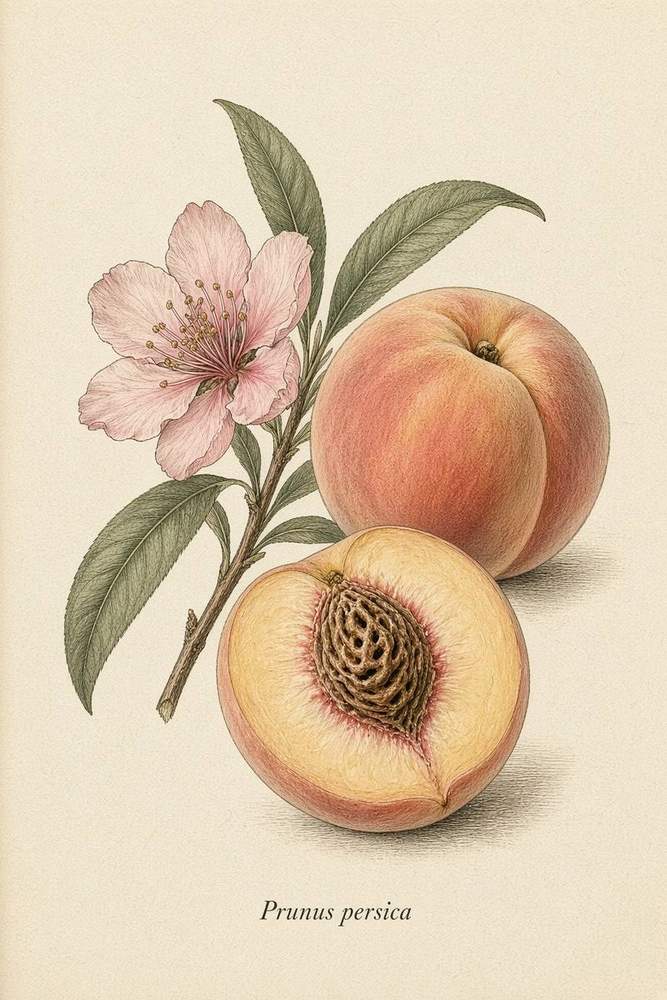
plant

Peach

Prunus persica

When
When it smells like a peach and yields at the shoulder.
Part
Ripe fruit
In the field
Pick from a plant you grew or a market you trust. Leave wild stands of rare fruit alone.
Cure
Eat ripe. Freeze surplus, or a kitchen jam, pickle, or leather.
Store
Cool and dark for keepers; the fridge for tender fruit. Label the year on a winter squash or a cured tuber.
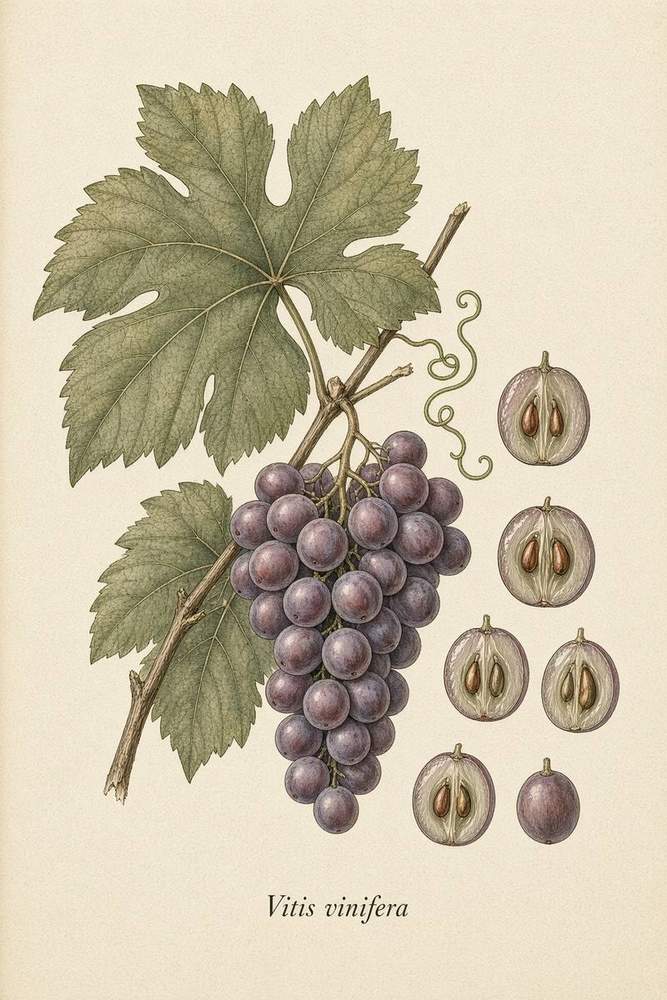
plant

Grape

Vitis vinifera

When
When the seed is brown and the sugar is in the berry, not the calendar.
Part
Ripe fruit · Leaf (kitchen wrap)
In the field
Pick from a plant you grew or a market you trust. Leave wild stands of rare fruit alone.
Cure
Eat ripe. Freeze surplus, or a kitchen jam, pickle, or leather.
Store
Cool and dark for keepers; the fridge for tender fruit. Label the year on a winter squash or a cured tuber.
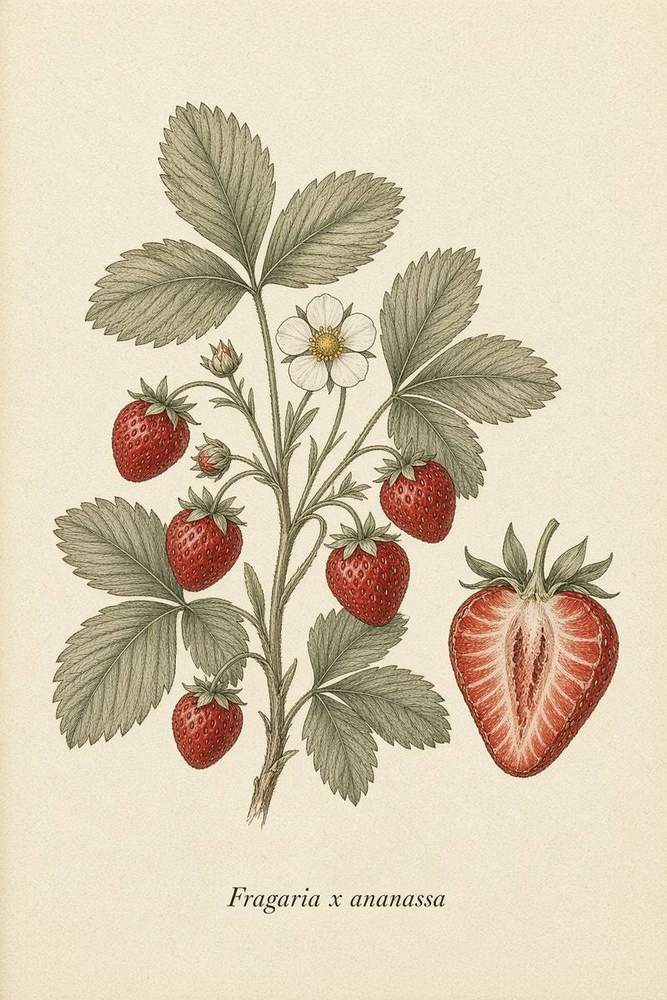
plant

Strawberry

Fragaria × ananassa

When
Fully red. They do not ripen off the plant in any honest way.
Part
Ripe fruit
In the field
Pick from a plant you grew or a market you trust. Leave wild stands of rare fruit alone.
Cure
Eat ripe. Freeze surplus, or a kitchen jam, pickle, or leather.
Store
Cool and dark for keepers; the fridge for tender fruit. Label the year on a winter squash or a cured tuber.
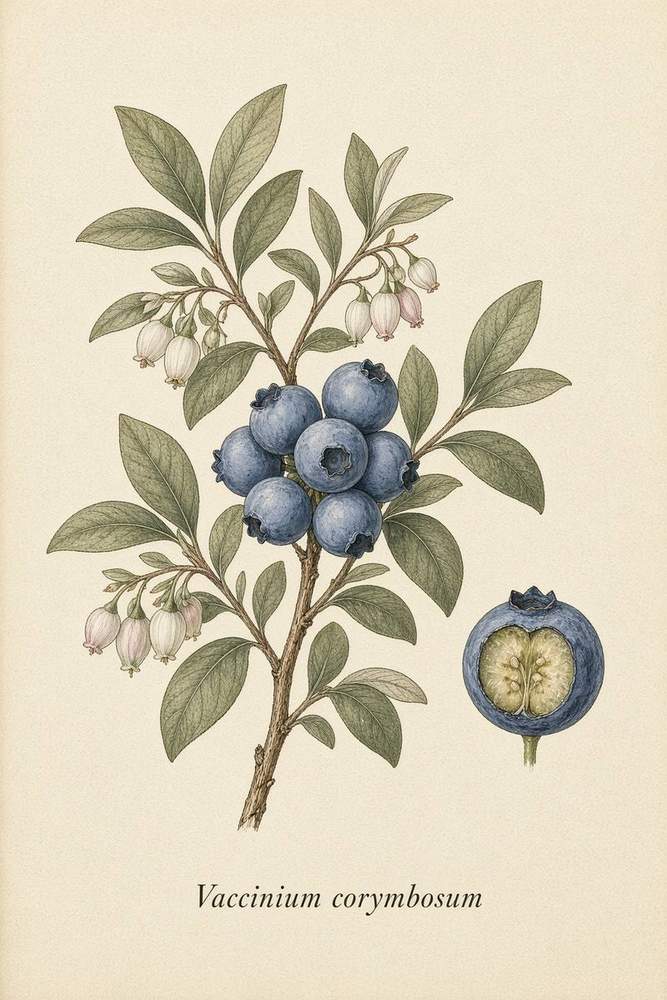
plant

Blueberry

Vaccinium corymbosum

When
Wait a few days after they turn blue — sugar lags color.
Part
Ripe fruit
In the field
Pick from a plant you grew or a market you trust. Leave wild stands of rare fruit alone.
Cure
Eat ripe. Freeze surplus, or a kitchen jam, pickle, or leather.
Store
Cool and dark for keepers; the fridge for tender fruit. Label the year on a winter squash or a cured tuber.
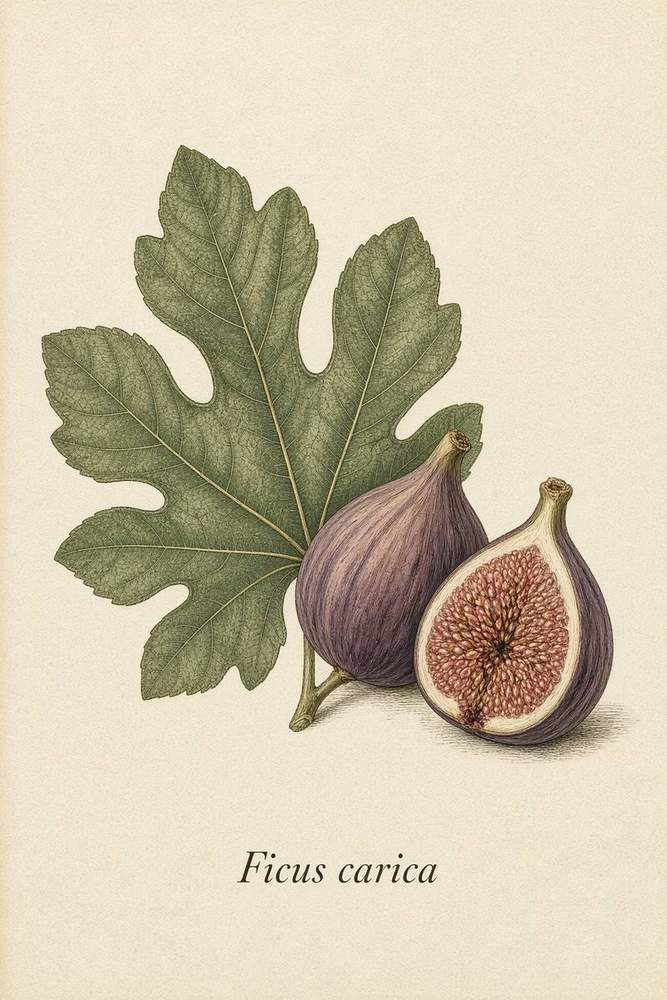
plant

Fig

Ficus carica

When
When it droops, softens, and often weeps a drop. They do not ripen off the tree.
Part
Ripe fruit
In the field
Pick from a plant you grew or a market you trust. Leave wild stands of rare fruit alone.
Cure
Eat ripe. Freeze surplus, or a kitchen jam, pickle, or leather.
Store
Cool and dark for keepers; the fridge for tender fruit. Label the year on a winter squash or a cured tuber.
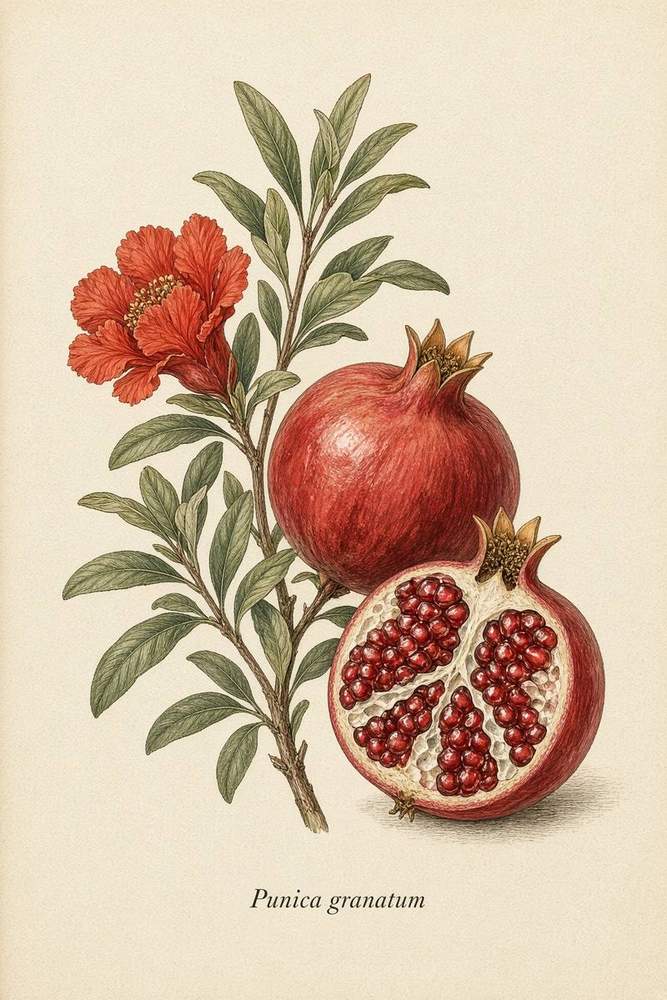
plant

Pomegranate

Punica granatum

When
When the rind is fully colored and often splits. They store cool a while.
Part
Arils
In the field
Pick from a plant you grew or a market you trust. Leave wild stands of rare fruit alone.
Cure
Eat ripe. Freeze surplus, or a kitchen jam, pickle, or leather.
Store
Cool and dark for keepers; the fridge for tender fruit. Label the year on a winter squash or a cured tuber.
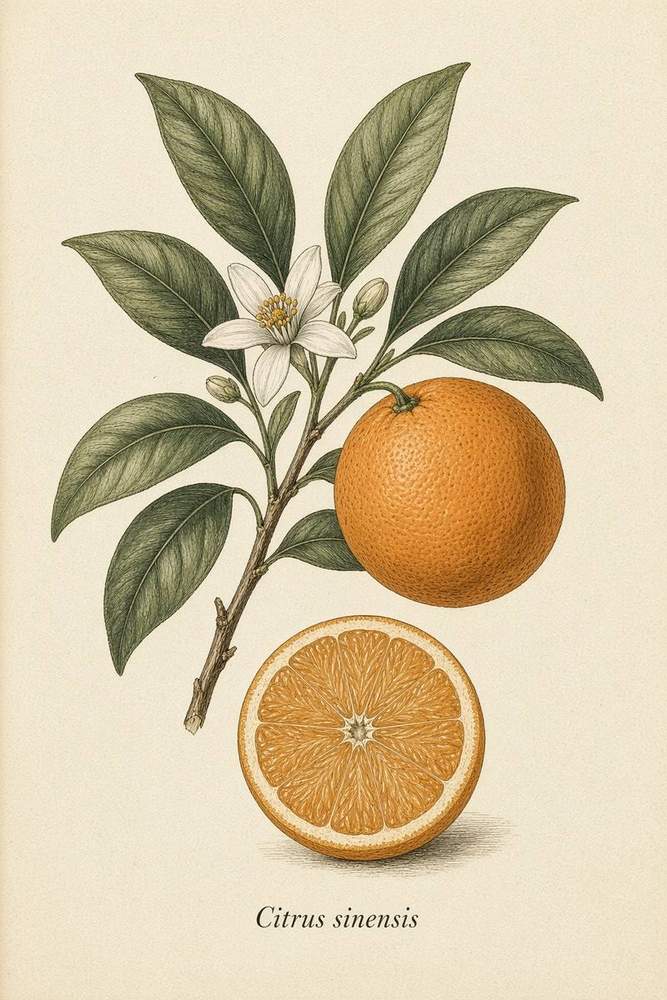
plant

Orange

Citrus × sinensis

When
Fully colored and sweet. They can hang.
Part
Ripe fruit · Juice · Zest
In the field
Pick from a plant you grew or a market you trust. Leave wild stands of rare fruit alone.
Cure
Eat ripe. Freeze surplus, or a kitchen jam, pickle, or leather.
Store
Cool and dark for keepers; the fridge for tender fruit. Label the year on a winter squash or a cured tuber.
plant

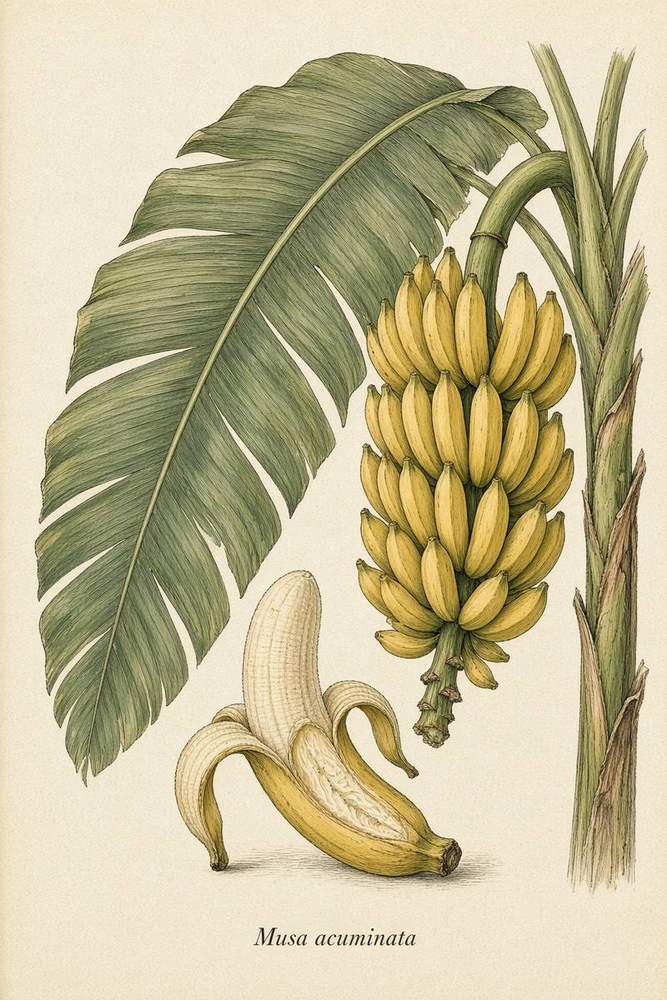
Banana

Musa acuminata

When
When the bunch fills and the first fingers lighten. Ripen off the stem.
Part
Ripe fruit
In the field
Pick from a plant you grew or a market you trust. Leave wild stands of rare fruit alone.
Cure
Eat ripe. Freeze surplus, or a kitchen jam, pickle, or leather.
Store
Cool and dark for keepers; the fridge for tender fruit. Label the year on a winter squash or a cured tuber.
plant

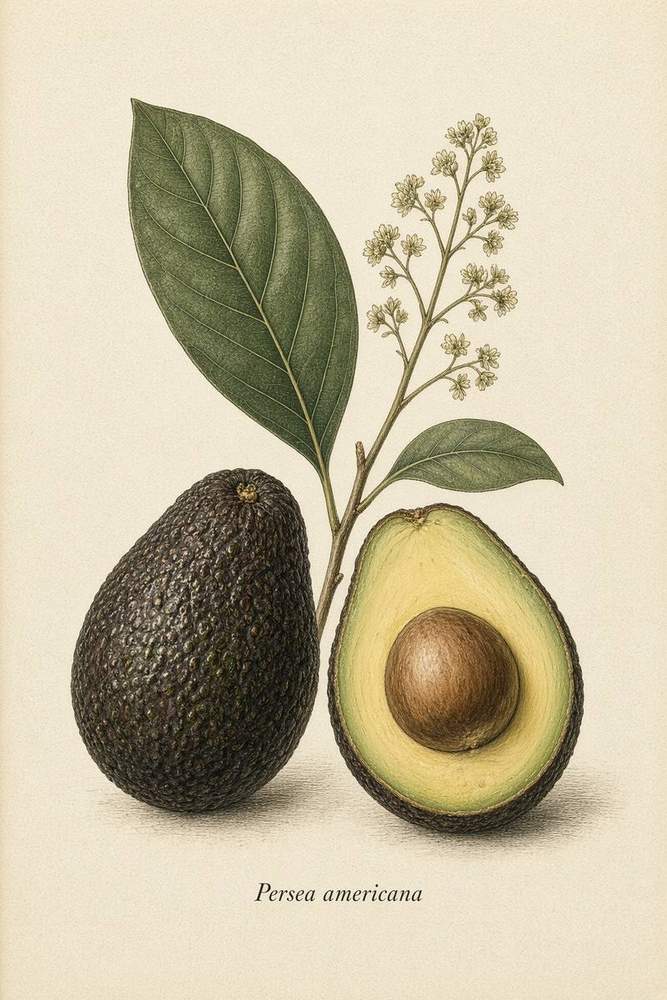
Avocado

Persea americana

When
Mature green, then ripen indoors. They do not soften on the tree in any useful way.
Part
Ripe flesh
In the field
Pick from a plant you grew or a market you trust. Leave wild stands of rare fruit alone.
Cure
Eat ripe. Freeze surplus, or a kitchen jam, pickle, or leather.
Store
Cool and dark for keepers; the fridge for tender fruit. Label the year on a winter squash or a cured tuber.
plant

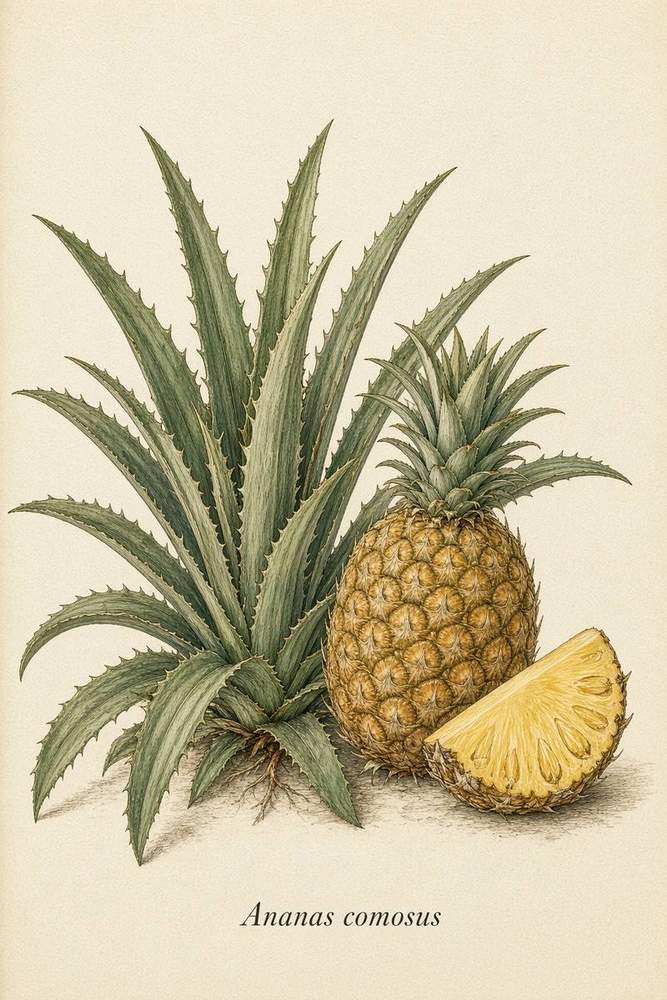
Pineapple

Ananas comosus

When
When the base yellows and it smells like pineapple from a foot away.
Part
Ripe flesh
In the field
Pick from a plant you grew or a market you trust. Leave wild stands of rare fruit alone.
Cure
Eat ripe. Freeze surplus, or a kitchen jam, pickle, or leather.
Store
Cool and dark for keepers; the fridge for tender fruit. Label the year on a winter squash or a cured tuber.
plant

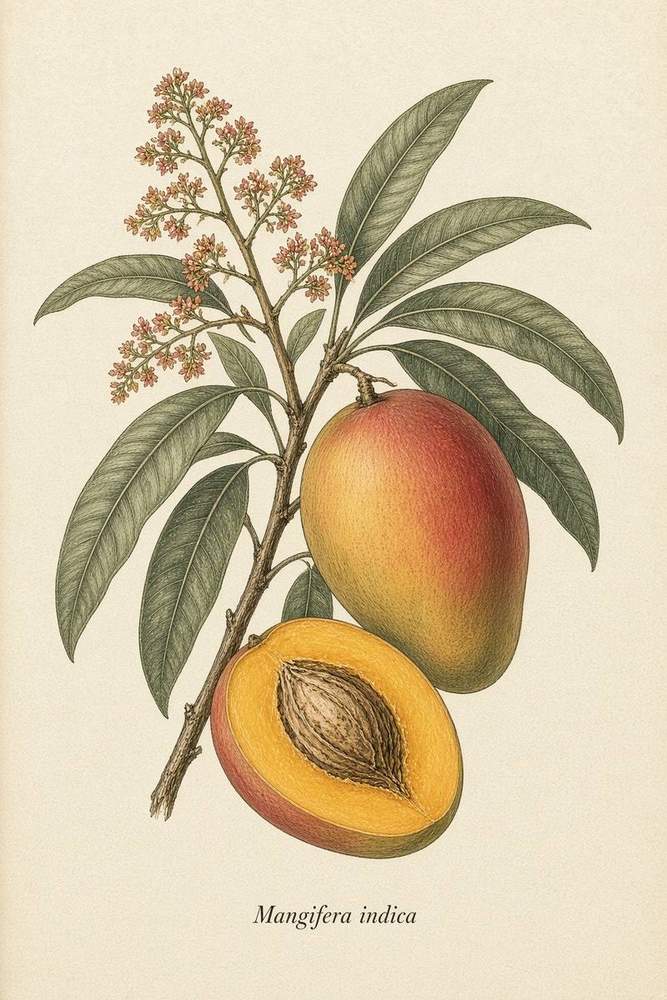
Mango

Mangifera indica

When
When the shoulder yields and the smell is mango, not green stem.
Part
Ripe flesh · Green fruit (chutney, salad)
In the field
Pick from a plant you grew or a market you trust. Leave wild stands of rare fruit alone.
Cure
Eat ripe. Freeze surplus, or a kitchen jam, pickle, or leather.
Store
Cool and dark for keepers; the fridge for tender fruit. Label the year on a winter squash or a cured tuber.
plant

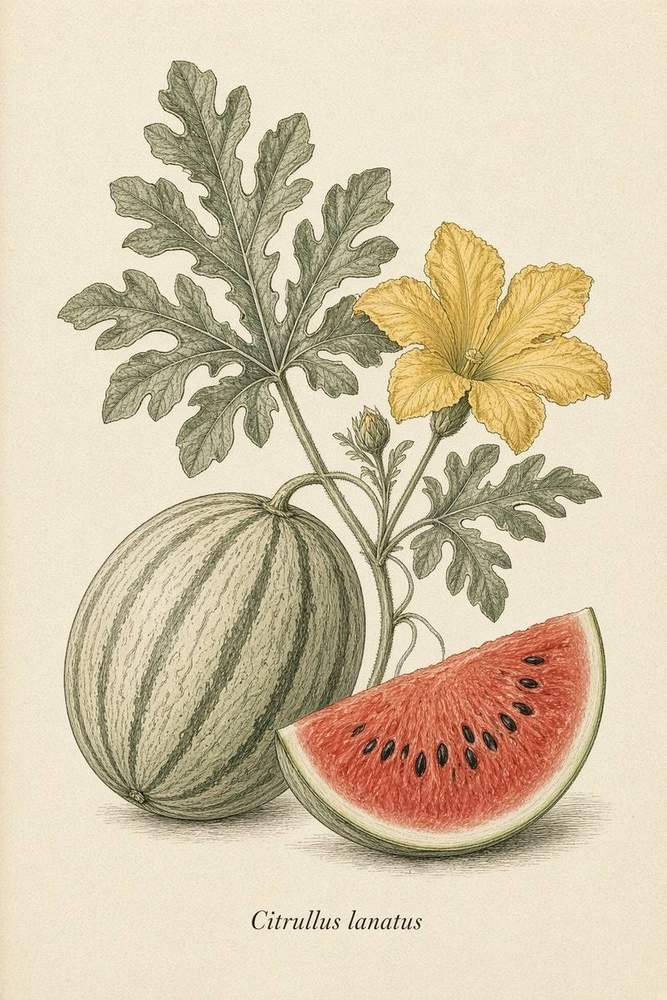
Watermelon

Citrullus lanatus

When
Yellow ground spot, dry tendril at the stem, a dull knock.
Part
Ripe flesh · Seed · Rind (pickle)
In the field
Pick from a plant you grew or a market you trust. Leave wild stands of rare fruit alone.
Cure
Eat ripe. Freeze surplus, or a kitchen jam, pickle, or leather.
Store
Cool and dark for keepers; the fridge for tender fruit. Label the year on a winter squash or a cured tuber.
plant

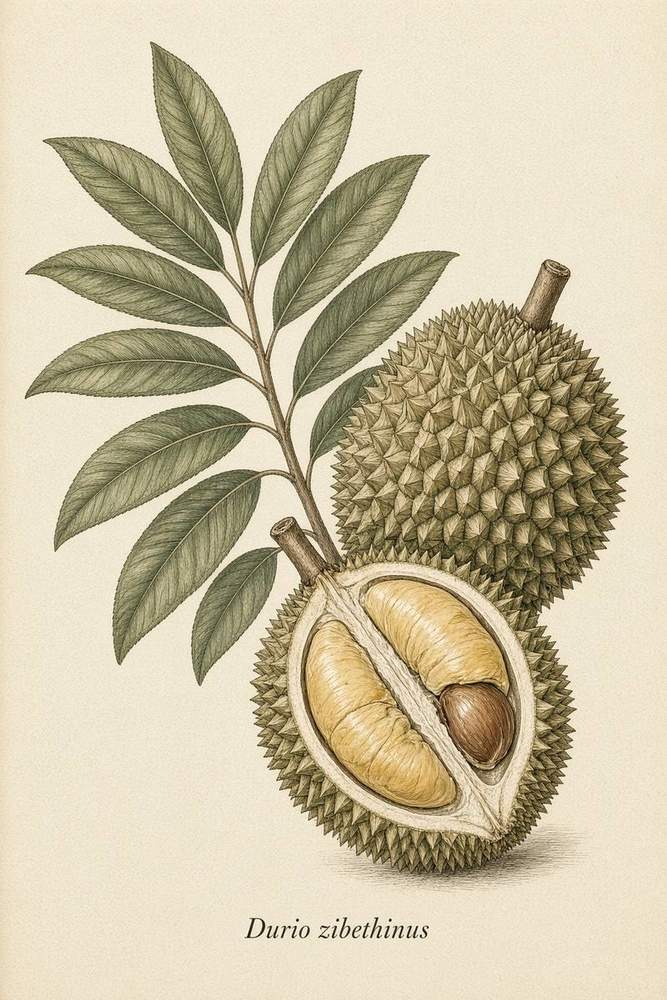
Durian

Durio zibethinus

When
When it drops, in season. Climbing for unripe is how people get hurt.
Part
Ripe aril
In the field
Pick from a plant you grew or a market you trust. Leave wild stands of rare fruit alone.
Cure
Eat ripe. Freeze surplus, or a kitchen jam, pickle, or leather.
Store
Cool and dark for keepers; the fridge for tender fruit. Label the year on a winter squash or a cured tuber.
plant

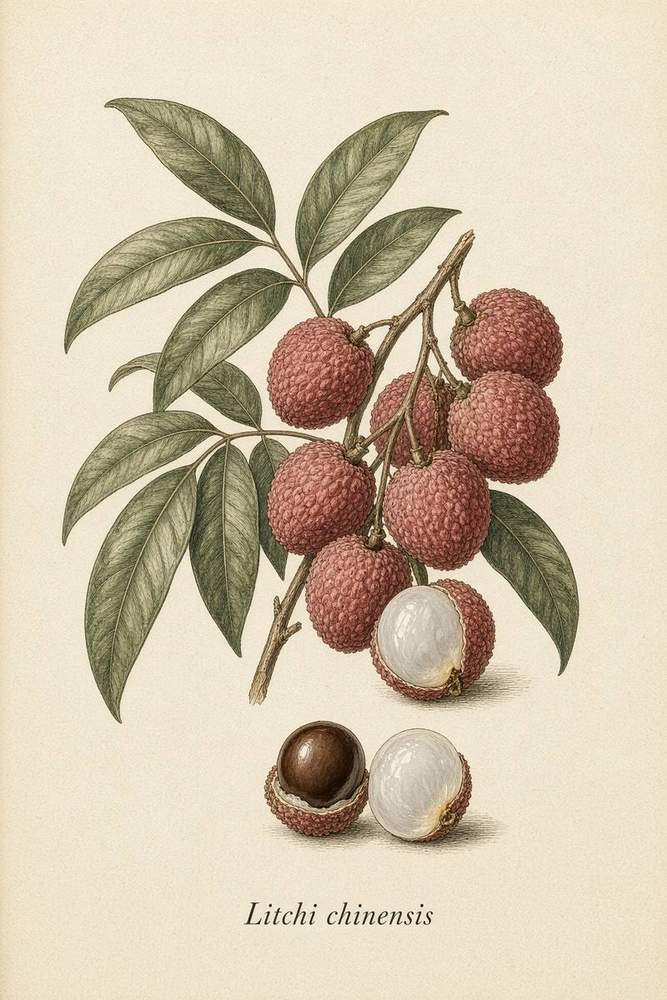
Lychee

Litchi chinensis

When
When the shell is fully red and the fruit feels full. They do not ripen off the tree.
Part
Ripe aril
In the field
Pick from a plant you grew or a market you trust. Leave wild stands of rare fruit alone.
Cure
Eat ripe. Freeze surplus, or a kitchen jam, pickle, or leather.
Store
Cool and dark for keepers; the fridge for tender fruit. Label the year on a winter squash or a cured tuber.
plant

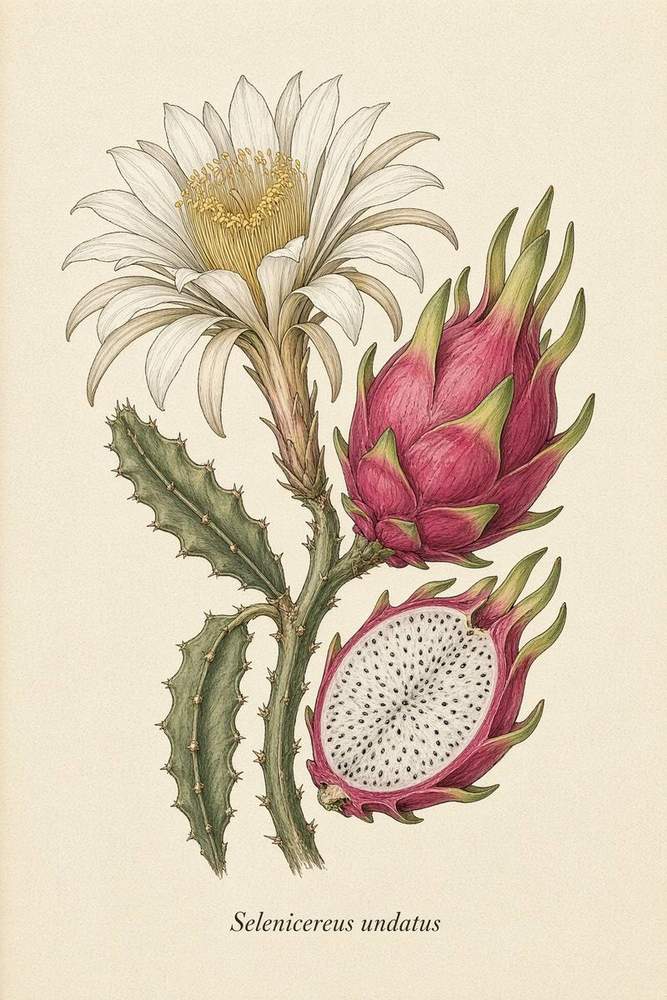
Dragon fruit

Selenicereus undatus

When
When the wings dull from green toward yellow-pink and the fruit yields.
Part
Ripe flesh
In the field
Pick from a plant you grew or a market you trust. Leave wild stands of rare fruit alone.
Cure
Eat ripe. Freeze surplus, or a kitchen jam, pickle, or leather.
Store
Cool and dark for keepers; the fridge for tender fruit. Label the year on a winter squash or a cured tuber.
plant

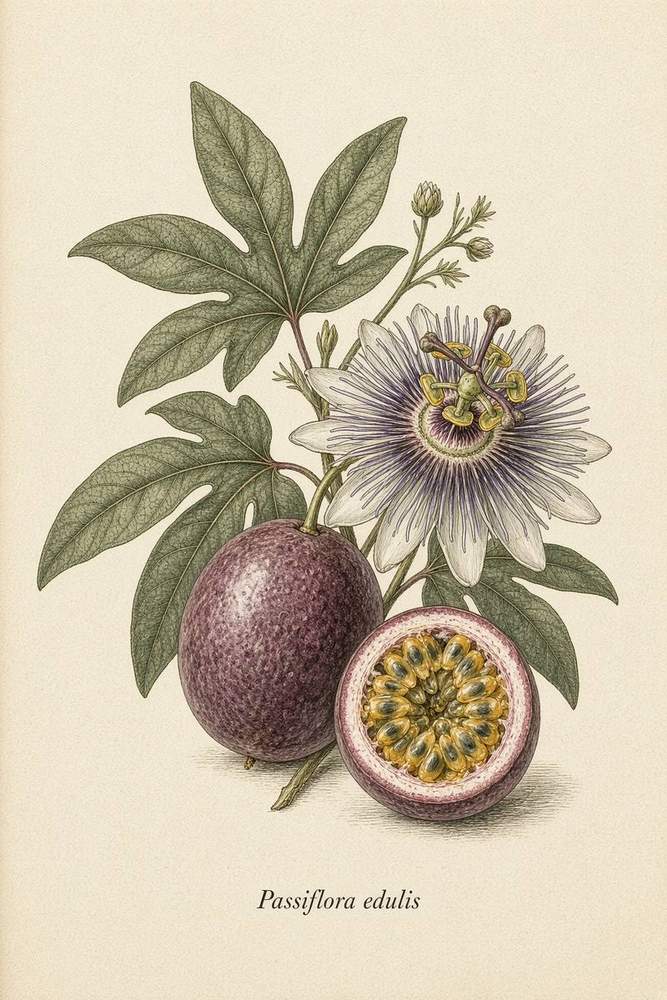
Passion fruit

Passiflora edulis

When
When fruit drops or the shell wrinkles and colors fully.
Part
Ripe pulp and seed
In the field
Pick from a plant you grew or a market you trust. Leave wild stands of rare fruit alone.
Cure
Eat ripe. Freeze surplus, or a kitchen jam, pickle, or leather.
Store
Cool and dark for keepers; the fridge for tender fruit. Label the year on a winter squash or a cured tuber.
plant

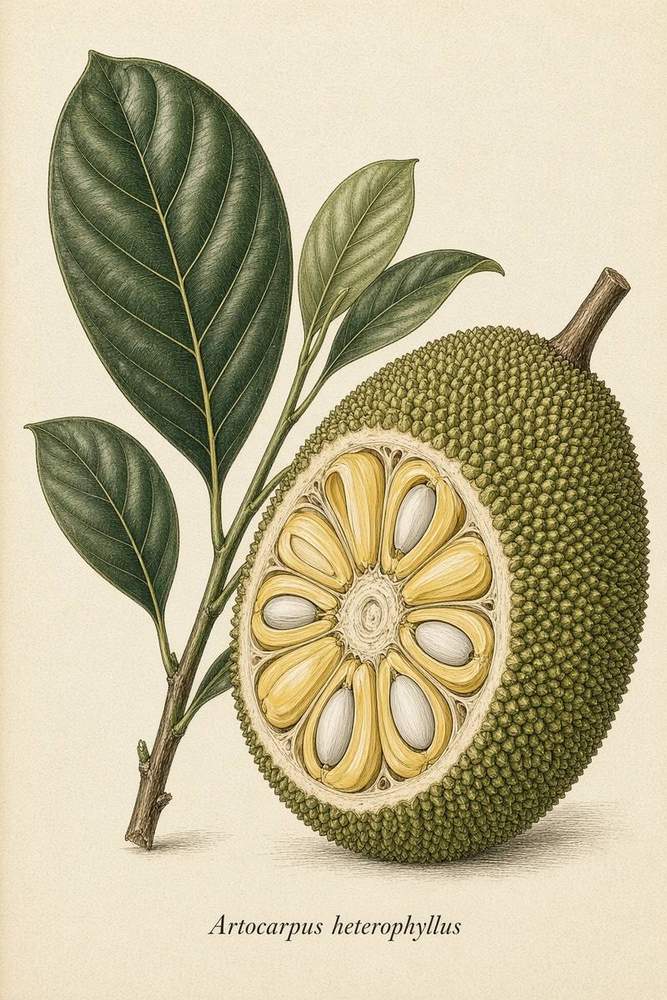
Jackfruit

Artocarpus heterophyllus

When
Ripe when it smells sweet from a distance and the skin yields. Young for savory, much earlier.
Part
Ripe bulbs · Young fruit (cooked)
In the field
Pick from a plant you grew or a market you trust. Leave wild stands of rare fruit alone.
Cure
Cure in shade if the plate says so; else store cool and dark, or cook soon.
Store
Cool and dark for keepers; the fridge for tender fruit. Label the year on a winter squash or a cured tuber.
plant

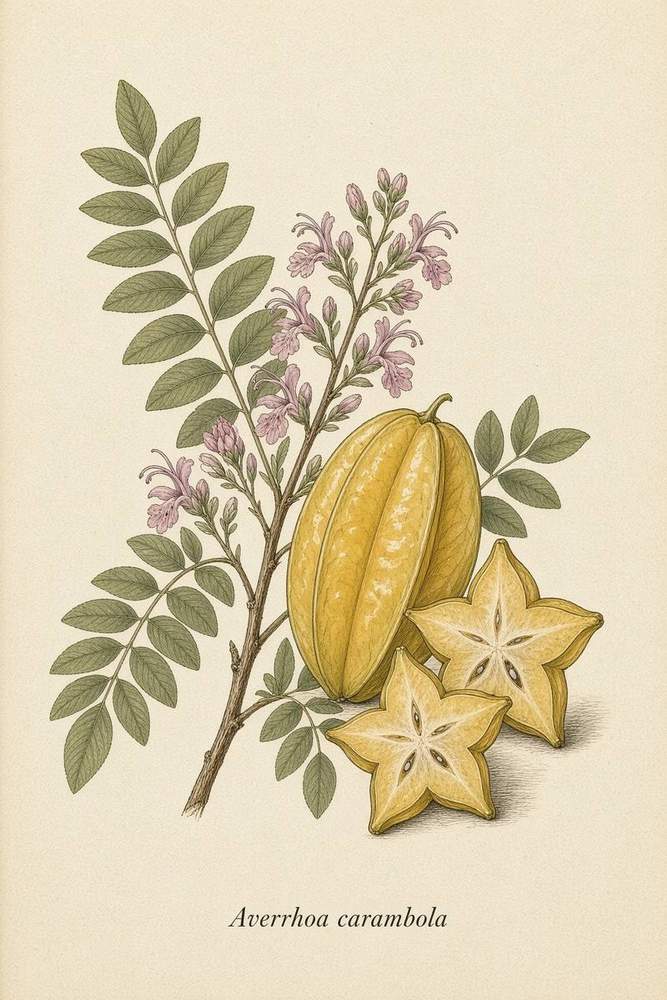
Starfruit

Averrhoa carambola

When
When yellow and slightly soft. Green is for pickle, not dessert.
Part
Ripe fruit
In the field
Pick from a plant you grew or a market you trust. Leave wild stands of rare fruit alone.
Cure
Eat ripe. Freeze surplus, or a kitchen jam, pickle, or leather.
Store
Cool and dark for keepers; the fridge for tender fruit. Label the year on a winter squash or a cured tuber.
plant

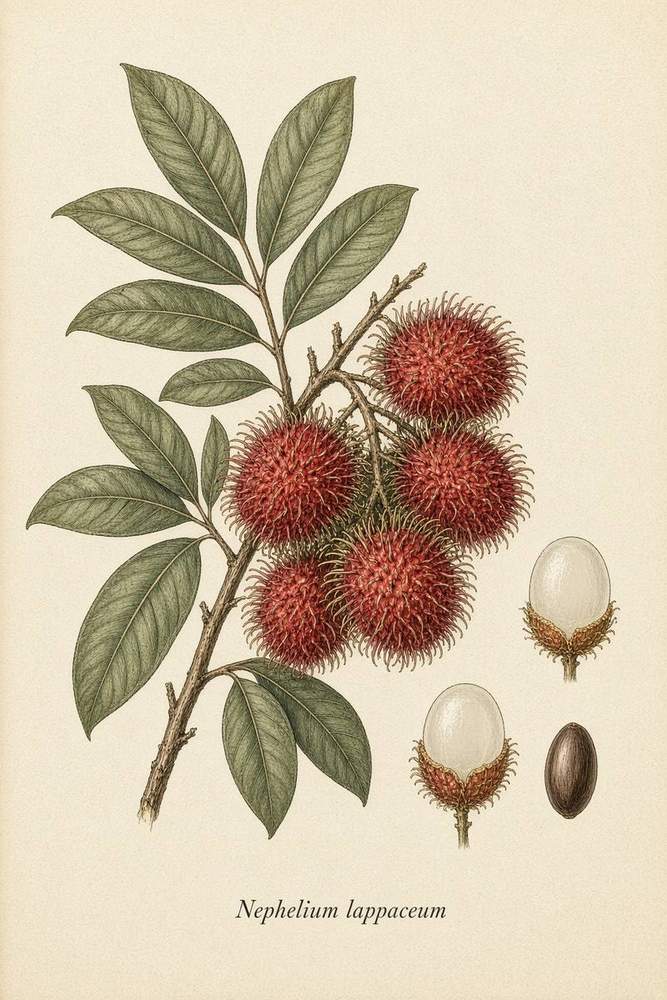
Rambutan

Nephelium lappaceum

When
When the hairs color fully (red, yellow, or orange by type) and the fruit feels full.
Part
Ripe aril
In the field
Pick from a plant you grew or a market you trust. Leave wild stands of rare fruit alone.
Cure
Eat ripe. Freeze surplus, or a kitchen jam, pickle, or leather.
Store
Cool and dark for keepers; the fridge for tender fruit. Label the year on a winter squash or a cured tuber.
plant

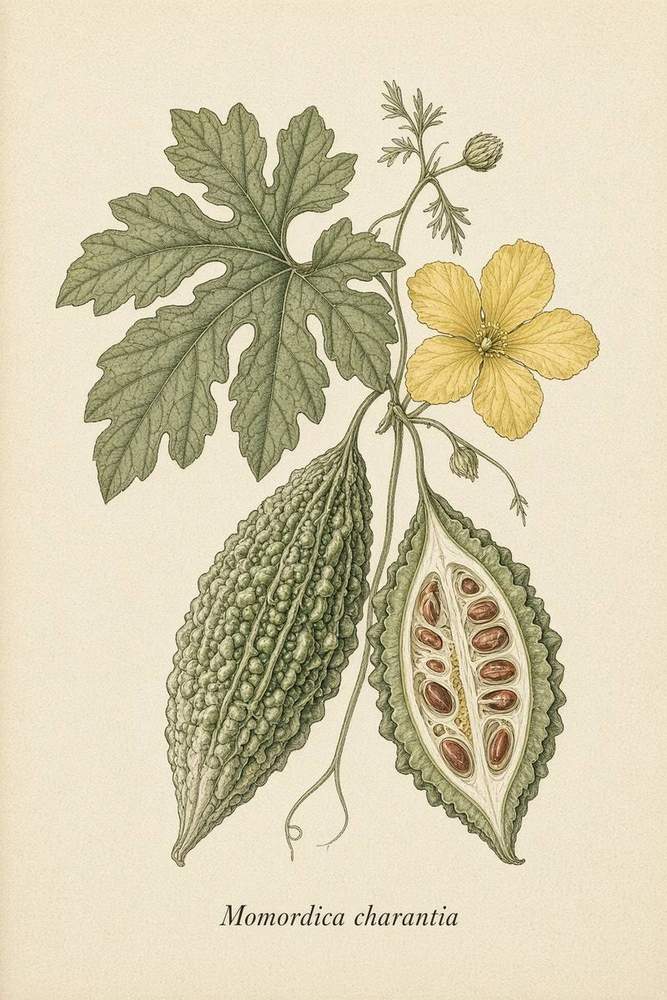
Bitter melon

Momordica charantia

When
Young, still green, before the fruit colors and splits to show red arils — unless you want the sweet seed snack.
Part
Young fruit, cooked
In the field
Pick from a plant you grew or a market you trust. Leave wild stands of rare fruit alone.
Cure
Eat ripe. Freeze surplus, or a kitchen jam, pickle, or leather.
Store
Cool and dark for keepers; the fridge for tender fruit. Label the year on a winter squash or a cured tuber.
plant

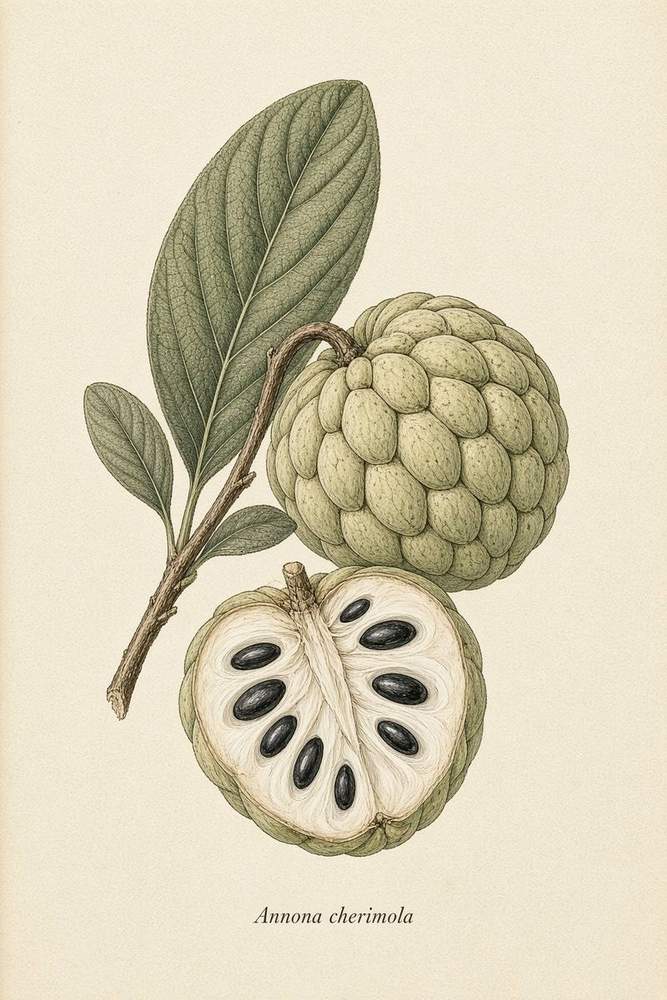
Cherimoya

Annona cherimola

When
When it just yields. Ripen on the counter if mature-hard.
Part
Ripe flesh
In the field
Pick from a plant you grew or a market you trust. Leave wild stands of rare fruit alone.
Cure
Eat ripe. Freeze surplus, or a kitchen jam, pickle, or leather.
Store
Cool and dark for keepers; the fridge for tender fruit. Label the year on a winter squash or a cured tuber.
plant

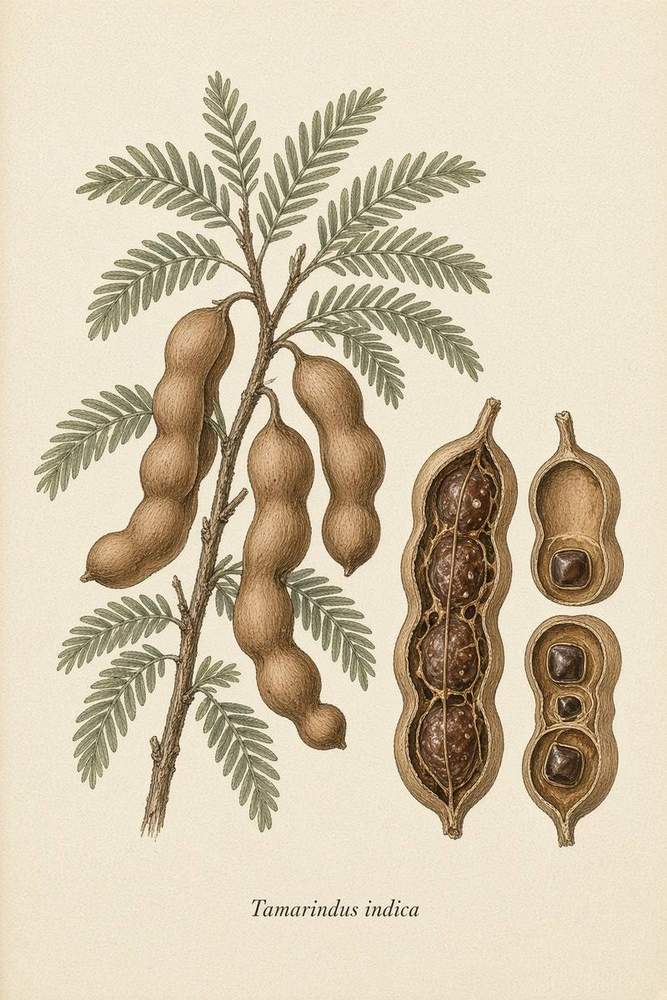
Tamarind

Tamarindus indica

When
When pods brown and brittle and the pulp is sticky-dark, not green.
Part
Ripe pulp
In the field
Pick from a plant you grew or a market you trust. Leave wild stands of rare fruit alone.
Cure
Eat ripe. Freeze surplus, or a kitchen jam, pickle, or leather.
Store
Cool and dark for keepers; the fridge for tender fruit. Label the year on a winter squash or a cured tuber.
plant

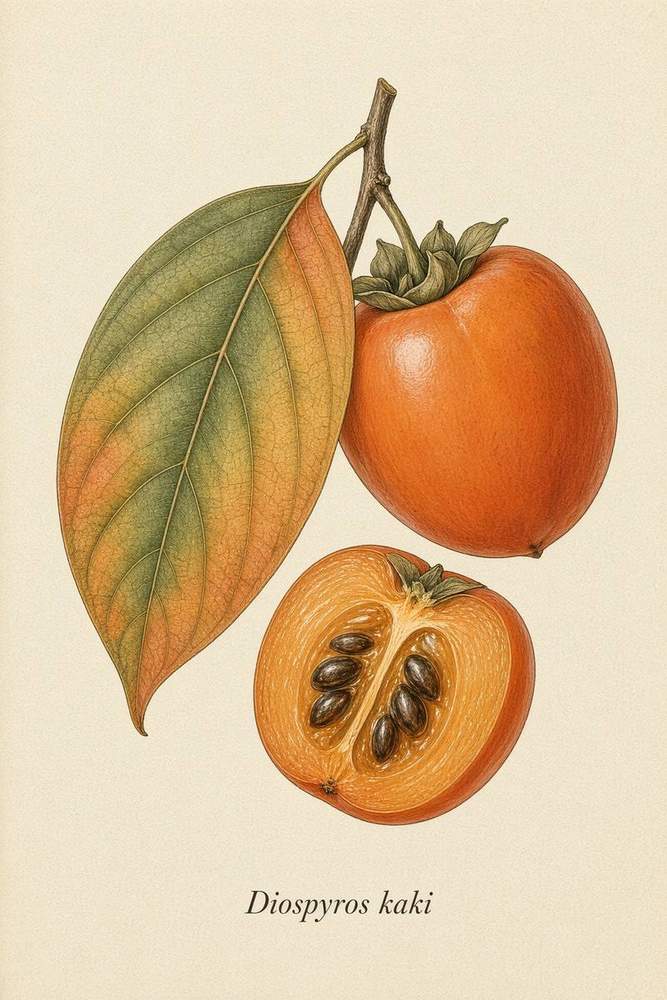
Persimmon

Diospyros kaki

When
Fuyu fully colored and still firm. Hachiya fully colored and soft, often after a frost.
Part
Ripe fruit
In the field
Pick from a plant you grew or a market you trust. Leave wild stands of rare fruit alone.
Cure
Eat ripe. Freeze surplus, or a kitchen jam, pickle, or leather.
Store
Cool and dark for keepers; the fridge for tender fruit. Label the year on a winter squash or a cured tuber.
plant

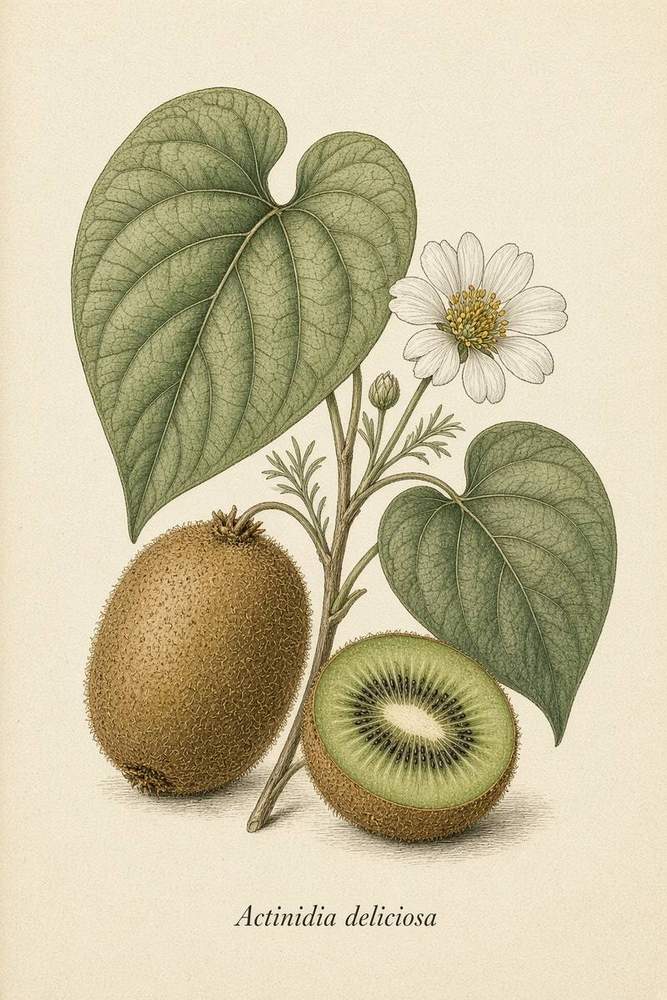
Kiwi

Actinidia deliciosa

When
When they just yield. Ripen off the vine if mature.
Part
Ripe fruit
In the field
Pick from a plant you grew or a market you trust. Leave wild stands of rare fruit alone.
Cure
Eat ripe. Freeze surplus, or a kitchen jam, pickle, or leather.
Store
Cool and dark for keepers; the fridge for tender fruit. Label the year on a winter squash or a cured tuber.
plant

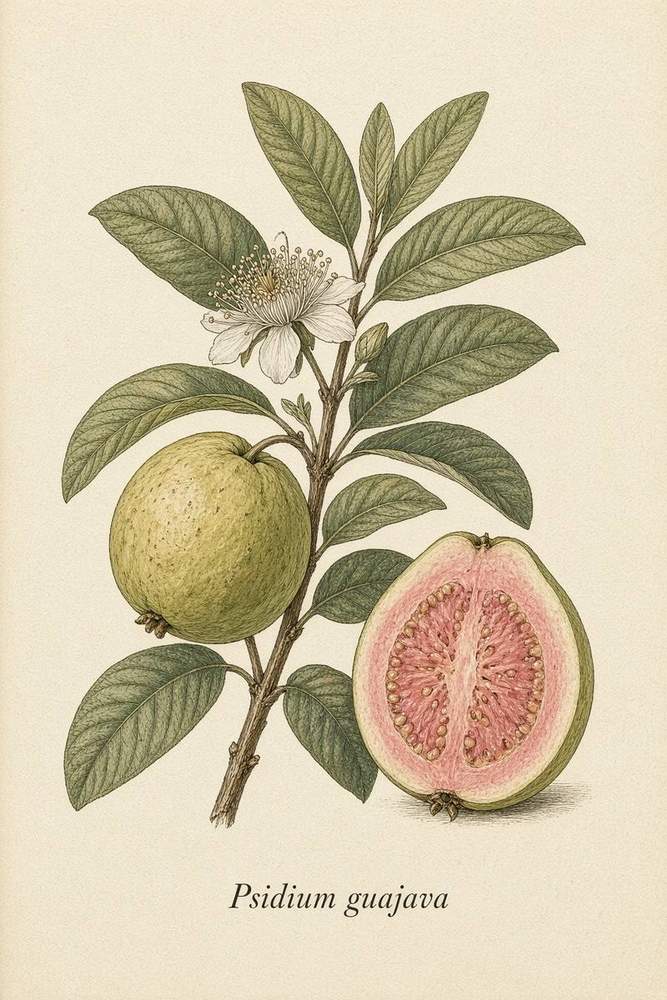
Guava

Psidium guajava

When
When it yields and the perfume is unmistakable. Green is astringent.
Part
Ripe fruit
In the field
Pick from a plant you grew or a market you trust. Leave wild stands of rare fruit alone.
Cure
Eat ripe. Freeze surplus, or a kitchen jam, pickle, or leather.
Store
Cool and dark for keepers; the fridge for tender fruit. Label the year on a winter squash or a cured tuber.

Not sure what you cut? Photograph it first.