Symptom index
Find a plant by how you feel
Type a symptom — cough, sleep, skin — or tap a chip. Matching plates, teas, and remedies rise to the top. This is a folk index, not a diagnosis.
20 plates for cough
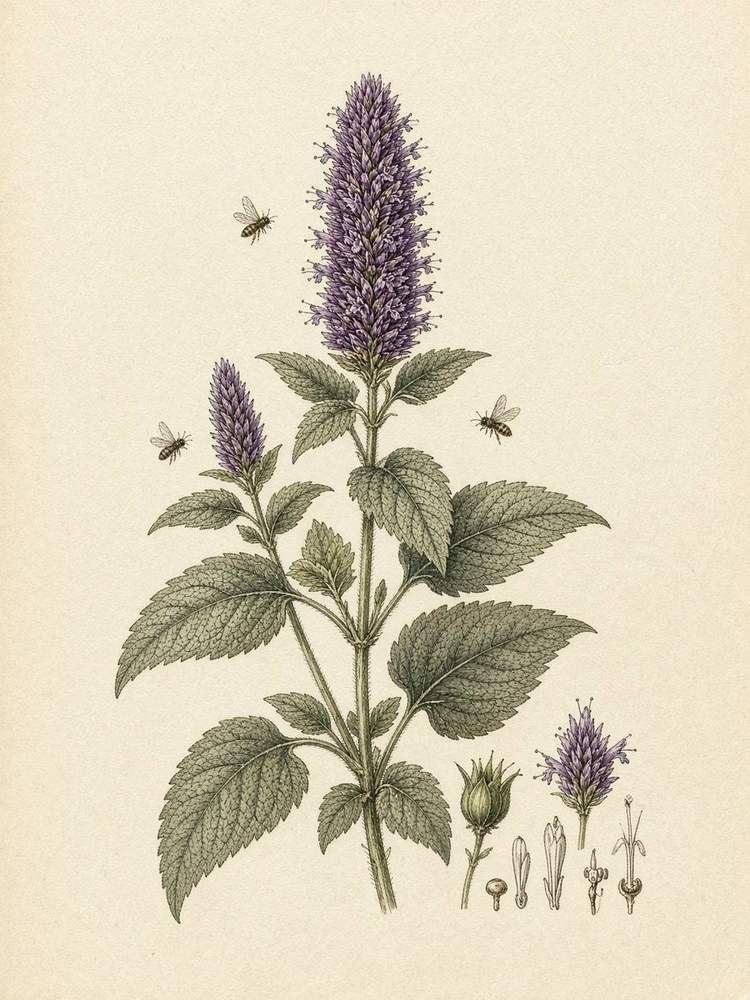
Anise hyssop
Agastache foeniculum
A prairie mint that smells of licorice and basil — a bee spike, a tea, and a name that lies in two directions.
cough
1/1LegalGentle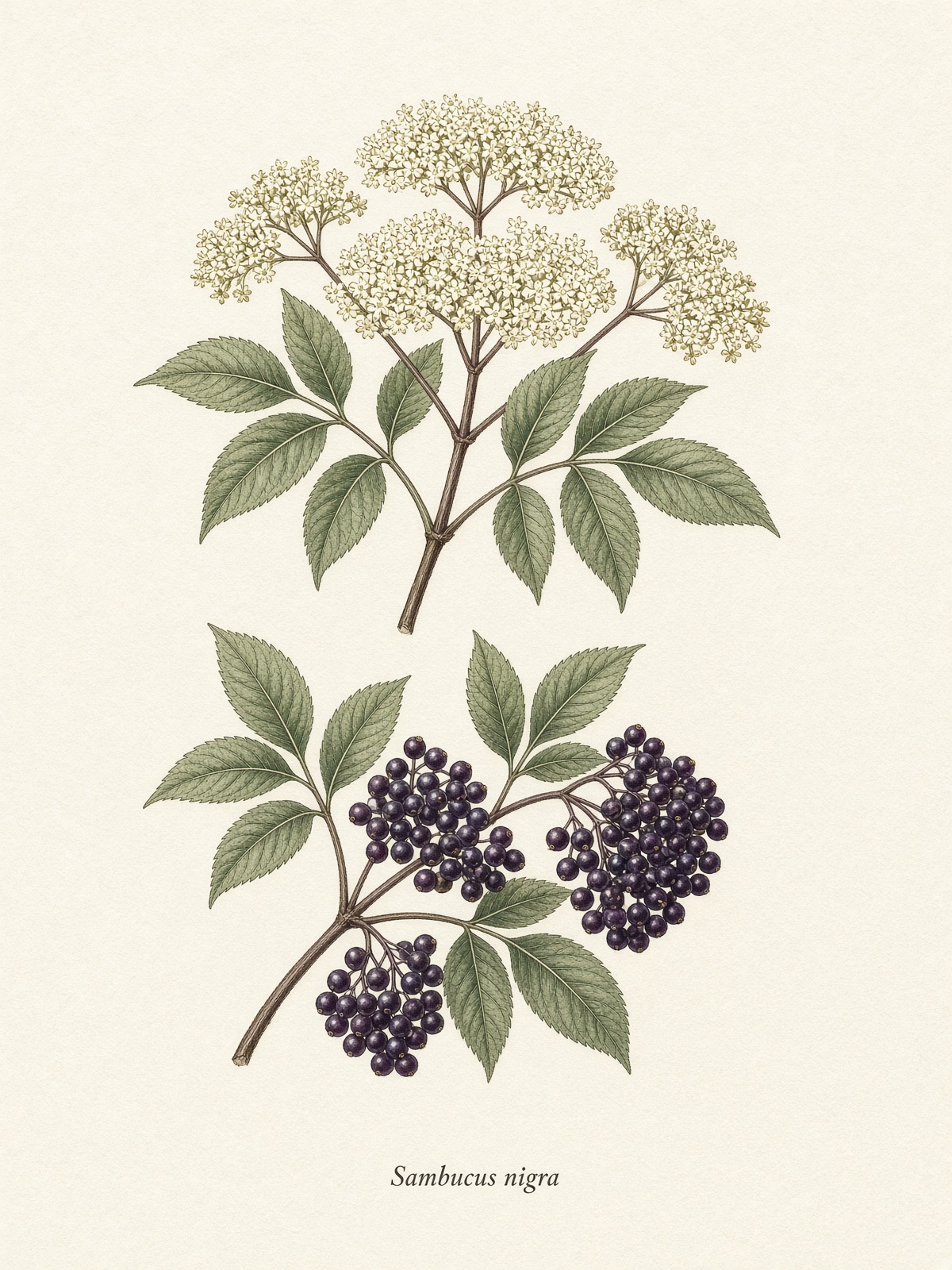
Elderberry
Sambucus nigra
Dark berries cooked into syrup at the first winter cough — never eaten raw.
cough
1/1LegalCaution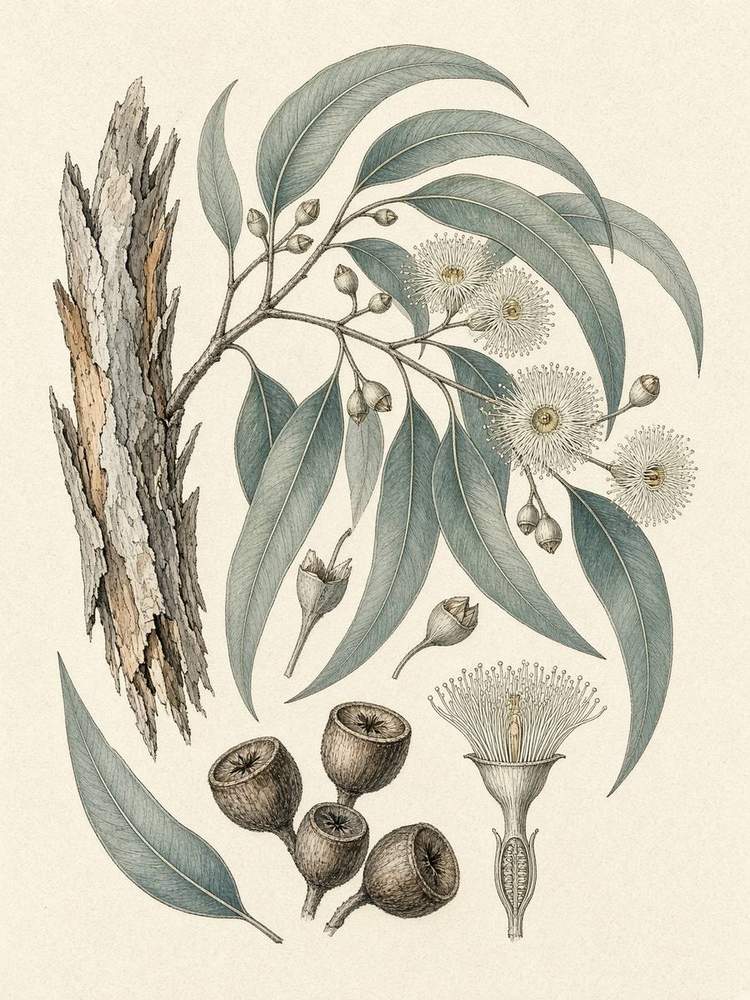
Eucalyptus
Eucalyptus globulus
Blue gum — the fever tree of Australia, a steam-inhalation leaf, and an oil that does not belong in a cup.
cough
1/1LegalCaution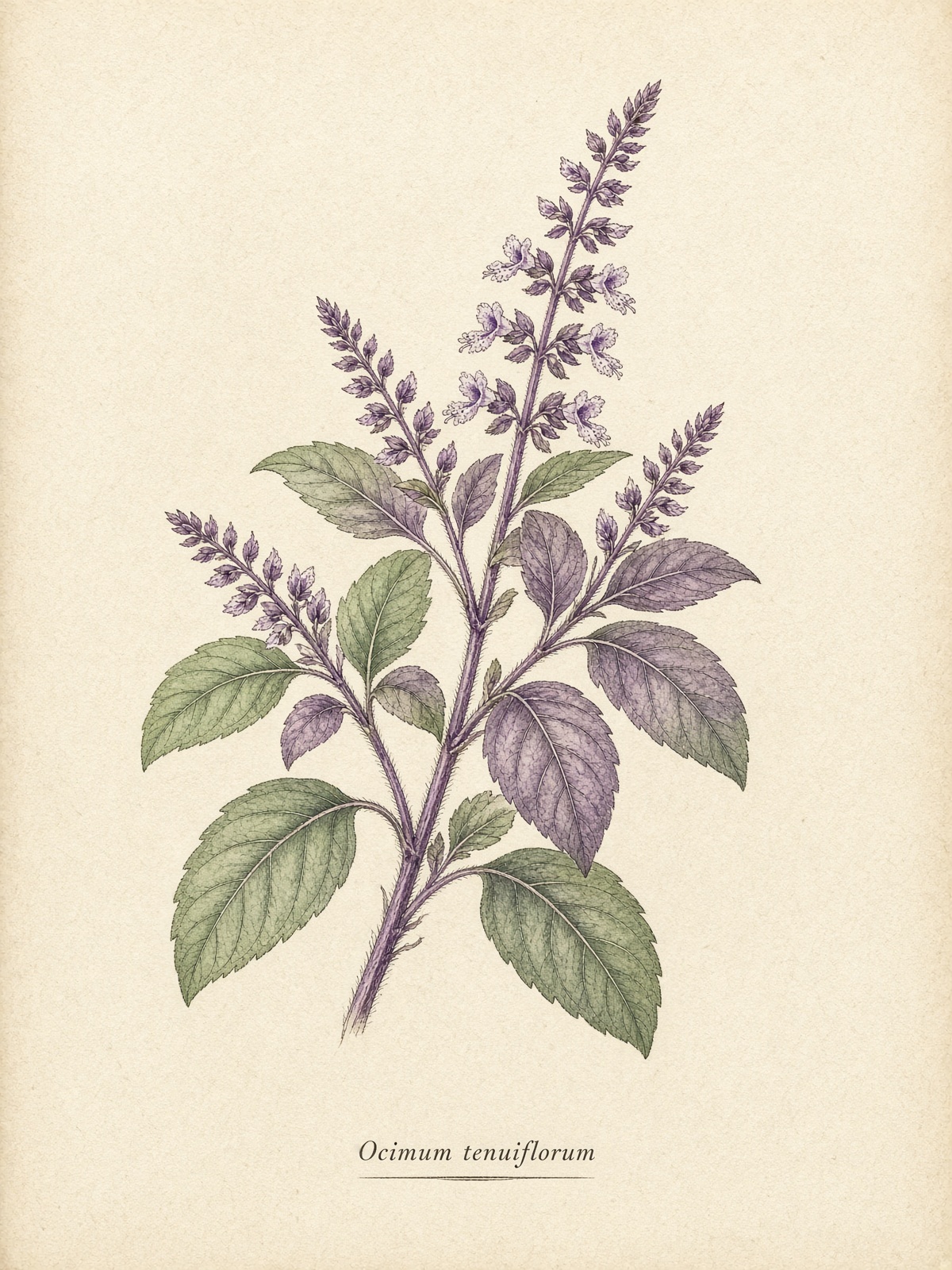
Holy basil
Ocimum tenuiflorum
Tulsi — the daily adaptogen tea of Indian households, peppery and clarifying.
cough
1/1LegalGentle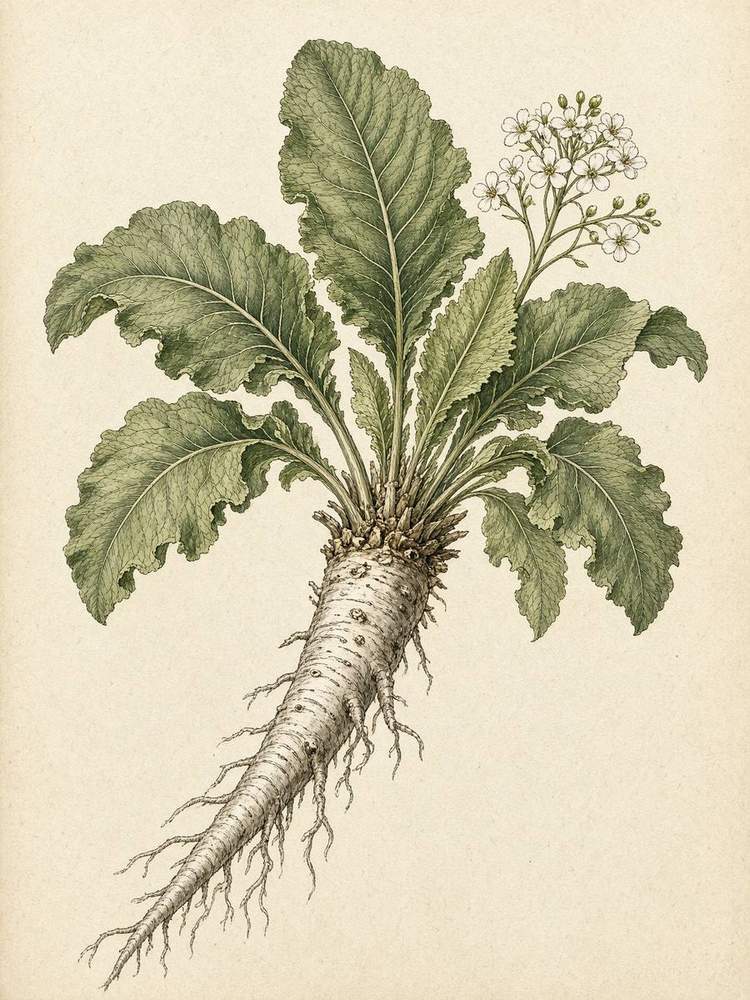
Horseradish
Armoracia rusticana
The sinus-clearing white root of spring — a prepared-sauce plant with a traditional wet-cough folklore.
cough
1/1LegalGentle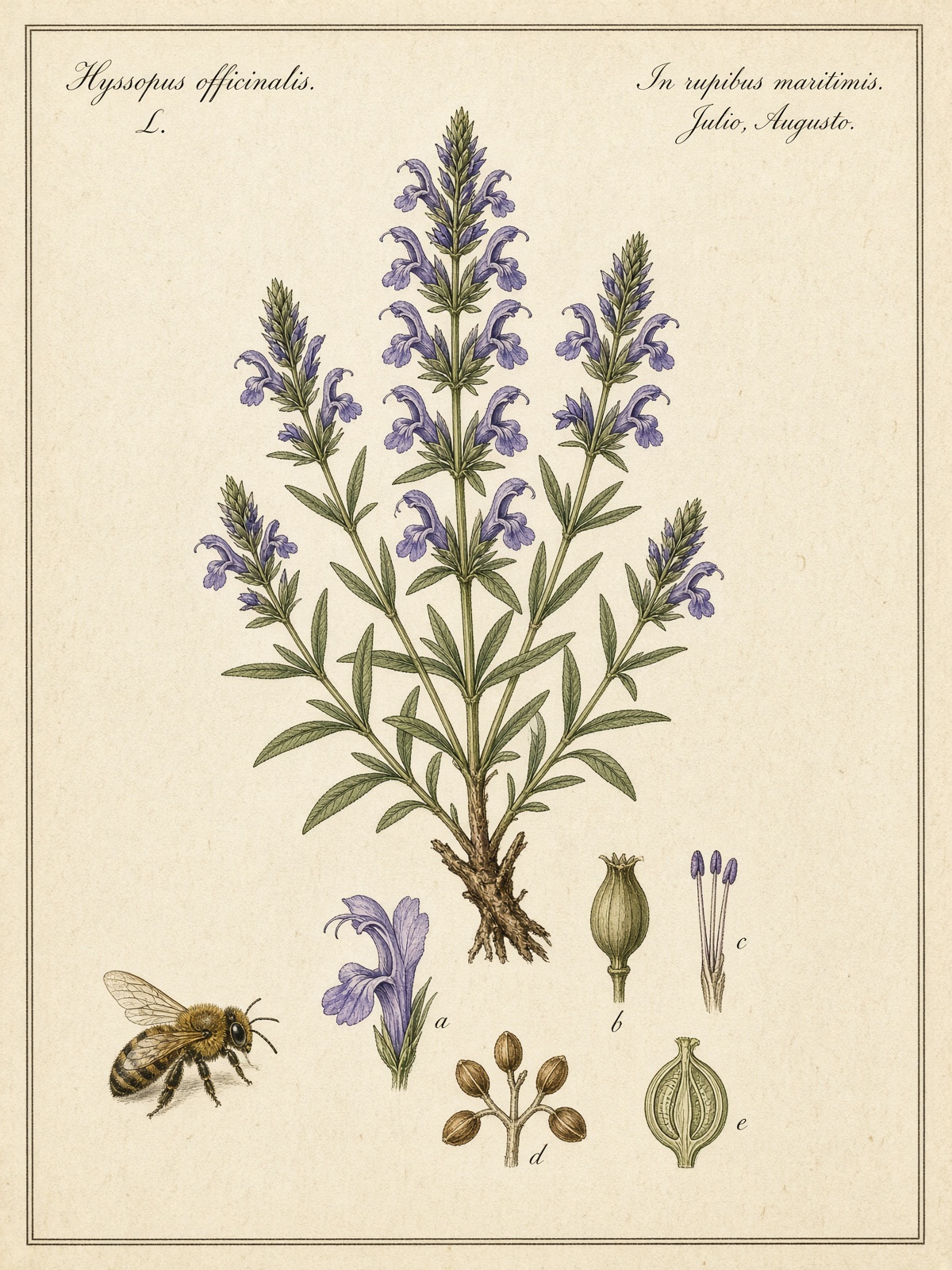
Hyssop
Hyssopus officinalis
A blue-spike Mediterranean bitter for the chest — a bee plant with a camphor edge.
cough
1/1LegalGentle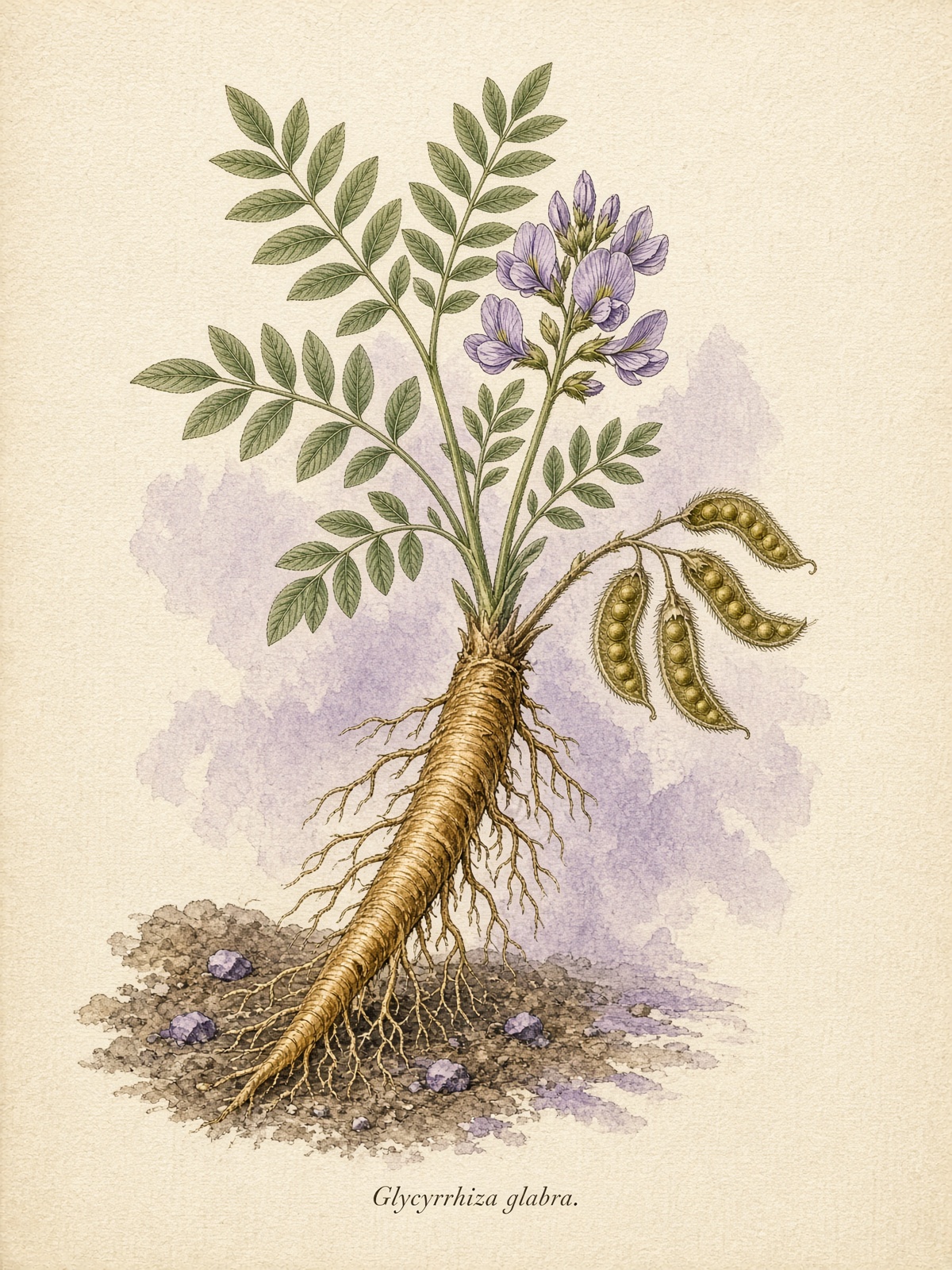
Licorice
Glycyrrhiza glabra
Sweet root that soothes mucosa and supports adrenals — and can raise blood pressure if overused.
cough
1/1LegalCaution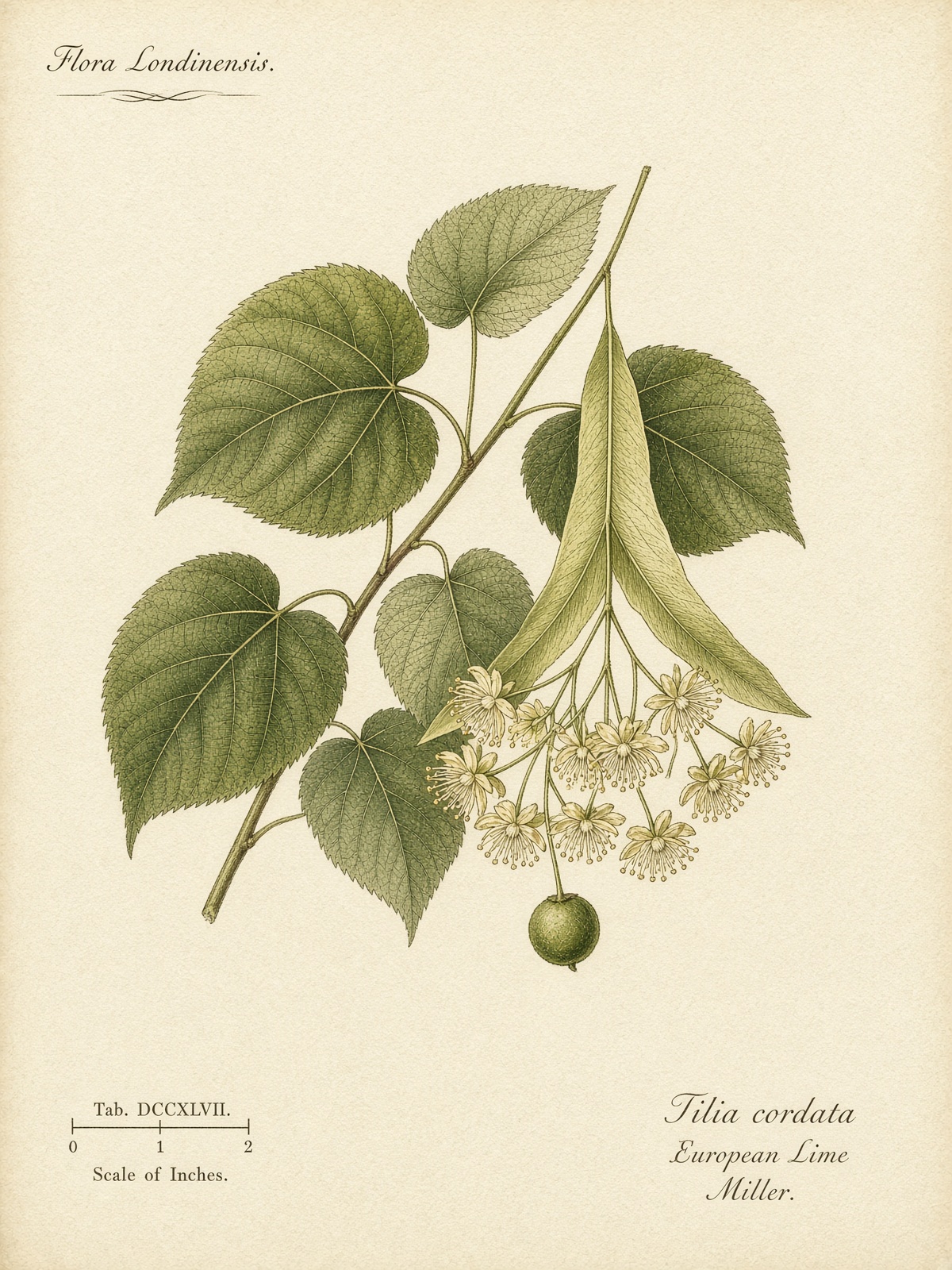
Linden
Tilia cordata
Heart-shaped leaves and a honey-bract blossom — the classic European calm-and-cold tea.
cough
1/1LegalGentle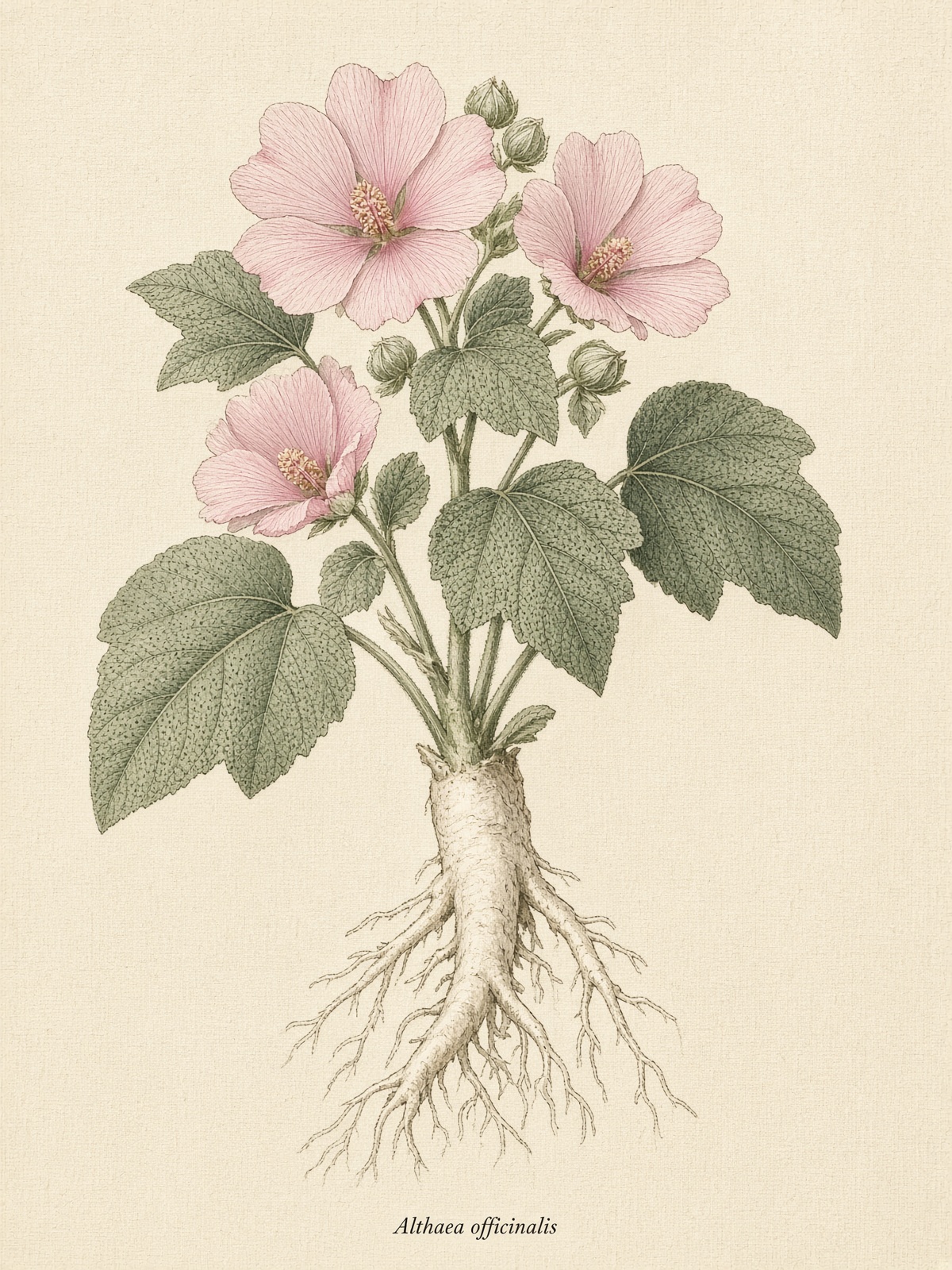
Marshmallow
Althaea officinalis
A velvety marsh mallow whose root and leaf soothe raw mucosa.
cough
1/1LegalGentle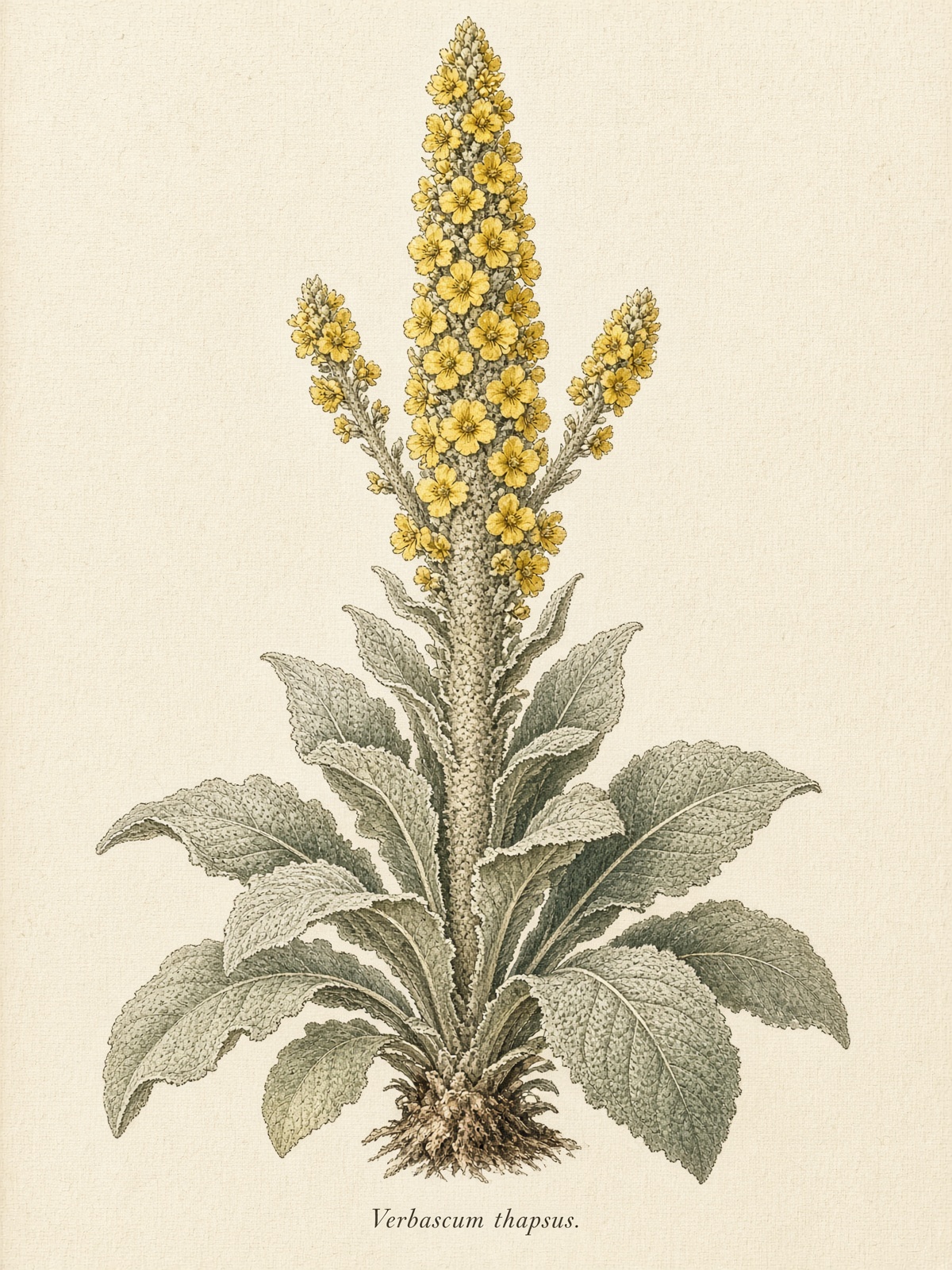
Mullein
Verbascum thapsus
A woolly candelabra for the lungs — flowers also oil for the ear in folk practice.
cough
1/1LegalGentle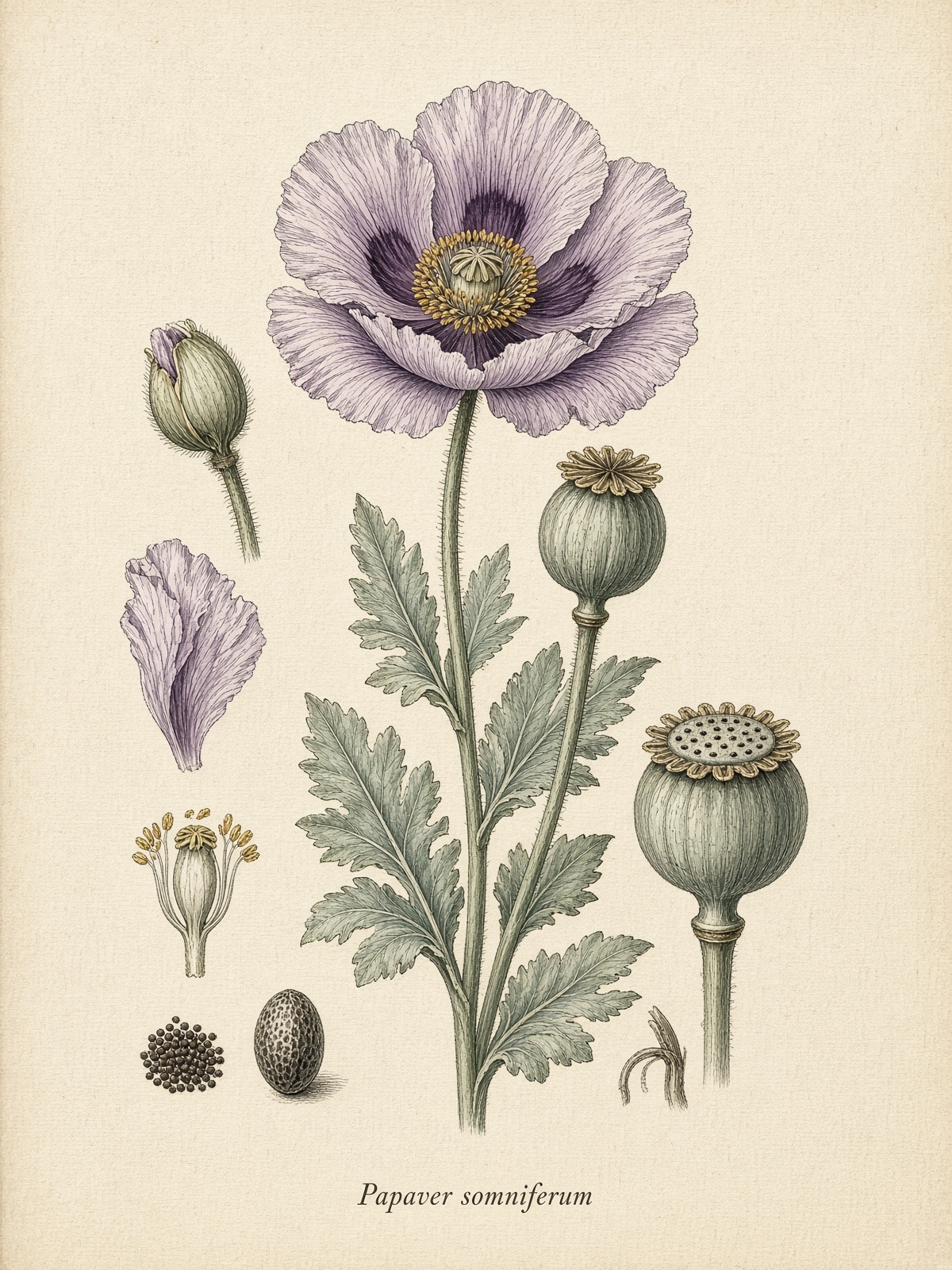
Opium poppy
Papaver somniferum
The garden poppy that also yields opium — a beautiful annual whose latex is the source of morphine, codeine, and a century of addiction medicine.
cough
1/1RestrictedDeadly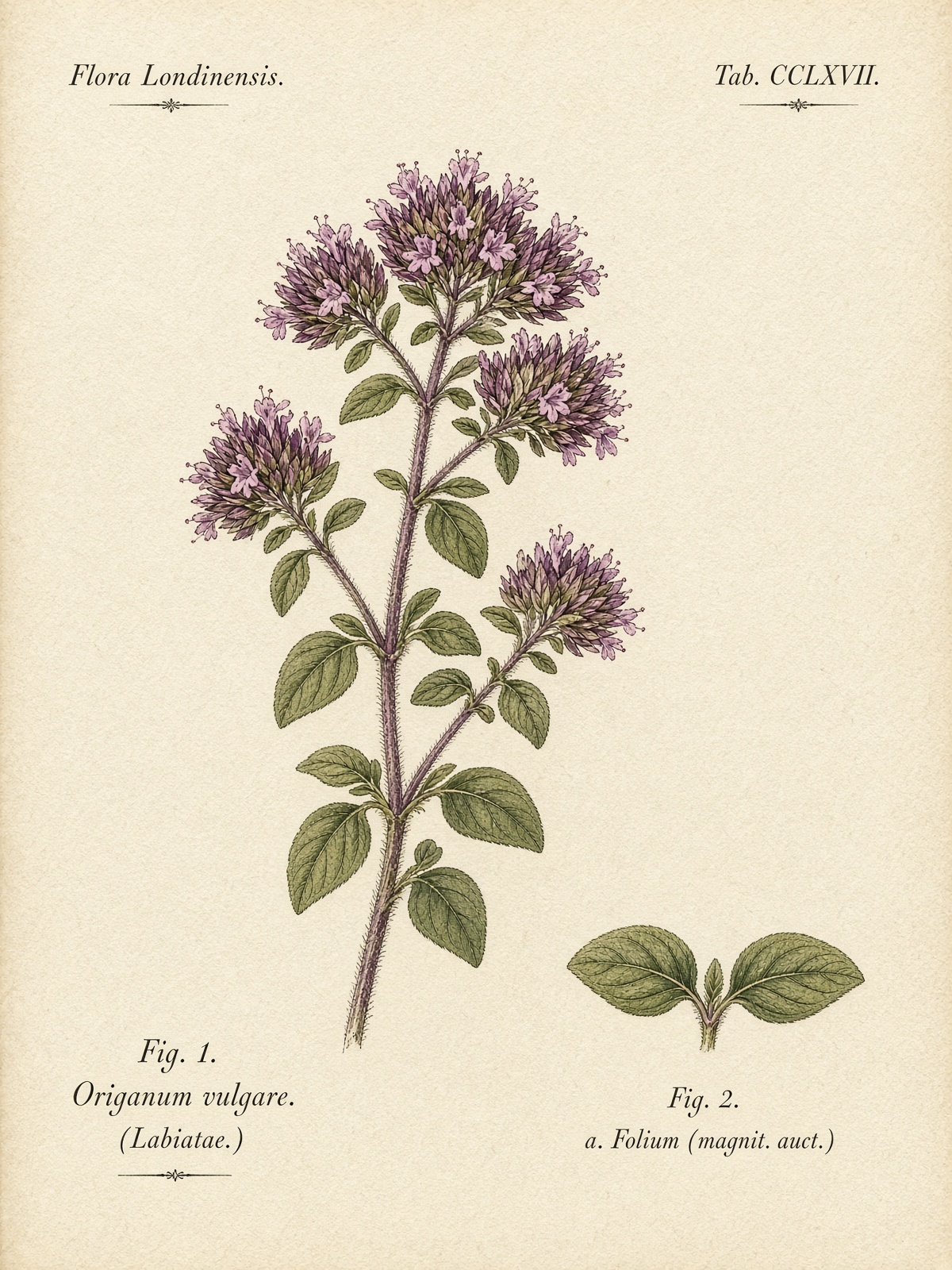
Oregano
Origanum vulgare
A hot Mediterranean mint — pizza leaf, and a traditional winter antimicrobial tea.
cough
1/1LegalGentle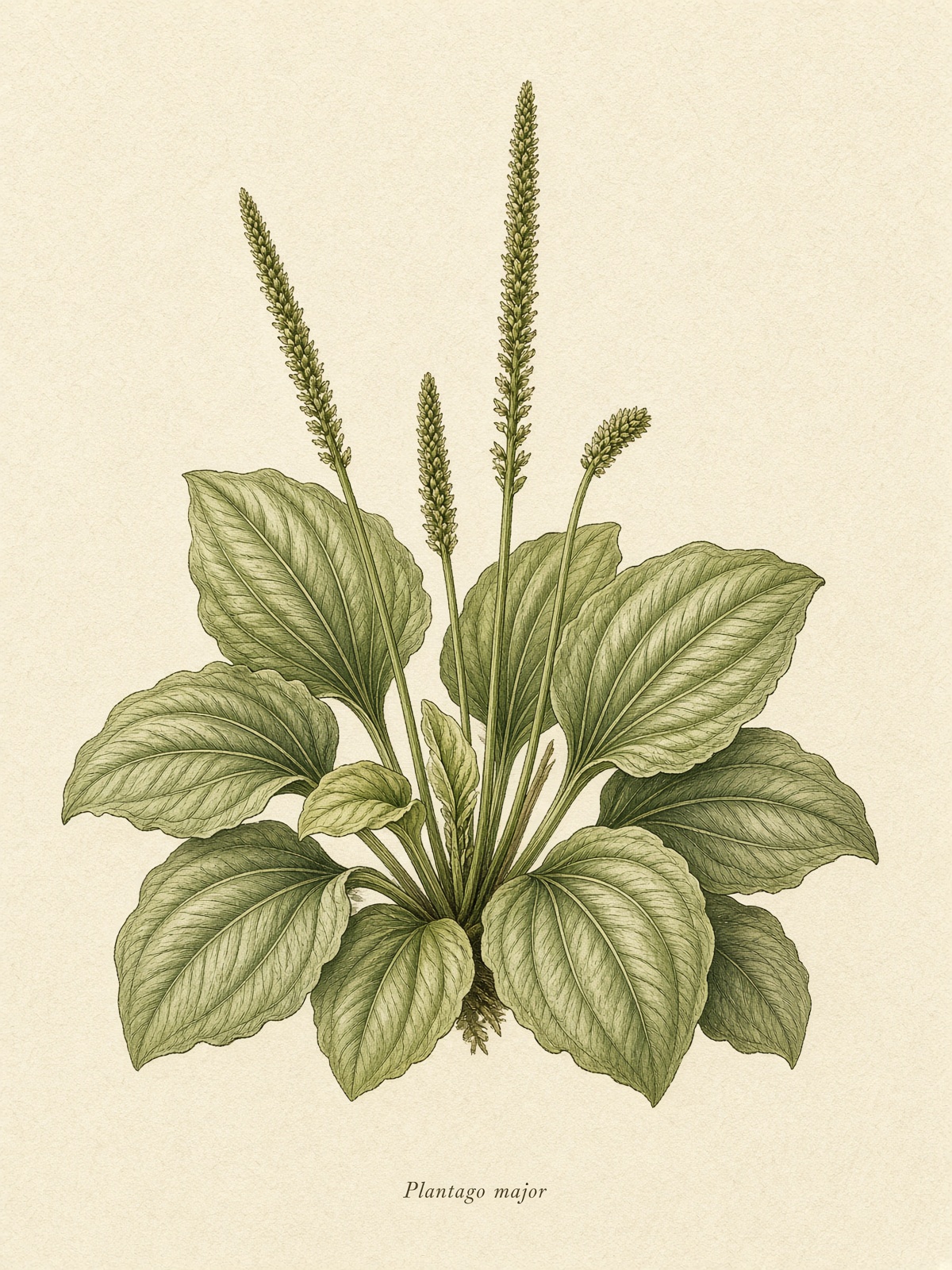
Plantain
Plantago major
The ribbed lawn weed you step on — a first-aid leaf for bites and scrapes.
cough
1/1LegalGentle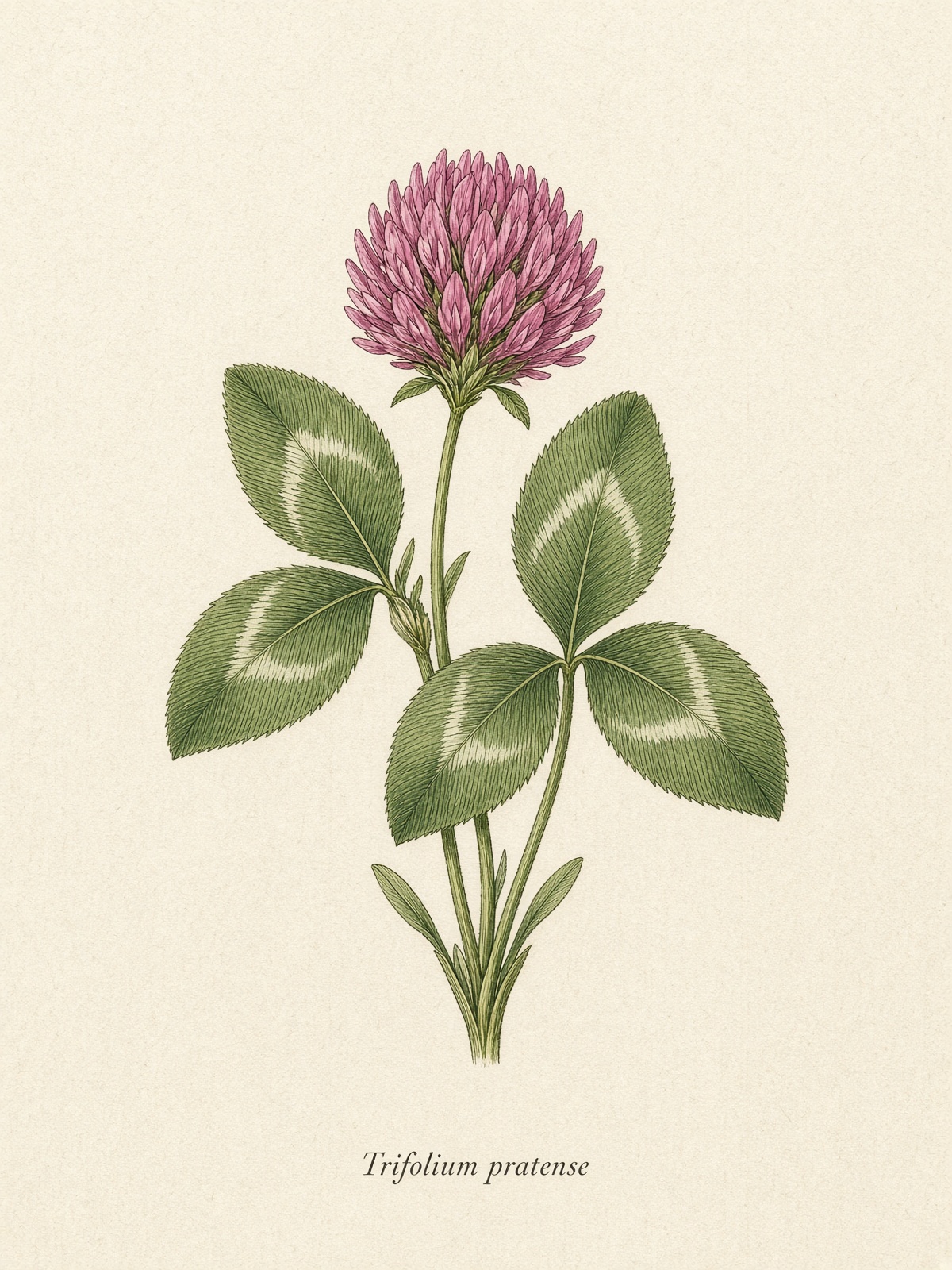
Red clover
Trifolium pratense
A magenta meadow blossom used as a gentle blood-and-skin tea.
cough
1/1LegalGentle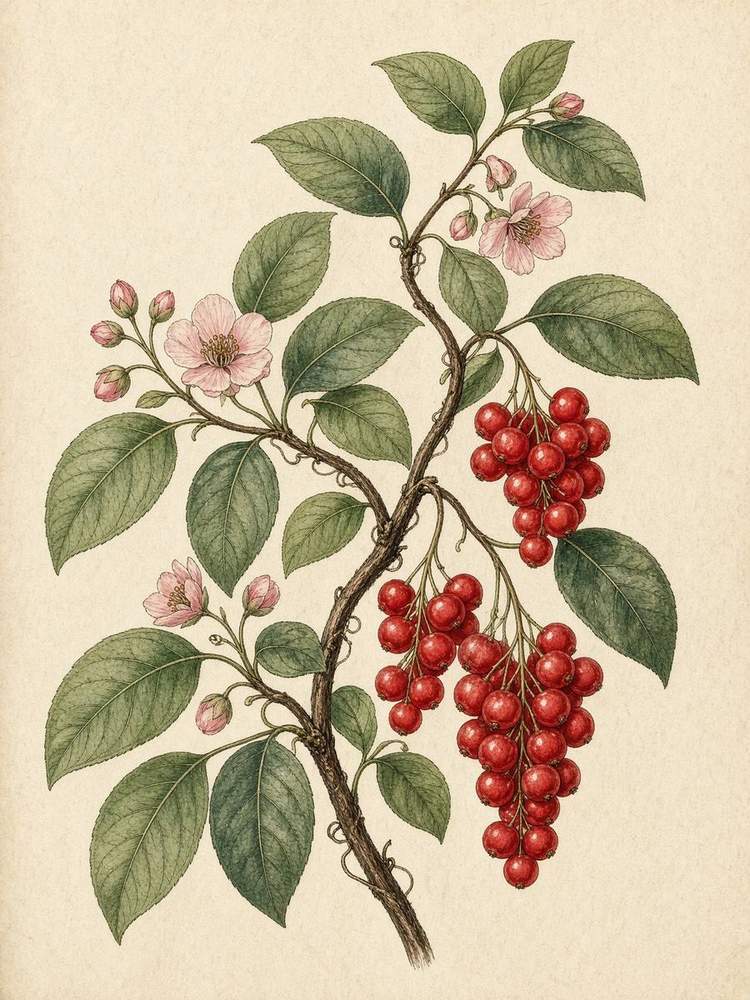
Schisandra
Schisandra chinensis
The five-flavor berry of Chinese tonic medicine — sour, sweet, bitter, pungent, and salty in one hanging cluster.
cough
1/1LegalGentle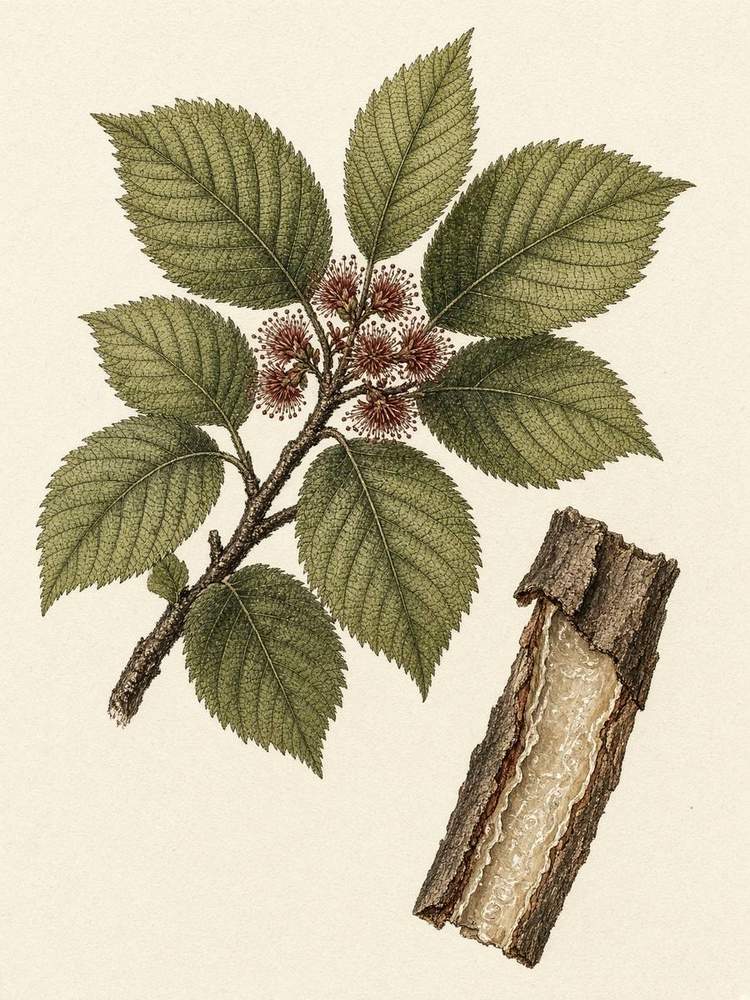
Slippery elm
Ulmus rubra
The mucilaginous inner bark of an American elm — a slippery tea for a raw throat and a raw gut.
cough
1/1LegalGentle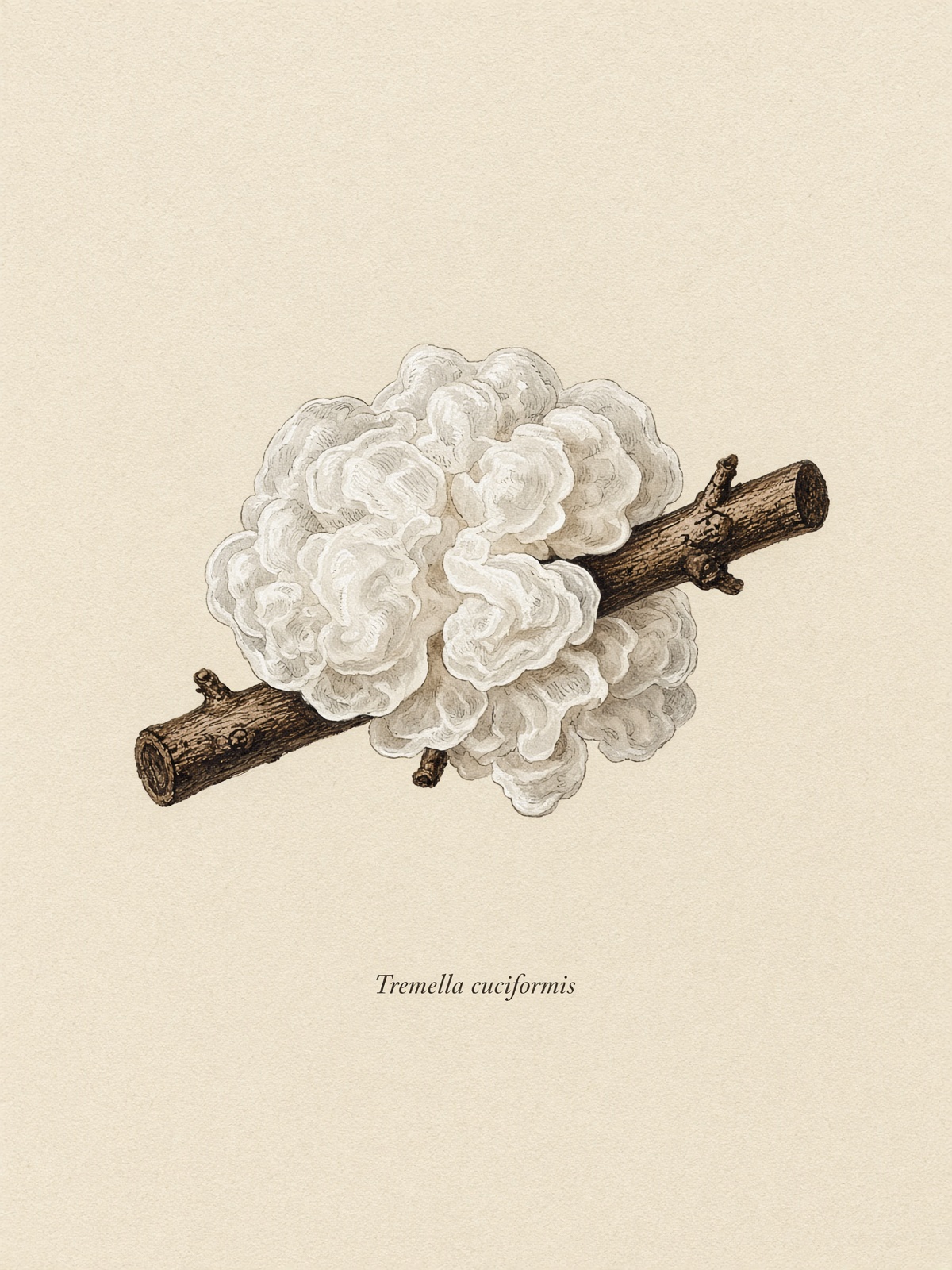
Snow fungus
Tremella fuciformis
A translucent white jelly used in Chinese kitchens for skin, lung Yin, and a silky soup.
cough
1/1LegalGentle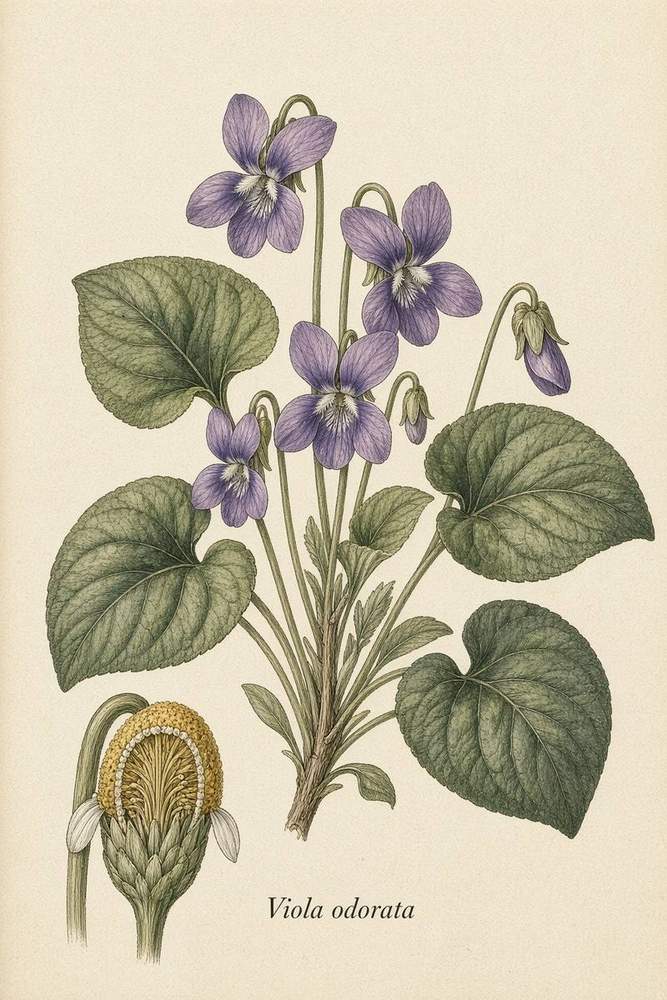
Sweet violet
Viola odorata
The April violet of scent, sugar, and a syrup the color of dusk — a woodland edge plant, not a summer bed.
cough
1/1LegalGentle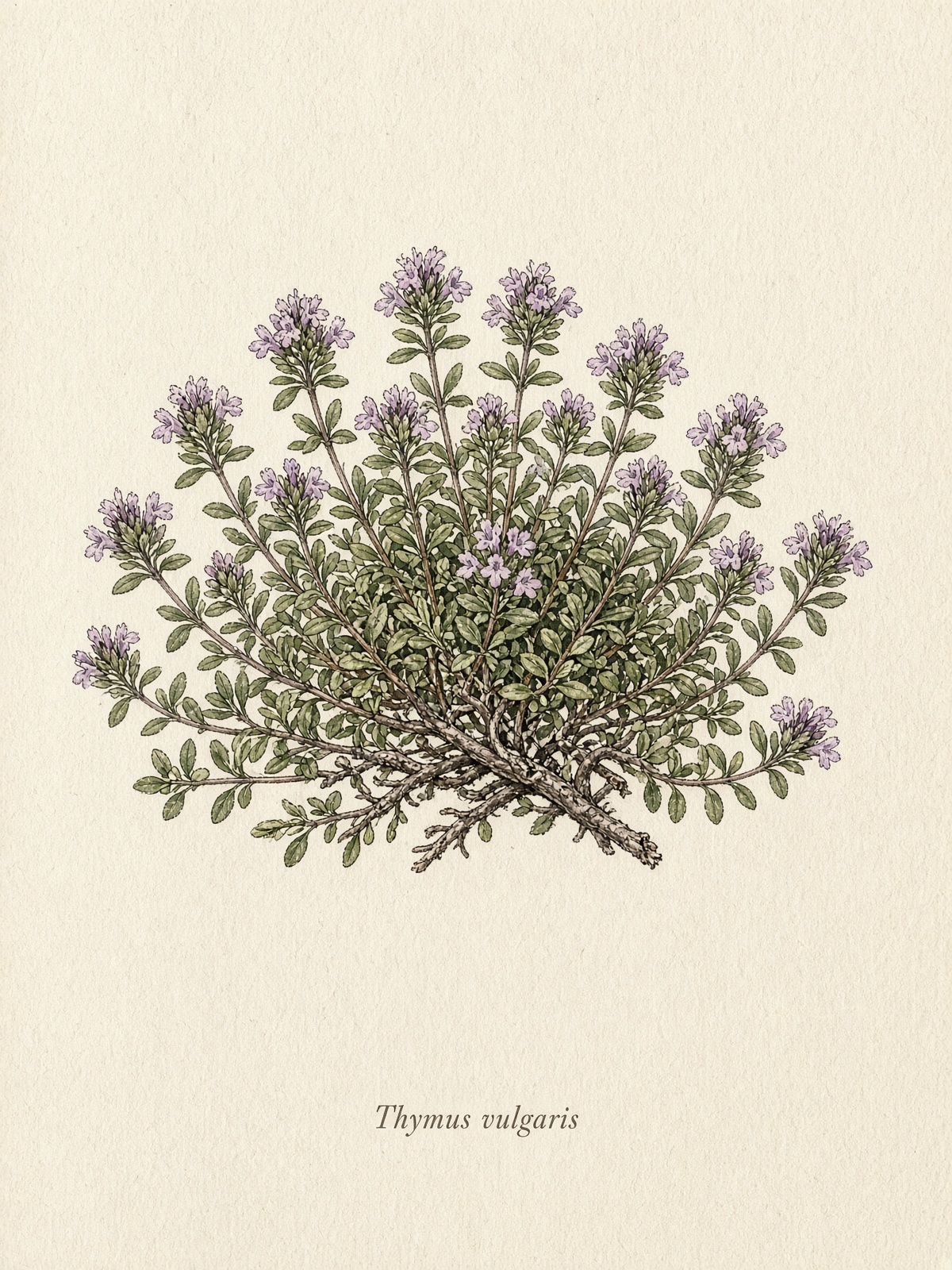
Thyme
Thymus vulgaris
A low cushion of thymol — the classic kitchen antimicrobial for coughs.
cough
1/1LegalGentle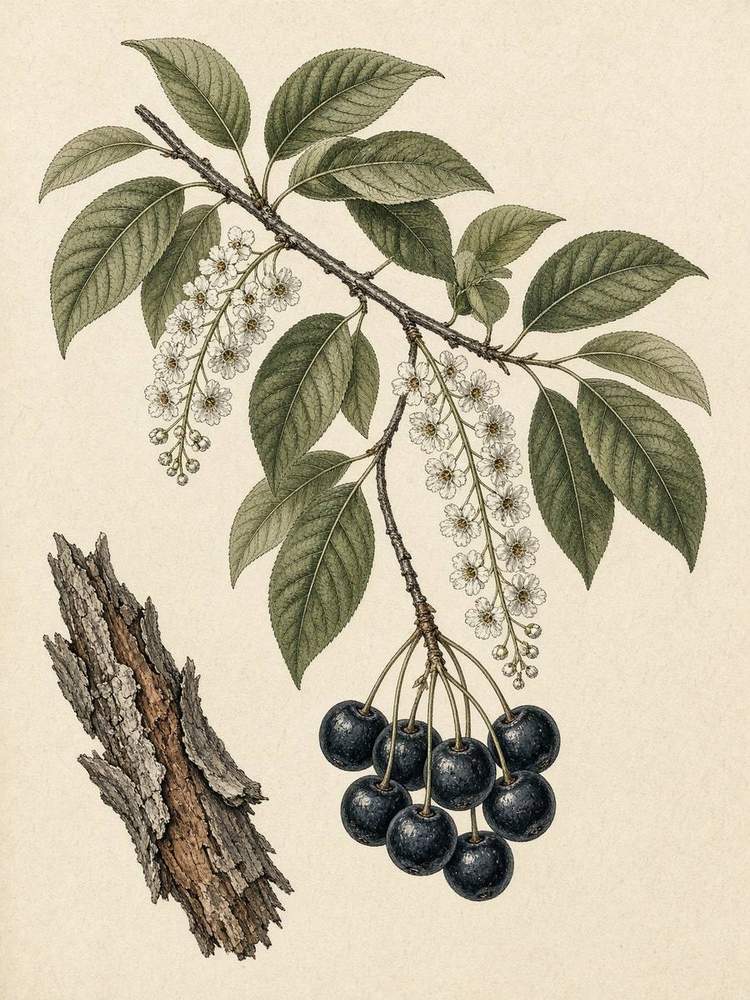
Wild cherry
Prunus serotina
Black cherry of eastern woods — a cough-bark folklore, and a tree whose wilted leaves are a livestock warning.
cough
1/1LegalCaution
Teas for the same symptoms
Medicinal teas
Five-flavor berry kettle
A sour tonic after a long week — fatigue and a dry, tickly cough in one puckering cup.
cough
Garlic-and-thyme kettle
A short, savory kitchen broth when a cold is coming in — food, not a penicillin.
cough
Marshmallow cold cup
A slippery, almost flavorless coat for a raw throat or irritated gut — mucilage, not spice.
cough
Sage gargle
A dry, aromatic rinse for a scratchy throat — spit or a small swallow, not a pint.
cough
Slippery elm gruel
Coat a raw throat or an irritated gut — bland, slippery, a recovery food more than a flavor.
cough
Thyme-and-honey chest cup
A short, warm cup for a wet or rattling cough — not pneumonia.
cough
Household protocols
Natural remedies
Onion-and-honey spoon
A folk cough spoon from the allium drawer — kitchen, not a whooping-cough plan.
Dose: Adult: 1 tsp of the collected syrup, 2–3 times a day, 2–3 days. Not for infants (honey).
Safety: Infants · Onion allergy
Sage and thyme gargle
A hot, aromatic rinse for a raw throat — spit, don’t make a quart of it.
Dose: Adult: gargle 1 cup, 2–3 times a day, for 2–3 days. Do not swallow cup after cup of strong sage — thujone lives there.
Safety: Infants (honey) · Pregnancy in medicinal sage amounts
Slippery elm or marshmallow coat
Bland mucilage for a raw throat or an irritated gut — a recovery food more than a flavor.
Dose: Adult: 1 tsp elm powder or 1 tbsp chopped marshmallow root per 8 oz, 1–3 times a day, short course. Never swallow dry powder.
Safety: Wild-stripped elm bark · Swallowing dry powder by the spoon
Thyme-and-honey kettle
A hot aromatic cup for a wet, rattly cough — kitchen thyme, not oil of thyme.
Dose: Adult: one 8 oz cup, 2–3 times a day, 3–5 days. Thyme is the teaspoon; licorice is a thin slice, not a handful. Honey: ½–1 tsp per cup. Not for infants.
Safety: Infants (honey) · Uncontrolled hypertension (licorice)