Symptom index
Find a plant by how you feel
Type a symptom — cough, sleep, skin — or tap a chip. Matching plates, teas, and remedies rise to the top. This is a folk index, not a diagnosis.
21 plates for bloating
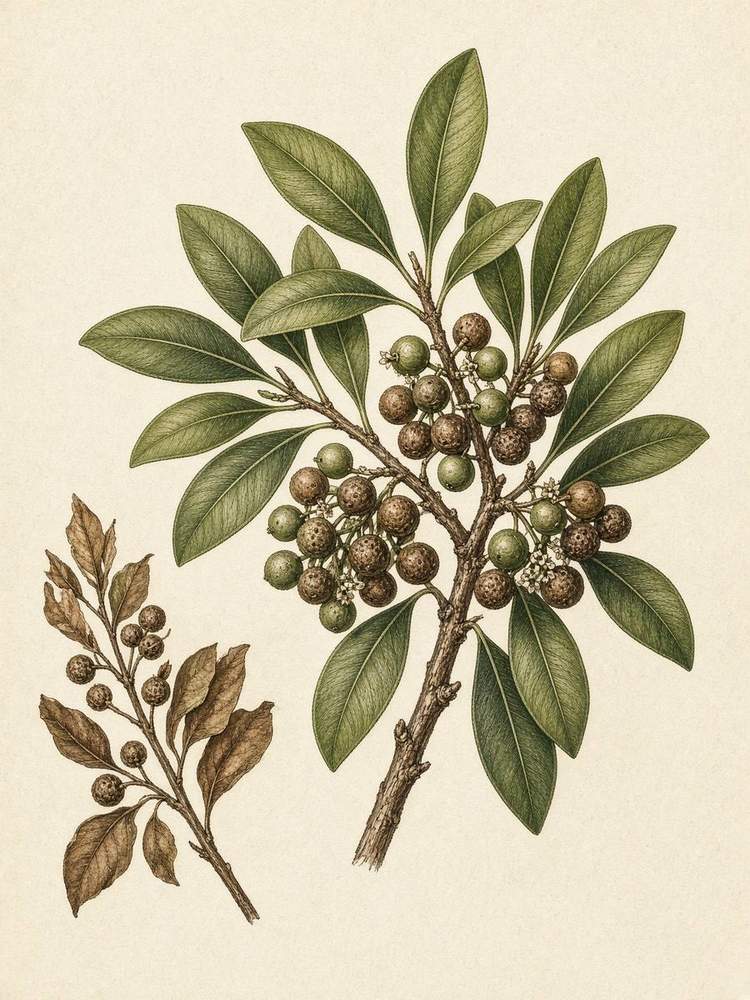
Allspice
Pimenta dioica
A Jamaican myrtle berry that tastes of clove, cinnamon, and nutmeg at once — the stew spice of the Caribbean and of winter baking.
bloating
1/1LegalGentle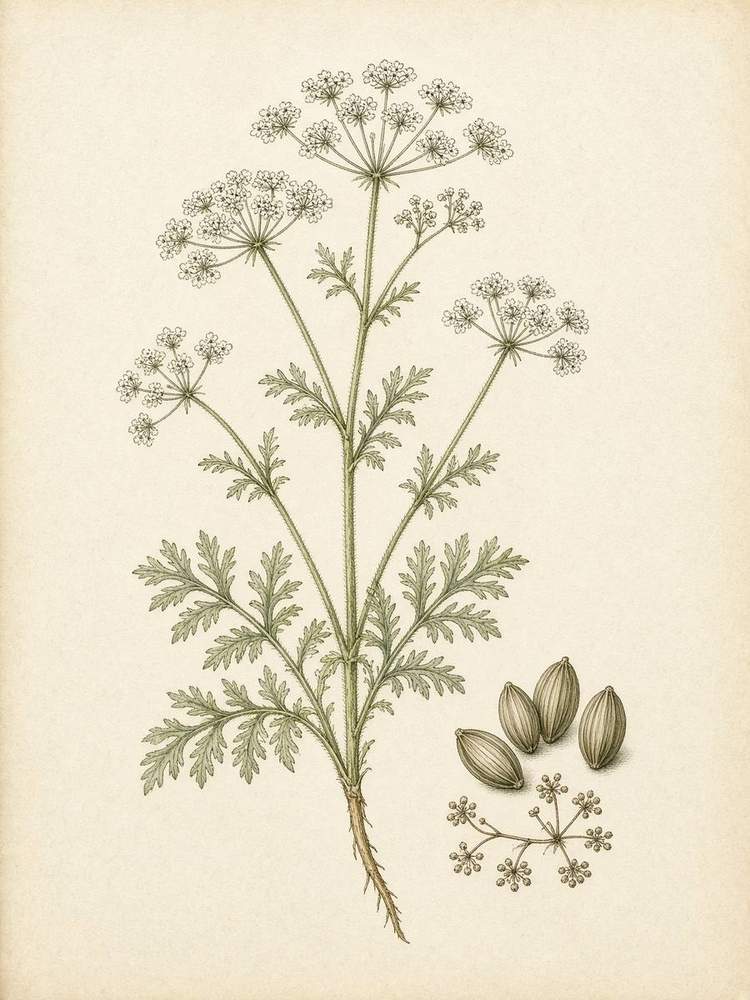
Anise
Pimpinella anisum
The licorice seed of Mediterranean baking — a carminative kitchen spice, not the toxic Japanese lookalike of star anise.
bloating
1/1LegalGentle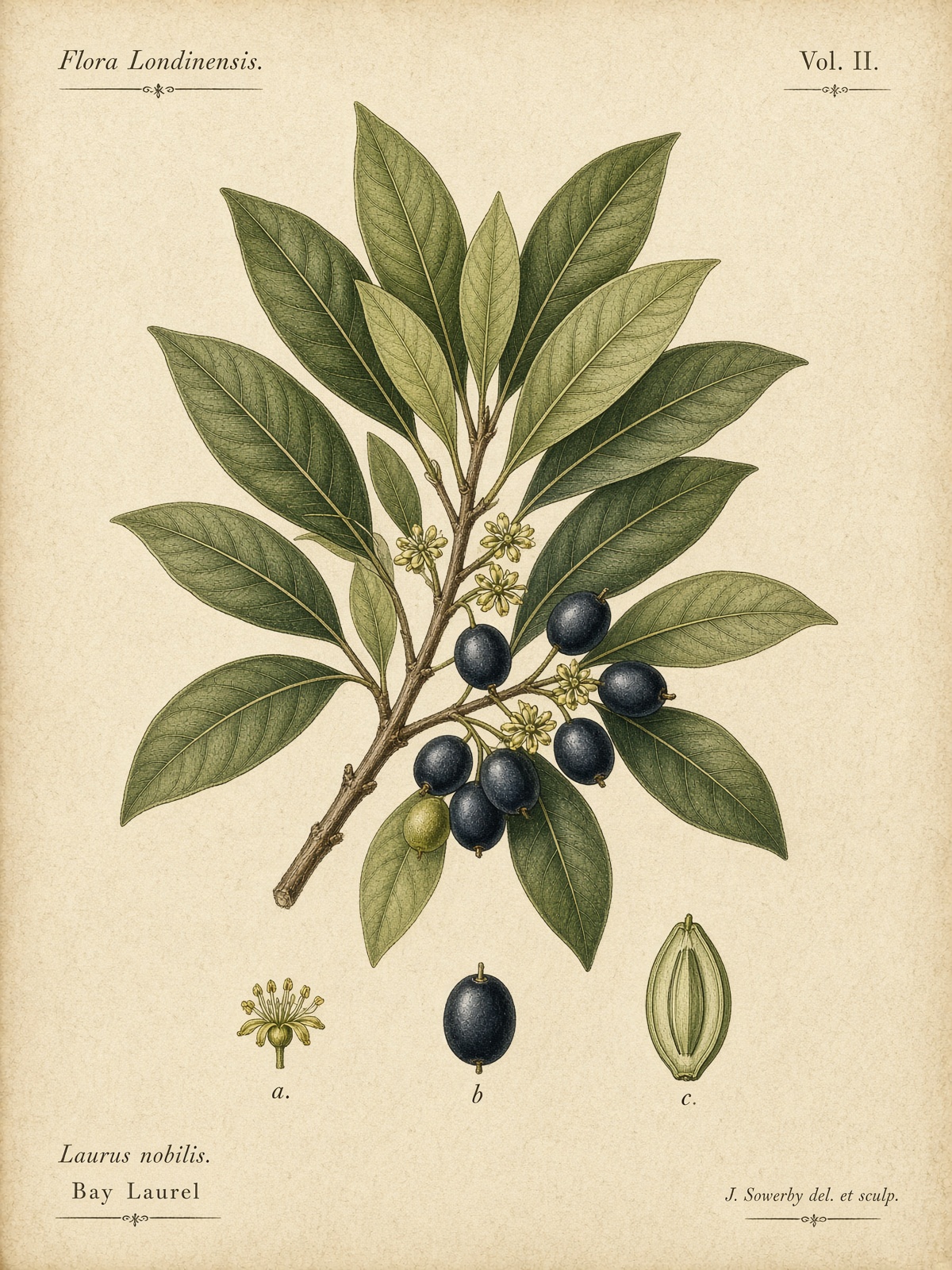
Bay laurel
Laurus nobilis
The soup leaf of the Mediterranean — a pot shrub whose dried blade flavors broth and beans.
bloating
1/1LegalGentle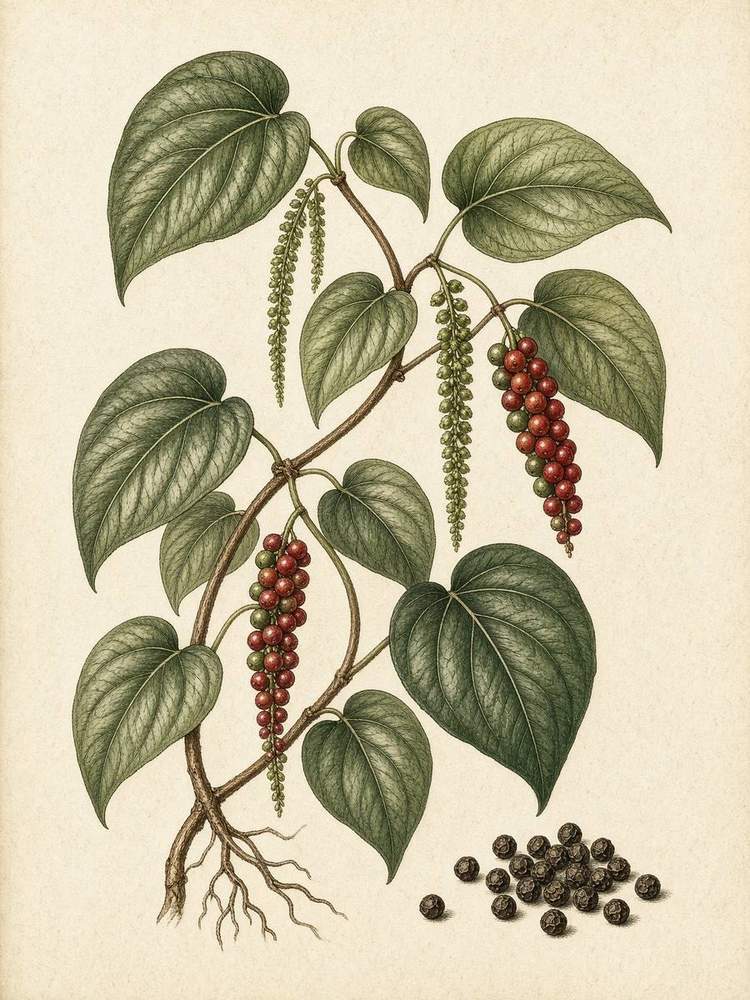
Black pepper
Piper nigrum
The berry that made the spice routes — a tropical vine whose dried fruit is still the world’s default heat.
bloating
1/1LegalGentle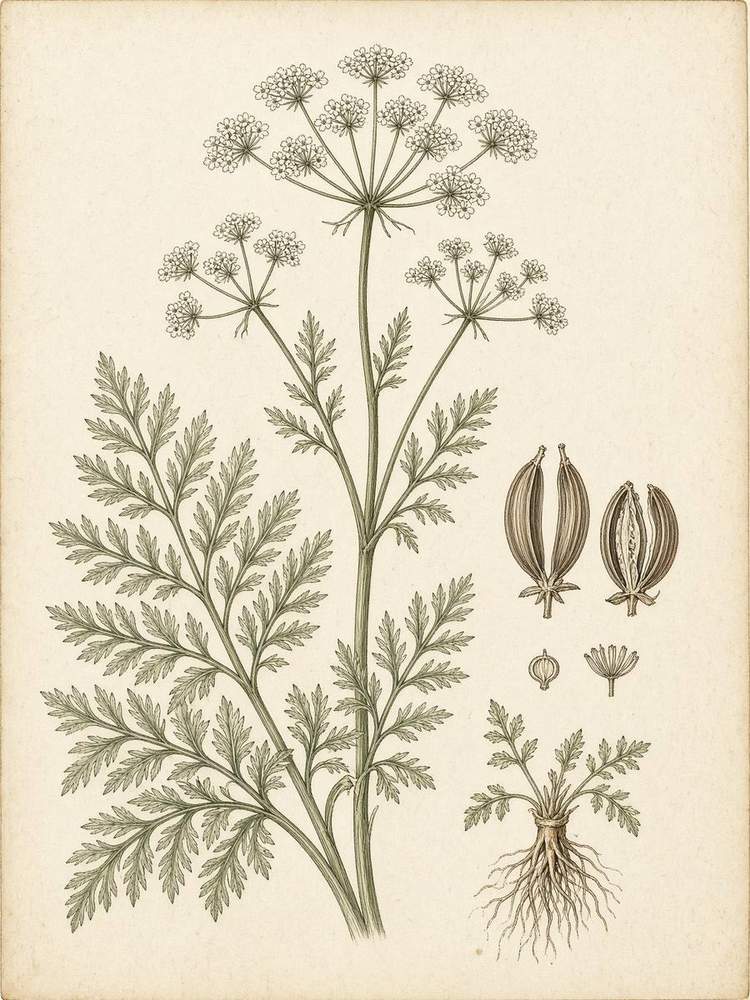
Caraway
Carum carvi
The rye-bread seed — a biennial umbel whose crescent spice is the carminative of Central Europe.
bloating
1/1LegalGentle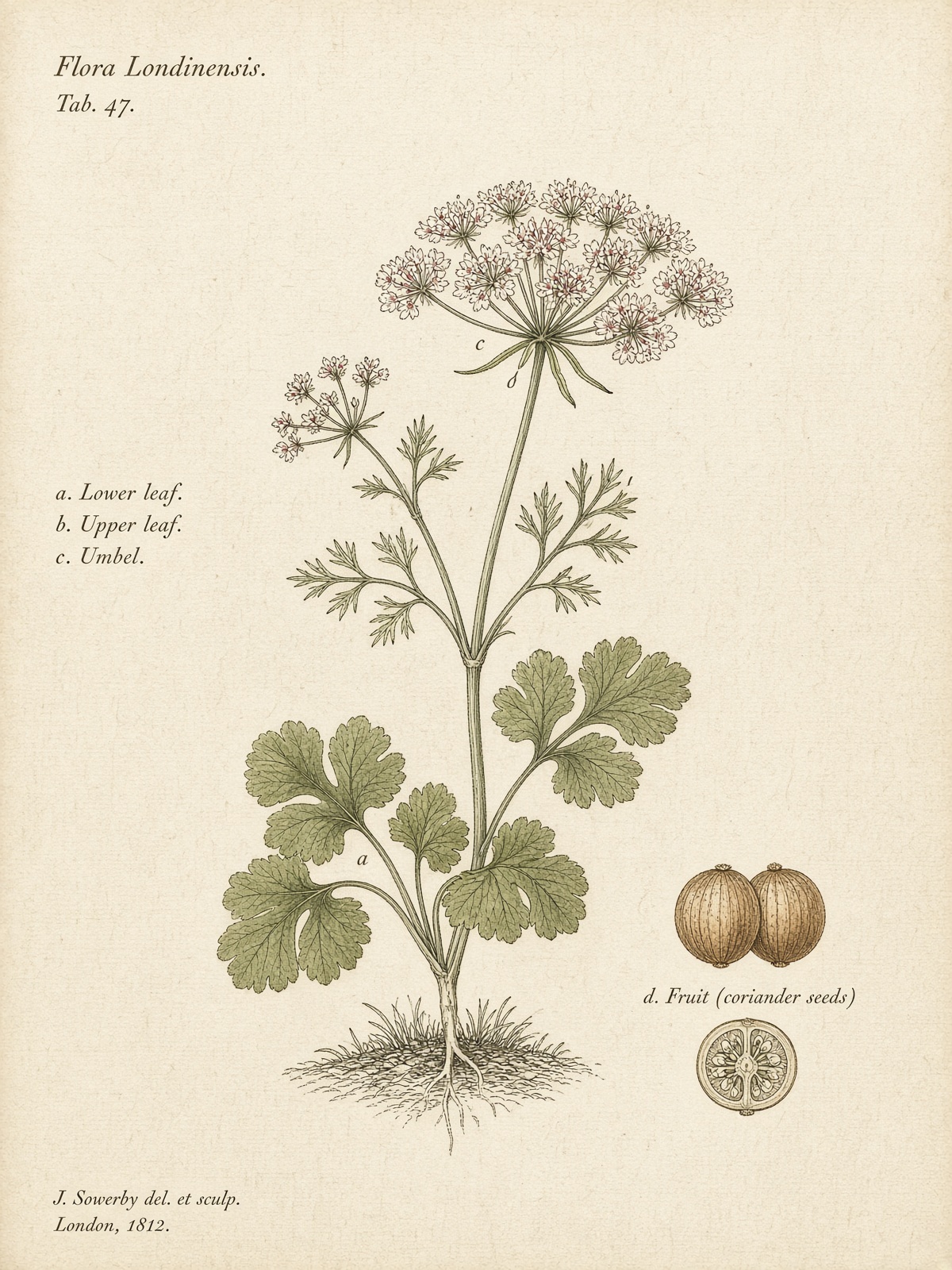
Cilantro
Coriandrum sativum
The herb people argue about — leaf for salsa, seed for digestion. A two-crop kitchen annual.
bloating
1/1LegalGentle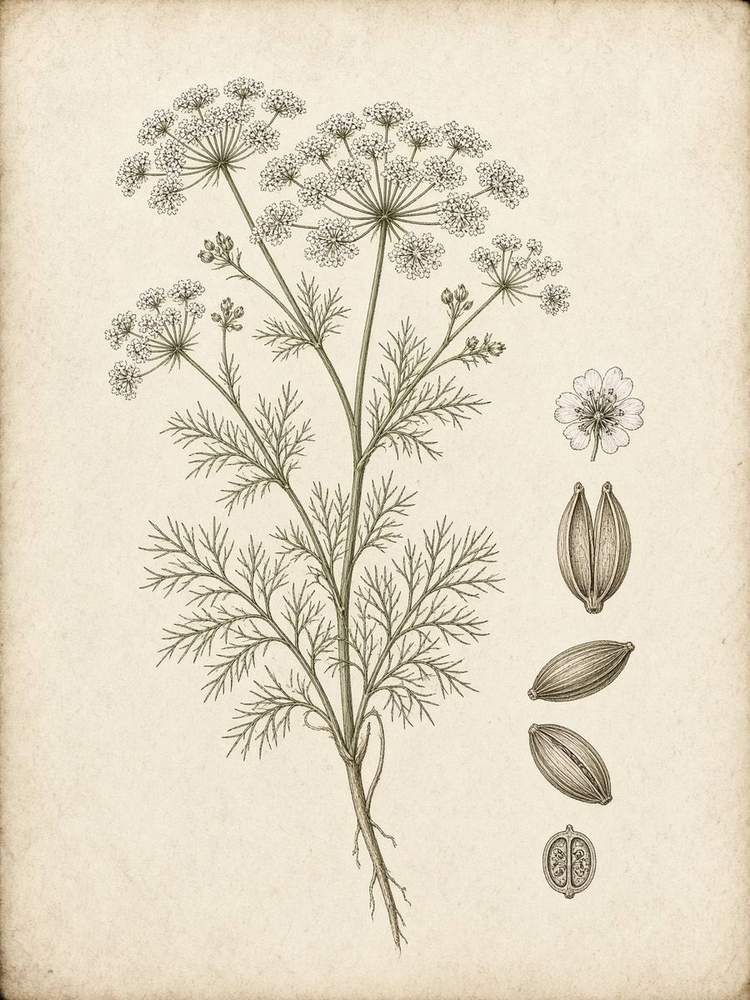
Cumin
Cuminum cyminum
The warm, earthy seed of every chili and curry — a carminative kitchen spice with a long gut record.
bloating
1/1LegalGentle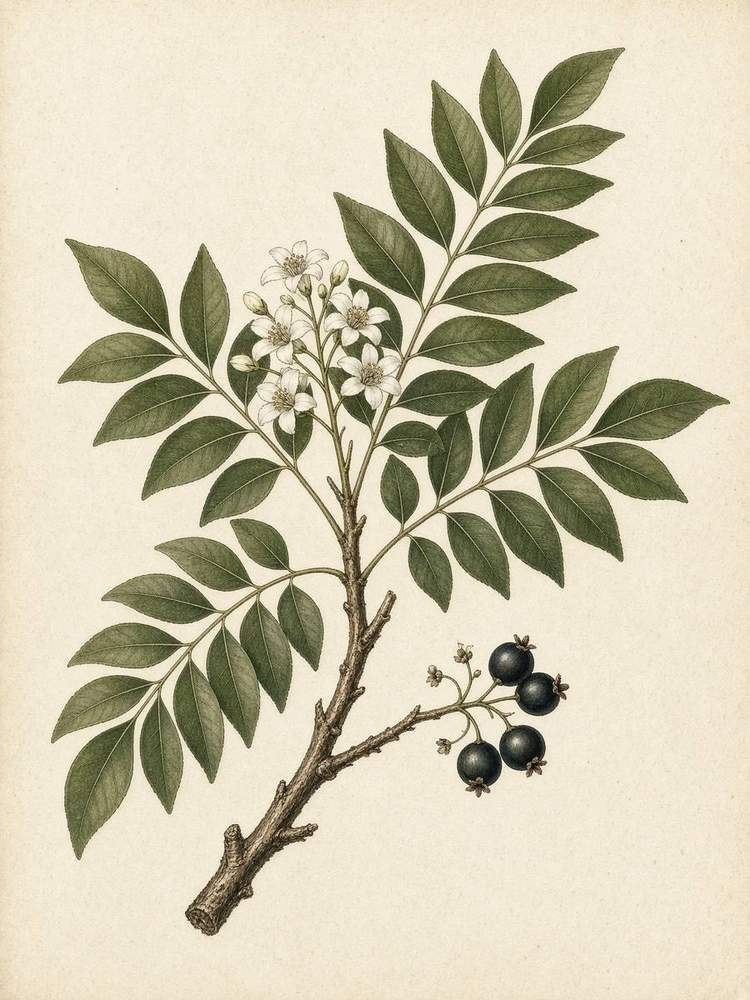
Curry leaf
Murraya koenigii
The leaf that makes a South Indian tadka smell like itself — a citrus-family tree, not a jar of powder.
bloating
1/1LegalGentle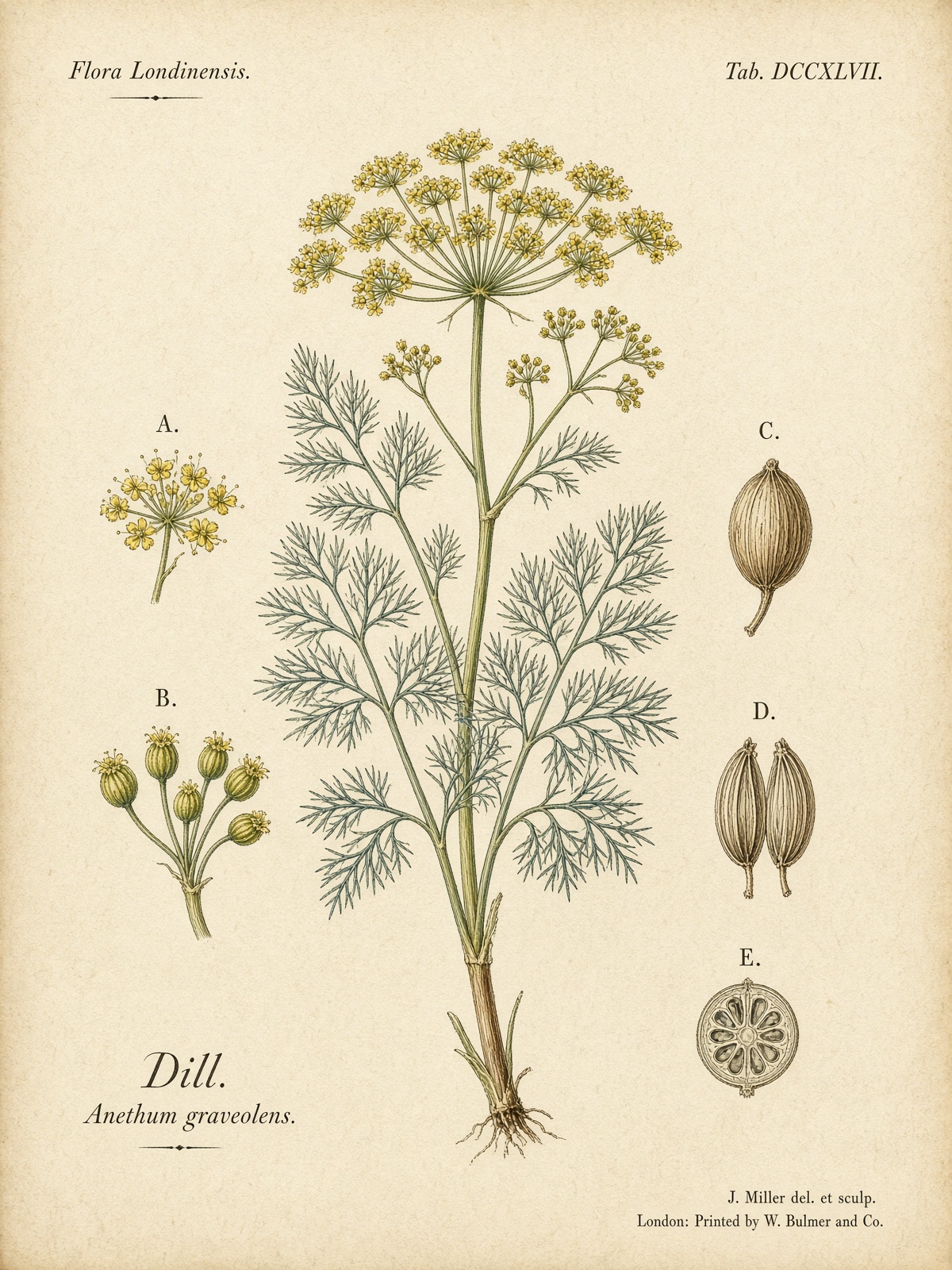
Dill
Anethum graveolens
Feathery kitchen green and a caraway-cousin seed — the pickle herb, also an after-dinner chew.
bloating
1/1LegalGentle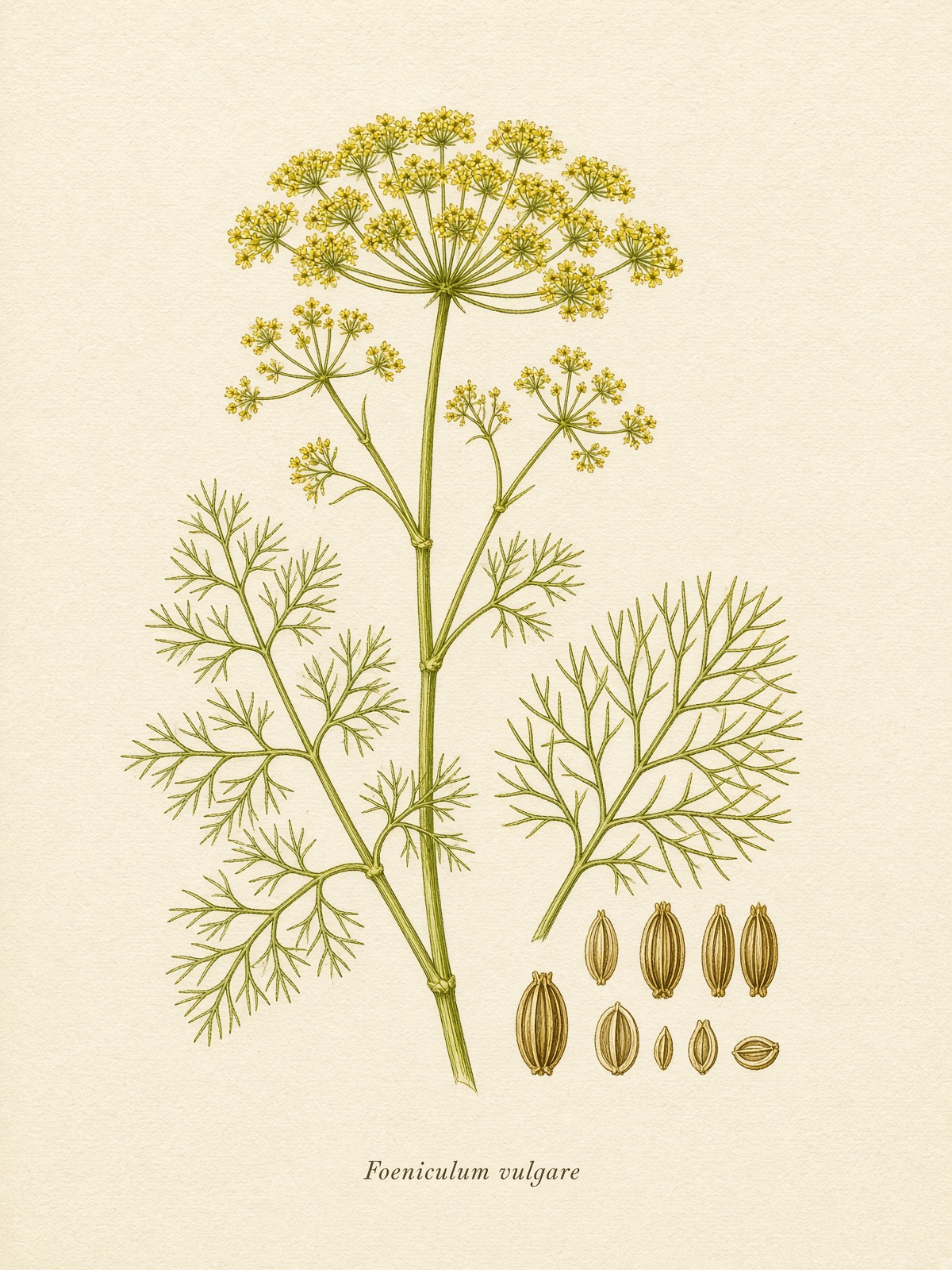
Fennel
Foeniculum vulgare
Anise-sweet seed for gas, colic folklore, and after-dinner breath.
bloating
1/1LegalGentle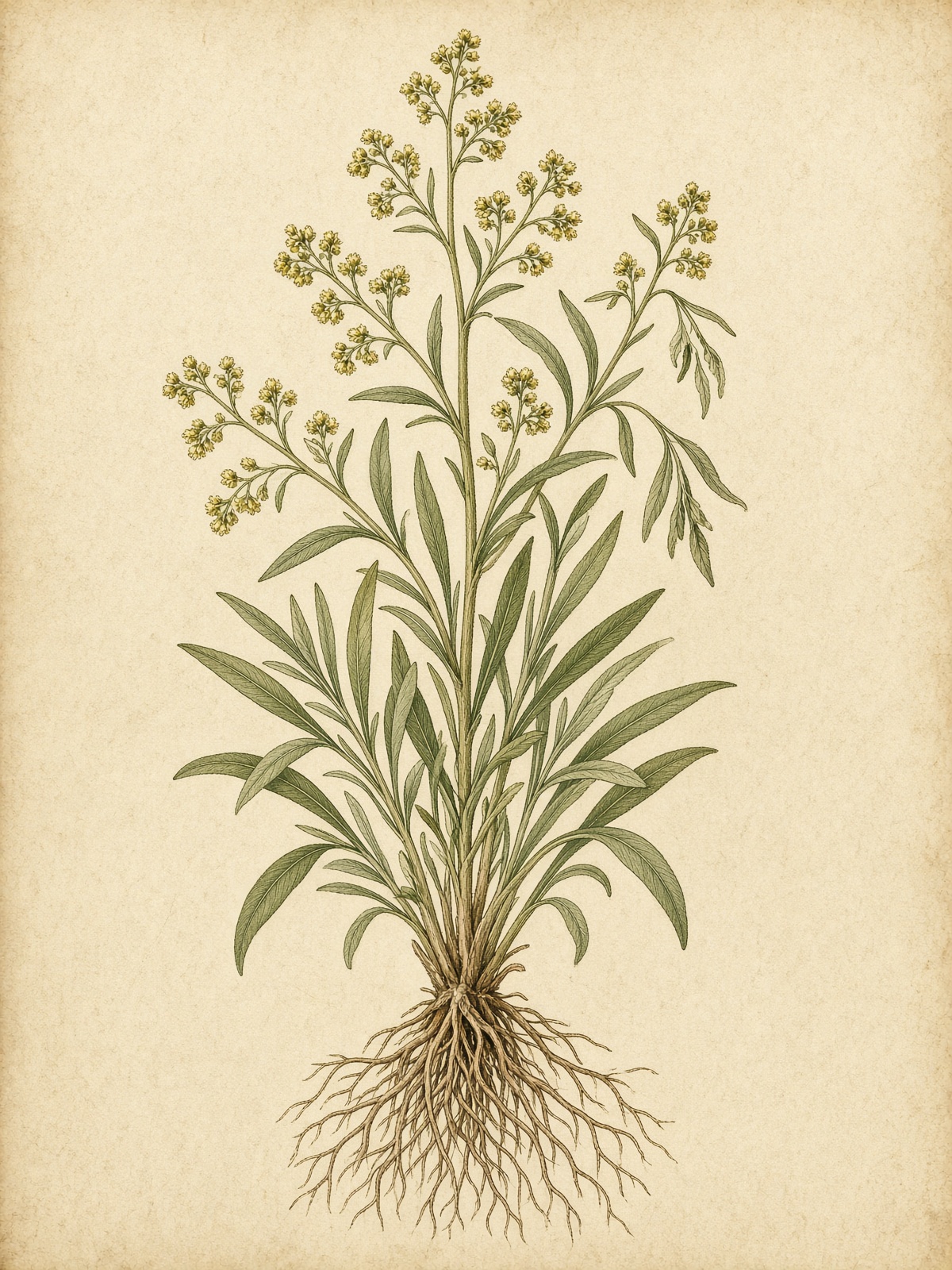
French tarragon
Artemisia dracunculus var. sativa
Anise-leaf of French kitchens — a sterile clone you buy as a plant, then tarragon-vinegar the rest of your life.
bloating
1/1LegalGentle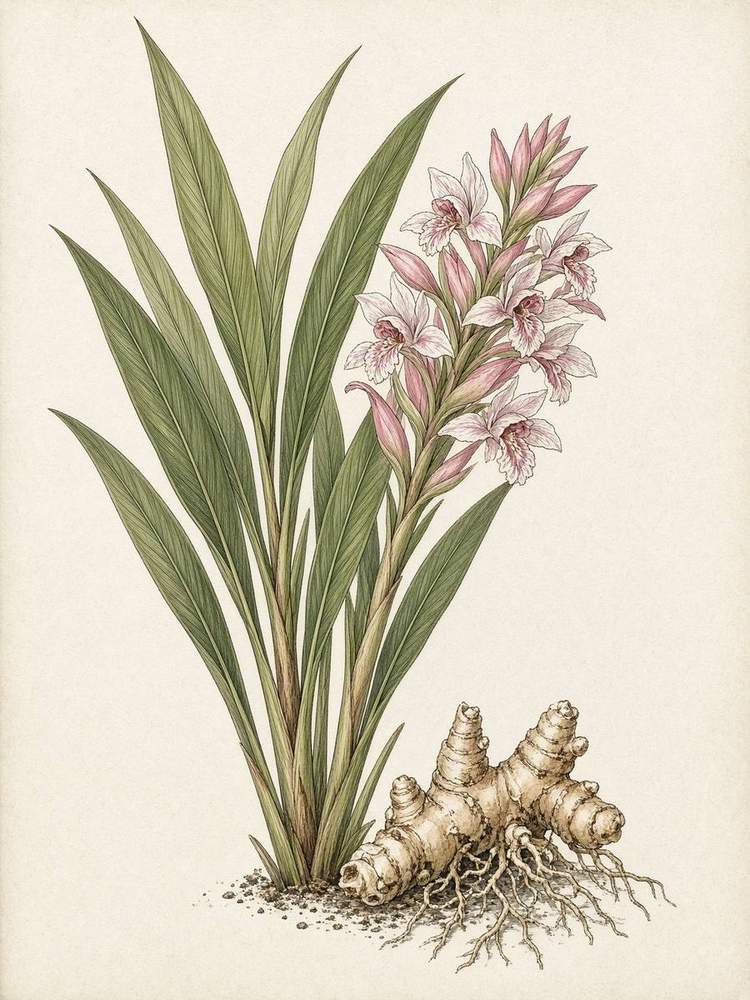
Galangal
Alpinia galanga
Ginger’s sharper Thai cousin — pine, camphor, and pepper in a rhizome that tom kha cannot do without.
bloating
1/1LegalGentle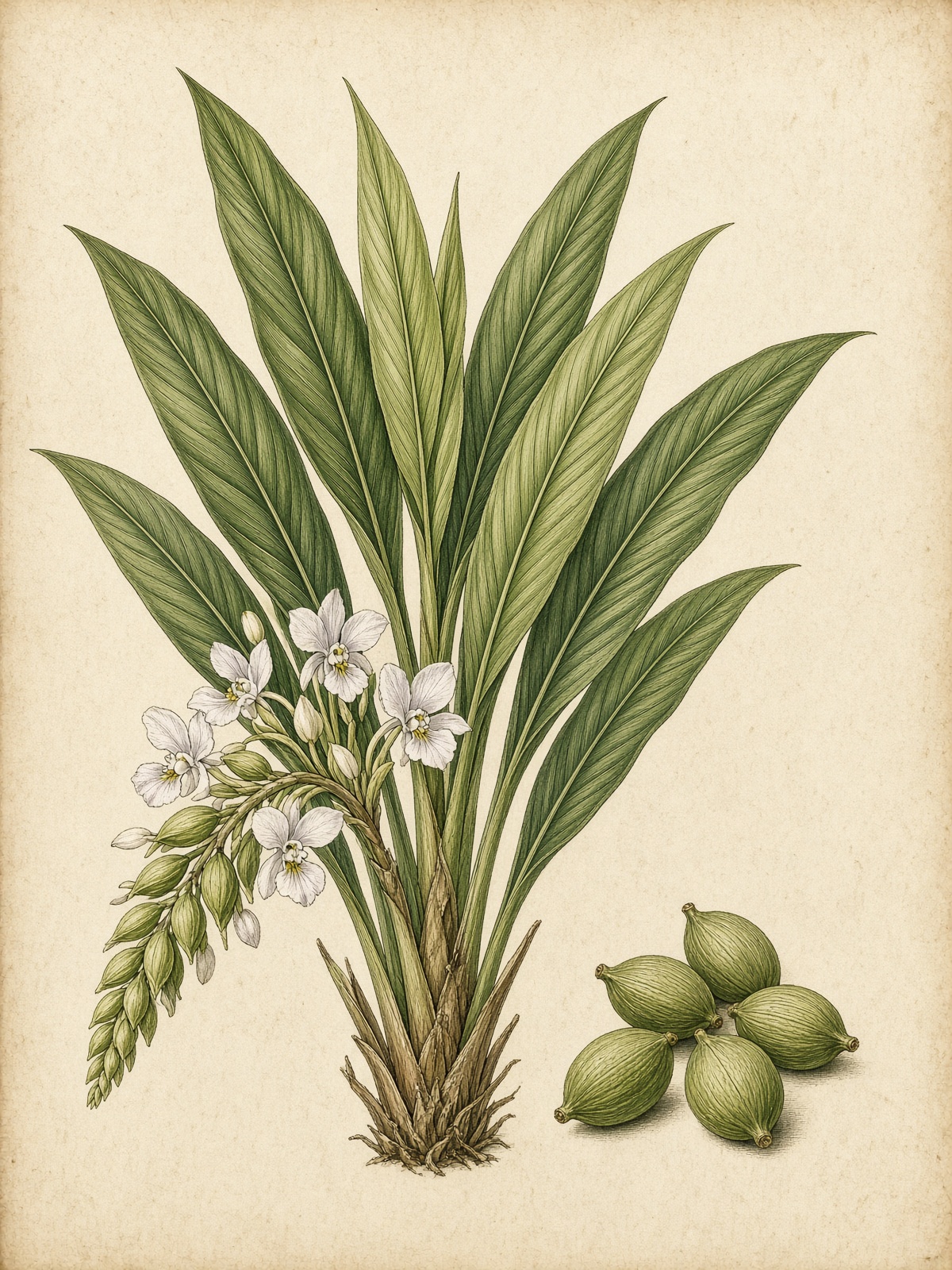
Green cardamom
Elettaria cardamomum
The queen of spices — a tropical ginger whose green pods scent chai, coffee, and after-meal folklore.
bloating
1/1LegalGentle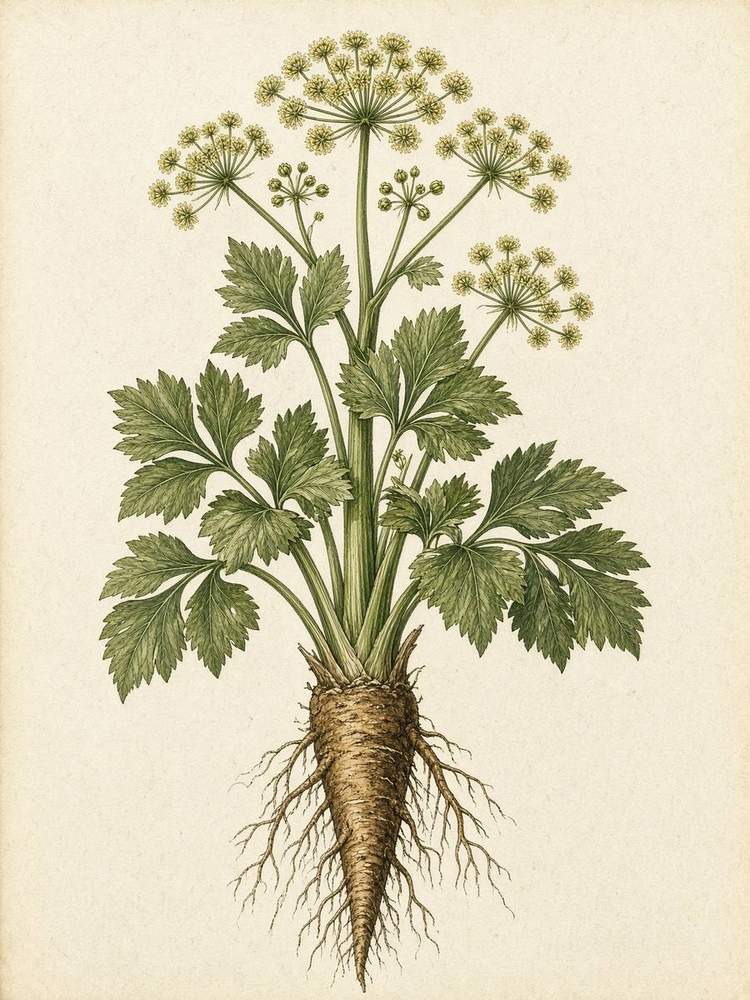
Lovage
Levisticum officinale
A perennial celery that forgot to be polite — Maggi-herb of European yards, a stock leaf with a long digestive record.
bloating
1/1LegalGentle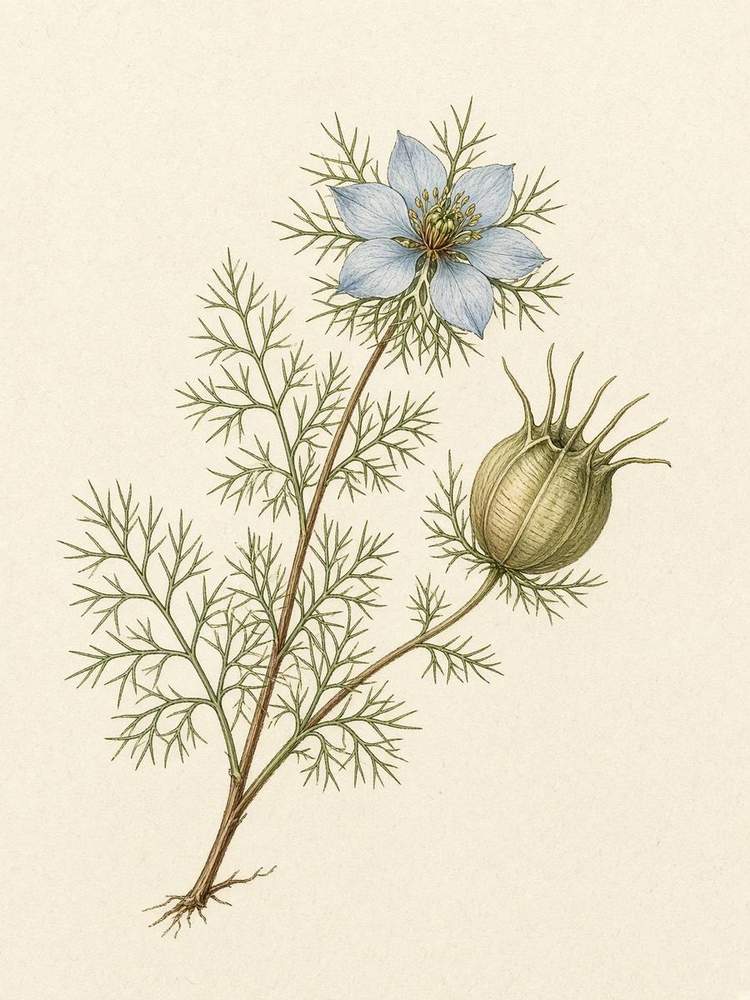
Nigella
Nigella sativa
Kalonji — the small black seed on naan, a peppery-oregano spice with a long West Asian kitchen record.
bloating
1/1LegalGentle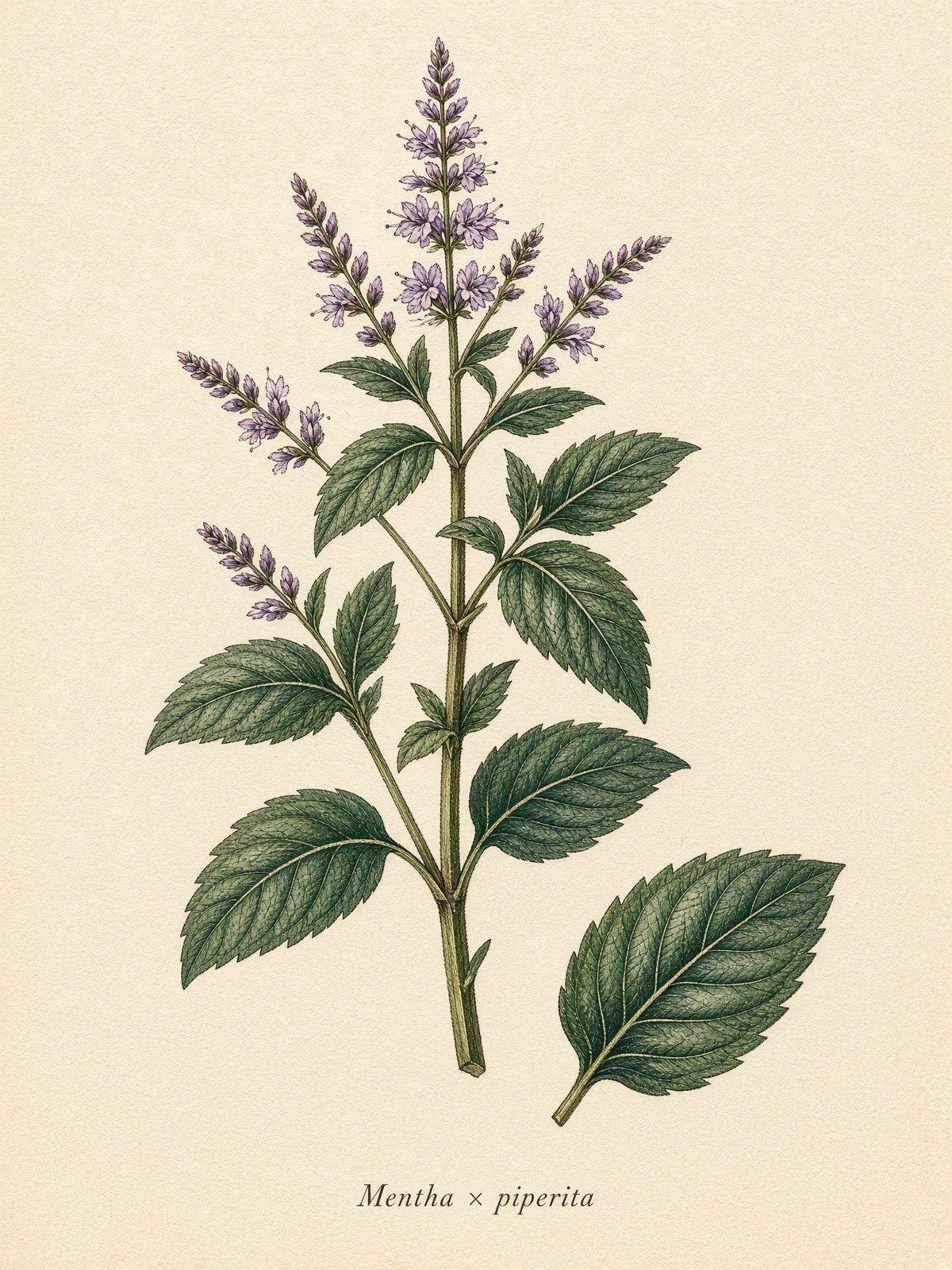
Peppermint
Mentha × piperita
A hybrid mint whose menthol cools the gut and opens the sinuses — classic after-dinner leaf.
bloating
1/1LegalGentle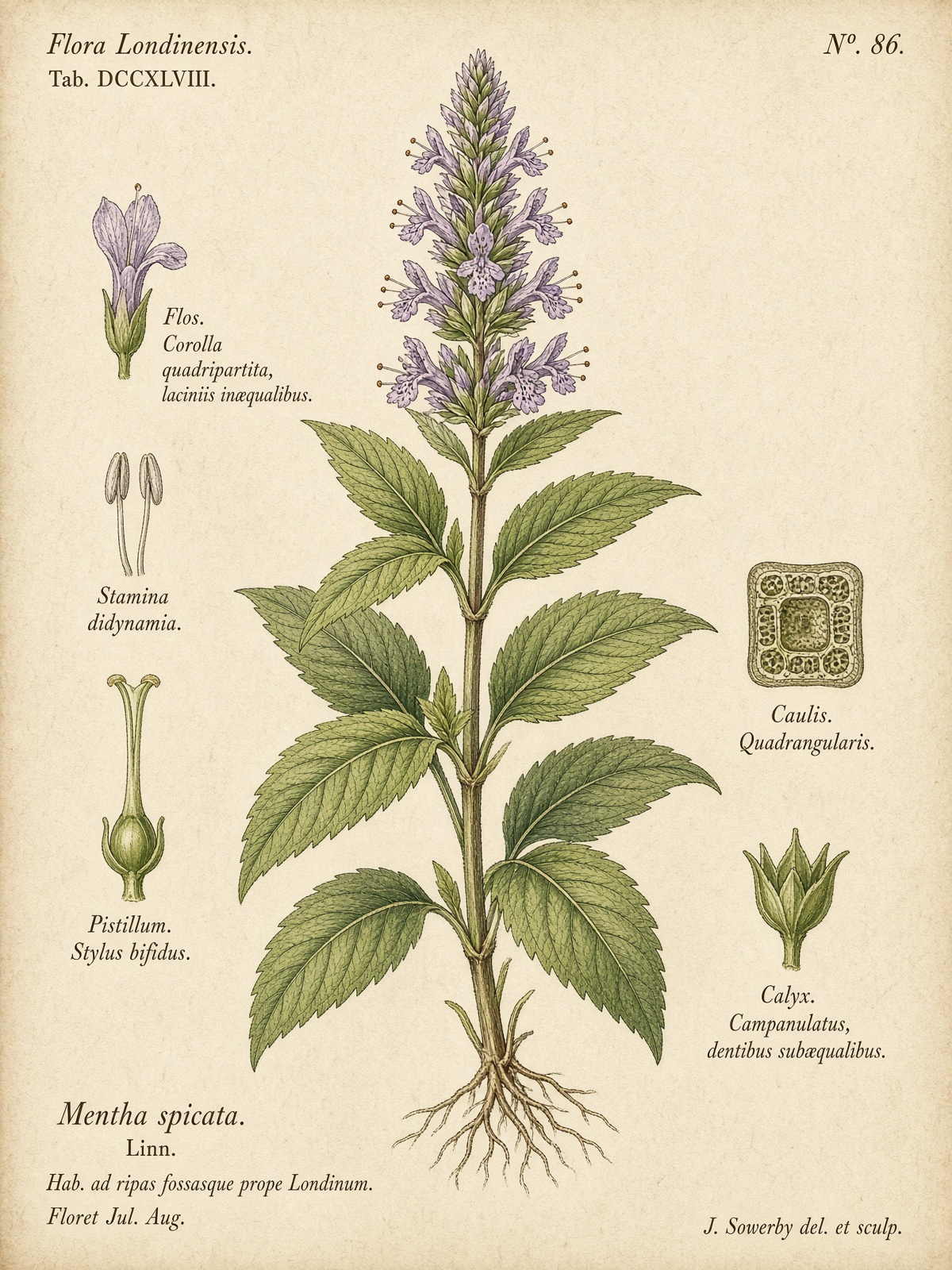
Spearmint
Mentha spicata
The sweeter garden mint — less menthol fire, more green candy. A children’s and after-dinner leaf.
bloating
1/1LegalGentle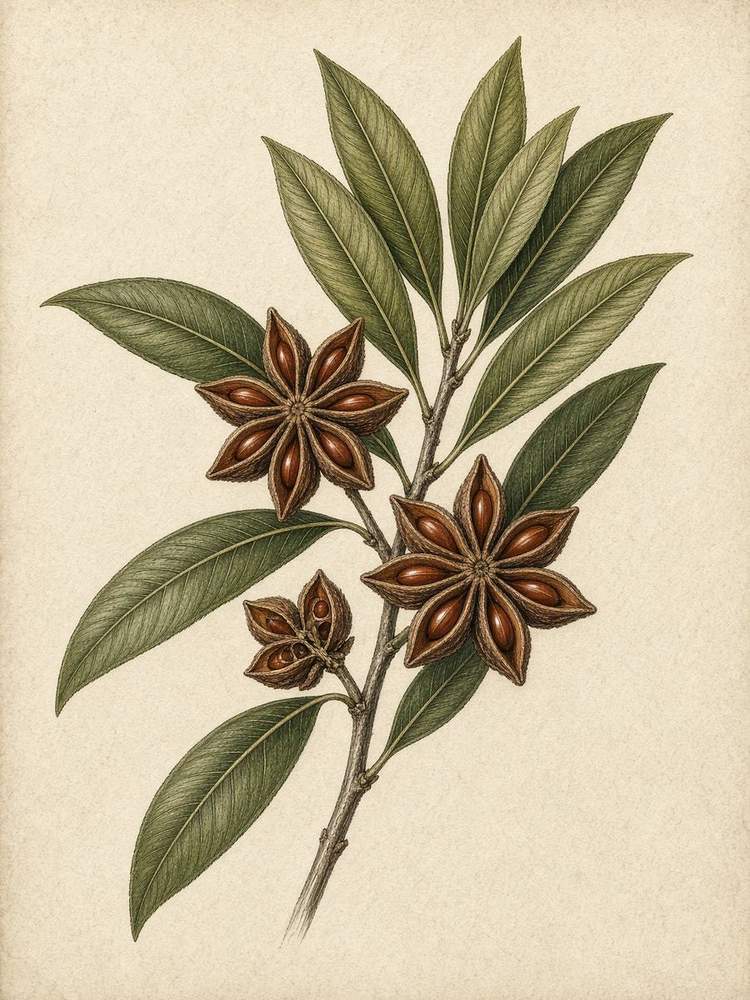
Star anise
Illicium verum
The eight-pointed spice of pho and five-spice — a licorice star with a lookalike that does not belong in a pot.
bloating
1/1LegalCaution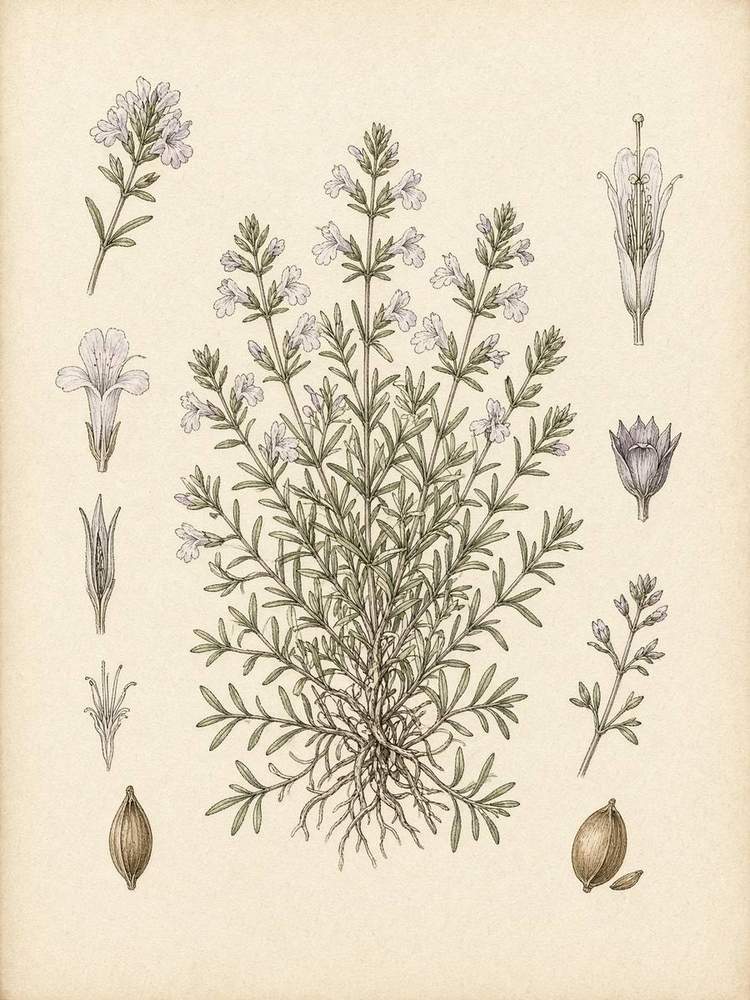
Summer savory
Satureja hortensis
The bean herb — a peppery summer mint that German and Balkan kitchens still put in the pot with pulses.
bloating
1/1LegalGentle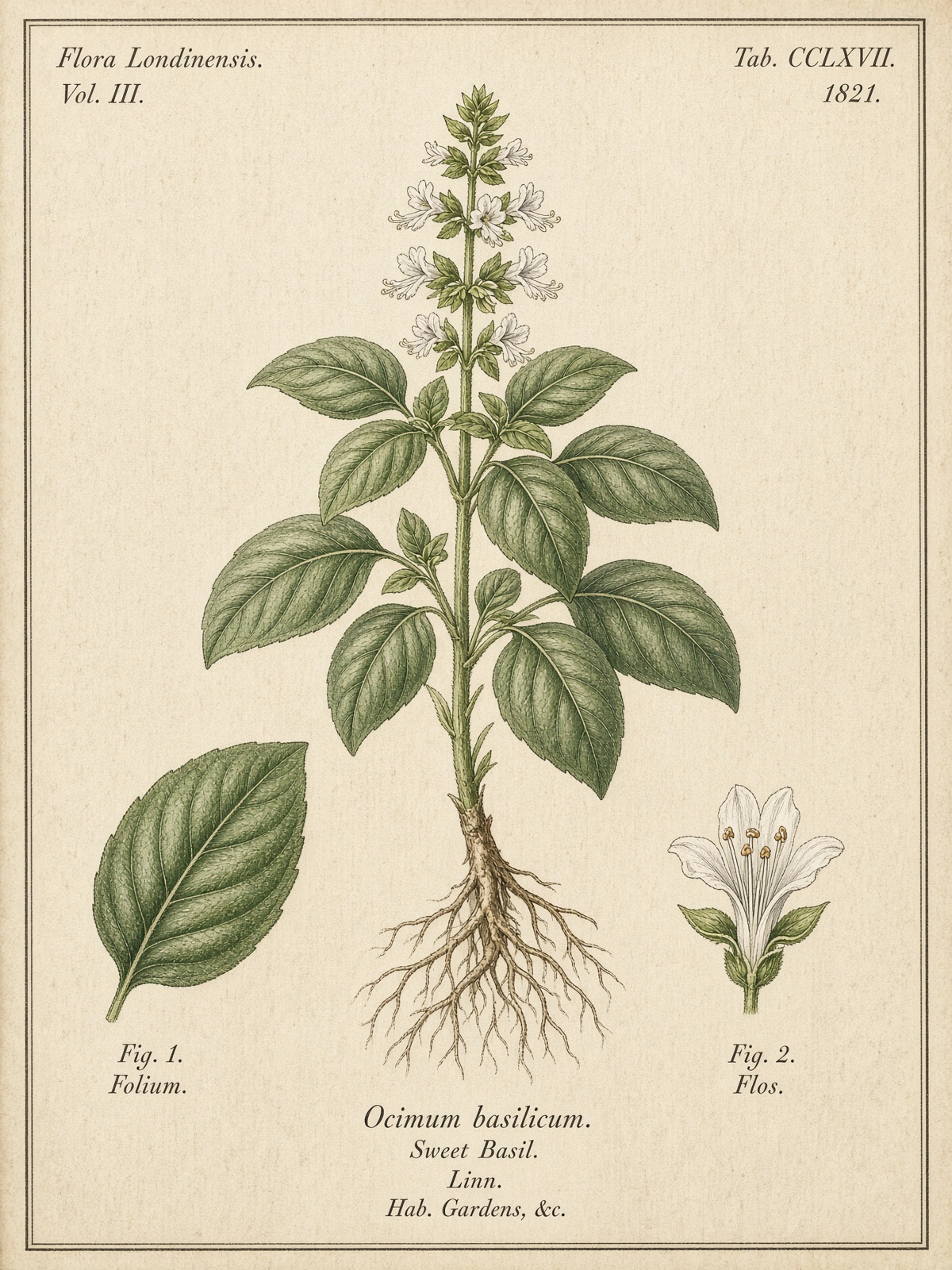
Sweet basil
Ocimum basilicum
The pesto leaf — a cooling kitchen mint for digestion and summer nerves.
bloating
1/1LegalGentle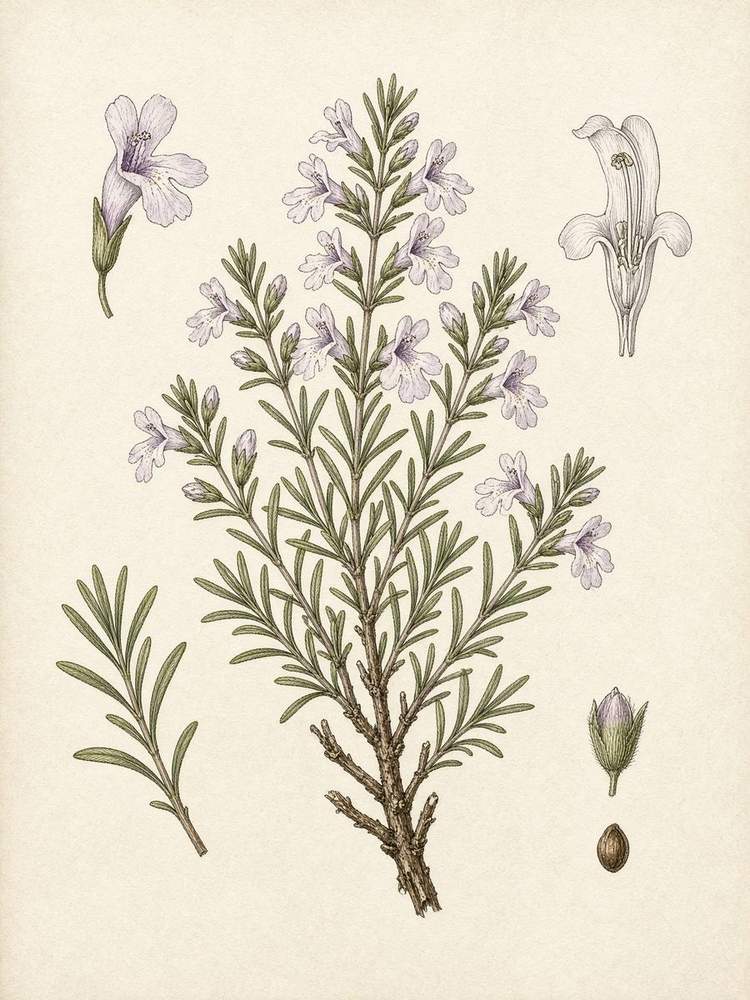
Winter savory
Satureja montana
The tougher bean herb — a shrubby perennial savory that winters over and still belongs in the pot with pulses.
bloating
1/1LegalGentle
Teas for the same symptoms
Medicinal teas
After-dinner mint
Settle a heavy meal — gas, quease, the too-full feeling.
bloating
Bay after-beans
The soup leaf, drunk as a short cup after a heavy, bean-y plate.
bloating
Cardamom after-chai
A short, camphor-lemon spice cup after coffee or a sweet — digestion, not a latte recipe.
bloating
Fennel after-meal
Sweet seed tea for bloating and cramp after a heavy plate.
bloating
Mugwort after-roast
A short bitter after fat meat — digestion folklore, not a dream protocol and not a daily pot.
bloating
Sweet basil after-supper
A clove-green cup after a tomato-heavy plate — cooling, not a sleep drug.
bloating
Household protocols
Natural remedies
After-dinner settle
Carminative cup for a heavy meal — gas, quease, cramp.
Dose: Adult: one 8 oz cup after the meal. Seed teas: ½ tsp crushed seed. Ginger: 6–8 thin slices in 12 oz, sipped. Not three kinds at once.
Safety: GERD (peppermint especially) · Hiatal hernia if mint worsens the burn
Savory in the bean pot
The bean herb — peppery summer or winter savory in the pot with pulses, which is the oldest carminative that still tastes like supper.
Dose: Adult: 1 sprig fresh or ½ tsp dried savory per pot of beans. Seed: ½ tsp crushed. Food first.
Safety: Mint-family allergy