Symptom index
Find a plant by how you feel
Type a symptom — cough, sleep, skin — or tap a chip. Matching plates, teas, and remedies rise to the top. This is a folk index, not a diagnosis.
23 plates for sore throat
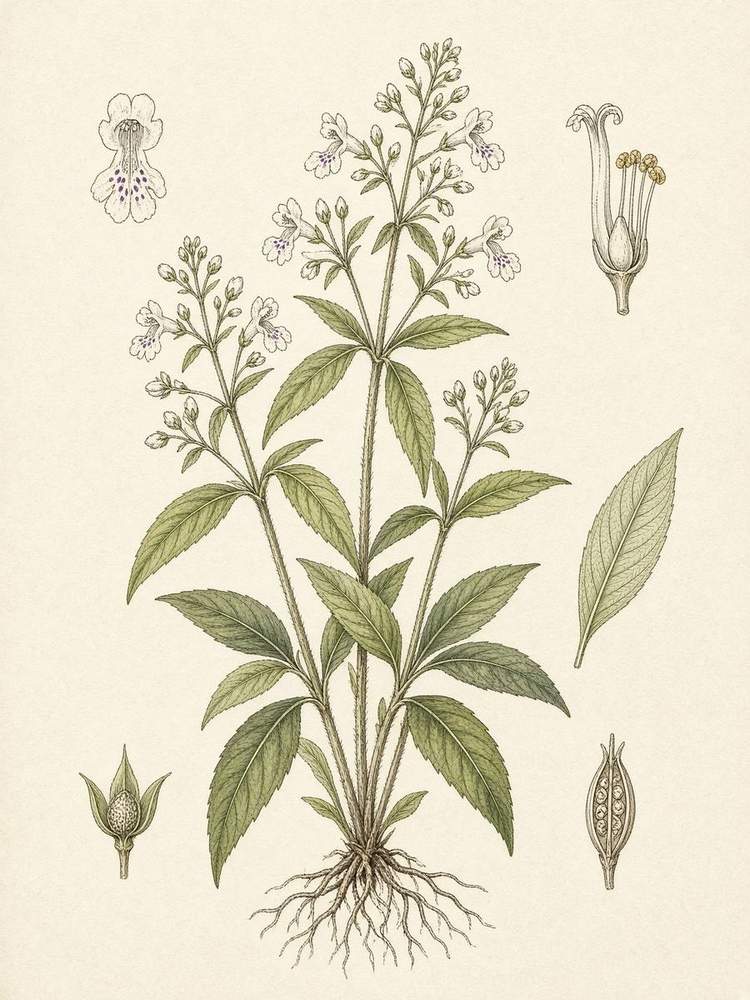
Andrographis
Andrographis paniculata
King of bitters — a South Asian annual whose leaf is a short-course cold folklore, and one of the bitterest cups in the folio.
sore throat
1/1LegalCaution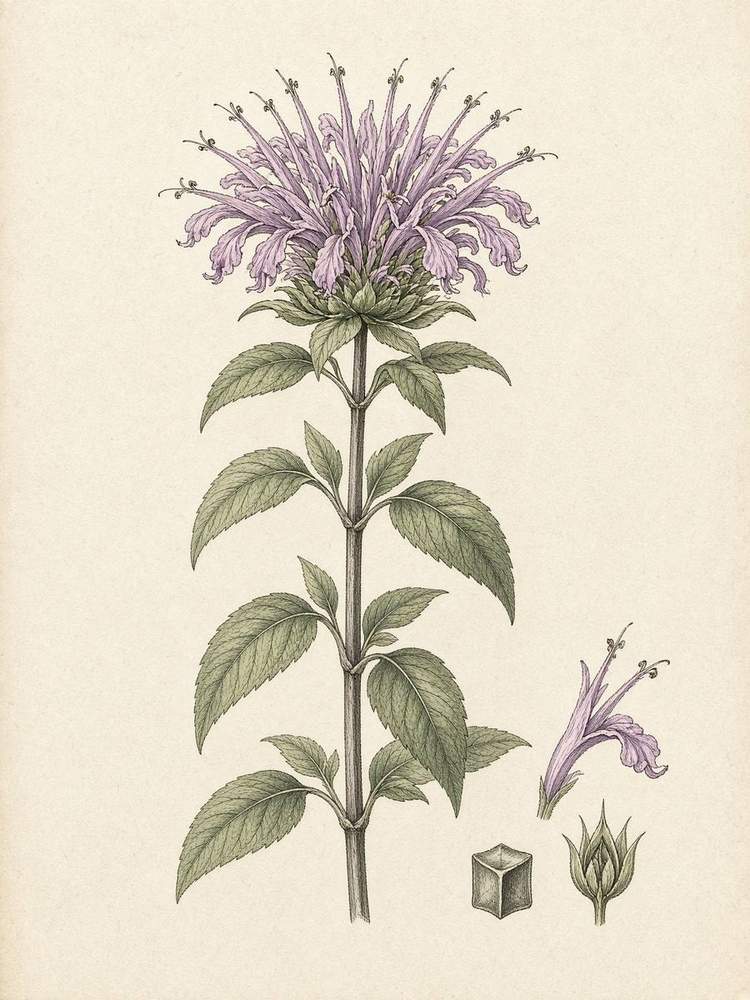
Bee balm
Monarda fistulosa
Wild bergamot — a ragged native mint whose leaf is an Earl Grey rumor and a traditional cold tea of the Northeast.
sore throat
1/1LegalGentle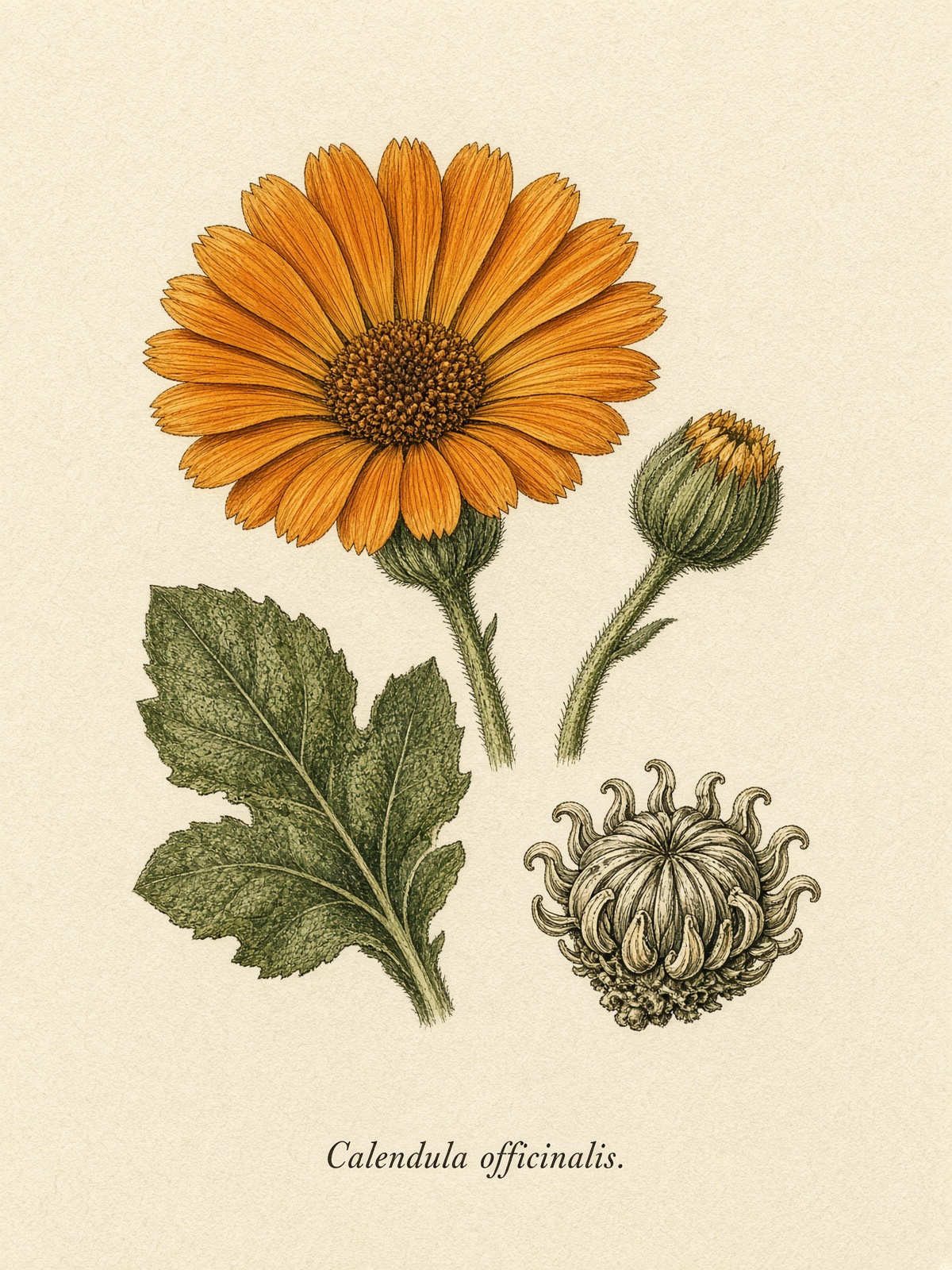
Calendula
Calendula officinalis
Pot marigold — the herbalist's everyday skin flower.
sore throat
1/1LegalGentle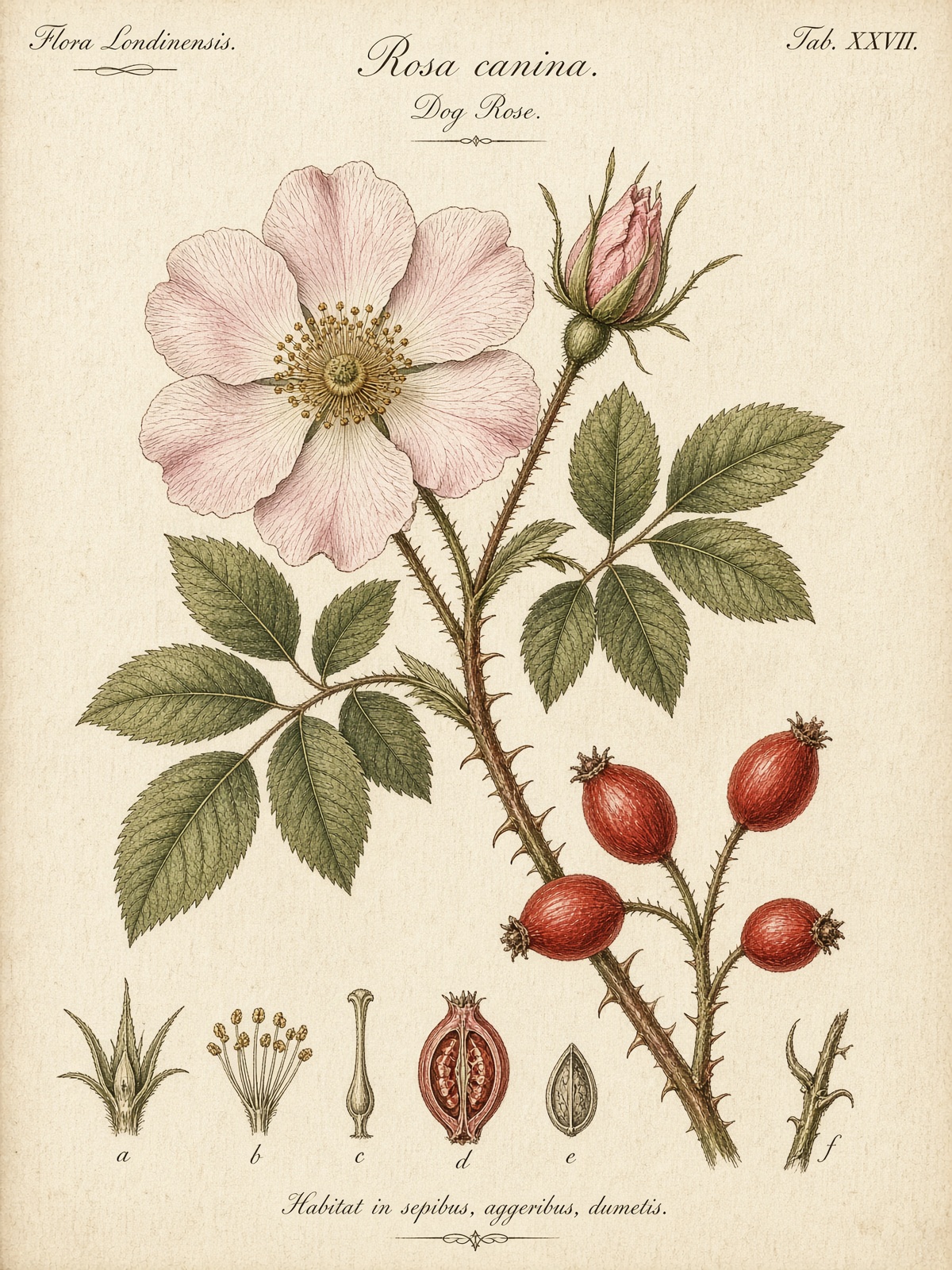
Dog rose
Rosa canina
The hedgerow rose — hips for winter vitamin C, petals for a cooling, fragrant cup.
sore throat
1/1LegalGentle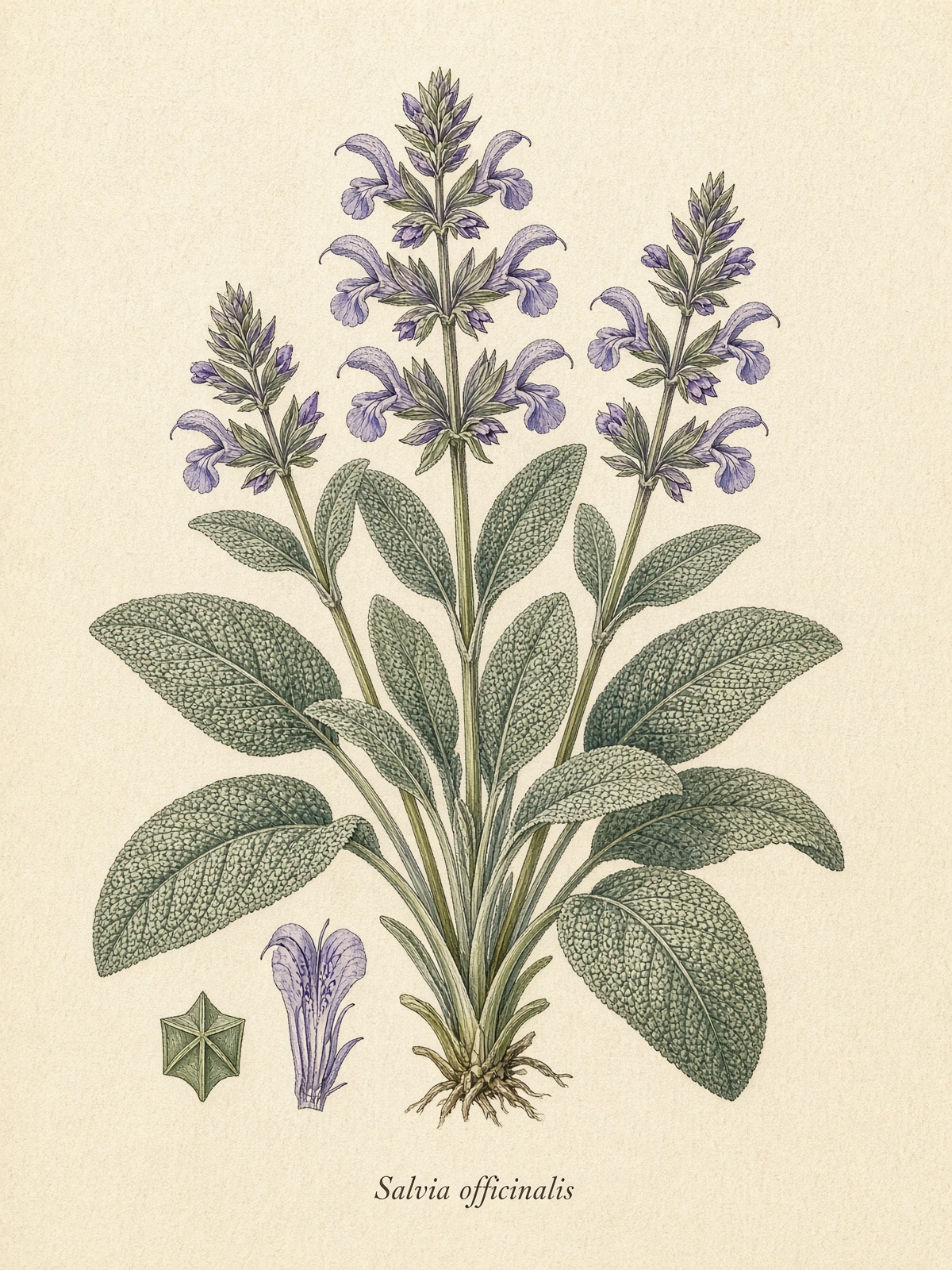
Garden sage
Salvia officinalis
The grey kitchen sage — a drying, aromatic leaf for sore throats and rich food.
sore throat
1/1LegalGentle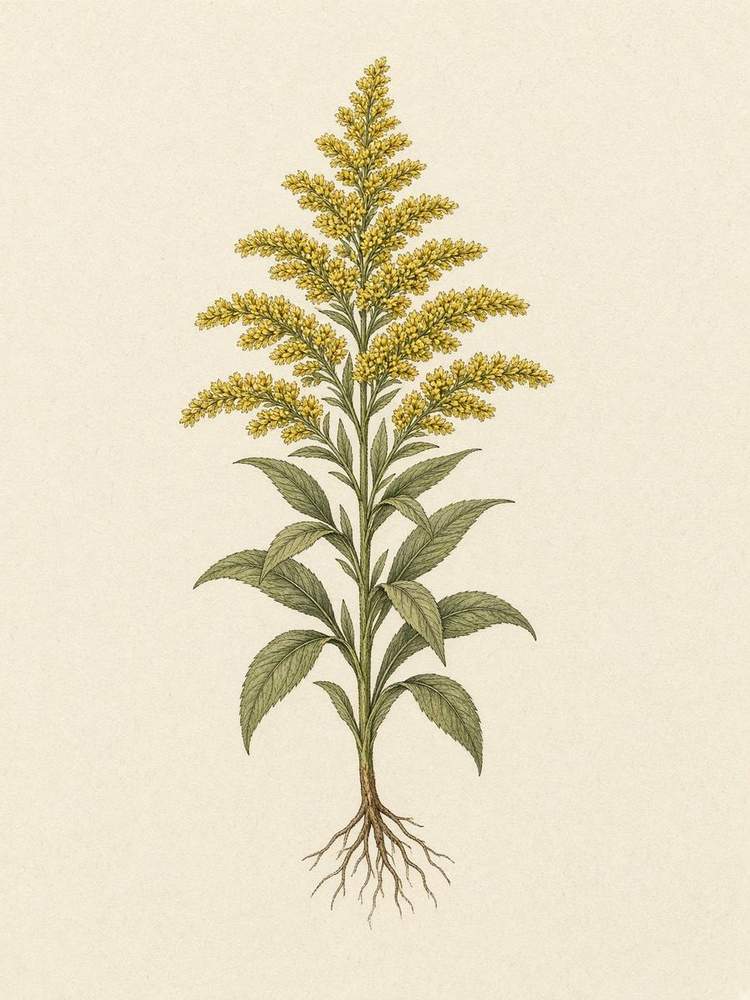
Goldenrod
Solidago canadensis
A hay-scented late-summer infusion, unfairly blamed for ragweed, useful when the head is thick.
sore throat
1/1LegalGentle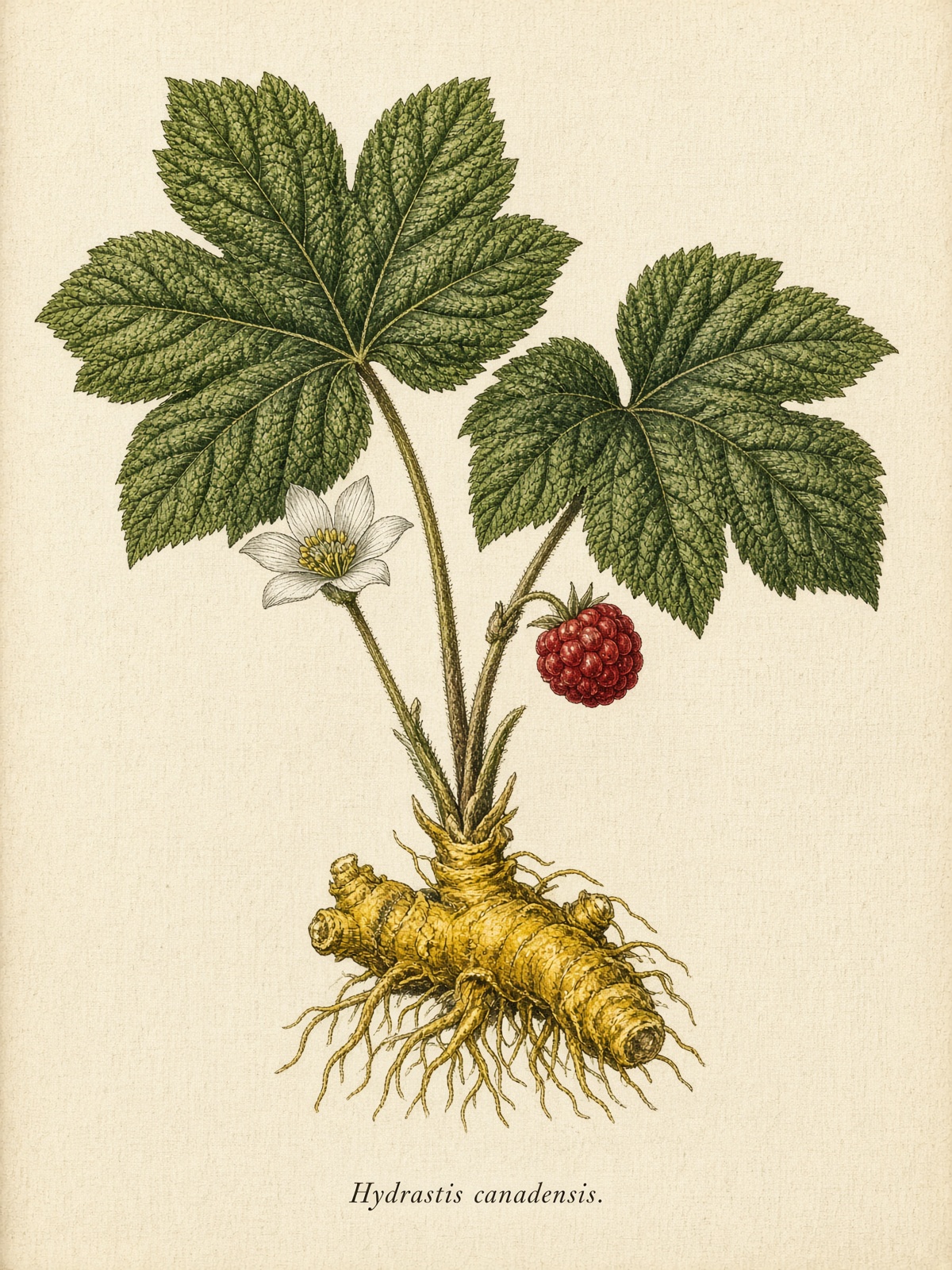
Goldenseal
Hydrastis canadensis
A threatened woodland root, bitter and berberine-yellow — not an everyday immune tonic.
sore throat
1/1RegulatedCaution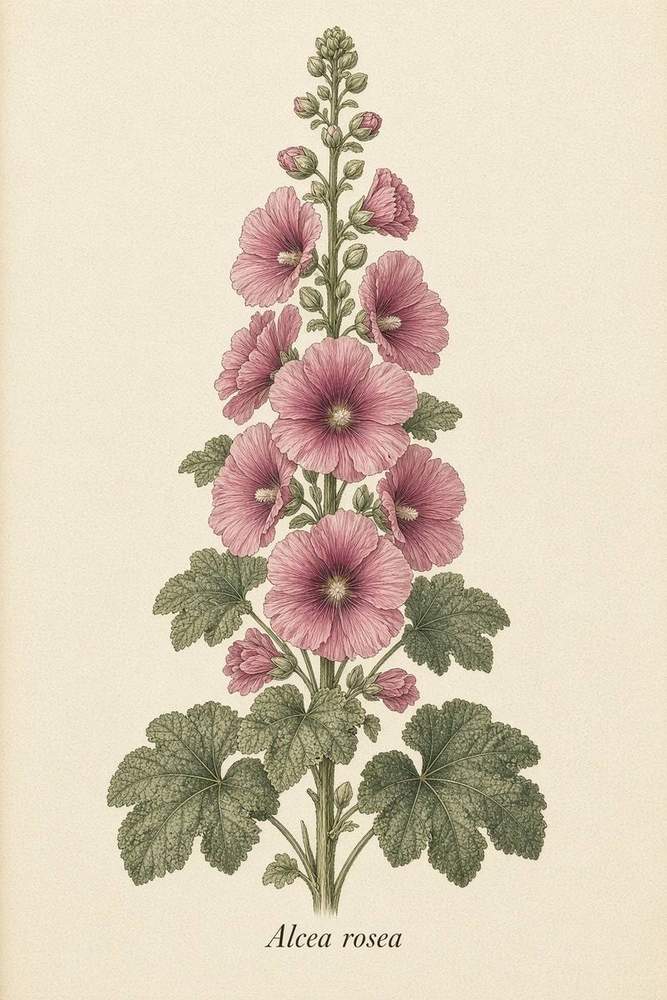
Hollyhock
Alcea rosea
The tall spire against a wall — a biennial or short-lived perennial that makes a cottage look settled in one season of waiting.
sore throat
1/1LegalGentle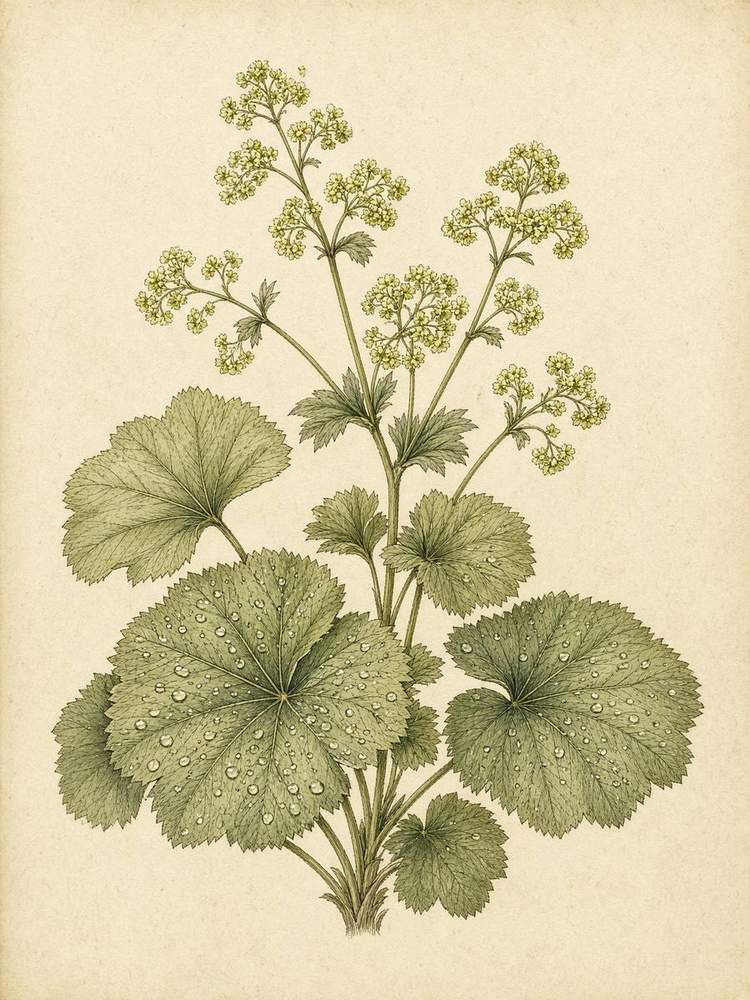
Lady’s mantle
Alchemilla vulgaris
Dew-catching scalloped leaves and a chartreuse foam of flowers — a European astringent of the old women’s shelf.
sore throat
1/1LegalGentle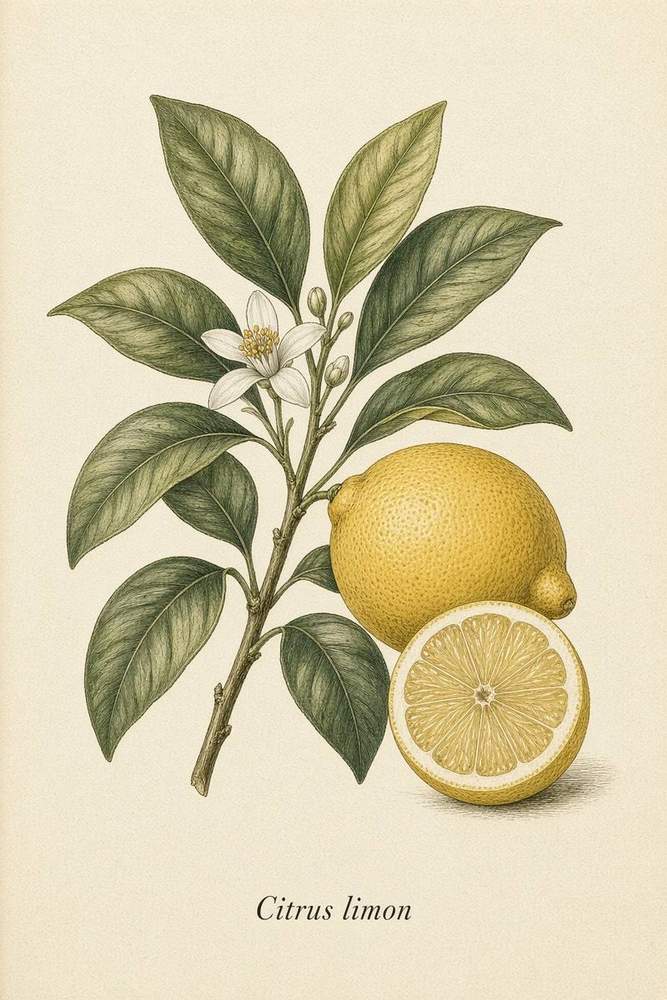
Lemon
Citrus limon
The acid citrus of the pantry — a squeeze, a preserved rind, a folklore cold cup that is mostly vitamin C and hot water.
sore throat
1/1LegalGentle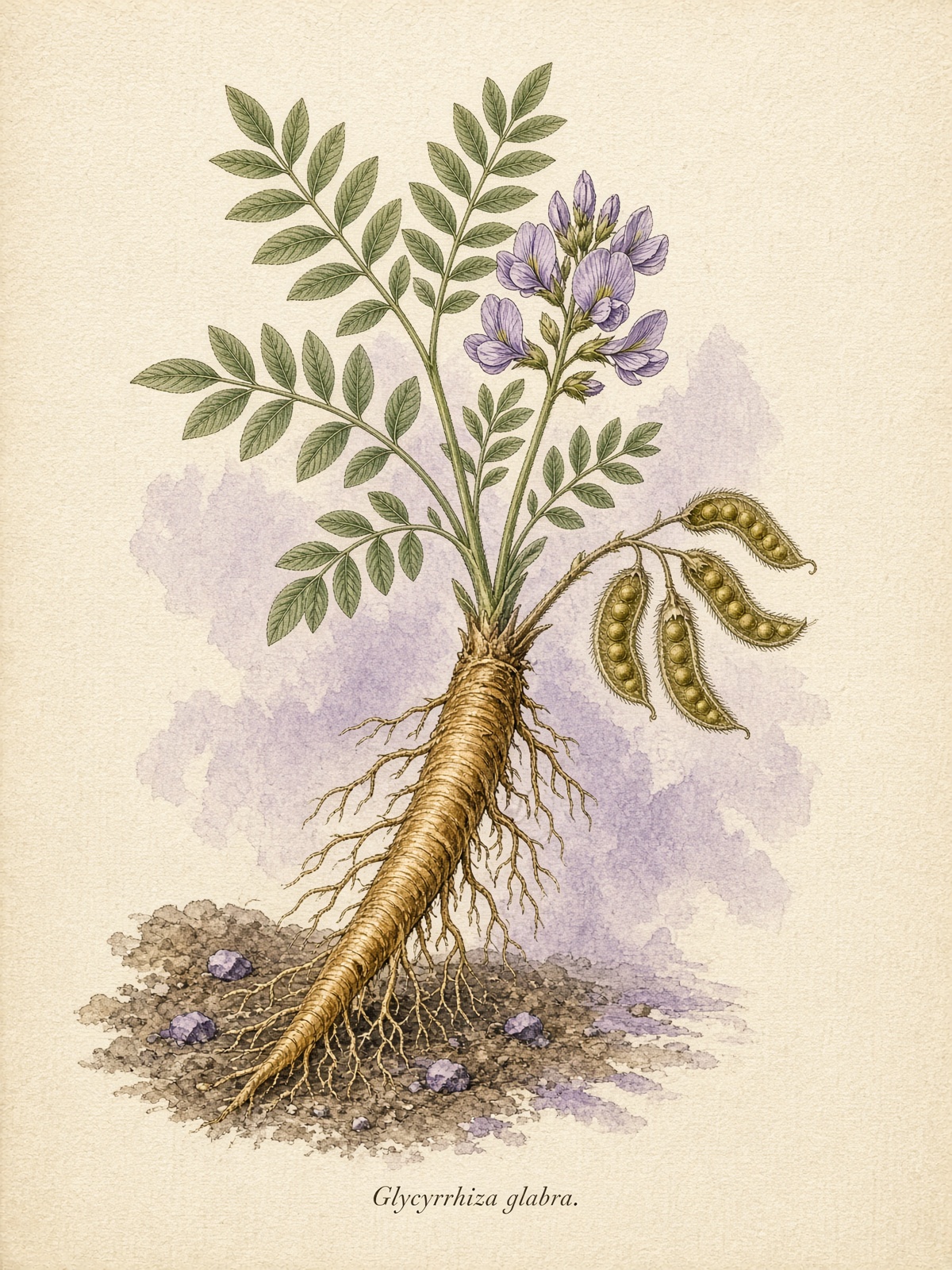
Licorice
Glycyrrhiza glabra
Sweet root that soothes mucosa and supports adrenals — and can raise blood pressure if overused.
sore throat
1/1LegalCaution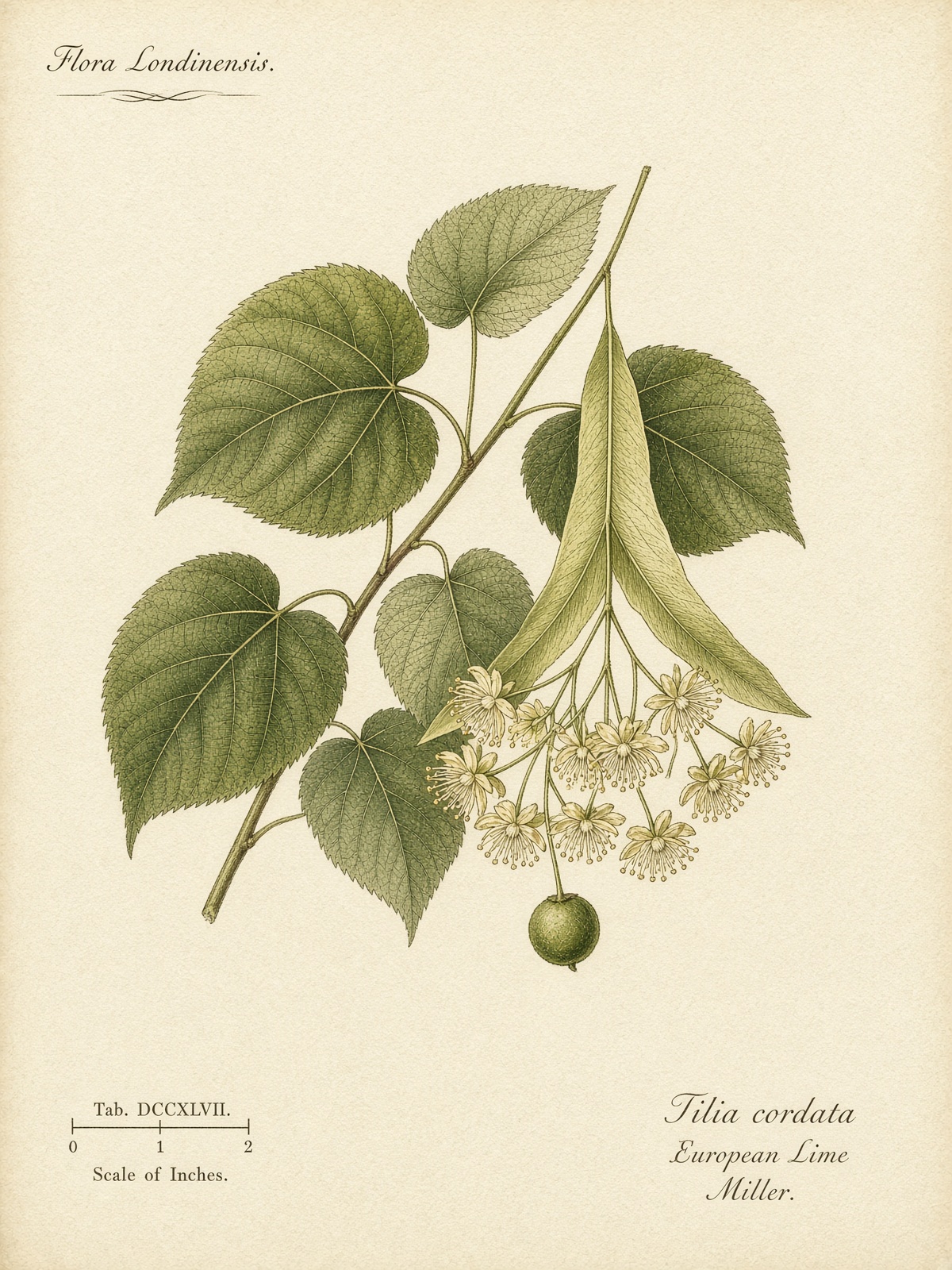
Linden
Tilia cordata
Heart-shaped leaves and a honey-bract blossom — the classic European calm-and-cold tea.
sore throat
1/1LegalGentle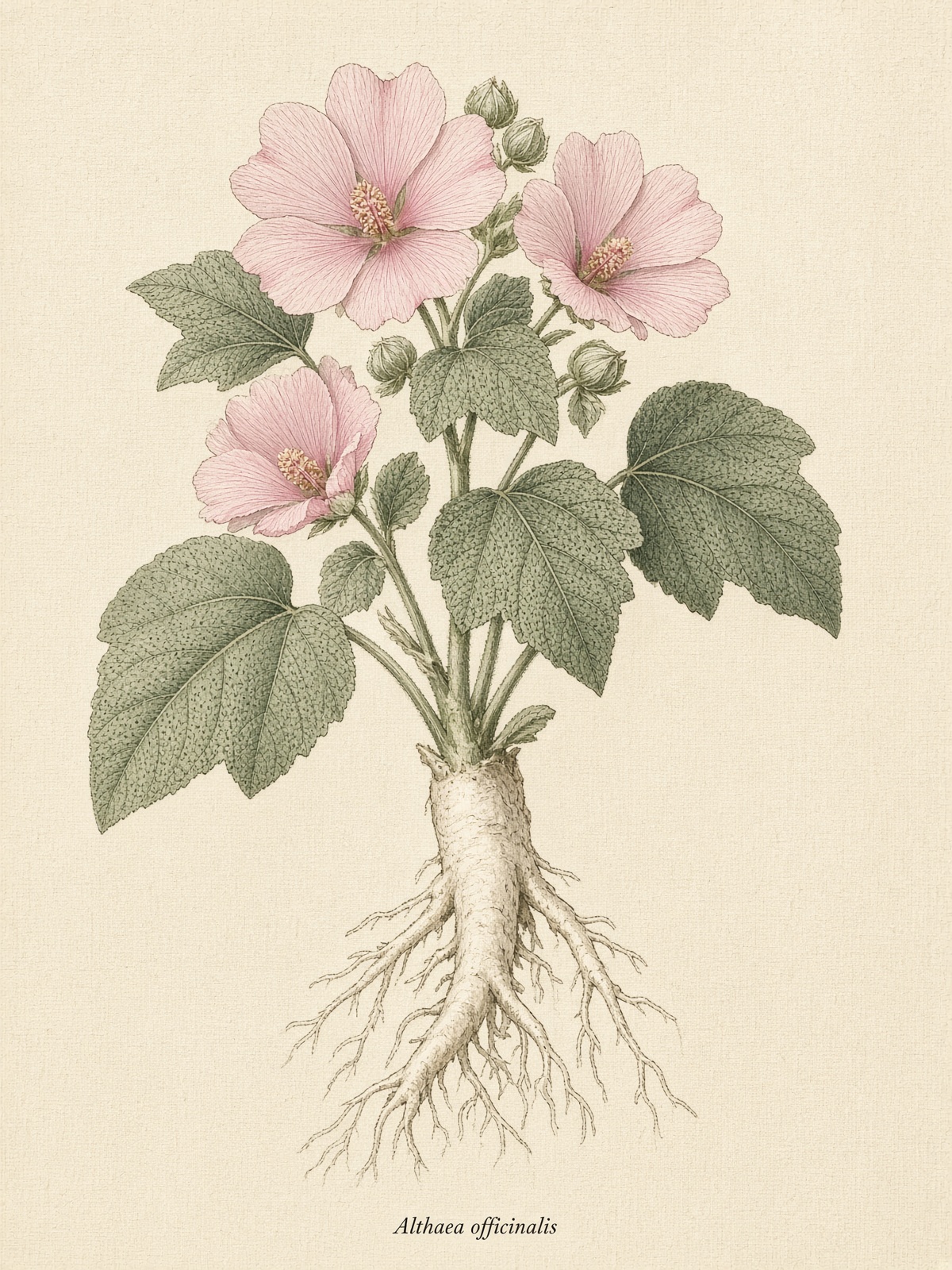
Marshmallow
Althaea officinalis
A velvety marsh mallow whose root and leaf soothe raw mucosa.
sore throat
1/1LegalGentle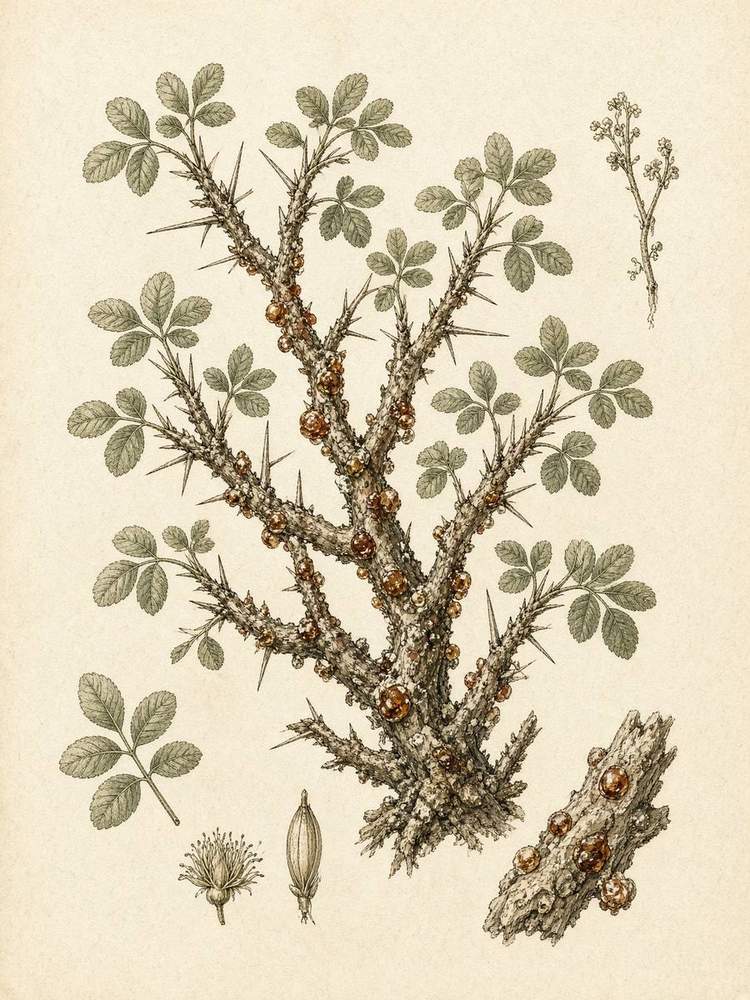
Myrrh
Commiphora myrrha
The other temple resin — a thorny Somali and Arabian shrub whose bitter gum is incense, a mouthwash, and a nativity prop.
sore throat
1/1LegalCaution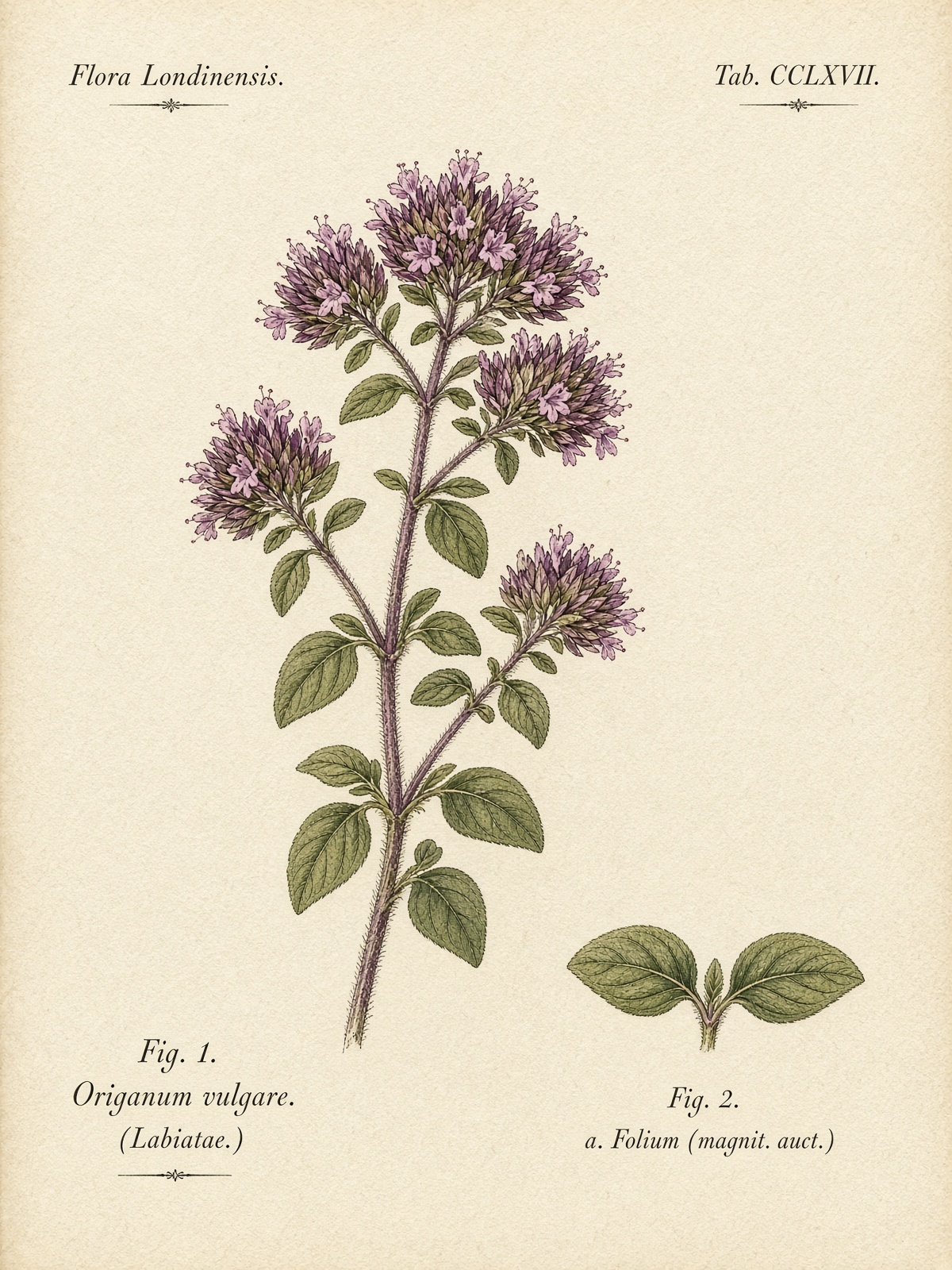
Oregano
Origanum vulgare
A hot Mediterranean mint — pizza leaf, and a traditional winter antimicrobial tea.
sore throat
1/1LegalGentle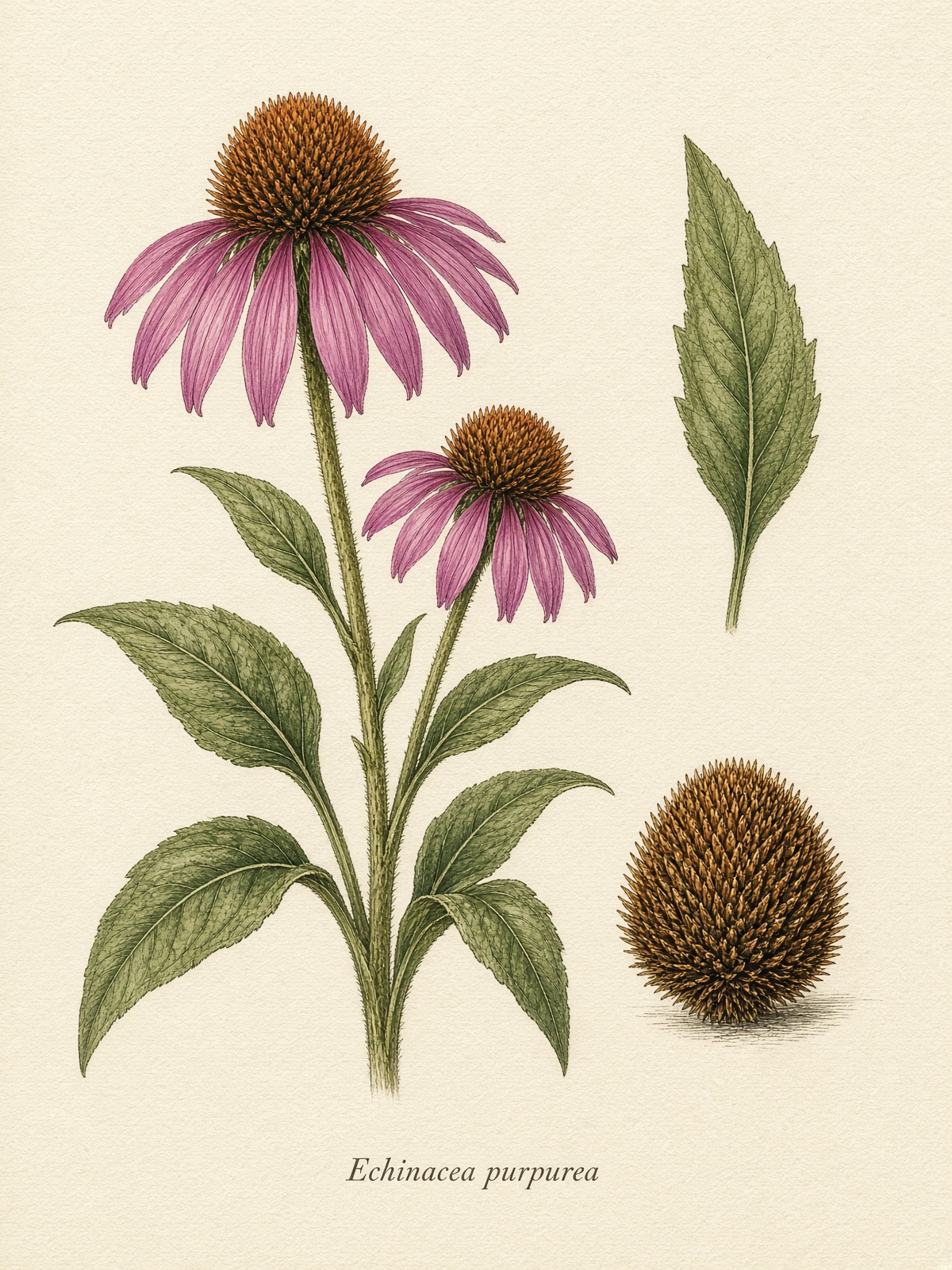
Purple coneflower
Echinacea purpurea
Prairie coneflower taken at the first scratch of a cold — immune-modulating, not a daily tonic.
sore throat
1/1LegalGentle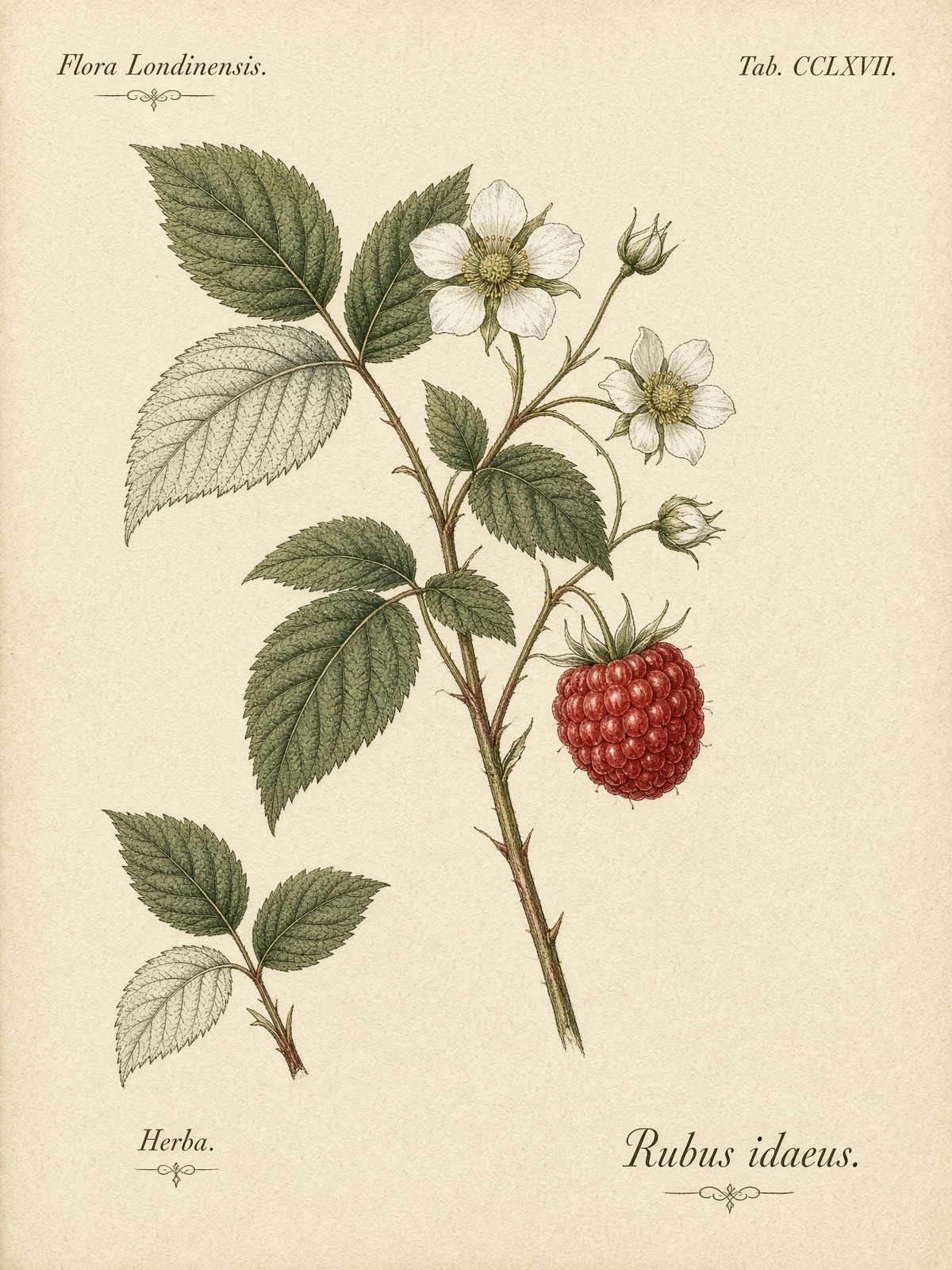
Raspberry leaf
Rubus idaeus
The cane you grow for fruit — the leaf is an astringent tea with a long midwifery folklore.
sore throat
1/1LegalGentle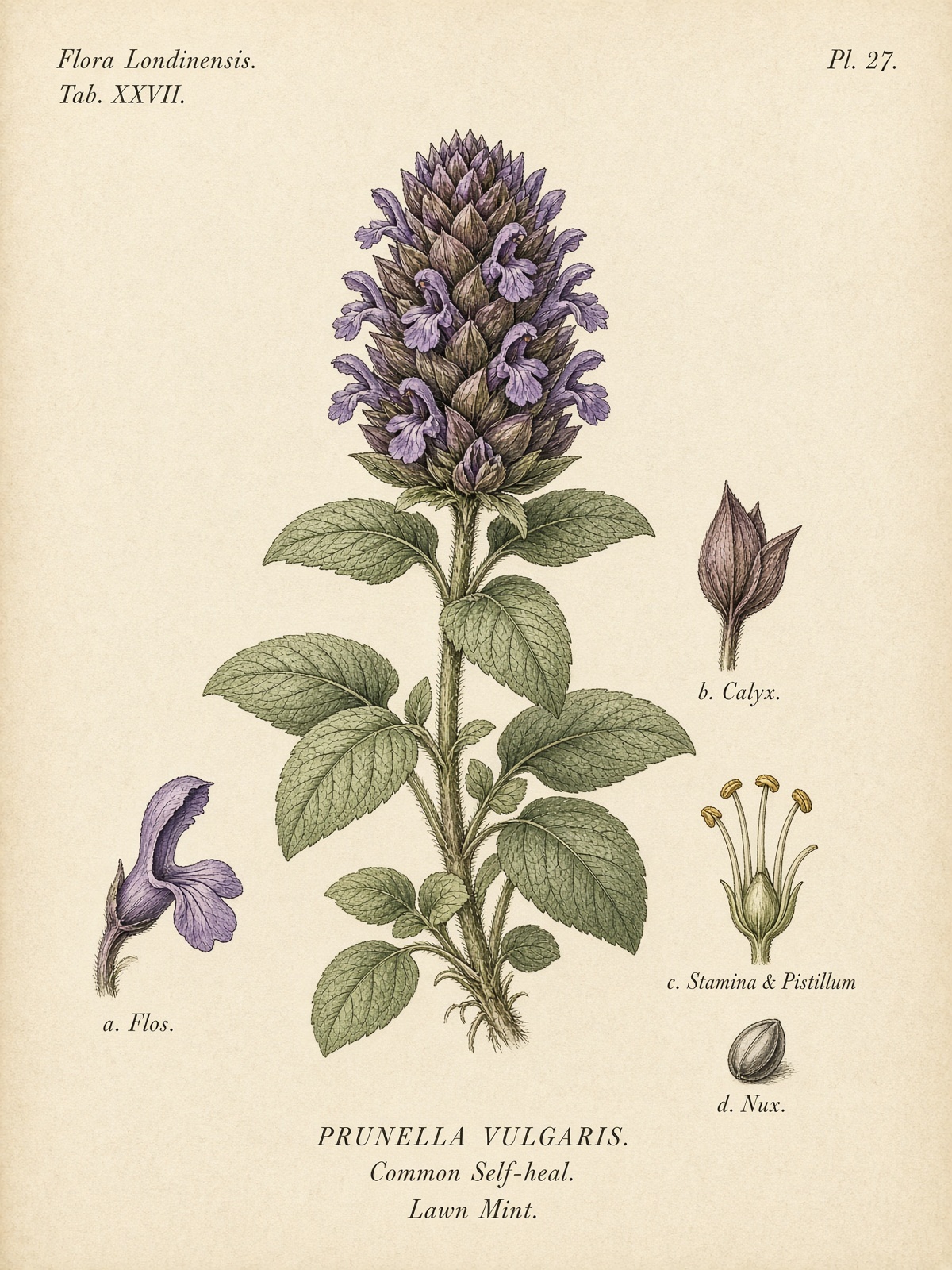
Self-heal
Prunella vulgaris
The purple lawn mint you already step on — a traditional throat gargle and wound wash.
sore throat
1/1LegalGentle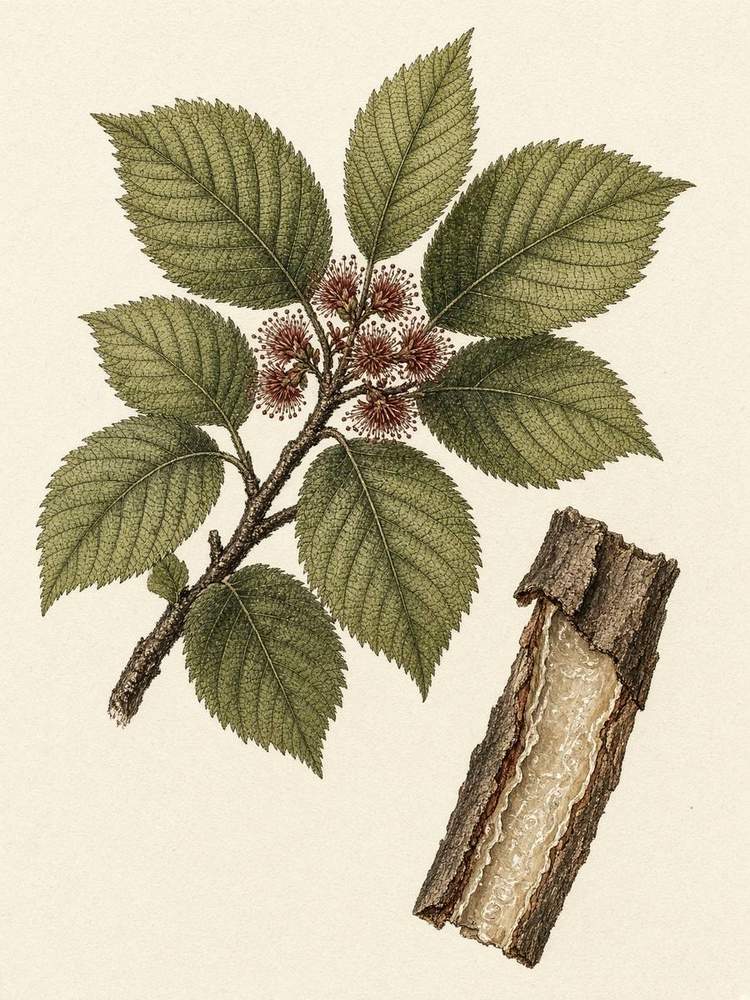
Slippery elm
Ulmus rubra
The mucilaginous inner bark of an American elm — a slippery tea for a raw throat and a raw gut.
sore throat
1/1LegalGentle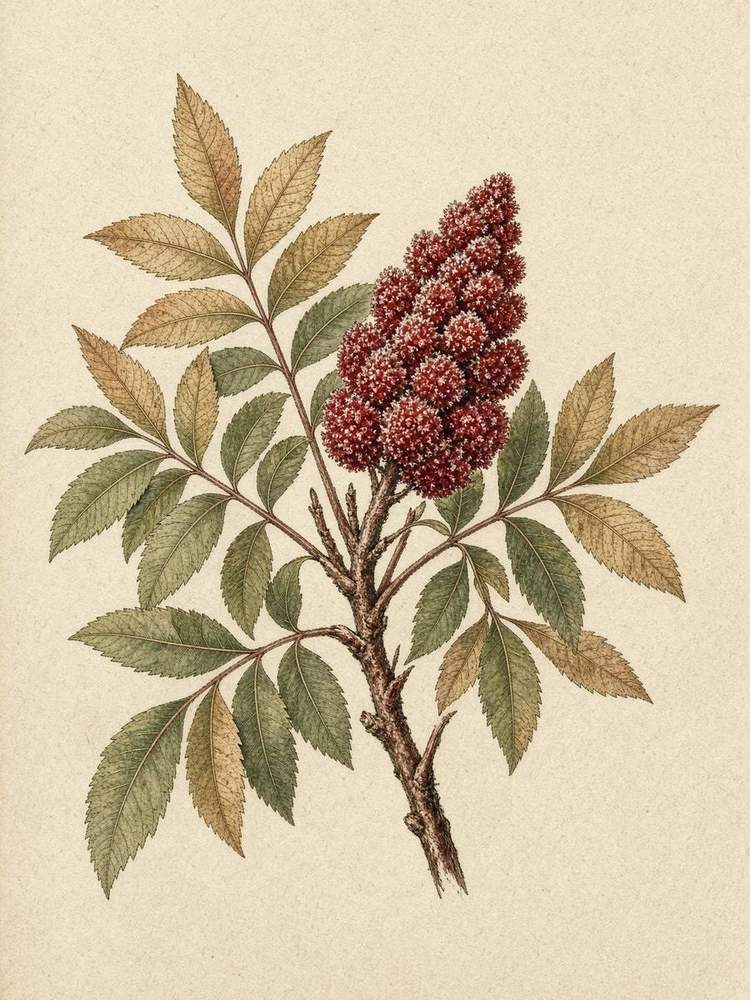
Sumac
Rhus coriaria
The sour red dust of za’atar — a Mediterranean berry-spice, not the white-berried swamp plant that raises blisters.
sore throat
1/1LegalGentle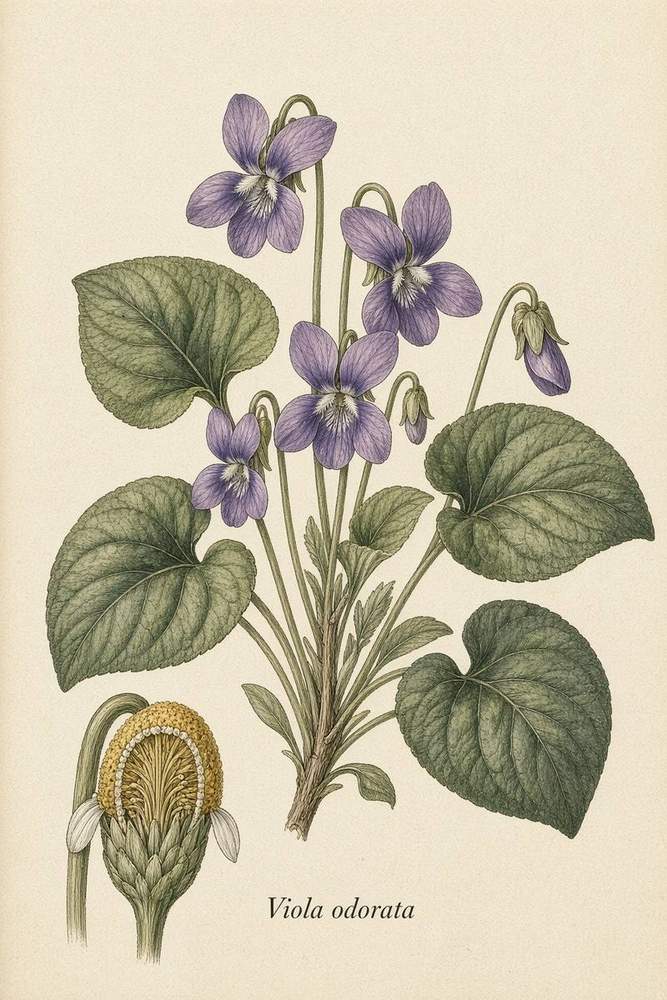
Sweet violet
Viola odorata
The April violet of scent, sugar, and a syrup the color of dusk — a woodland edge plant, not a summer bed.
sore throat
1/1LegalGentle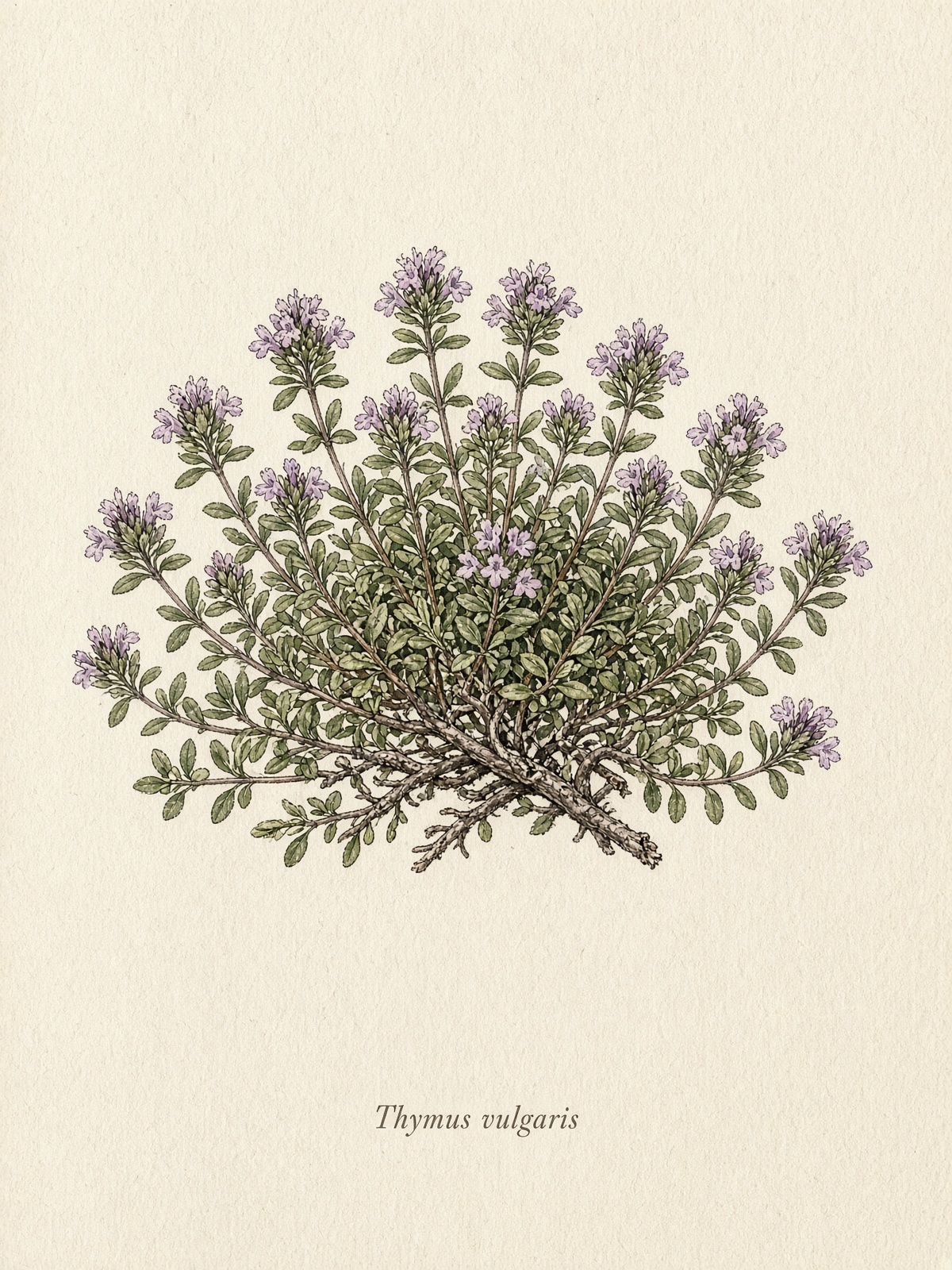
Thyme
Thymus vulgaris
A low cushion of thymol — the classic kitchen antimicrobial for coughs.
sore throat
1/1LegalGentle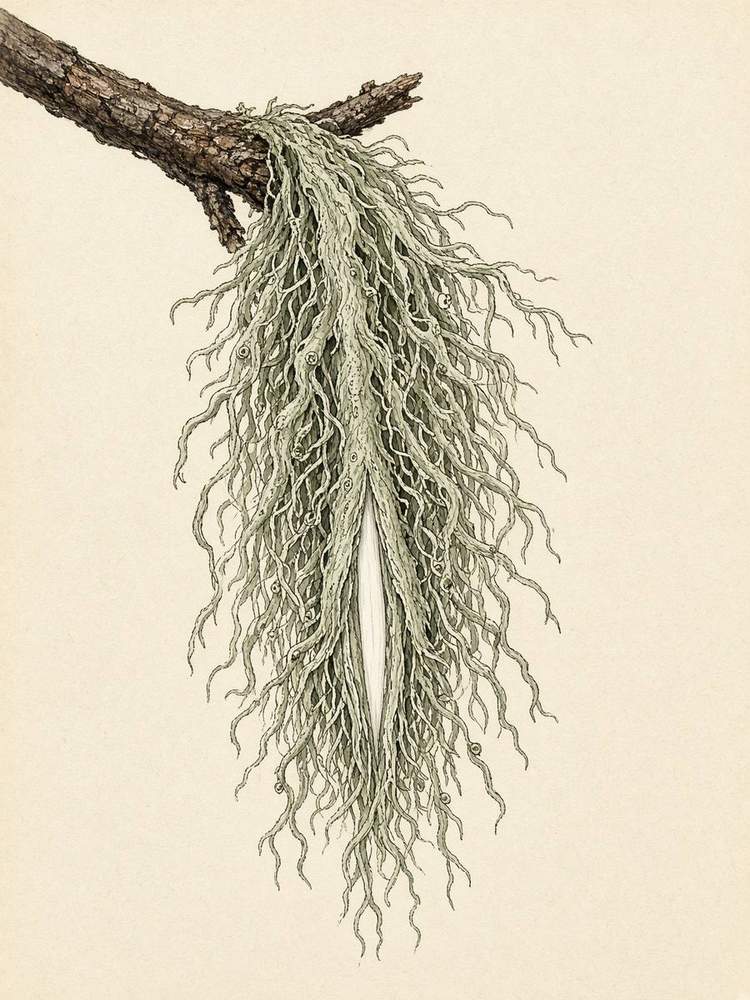
Usnea
Usnea spp.
Old-man’s beard — a traditional lichen gargle and skin wash, habitat-sensitive, not a wild-stripped tea.
sore throat
1/1LegalCaution
Teas for the same symptoms
Medicinal teas
Calendula petal cup
A golden, slightly peppery flower tea for a scratchy throat or a dull, irritated gut.
sore throat
Elderberry winter kettle
A dark, tart pot for the first scratch of a cold — food-like, not an antiviral claim.
sore throat
Linden night blossom
A honeyed European street-tree tea for a tense evening or a dry, tight cold.
sore throat
Marshmallow cold cup
A slippery, almost flavorless coat for a raw throat or irritated gut — mucilage, not spice.
sore throat
Raspberry-leaf pot
A pleasant astringent women’s tea with a long midwifery folklore — not a labor plan.
sore throat
Sage gargle
A dry, aromatic rinse for a scratchy throat — spit or a small swallow, not a pint.
sore throat
Slippery elm gruel
Coat a raw throat or an irritated gut — bland, slippery, a recovery food more than a flavor.
sore throat
Thyme-and-honey chest cup
A short, warm cup for a wet or rattling cough — not pneumonia.
sore throat
Household protocols
Natural remedies
First-scratch cold tray
Short, early kitchen support at the first sore throat or chill — not a flu treatment.
Dose: Elderberry: follow the jar; typically 1 tsp cooked syrup, 2–3 times, 2–3 days. Ginger: one 8–12 oz cup, 2–3 times. Garlic: 1 crushed culinary clove in food, once or twice. Yarrow: one 8 oz cup, once.
Safety: Raw elderberry · Infants (honey, garlic oil)
Garlic in honey
A kitchen put-up for the first scratch of a cold — food garlic, not an ear-oil protocol.
Dose: Adult: 1 culinary clove in honey, 1–2 times a day, 2–3 days. Honey not for infants under 1 year.
Safety: Infants (honey) · Bleeding disorders in large medicinal garlic
Goldenrod late-summer cup
A hay-scented infusion for a thick, allergic head — often blamed for ragweed’s sins.
Dose: Adult: 1 tsp dried tops per 8 oz, 1–2 times a day through a known stretch, then stop.
Safety: Asteraceae allergy · Anaphylaxis as a substitute for a plan
Onion-and-honey spoon
A folk cough spoon from the allium drawer — kitchen, not a whooping-cough plan.
Dose: Adult: 1 tsp of the collected syrup, 2–3 times a day, 2–3 days. Not for infants (honey).
Safety: Infants · Onion allergy
Sage and thyme gargle
A hot, aromatic rinse for a raw throat — spit, don’t make a quart of it.
Dose: Adult: gargle 1 cup, 2–3 times a day, for 2–3 days. Do not swallow cup after cup of strong sage — thujone lives there.
Safety: Infants (honey) · Pregnancy in medicinal sage amounts
Slippery elm or marshmallow coat
Bland mucilage for a raw throat or an irritated gut — a recovery food more than a flavor.
Dose: Adult: 1 tsp elm powder or 1 tbsp chopped marshmallow root per 8 oz, 1–3 times a day, short course. Never swallow dry powder.
Safety: Wild-stripped elm bark · Swallowing dry powder by the spoon
Thyme-and-honey kettle
A hot aromatic cup for a wet, rattly cough — kitchen thyme, not oil of thyme.
Dose: Adult: one 8 oz cup, 2–3 times a day, 3–5 days. Thyme is the teaspoon; licorice is a thin slice, not a handful. Honey: ½–1 tsp per cup. Not for infants.
Safety: Infants (honey) · Uncontrolled hypertension (licorice)
Usnea as a wash
A traditional lichen gargle and skin wash — habitat-sensitive, not a wild-stripped old-growth harvest.
Dose: Adult: a pinch (about ½ tsp dried) in 8 oz, as a gargle 1–2 times, a day or two. Spit. Not a mug-a-day protocol.
Safety: Stripping living old-growth · A daily internal usnea pot